-
 Duration
8 Days
Duration
8 Days
-
 Difficulty
Easy
Difficulty
Easy
-
 Max Elevation
1,750 m
Max Elevation
1,750 m
-
 Group Size
1 to 10 People Person
Group Size
1 to 10 People Person
-
 Accommodation
Three star Hotel/ Standard Hotel
Accommodation
Three star Hotel/ Standard Hotel
-
 Start/End
Kathmandu Airport/Kathmandu
Start/End
Kathmandu Airport/Kathmandu
-
 Destination
Kathmandu, Lumbini
Destination
Kathmandu, Lumbini
-
 Best Season
Spring and Autumn
Best Season
Spring and Autumn
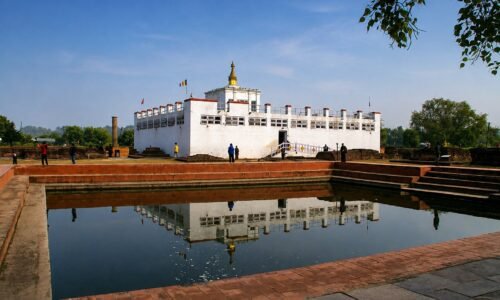
This 8-day Buddhist Pilgrimage Tour brings together several of the most important Buddhist destinations in and around Kathmandu with the sacred birthplace of the Buddha at Lumbini and the ancient Kapilvastu region.
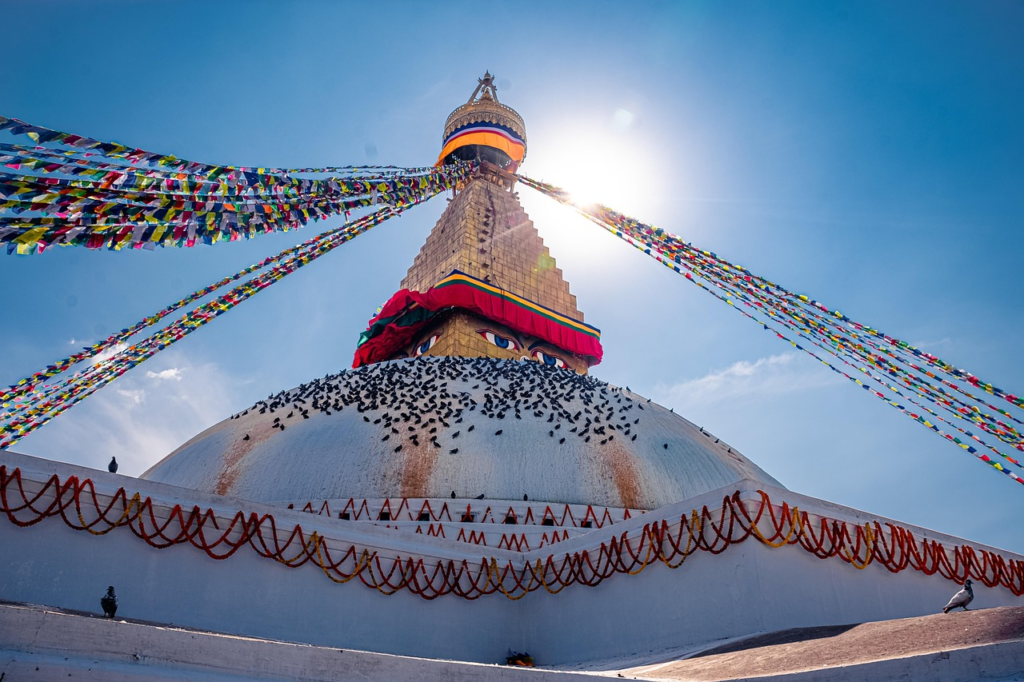
The journey begins in Kathmandu, where Buddhism has been part of the valley’s cultural life for centuries. The first days introduce you to several different forms of Buddhist heritage rather than focusing on a single type of monument.
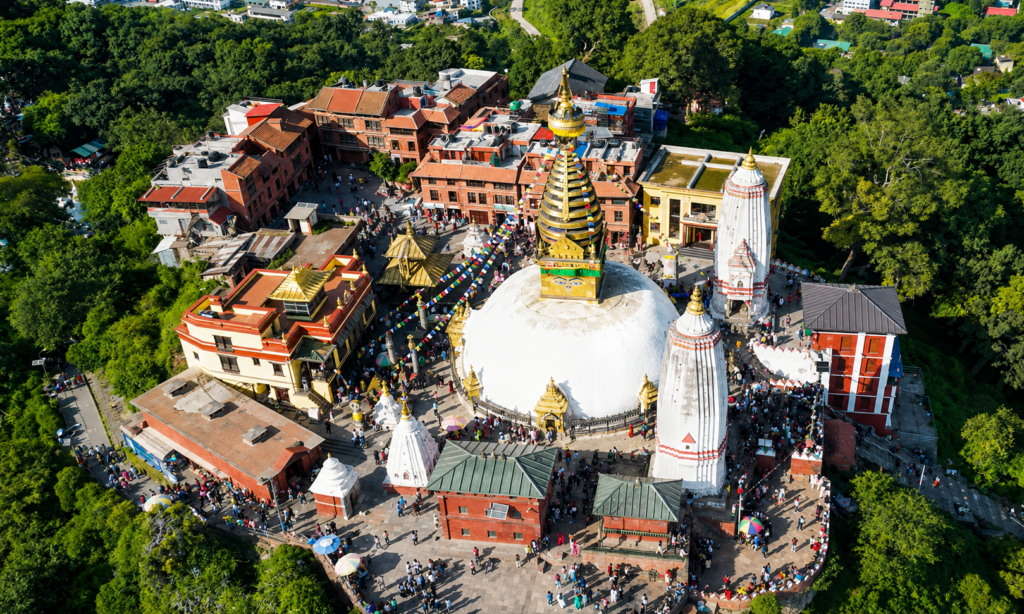
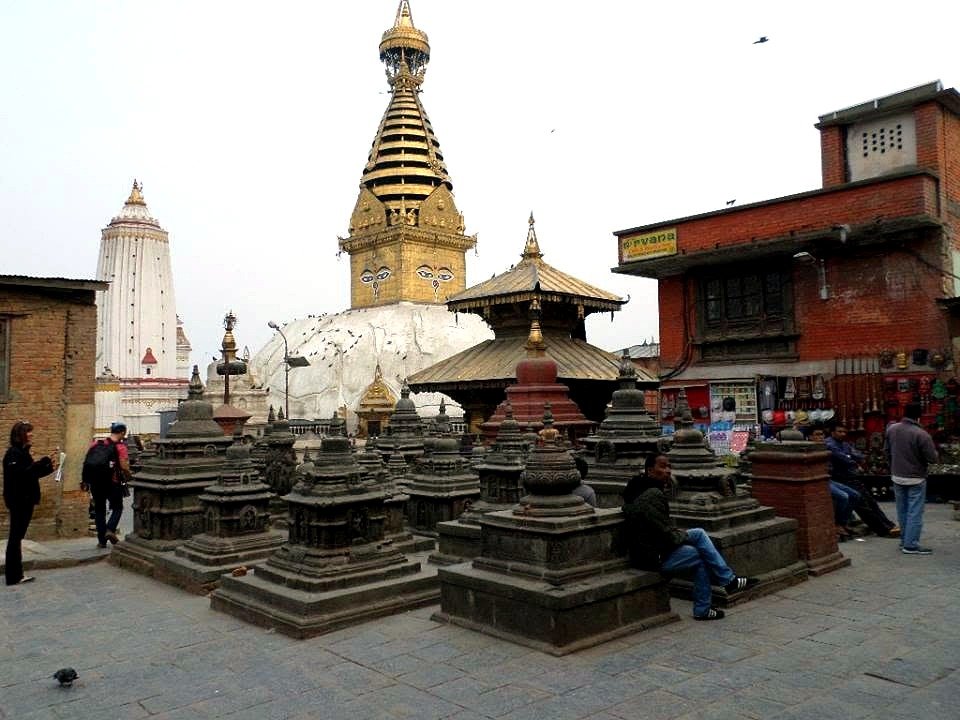
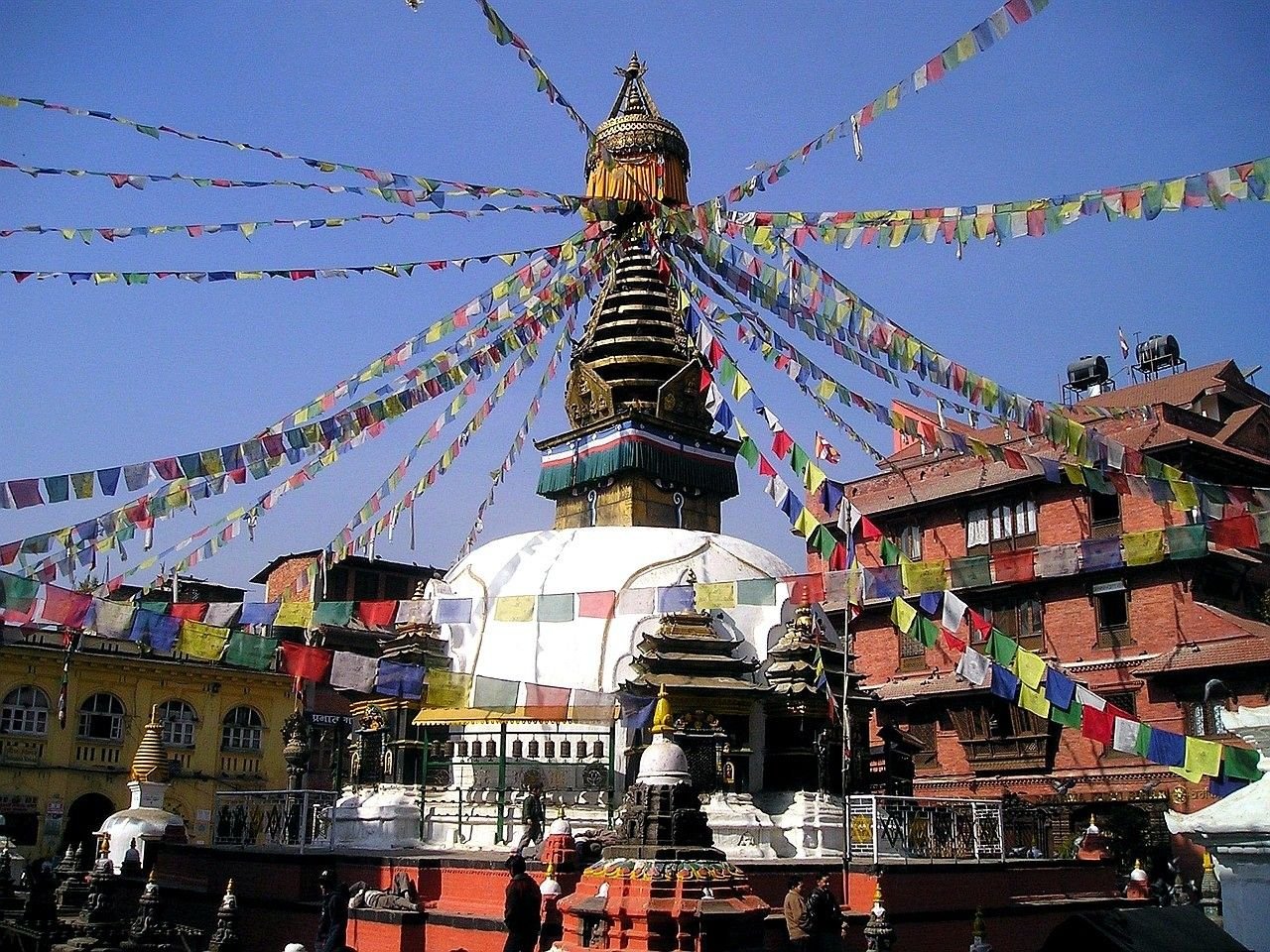
At Swayambhunath, the experience centres on an ancient hilltop stupa surrounded by shrines, prayer wheels, monasteries and traditional religious practices.
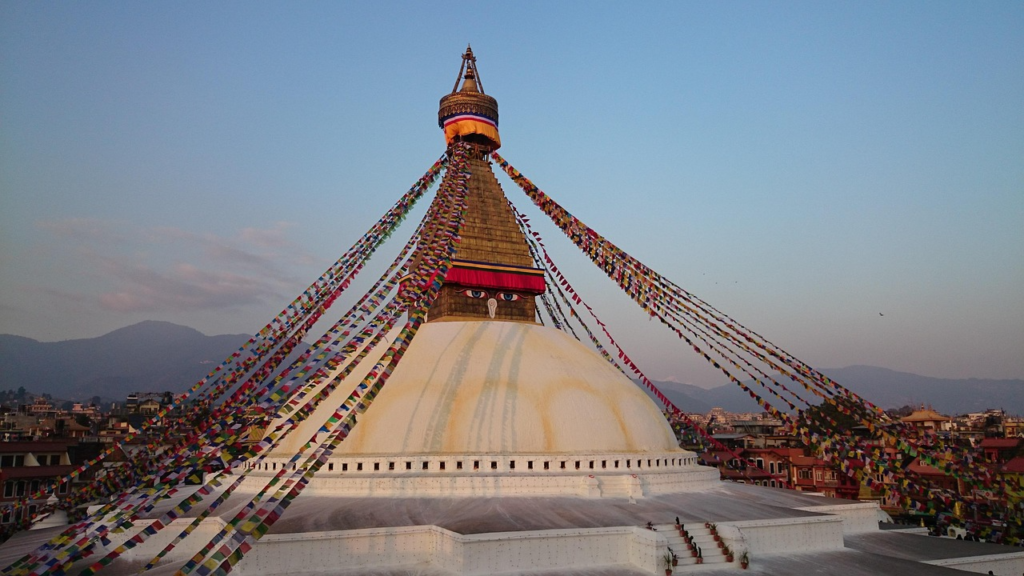
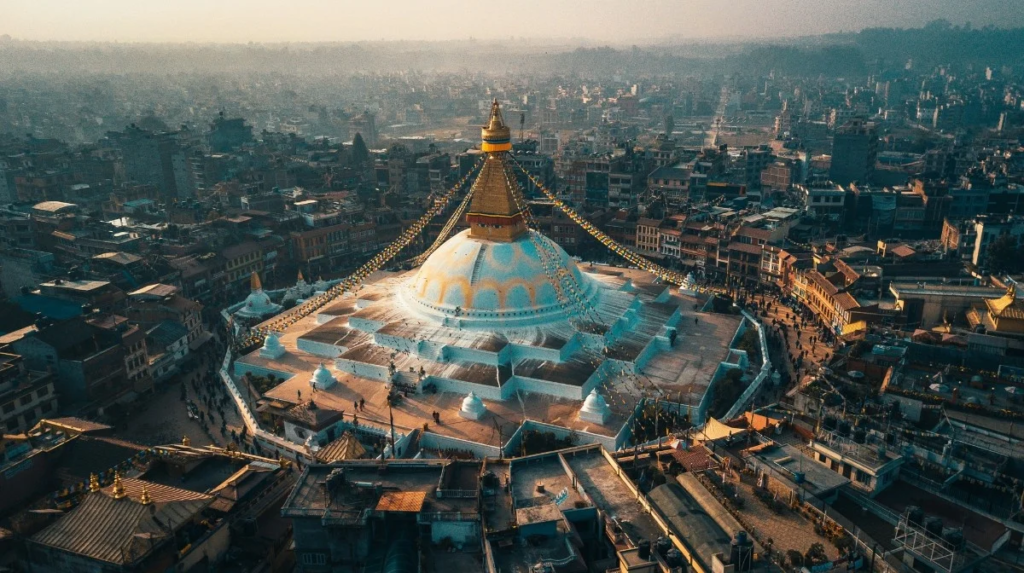
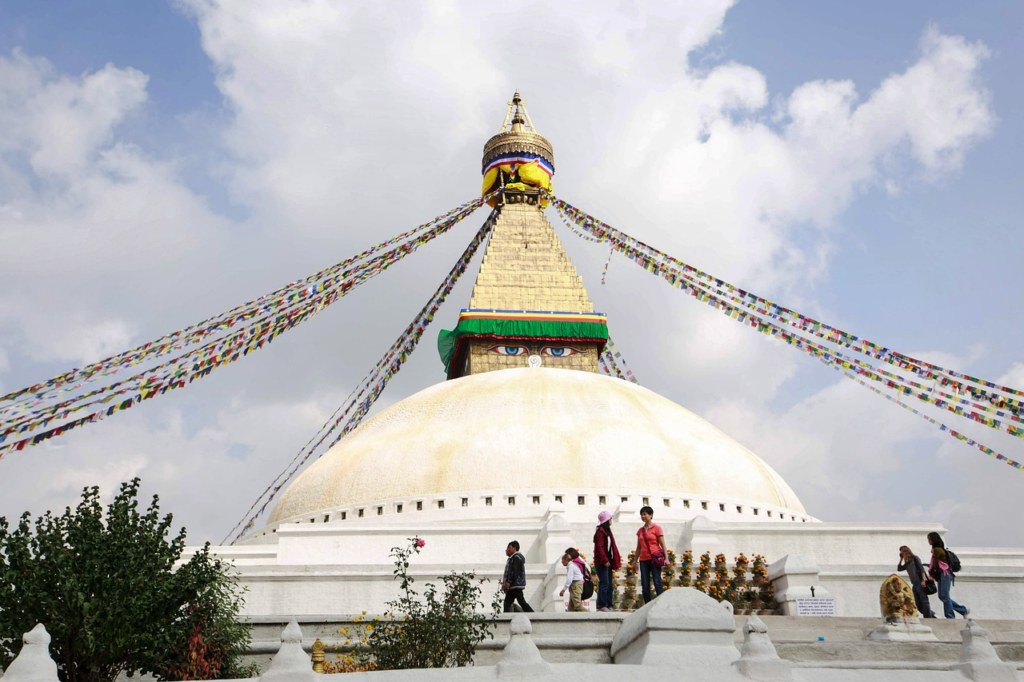
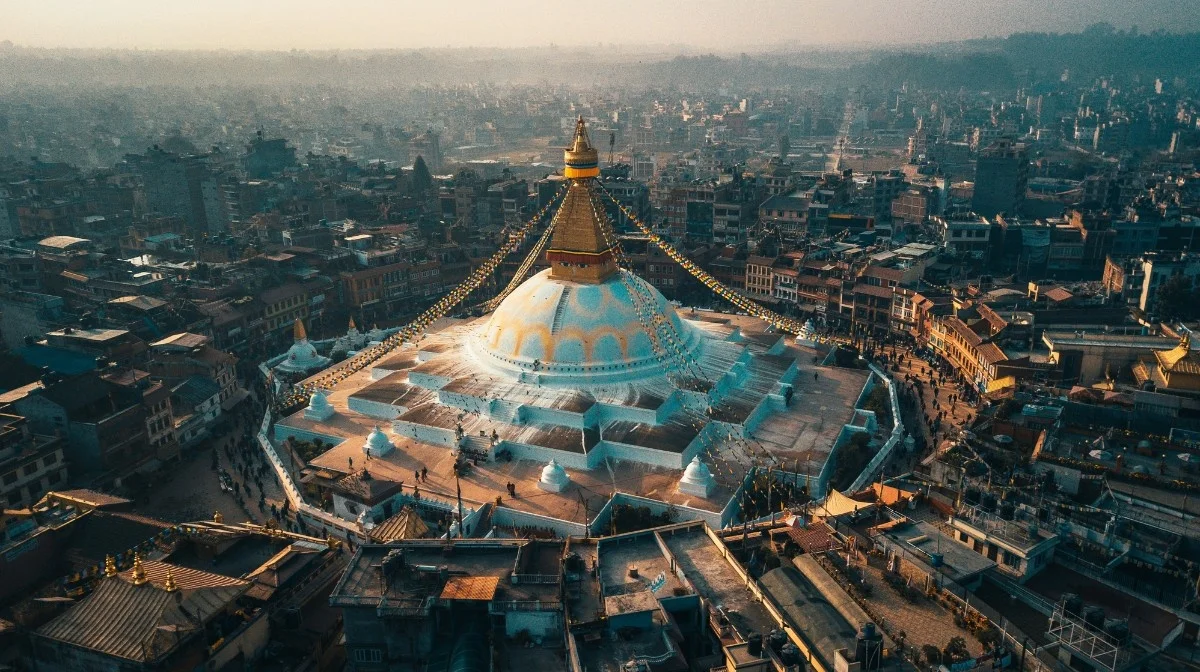
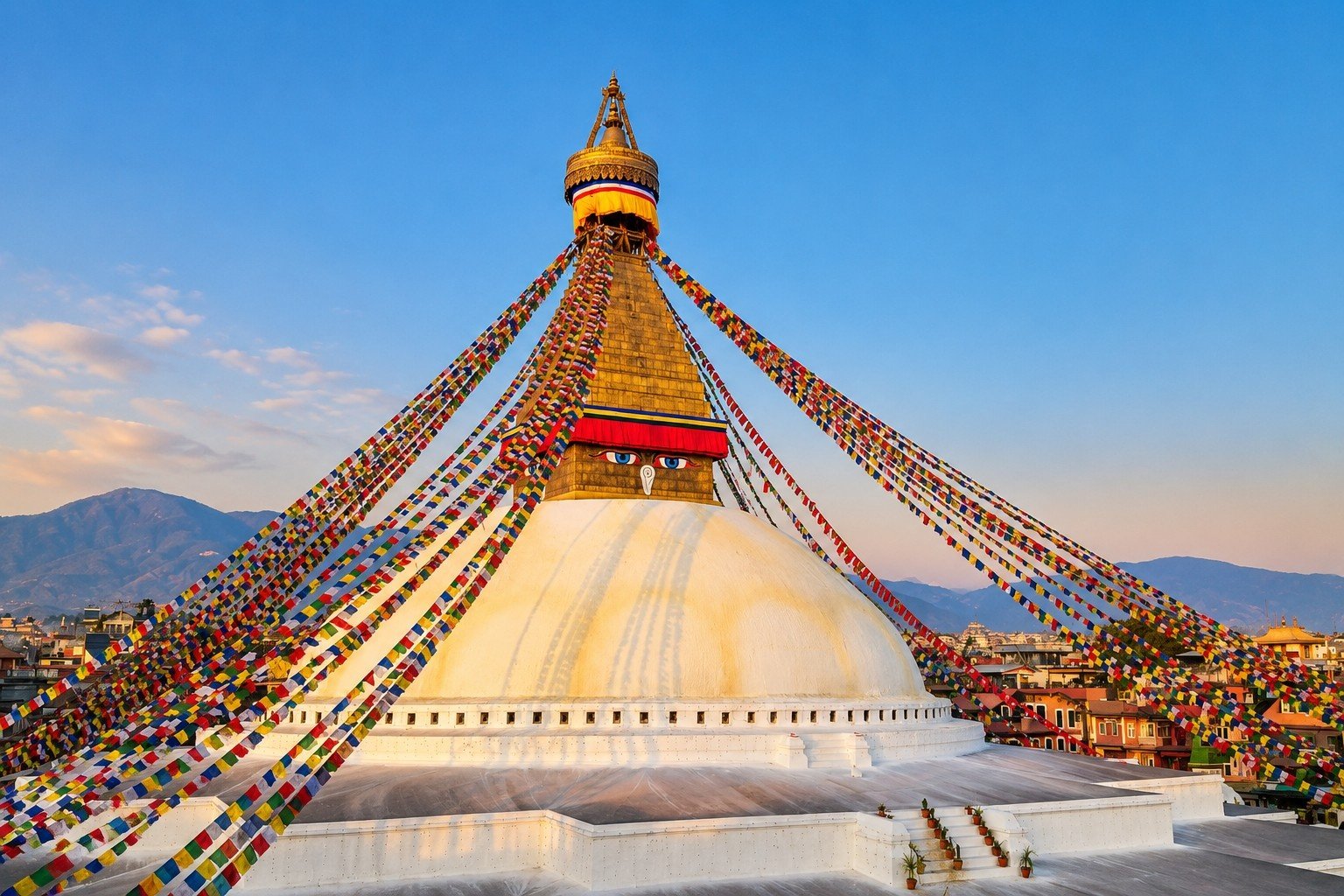
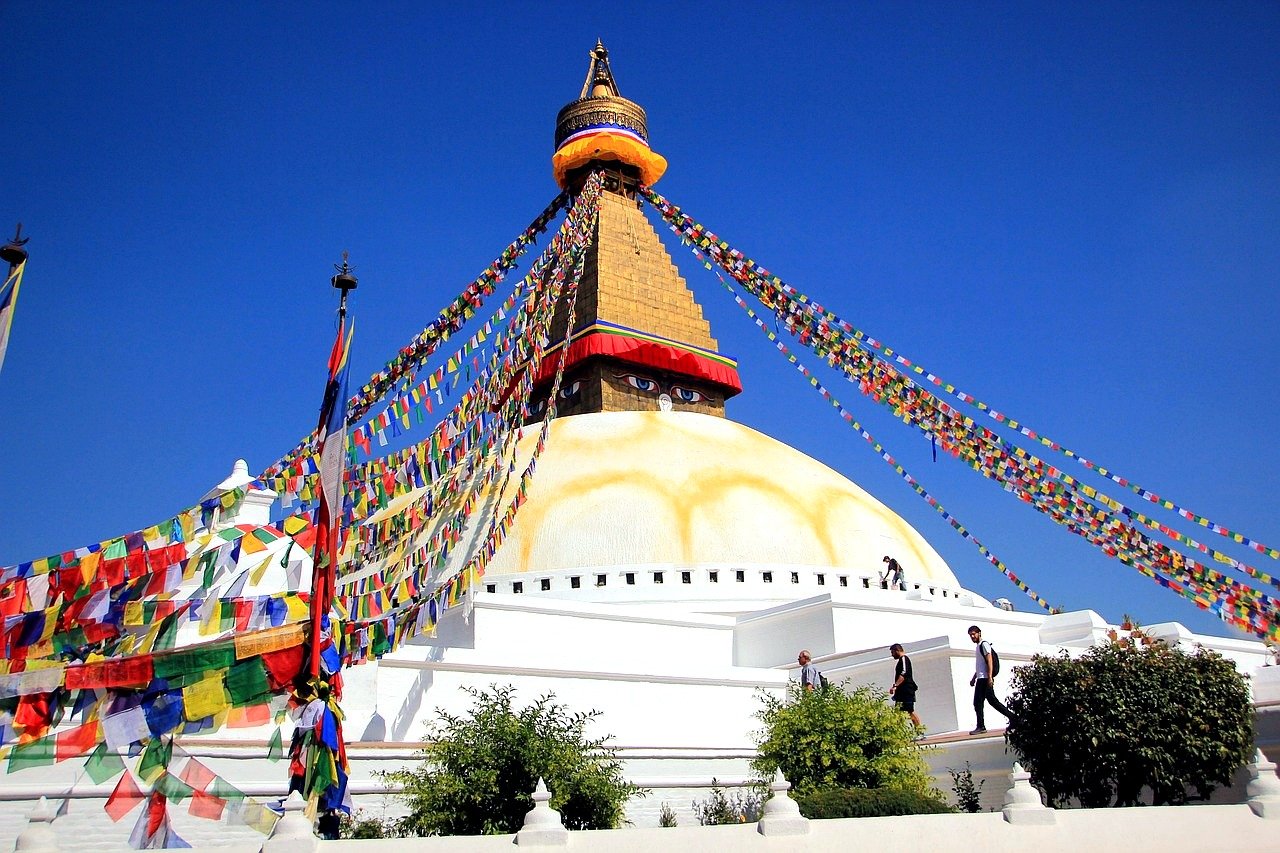
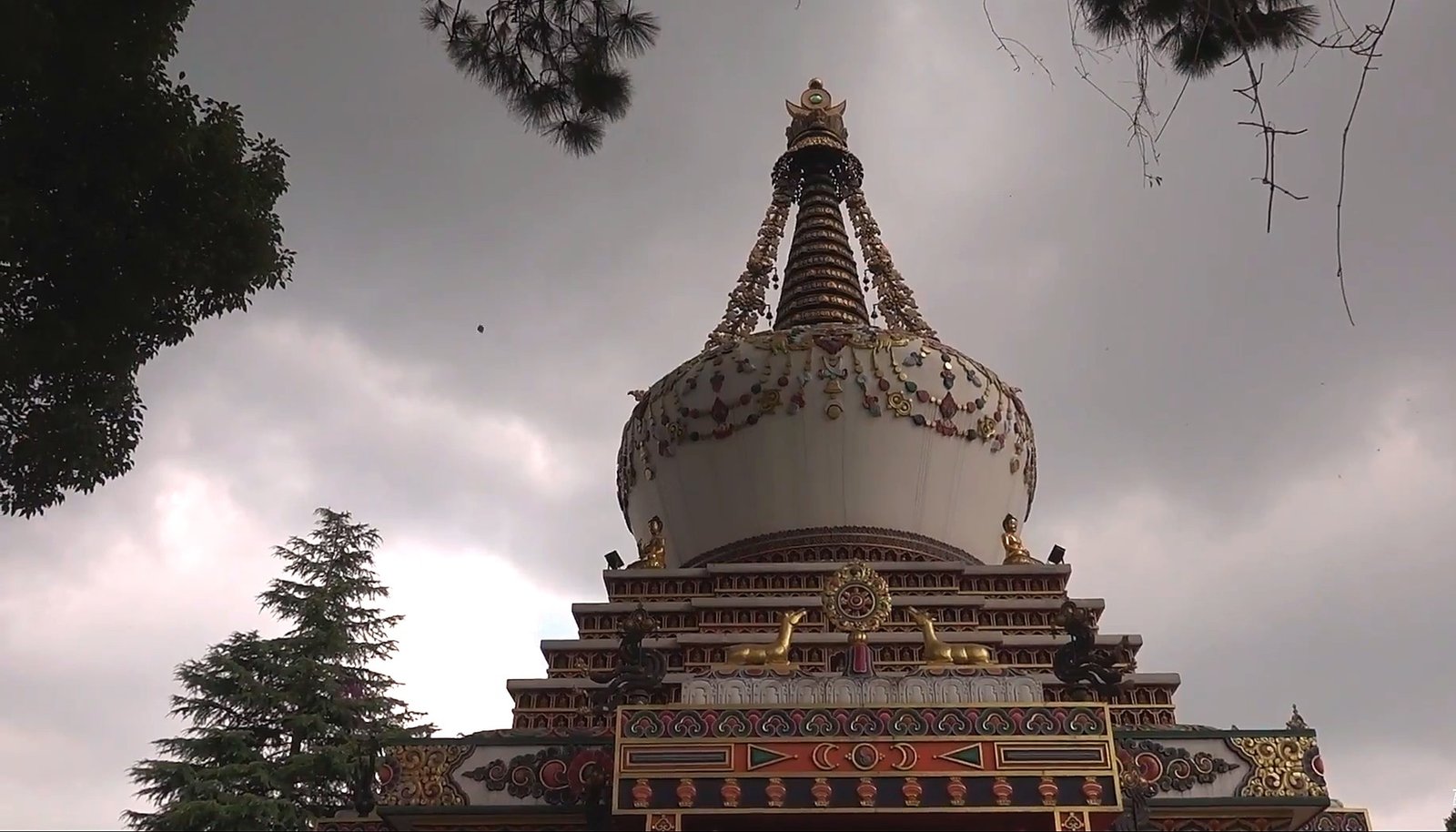
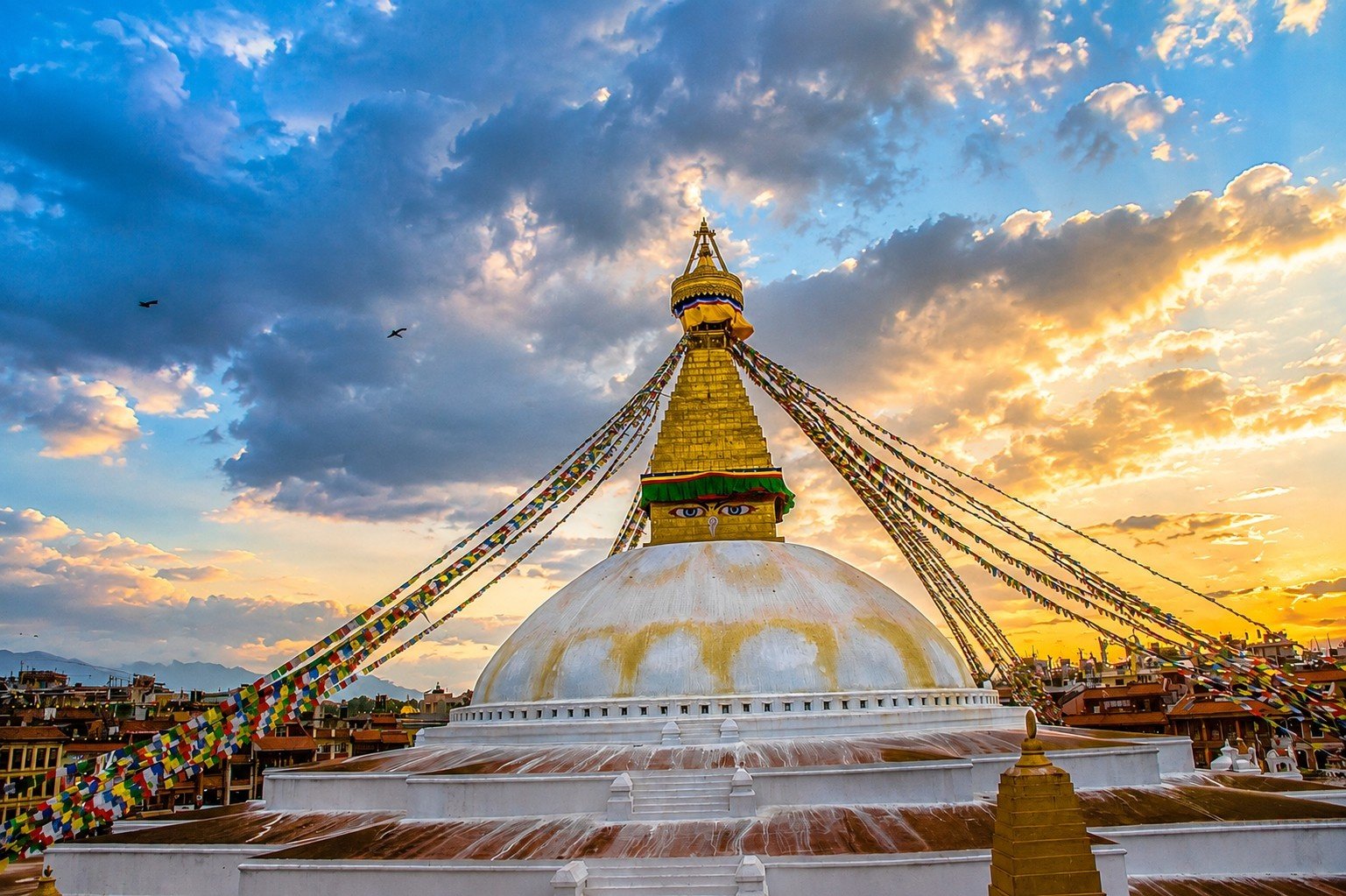
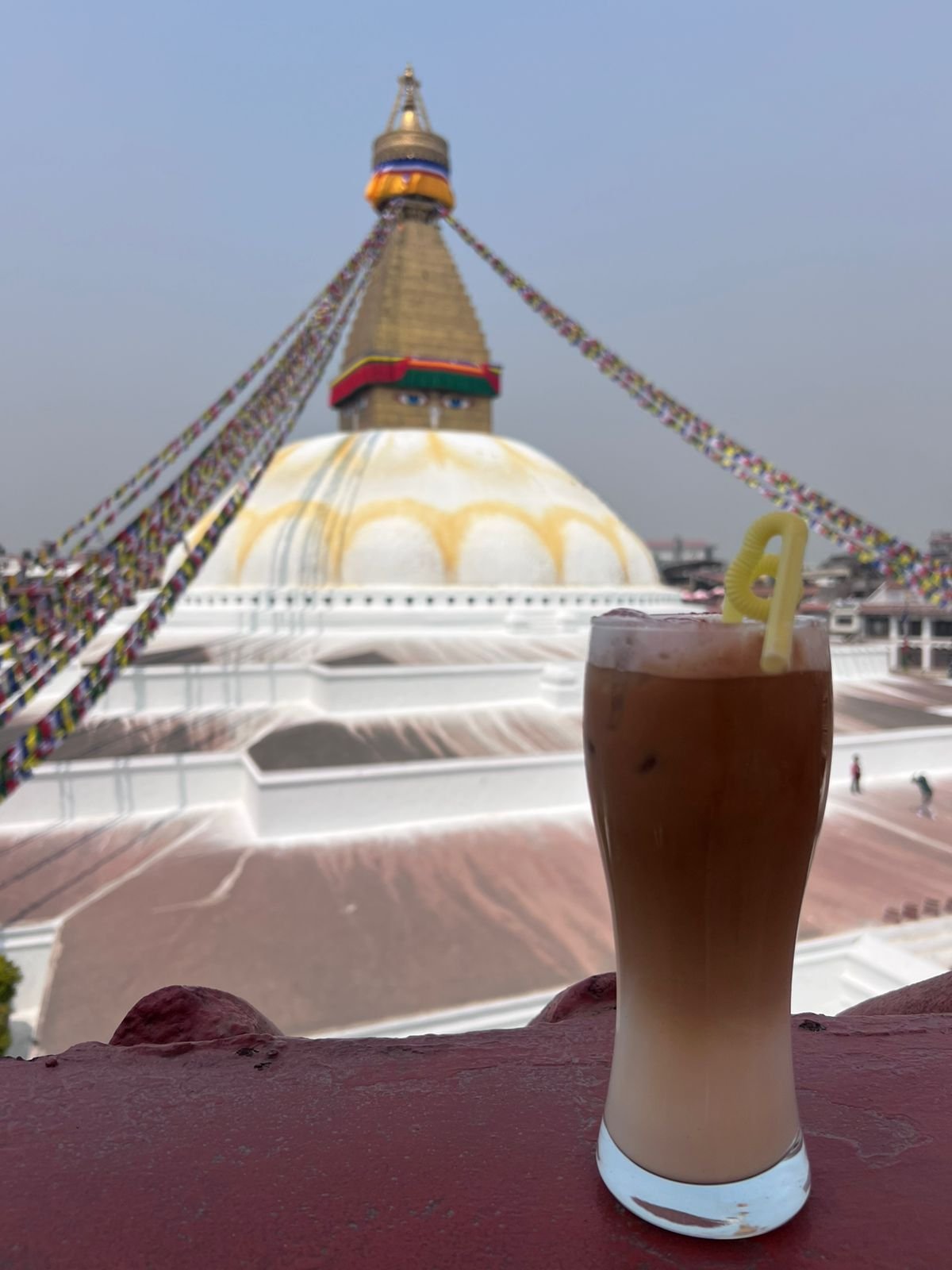
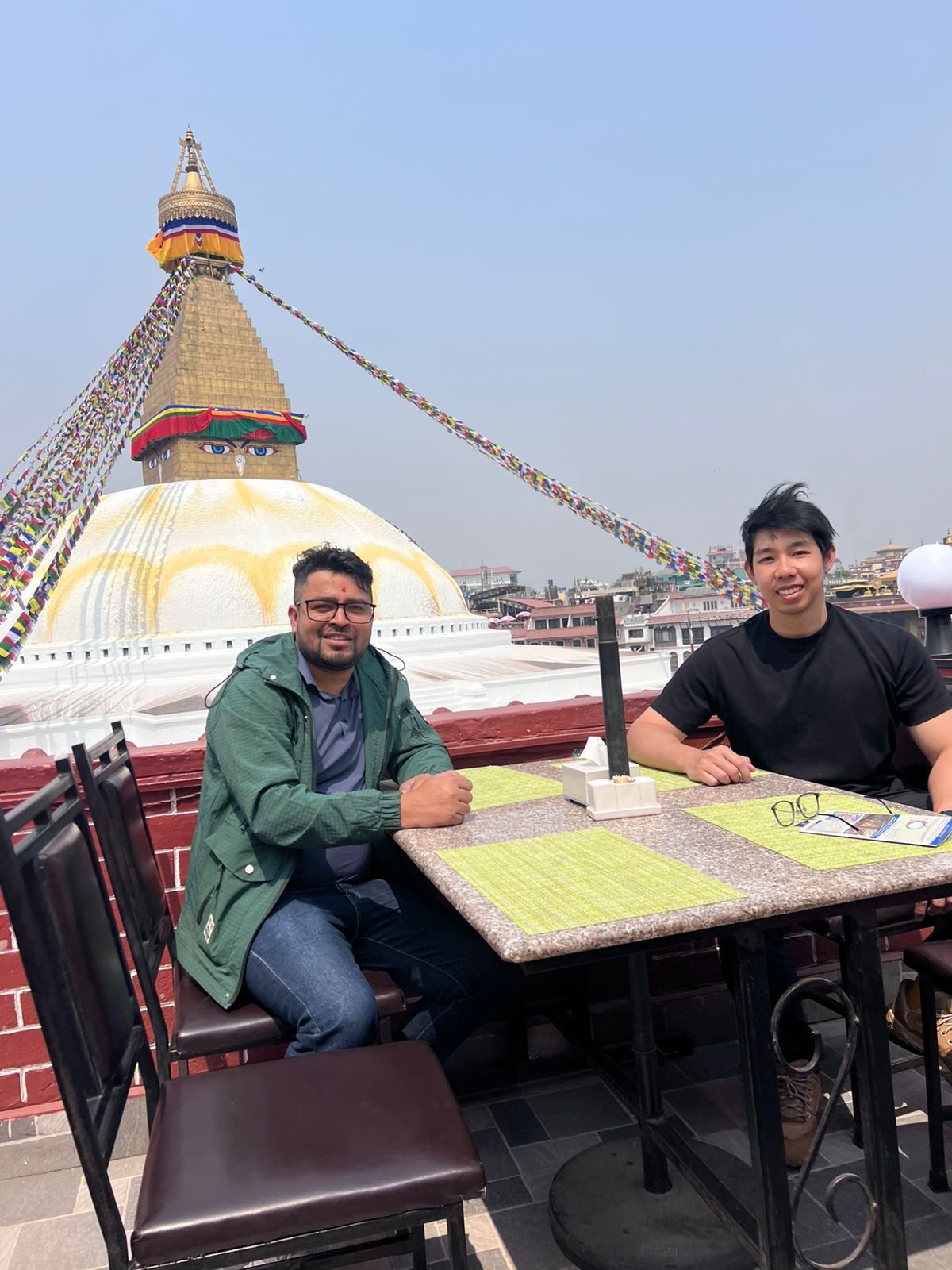
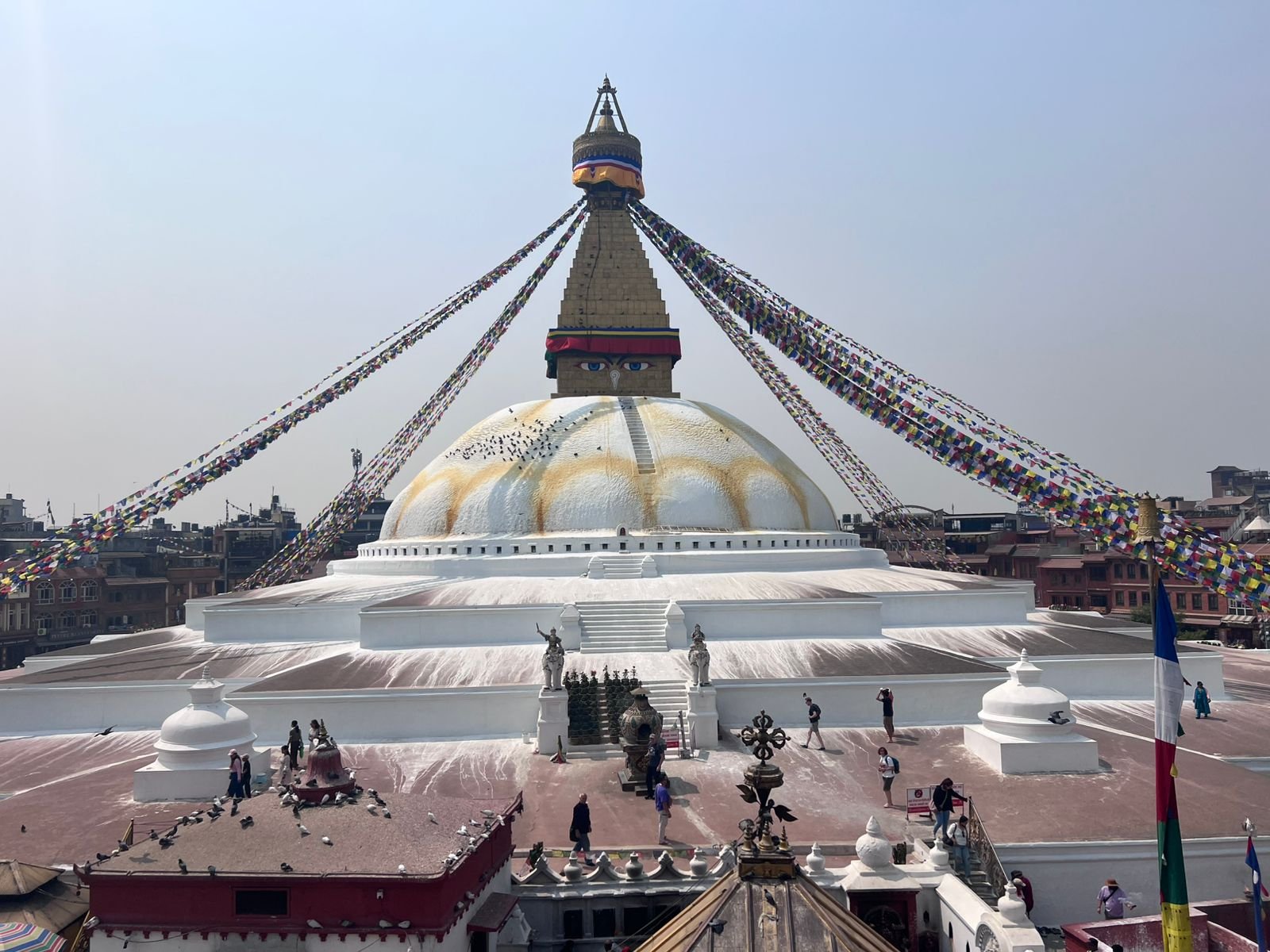
Boudhanath offers a very different atmosphere, with its enormous white dome surrounded by Tibetan Buddhist monasteries, shops and communities.
Walking around the stupa while pilgrims perform their prayers gives visitors a chance to see Buddhism as a living tradition rather than simply as a historical subject.
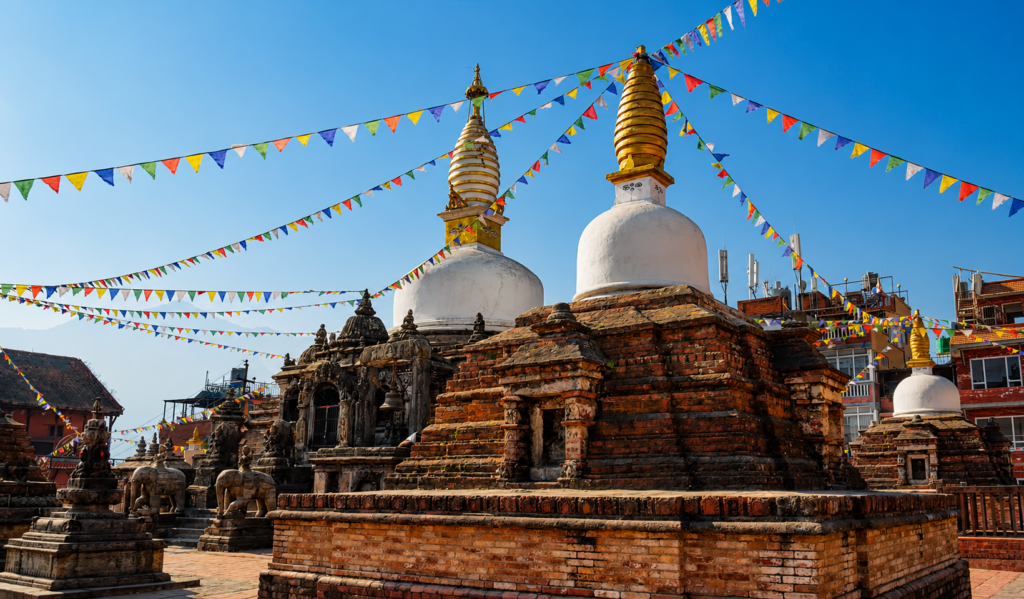
The Kathmandu section also includes Patan’s Buddhist heritage, where traditional Newar Buddhism remains deeply connected with the city’s architecture and religious courtyards.
A visit to Hiranya Varna Mahavihar, commonly known as the Golden Temple, offers a closer look at the intricate metalwork.
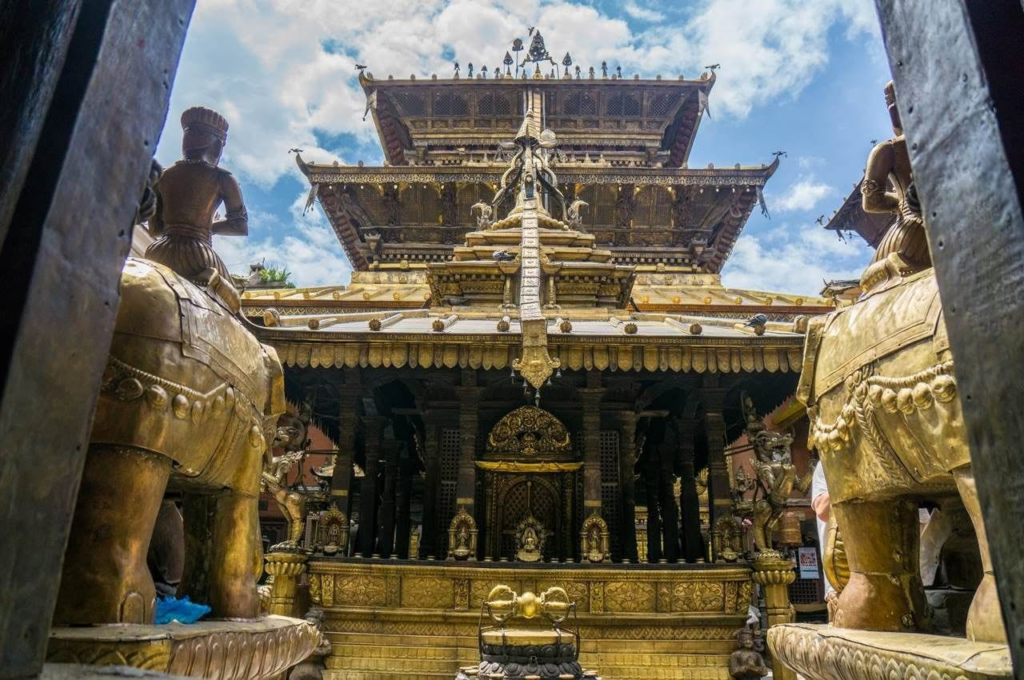
The statues, prayer spaces and monastery courtyards that distinguish Newar Buddhist traditions from the larger Tibetan-style stupas of Boudhanath and Swayambhunath are breathtaking.
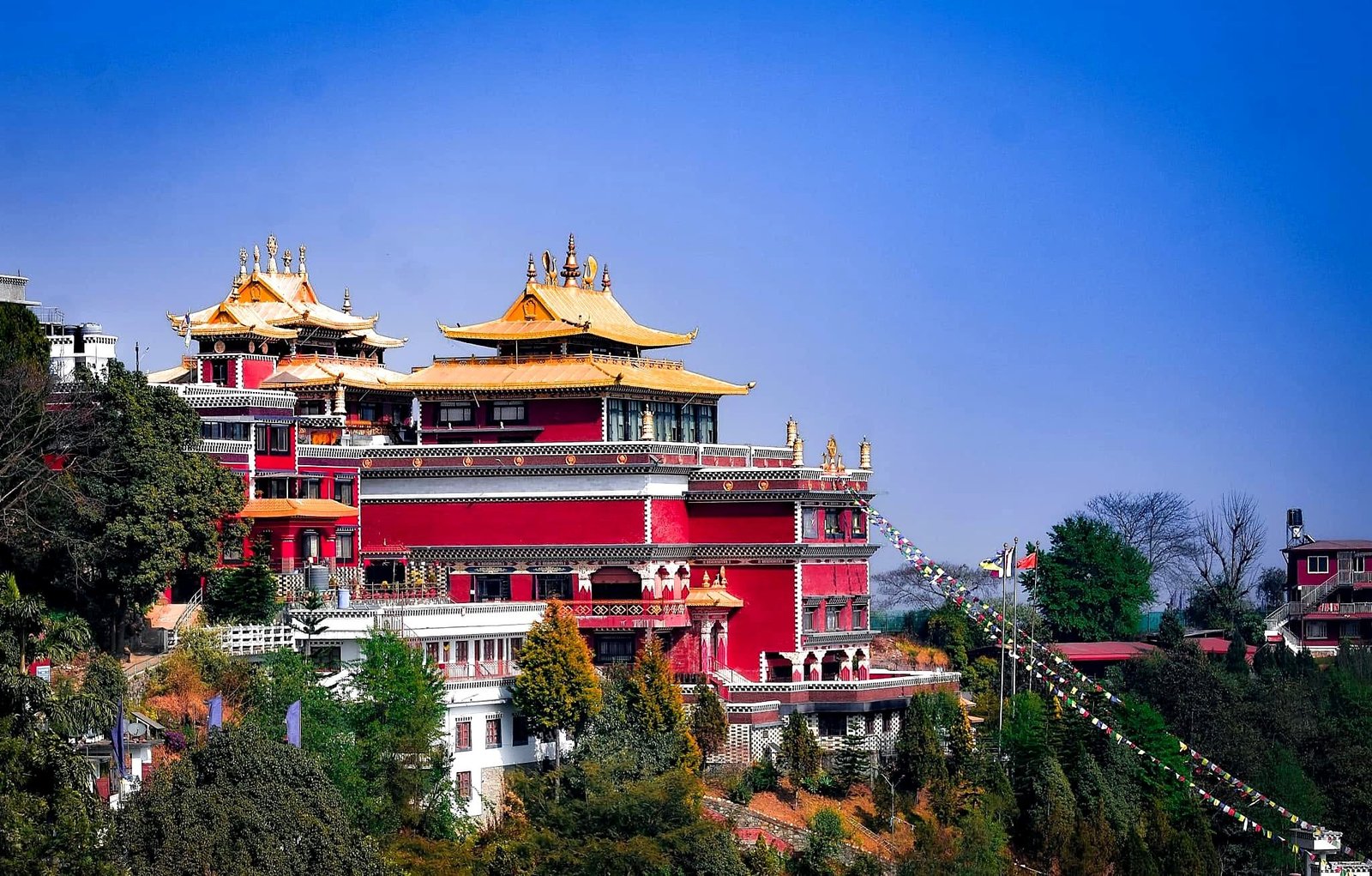
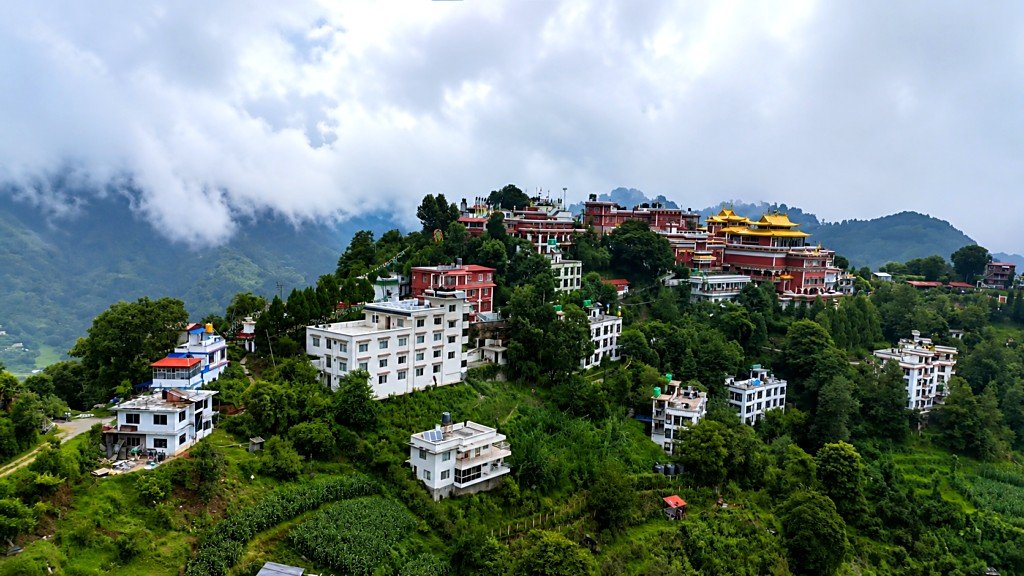
The pilgrimage then moves outside the capital to Namobuddha, one of Nepal’s best-known Buddhist pilgrimage sites.
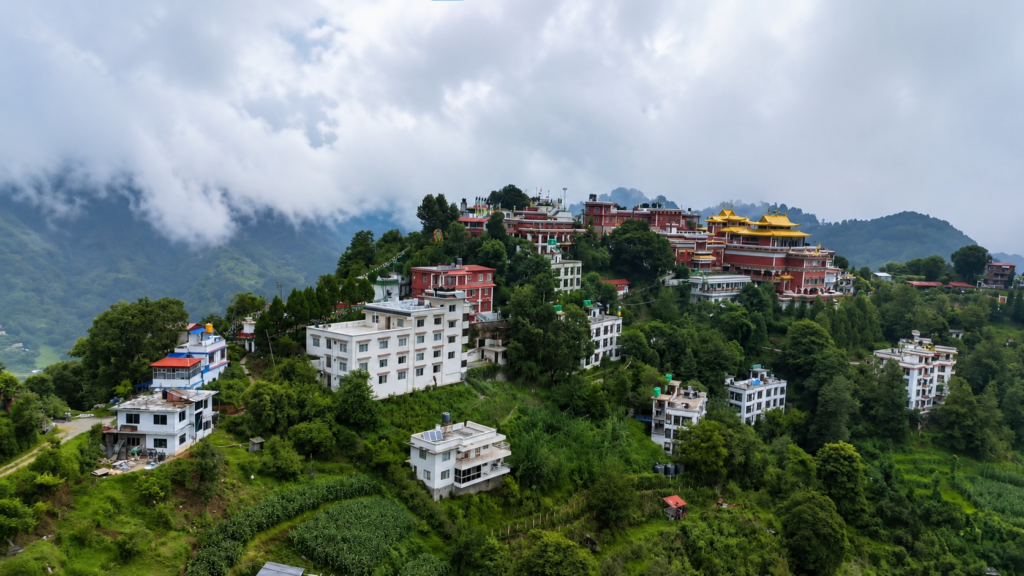
Set in the hills of Kavrepalanchok, Namobuddha is traditionally associated with the story of Prince Mahasattva, who demonstrated extraordinary compassion by offering himself to a starving tigress and her cubs in a previous life of the Buddha.
The monastery and stupa sit in a peaceful hill environment, making the visit particularly suitable for prayer, reflection and meditation.
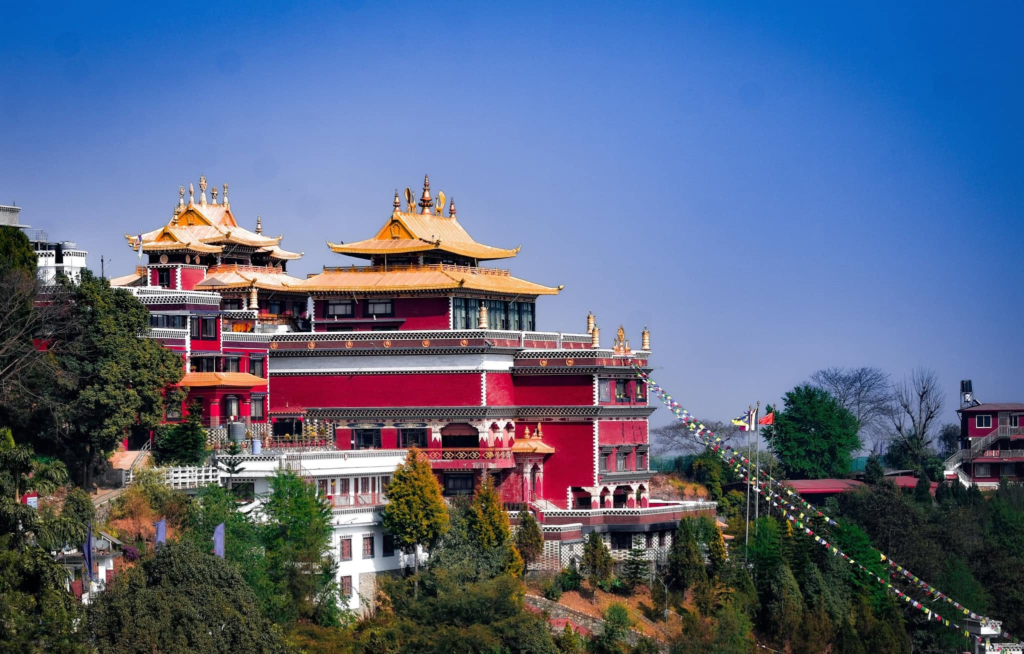
The road to Namobuddha also changes the character of the journey. Kathmandu’s dense urban landscape gradually gives way to terraced hillsides, forests, villages and open mountain views.
Spending a full day around the site allows time to understand its religious significance rather than treating it as a quick roadside stop before returning to the capital.
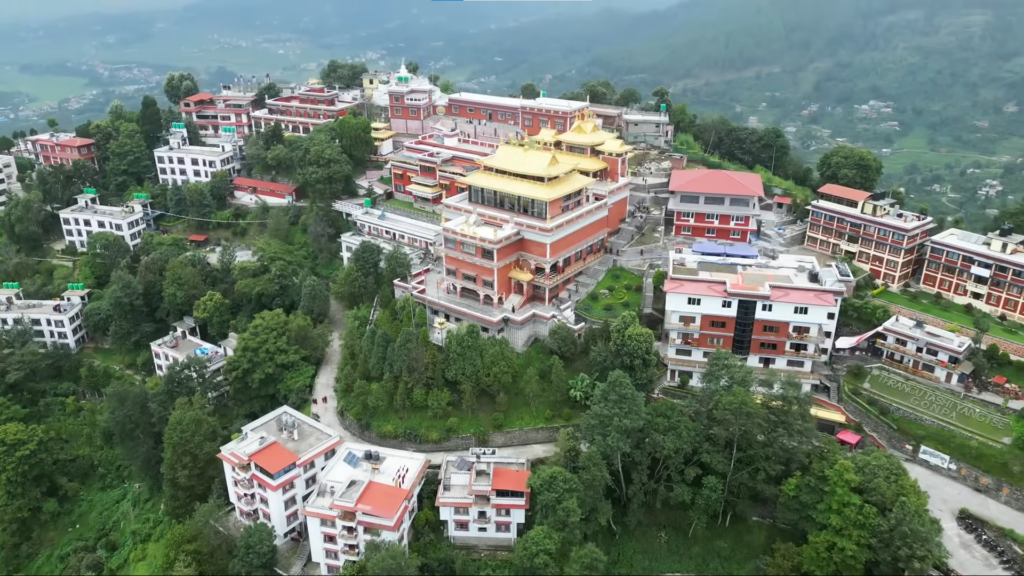
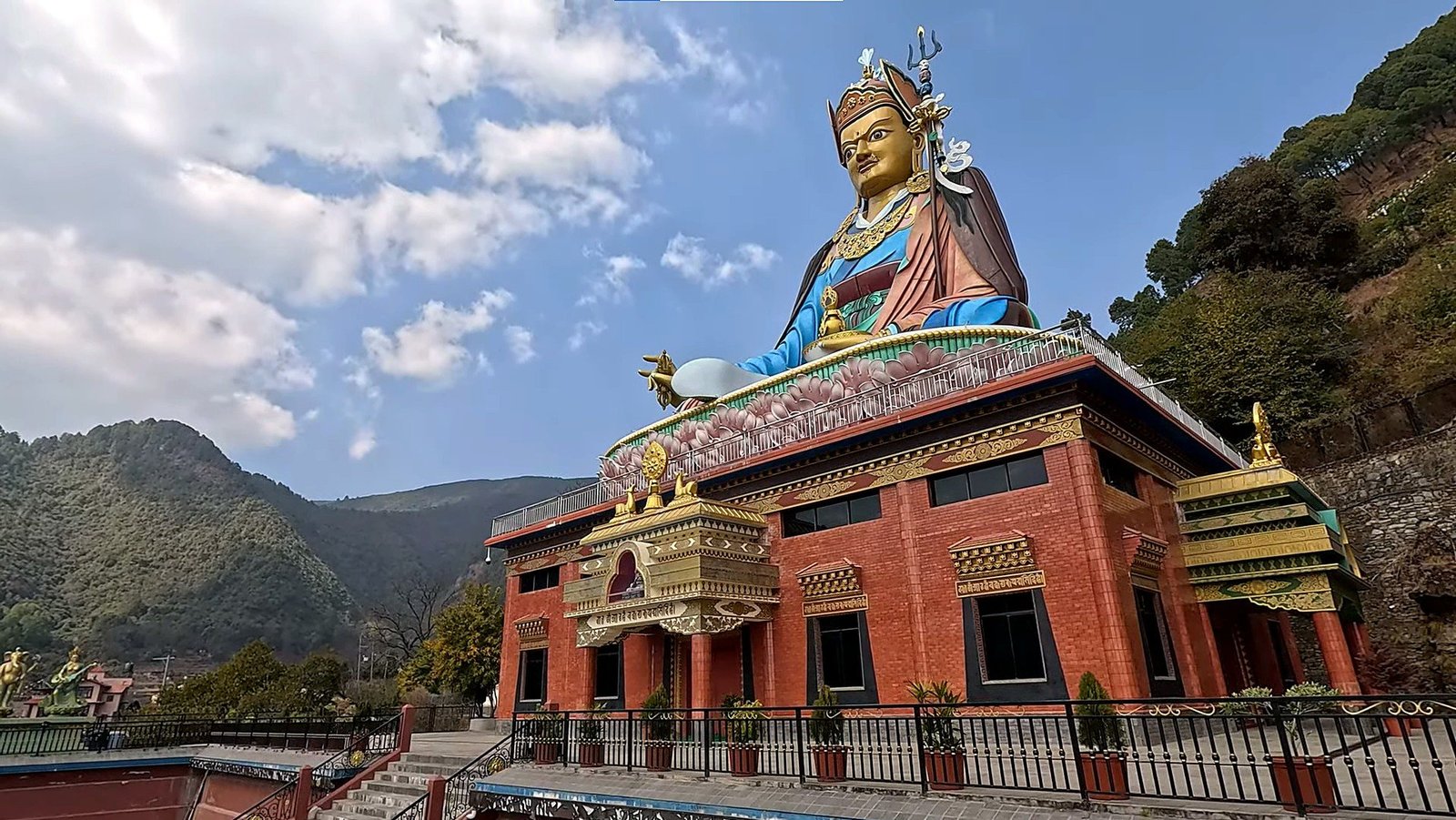
Another important part of the Kathmandu Valley pilgrimage is Pharping, an area closely associated with Guru Rinpoche and Tibetan Buddhist meditation traditions.
The surrounding caves and monasteries have attracted practitioners for generations, and the landscape feels noticeably different from the major urban pilgrimage sites.
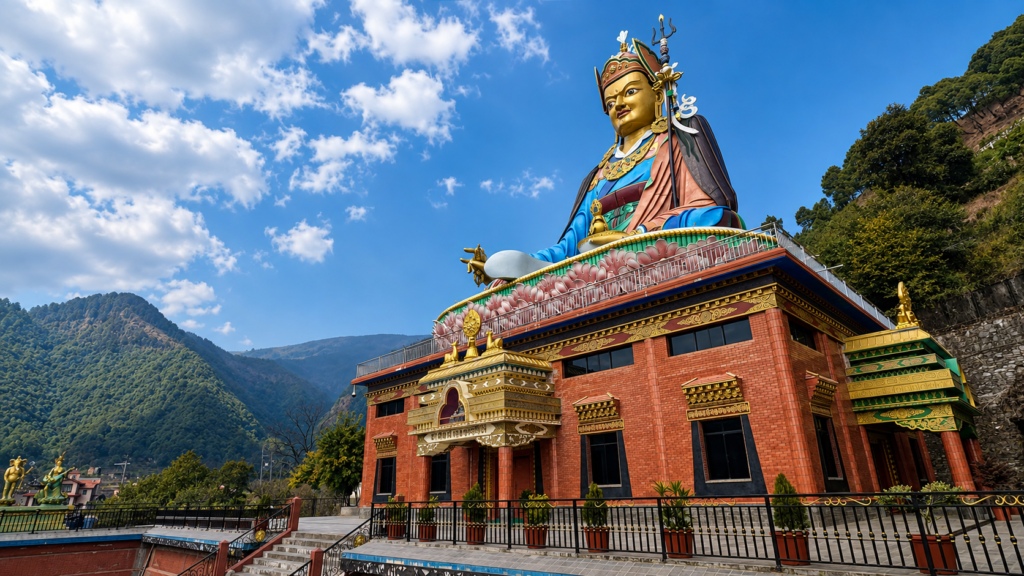
The combination of natural rock formations, meditation caves and monastery complexes makes Pharping particularly interesting for visitors interested in the contemplative side of Buddhism.
The tour also visits Kopan Monastery, a living centre of Tibetan Buddhist study and meditation near Boudhanath.
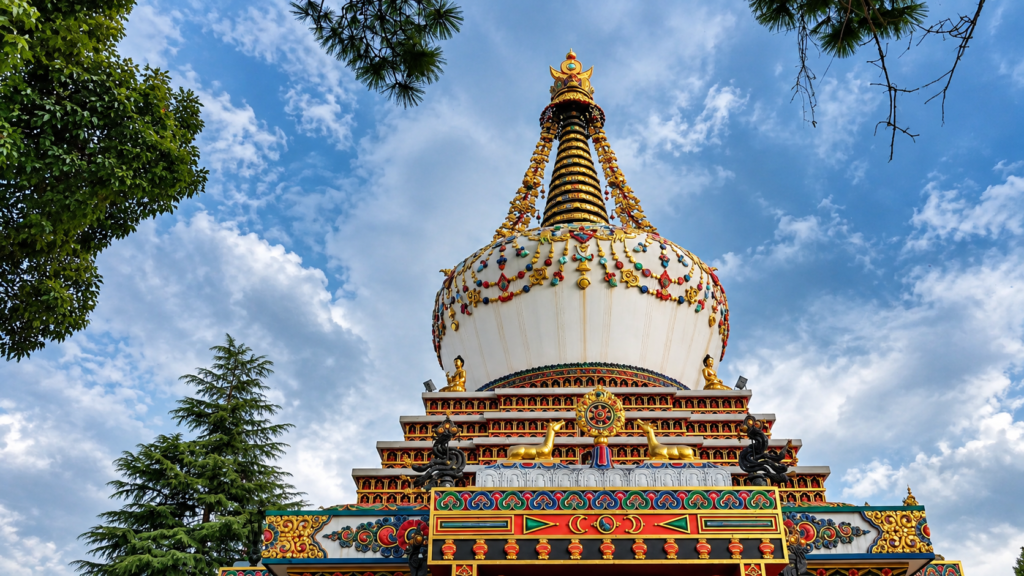
Unlike the archaeological and historic sites elsewhere on the route, Kopan gives visitors a view of contemporary monastic life. Its importance lies in Buddhist education, meditation practice and the preservation and teaching of Tibetan Buddhist philosophy.
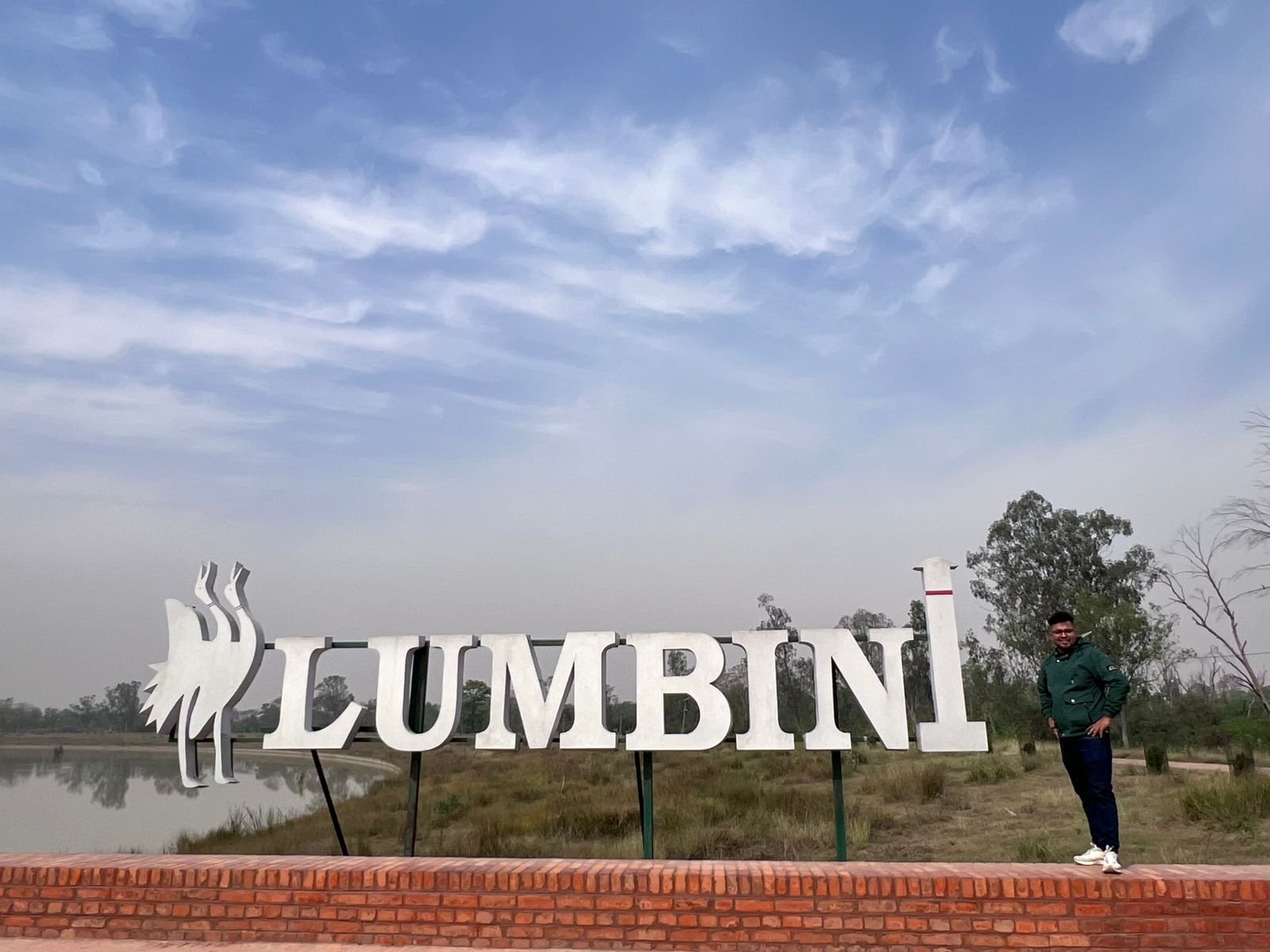
From Kathmandu, the pilgrimage continues south to Lumbini, the birthplace of Siddhartha Gautama Buddha and the central destination of the entire journey.
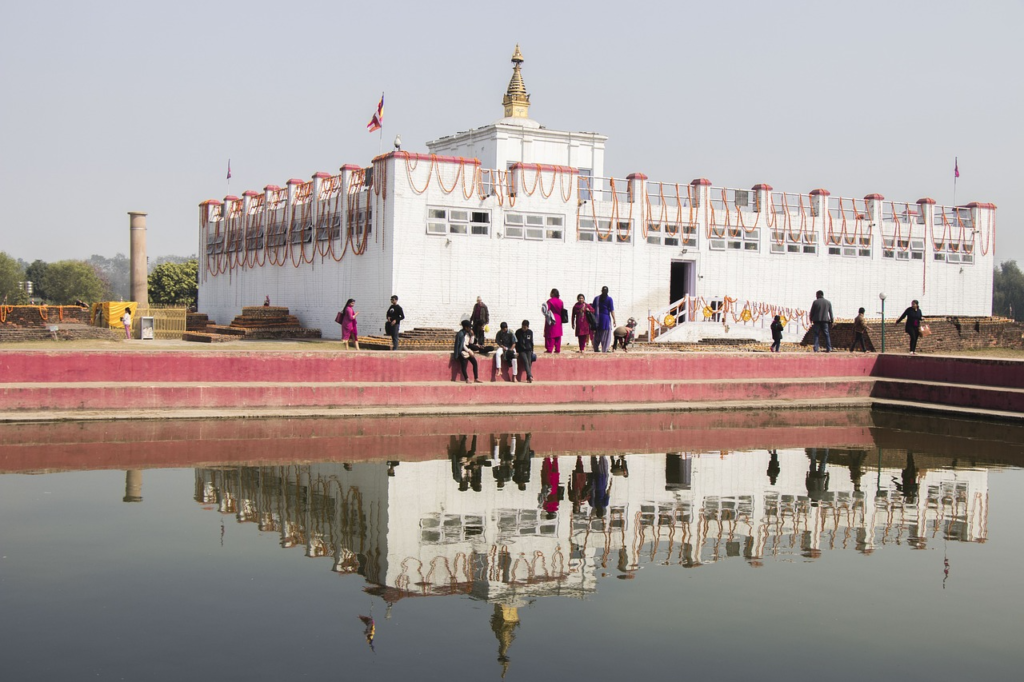
Lumbini is a UNESCO World Heritage Site and contains a large sacred landscape rather than a single monument.
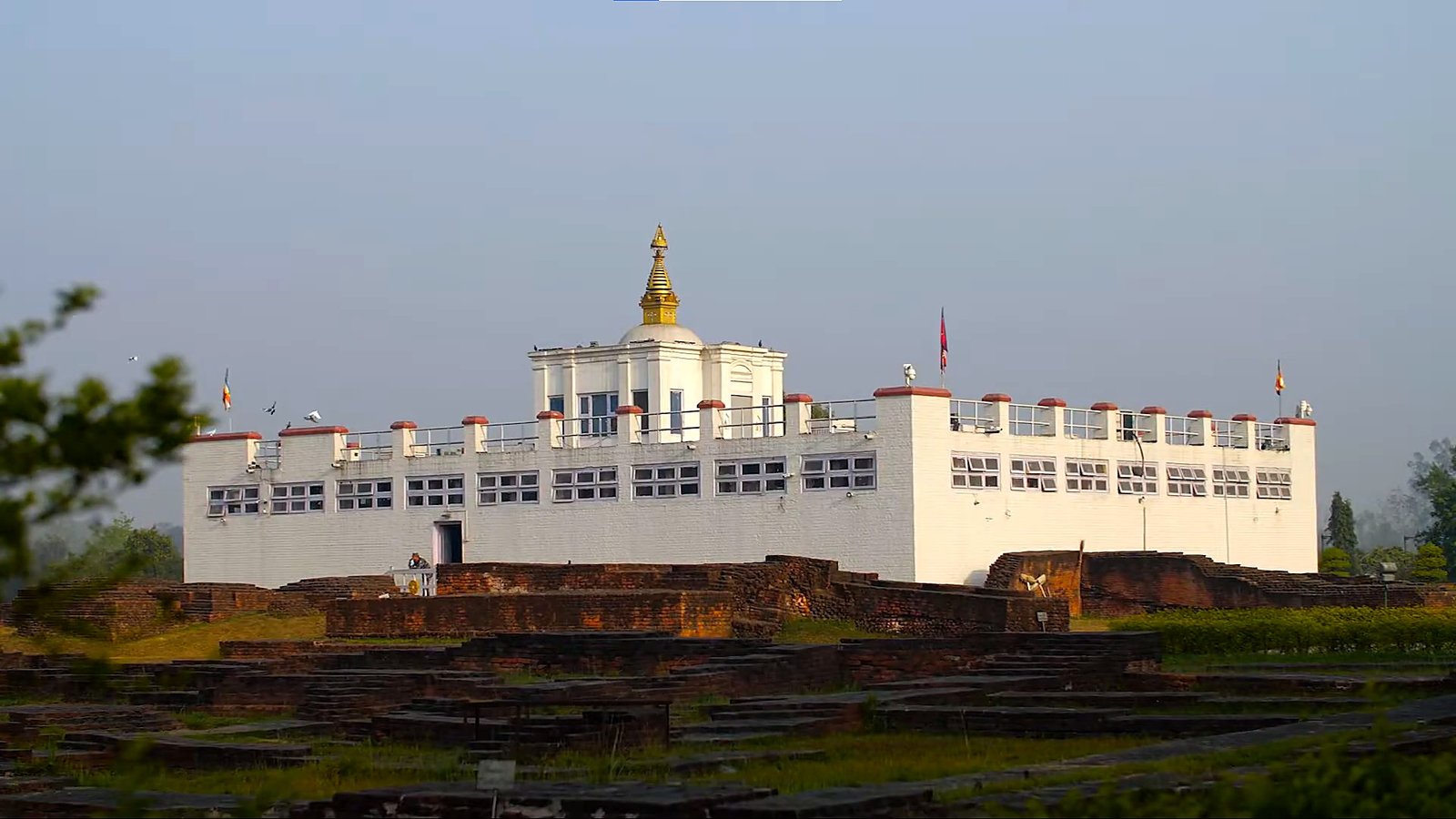
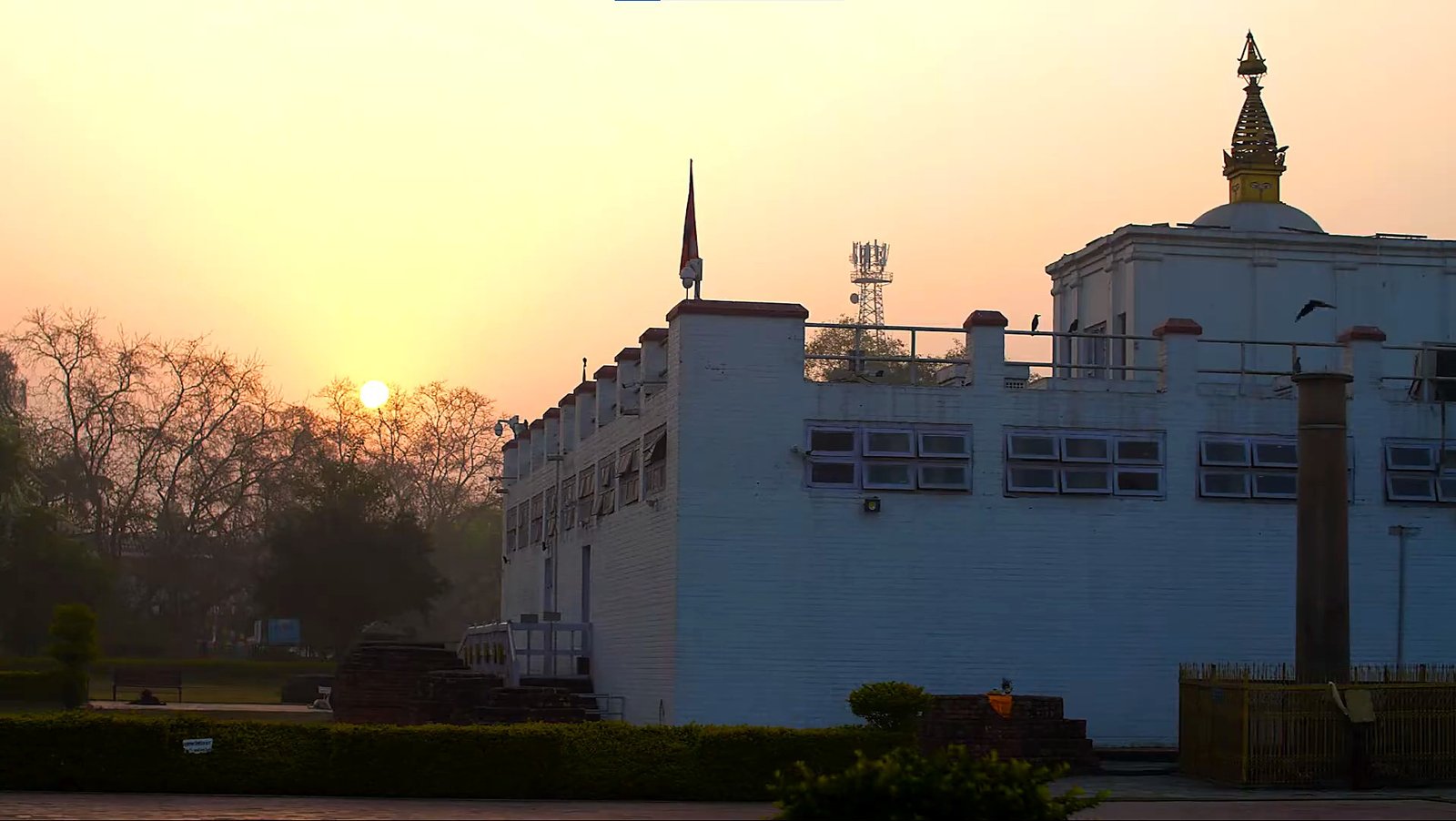
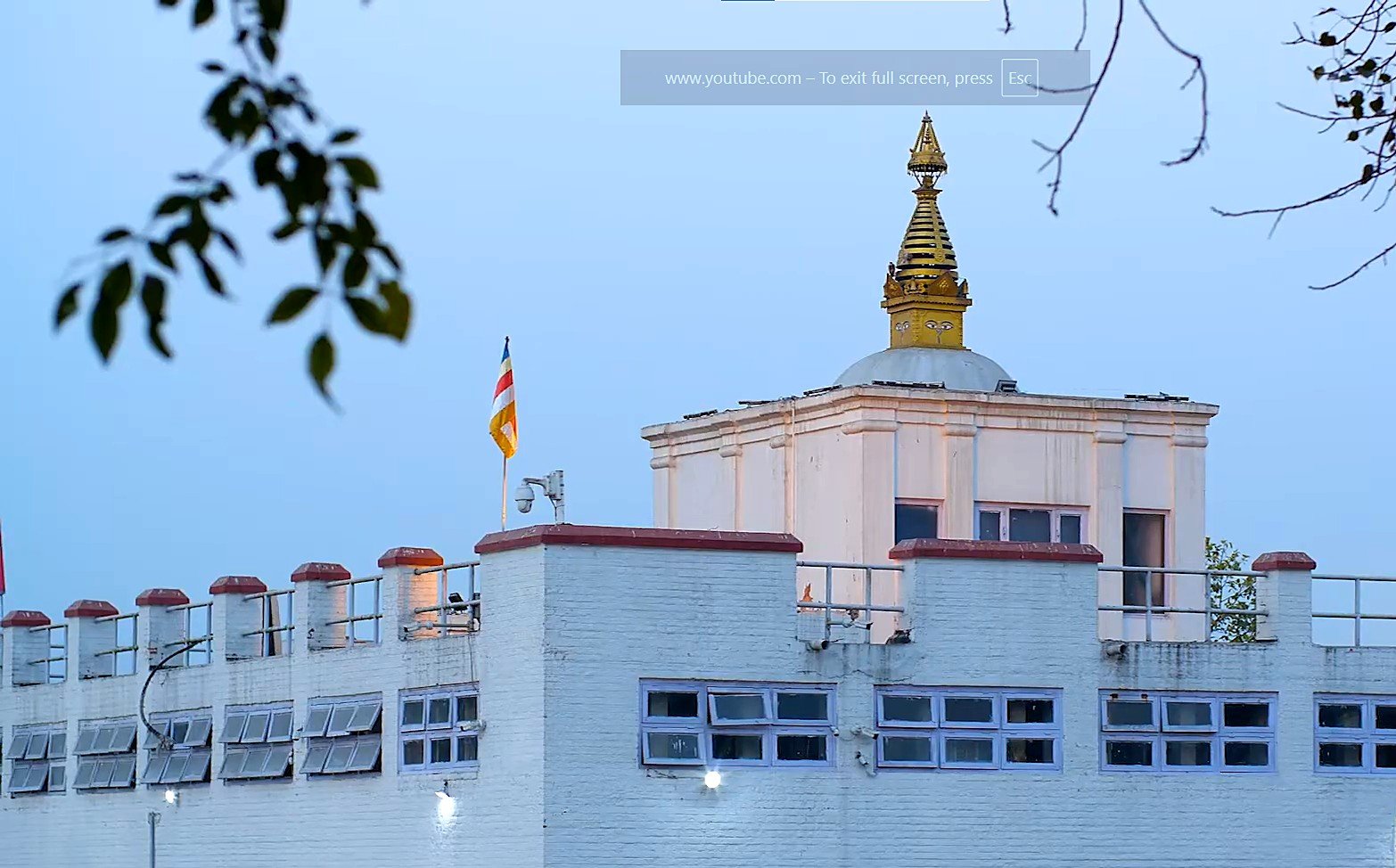
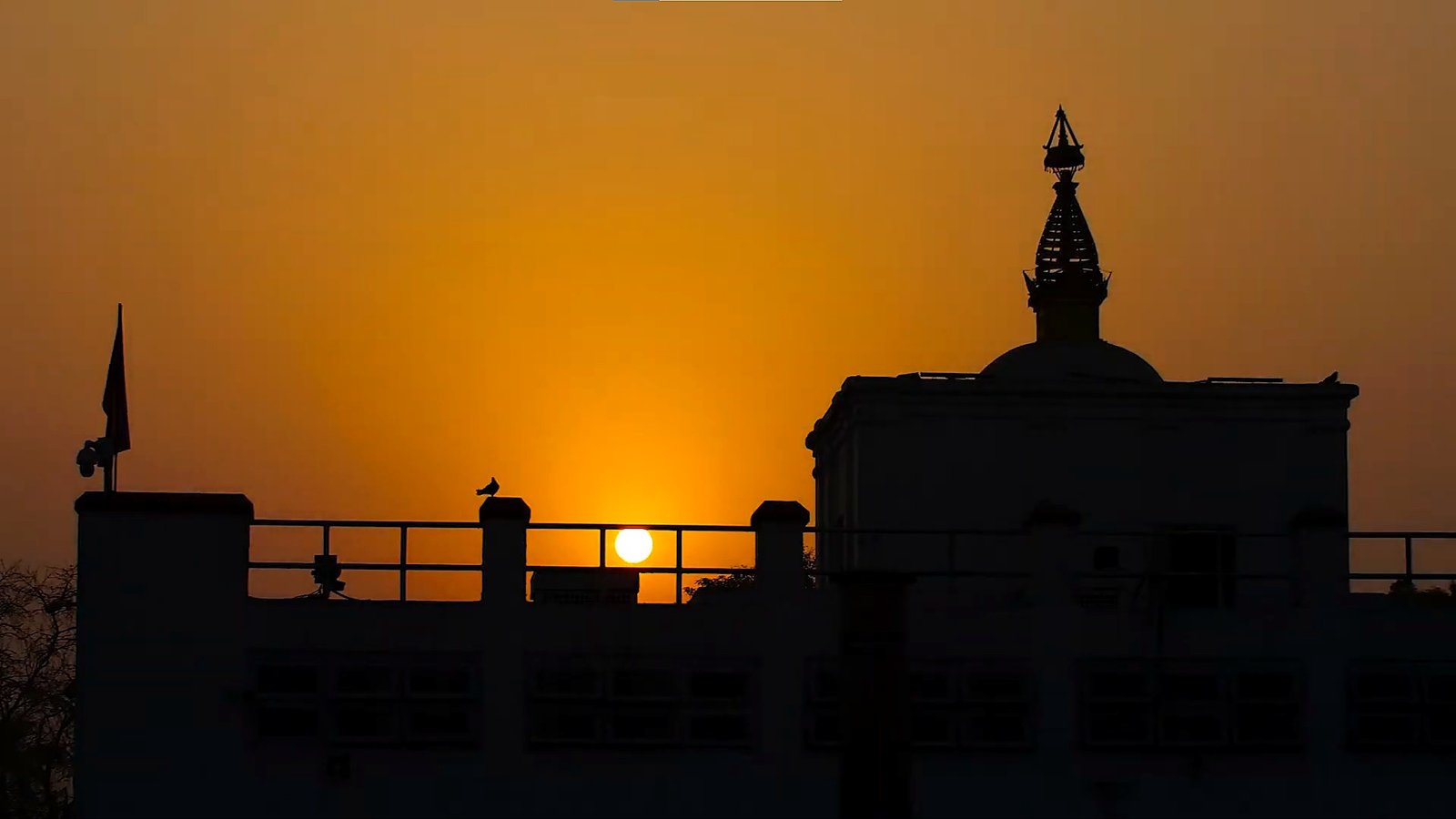
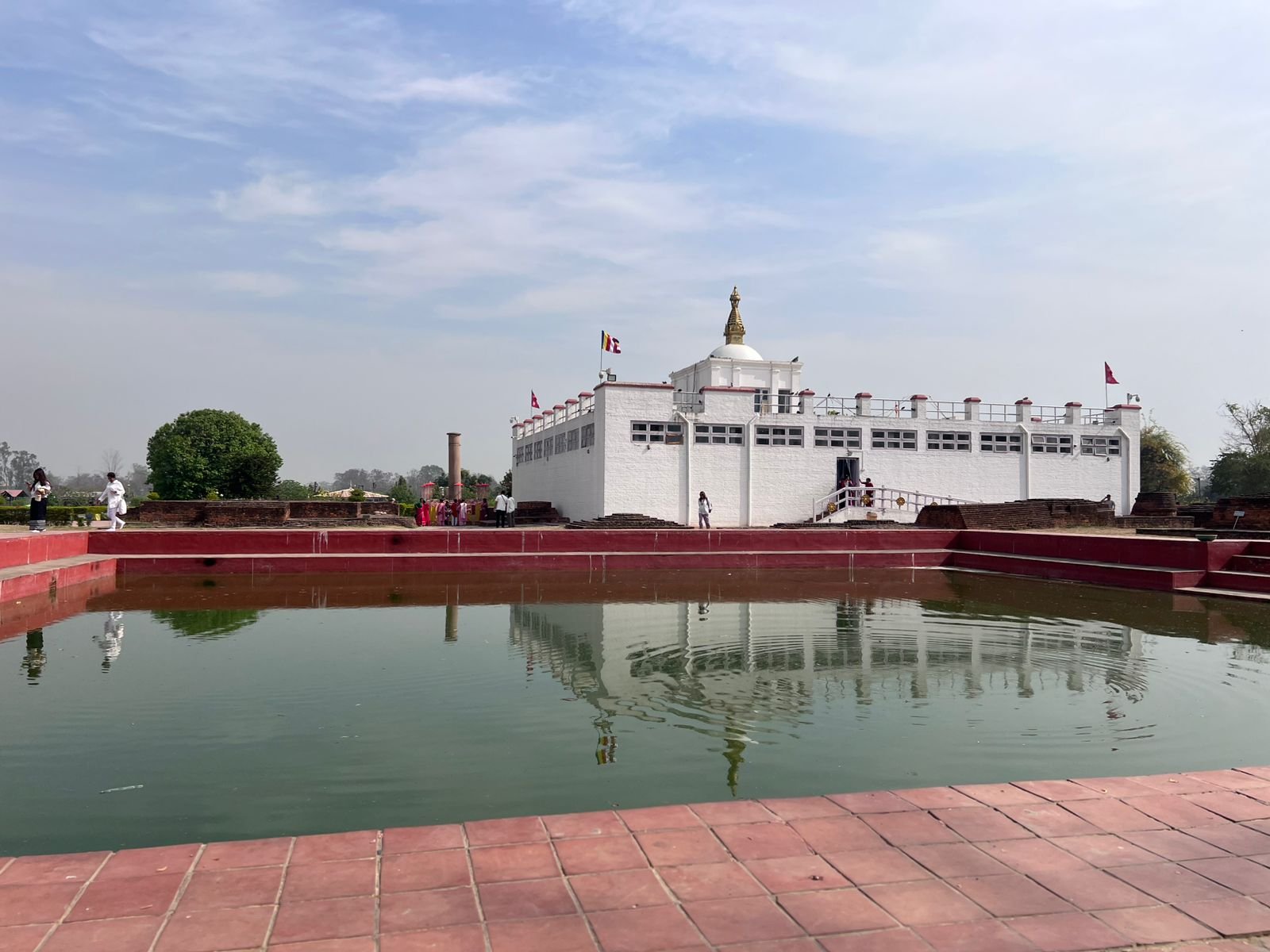
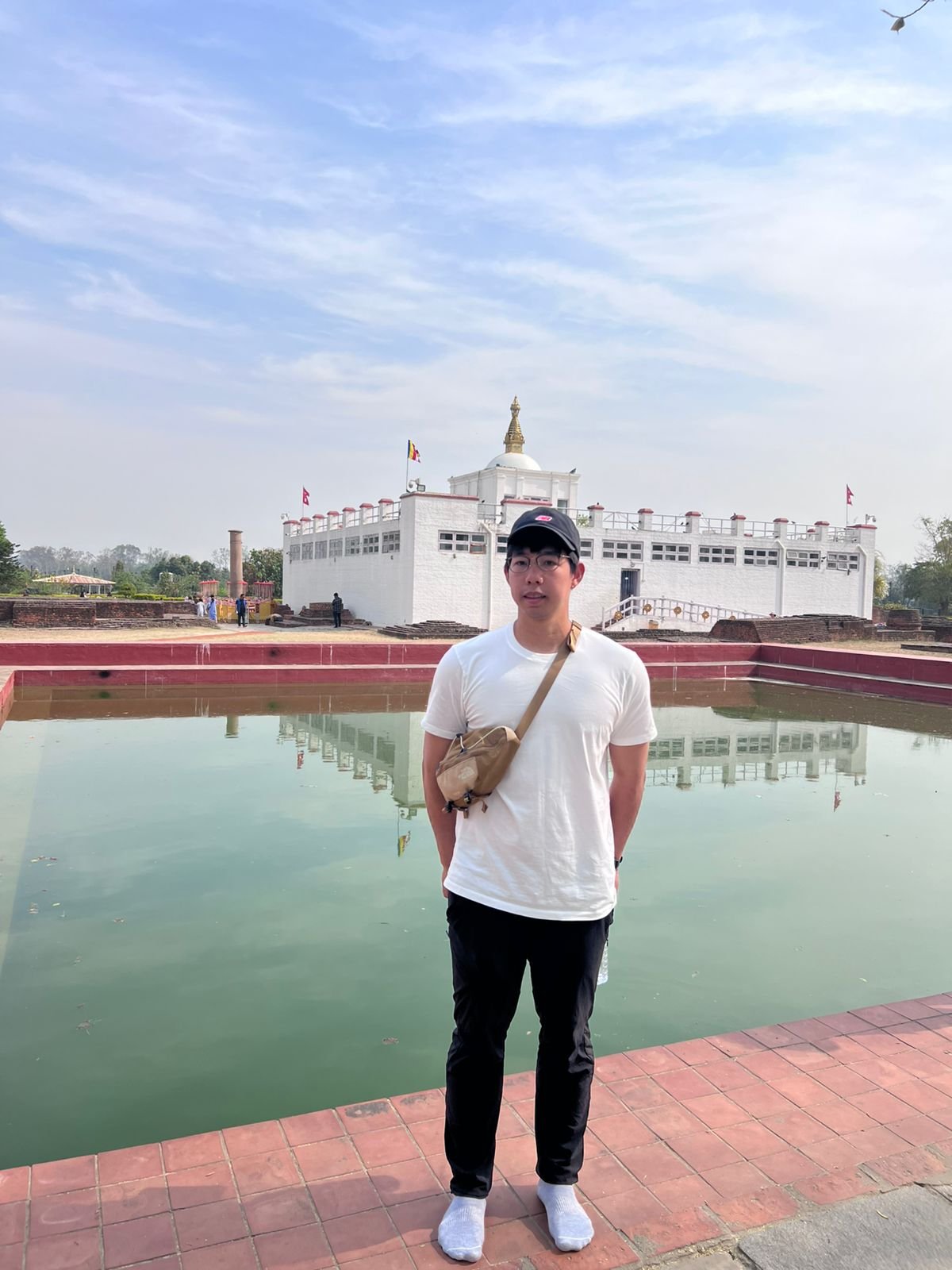
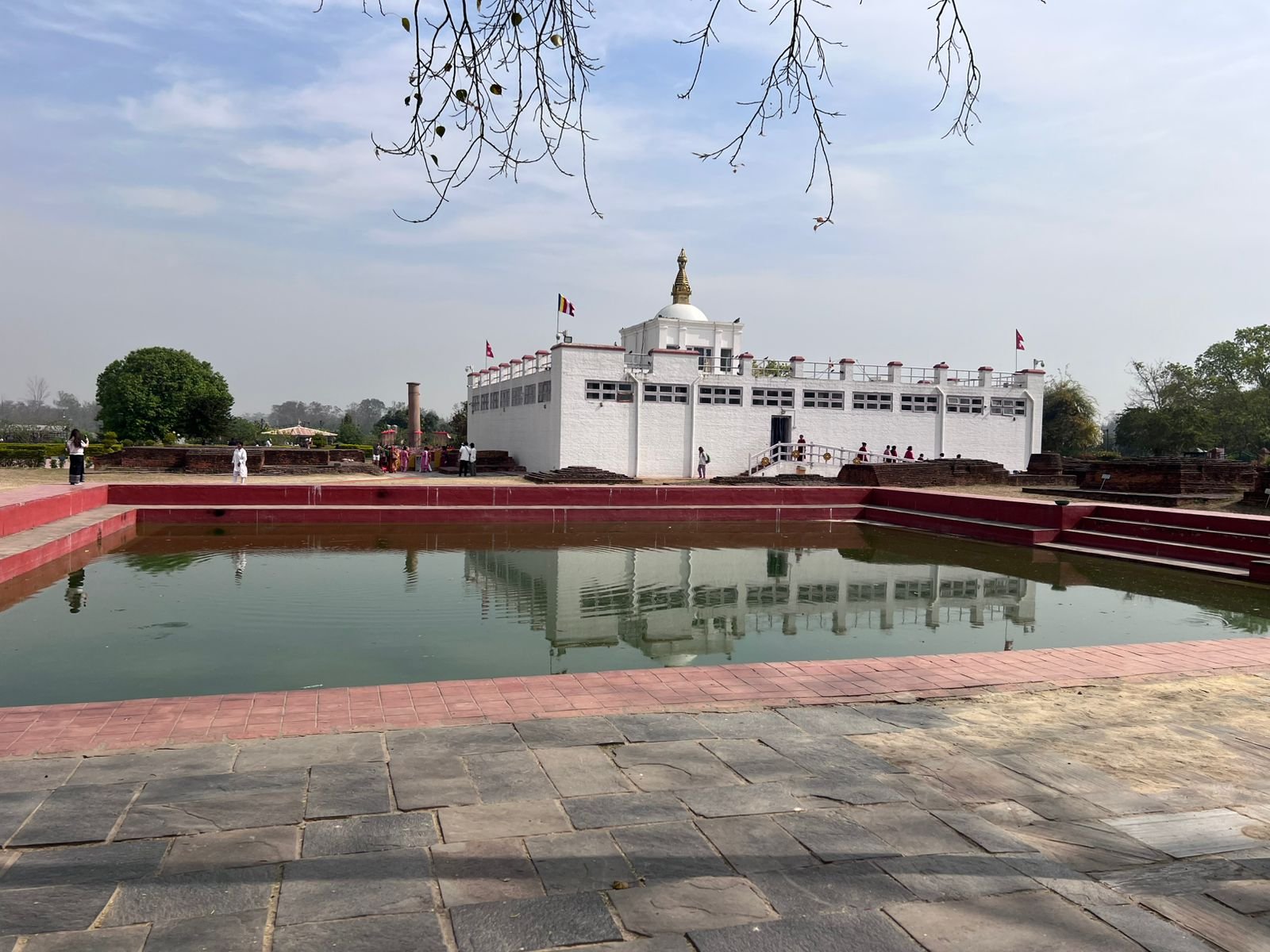
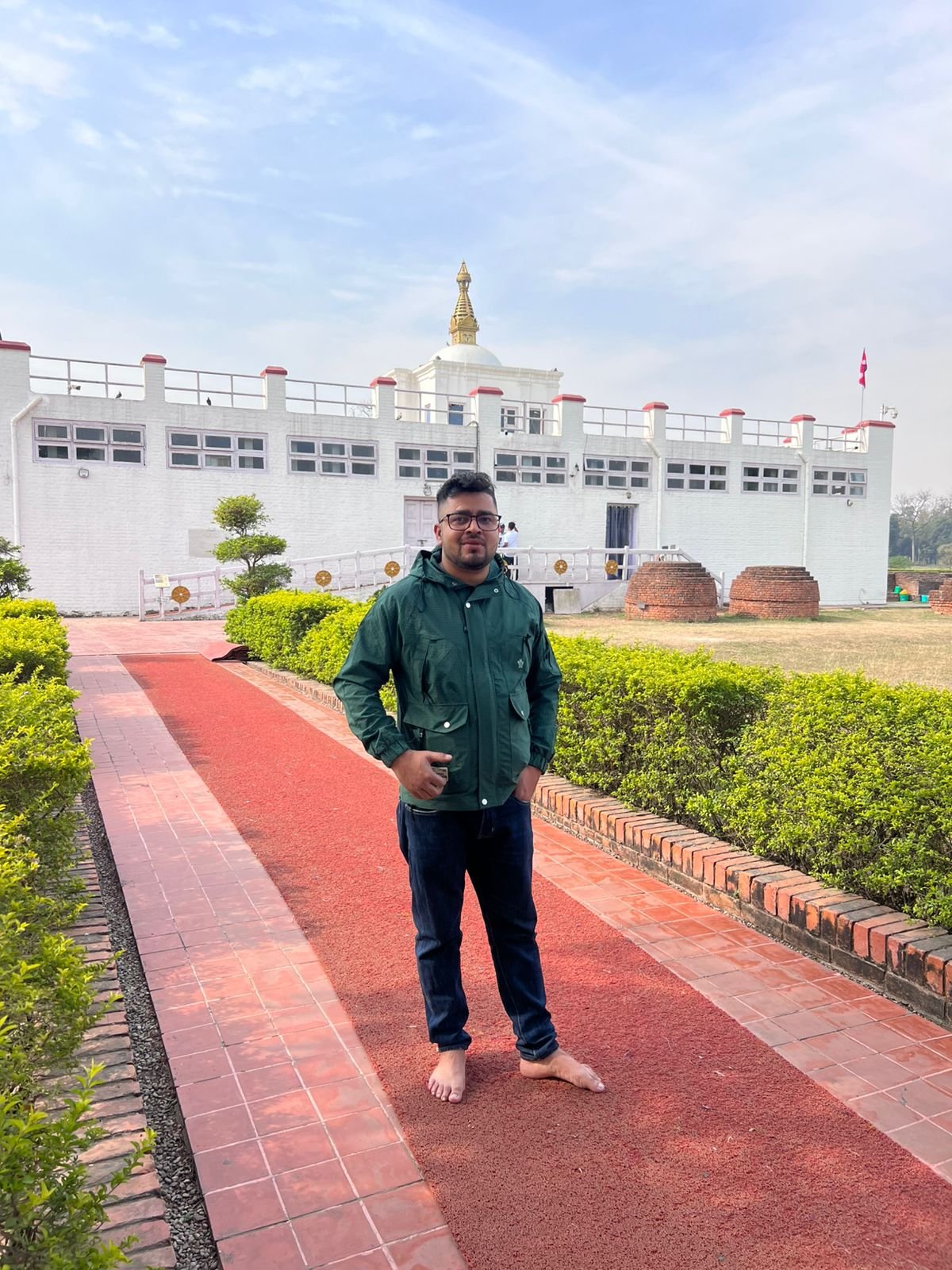
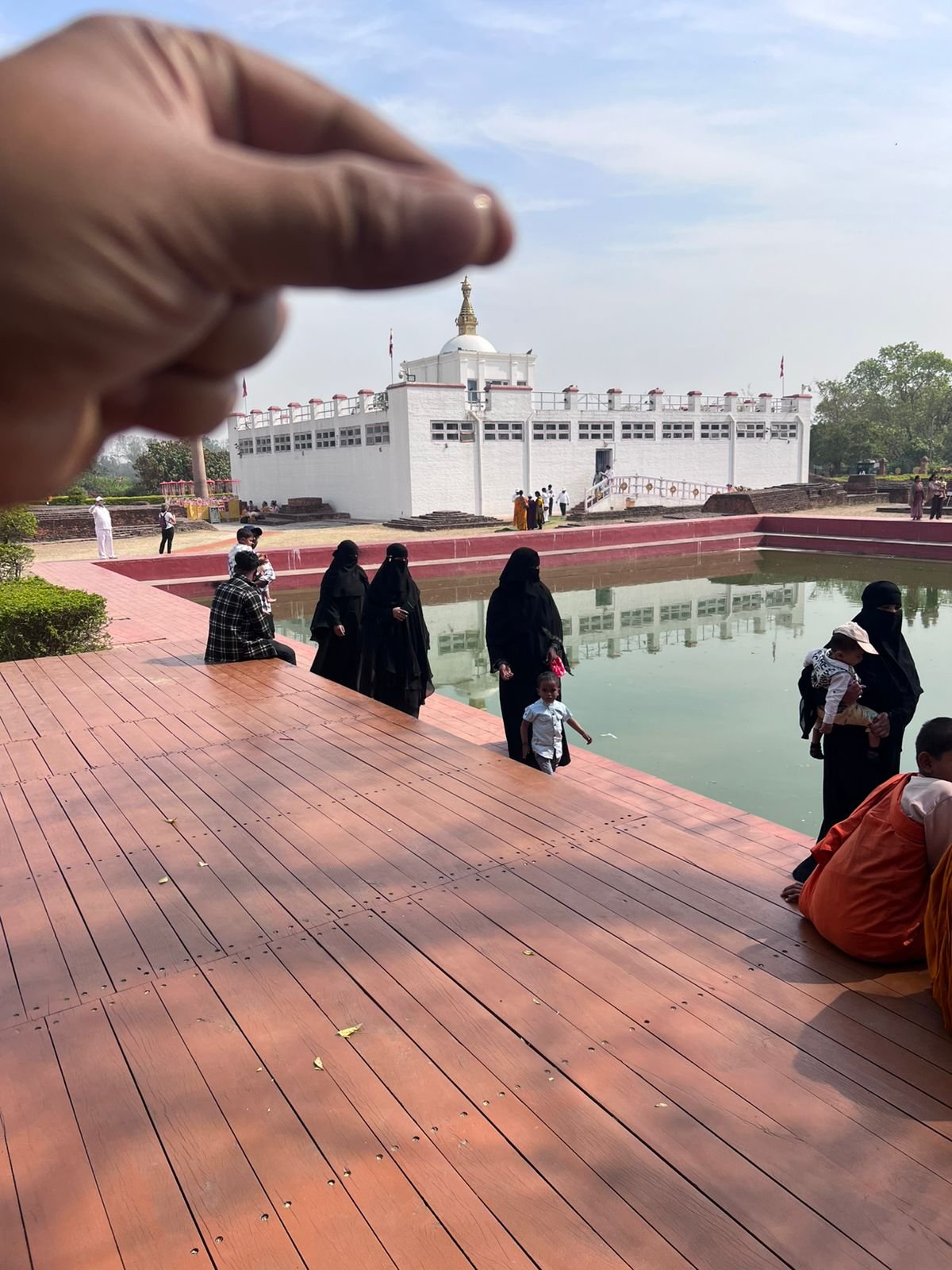
The Maya Devi Temple stands at the heart of the Sacred Garden, while the nearby Ashoka Pillar, sacred pond and archaeological remains provide historical context to the birthplace.
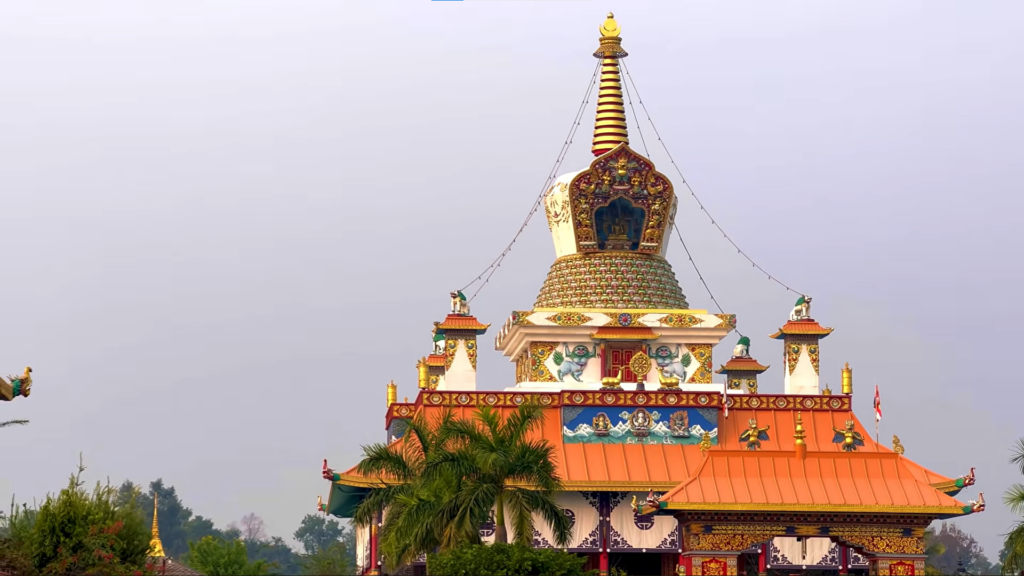
Lumbini is especially meaningful because pilgrims from many different Buddhist traditions gather in one place.
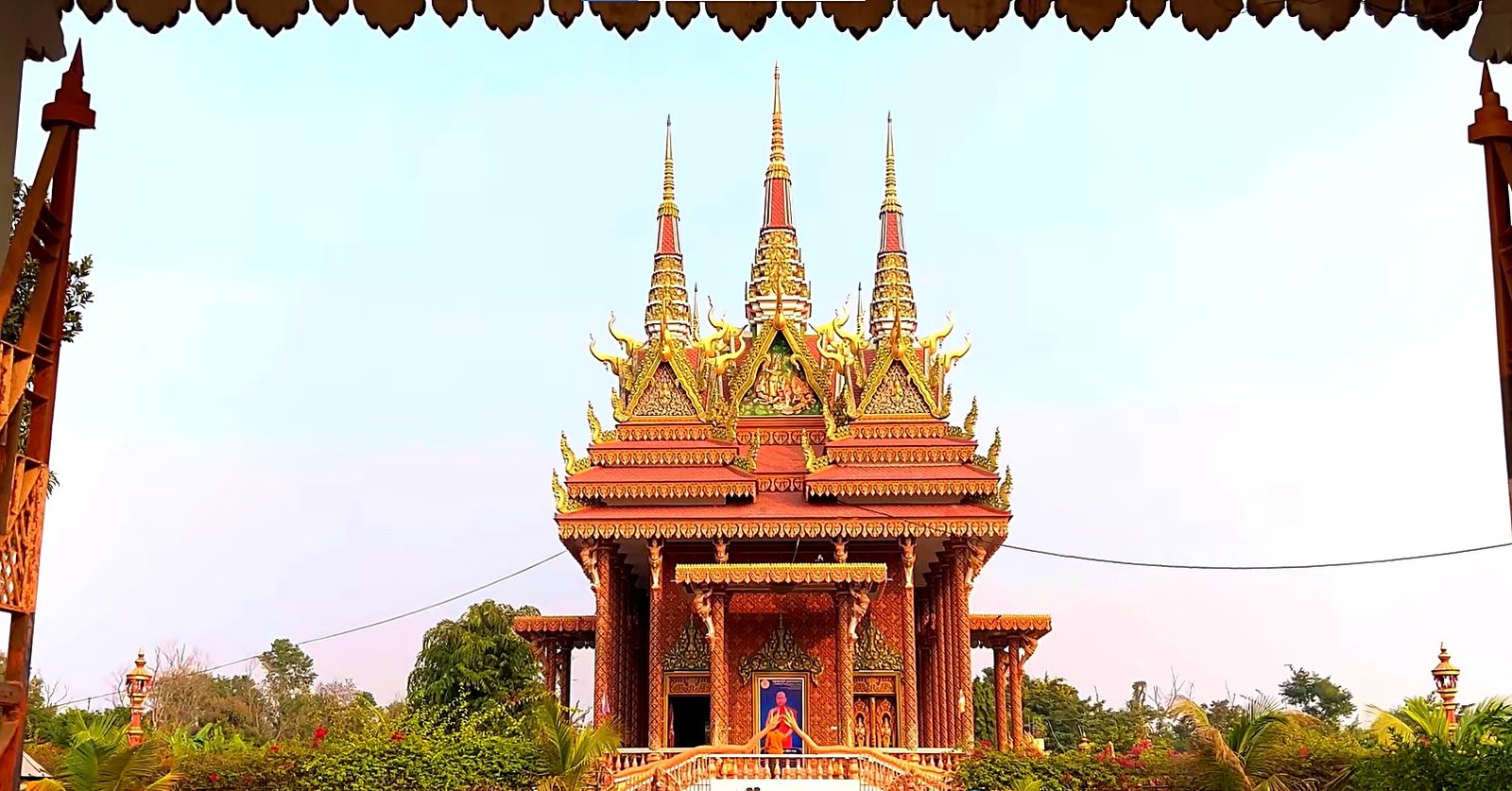
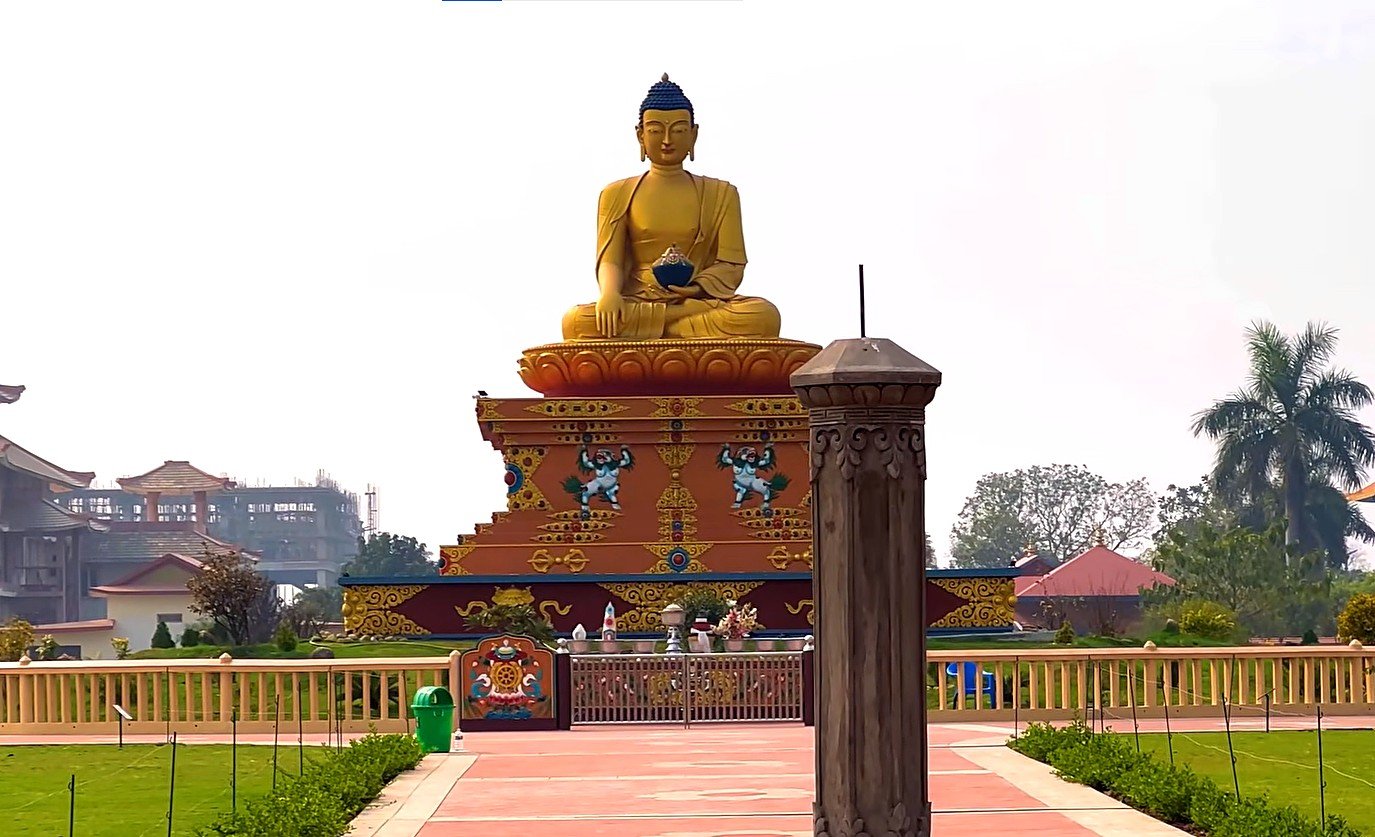
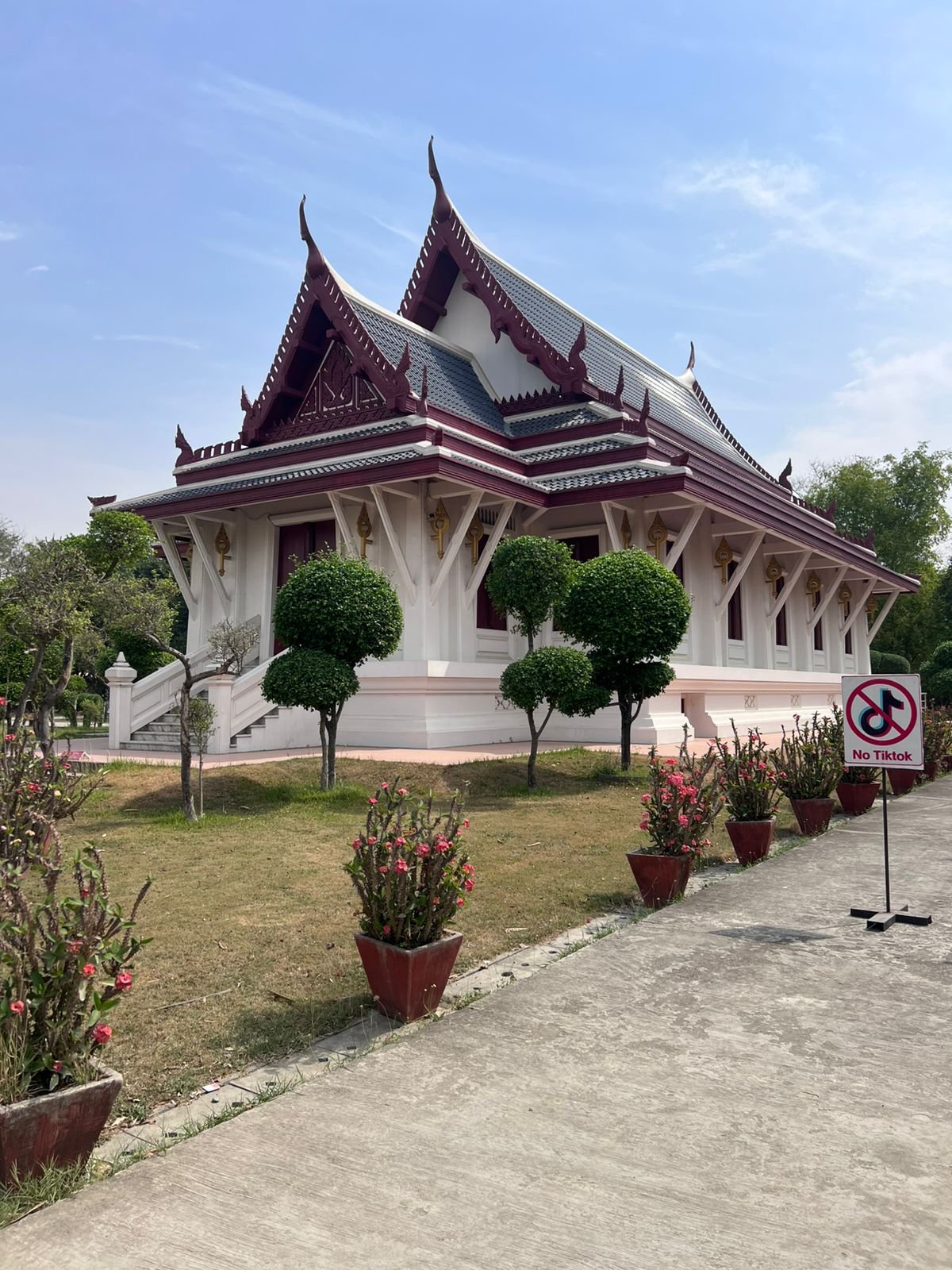
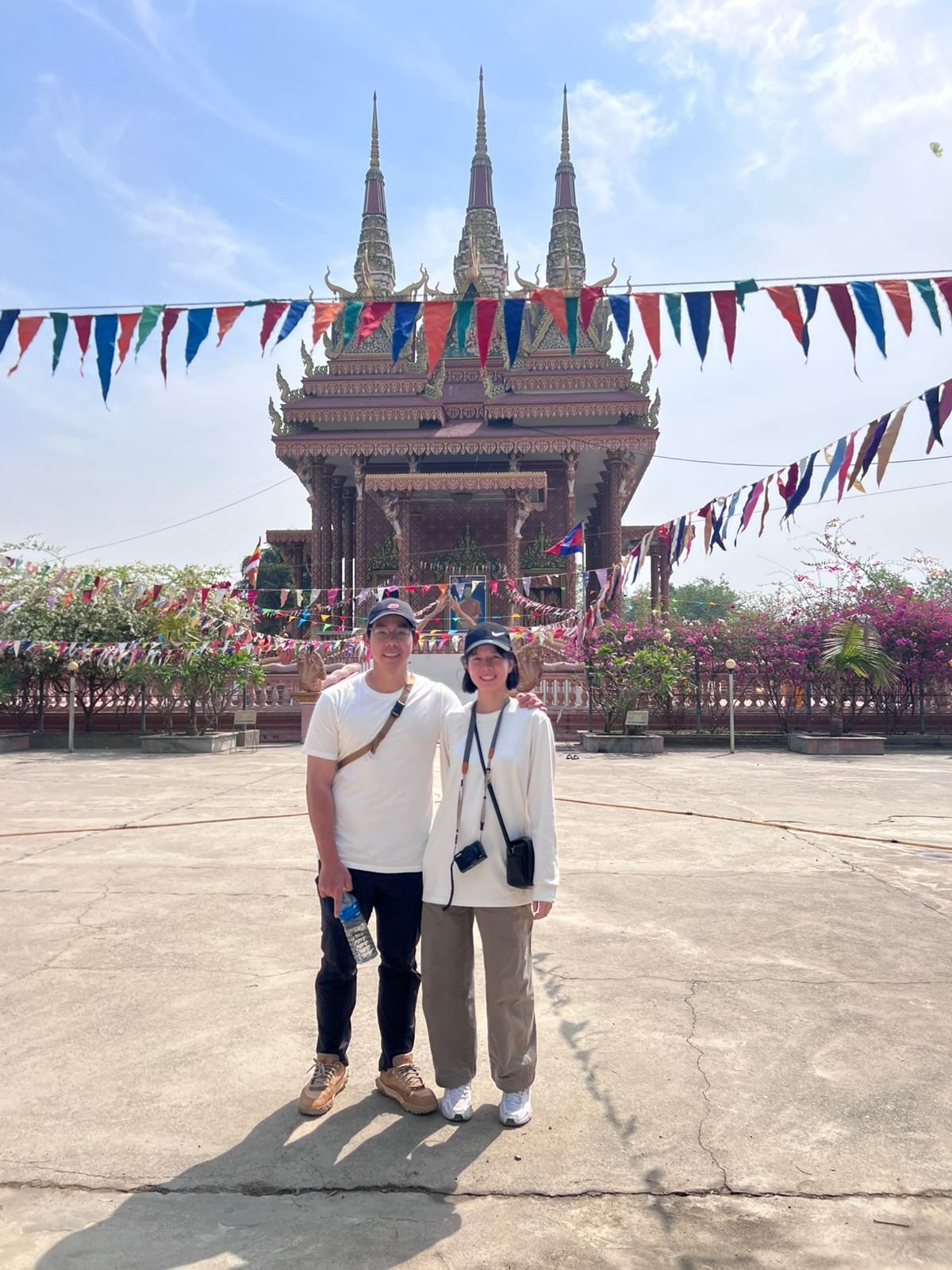
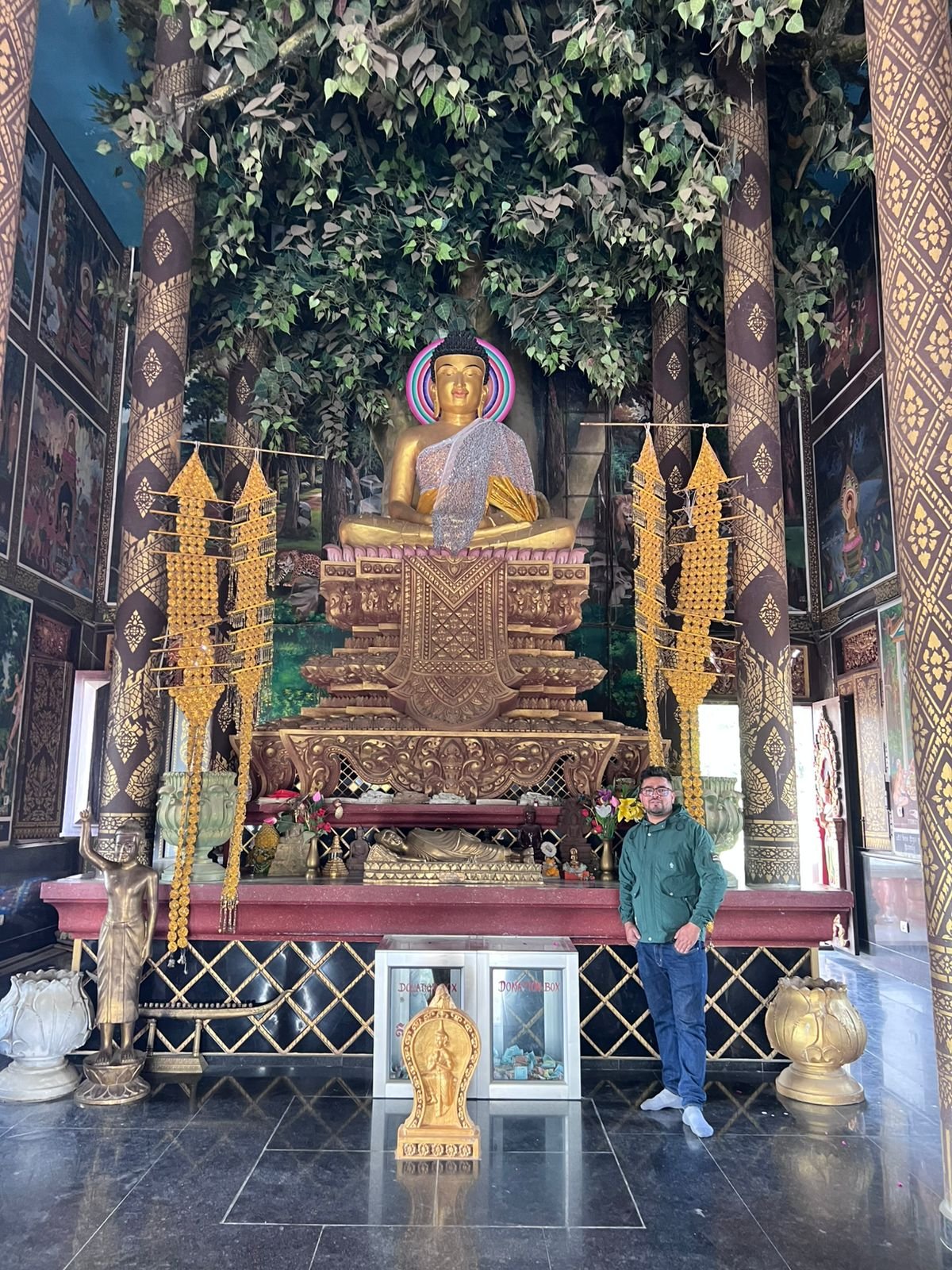
The International Monastic Zone contains monasteries and meditation centres representing different countries and Buddhist traditions, each with its own architecture, religious art and devotional practices.
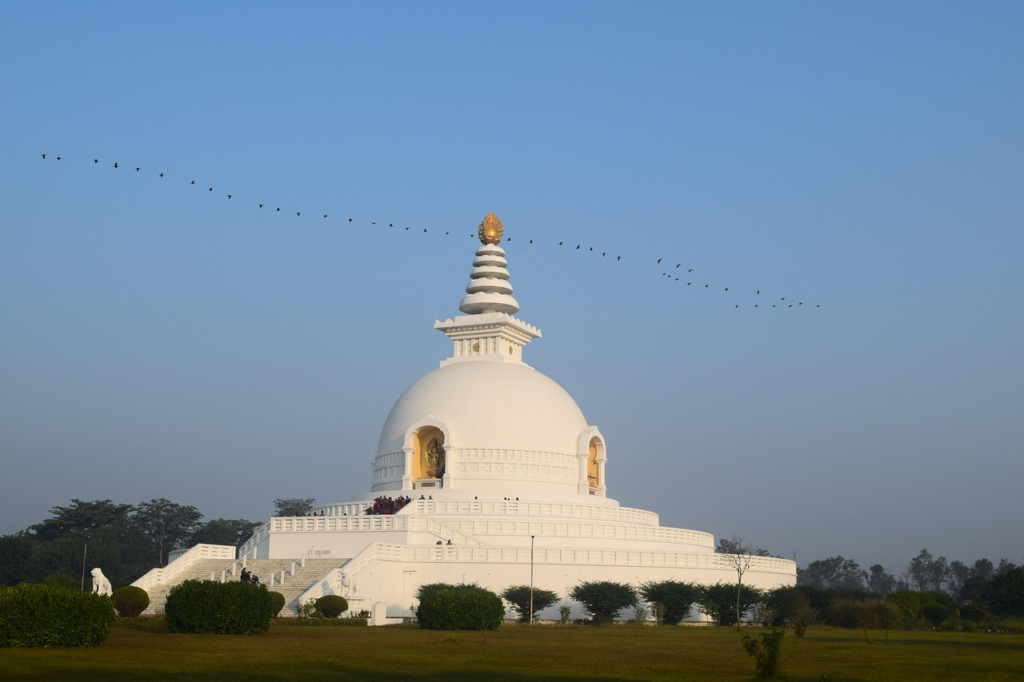
Walking through this area makes it possible to see how a shared Buddhist heritage has developed into different expressions across Asia.
The Lumbini Development Trust also identifies meditation, cultural and nature-based experiences within the wider pilgrimage area.
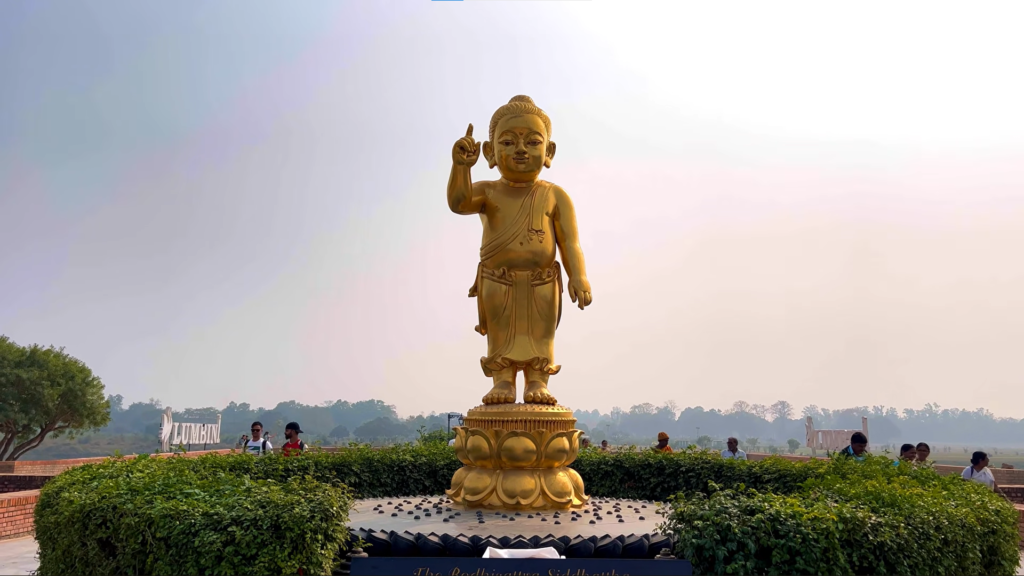
The journey then extends into Kapilvastu, adding another important historical layer to the pilgrimage.
At Tilaurakot, visitors can explore the archaeological remains associated with ancient Kapilvastu and the Shakya kingdom, the environment traditionally connected with Siddhartha Gautama’s early life before he left his princely surroundings.
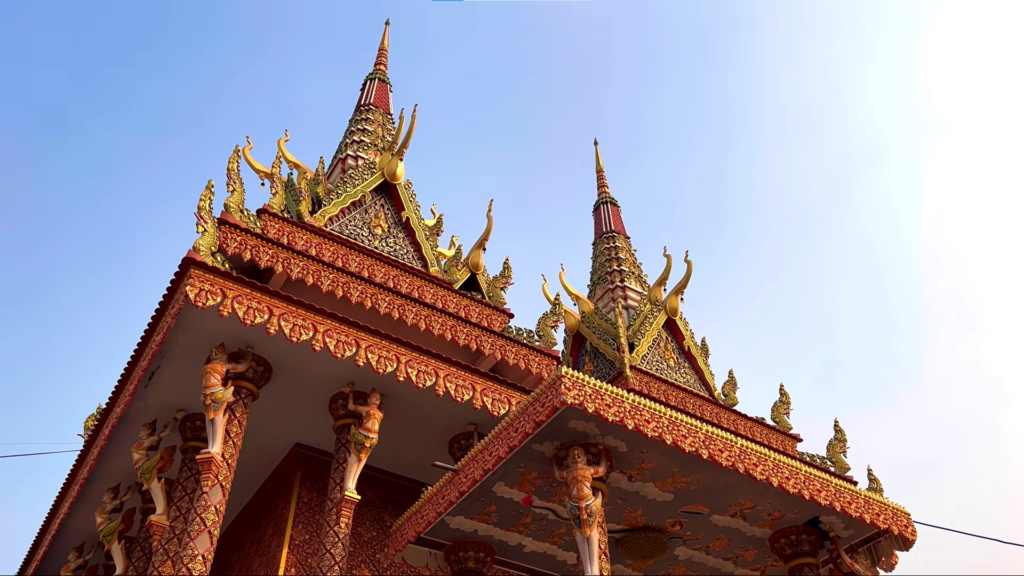
Unlike the carefully landscaped Sacred Garden at Lumbini, Tilaurakot is experienced primarily as an archaeological landscape, with ancient ruins, defensive structures and open countryside surrounding the site.
The wider Kapilvastu area contains additional archaeological locations associated with Buddhist history, including Kudan, Gotihawa and Niglihawa.
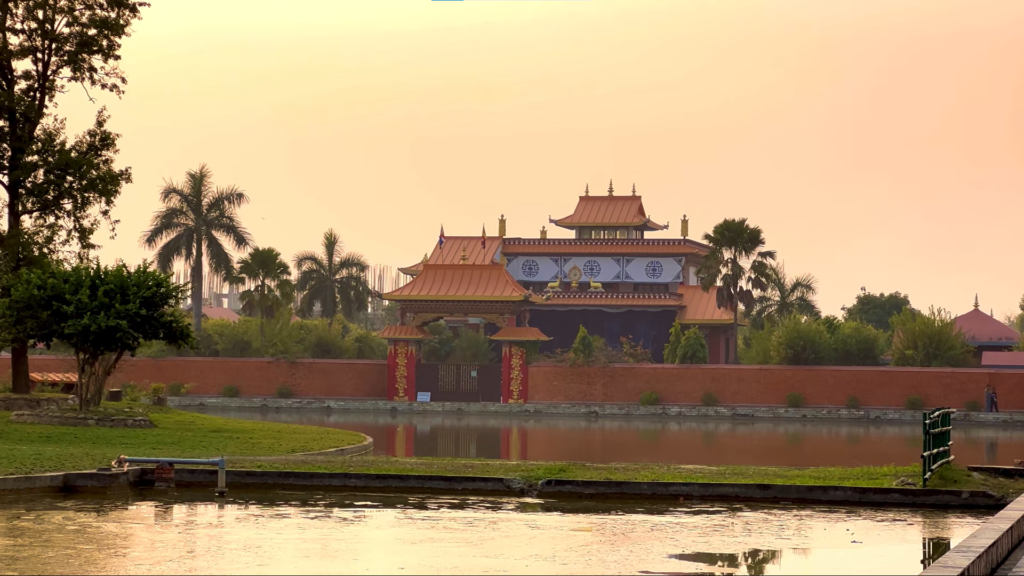
Visiting selected sites from this wider circuit helps place Lumbini in its historical setting and shows that the Buddhist heritage of the region extends well beyond the birthplace itself.
Although the tour is designed around pilgrimage, it is not physically demanding. There are no multi-day trekking stages or technical mountain activities.
Most walking takes place inside temple complexes, monasteries, sacred gardens and archaeological areas, with private road transportation connecting the destinations.
This makes the journey suitable for pilgrims of different ages, families, Buddhist practitioners, students of Buddhist history, and travellers interested in religion, archaeology and Himalayan culture.
What makes the itinerary particularly meaningful is the progression of the journey.
Kathmandu introduces living Buddhist traditions in the valley; Namobuddha provides a quieter hill pilgrimage; Pharping and Kopan reveal meditation and monastic traditions; Lumbini brings the journey to the birthplace of the Buddha; and Kapilvastu connects that birthplace with the landscape of Siddhartha’s early life.
Each destination adds something different instead of repeating the same type of sightseeing.
For travellers seeking a genuine Buddhist pilgrimage in Nepal, this eight-day journey offers a balanced combination of sacred places, monasteries, archaeological sites and opportunities for quiet reflection.
It is not simply a tour of famous Buddhist monuments. It is a journey through places where Buddhist history, religious practice and local culture continue to exist together, from the ancient stupas of Kathmandu to the Sacred Garden of Lumbini and the archaeological landscape of Kapilvastu.
Buddhist Pilgrimage Tour Highlights
| Category | Details |
|---|---|
| Duration | 8 Days / 7 Nights |
| Tour Type | Buddhist Pilgrimage, Spiritual and Cultural Tour |
| Start and End | Kathmandu to Kathmandu |
| Main Destinations | Kathmandu, Namobuddha, Lumbini and Kapilvastu |
| Main Pilgrimage Sites | Swayambhunath, Boudhanath, Kopan Monastery, Namobuddha, Maya Devi Temple and Tilaurakot |
| Activity Level | Easy to Moderate |
| Accommodation | Three-Star Hotel or Similar Standard Accommodation |
| Primary Experiences | Pilgrimage, monastery visits, meditation, Buddhist heritage, archaeology and cultural exploration |
Major Buddhist Sites
| Site | Pilgrimage Significance |
|---|---|
| Swayambhunath | One of Nepal’s oldest and holiest Buddhist stupas, surrounded by shrines and monasteries above Kathmandu Valley |
| Boudhanath | Major Buddhist pilgrimage centre and important hub of Tibetan Buddhist communities and monasteries |
| Kopan Monastery | Tibetan Buddhist monastery known for Buddhist education, meditation and monastic life |
| Namobuddha | Sacred Buddhist site associated with the story of the Buddha’s extraordinary compassion and self-sacrifice |
| Maya Devi Temple | The principal sacred shrine at Lumbini marking the birthplace of Siddhartha Gautama Buddha |
| Tilaurakot | Ancient Kapilvastu and archaeological site associated with Buddha’s early princely life |
Lumbini Pilgrimage Experience
| Place | What You Experience |
|---|---|
| Maya Devi Temple | Pay homage at the sacred birthplace of Siddhartha Gautama and view the archaeological remains associated with the nativity site |
| Ashoka Pillar | See the historic pillar erected by Emperor Ashoka during his pilgrimage to Lumbini |
| Sacred Puskarini Pond | Visit the ancient sacred pond within the Sacred Garden associated with the Buddha’s birth tradition |
| Monastic Zone | Explore monasteries and meditation centres representing different Buddhist traditions and countries |
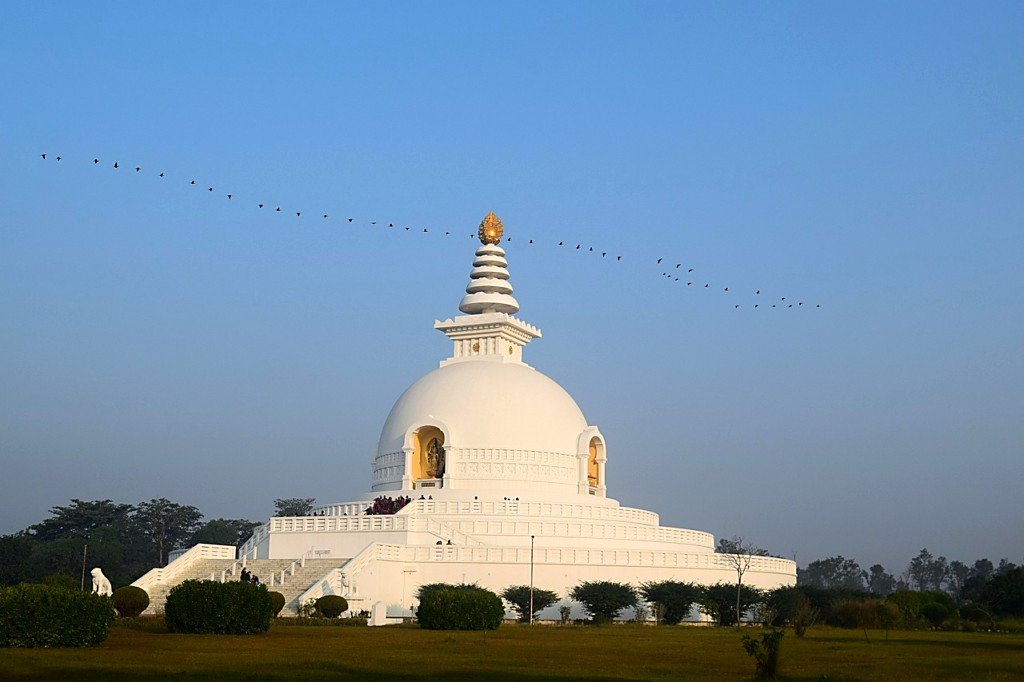
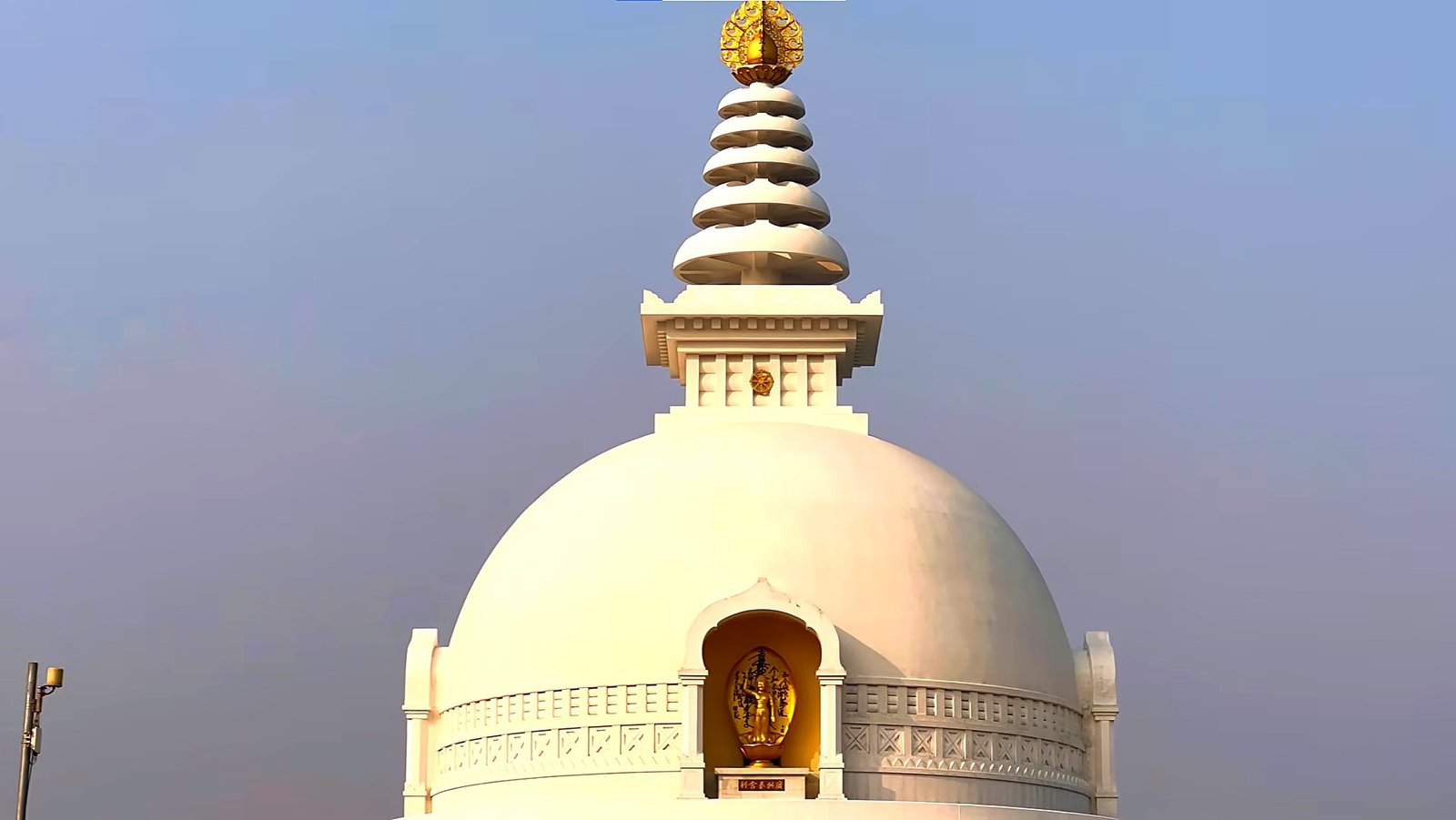
| World Peace Pagoda | Reflect in a peaceful setting and experience one of Lumbini’s most recognizable modern Buddhist monuments |
Buddhist Heritage Circuit
| Location | Connection to Buddhist History |
|---|---|
| Lumbini | Birthplace of Siddhartha Gautama Buddha |
| Tilaurakot | Ancient Kapilvastu and the royal environment associated with Siddhartha’s early life |
| Kudan | Important site associated with Buddha’s return to Kapilvastu after enlightenment |
| Gotihawa | Archaeological site associated with Krakuchhanda Buddha |
| Niglihawa | Archaeological site associated with Kanakmani Buddha and the remains of an Ashokan pillar |
Accommodation Overview
| Location | Recommended Accommodation |
|---|---|
| Kathmandu | Three-Star Hotel or Similar Tourist Standard Hotel |
| Namobuddha / Dhulikhel Area | Comfortable Hotel, Guesthouse or Pilgrimage Accommodation depending on availability |
| Lumbini | Three-Star Hotel or Similar Tourist Standard Hotel |
Tour Experience and Activity Level
| Activity | Level | What to Expect |
|---|---|---|
| Temple and Stupa Visits | Easy | Walking around religious complexes, courtyards and pilgrimage areas |
| Monastery Visits | Easy | Time for observation, prayer, meditation and learning about Buddhist traditions |
| Archaeological Sites | Easy to Moderate | Walking over open archaeological grounds at Lumbini and Kapilvastu |
| Meditation and Reflection | Optional | Quiet time at monasteries and sacred sites can be arranged according to the pilgrimage group’s preferences |
Trip Highlights
- Begin the pilgrimage in Kathmandu, visiting Swayambhunath and Boudhanath, two of Nepal's most important Buddhist monuments, and experiencing the living devotional traditions around their stupas and monasteries.
- Visit Kopan Monastery, a major Tibetan Buddhist centre north of Boudhanath known for Buddhist study, meditation and monastic education.
- Travel to Namobuddha, one of Nepal's principal Buddhist pilgrimage sites, associated with the Buddhist tradition of the Buddha's compassion and self-sacrifice.
- Spend meaningful time at Namobuddha Monastery, taking in the mountain setting, prayer atmosphere and monastic environment rather than treating the site as a quick sightseeing stop.
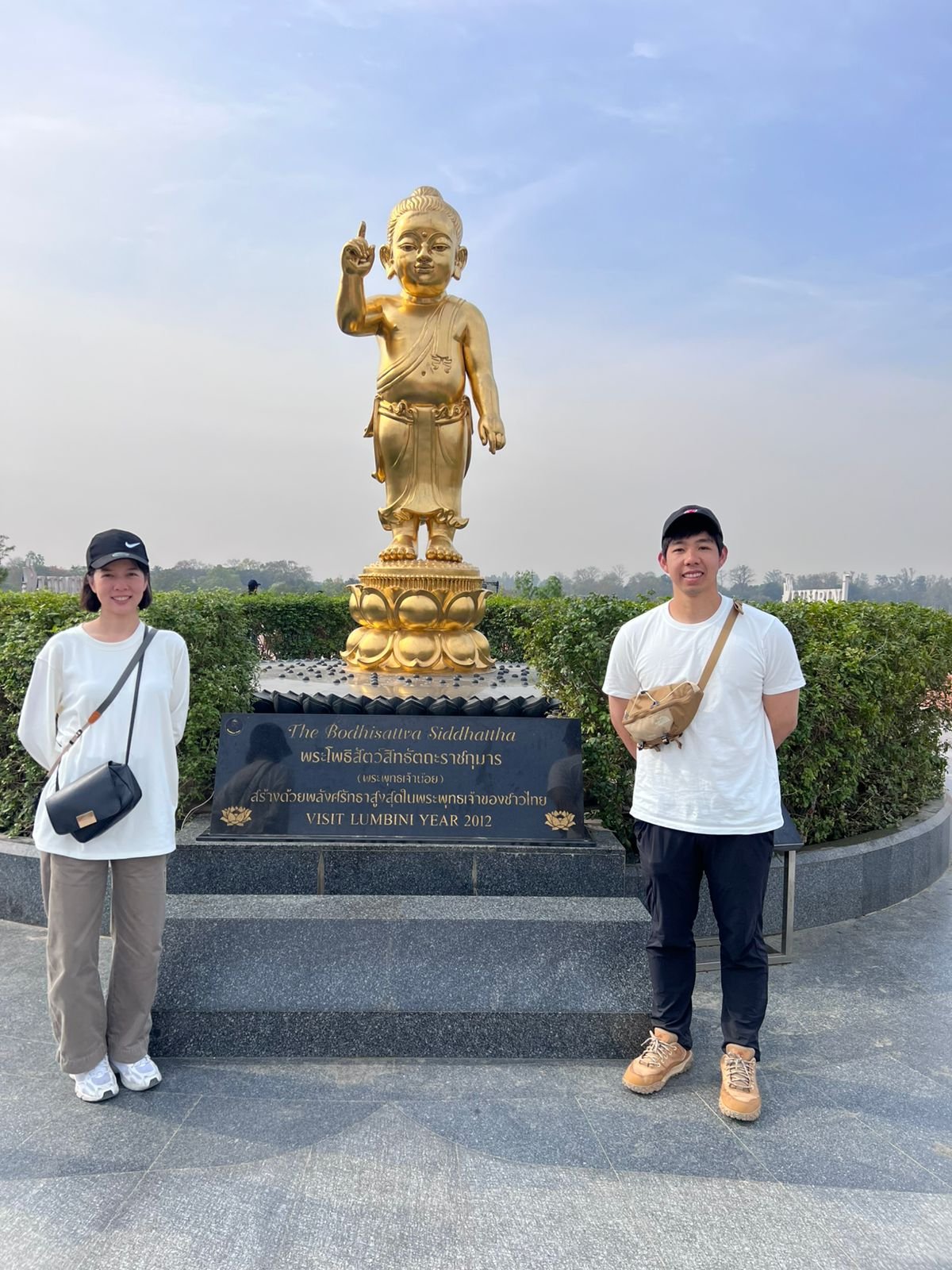
- Journey to Lumbini, the birthplace of Siddhartha Gautama Buddha and a UNESCO World Heritage Site, making the sacred birthplace the central pilgrimage destination of the tour.
- Pay homage at the Maya Devi Temple, where the archaeological evidence includes the Marker Stone associated with the Buddha's birthplace, and visit the nearby Ashoka Pillar and Sacred Pond.
- Walk through the Lumbini Sacred Garden, allowing time for quiet reflection, circumambulation, meditation and appreciation of the archaeological remains surrounding the birthplace.
- Explore the Lumbini Monastic Zone, where monasteries and meditation centres representing different Buddhist traditions and countries create a remarkable international Buddhist landscape.
- Visit Tilaurakot, ancient Kapilvastu and the archaeological site associated with the royal environment where Siddhartha Gautama is believed to have spent his early princely years.
- Experience the wider Buddhist heritage of the Lumbini region, where sites such as Kudan, Gotihawa and Niglihawa connect the pilgrimage with important episodes and figures in Buddhist history.
- Combine pilgrimage with moments of quiet meditation and reflection, making the journey suitable not only for religious pilgrims but also for travellers interested in Buddhist philosophy, history, archaeology and spiritual traditions.
Buddhist Pilgrimage Tour in Nepal – 8 Days ~ Itinerary
Day 1
Arrival in Kathmandu
- Altitude: 1,350 m
- Accommodation: Standard Three-star hotel in Kathmandu
Upon arrival at Tribhuvan International Airport, a representative from Nepal Royal Tourism Holiday will welcome you and transfer you to your hotel in Kathmandu. After check-in, take some time to rest after your journey. Those arriving early can explore the nearby streets of Thamel or visit a local Buddhist shrine before the formal program begins.
In the evening, your pilgrimage guide will brief you about the route, introduce the main Buddhist sites you will visit, and explain practical details for temple and monastery visits. Depending on arrival time, the day can remain relaxed so that you are rested for the first full pilgrimage day.
Day 2
Kathmandu Buddhist Heritage Tour
- Altitude: 1,350 m
- Sightseeing Duration: Approximately 6 to 7 hours
- Drive Distance: Approximately 25 to 35 km around Kathmandu Valley
- Drive Duration: Around 2 to 3 hours including sightseeing transfers
- Meals: Breakfast
- Accommodation: Three-Star Hotel in Kathmandu
Begin the pilgrimage with Swayambhunath, one of Kathmandu Valley’s oldest and most important Buddhist sites. The stupa stands on a hill above the city and is reached through a complex of shrines, prayer wheels, statues and monasteries. From the upper area, the city spreads across the valley below, creating an interesting contrast between the ancient religious complex and modern Kathmandu.
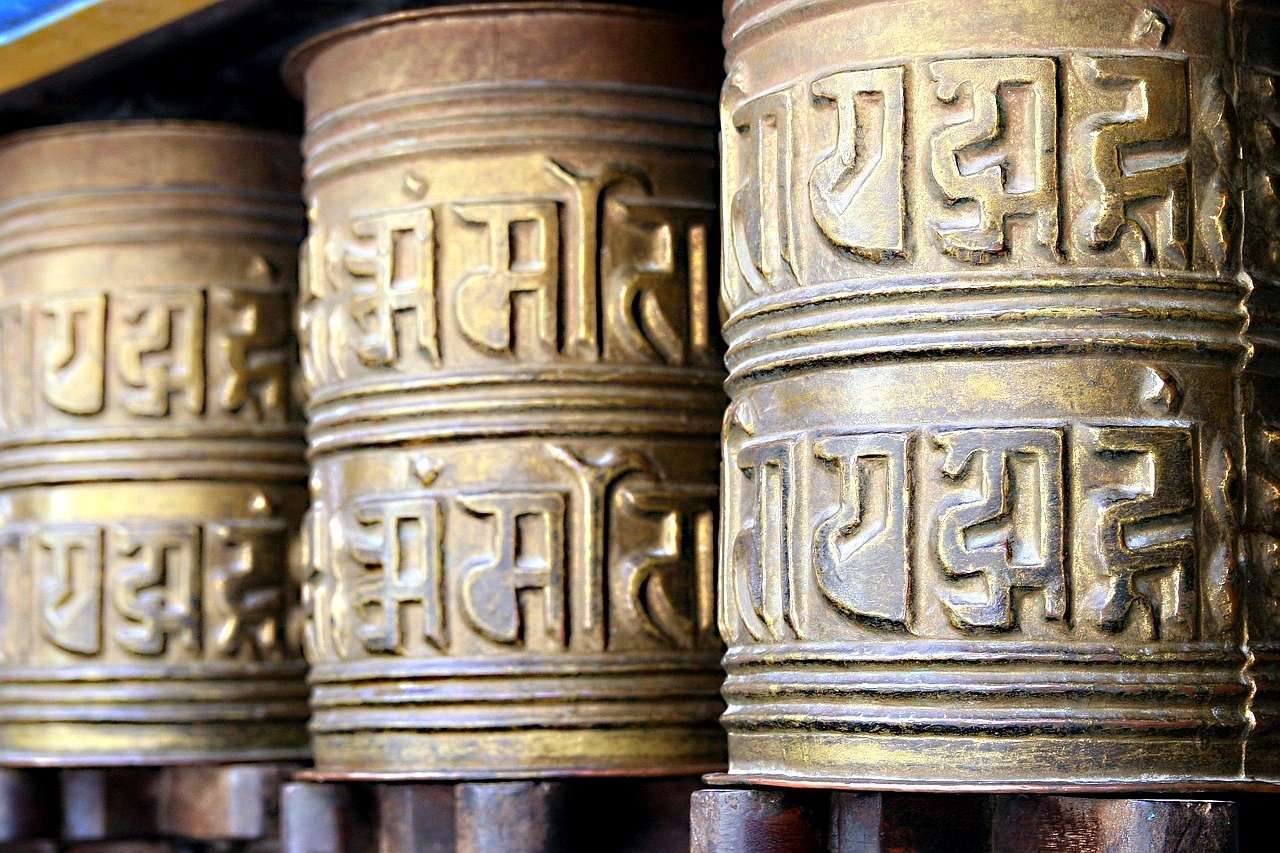
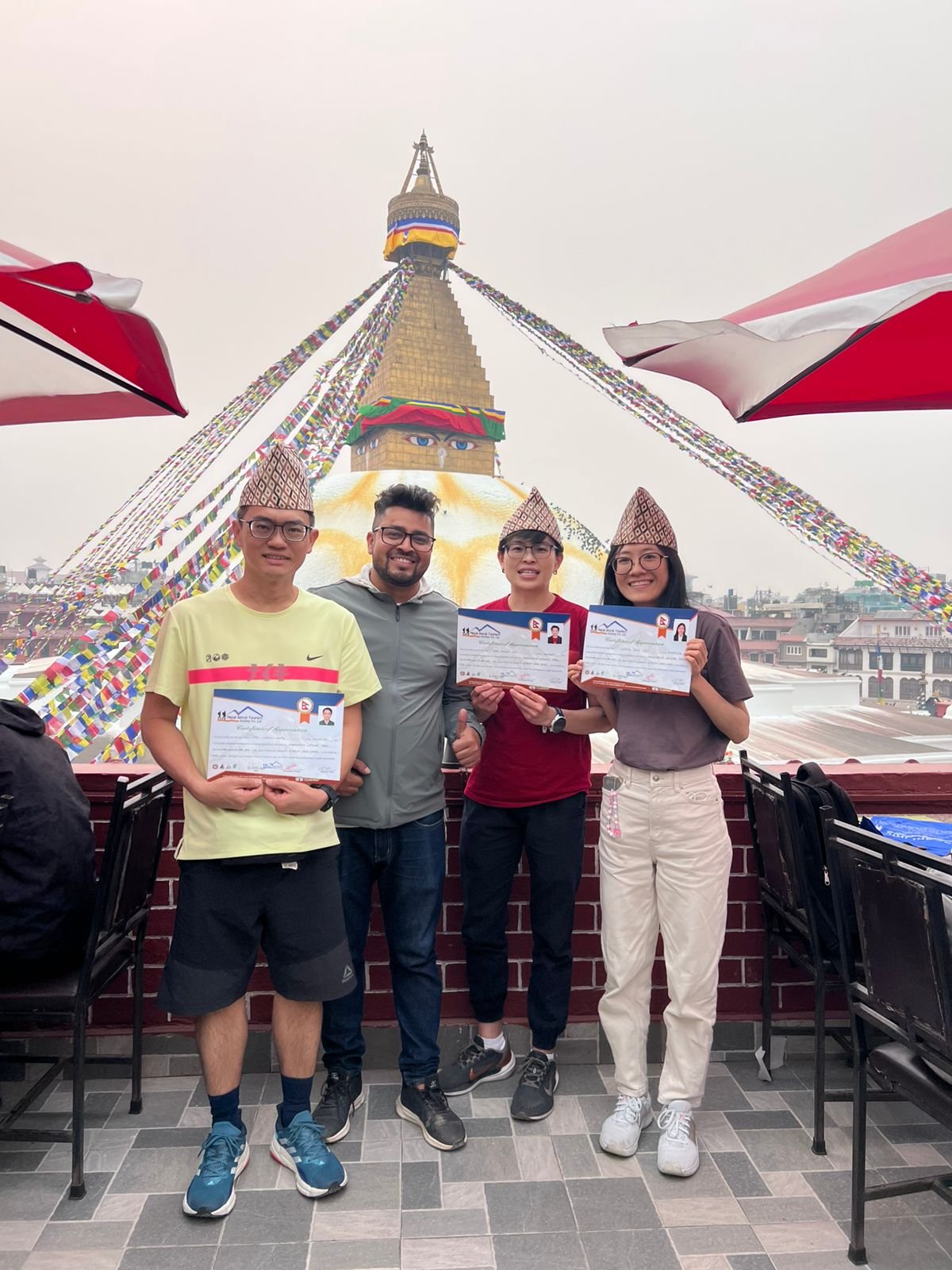
Continue to Boudhanath Stupa, where the atmosphere becomes distinctly Tibetan Buddhist. The huge white dome is surrounded by monasteries and shops, and pilgrims continually circle the stupa while turning prayer wheels and reciting prayers. Take time to walk around the kora route and visit the surrounding monastery area rather than treating Boudhanath as a brief photo stop.
After lunch, continue to Patan for its Buddhist heritage. Visit Hiranya Varna Mahavihar, commonly known as the Golden Temple, one of the most important traditional Buddhist courtyards in Patan. The multi-level monastery complex contains shrines, statues, prayer wheels and intricate metalwork and provides a more intimate experience of Newar Buddhist architecture.
Later, return to Kathmandu in the late afternoon and enjoy a relaxed evening before tomorrow’s pilgrimage excursion.
Day 3
Kathmandu to Namobuddha and Return to Kathmandu
- Altitude: Kathmandu 1,350 m | Namobuddha approximately 1,750 m
- Driving Distance: Approximately 100 to 120 km round trip depending on route
- Drive Duration: Approximately 4 to 6 hours total depending on traffic and road conditions
- Sightseeing and Pilgrimage Duration: Approximately 6–8 hours
- Meals: Breakfast and Lunch
- Accommodation: Three-Star Hotel in Kathmandu
- Meals: Breakfast, Lunch, Dinner
Day 4
Pharping Buddhist Pilgrimage and Kopan Monastery
- Altitude: Kathmandu approximately 1,350 m | Pharping approximately 1,500 m
- Sightseeing Duration: Approximately 6–7 hours
- Drive Distance: Approximately 40–50 km round trip
- Drive Duration: Around 2–3 hours total depending on traffic
- Meals: Breakfast and Lunch, Dinner
- Accommodation: Three-Star Hotel in Kathmandu
Today’s pilgrimage explores two very different centres of Tibetan Buddhist practice around Kathmandu.
Begin at Pharping, a sacred area south of Kathmandu associated particularly with Padmasambhava, also known as Guru Rinpoche. The area contains caves, monasteries and meditation sites connected with his spiritual practice. Visit Asura Cave and the surrounding monastery complex, where the natural rock formations and religious structures create a very different atmosphere from the large stupas in central Kathmandu.
After spending time around Pharping, return toward Kathmandu and continue to Kopan Monastery. Unlike the ancient pilgrimage sites, Kopan is a living contemporary Buddhist institution known for Buddhist study, meditation and monastic education. The hilltop setting also gives the complex a peaceful atmosphere away from the noise of the city.
Finally, return to Kathmandu in the evening. The remainder of the evening is free for personal prayer, rest or preparation for the following day’s journey to Lumbini.
Day 5
Flight from Kathmandu to Bhairahawa and Transfer to Lumbini
- Altitude: Kathmandu 1,350 m | Lumbini approximately 150 m
- Flight Distance: Approximately 193 km by air
- Flight Duration: Around 30 minutes
- Drive Distance: Approximately 22 km from Bhairahawa to Lumbini
- Drive Duration: Around 30–45 minutes Meals: Breakfast, Lunch, Dinner
- Accommodation: Three-Star Hotel in Lumbini
After breakfast, transfer to Tribhuvan International Airport for the domestic flight to Bhairahawa, also known as Siddharthanagar. The flight takes around 30 minutes and is currently operated on the Kathmandu–Bhairahawa route.
Bhairahawa is the principal air gateway to Lumbini. From the airport, continue by private vehicle toward the sacred area, with the landscape changing from Kathmandu’s high valley environment to the warmer and flatter Terai plains. Lumbini itself lies approximately 22 km from Bhairahawa.
After checking into your hotel and having lunch, begin a gentle introduction to Lumbini’s Sacred Garden. Use the afternoon to become familiar with the pilgrimage area and the peaceful environment surrounding the birthplace of the Buddha. You may also explore some of the nearby monasteries before returning to the hotel for the evening.
Day 6
Full-Day Lumbini Buddhist Pilgrimage
- Altitude: Approximately 150 m
- Local Travel Distance: Approximately 10 to 20 km depending on sightseeing route
- Sightseeing Duration: Approximately 7 to 8 hours
- Meals: Breakfast, Lunch, Dinner
- Accommodation: Three-Star Hotel in Lumbini
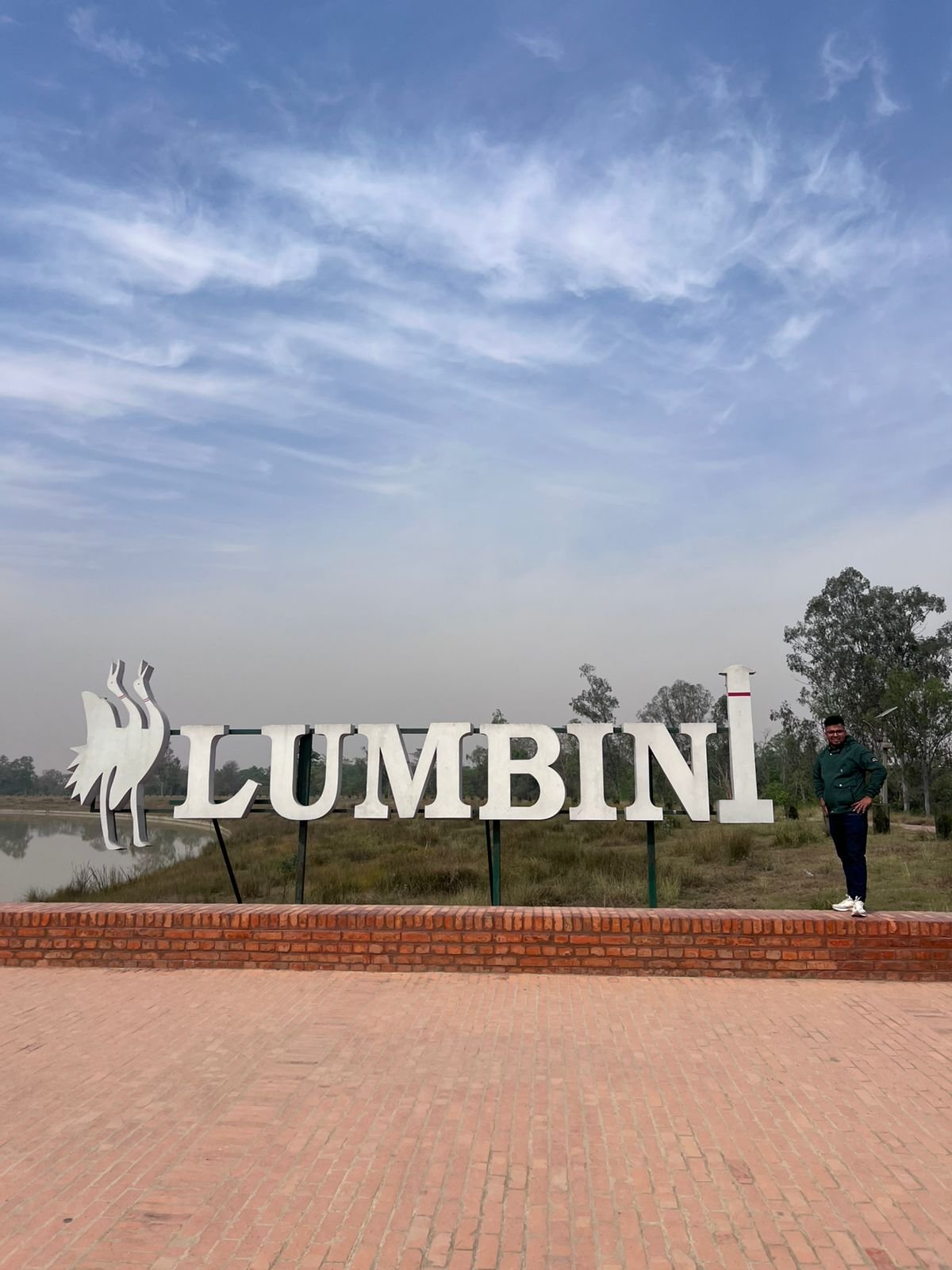
Today is dedicated entirely to Lumbini, the birthplace of Siddhartha Gautama Buddha and the central pilgrimage destination of the tour. Lumbini is a UNESCO World Heritage Site and has attracted Buddhist pilgrims for centuries.
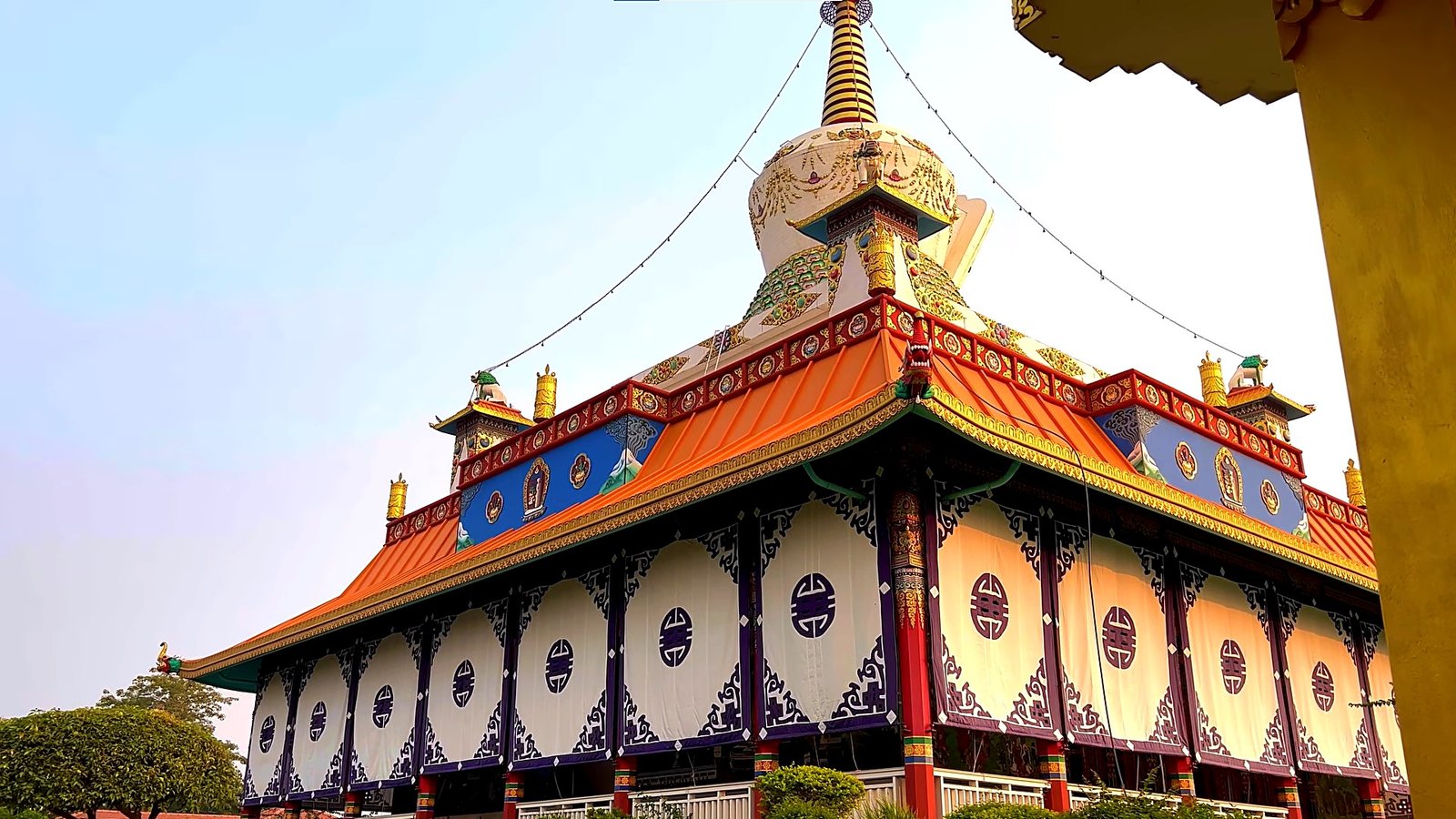
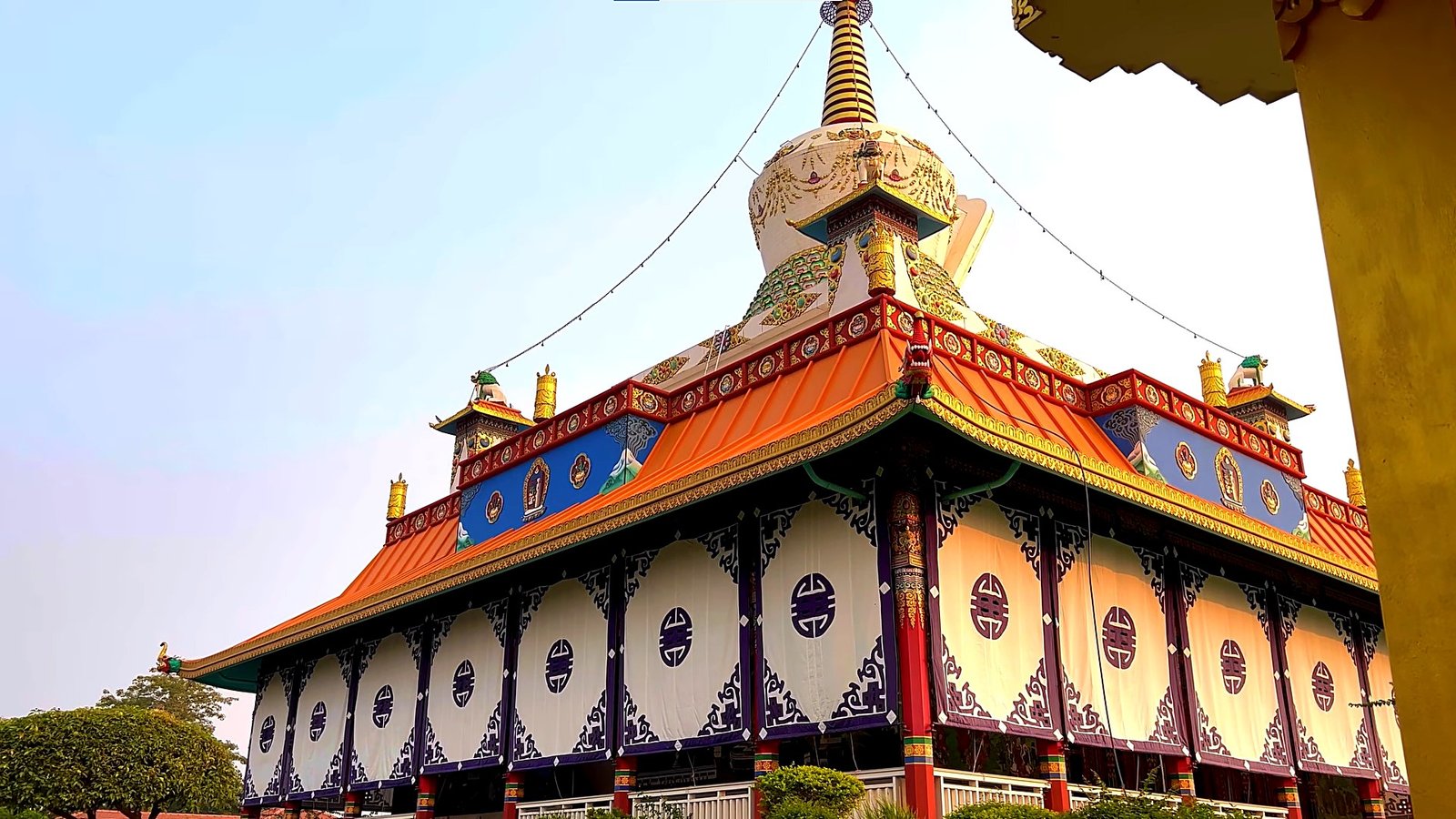
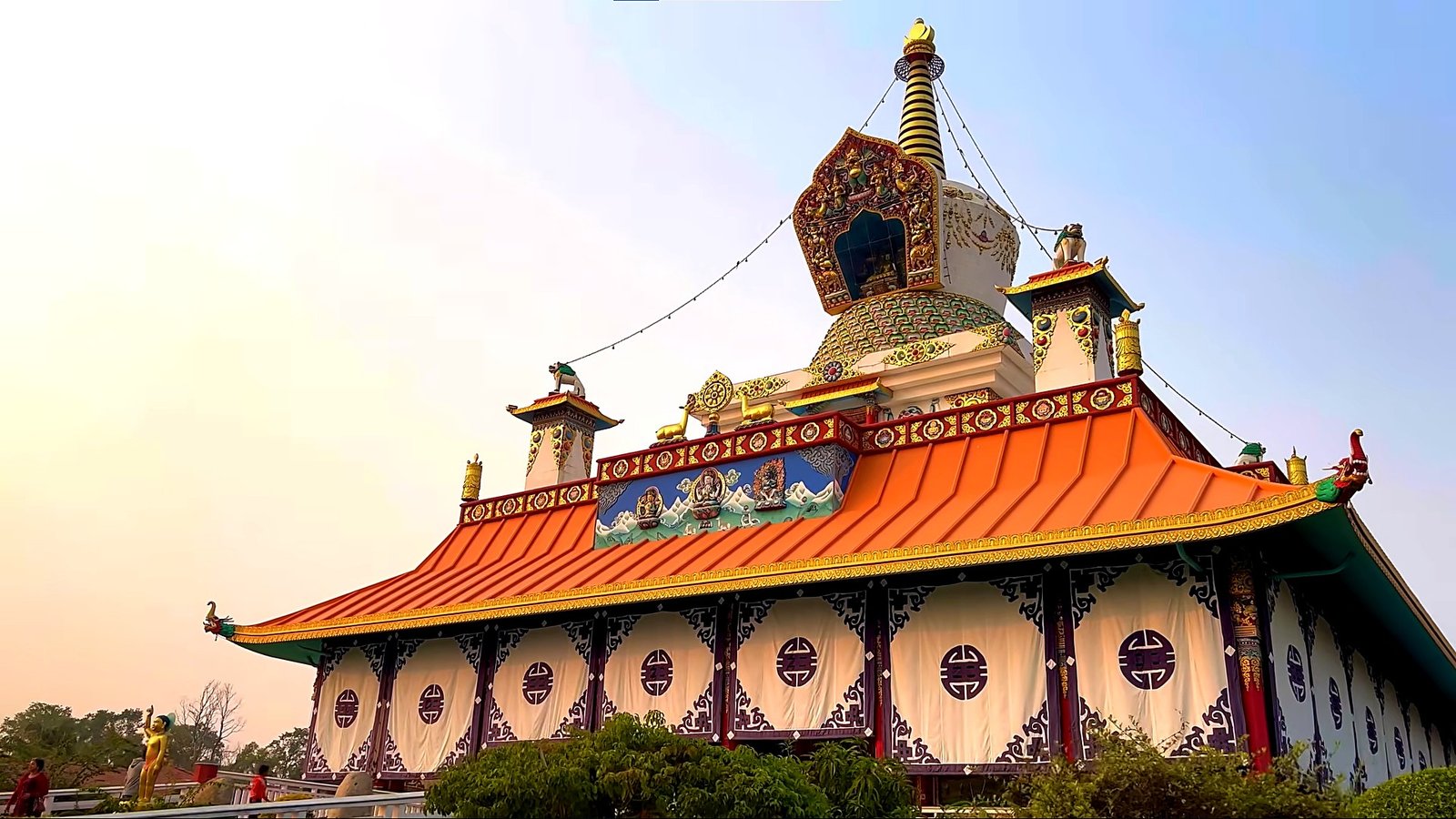
Begin at the Maya Devi Temple, the spiritual heart of the Sacred Garden. Archaeological excavations have revealed the marker stone identifying the traditional birthplace, together with remains from different periods of construction and pilgrimage. Take time for prayer and reflection around the temple before continuing toward the Ashoka Pillar, erected after Emperor Ashoka’s pilgrimage to Lumbini.
Visit Puskarini, the sacred pond associated with the traditional account of Buddha’s birth, before continuing through the landscaped Sacred Garden.
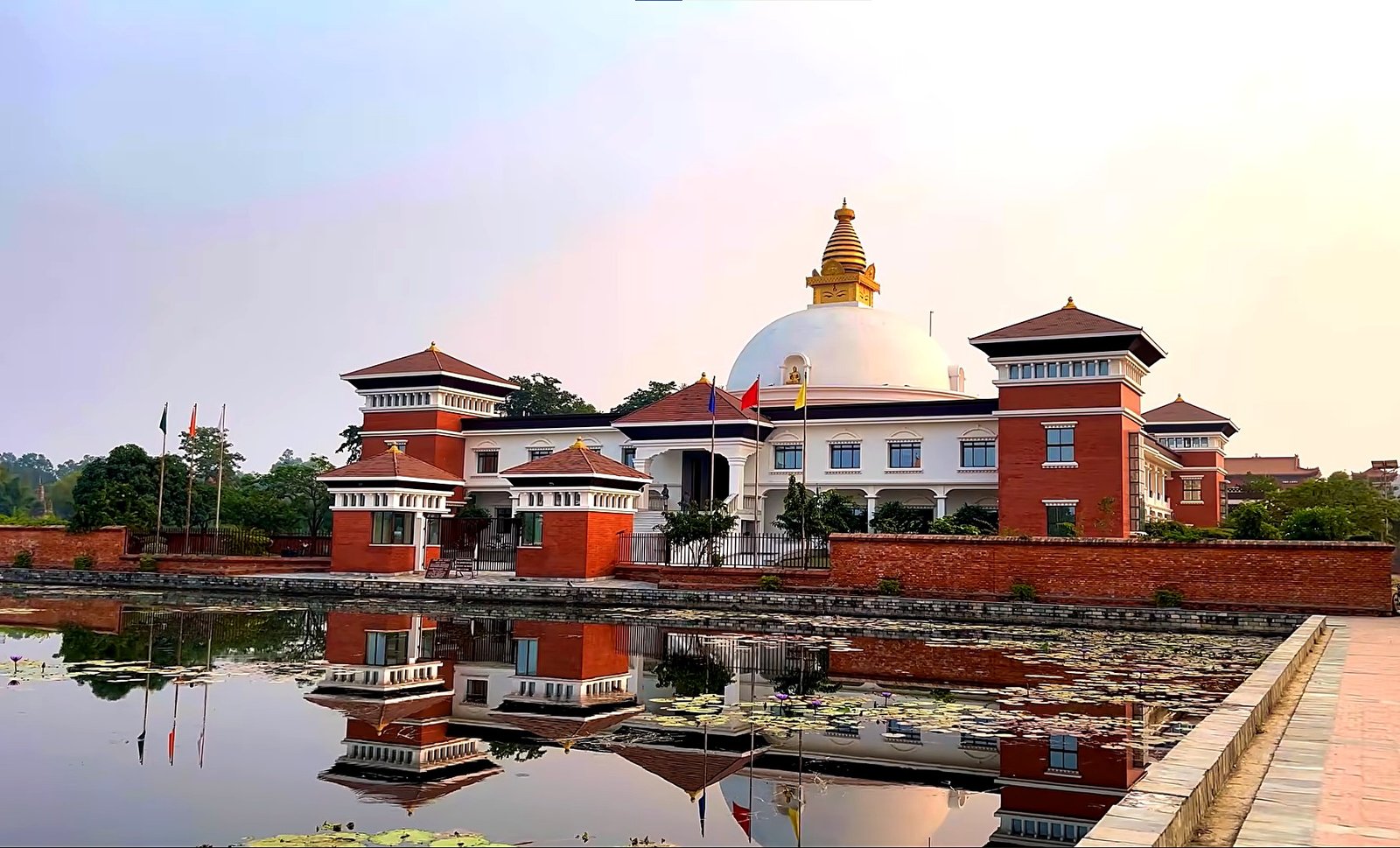
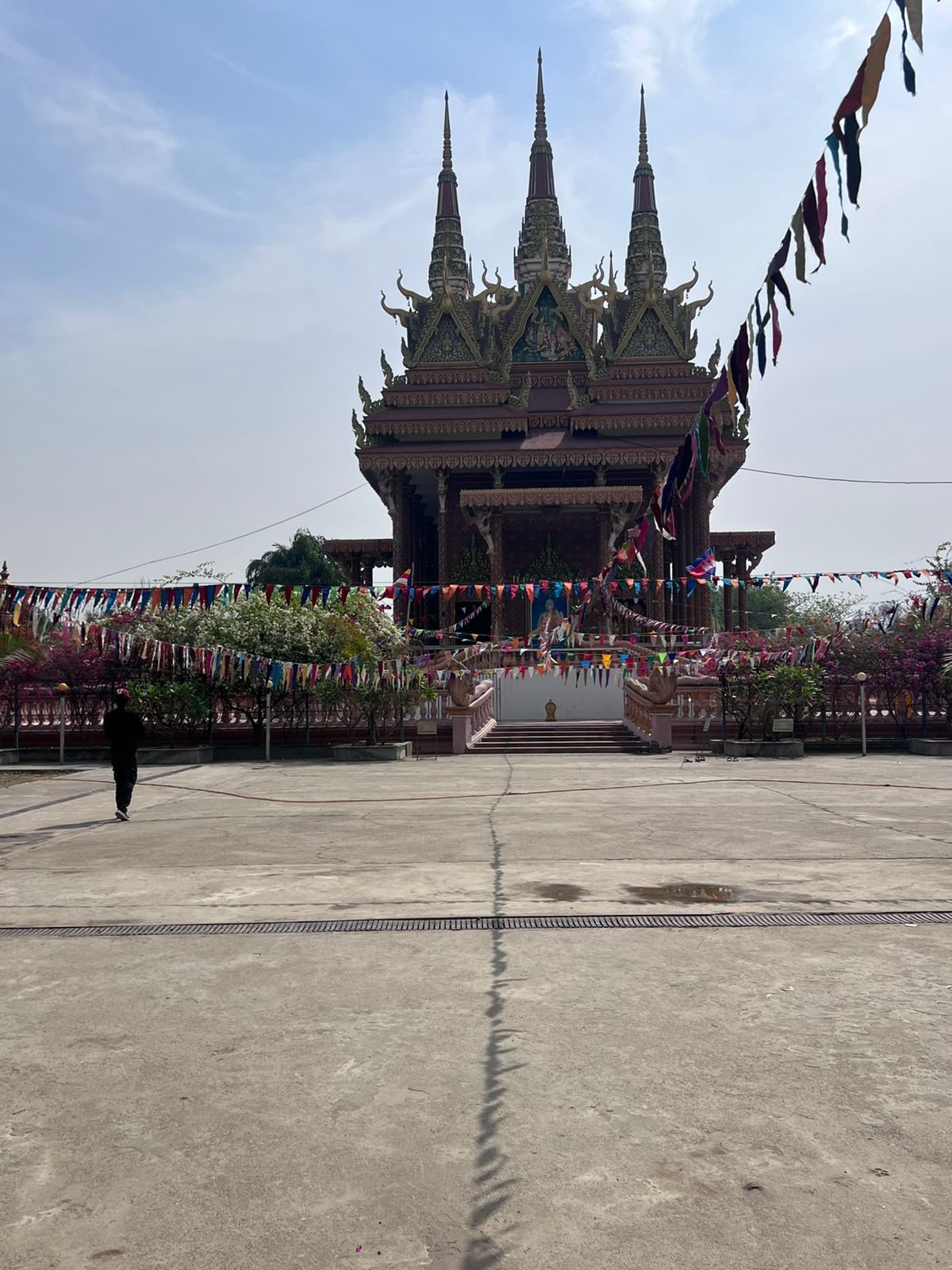
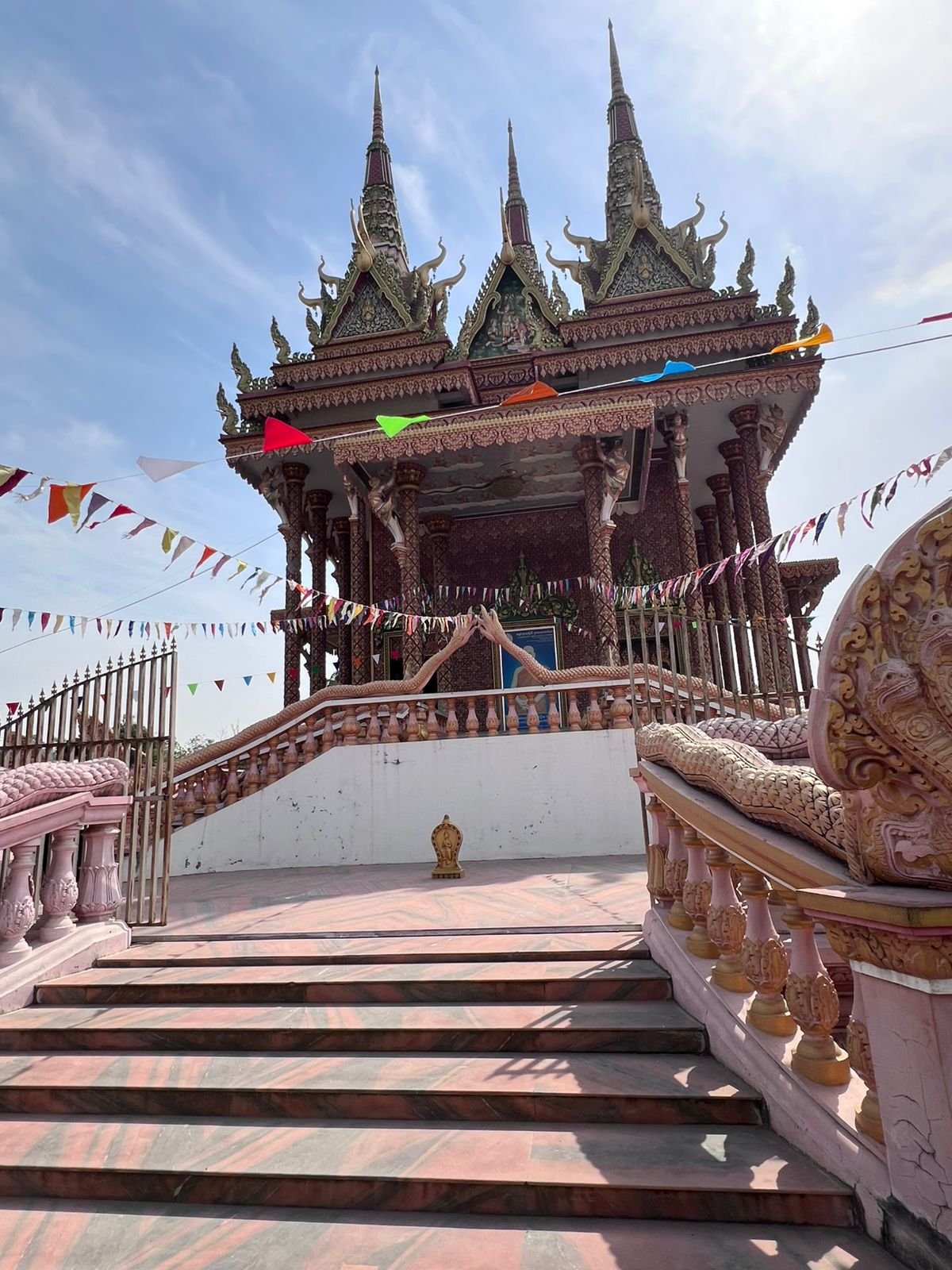
Later, explore the International Monastic Zone, where monasteries representing different Buddhist traditions and countries have created their own temples, meditation spaces, gardens and architectural styles. Lumbini’s monastic landscape demonstrates how Buddhist traditions that began in South Asia developed distinctive expressions throughout Asia. Nepal Tourism Board notes the presence of monasteries and stupas representing countries including China, Japan, Myanmar, Sri Lanka, Thailand and others.
End the day with quiet time around the Sacred Garden or at a suitable monastery before returning to the hotel.
Day 7
Tilaurakot and Kapilvastu Buddhist Circuit, Flight to Kathmandu
- Altitude: Lumbini approximately 150 m | Kathmandu 1,350 m
- Driving Distance: Approximately 80 to 90 km
- Drive Duration: Approximately 3 to 4 hours total
- Sightseeing Duration: Approximately 5 to 6 hours
- Flight Duration: Around 30 minutes
- Meals: Breakfast and Lunch
- Accommodation: Three-Star Hotel in Kathmandu
After breakfast, travel toward Tilaurakot, the archaeological site associated with ancient Kapilvastu and the Shakya kingdom. The site is particularly important because it connects the pilgrimage at Lumbini with the period of Siddhartha Gautama’s early life before he left his royal surroundings.
Walk through the archaeological remains and learn about the ancient settlement, its defensive structures and the wider historical landscape. The experience is different from the highly landscaped Sacred Garden at Lumbini; here, the emphasis is on archaeology, ruins and the ancient landscape surrounding them.
Depending on the group’s timing and the condition of the roads, selected nearby sites such as Kudan, Gotihawa or Niglihawa can also be incorporated into the pilgrimage circuit. These archaeological locations broaden the historical story of the region beyond Lumbini itself.
After the sightseeing program, return toward Bhairahawa Airport for the flight back to Kathmandu. The flight takes approximately 30 minutes.
Day 8
Final Departure
- Meal: Breakfast
Enjoy your final breakfast at the hotel and use the remaining time according to your international flight schedule. At the appropriate time, your Nepal Royal Treks representative will transfer you to Tribhuvan International Airport.
Your eight-day Buddhist pilgrimage concludes after following a meaningful route through Swayambhunath, Boudhanath, Patan’s Buddhist heritage, Namobuddha, Pharping, Kopan Monastery, Lumbini and the ancient Kapilvastu region. The journey brings together living Buddhist practice, monasteries, archaeological sites, sacred landscapes and the birthplace of Siddhartha Gautama in one complete pilgrimage experience.
Buddhist Pilgrimage Tour in Nepal – 8 Days Fixed Departures Dates
Trip Cost Includes/Excludes
Cost Includes
- Airport arrival and departure transfers by private tourist vehicle
- Seven nights' accommodation in three-star or similar tourist-standard hotels
- Daily breakfast throughout the tour
- Breakfast, lunch and dinner during the pilgrimage days where specified in the final itinerary
- Private tourist vehicle for all intercity transfers and sightseeing
- Professional English-speaking sightseeing and pilgrimage guide
- Kathmandu Buddhist heritage sightseeing as listed in the itinerary
- Namobuddha and monastery visit according to the itinerary
- Lumbini sightseeing and Sacred Garden visit
- Lumbini Monastic Zone sightseeing
- Tilaurakot and selected Kapilvastu archaeological sites included in the itinerary
- Sightseeing entrance fees specifically mentioned as included in the final package
- Applicable government taxes and company service charges
- Basic assistance with pilgrimage arrangements and local coordination
Cost Excludes
- International airfare to and from Nepal
- Nepal entry visa fees
- Travel and medical insurance
- Lunch and dinner except where specifically included
- Bottled water, soft drinks, alcoholic beverages and personal snacks
- Donations made at monasteries, temples or religious institutions
- Personal offerings, prayer materials and ceremonial items
- Optional meditation, religious or cultural programs not specifically mentioned
- Tips for guide, driver and other staff
- Any service or expense not specifically mentioned under Cost Includes
Trip Photo/Video Gallery


Frequently Asked Questions
The tour is designed to connect visitors with some of Nepal’s most important Buddhist pilgrimage and heritage sites, including Swayambhunath, Boudhanath, Kopan Monastery, Namobuddha, Lumbini and the ancient Buddhist sites around Kapilvastu.
Yes, Lumbini is one of the central destinations of the itinerary. The program includes time around Maya Devi Temple, the Sacred Garden, Ashoka Pillar, the monastic area and other important places within the Lumbini pilgrimage landscape.
Lumbini is traditionally recognised as the birthplace of Siddhartha Gautama, who later became the Buddha. The Sacred Garden contains the Maya Devi Temple, Ashoka Pillar, sacred pond and archaeological remains associated with the birthplace.
Yes, Tilaurakot is included because it adds important historical context to the pilgrimage. The archaeological site is identified with ancient Kapilvastu and is associated with the period of Siddhartha Gautama’s early princely life.
Namobuddha is one of Nepal’s important Buddhist pilgrimage destinations and is associated with the traditional story of Prince Mahasattva’s compassion and self-sacrifice. The site is also known for its monastery and peaceful hilltop setting.
Yes. Time for personal prayer, meditation, reflection or circumambulation can be arranged at appropriate monasteries and sacred sites, depending on local rules and the group’s preferences.
Generally, yes. The tour does not require multi-day trekking or technical climbing. However, some temples and stupas involve stairs, uneven paths and prolonged walking, so individual mobility should be considered when planning the journey.
No. It is primarily a Buddhist pilgrimage, cultural and archaeological tour. There are walking sections around monasteries, temples and archaeological sites, but no multi-day trekking stages.
The standard arrangement uses comfortable three-star or similar tourist-standard hotels. Accommodation around Namobuddha may vary depending on availability and the preferred pilgrimage experience.
There is no special “Buddhist pilgrimage permit” required for the standard itinerary. However, normal entry fees and applicable visitor regulations for heritage and archaeological sites must be followed.
Yes, the tour is open to travellers of all backgrounds. It can be approached as a religious pilgrimage or as a cultural and historical journey focused on Buddhist heritage, archaeology and philosophy.
A professional guide is strongly recommended because many of the sites have complex religious, archaeological and historical backgrounds that are difficult to understand from the monuments alone.
You may also like

Menu