


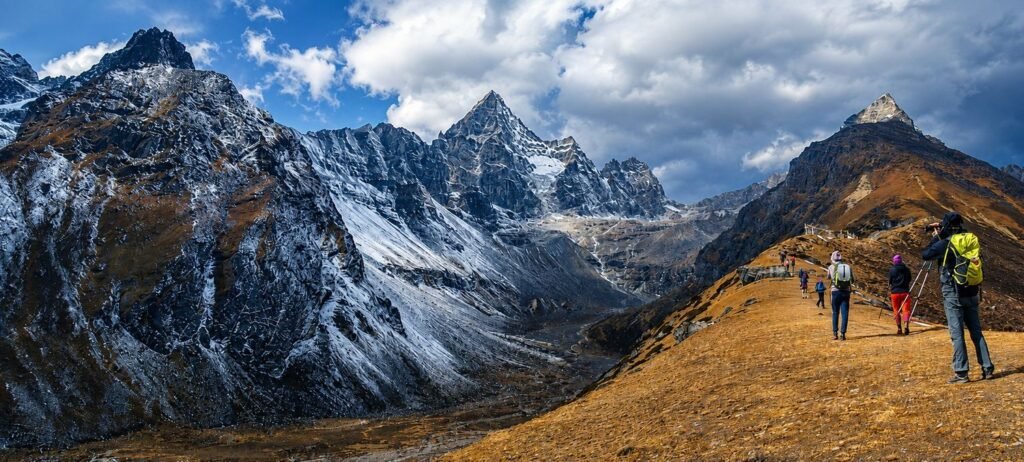
Nepal Restricted Area Trek Guide 2027: Permits, Costs, Solo Trekking Rules, Restricted Routes and Everything You Need to Know
Nepal is home to some of the world’s most spectacular trekking destinations, but not every trail is freely accessible.
Beyond the famous routes to Everest Base Camp, Annapurna Base Camp, and Langtang Valley lie remote Himalayan regions where entry is regulated by the Government of Nepal through a Restricted Area Permit (RAP).
These protected regions offer something very different from Nepal’s mainstream trekking trails. Ancient Tibetan Buddhist villages, centuries-old monasteries.
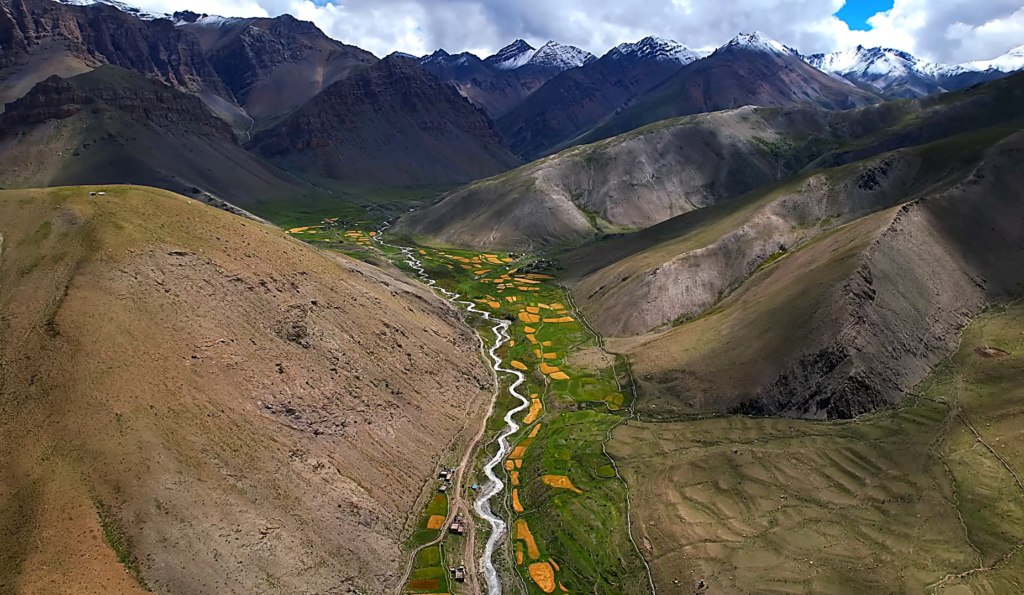
The trekking destibations also offer untouched alpine valleys, dramatic mountain passes, hidden kingdoms, and authentic Himalayan culture have remained remarkably well preserved because tourism has been carefully managed for decades.
If you are planning to explore destinations such as Upper Mustang, Manaslu Circuit, Nar Phu Valley, Tsum Valley, Kanchenjunga, Upper Dolpo, Lower Dolpo, Limi Valley, Api Himal, Makalu Border Region, Rolwaling Valley or any other restricted trekking destination, understanding the latest trekking regulations has become more important than ever.
The biggest change for 2026/27 is the updated Restricted Area Permit policy. The Department of Immigration has removed the long-standing requirement for two foreign trekkers to obtain most Restricted Area Permits.
Solo foreign trekkers can now legally apply for Restricted Area Permits through a registered Nepali trekking agency. However, one rule has not changed.
You still cannot trek independently inside Nepal’s restricted areas. Every trek must be organised through a government-registered trekking company, and every visitor must be accompanied by a licensed Nepali trekking guide throughout the journey.
These regulations exist to protect fragile Himalayan ecosystems, preserve centuries-old cultures, improve visitor safety in remote mountain regions, and strengthen management near Nepal’s northern border with Tibet.
Whether you dream of walking through the ancient Kingdom of Lo in Upper Mustang, crossing Larkya La Pass on the Manaslu Circuit, discovering the hidden villages of Nar and Phu, or trekking into the untouched wilderness of Upper Dolpo, this guide explains everything you need to know before planning your adventure.
If you are planning your very first Himalayan adventure or searching for one of Nepal’s most remote trekking experiences, this guide will help you choose the right destination with confidence.
What’s New for Nepal Restricted Area Treks in 2026/27?
Several important policy updates have changed how trekkers plan restricted area adventures in Nepal. Understanding these changes before booking your trek can save both time and unnecessary permit confusion.
| 2026/27 Update | Latest Information |
|---|---|
| Solo Trekkers | Solo foreign trekkers can now obtain Restricted Area Permits through registered trekking agencies. |
| Licensed Guide | A licensed Nepali trekking guide remains mandatory for every restricted area trek. |
| Permit Processing | Registered trekking companies can process permits online before your arrival in Nepal. |
| Independent Trekking | Still not permitted. Visitors cannot obtain Restricted Area Permits personally. |
These updated regulations make planning a restricted area trek easier than before while continuing to ensure that Nepal’s most remote mountain regions remain protected for future generations.
Every Restricted Area Trek in Nepal at a Glance
Nepal currently has 15 officially designated Restricted Area Permit (RAP) zones spread across 13 districts from eastern Nepal to the far west.
Some of these regions are home to world-famous trekking routes such as Upper Mustang, the Manaslu Circuit, Nar Phu Valley, and Kanchenjunga, while others remain among the least-visited Himalayan destinations on Earth.

Some restricted areas already have established trekking packages offered by Nepal Royal Tourism Holiday, while others are operated only as customised expeditions depending on logistics, local conditions, and trekking experience.
To make planning easier, the table below shows every restricted trekking destination together with its location, highest elevation, guide requirement, permit type, and whether you can book the trip immediately or enquire for a customised itinerary.
| Restricted Area | District | Popular Trek | Highest Elevation | Guide | Action |
|---|---|---|---|---|---|
| Upper Mustang | Mustang | Upper Mustang Trek | 4,660 m | Mandatory | View Trek |
| Manaslu Circuit | Gorkha | Manaslu Circuit Trek | 5,106 m | Mandatory | View Trek |
| Nar Phu Valley | Manang | Nar Phu Valley Trek | 5,416 m | Mandatory | View Trek |
| Tsum Valley | Gorkha | Tsum Valley Trek | 3,700 m | Mandatory | View Trek |
| Kanchenjunga Region | Taplejung | Kanchenjunga Circuit Trek | 5,143 m | Mandatory | View Trek |
| Upper Dolpo | Dolpa | Upper Dolpo Trek | 5,360 m | Mandatory | Inquire Trek |
| Lower Dolpo | Dolpa | Lower Dolpo Trek | 5,190 m | Mandatory | Inquire Trek |
| Limi Valley | Humla | Limi Valley Trek | 4,990 m | Mandatory | Inquire Trek |
| Makalu Border Region | Sankhuwasabha | Makalu Base Camp Trek | 5,250 m | Mandatory | Inquire Trek |
While destinations such as Upper Mustang, Manaslu Circuit, Nar Phu Valley, Tsum Valley, and Kanchenjunga Circuit have become internationally recognised trekking routes, many of Nepal’s other restricted areas remain true wilderness expeditions visited by only a handful of trekkers each year.
These remote regions often require customised logistics, camping support, and flexible itineraries depending on weather, road conditions, and local regulations.
Why Does Nepal Have Restricted Trekking Areas?
Many first-time visitors assume that restricted area permits exist simply to collect additional permit fees. In reality, the system serves a much broader purpose.
Most restricted regions lie close to Nepal’s international border with Tibet, where cultural preservation, environmental protection, national security, and visitor safety all play an important role in tourism management.
Why Does Nepal Have Restricted Trekking Areas?
Restricted Area Treks are not simply expensive trekking routes. They are regions where the Government of Nepal carefully regulates tourism to preserve centuries-old cultures, protect fragile mountain ecosystems, strengthen border management, and ensure visitors travel safely through some of the country’s most isolated Himalayan landscapes.
Most restricted areas lie close to Nepal’s northern border with the Tibet Autonomous Region of China. Many remained closed to foreign visitors until the 1990s, allowing ancient Tibetan Buddhist traditions, architecture, monasteries, languages, and lifestyles to survive almost unchanged for generations.
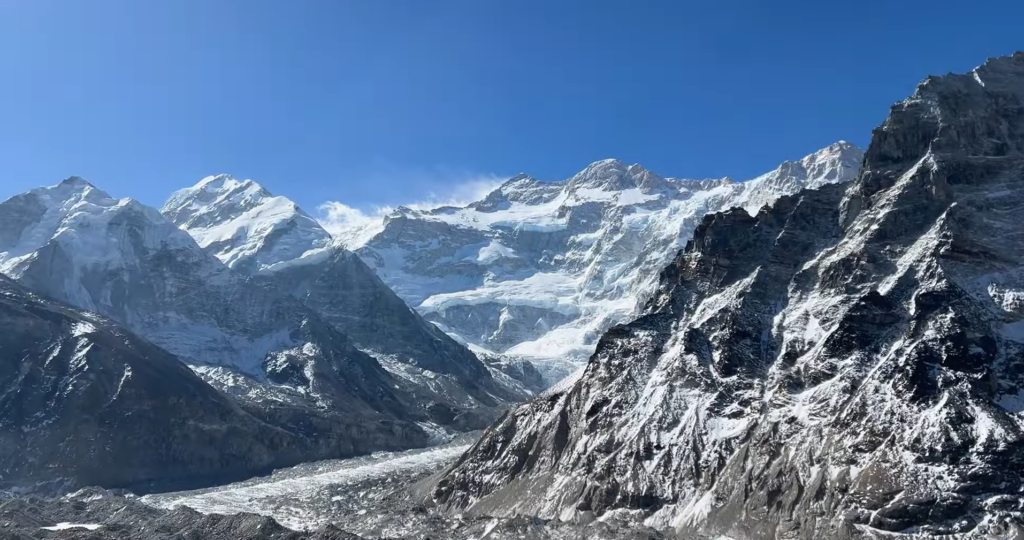
Unlike Everest Base Camp or Annapurna Base Camp, where thousands of trekkers walk every season, many restricted regions receive only a few hundred visitors annually.
That limited tourism helps local communities maintain their cultural identity while reducing environmental pressure on fragile alpine ecosystems.
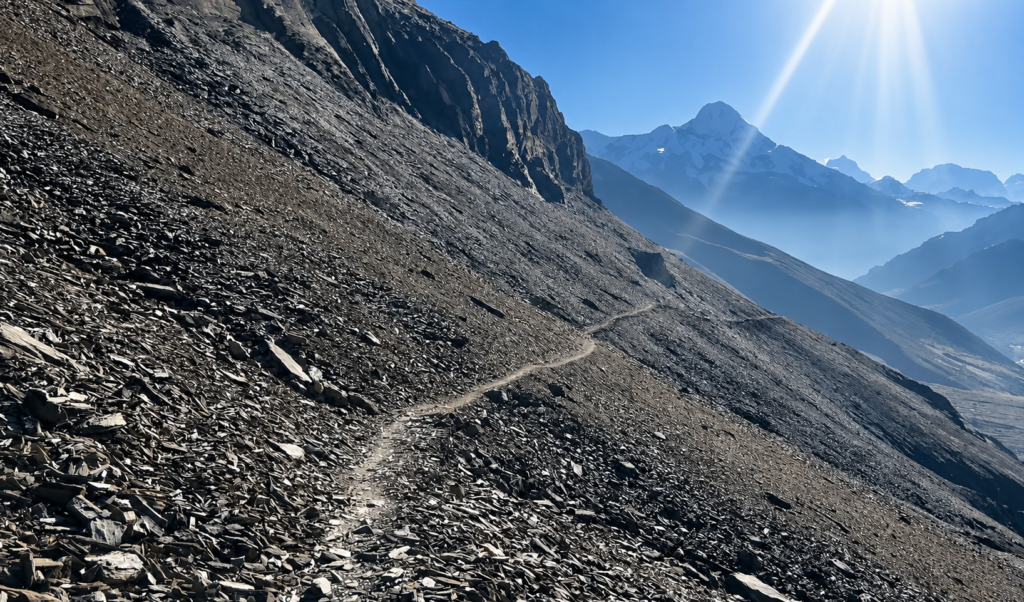
For trekkers, this means quieter trails, authentic villages, spectacular mountain scenery, and an experience that feels far more remote than Nepal’s popular trekking routes.
| Reason | Why It Matters |
|---|---|
| Cultural Preservation | Protects ancient Tibetan Buddhist villages, monasteries, languages, customs, and traditional lifestyles. |
| Environmental Protection | Reduces overcrowding and helps conserve fragile alpine ecosystems, wildlife habitats, and high Himalayan landscapes. |
| Border Security | Many restricted areas lie close to Nepal’s northern international border where visitor movement is monitored. |
| Visitor Safety | Licensed guides improve navigation, emergency response, communication, and logistics in remote mountain regions. |
| Sustainable Tourism | Permit fees directly contribute toward local development, conservation projects, and tourism management. |
Who Needs a Restricted Area Permit (RAP)?
Every foreign national entering a designated restricted trekking region must obtain a Restricted Area Permit (RAP) before crossing the official checkpoint.
The permit is separate from your Nepal tourist visa and is required in addition to any National Park or Conservation Area permits applicable to your trekking route.
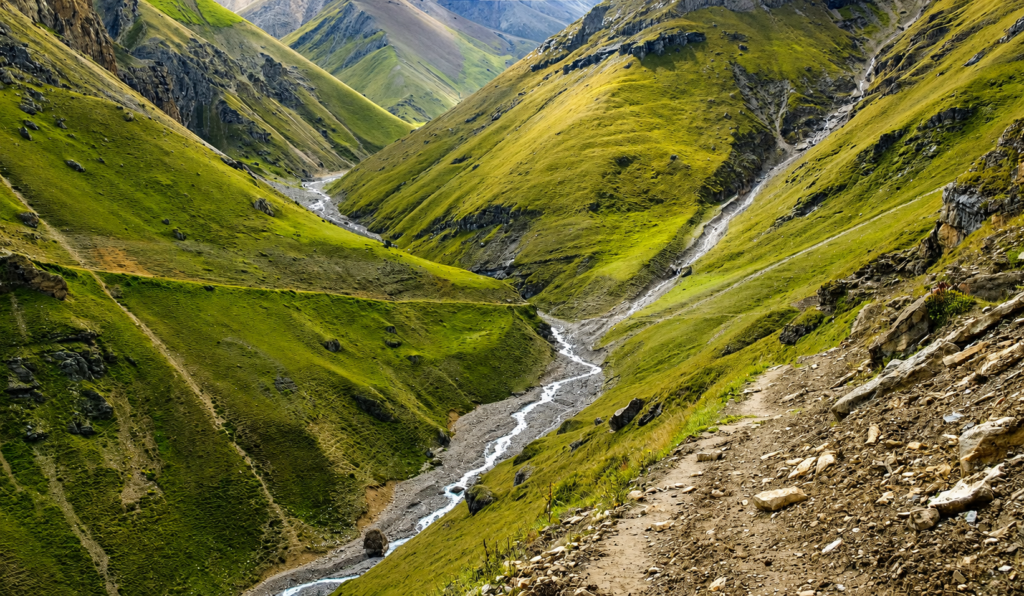
For example, trekkers completing the Manaslu Circuit need a Restricted Area Permit together with the Manaslu Conservation Area Permit (MCAP) and Annapurna Conservation Area Permit (ACAP).
Likewise, visitors trekking in Upper Mustang require both the Upper Mustang Restricted Area Permit and the Annapurna Conservation Area Permit.
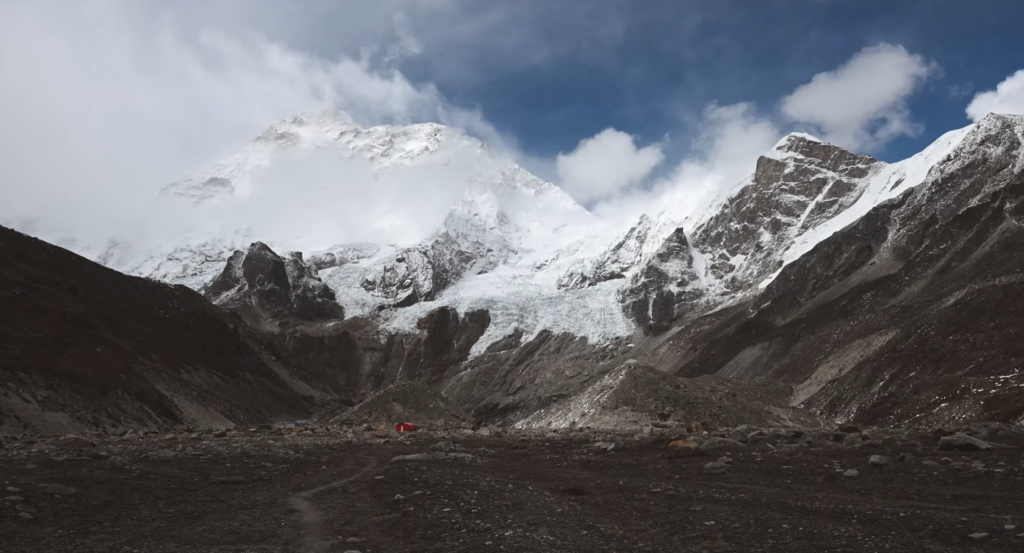
Restricted Area Permits are issued only through government-authorised trekking agencies such as Nepal Royal Tourism Holiday. Individual travellers cannot visit the Department of Immigration and purchase these permits themselves.
| Traveller | Restricted Area Permit Required? | Can Apply Personally? |
|---|---|---|
| Foreign Trekker | Yes | No |
| Foreign Resident in Nepal | Yes | No |
| Nepali Citizen | No | Not Required |
Can You Trek Solo in Nepal’s Restricted Areas?
This is the question we receive most frequently from international trekkers, and the answer changed following the latest Department of Immigration policy update.
Yes. Solo foreign trekkers can now legally obtain Restricted Area Permits for Nepal’s restricted trekking regions. However, that does not mean independent trekking is permitted.
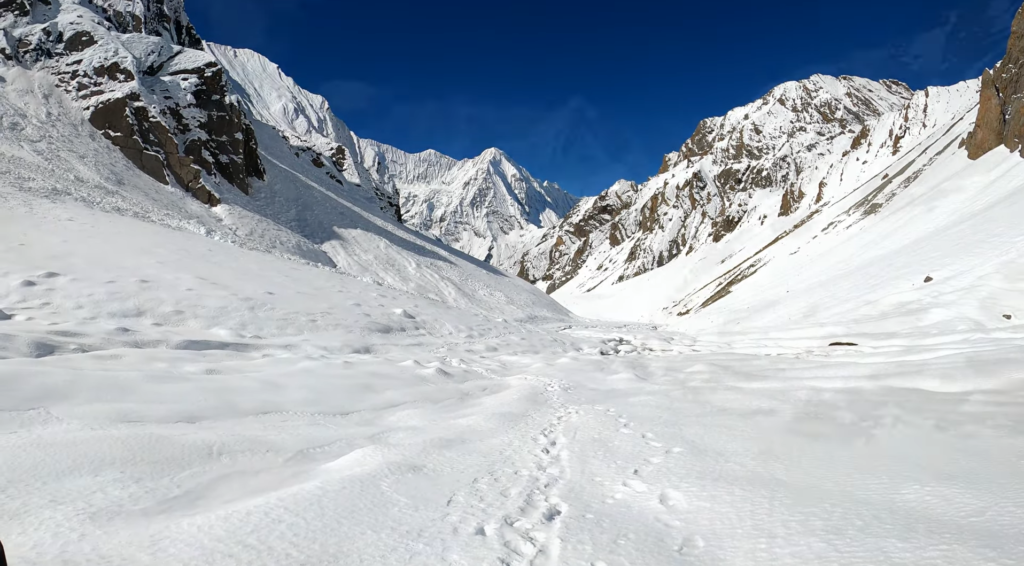
You must still book your trek through a registered Nepali trekking agency, and a licensed trekking guide must accompany you throughout the restricted area.
The government removed the previous minimum group requirement but retained the mandatory guide regulation to improve visitor safety and ensure responsible tourism in Nepal’s most remote mountain regions.
Quick Summary
- ✅ Solo foreign trekkers are now permitted.
- ✅ Licensed trekking guide remains compulsory.
- ✅ Registered trekking agency required.
- ❌ Independent trekking is still prohibited.
- ❌ Restricted Area Permits cannot be purchased personally.
How to Obtain a Restricted Area Permit in Nepal
The permit process is far simpler than many trekkers expect. Once you book your trip with Nepal Royal Tourism Holiday, our team prepares the complete application, submits all required documents to the Department of Immigration, obtains every necessary permit, and ensures everything is ready before your trek begins.
Restricted Area Permit Costs in Nepal for 2027
Restricted Area Permit (RAP) fees vary significantly depending on the destination, season, and duration of your trek.
While eastern regions such as Kanchenjunga, Makalu, and Api Nampa charge modest weekly permit fees, destinations like Upper Mustang and Upper Dolpo remain Nepal’s most expensive restricted trekking regions because of their unique cultural heritage and strict visitor management policies.
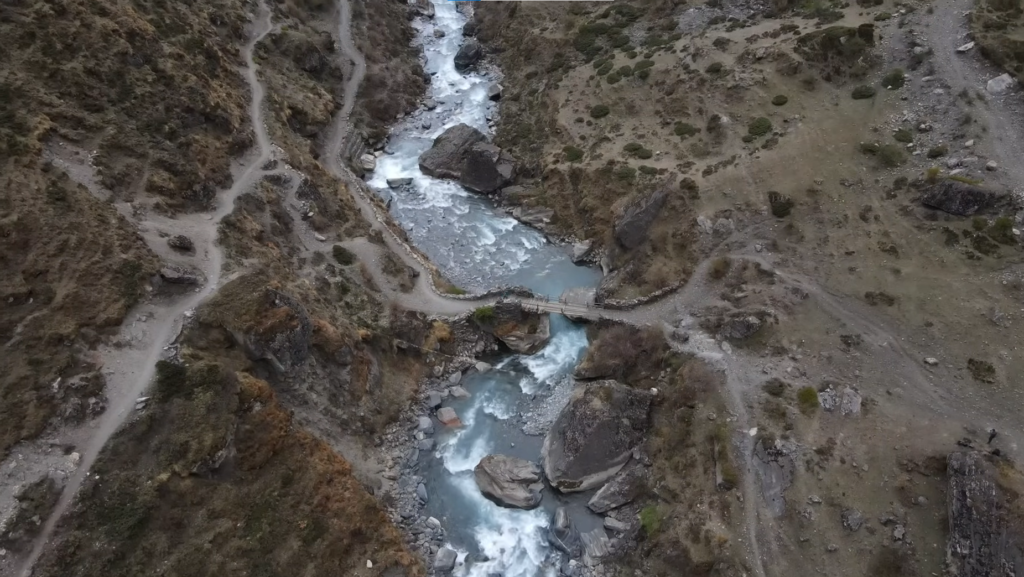
It is important to remember that Restricted Area Permit fees are separate from National Park permits, Conservation Area permits, municipal entrance fees, guide fees, porter costs, accommodation, meals, transportation, and travel insurance.
The following table summarises every official Restricted Area Permit currently issued by Nepal’s Department of Immigration.
| Restricted Area | District | Official RAP Fee | Additional Charge | Book Trek |
|---|---|---|---|---|
| Kanchenjunga Region | Taplejung | USD 20 per week | USD 25 per week after 4 weeks | View Trek |
| Makalu Border Area | Sankhuwasabha | USD 20 per week | USD 25 per week after 4 weeks | Inquire Trek |
| Rolwaling Valley | Dolakha | USD 20 per week | None | Inquire Trek |
| Langtang Border Area | Rasuwa | USD 20 per week | None | Inquire Trek |
| Manaslu Circuit | Gorkha | USD 100 (Sep-Nov) USD 75 (Dec-Aug) |
USD 15 or USD 10 per additional day | View Trek |
| Tsum Valley | Gorkha | USD 40 (Sep-Nov) USD 30 (Dec-Aug) |
USD 7 or USD 5 per day | View Trek |
| Nar Phu Valley | Manang | USD 100 (Sep-Nov) USD 75 (Dec-Aug) |
USD 15 or USD 10 per day | View Trek |
| Upper Mustang | Mustang | USD 50 per day | Daily Rate | View Trek |
| Upper Dolpo | Dolpa | USD 500 (First 10 Days) | USD 50 per day thereafter | View Trek |
| Limi Valley | Humla | USD 50 per week | USD 7 per day thereafter | Inquire Trek |
Additional Permits You May Need
Paying the Restricted Area Permit alone does not grant access to every trekking route. Most restricted areas also fall inside national parks or conservation areas, meaning trekkers must obtain additional entry permits before starting their journey.
Depending on your itinerary, you may also need local municipality entrance fees or rural municipality taxes.
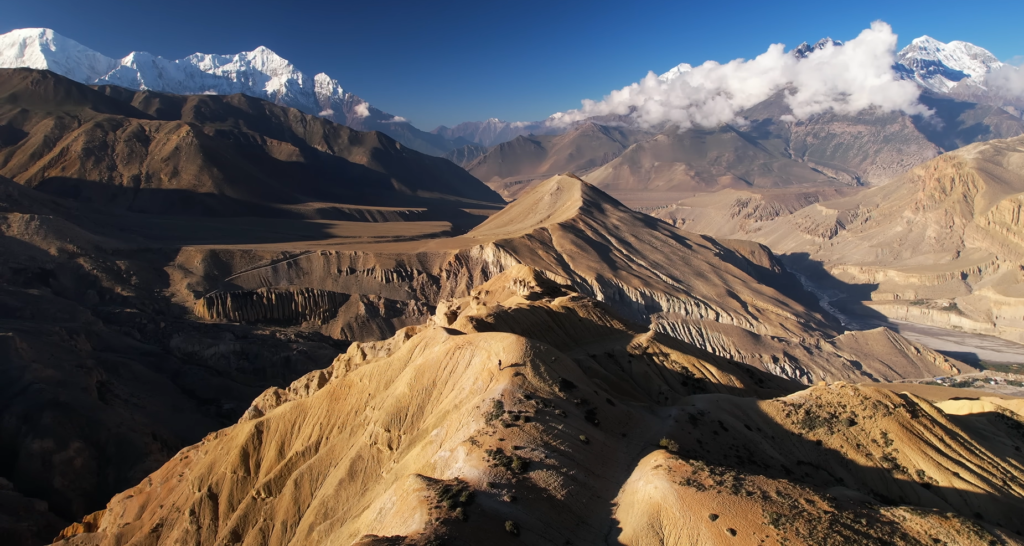
For example, trekkers visiting Upper Mustang require both the Restricted Area Permit and the Annapurna Conservation Area Permit (ACAP), while Manaslu Circuit trekkers must carry the RAP, ACAP, and Manaslu Conservation Area Permit (MCAP).
These permits are normally arranged together by Nepal Royal Tourism Holiday before your departure.
Complete List of All 15 Restricted Areas in Nepal
Nepal officially recognises 15 Restricted Area Permit (RAP) zones stretching from the eastern Himalayas to the far-western border. While famous destinations such as Upper Mustang, Manaslu Circuit, and Nar Phu Valley attract thousands of trekkers every year, several restricted regions remain virtually untouched and see only a handful of visitors annually.
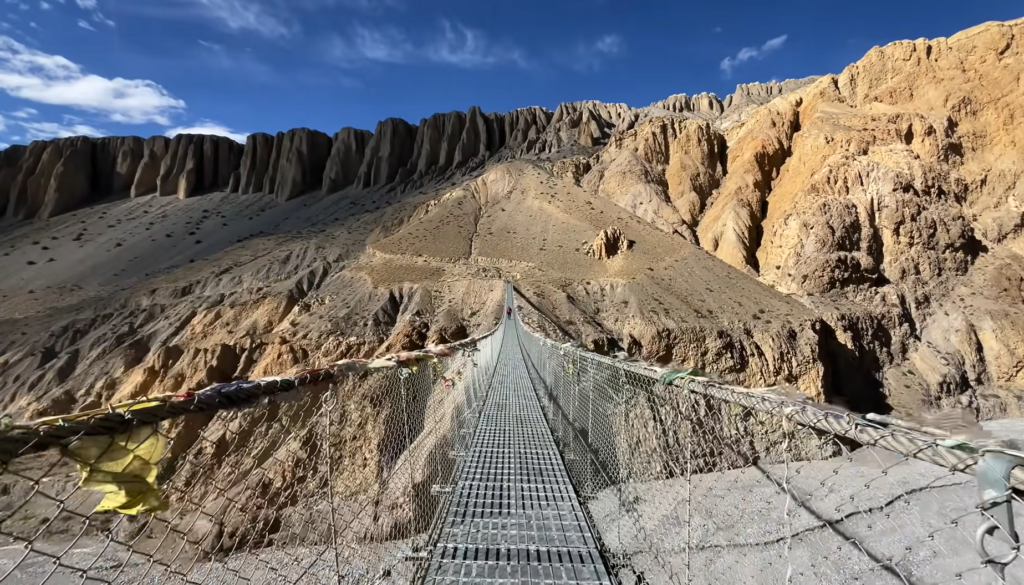
The following guide provides a quick overview of every restricted trekking area, including its location, major attractions, permit information, and booking availability through Nepal Royal Tourism Holiday.
Kanchenjunga Restricted Area (Taplejung District)
The Kanchenjunga region protects Nepal’s eastern Himalayan frontier and offers one of the country’s longest wilderness treks.
The journey visits both the North and South Base Camps of Mount Kanchenjunga while passing remote Rai, Limbu, and Sherpa settlements, dense rhododendron forests, glacier valleys, and pristine alpine landscapes.
| Restricted Area | Kanchenjunga Region |
| District | Taplejung |
| Permit Cost | USD 20 per week (First 4 Weeks) |
| Best Season | April to May and October to November |
| Difficulty | Strenuous |
| Book Trek | View Trek |
Makalu Border Restricted Area (Sankhuwasabha District)
This remote section borders Tibet and forms part of the Makalu-Barun conservation landscape. Trekkers pass through traditional mountain villages before reaching the spectacular base of Mount Makalu, the world’s fifth-highest mountain.
| Restricted Area | Makalu Border Region |
| District | Sankhuwasabha |
| Permit Cost | USD 20 per week |
| Highest Elevation | Approx. 5,250 metres |
| Book Trek | Inquire Trek |
Everest–Makalu Border Restricted Area (Solukhumbu District)
This little-known restricted sector is used mainly by technical expeditions crossing the Sherpani Col and the eastern section of the Great Himalaya Trail. It offers one of Nepal’s most isolated high-altitude traverses between Everest and Makalu.
| Permit Fee | USD 20 per week |
| Primary Route | Sherpani Col Expedition |
| Booking | Inquire Trek |
Rolwaling Valley Restricted Area (Dolakha District)
Rolwaling Valley combines glacial lakes, hanging valleys, Tsho Rolpa, and the challenging Tashi Lapcha Pass. It is one of Nepal’s finest adventure treks for experienced hikers looking beyond the country’s commercial trekking routes.
| Permit Cost | USD 20 per week |
| Major Highlight | Tashi Lapcha Pass & Tsho Rolpa Lake |
| Book Trek | Inquire Trek |
Langtang Border Restricted Area (Rasuwa District)
Although most of Langtang National Park is open to trekkers, several villages close to the Tibetan border remain designated restricted areas.
These include the northern sections around Timure and Thuman, where additional government regulations apply because of their strategic border location. The area offers spectacular mountain scenery, Tamang culture, and historic Himalayan trade routes.
| Restricted Area | Langtang Border Region |
| District | Rasuwa |
| Restricted Wards | Timure and Thuman |
| Permit Fee | USD 20 per week |
| Booking | Inquire Trek |
Manaslu Circuit Restricted Area (Gorkha District)
The Manaslu Circuit is Nepal’s most popular restricted area trek and circles the world’s eighth-highest mountain, Mount Manaslu (8,163 metres).
Trekkers experience authentic Nubri and Tsum cultures, ancient Buddhist monasteries, dramatic river gorges, alpine forests, and the spectacular crossing of Larkya La Pass at 5,106 metres.
| Restricted Area | Manaslu Circuit |
| Highest Elevation | Larkya La Pass (5,106 metres) |
| Permit Cost | USD 100 (Sept–Nov) USD 75 (Dec–Aug) |
| Difficulty | Hard |
| Book Trek | View Trek |
Tsum Valley Restricted Area (Gorkha District)
Tsum Valley branches away from the main Manaslu Circuit and remains one of Nepal’s most spiritual trekking destinations. Hidden behind towering Himalayan peaks, the valley is famous for Mu Gompa, Rachen Gompa, centuries-old Buddhist traditions, and peaceful mountain villages that have preserved their culture for generations.
| Restricted Area | Tsum Valley |
| Maximum Elevation | Approximately 3,700 metres |
| Permit Cost | USD 40 (Sept–Nov) USD 30 (Dec–Aug) |
| Book Trek | View Trek |
Nar Phu Valley Restricted Area (Manang District)
Nar Phu Valley remained closed to foreign visitors until 2003 and is now regarded as one of Nepal’s finest hidden trekking destinations. The trek explores isolated Tibetan villages, colourful monasteries, dramatic sandstone cliffs, yak pastures, and crosses Kang La Pass before joining the Annapurna Circuit.
| Restricted Area | Nar Phu Valley |
| Highest Elevation | Kang La Pass (5,416 metres) |
| Permit Cost | USD 100 (Sept–Nov) USD 75 (Dec–Aug) |
| Book Trek | View Trek |
Upper Mustang Restricted Area (Mustang District)
Upper Mustang is Nepal’s legendary Hidden Kingdom of Lo and one of the country’s most extraordinary trekking destinations.
The landscape resembles the Tibetan Plateau, with colourful desert cliffs, medieval cave complexes, ancient monasteries, and the historic walled city of Lo Manthang.
Thanks to the 2026 policy revision, the Restricted Area Permit is now charged at USD 50 per person per day, replacing the previous flat 10-day permit.
| Restricted Area | Upper Mustang |
| Highest Elevation | Lo Manthang Region (4,660 metres) |
| Permit Fee | USD 50 per person per day |
| Difficulty | Moderate |
| Book Trek | View Trek |
Lower Dolpo Restricted Area (Dolpa District)
Lower Dolpo offers one of Nepal’s finest wilderness trekking experiences, combining dramatic alpine landscapes, ancient Bon and Buddhist culture, and the magnificent Shey Phoksundo National Park.
The trail passes turquoise Phoksundo Lake, remote yak pastures, traditional stone villages, and high Himalayan passes while remaining far quieter than Nepal’s mainstream trekking routes.
| Restricted Area | Lower Dolpo |
| District | Dolpa |
| Highest Elevation | Approximately 5,190 metres |
| Permit Cost | USD 20 per week USD 5 per additional day |
| Accommodation | Camping and Basic Teahouses |
| Book Trek | View Trek |
Upper Dolpo Restricted Area (Dolpa District)
Upper Dolpo remains one of the world’s last untouched Himalayan frontiers. Immortalised in the award-winning film Himalaya, the region is famous for Shey Gompa, Crystal Mountain, centuries-old caravan trails, vast Tibetan plateaus, and one of Nepal’s richest concentrations of Bon religion and Tibetan Buddhist heritage.
| Restricted Area | Upper Dolpo |
| District | Dolpa |
| Highest Elevation | Around 5,360 metres |
| Permit Cost | USD 500 (First 10 Days) USD 50 per day thereafter |
| Difficulty | Very Strenuous |
| Book Trek | View Trek |
Mugu Restricted Area (Mugu District)
Located north-east of the famous Rara Lake, Mugu’s restricted region receives very few trekkers each year. The landscape consists of untouched alpine valleys, high mountain passes, ancient trade routes, and spectacular wilderness extending toward the Tibetan frontier.
| Restricted Area | Mugu Border Region |
| Permit Fee | USD 20 per week USD 5 per additional day |
| Best For | Remote wilderness trekking |
| Book Trek | Inquire Trek |
Limi Valley Restricted Area (Humla District)
Limi Valley is one of Nepal’s most spectacular trans-Himalayan trekking destinations. The trail follows centuries-old salt trading routes connecting Simikot with Tibet and passes beautiful Tibetan villages, colourful monasteries, windswept valleys, and dramatic mountain scenery rarely visited by international trekkers.
| Restricted Area | Limi Valley |
| District | Humla |
| Highest Elevation | Approximately 4,990 metres |
| Permit Fee | USD 50 per week USD 7 per additional day |
| Book Trek | Inquire Trek |
Saipal Restricted Area (Bajhang District)
The Saipal region is one of western Nepal’s least-explored trekking destinations. Dominated by the beautiful Saipal Himal, the area features untouched forests, traditional mountain villages, remote valleys, and exceptional biodiversity with very little tourism infrastructure.
| Permit Fee | USD 20 per week USD 5 per day thereafter |
| Major Attraction | Saipal Himal Base Camp |
| Book Trek | Inquire Trek |
Api Nampa Restricted Area (Darchula District)
Situated in Nepal’s far-western Himalayas, Api Nampa Conservation Area is home to Mount Api (7,132 metres) and Mount Nampa.
The region offers peaceful trekking through pristine forests, alpine meadows, glacier valleys, and traditional Byansi communities while remaining one of the country’s least-visited trekking destinations.
| Restricted Area | Api Nampa |
| District | Darchula |
| Permit Fee | USD 20 per week USD 5 per additional day |
| Difficulty | Moderate to Challenging |
| Book Trek | Inquire Trek |
Which Restricted Area Trek Is Right for You?
With all fifteen restricted areas covered, the next step is choosing the destination that best matches your trekking experience, fitness level, interests, budget, and available time.
Some routes focus on culture and monasteries, others on high mountain passes, while a few remain true wilderness expeditions requiring camping support and extensive logistics.
How to Choose the Best Restricted Area Trek in Nepal
Every restricted area trek in Nepal offers a completely different experience. Some routes focus on high Himalayan passes, while others showcase ancient Tibetan culture, medieval villages, hidden monasteries, desert landscapes, or untouched wilderness that receives only a handful of trekkers each year.

The best trek for you depends on your available time, previous trekking experience, fitness level, budget, preferred accommodation, and the type of Himalayan adventure you are looking for.
| Restricted Trek | Best For | Difficulty | Typical Duration | Book |
|---|---|---|---|---|
| Upper Mustang Trek | Culture, caves and Tibetan Kingdom | Moderate | 12–15 Days | View Trek |
| Manaslu Circuit Trek | Classic high pass adventure | Hard | 14–18 Days | View Trek |
| Nar Phu Valley Trek | Hidden villages and Kang La Pass | Hard | 15–18 Days | View Trek |
| Tsum Valley Trek | Monasteries and Buddhist culture | Moderate | 12–16 Days | View Trek |
| Kanchenjunga Circuit Trek | Remote eastern Himalayas | Very Challenging | 22–26 Days | View Trek |
| Upper Dolpo Trek | Ultimate wilderness expedition | Extremely Strenuous | 22–28 Days | View Trek |
| Limi Valley Trek | Ancient salt trade route | Strenuous | 18–22 Days | Inquire Trek |
Required Permits for Restricted Area Treks
Every restricted area trek requires at least one Restricted Area Permit (RAP). However, most routes also pass through national parks or conservation areas, meaning additional permits are normally required before your trek begins.
Your trekking agency usually arranges every permit before your departure, allowing you to begin your adventure without visiting multiple government offices yourself.
| Permit | Required For | Issued By |
|---|---|---|
| Restricted Area Permit (RAP) | All Restricted Areas | Department of Immigration |
| ACAP | Upper Mustang, Nar Phu, Annapurna Region | NTNC |
| MCAP | Manaslu & Tsum Valley | NTNC |
| Kanchenjunga Conservation Area Permit | Kanchenjunga Trek | NTNC |
| Makalu Barun National Park Permit | Makalu Region | Department of National Parks |
| Shey Phoksundo National Park Permit | Upper & Lower Dolpo | Department of National Parks |
Although this may seem like a lot of paperwork, travellers rarely need to visit any government office themselves. Nepal Royal Tourism Holiday prepares the required documents, submits the applications, pays the permit fees on your behalf, and collects every permit before your trek begins.
Can You Trek Restricted Areas in Nepal Solo?
Yes. As of the latest Department of Immigration policy, solo foreign trekkers are now eligible to obtain a Restricted Area Permit (RAP).
The long-standing requirement that at least two foreign trekkers travel together has been removed, making Nepal’s restricted regions more accessible than ever before.

However, this does not mean independent trekking is allowed. Every restricted area trek must still be arranged through a government-registered Nepali trekking agency, and every trekker must be accompanied by a licensed trekking guide throughout the restricted section of the journey.
In simple terms, you can travel as a solo trekker, but you cannot trek completely alone.
| Question | Current Rule (2027) |
|---|---|
| Can one foreigner obtain a Restricted Area Permit? | Yes |
| Can I trek without a guide? | No. Licensed guide is mandatory. |
| Can I obtain the permit myself? | No. A registered trekking agency must process the permit. |
| Can permits be arranged before arriving in Nepal? | Yes. Agencies can process applications online using your Nepal visa details. |
Why Is a Licensed Guide Mandatory?
The guide requirement exists for far more than navigation. Most restricted areas lie close to Nepal’s international border with Tibet, pass through isolated mountain communities, and cross terrain where rescue services, medical facilities, and communication networks remain extremely limited.
A licensed guide ensures your permits are checked correctly at every checkpoint, assists with route finding during poor weather, communicates with local communities, arranges accommodation, coordinates emergency evacuations when necessary, and provides valuable cultural insight throughout the journey.
For many trekkers, travelling with an experienced local guide transforms the trek from simply walking through the mountains into a much deeper cultural experience.
| Guide Responsibilities | Benefit to Trekkers |
|---|---|
| Permit verification | Ensures legal entry through every checkpoint. |
| Navigation | Prevents wrong turns in remote valleys. |
| Accommodation arrangements | Secures the best available lodges or camps. |
| Emergency coordination | Faster response during illness or bad weather. |
| Cultural interpretation | Better understanding of local history and traditions. |
Do You Need a Porter?
No. Hiring a porter is optional on every restricted area trek in Nepal.
Many experienced trekkers choose to carry their own backpacks, particularly on shorter routes such as Upper Mustang or Tsum Valley.
However, for longer expeditions including Upper Dolpo, Kanchenjunga, Limi Valley, or Makalu, employing a porter is strongly recommended.
A porter usually carries up to 20 kilograms of shared luggage, allowing trekkers to walk with only a comfortable daypack containing water, extra clothing, snacks, personal medication, cameras, and valuables.
| Service | Mandatory? | Recommended? |
|---|---|---|
| Licensed Guide | Yes | Required by law |
| Porter | No | Highly recommended for longer treks |
How to Obtain a Restricted Area Permit in Nepal
The application process is straightforward when arranged through a licensed trekking company. Nepal Royal Tourism Holiday manages every stage of the permit application, allowing you to focus entirely on preparing for your Himalayan adventure.
| Step | What Happens |
|---|---|
| 1 | Choose your preferred restricted area trek. |
| 2 | Send your passport copy, visa details and travel dates. |
| 3 | Nepal Royal Tourism Holiday submits your permit application. |
| 4 | Government authorities approve the permit. |
| 5 | Collect permits before departing Kathmandu and begin your trek. |
Documents Required for a Restricted Area Permit
Applying for a Restricted Area Permit (RAP) is relatively straightforward when handled through a registered trekking agency. Most applications can now be submitted online before you arrive in Nepal, helping reduce processing time once you reach Kathmandu.
To avoid delays, ensure that your passport remains valid for at least six months beyond your planned departure date and that your Nepal visa covers your complete trekking itinerary.
| Required Document | Purpose | Mandatory |
|---|---|---|
| Passport Copy | Identity verification | Yes |
| Nepal Visa Details | Permit application | Yes |
| Passport-size Photograph | Government records | Sometimes Required |
| Travel Insurance | Emergency evacuation support | Strongly Recommended |
| Trekking Itinerary | Permit processing | Prepared by Agency |
Best Time to Visit Nepal’s Restricted Areas
Most restricted area treks are best completed during spring (March to May) and autumn (September to November), when the weather is generally stable, mountain visibility is excellent, and temperatures remain comfortable for long trekking days.
Some destinations, particularly Upper Mustang and Upper Dolpo, also remain excellent choices during Nepal’s summer monsoon because they lie within the Himalayan rain shadow, receiving significantly less rainfall than other trekking regions.
| Restricted Trek | Best Season | Can Trek in Monsoon? |
|---|---|---|
| Upper Mustang | March–November | Excellent |
| Upper Dolpo | May–October | Excellent |
| Manaslu Circuit | March–May, September–November | Not Recommended |
| Nar Phu Valley | March–May, September–November | Limited |
| Tsum Valley | March–May, September–November | Possible |
| Kanchenjunga Circuit | April–May, October–November | No |
| Makalu Region | April–May, October–November | No |
Estimated Budget for a Restricted Area Trek
The total cost of a restricted area trek varies depending on the destination, permit fees, accommodation, transportation, guide services, and trek duration.
Premium regions such as Upper Mustang and Upper Dolpo naturally cost more because of their higher permit fees and longer logistics.
| Expense | Estimated Cost (USD) |
|---|---|
| Restricted Area Permit | 20 – 500+ |
| National Park / Conservation Permit | 30 – 50 |
| Licensed Guide | 35 – 45 per day |
| Porter (Optional) | 25 – 35 per day |
| Accommodation & Meals | 30 – 60 per day |
| Transportation | Depends on destination |
Booking a complete trekking package with Nepal Royal Tourism Holiday usually proves more economical than arranging permits, transport, accommodation, guide services, and logistics separately, while also ensuring that every government regulation is met before your trek begins.
Essential Packing List for Restricted Area Treks in Nepal
Packing correctly is one of the most important parts of preparing for a restricted area trek. Many of Nepal’s remote trekking regions have very limited shopping facilities, and replacement equipment may not be available once you leave Kathmandu or Pokhara.
Your packing list should always match the season, maximum elevation, expected temperatures, and trek duration. While shorter routes such as Upper Mustang require less technical clothing, expeditions to Upper Dolpo, Kanchenjunga, Makalu, or Limi Valley demand warmer gear due to colder temperatures and longer periods spent at high altitude.
| Equipment | Recommended | Mandatory |
|---|---|---|
| Waterproof Trekking Boots | ✔ | ✔ |
| Down Jacket | ✔ | Above 3,500 m |
| Sleeping Bag (-15°C to -20°C) | ✔ | Highly Recommended |
| Trekking Poles | ✔ | Recommended |
| Waterproof Jacket & Trousers | ✔ | ✔ |
| Headlamp | ✔ | Recommended |
| Reusable Water Bottles | ✔ | ✔ |
| Personal First Aid Kit | ✔ | Highly Recommended |
Safety Tips for Restricted Area Treks
Restricted area trekking takes you into some of Nepal’s most isolated mountain landscapes, where weather can change rapidly and evacuation may take longer than on popular trekking routes. Careful preparation and sensible decision-making are essential for a safe and enjoyable journey.
- Always follow the instructions of your licensed trekking guide
- Allow sufficient time for acclimatization on high-altitude routes
- Carry travel insurance that covers helicopter evacuation above 5,000 metres
- Drink plenty of water and avoid ascending too quickly
- Respect local customs, monasteries, and religious sites
- Keep your permits and passport copies accessible for checkpoint inspections
- Pack suitable clothing for rapidly changing mountain weather
- Avoid trekking during severe storms or heavy snowfall
Why Trek Restricted Areas with Nepal Royal Tourism Holiday?
Nepal Royal Tourism Holiday has years of experience organising guided adventures throughout Nepal’s most remote trekking destinations.
From permit processing and logistics to experienced guides and carefully planned itineraries, we make exploring Nepal’s restricted regions simple, safe, and memorable.
| Why Choose Nepal Royal Tourism Holiday? | Benefit |
|---|---|
| Government Registered Company | Reliable and fully licensed services |
| Online Permit Processing | Fast and hassle-free applications |
| Experienced Local Guides | Professional support throughout the trek |
| Tailor-Made Itineraries | Trips designed around your schedule and interests |
| 24/7 Customer Support | Assistance before, during, and after your trek |
Nepal’s restricted trekking regions offer some of the most authentic and rewarding adventures in the Himalayas.
From the ancient monasteries of Tsum Valley and the hidden villages of Nar Phu to the dramatic landscapes of Upper Mustang and the untouched wilderness of Upper Dolpo, every route provides experiences found nowhere else in the world.
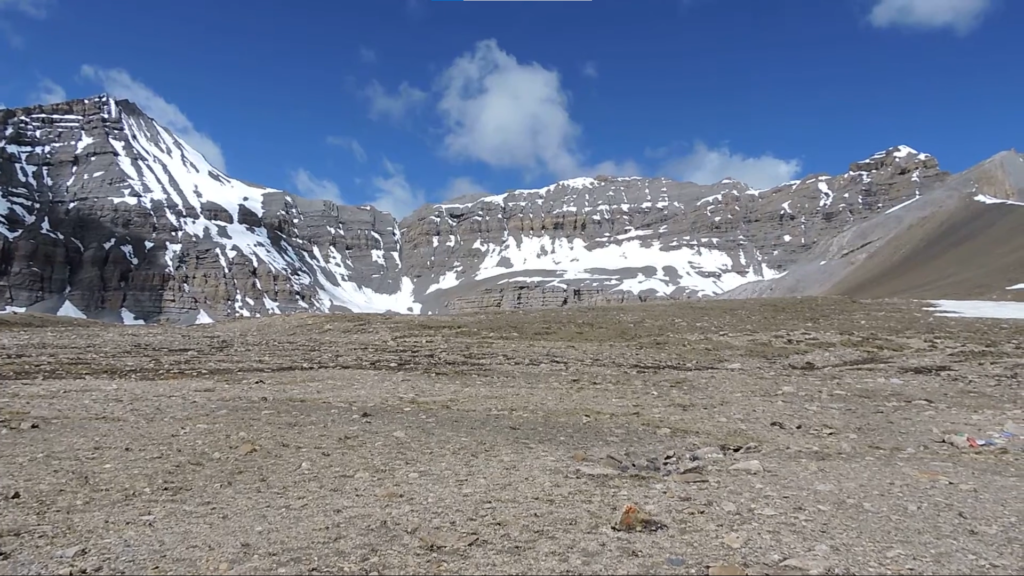
With the latest regulations now allowing solo permit applications while maintaining mandatory licensed guide support, exploring these extraordinary destinations has become more accessible than ever.
Choosing the right trekking company ensures your permits, logistics, accommodation, and safety are managed professionally, allowing you to focus entirely on the journey ahead.
If you are planning a restricted area trek in Nepal, Nepal Royal Tourism Holiday is ready to help you discover the Himalayas safely, responsibly, and with unforgettable memories.
Ready to Explore Nepal’s Restricted Himalayas?
Whether you’re planning the legendary Manaslu Circuit, the hidden Nar Phu Valley, the ancient Kingdom of Upper Mustang, or the remote wilderness of Upper Dolpo, Nepal Royal Tourism Holiday can arrange every permit, guide, and logistical detail for your adventure.
Frequently Asked Questions
Can foreigners trek in Nepal’s restricted areas?
Yes. Foreign nationals can trek in restricted areas after obtaining the required permits through a registered Nepali trekking agency.
Can I trek alone in a restricted area?
Yes. Solo trekkers are now eligible for Restricted Area Permits, but a licensed guide remains mandatory throughout the trek.
Who issues Restricted Area Permits?
Restricted Area Permits are issued by Nepal’s Department of Immigration through authorised trekking agencies.
Which restricted trek is the most popular?
The Manaslu Circuit Trek, Upper Mustang Trek, Nar Phu Valley Trek, and Kanchenjunga Circuit Trek are among the most popular restricted trekking routes in Nepal.
Do I need travel insurance?
Yes. Comprehensive travel insurance that covers high-altitude trekking and emergency helicopter evacuation is strongly recommended.