


Tea House Trekking in Nepal For 2026: Accommodation, Food, Costs, and Best Treks
Tea house trekking is one of the reasons Nepal has become one of the world’s most famous trekking destinations.
Instead of carrying heavy camping equipment or sleeping in tents every night, trekkers walk from one mountain lodge to another, enjoying home-cooked meals, a warm dining room, and a comfortable place to sleep after a day on the trail.
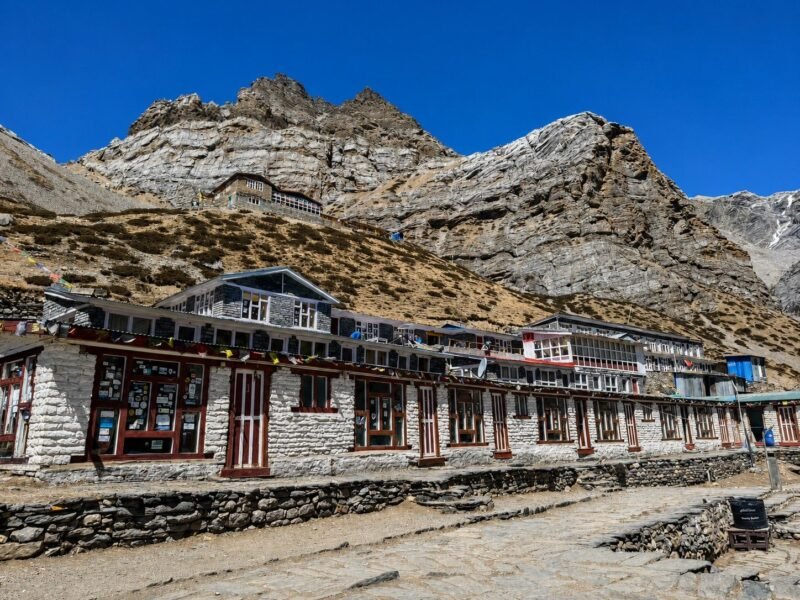
At the lower elevations, particularly in villages like Ghandruk, Chhomrong, Lukla, Namche Bazaar, and Syabrubesi, many tea houses are full lodges with private attached bathrooms, hot showers, comfortable mattresses, reliable electricity, and dining rooms that serve everything from dal bhat to wood-fired pizza.
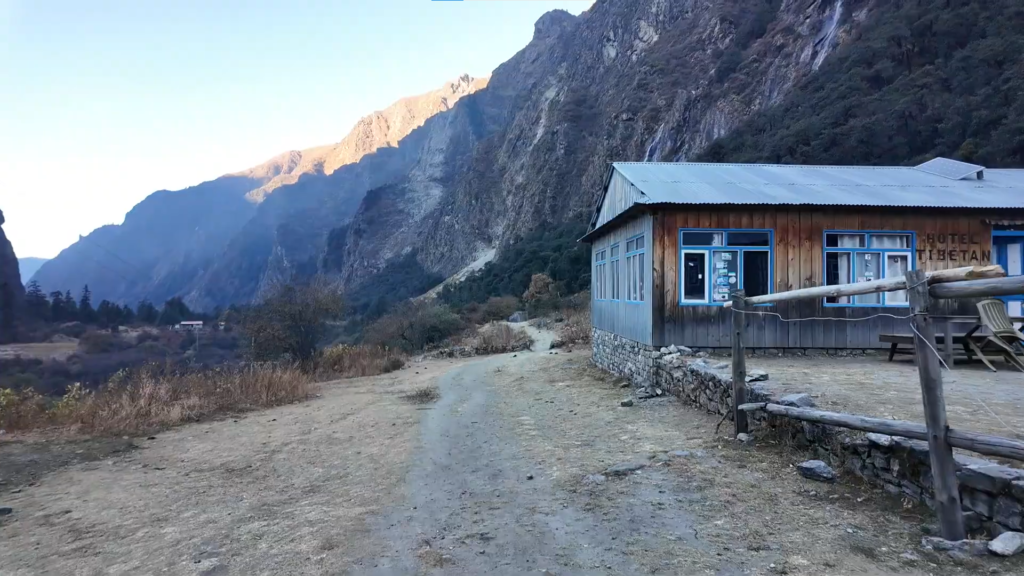
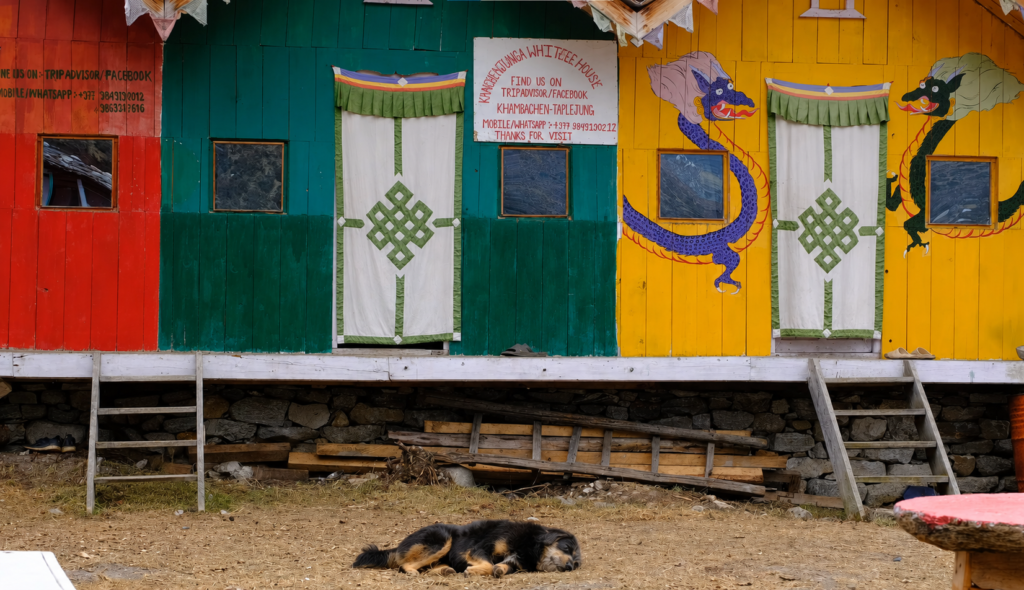
These are not camping shelters. They are mountain lodges run by local families rather than international hotel chains, and the hospitality they offer becomes one of the most memorable parts of trekking in Nepal.
As the trail climbs higher, the facilities become simpler. At Dingboche on the Everest Base Camp Trek, Thorong Phedi on the Annapurna Circuit Trek, or Samdo on the Manaslu Circuit Trek, the rooms become smaller, bathrooms are shared, hot showers require an additional fee, and Wi-Fi becomes slower or disappears completely.
What never changes is the character of the experience. You are staying inside somebody’s home rather than checking into a hotel. The family preparing your breakfast is the same family you will greet the following morning before continuing along the trail.
That connection to local mountain life is something luxury accommodation cannot replace, and it is one of the main reasons trekkers continue returning to Nepal year after year.
Tea House Facilities by Altitude
| Altitude | Room Type | Bathroom | Hot Shower | Electricity | Wi-Fi | Typical Room Cost |
|---|---|---|---|---|---|---|
| Below 2,500 m | Twin beds, often with attached bathrooms | Private in many lodges | Usually included | Reliable | Good | US$8–20 |
| 2,500–3,500 m | Comfortable twin rooms | Mostly shared | Small extra fee | Reliable | Available but slower | US$5–15 |
| 3,500–4,500 m | Simple twin rooms | Shared | Limited | Solar or generator | Very slow | US$5–12 |
| Above 4,500 m | Basic beds with blankets | Shared | Rare | Limited solar charging | Generally unavailable | US$3–10 |
One important thing to understand is that room prices remain deliberately low. Tea houses earn most of their income from food and drinks rather than accommodation.
If you stay in one lodge, it is considered good trekking etiquette to eat your meals there as well. Sleeping in one tea house while eating at another is generally discouraged because it disrupts the way the tea house system has worked for decades.
What Can You Expect Inside a Tea House?
Most first-time trekkers imagine that tea houses are little more than wooden huts with a bed and a roof. While some high-altitude lodges remain very basic, many tea houses on Nepal’s popular trekking routes are surprisingly comfortable.
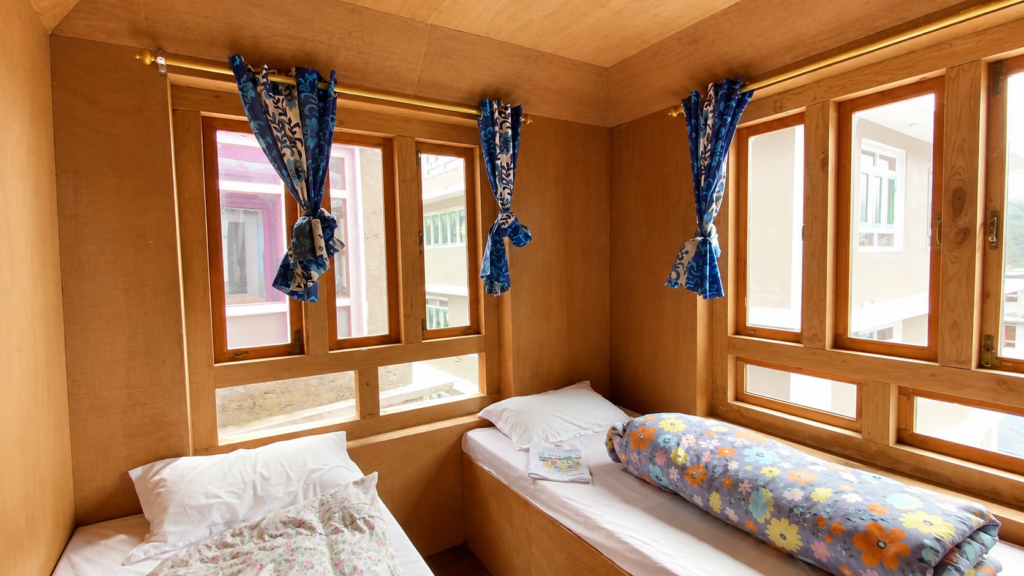
You can normally expect a twin room with two single beds, foam mattresses, pillows, blankets, a small table, and sometimes a charging point. Lower villages often provide attached bathrooms, while higher elevations generally use shared toilets and washing facilities.
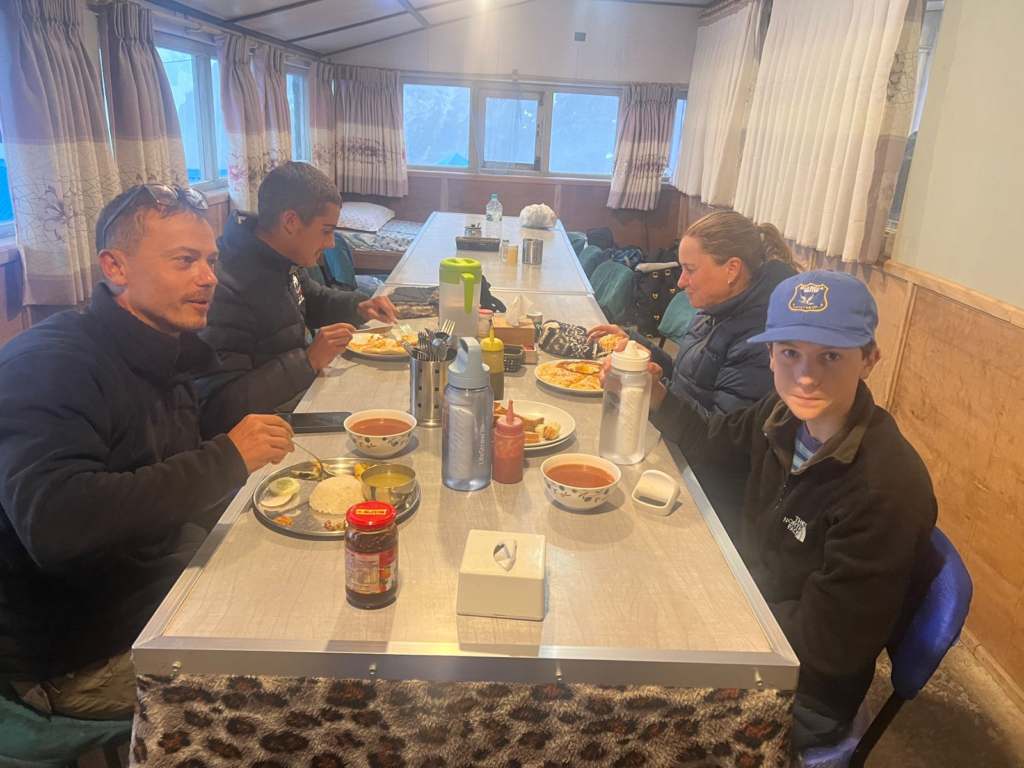
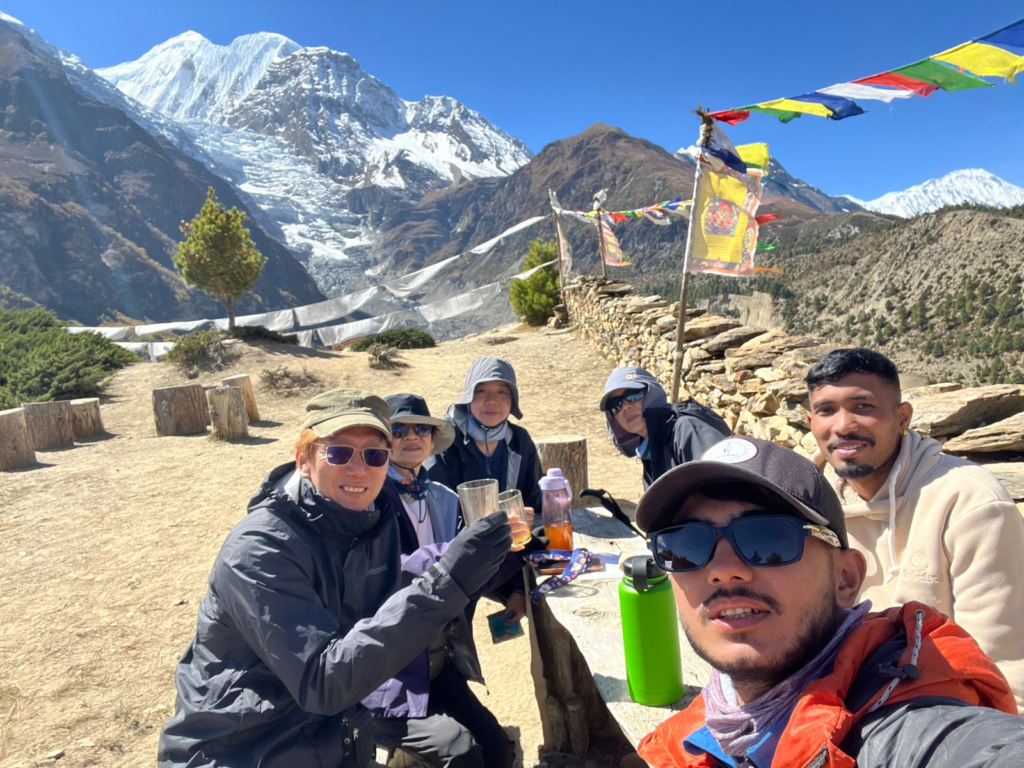
The dining room is the heart of every tea house. This is where trekkers gather for breakfast before starting the day’s walk and where everyone returns in the evening to enjoy dinner, warm drinks, and conversations around the stove.
During spring and autumn, the dining room often becomes a meeting place for people from around the world. It is common to share stories with climbers returning from expeditions, families on their first Himalayan trek, photographers, solo travellers, and experienced guides who know every village along the trail.
Many trekkers later say these evenings become just as memorable as reaching the viewpoint or base camp itself.
| Facility | Everest & Annapurna Routes | Remote Routes (Manaslu, Kanchenjunga) |
|---|---|---|
| Private Rooms | Widely available at lower elevations | More limited |
| Attached Bathrooms | Common below 3,000 m | Rare |
| Electricity | Reliable | Limited at higher villages |
| Dining Rooms | Large and comfortable | Smaller but equally welcoming |
Food on a Tea House Trek
One of the biggest surprises for many first-time trekkers is just how much choice there is on the menu. While dal bhat remains the traditional meal of the Himalayas, most tea houses also prepare fried rice, noodles, pasta, soups, potatoes, momos, pancakes, porridge, eggs, toast, and even pizza in some of the larger villages.
The menu becomes slightly smaller as you gain altitude because every ingredient has to be carried by people, yaks, horses, or helicopters depending on the route. Even so, you will rarely struggle to find enough food during the trek.
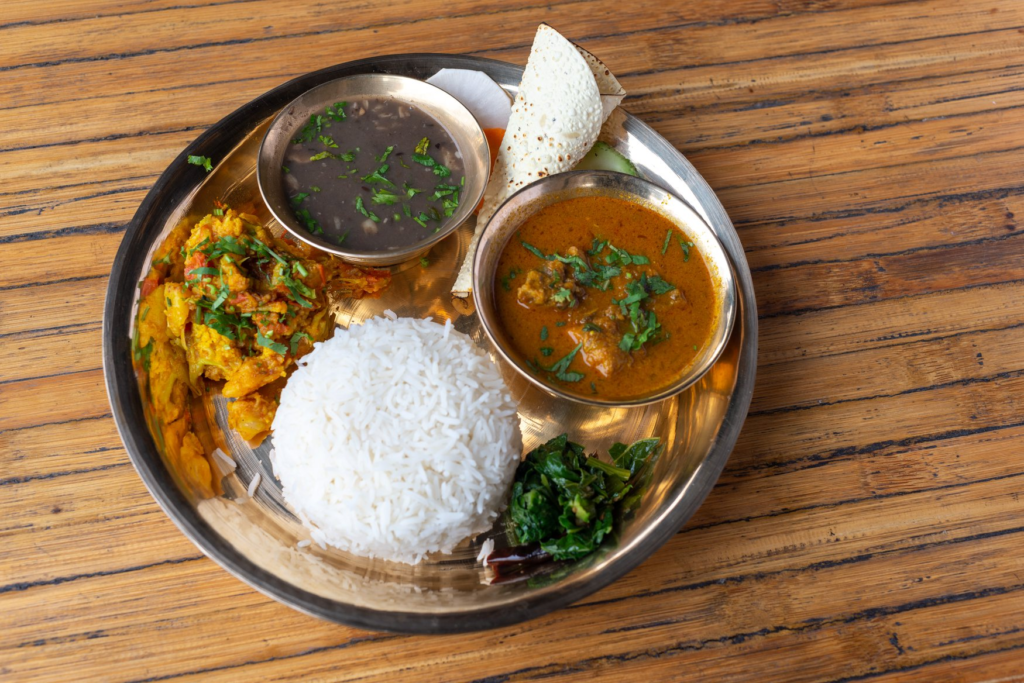
Dal bhat deserves its reputation. It consists of rice, lentil soup, seasonal vegetables, pickles, and often potatoes or curry. Many tea houses offer unlimited refills, making it one of the best value meals on the trail. It is filling, nutritious, and has powered generations of guides and porters across Nepal’s mountains.
Breakfast usually includes porridge, Tibetan bread, pancakes, eggs, toast, muesli, tea, coffee, or hot chocolate. Lunch and dinner menus are often similar, giving trekkers enough variety without becoming overly complicated.
Fresh meat is generally avoided at higher elevations because there is no reliable refrigeration. Most experienced guides recommend vegetarian meals once you move above villages like Namche Bazaar, Manang, or Chame.
| Meal | Most Common Choices | Guide Recommendation |
|---|---|---|
| Breakfast | Porridge, eggs, toast, pancakes, Tibetan bread | Eat a filling breakfast before starting the day’s walk. |
| Lunch | Dal bhat, fried rice, noodles, soup | Keep meals simple and easy to digest. |
| Dinner | Dal bhat, pasta, potatoes, momos, soup | A warm meal helps recovery after a long day. |
Can You Drink the Water?
Water is available in every village, but drinking it straight from the tap is never recommended. Even clear mountain water can contain bacteria or parasites that may cause stomach problems during the trek.
Most trekkers refill reusable bottles and purify the water using purification tablets, portable filters, or UV purification pens. Many tea houses also sell boiled drinking water, which is considered one of the safest options at higher elevations.
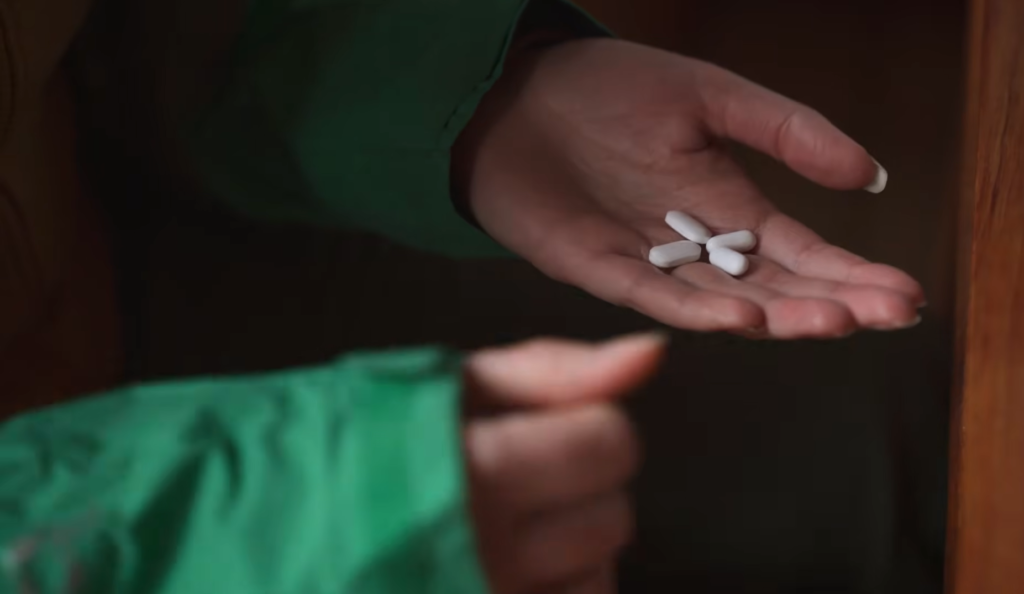
Buying bottled water every day is discouraged because thousands of plastic bottles eventually have to be carried out of the mountains. Carrying a reusable bottle and purifying your own water is both cheaper and much better for the environment.
Staying hydrated is just as important as eating properly. Most guides recommend drinking at least three to four litres of water each day, especially once you climb above 3,000 metres.
| Water Source | Safe? | Recommended? |
|---|---|---|
| Untreated Tap Water | No | Never drink without treatment |
| Boiled Water | Yes | Excellent option throughout the trek |
| Purified Water | Yes | Best long-term solution using filters or tablets |
| Plastic Bottled Water | Yes | Safe but not environmentally friendly |
How Much Does a Tea House Trek Cost Each Day?
Accommodation cost while trekking itself is usually inexpensive. The larger part of your daily budget goes toward food, drinks, charging electronics, hot showers, and internet access.
Lower trekking regions remain affordable, while higher villages naturally become more expensive because every item must be transported into the mountains. Prices also vary slightly between regions and seasons.
| Expense | Typical Cost | Notes |
|---|---|---|
| Room | US$3–20 | Depends on altitude and facilities |
| Meals | US$20–35 per day | Higher villages cost more |
| Hot Shower | US$3–5 | Availability decreases with altitude |
| Charging Devices | US$3–5 | Often charged per device |
| Wi-Fi | US$2–4 | Not available everywhere |
Carrying a small amount of extra cash is always a good idea because card payments and digital wallets are rarely accepted once you leave the larger towns.
Tea House Trekking vs Camping Trekking
Many people ask whether they should choose a tea house trek or a fully supported camping expedition. The answer depends on the route you plan to walk.
The majority of Nepal’s famous trekking routes now have excellent tea house networks, making camping unnecessary for most visitors. Camping remains important only on certain remote expeditions where permanent lodges do not exist or where accommodation is extremely limited.
| Tea House Trek | Camping Trek |
|---|---|
| Sleep inside family-run mountain lodges | Sleep in tents carried by the expedition crew |
| Meals prepared by local tea houses | Dedicated camping kitchen and cooking staff |
| Lower overall cost | More expensive because of logistics |
| Ideal for Everest, Annapurna, Langtang, Manaslu and many popular routes | Usually reserved for remote expeditions |
Best Tea House Treks in Nepal
If this is your first trekking holiday in Nepal, choosing a route with well-established tea houses makes the journey much easier. These trails combine beautiful scenery with comfortable overnight accommodation and welcoming local hospitality.
| Trek | Highest Altitude | Tea House Quality | View Trek |
|---|---|---|---|
| Everest Base Camp Trek | 5,364 m | Excellent | View Trek → |
| Annapurna Base Camp Trek | 4,130 m | Excellent | View Trek → |
| Annapurna Base Camp Luxury Trek | 4,130 m | Premium | Luxury Trek → |
| Langtang Valley Trek | 4,984 m | Very Good | View Trek → |
| Manaslu Circuit Trek | 5,106 m | Good | View Trek → |
What Should You Pack for a Tea House Trek?
Even though you will be sleeping inside lodges every night, packing carefully still makes a huge difference. Mountain weather changes quickly, and temperatures often fall below freezing at higher elevations.
| Essential Item | Why It Matters |
|---|---|
| Sleeping Bag | Provides extra warmth on cold nights |
| Headlamp | Useful during early starts and power cuts |
| Reusable Water Bottle | Reduces plastic waste and saves money |
| Water Purification | Allows safe drinking water throughout the trek |
| Power Bank | Avoids repeated charging fees |
Most importantly, pack lighter than you think you need. A lighter backpack makes every uphill section more enjoyable and leaves more energy to appreciate the mountains around you.