-
 Duration
1 Day
Duration
1 Day
-
 Difficulty
Easy
Difficulty
Easy
-
 Max Elevation
3,800m
Max Elevation
3,800m
-
 Group Size
1 to 5 Pax Person
Group Size
1 to 5 Pax Person
-
 Accommodation
No one
Accommodation
No one
-
 Start/End
Pokhara/ Pokhara
Start/End
Pokhara/ Pokhara
-
 Destination
Annapurna Region
Destination
Annapurna Region
-
 Best Season
Spring and Autumn
Best Season
Spring and Autumn
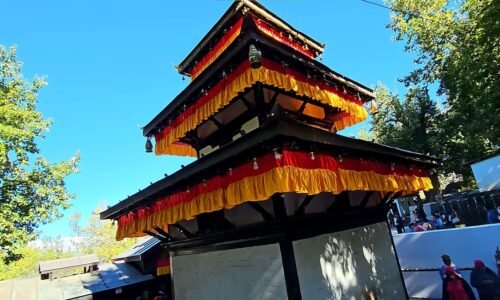
The Muktinath Helicopter Tour from Pokhara offers a completely different way to approach one of Nepal’s most important Himalayan pilgrimage sites.
Instead of spending a long day or several days following the road through the Kali Gandaki Valley, you leave Pokhara by air, cross directly into Mustang and return after completing your Muktinath pilgrimage.
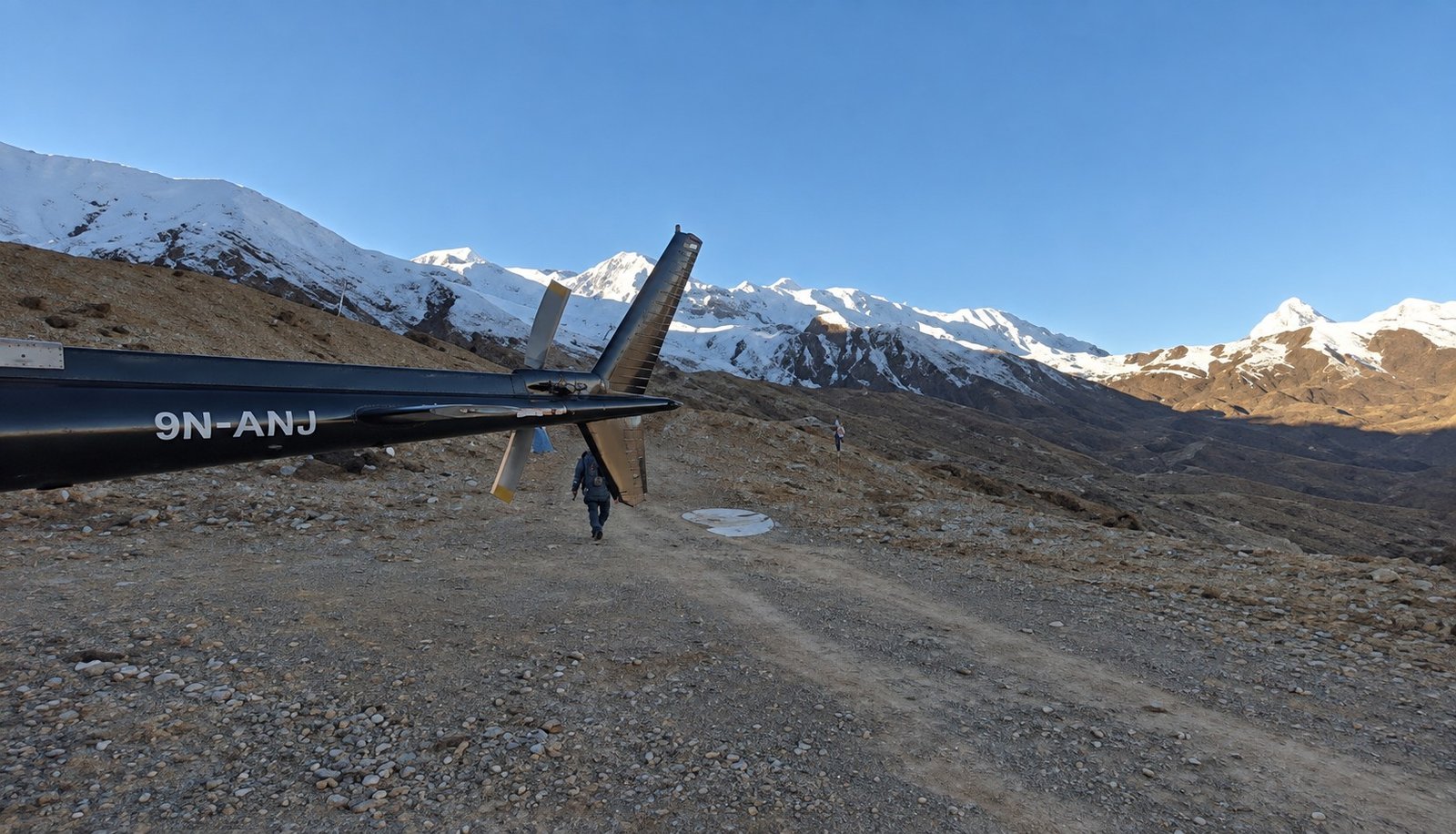
The journey is short in distance compared with many Himalayan tours, but the change in landscape is remarkable.
Soon after leaving Pokhara, the green hills and valleys begin to give way to the enormous mountain scenery of the Annapurna and Dhaulagiri region. Farther north, the terrain becomes noticeably drier as the helicopter enters the Kali Gandaki corridor and approaches Mustang.
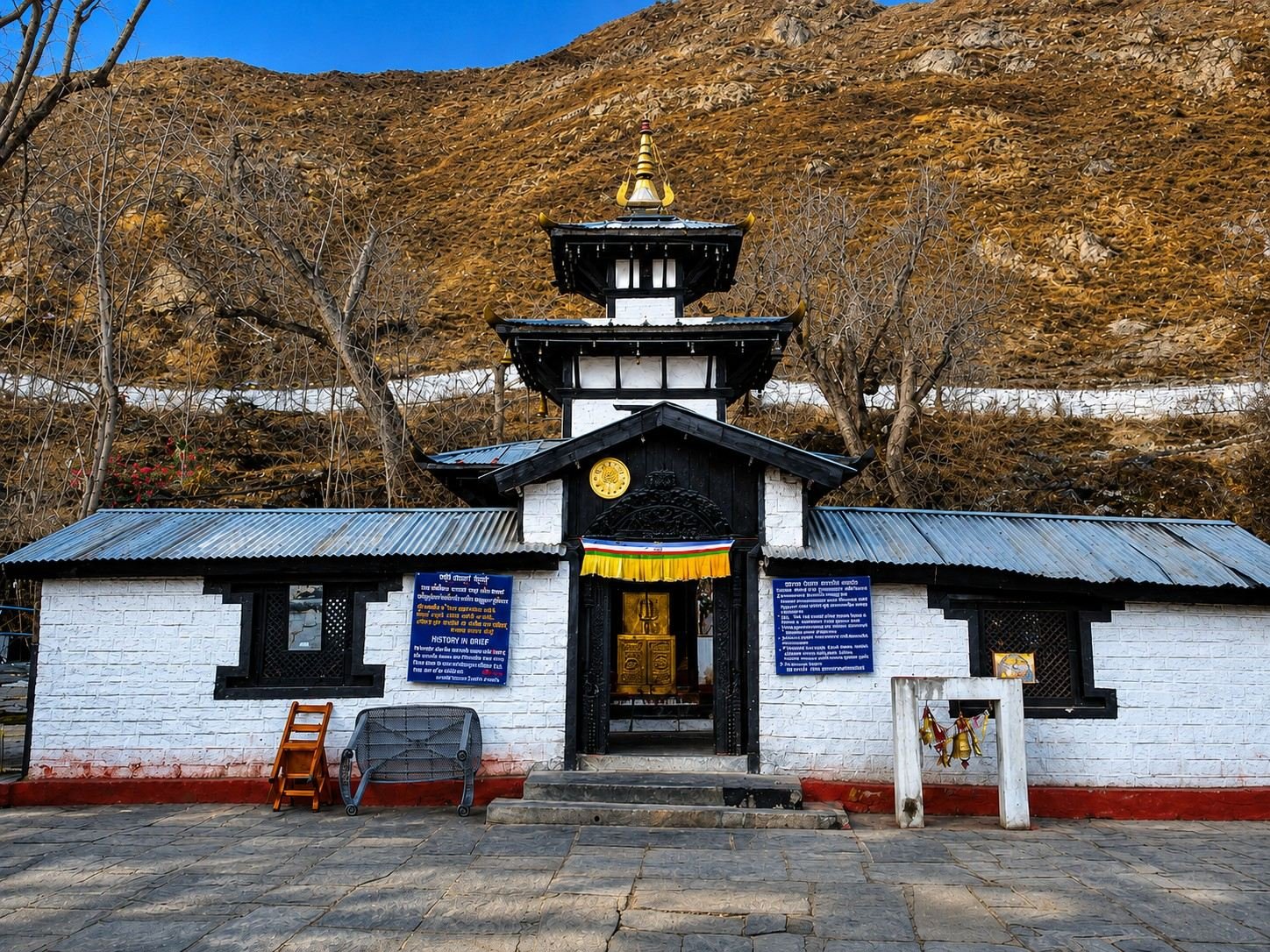
Depending on visibility and the operating route, the flight may provide views toward Annapurna, Dhaulagiri, Nilgiri, Tukuche Peak and other surrounding Himalayan mountains.
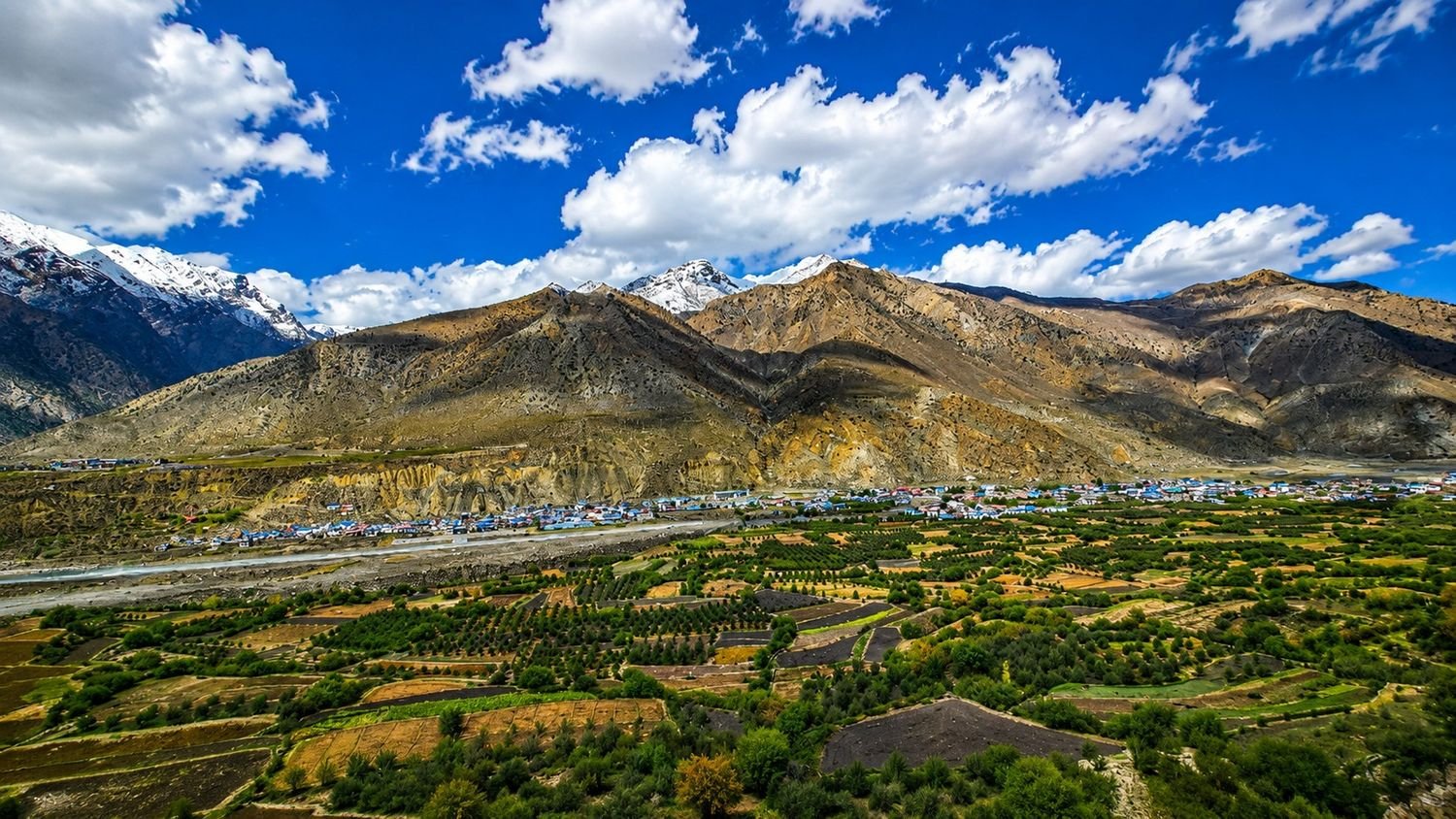
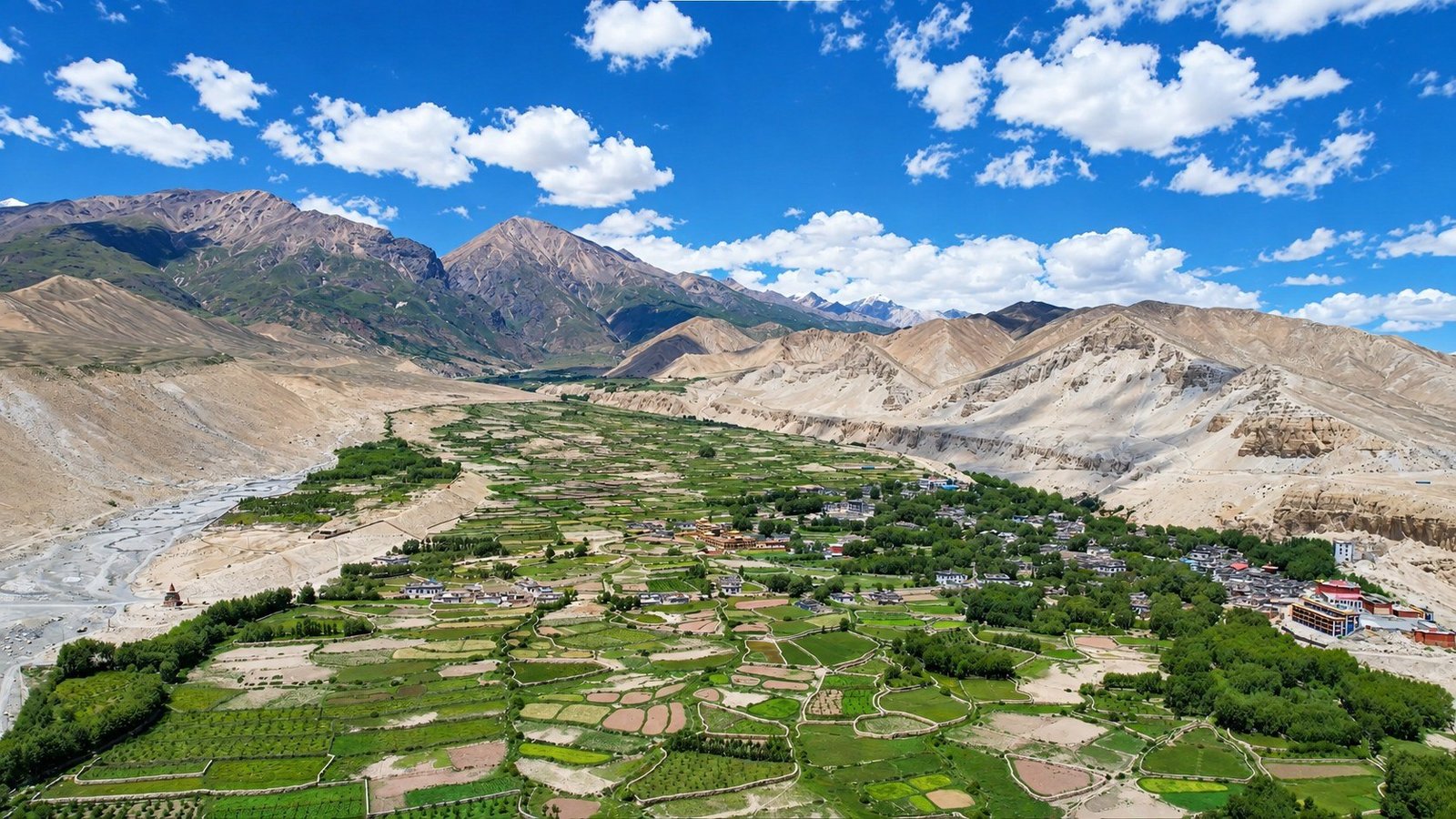
Below, river valleys, settlements and increasingly barren slopes show the transition from the wetter Pokhara region into the trans-Himalayan landscape of Mustang.

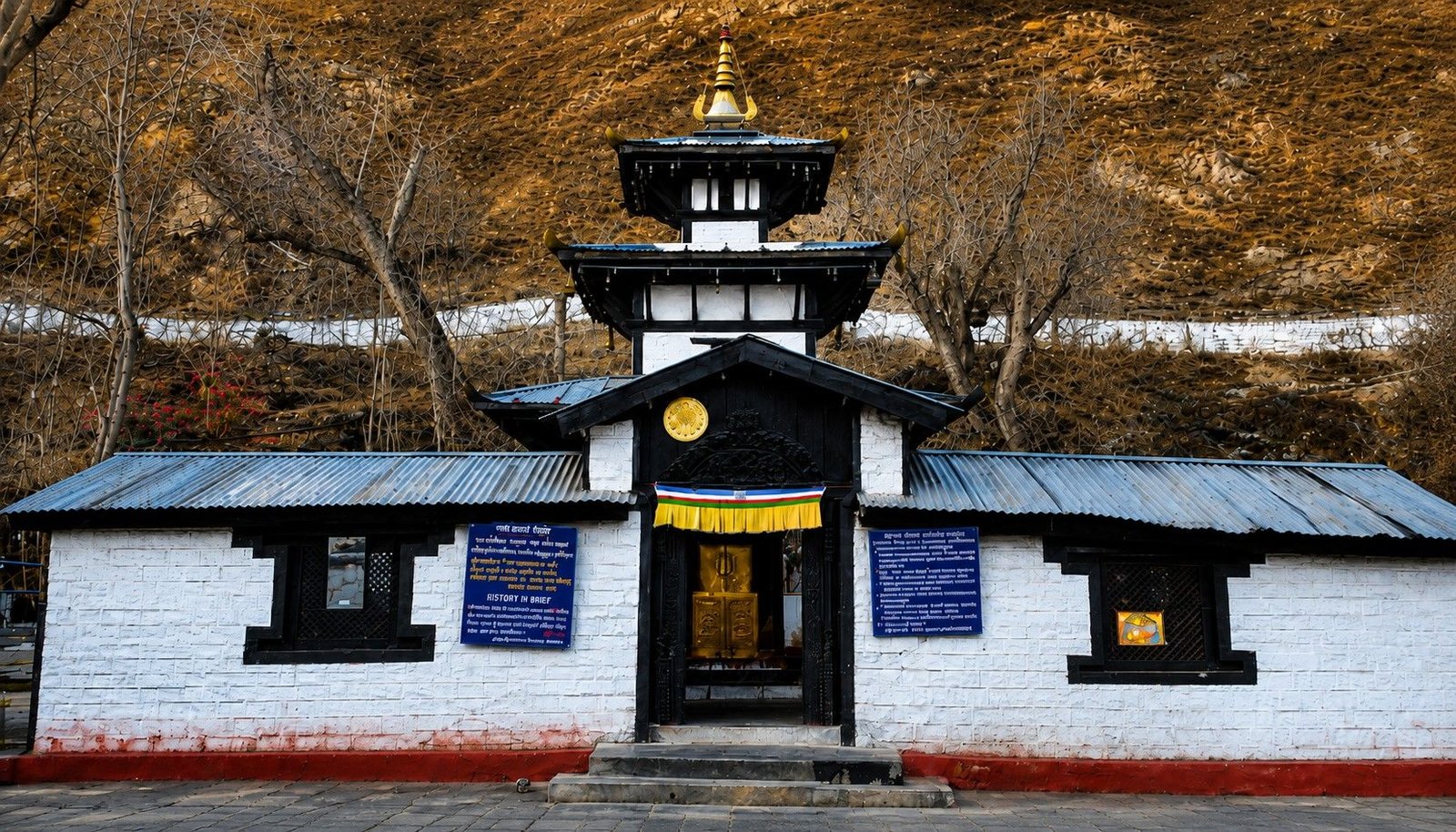
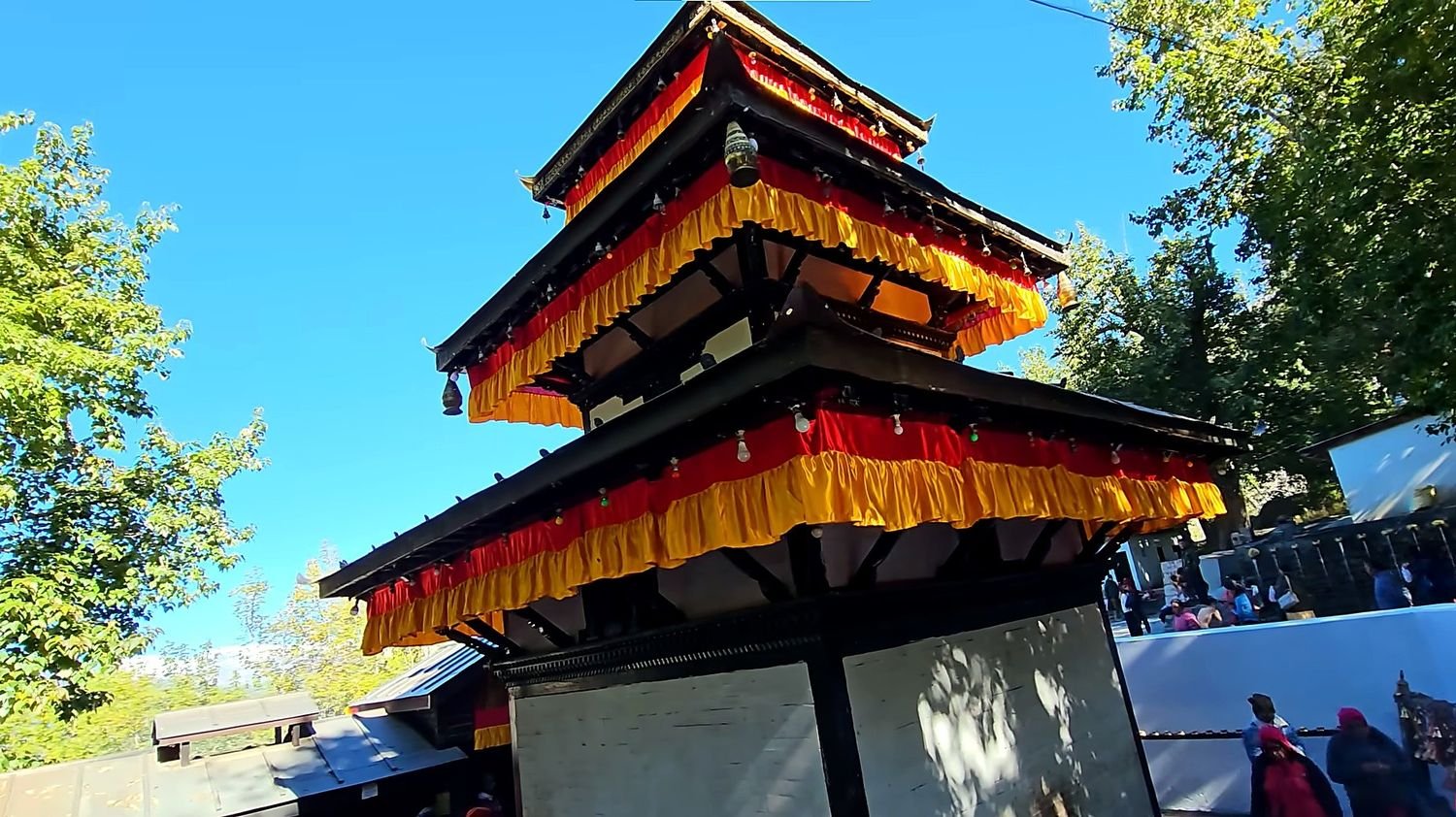
The destination is Muktinath Temple at approximately 3,800 m. Known as a sacred place to both Hindus and Buddhists, Muktinath attracts pilgrims from Nepal, India and many other parts of the world.
Hindu devotees worship Lord Vishnu here, while Buddhists also regard the site as spiritually important.

After landing in the Muktinath or Ranipauwa area, a short walk is normally required to reach the main temple complex.
The exact walking time depends on the landing point and individual pace, but travelers should be prepared for approximately 20–30 minutes each way in the high-altitude environment.

The temple visit is the real focus of this tour. Rather than simply flying over Mustang and returning, you have time for Darshan, prayer and the principal pilgrimage activities.
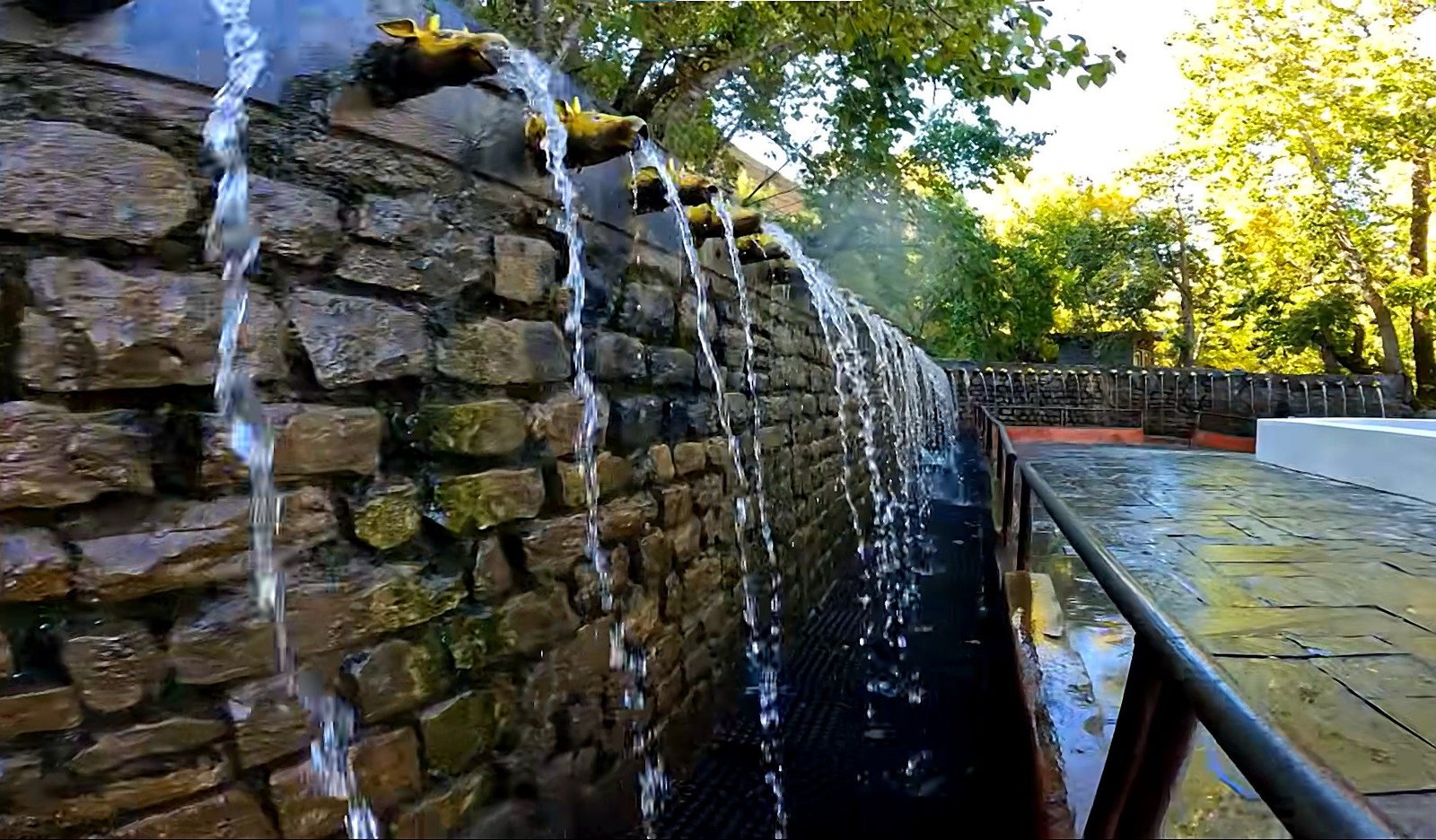
The famous 108 sacred water spouts, Mukti Kunda and nearby Jwala Mai are among the important places pilgrims may visit during the available ground time.
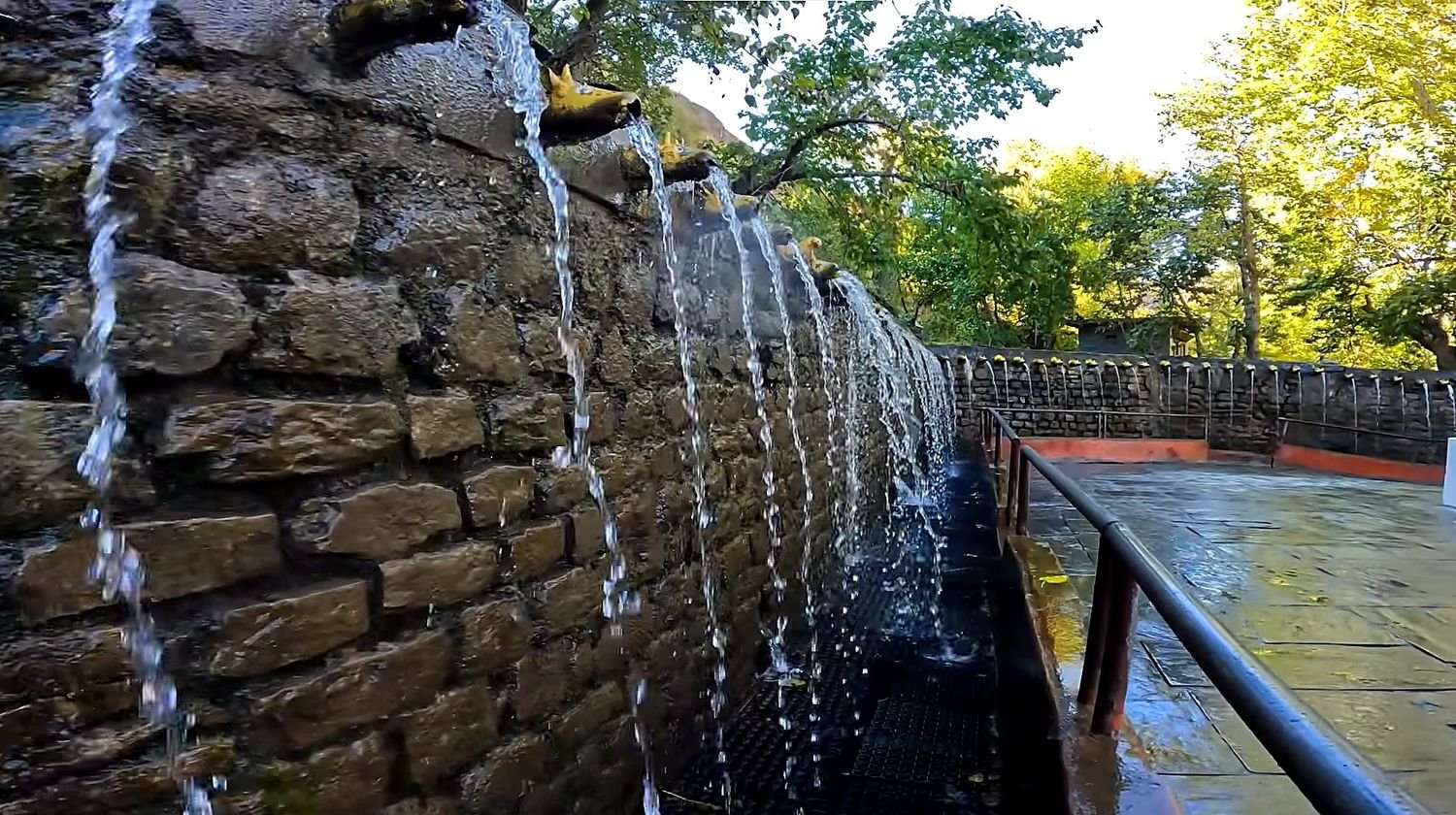
After completing the pilgrimage, return to the helicopter and fly back toward Pokhara. The southbound flight gives another perspective of Mustang’s dry mountain terrain before the landscape gradually becomes greener as you descend toward the Pokhara Valley.
For pilgrims who are short on time, older travelers who would rather avoid a lengthy mountain-road journey, or families looking for a more convenient way to reach Muktinath, the helicopter makes it possible to complete the journey within the same morning or half day when conditions are favorable.
Muktinath Helicopter Tour
| Tour Detail | Information |
|---|---|
| Tour Duration | Approximately 2–3 hours overall |
| Start / End | Pokhara / Pokhara |
| Destination | Muktinath Temple, Mustang |
| Maximum Altitude | Approximately 3,800 m |
| Flight Time | Approximately 30–50 minutes each way, depending on routing and conditions |
| Temple Walking Time | Approximately 20–30 minutes each way, depending on landing point and pace |
| Ground Arrangement | Generally planned to allow Darshan and the main pilgrimage activities |
| Main Activities | Darshan, Prayer, 108 Water Spouts, Mukti Kunda and Jwala Mai |
| Flight Arrangement | Shared Seat when available or Private Charter |
| Ideal For | Pilgrims, Families, Senior Travelers and Visitors with Limited Time |
From Pokhara’s Green Hills to Mustang’s High Desert
One of the most interesting parts of this flight is how quickly the landscape changes. Pokhara sits among green hills and lake country, while Muktinath lies on the much drier northern side of the Annapurna massif.
Rather than presenting the journey as a checklist of mountains, it is worth watching the terrain below. Forested hills gradually become deeper valleys, the Kali Gandaki corridor becomes more pronounced and the vegetation thins as the helicopter approaches Mustang.
| Part of the Flight | What Changes Below You |
|---|---|
| Leaving Pokhara | Green hills, Pokhara Valley and possible views toward Phewa Lake and the Annapurna range |
| Into the Himalaya | Deeper valleys and possible views of Annapurna, Dhaulagiri, Nilgiri and surrounding peaks |
| Kali Gandaki Corridor | River valleys, settlements and increasingly dry mountain terrain |
| Entering Mustang | Barren ridges, brown and ochre slopes and the distinctive trans-Himalayan landscape |
| Muktinath Approach | Ranipauwa, the Muktinath area and high mountain slopes surrounding the pilgrimage site |
More Time for Muktinath, Less Time on the Road
This package is intentionally simpler than a combined Muktinath and Damodar Kunda flight.
There is only one main pilgrimage destination, which allows the day’s focus to remain on Muktinath Darshan rather than rushing between two high-altitude landing sites.
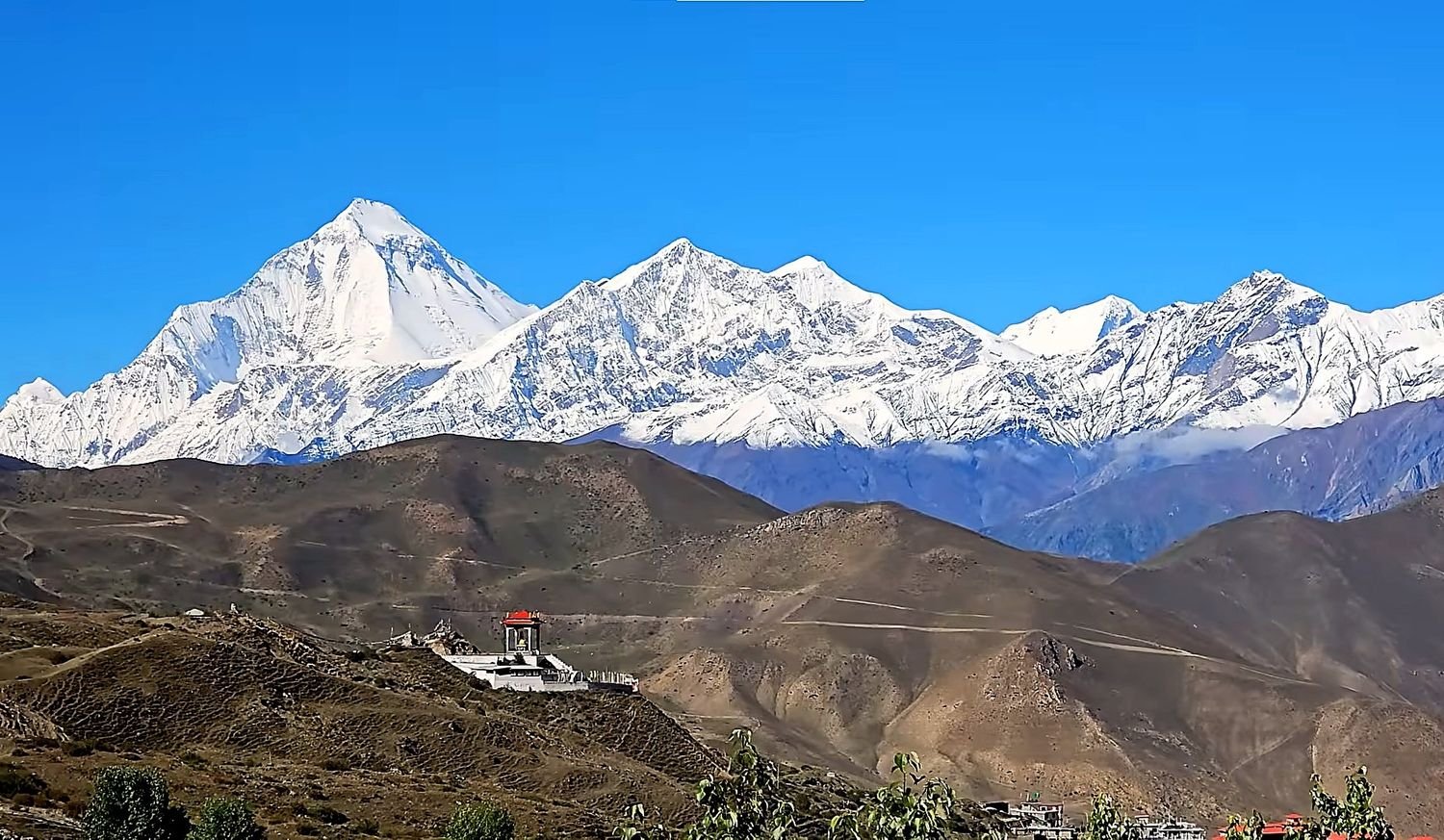
For many pilgrims, that is the main advantage. The helicopter removes most of the lengthy approach through the Kali Gandaki region while still allowing you to walk to the temple, perform Darshan and experience the sacred site on the ground.
The visit is still governed by mountain conditions. Weather, wind, passenger weight, aircraft availability and the operating schedule can all affect departure time and how long the helicopter can remain on the ground.
Choose the Flight Arrangement That Fits Your Group
Rather than treating shared and private flights as two versions of the same thing, it helps to understand how the booking arrangement actually changes your trip.
| Flight Style | How It Works | Works Well For | Keep in Mind |
|---|---|---|---|
| Shared Seat | Travel with other pilgrims booked for the same departure | Solo travelers, couples and small parties | Departure depends on matching passengers, total weight and seat availability |
| Private Charter | The aircraft is reserved for your own family or group | Families, pilgrimage groups and travelers wanting their own arrangement | Costs more and is still subject to weather, payload and pilot clearance |
Best Time for the Muktinath Helicopter Tour
Spring from March to May and autumn from September to November are generally the most convenient periods for the tour. These seasons often provide better opportunities for clear Himalayan views and suitable morning flying conditions.
Autumn tends to bring crisp post-monsoon scenery, while spring offers milder conditions and greener lower valleys around Pokhara before the flight crosses into the much drier Mustang landscape.
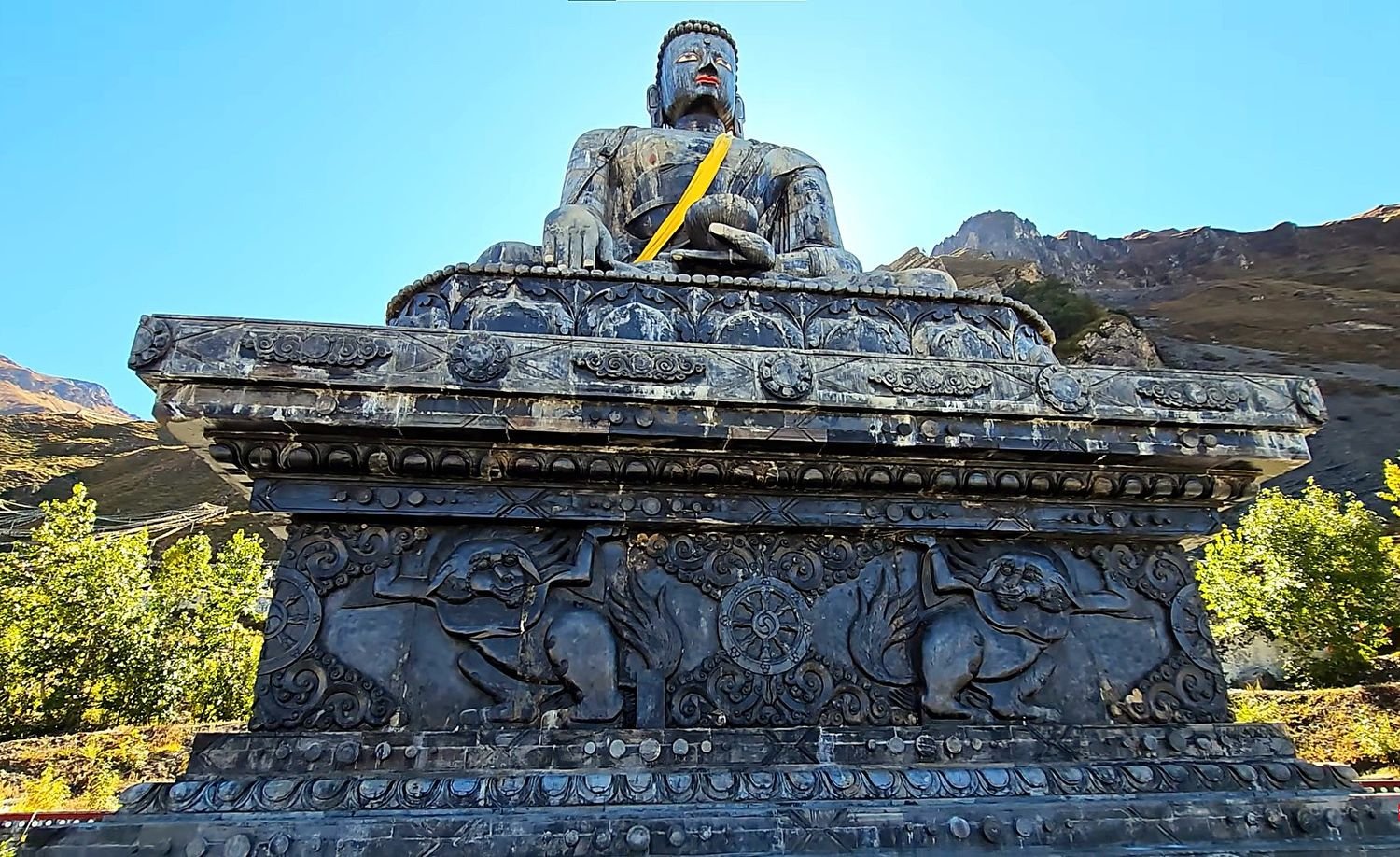
Winter flights can also be possible on clear days, but Muktinath becomes considerably colder and snow or strong winds may affect both the landing and temple visit.
The monsoon months require more flexibility. Mustang lies partly in a rain-shadow region, but the helicopter must still travel through the mountains from Pokhara, where cloud and poor visibility can affect the flight.
Altitude, Walking and Practical Considerations
The helicopter takes you from Pokhara at roughly 800 m to Muktinath at approximately 3,800 m in a relatively short time. Even without trekking, this is a significant increase in altitude.
Walk slowly after landing and avoid rushing uphill toward the temple. Travelers who have difficulty walking should discuss possible local assistance before the flight rather than waiting until arrival.

Passenger weight and baggage details should also be provided accurately. Helicopter payload, weather, wind and aircraft performance all influence the final operating arrangement.
Foreign visitors travelling into the Annapurna Conservation Area may also require the applicable conservation-area entry permit. Nepal Royal Tourism Holiday can confirm the permit requirement and whether it is included in your quoted package before departure.
Fly to Muktinath from Pokhara
Nepal Royal Tourism Holiday arranges Muktinath helicopter flights from Pokhara for pilgrims, families and private groups, subject to weather, aircraft availability and operational clearance.
Looking for the lowest practical cost? Ask about a shared seat. Travelling with family or your own pilgrimage group? We can also arrange a private charter.
Send us your preferred date and number of passengers, and our team will check the appropriate flight arrangement, current fare and available ground time for your Muktinath visit.
Trip Highlights
- Fly from Pokhara to Muktinath and complete one of Nepal's most important Himalayan pilgrimages within the same day
- Experience Muktinath Darshan at approximately 3,800 m with time for prayer and the main pilgrimage activities
- Visit the famous 108 sacred water spouts, Mukti Kunda and nearby Jwala Mai during your temple visit
- Watch the landscape change dramatically from the green Pokhara Valley to the dry, trans-Himalayan terrain of Mustang.=
- Enjoy possible aerial views of the Annapurna and Dhaulagiri ranges, Nilgiri, Tukuche Peak and the Kali Gandaki region
- Avoid the long mountain-road journey while still visiting Muktinath on the ground rather than seeing it only from the air
- Spend the tour focused on Muktinath instead of rushing between several high-altitude helicopter landing destinations
- A practical pilgrimage option for families, senior travelers and visitors with limited time in Nepal
- Choose a shared helicopter seat when available or reserve a private charter for your own family or group
- Return to Pokhara after Darshan and continue with the rest of your travel plans the same day
Muktinath Helicopter Tour from Pokhara ~ Itinerary
Day 1
- Starting Point: Pokhara, 800 m
- Destination: Muktinath, 3,800 m
- Highest Point: Muktinath, 3,800 m
- Temple Walking Time: 20–30 minutes each way, depending on landing point and individual pace
- Total Tour Duration: Approximately 2–3 hours, subject to conditions
Early Morning: Hotel Transfer to Pokhara Airport
Your Muktinath pilgrimage begins early in Pokhara with a transfer to the airport. After check-in, passenger weight confirmation and the required flight procedures, the helicopter crew will provide a short safety briefing before departure.
Morning flights are generally preferred because visibility and wind conditions in the mountains are often more favorable earlier in the day. The actual departure time is confirmed according to weather and aircraft availability.
Pokhara to Muktinath: 800 m to 3,800 m
The helicopter leaves Pokhara and heads north toward Mustang. During the flight, the lush landscape surrounding Pokhara gradually changes into deeper mountain valleys and the much drier environment of the Kali Gandaki region.
Depending on visibility and routing, possible mountain views include Annapurna, Dhaulagiri, Nilgiri, Tukuche Peak and other peaks surrounding the Mustang region.
As you approach Muktinath, the landscape becomes increasingly barren and distinctly trans-Himalayan before the helicopter lands in the Muktinath or Ranipauwa area.
Helipad to Muktinath Temple: Approximately 20–30 Minutes
After landing, continue toward Muktinath Temple on foot. The walk generally takes approximately 20–30 minutes each way, depending on where the helicopter lands, your pace and ground conditions.
The distance is not particularly long, but the temple sits at high altitude. Walk steadily, avoid rushing uphill and allow yourself time to adjust after flying directly from Pokhara.
Travelers who may need additional mobility assistance should discuss this with Nepal Royal Tourism Holiday before departure so that available local arrangements can be checked in advance.
Muktinath Darshan and Sacred Sites
Once at the temple complex, you will have time for Darshan, prayer and the pilgrimage activities possible within the day’s schedule.
The 108 sacred water spouts are among the best-known features of Muktinath, and many Hindu pilgrims choose to pass beneath the cold flowing water as part of their religious observance.
You may also visit Mukti Kunda and Jwala Mai where the available ground time allows. Pilgrims wishing to arrange a specific Puja or other ceremony should request it before the travel date rather than relying on arrangements after arrival.
Return Walk to the Helipad
After completing Darshan, begin the walk back toward the helicopter landing area. Take the return at a comfortable pace and continue to be mindful of the altitude.
Once all passengers are back at the aircraft and the pilot confirms that conditions remain suitable, prepare for the return flight to Pokhara.
Muktinath to Pokhara: 3,800 m to 800 m
The helicopter departs Muktinath and begins descending through the Mustang region toward Pokhara.
The return journey gives you another opportunity to see the contrast between the dry terrain around Mustang and the greener hills farther south. On a clear day, the surrounding Himalayan ranges remain visible during parts of the flight.
After landing at Pokhara Airport, continue with your scheduled hotel transfer where this service is included in the confirmed package.
Route, Altitude & Pilgrimage Flow
| Stage | Altitude | Approx. Time | What Happens |
|---|---|---|---|
| Pokhara → Muktinath | ~800 m → ~3,800 m | Approx. 30–50 min flight | Scenic flight toward Mustang through the Annapurna, Dhaulagiri and Kali Gandaki region |
| Helipad → Muktinath Temple | Around 3,800 m | Approx. 20–30 min walk | Walk gradually from the landing area toward the temple complex |
| Muktinath Temple | ~3,800 m | Pilgrimage visit | Darshan, prayer, 108 water spouts, Mukti Kunda and Jwala Mai where time permits |
| Temple → Helipad | Around 3,800 m | Approx. 20–30 min walk | Return to the helicopter after completing the pilgrimage |
| Muktinath → Pokhara | ~3,800 m → ~800 m | Approx. 30–50 min flight | Return through Mustang and descend toward the greener Pokhara Valley |
Important: All flight times, walking times and ground arrangements are approximate. Weather, wind, visibility, passenger weight, baggage, aircraft performance and operational requirements can change the departure time, route and time available at Muktinath. The pilot and helicopter operator have the final authority over flight operations.
Trip Cost Includes/Excludes
Cost Includes
- Helicopter flight from Pokhara to Muktinath and return to Pokhara
- Time for Muktinath Darshan and the main pilgrimage activities within the confirmed ground schedule
- Pokhara hotel-to-airport transfer and return where included in the confirmed arrangement
- Airport assistance, passenger check-in and flight coordination
- Applicable permits (ACAP with Valid Identification card) and entrance arrangements
- Booking assistance and tour support from Nepal Royal Tourism Holiday
Cost Excludes
- Meals, drinks and personal refreshments
- Permits or entrance fees not specifically included in the confirmed package
- Personal Puja expenses, temple offerings and donations
- Special priests, Havan or private religious ceremonies requested by travelers
- Excess or overweight baggage charges
- Travel insurance and medical expenses
- Any service not specifically mentioned under the inclusions
Trip Photo/Video Gallery
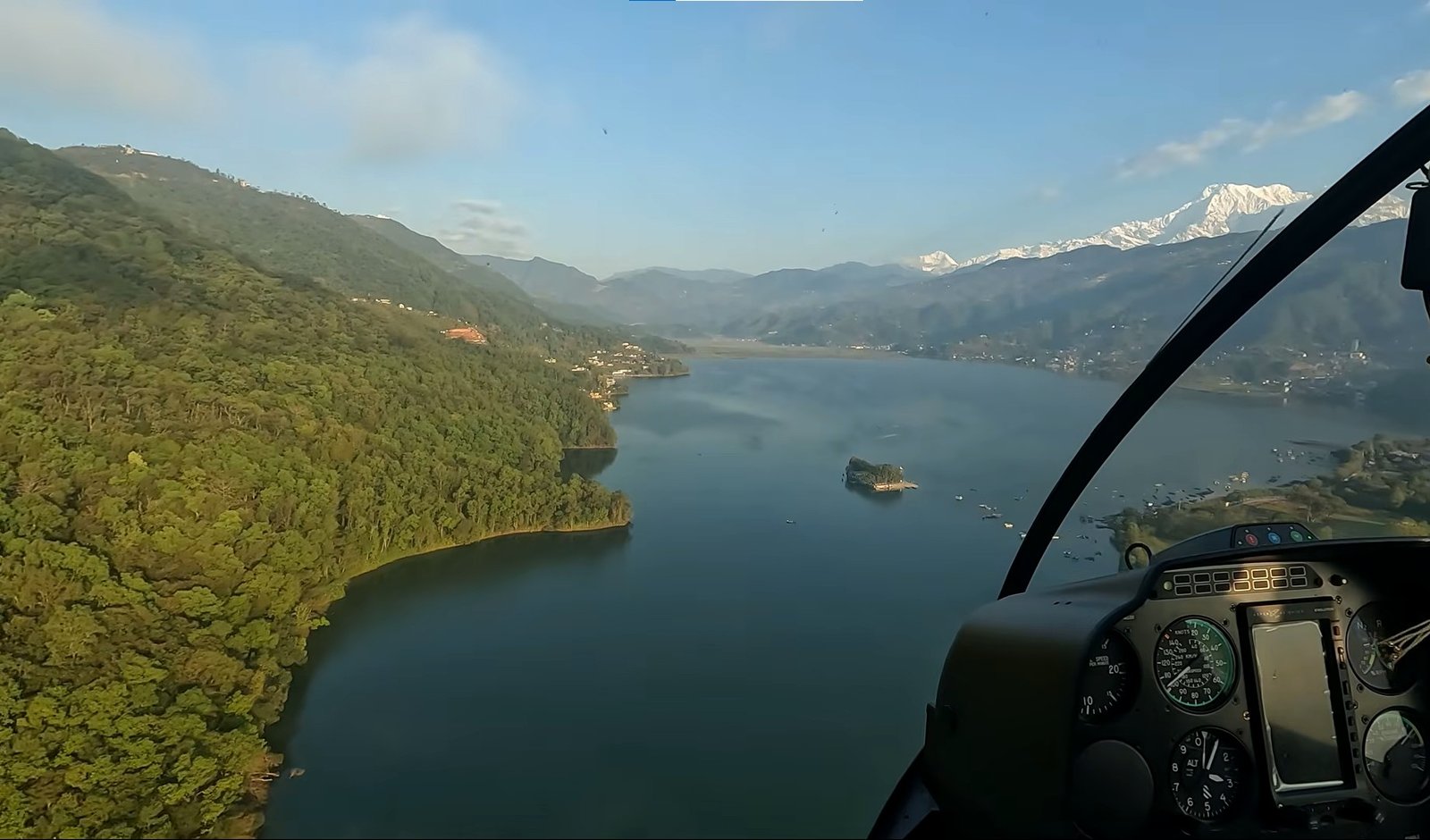
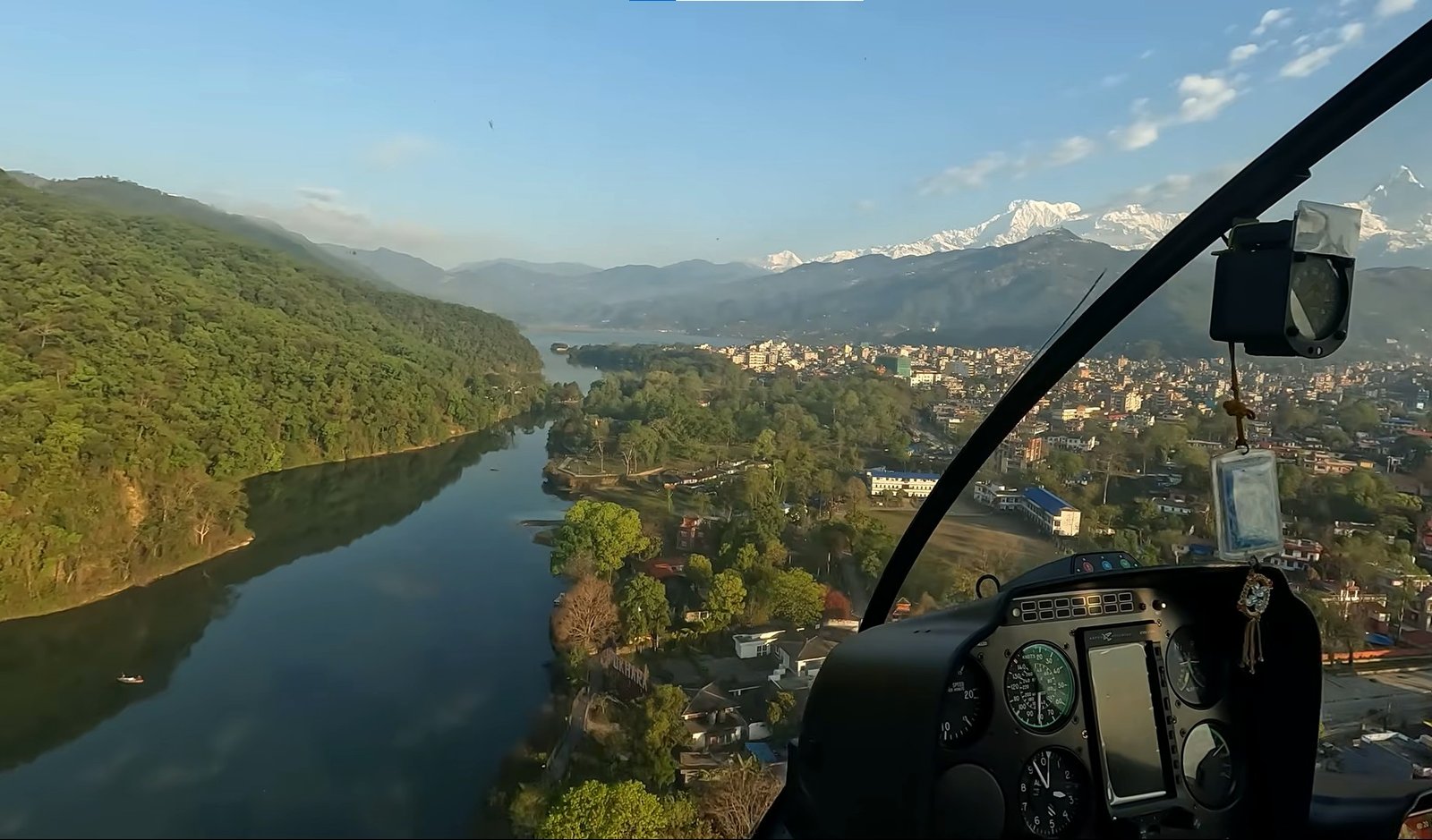
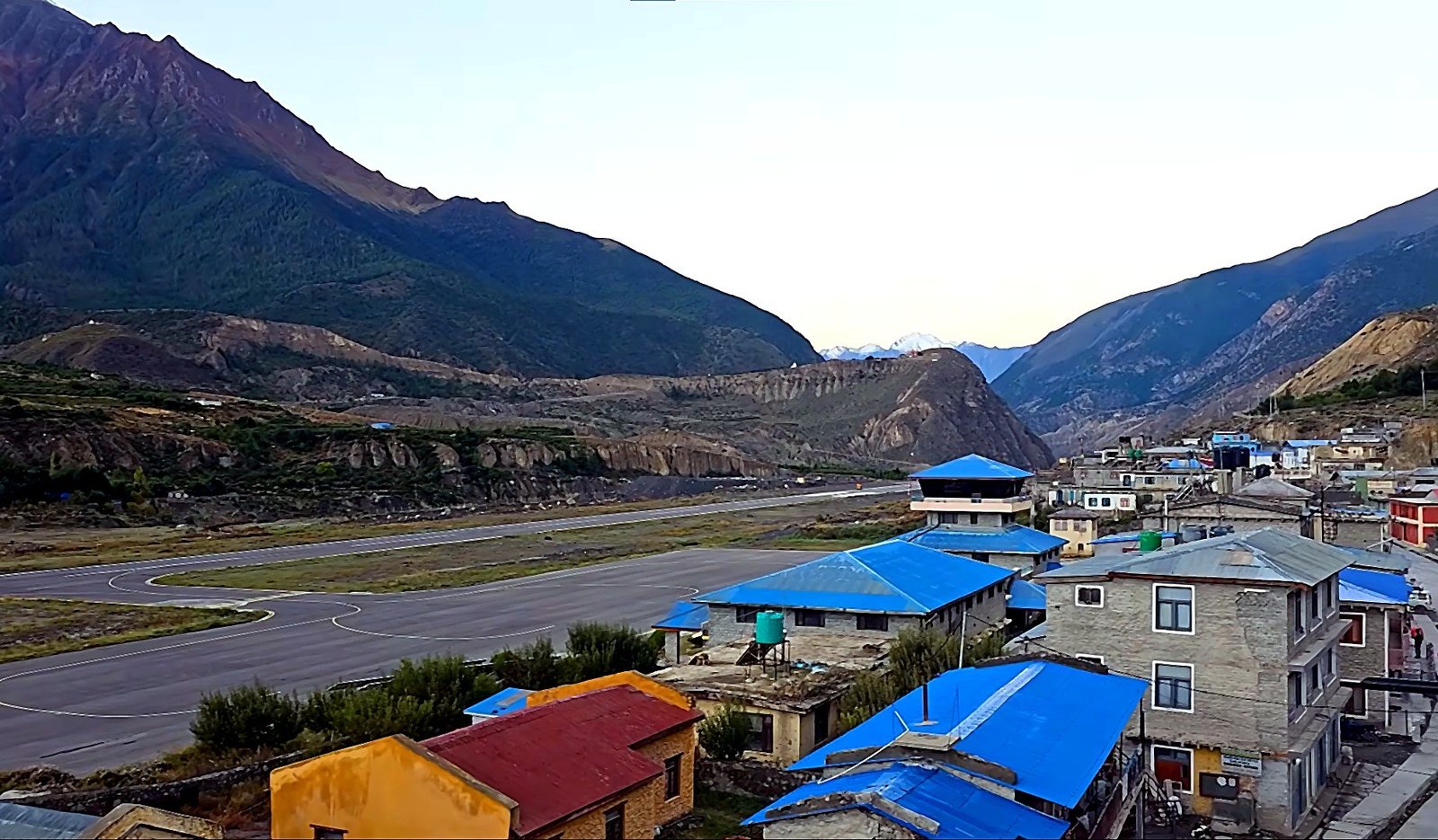
Frequently Asked Questions
The complete experience is generally planned for around 2–3 hours. Actual timing depends on the flight route, time available for Darshan, weather and operational conditions.
Muktinath is situated at approximately 3,800 m above sea level. Because you travel there quickly from Pokhara, passengers should move slowly and avoid unnecessary exertion after landing.
The flight can take approximately 30–50 minutes each way depending on routing, wind, aircraft performance and operating requirements. Exact flight time should therefore be treated as approximate.
No. The helicopter normally lands in the Muktinath or Ranipauwa area rather than inside the temple complex. A short walk is required to reach the main pilgrimage area.
Travelers should normally allow around 20–30 minutes each way. Walking time varies depending on the exact landing location, ground conditions and individual pace.
The main focus is Muktinath Darshan. Depending on the time available, pilgrims can also visit the 108 sacred water spouts, Mukti Kunda and nearby Jwala Mai.
It can be a convenient alternative for older pilgrims who want to avoid a long mountain-road journey. However, Muktinath is at high altitude and still requires some walking, so individual mobility and health should be considered before booking.
March to May and September to November generally provide favorable conditions for helicopter flights and Himalayan visibility. Flights can operate at other times when weather and landing conditions are suitable.
The flight may be delayed, rescheduled, rerouted or cancelled if weather, wind or visibility is unsuitable. Mountain conditions can change quickly even when the weather in Pokhara appears clear.
Carry warm layered clothing, comfortable walking shoes, sunglasses, sun protection and only essential personal items. Baggage should remain within the allowance confirmed for your helicopter flight.
You may also like
Annapurna Base Camp Trek with Poon Hill and Mardi Himal – 17 Days
-
Trip
17 Days
-
Grade
Moderate
-
Altitude
4500m
Menu