-
 Duration
1 Day
Duration
1 Day
-
 Difficulty
Moderate
Difficulty
Moderate
-
 Max Elevation
5,164m
Max Elevation
5,164m
-
 Group Size
1 to 5 People Person
Group Size
1 to 5 People Person
-
 Start/End
Gorakshep/Kathmandu
Start/End
Gorakshep/Kathmandu
-
 Destination
Kathmandu
Destination
Kathmandu
-
 Best Season
Spring and Autumn
Best Season
Spring and Autumn
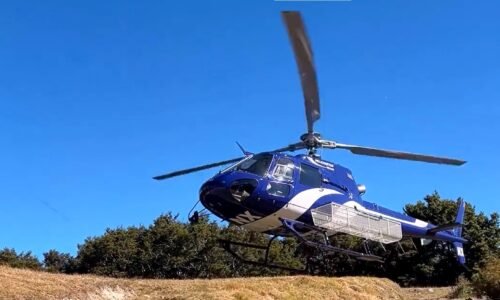
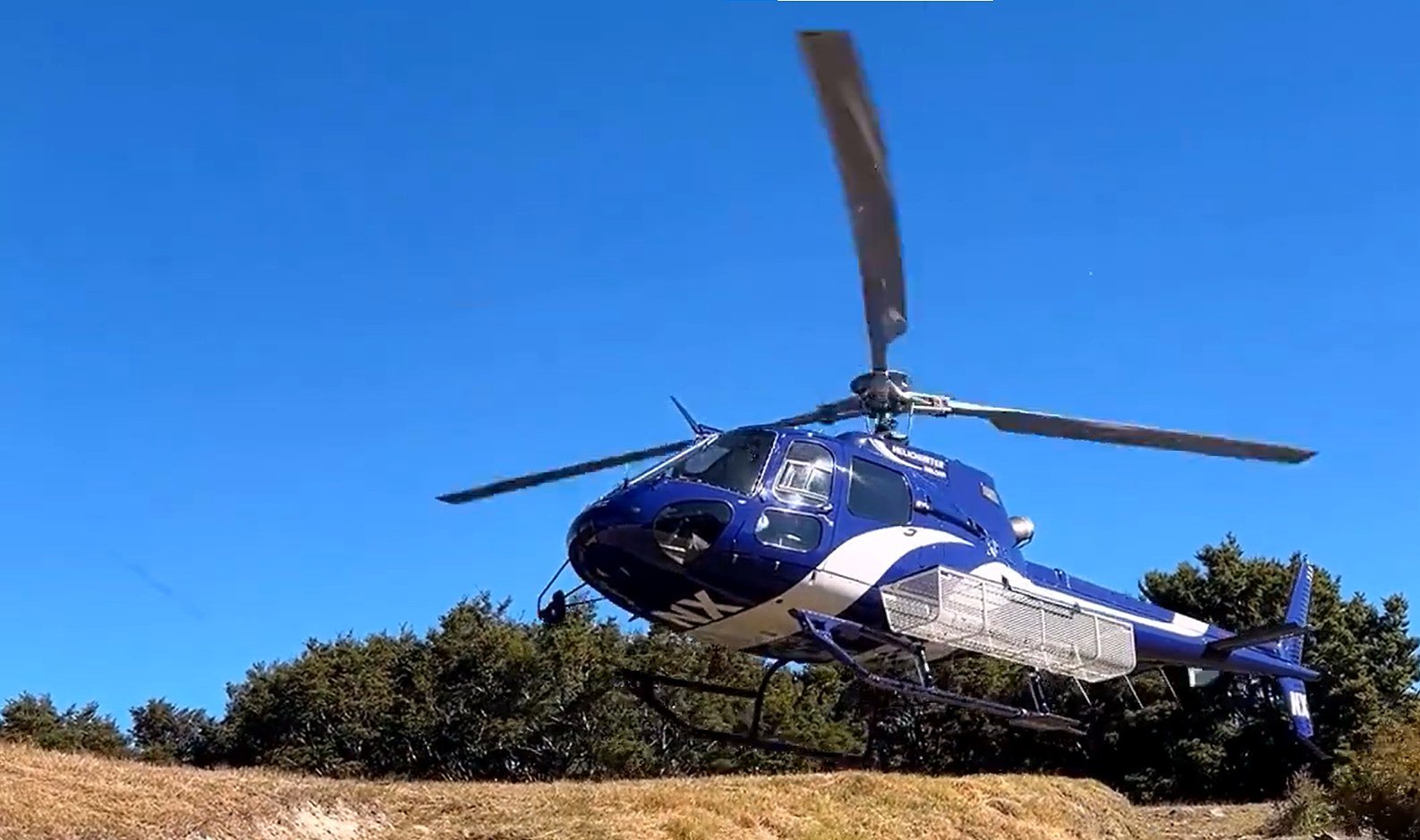
The Gorakshep to Kathmandu Helicopter Flight is the fastest way to leave the upper Everest region after completing the Everest Base Camp and Kala Patthar section of a trek.
From Gorakshep at approximately 5,164 m, the helicopter takes you out of the high Khumbu and toward Kathmandu, replacing several days of descending on foot with a single scenic aerial journey.
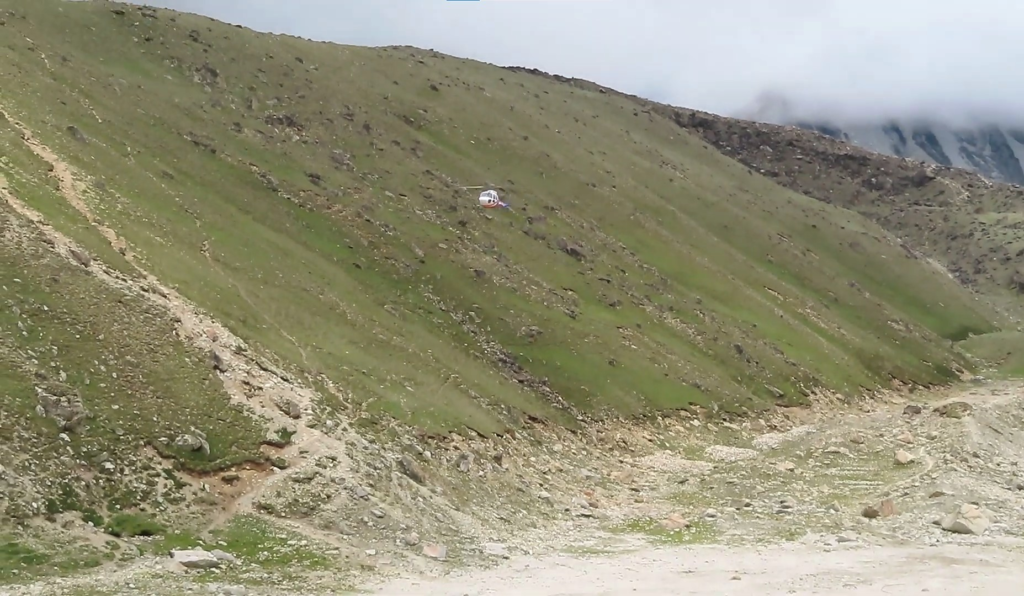
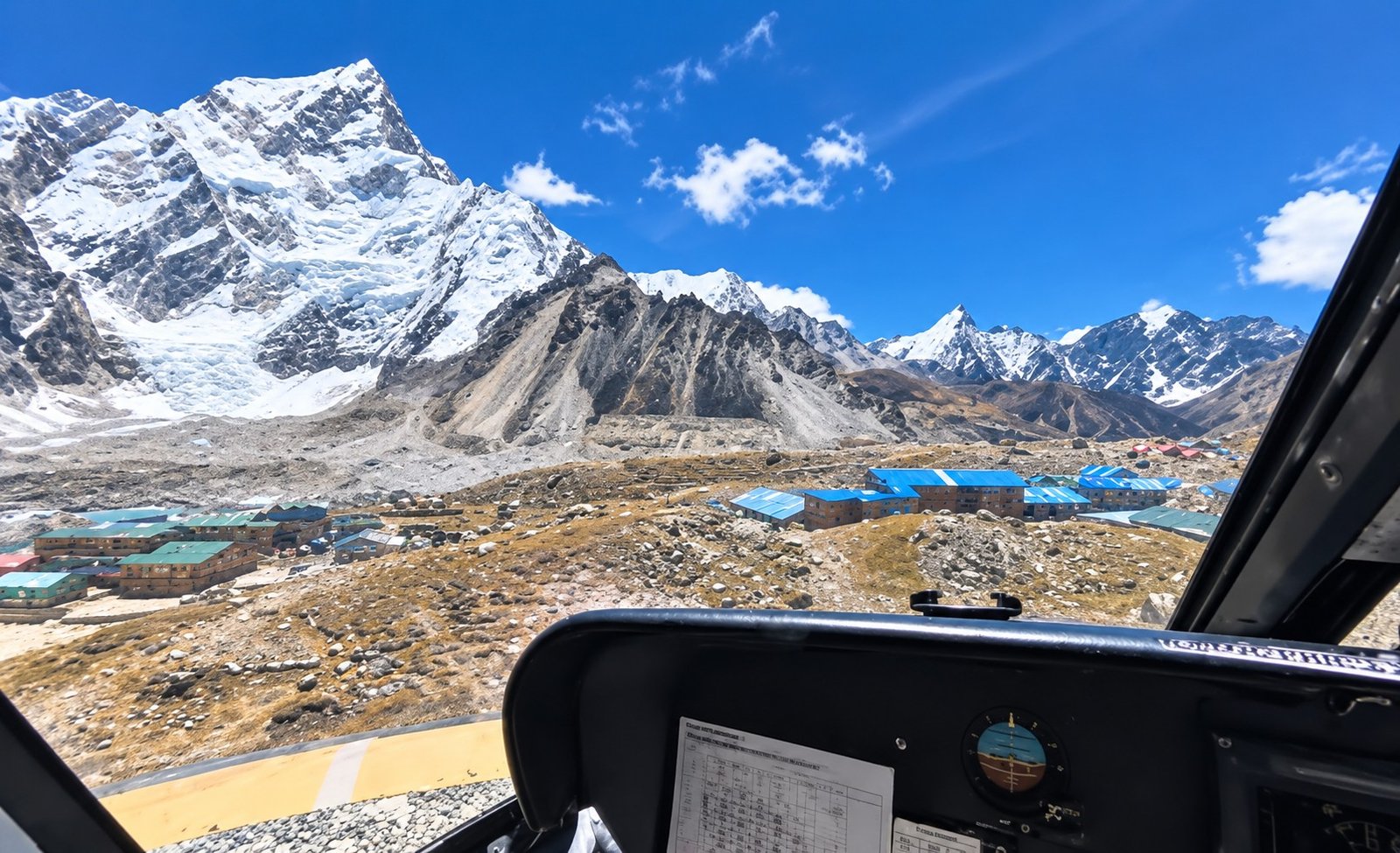
The experience begins in one of the highest settlements regularly used by trekkers in the Everest region.
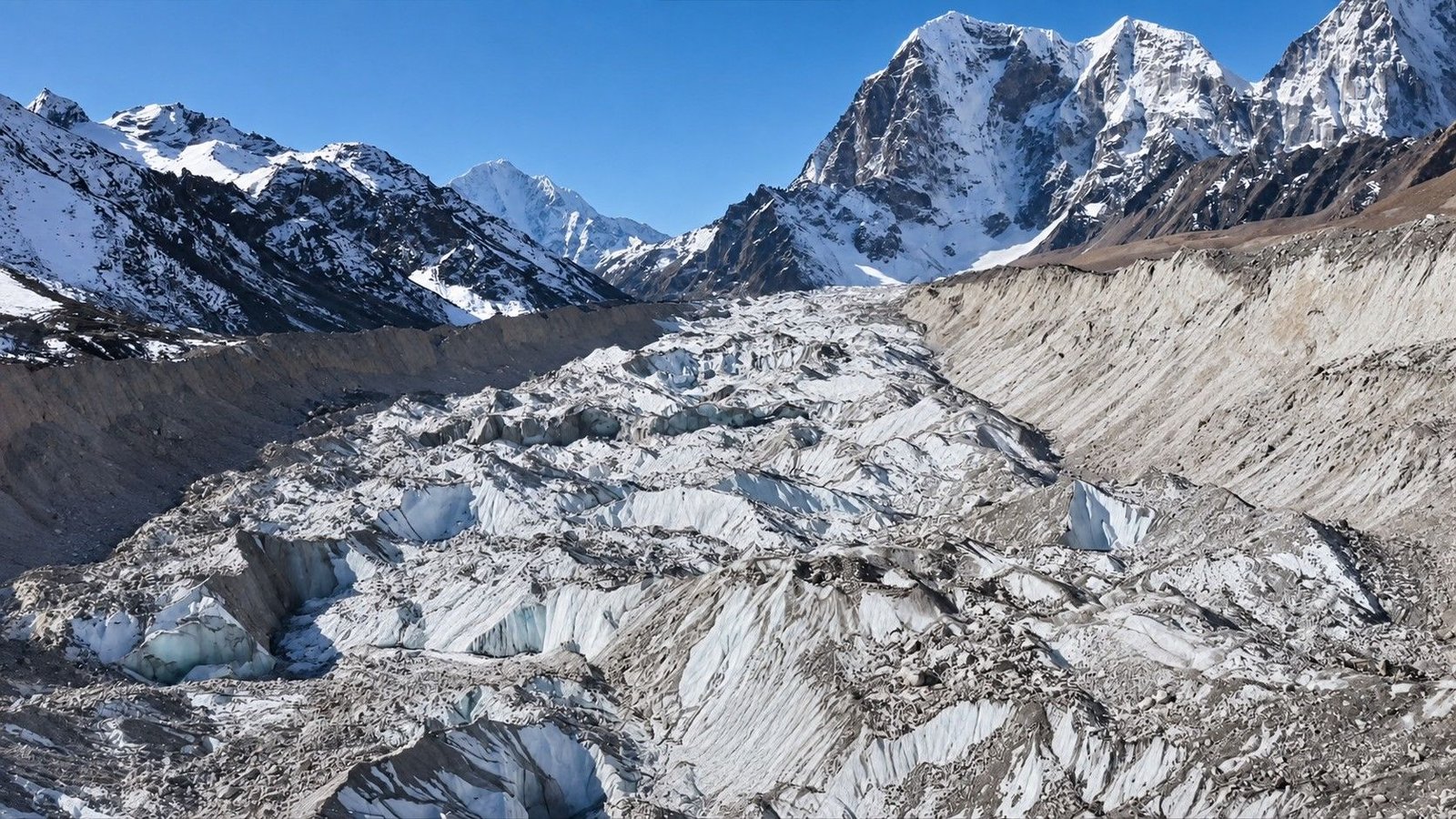
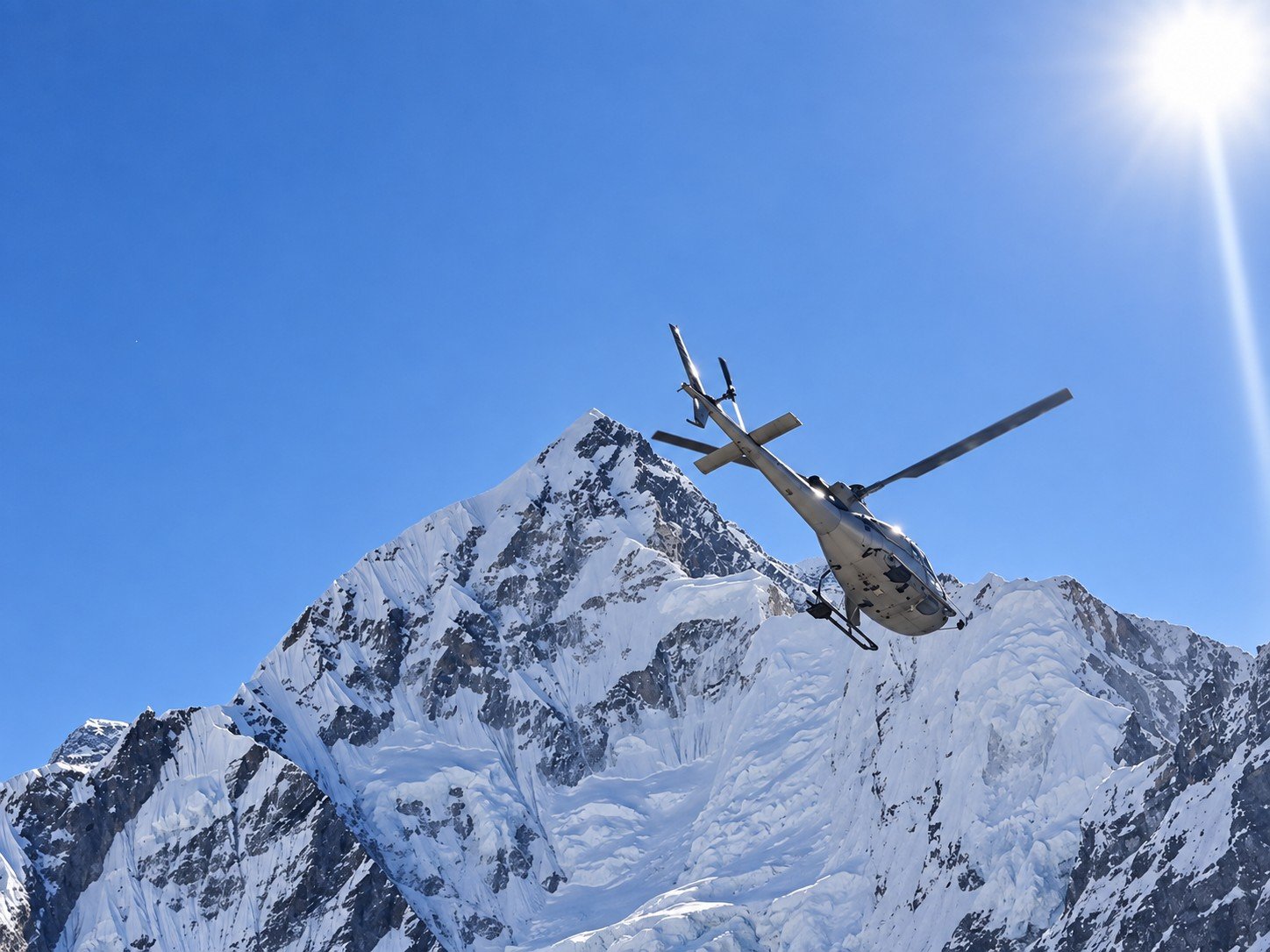
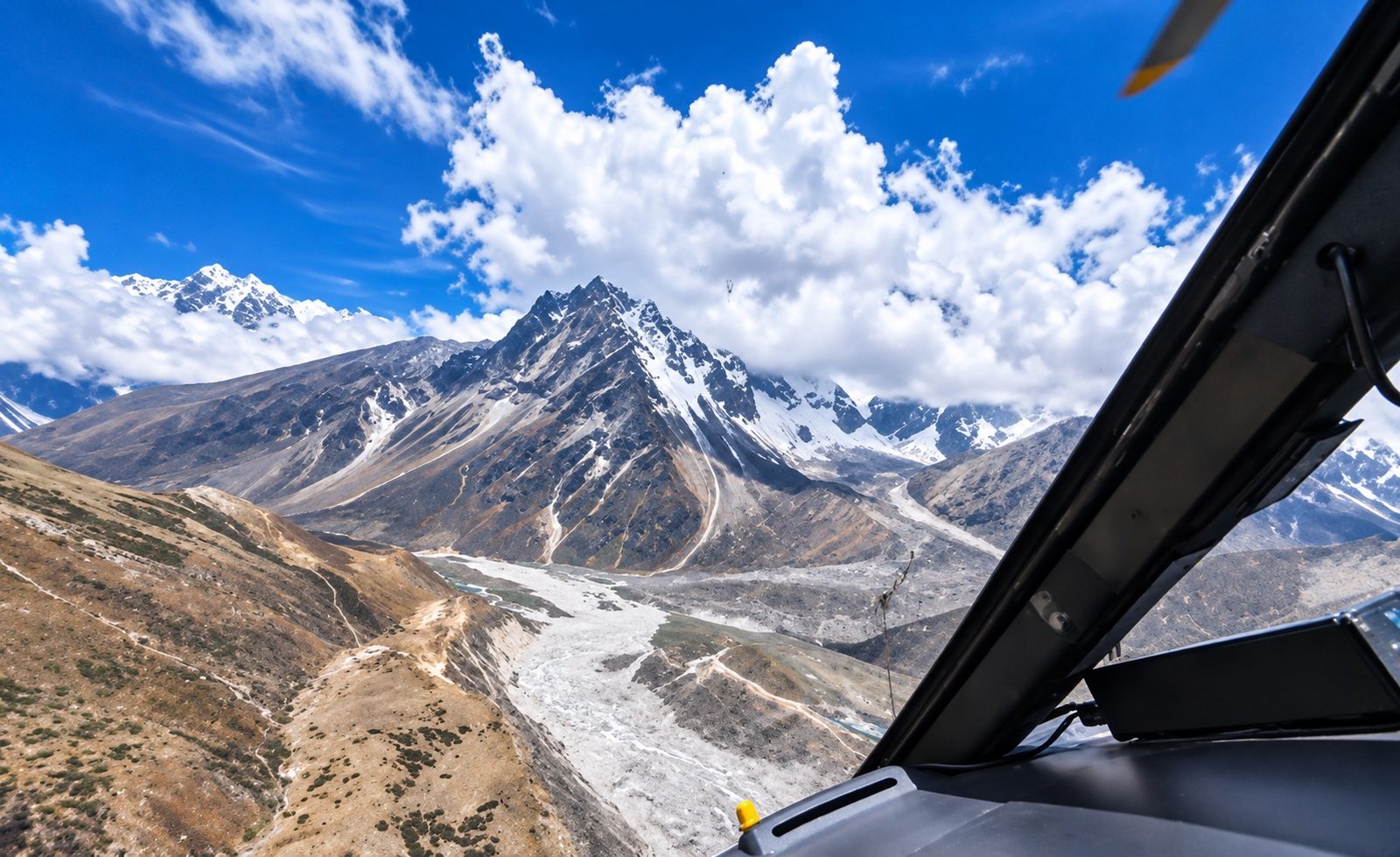
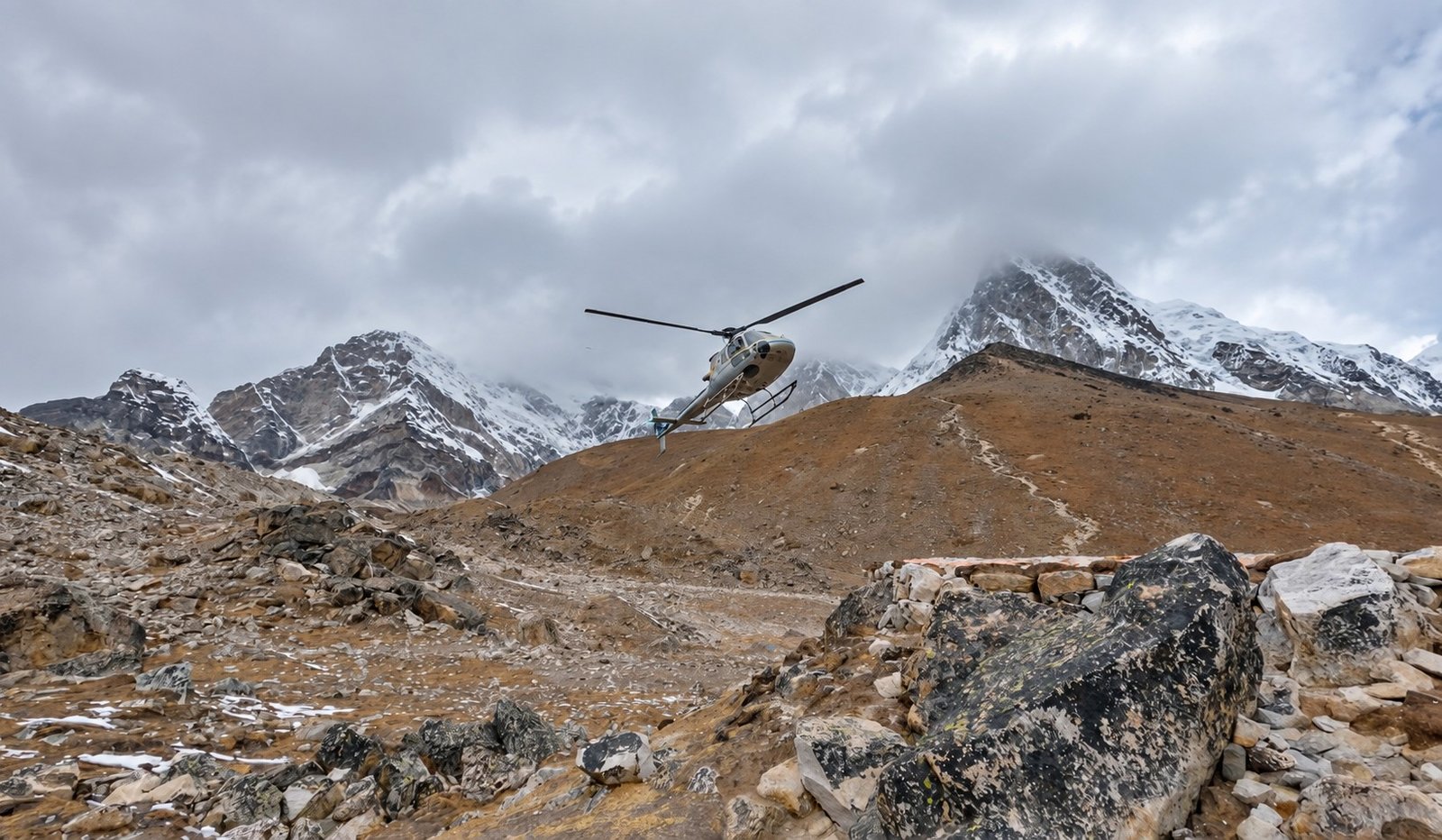
From Gorakshep, the helicopter descends through the rugged Khumbu landscape, passing over deep valleys, glacial terrain, Sherpa settlements and mountain ridges before reaching lower elevations.
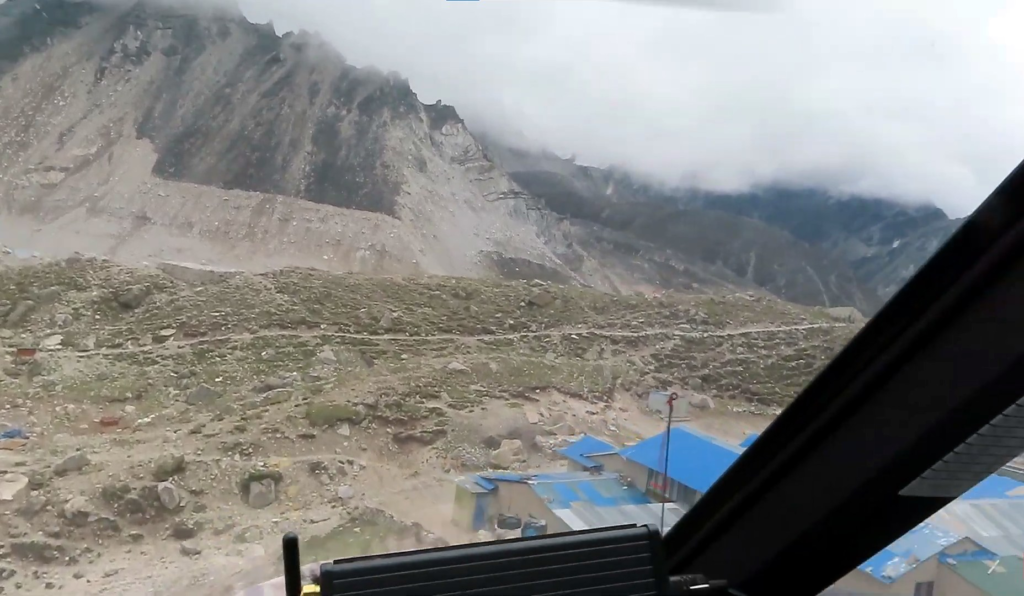
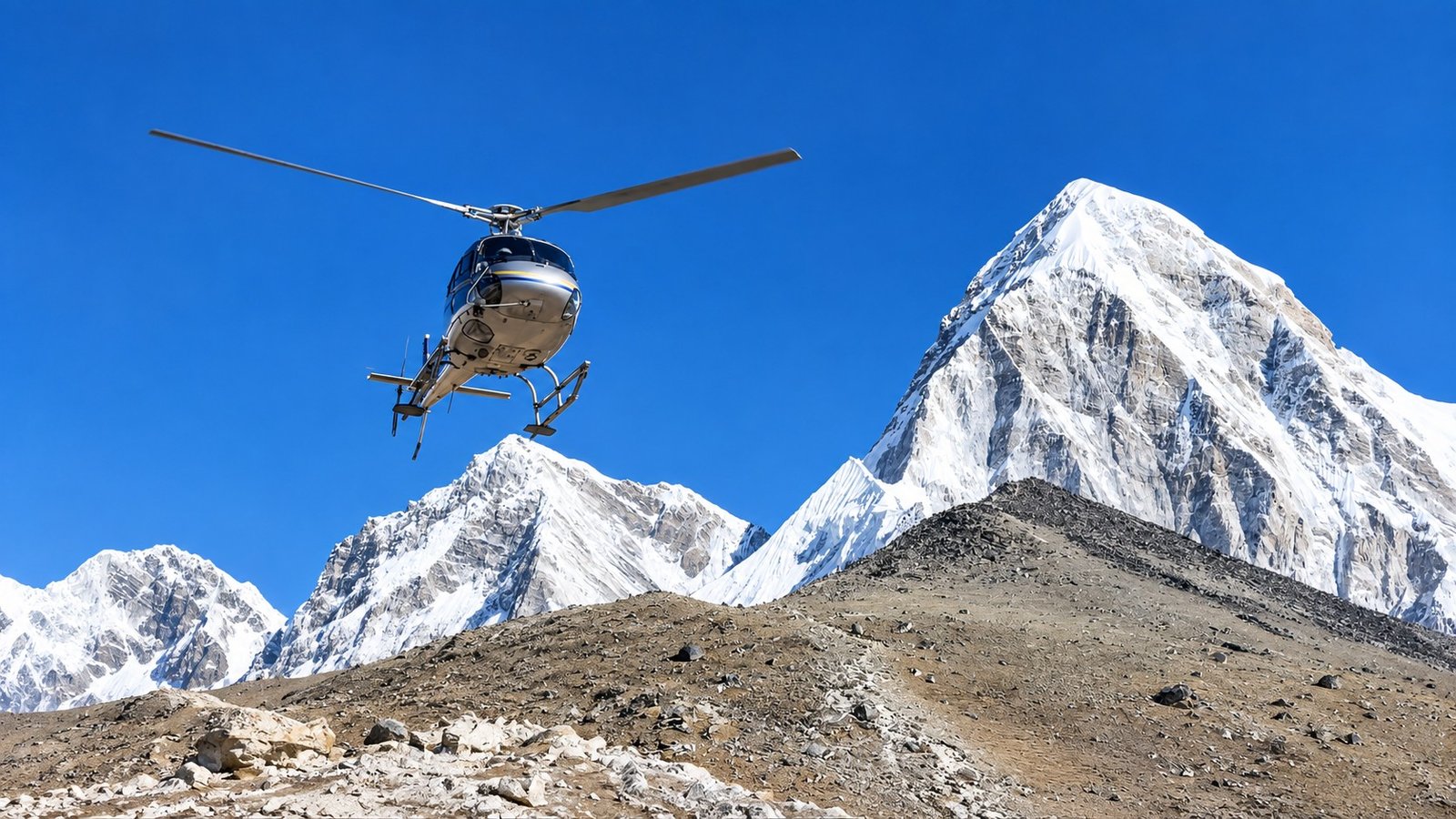
Depending on the operating route and visibility, travelers may see the landscapes around Everest Base Camp, Khumbu Glacier, Pumori, Nuptse, Lhotse, Ama Dablam, Thamserku and other Himalayan peaks.
The exact mountain views depend on weather and the helicopter’s route on the day.
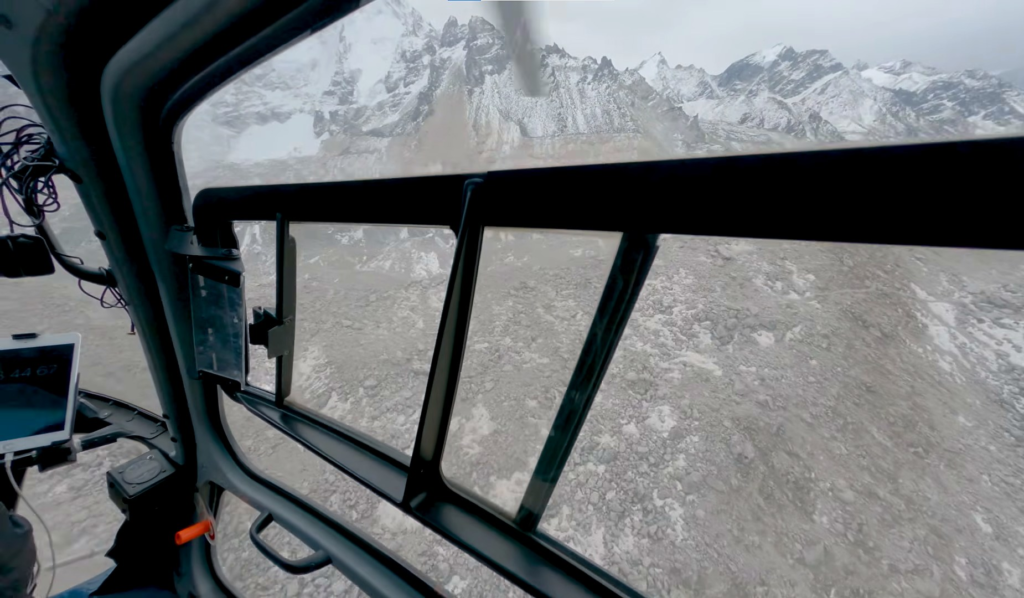
Because Gorakshep sits at such a high altitude, the helicopter cannot simply operate like a normal low-altitude airport transfer.
Passenger weight, baggage, fuel and aircraft performance become particularly important at 5,164 m.
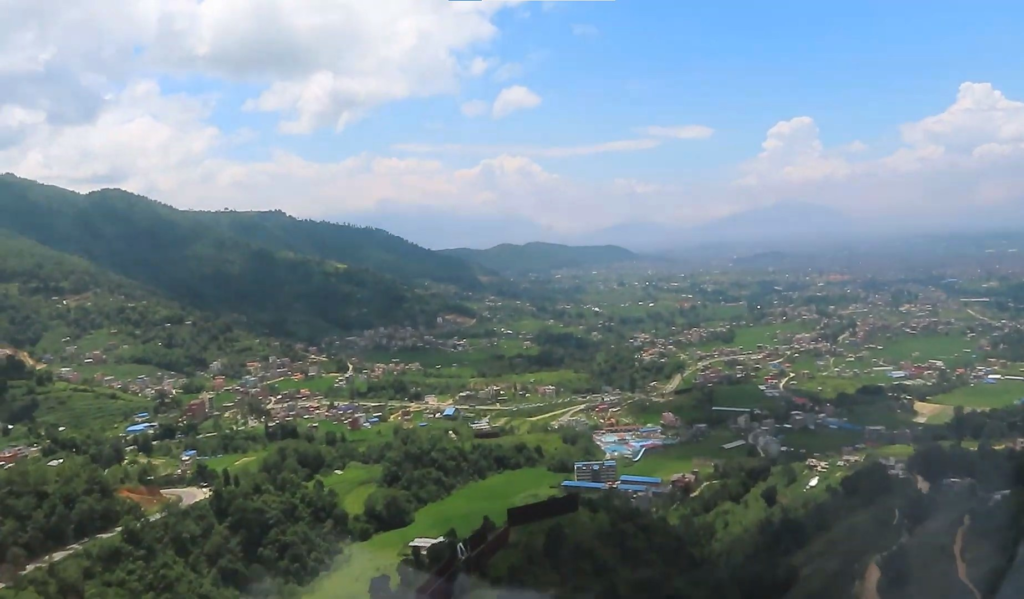
Depending on the group size and operating conditions, the helicopter may first shuttle passengers from Gorakshep to Pheriche, where more passengers can be collected, before continuing toward Lukla and Kathmandu.
A technical stop at Lukla may also be required for refuelling before the final leg to Kathmandu.
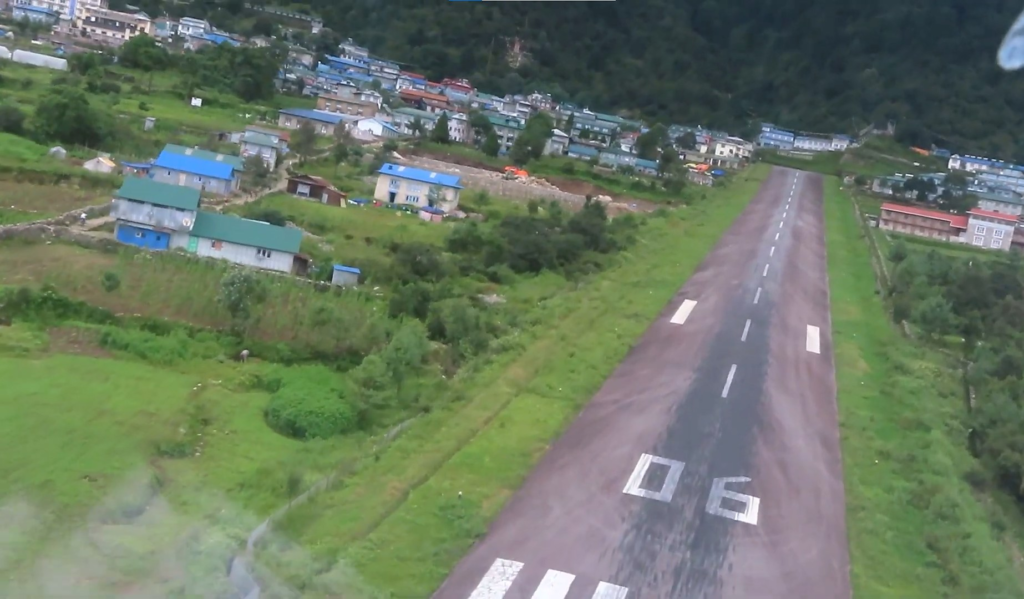
This is why the package is described as a 3-hour helicopter journey rather than a fixed three-hour flying time.
The actual airborne portion can be around 1 to 1.5 hours, while the total journey can extend to approximately 2–3 hours when shuttle, refuelling and ground arrangements are required.
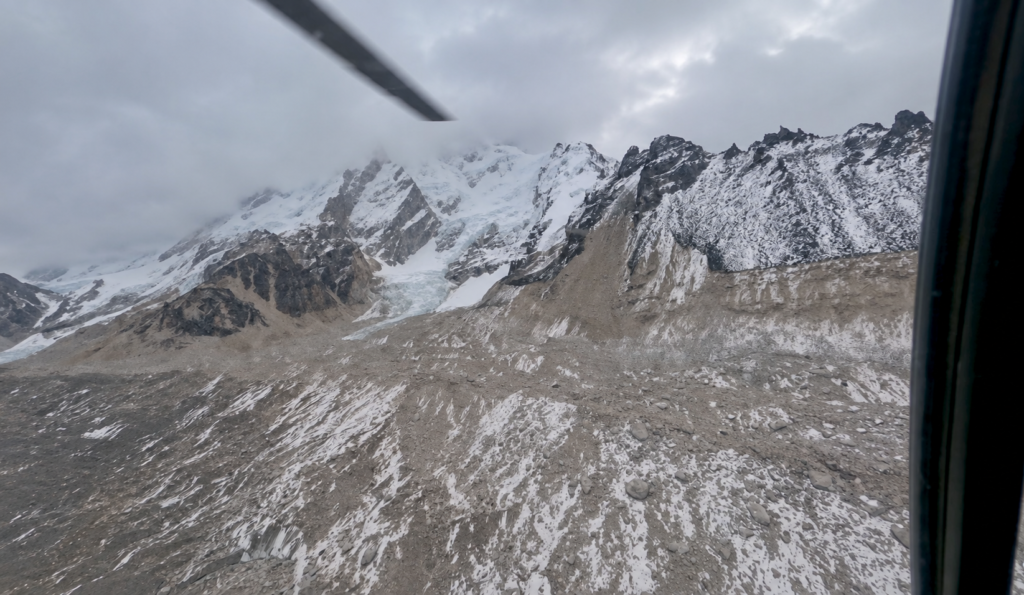
For trekkers, the biggest advantage is the amount of time saved.
The return from Gorakshep toward Lukla normally requires several trekking days, while a helicopter allows you to leave the upper Khumbu and reach Kathmandu within the same day, subject to weather and flight operations.
The clearest period for helicopter travel around the Everest region is generally autumn from October to November, when post monsoon conditions often bring better mountain visibility and more stable weather.
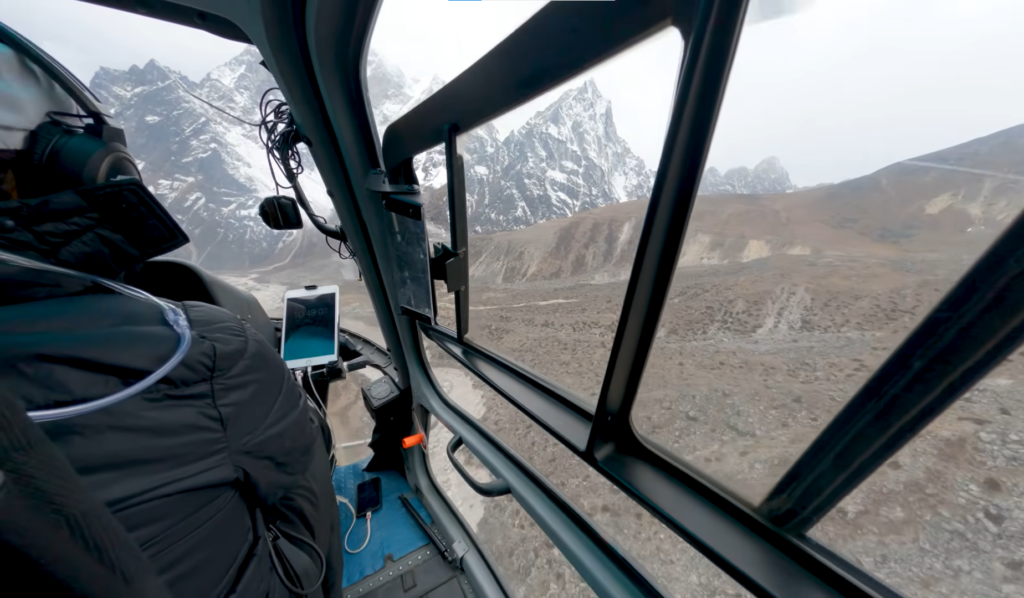
March and April are also strong months, with improving visibility and generally favorable spring conditions.
December to February can provide excellent clear mornings and sharp mountain views, although freezing temperatures, snowfall and winter weather can affect high altitude helicopter operations.
The monsoon period from June through August is the least predictable for this journey.
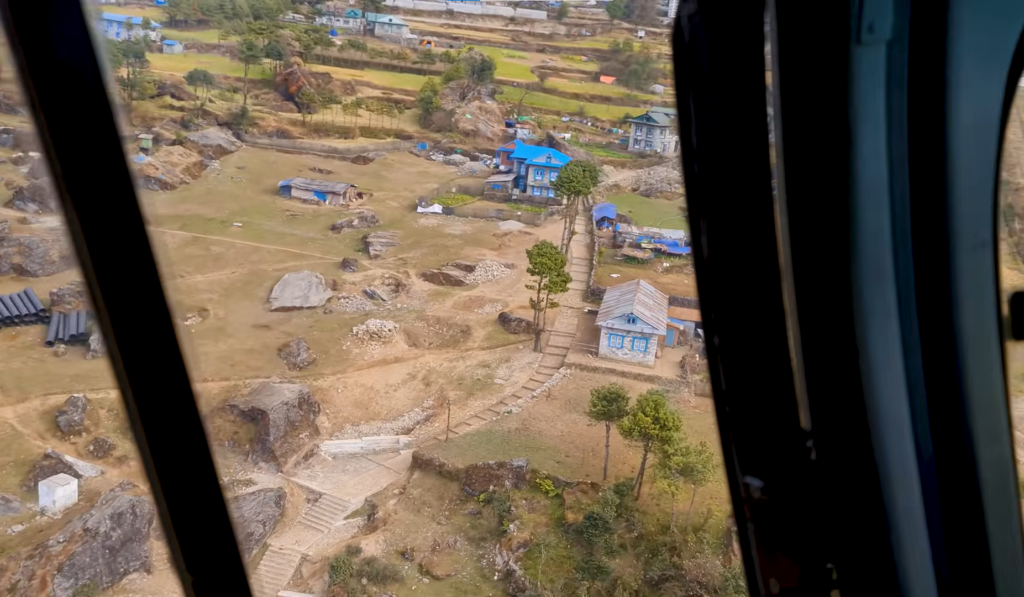
Cloud, rain, haze and reduced visibility can interfere with flights, and travelers should allow additional flexibility when planning a return from Gorakshep during this period.
Even during the best seasons, mountain visibility is never guaranteed. A clear morning in Gorakshep does not automatically mean the entire route to Kathmandu will remain clear.
Flight Information
| Flight Detail | Information |
|---|---|
| Route | Gorakshep to Kathmandu |
| Departure Point | Gorakshep Helipad |
| Departure Altitude | Approximately 5,164 m |
| Final Destination | Kathmandu |
| Total Journey Time | Approximately 2–3 hours depending on shuttle and refuelling requirements |
| Actual Flying Time | Approximately 1–1.5 hours depending on routing |
| Possible Intermediate Point | Pheriche and/or Lukla depending on passenger load and operating requirements |
| Typical Departure | Early morning preferred, subject to weather and operational clearance |
| Best For | EBC Trekkers, Private Groups, Families and Travelers Wanting a Fast Return to Kathmandu |
Flight Views and Locations Covered
| Flight Section | Possible Views |
|---|---|
| Gorakshep Departure | Gorakshep settlement, surrounding high-altitude terrain and rugged mountain ridges |
| Upper Khumbu | Glacial valleys, Khumbu Glacier landscapes, Pumori, Nuptse, Lhotse and surrounding peaks depending on visibility |
| Pheriche and Lower Khumbu | Mountain villages, ridges, river valleys and landscapes surrounding the Everest trekking corridor |
| Lukla Area | Lower Solukhumbu hills, villages and the transition from high Himalayan terrain to greener mountain slopes |
| Kathmandu Approach | Lower hills, agricultural terraces, expanding settlements and the Kathmandu Valley |
Safety and High Altitude Operations
Gorakshep sits at approximately 5,164 m, making this very different from a normal helicopter transfer from a low altitude airport.
Aircraft performance is affected by elevation, temperature, passenger weight, baggage, fuel requirements and weather conditions.
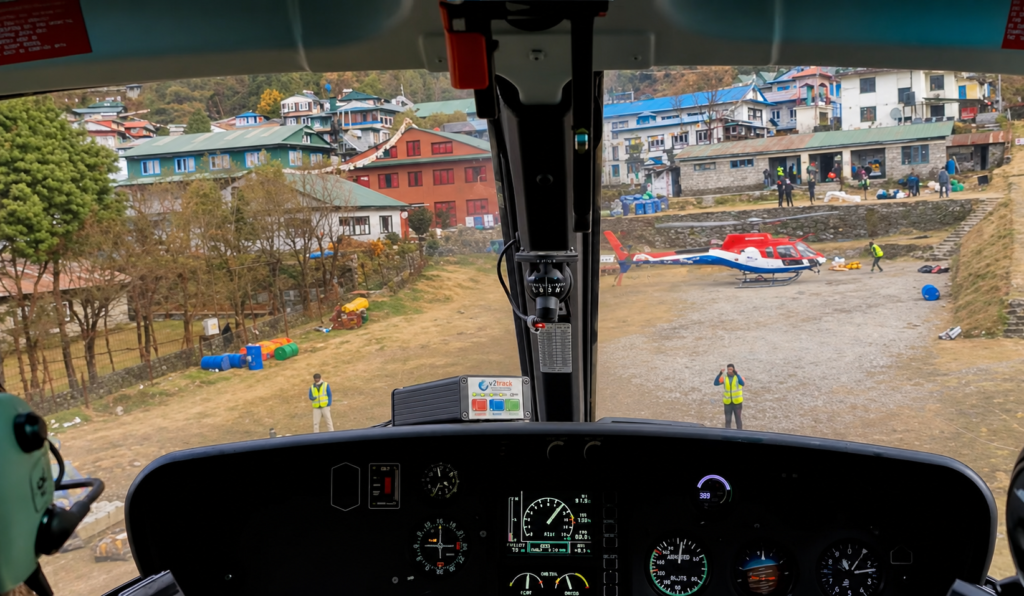
Because of these limitations, a helicopter may not always be able to carry every passenger directly from Gorakshep to Kathmandu in one movement.
Depending on the aircraft and passenger load, some travelers may need to be shuttled to Pheriche before the helicopter continues toward Kathmandu.
A stop at Lukla may also be required for refuelling or operational reasons. Such stops are not guaranteed sightseeing stops and depend on the aircraft and conditions on the day.
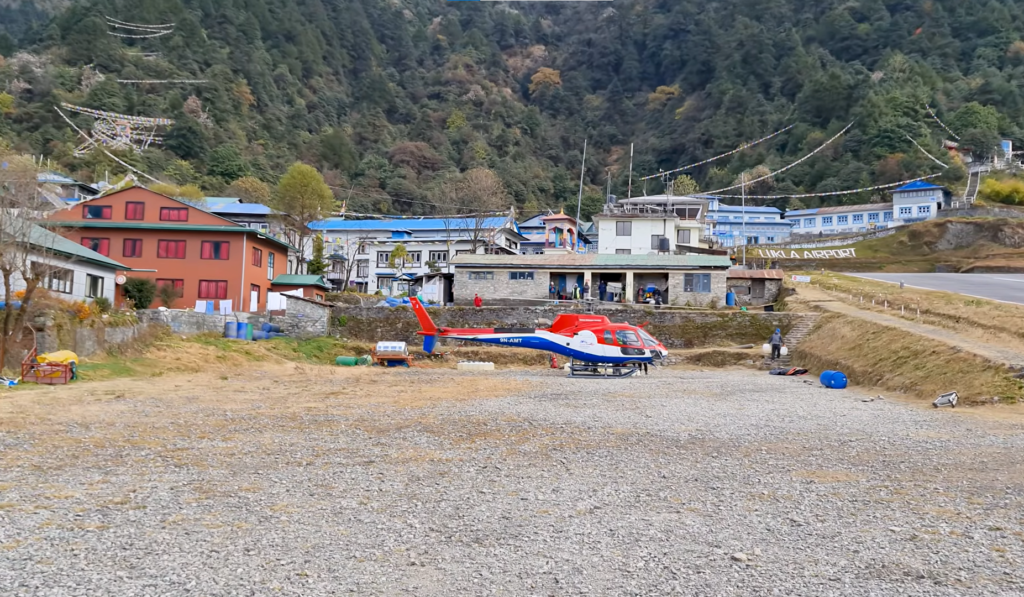
Passengers should follow all crew instructions, remain in designated areas around the helicopter and approach or leave the aircraft only when instructed.
Loose baggage and clothing should be secured carefully because rotor wash can be extremely strong.
The final decision regarding departure, route, intermediate stops and landing rests with the pilot and operator, with safety taking priority over the planned schedule.
Booking Options
| Booking Type | Suitable For | Main Advantage | Important Point |
|---|---|---|---|
| Shared / Group Joining | Solo Travelers, Couples and Smaller Trekking Groups | Travel together with other passengers on the same helicopter service | Passenger load and departure arrangements depend on availability and aircraft limitations |
| Private Charter | Families, Friends, Trekking Groups and Time Sensitive Travelers | Exclusive helicopter arrangement for your group | Subject to aircraft passenger, baggage, payload and weather limitations |
Book Your Gorakshep to Kathmandu Helicopter Flight
Nepal Royal Tourism Holiday operates helicopter flights every day between the Everest region and Kathmandu, including Gorakshep to Kathmandu, subject to weather, aircraft availability and operational clearance. We arrange both shared/group joining flights and private helicopter charters.
Shared flights are generally more economical, while private helicopter bookings cost more because the helicopter is reserved exclusively for your group. We also arrange helicopter flights and tours in the Everest region and other destinations across Nepal.
Contact Nepal Royal Tourism Holiday Chat on WhatsAppTrip Highlights
- Leave Gorakshep at around 5,164 m and begin the return journey from one of the highest settlements used by Everest trekkers
- Fly out over the beautiful upper Khumbu landscape with views of Everest, Lhotse, Nuptse and Pumori when weather and visibility allow
- See the Khumbu Glacier and surrounding glacial valleys from above before descending toward the lower Everest region
- Pass through the changing landscapes around Pheriche, the Dudh Koshi corridor and lower Khumbu, where the high alpine environment gradually gives way to greener hills
- Experience the remarkable transition from the Everest region's rugged mountain terrain to the forests, terraces and settlements of lower Solukhumbu
- Use the helicopter to avoid several days of retracing the Everest Base Camp trekking route on foot
- Benefit from a same-day transfer to Kathmandu, particularly useful for trekkers with limited time or onward travel arrangements
- Travel through the Everest region by helicopter while enjoying a completely different perspective of villages and trails you may have experienced during your trek
- Choose between shared/group joining and private helicopter arrangements, depending on your group size, schedule and travel preference
- Complete the journey in approximately 2–3 hours overall, including any necessary passenger shuttle or refuelling arrangements, rather than spending several days descending from Gorakshep
Gorakshep to Kathmandu Helicopter Flight – 3 Hours ~ Itinerary
Day 1
Gorakshep to Kathmandu Helicopter Flight
- Starting Point: Gorakshep
- Starting Altitude: Approximately 5,164 m
- Destination: Kathmandu
- Total Journey Time: Approximately 2–3 hours, depending on operating arrangements
- Actual Flying Time: Approximately 1–1.5 hours
- Possible Intermediate Stops: Pheriche and Lukla
- Preferred Departure: Early morning, subject to weather and operational clearance
The journey begins at Gorakshep, where the helicopter crew completes the necessary passenger and baggage arrangements before departure. Because of Gorakshep’s extreme elevation, helicopter operations from this area are highly dependent on aircraft performance, passenger weight, baggage and weather conditions. Depending on the passenger load and operating requirements, the helicopter may first transfer some or all passengers to Pheriche before continuing toward Kathmandu
Once airborne, the first part of the journey gives you an impressive final view of the upper Khumbu. The helicopter descends past the landscapes around Everest Base Camp, Khumbu Glacier and the surrounding mountain valleys, with possible views toward Everest, Lhotse, Nuptse and Pumori in clear conditions
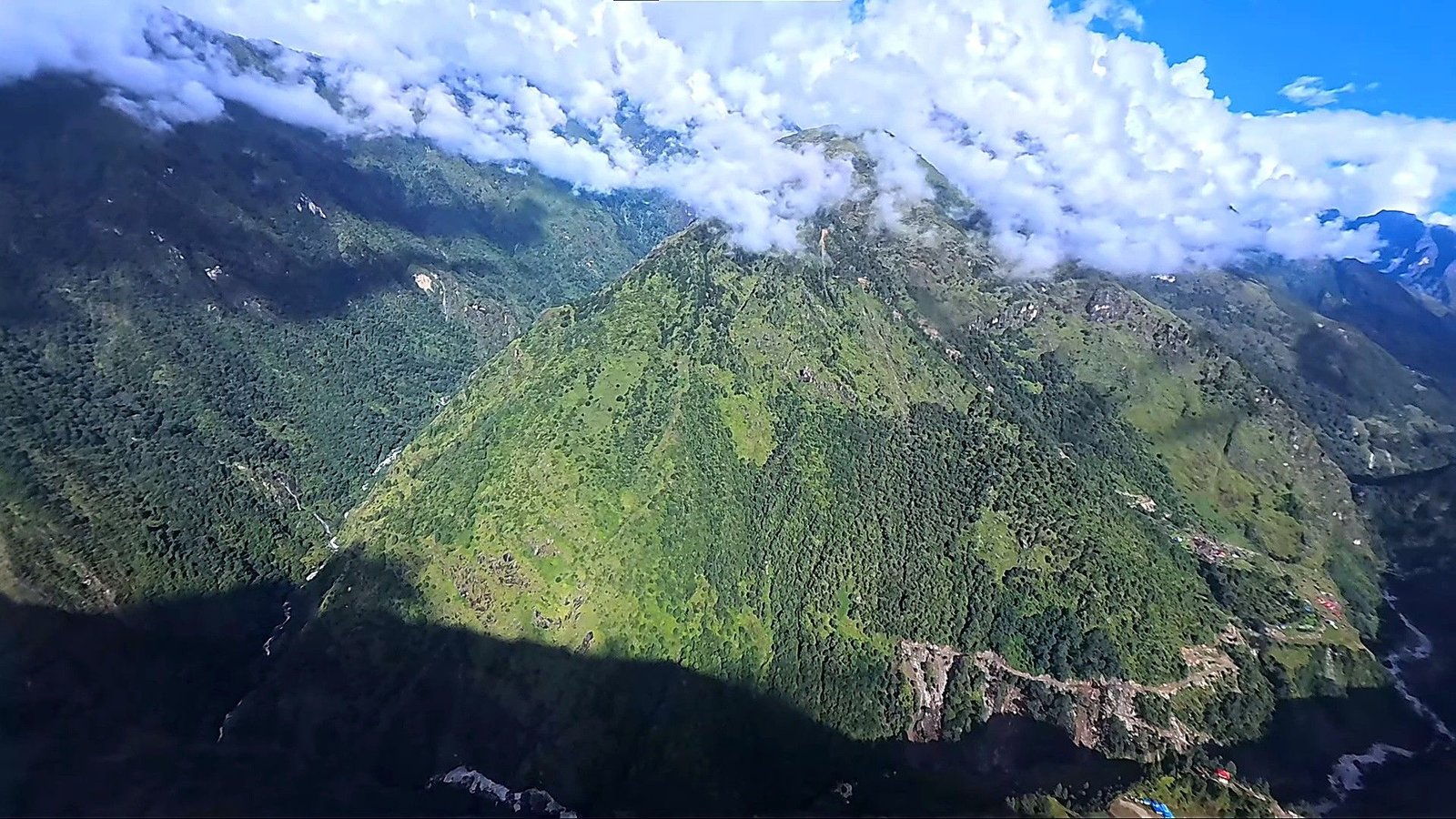
As the aircraft continues lower, the high alpine terrain gradually changes into the broader valleys around Pheriche and the Dudh Koshi region. Sherpa villages, trekking trails, river valleys and mountain slopes become increasingly visible as the helicopter moves toward lower elevations
A further stop at Lukla may be required for refuelling or operational reasons before the helicopter continues toward Kathmandu. This is not necessarily a sightseeing stop, and the exact arrangements depend on the aircraft, route, passenger load and conditions on the day
The final section of the flight leaves the high mountain environment behind and follows the lower hills toward the Kathmandu Valley. Forested slopes, terraced farmland, villages and increasingly dense settlements appear before the helicopter reaches Kathmandu
Flight Flow
| Stage | Experience | Approximate Timing |
|---|---|---|
| Gorakshep Departure | Passenger and baggage arrangements followed by helicopter departure from the upper Khumbu | Start of journey |
| Upper Khumbu | Views of Everest Base Camp surroundings, Khumbu Glacier, Pumori, Nuptse, Lhotse and other peaks when visible | Early flight section |
| Pheriche and Lower Khumbu | Mountain villages, deep valleys, trekking corridors and Dudh Koshi landscapes | Middle section |
| Lukla | Possible passenger transfer or refuelling stop depending on aircraft and operating conditions | Variable |
| Kathmandu Approach | Greener hills, terraced farmland, villages and the expanding Kathmandu Valley | Final flight section |
| Kathmandu Arrival | Helicopter landing and onward transfer | Usually within 2–3 hours overall |
Trip Cost Includes/Excludes
Cost Includes
- Helicopter flight from Gorakshep to Kathmandu
- Helicopter flight from Gorakshep to Kathmandu
- Coordination for any required passenger shuttle or intermediate operational stop
- Standard baggage handling according to the confirmed allowance
- All Government and company service charge
Cost Excludes
- Additional baggage charges where applicable
- Travel insurance and medical expenses
- Private helicopter charter charges when not included in the confirmed booking arrangement
- Any accommodation, trekking or sightseeing services outside the helicopter transfer
Trip Photo/Video Gallery




Frequently Asked Questions
The overall journey is generally expected to take around 2 to 3 hours, although the exact timing can vary because of passenger shuttling, refuelling, weather, aircraft limitations and the operating route
No. The 3 hour duration refers to the overall journey window, not three hours of continuous flying. The actual time spent in the air is considerably shorter, while high altitude operational arrangements can add time to the complete journey
Gorakshep sits at approximately 5,164 m, where helicopter performance is significantly affected by elevation, temperature, passenger weight, baggage and fuel requirements. Depending on the aircraft and passenger load, a shuttle to Pheriche or another operational arrangement may be necessary before continuing toward Kathmandu
No. A Lukla stop is not guaranteed on every flight. It may be required for refuelling, passenger arrangements or other operational reasons depending on the aircraft and conditions
On clear days, the route can offer views of Mount Everest, Lhotse, Nuptse, Pumori and Ama Dablam, along with other peaks and ridges of the Khumbu region. Exact visibility depends on weather, cloud, haze and the actual flight path
Yes, there can be opportunities to see Everest and the surrounding peaks during the early part of the journey, especially when visibility is clear. However, mountain views are never guaranteed
Yes. This is one of the most useful applications of the service, allowing trekkers to leave the upper Everest region without spending several additional days descending the trekking route toward Lukla and lower Solukhumbu
Yes. A shared or group joining arrangement can be available depending on the date, passenger demand and operator scheduling
The flight may be delayed, rescheduled or cancelled if visibility, cloud, wind or other conditions are unsuitable. Mountain weather can change quickly, so travelers should keep flexibility in their onward plans
It is not advisable to plan an extremely tight connection. Because the flight originates at very high altitude and is weather dependent, travelers should maintain a reasonable time buffer before an important international departure
The helicopter provides a much faster alternative, but it remains a weather and operationally dependent mountain flight. The pilot and operator make the final decision on whether conditions are suitable for departure and the flight plan
You may also like

Menu