-
 Duration
6 Days
Duration
6 Days
-
 Difficulty
Easy
Difficulty
Easy
-
 Max Elevation
2,175m
Max Elevation
2,175m
-
 Group Size
1 to 10 People Person
Group Size
1 to 10 People Person
-
 Accommodation
Three star Hotel/ Standard Hotel
Accommodation
Three star Hotel/ Standard Hotel
-
 Start/End
Kathmandu Airport/Kathmandu
Start/End
Kathmandu Airport/Kathmandu
-
 Destination
Kathmandu, Pokhara and Nagarkot
Destination
Kathmandu, Pokhara and Nagarkot
-
 Best Season
Spring and Autumn
Best Season
Spring and Autumn
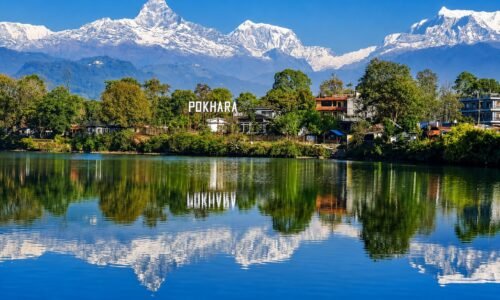
Nepal is a country where ancient cities, quiet mountain lakes, green hill country and enormous Himalayan peaks can all be experienced within a relatively short journey.
The 6-day Nepal Beauty Tour is designed for travellers who want a balanced introduction to these different sides of Nepal without undertaking a long trek.

The journey connects Kathmandu, Pokhara and Nagarkot, combining cultural heritage, religious landmarks, scenic countryside, Himalayan viewpoints and some of Nepal’s most recognizable natural attractions.
From Kathmandu, the journey heads west toward Pokhara, and the scenery changes steadily during the drive.

The road passes through Nepal’s middle hills, following river valleys and winding between terraced fields, forested slopes, villages and small roadside settlements.
The journey is itself part of the experience because it reveals how dramatically Nepal’s landscape changes outside the capital.
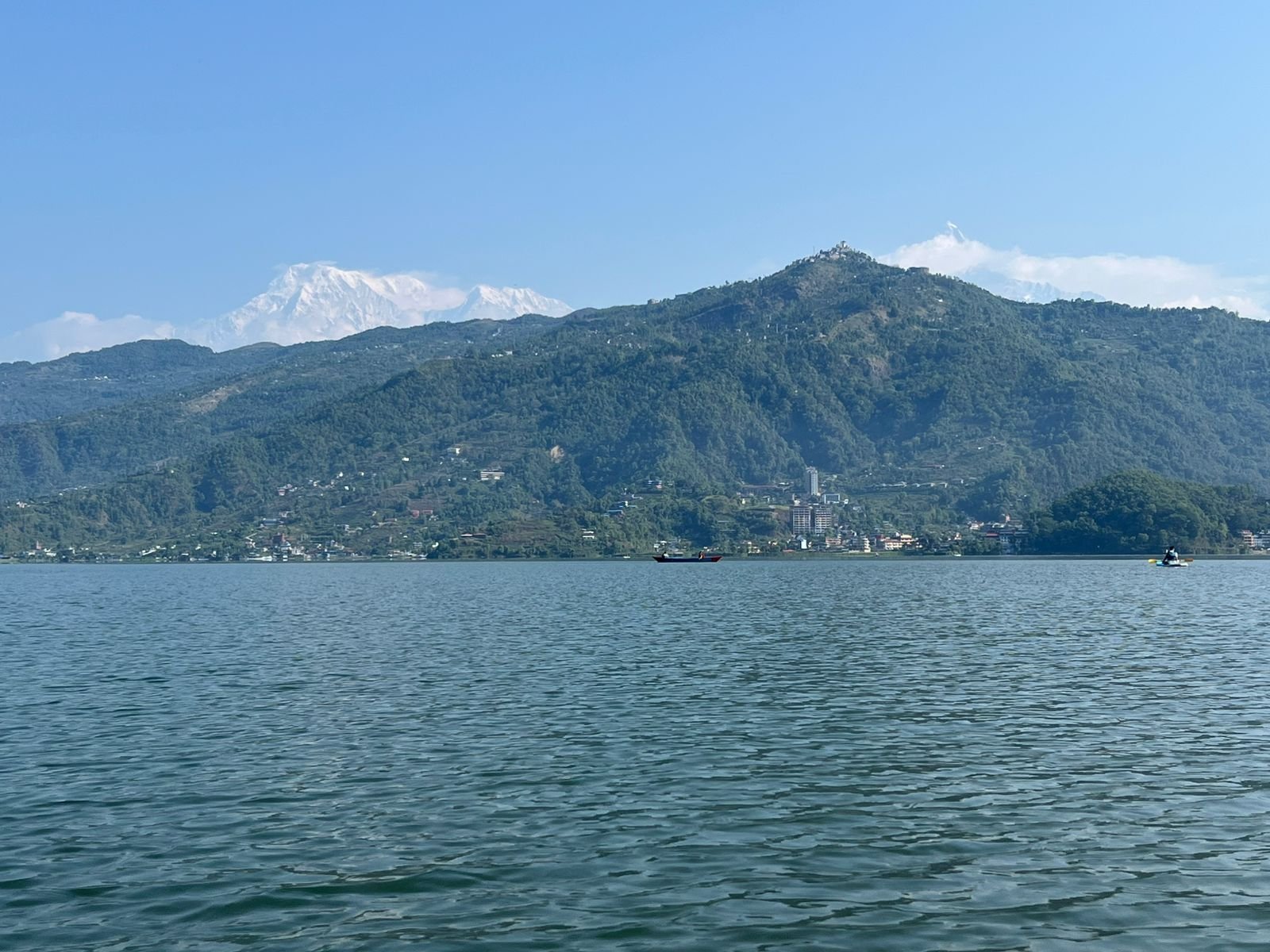
Pokhara is very different from Kathmandu. The city is situated around Phewa Lake and lies beneath the southern slopes of the Annapurna Himalayas.

On clear days, the distinctive outline of Machhapuchhre, together with Annapurna and other surrounding peaks, forms a spectacular northern skyline.
The city is also known for its relaxed lakeside atmosphere, making it an ideal place to slow down after the cultural sightseeing in Kathmandu.
A full sightseeing day in Pokhara allows the journey to explore more than just the lake.

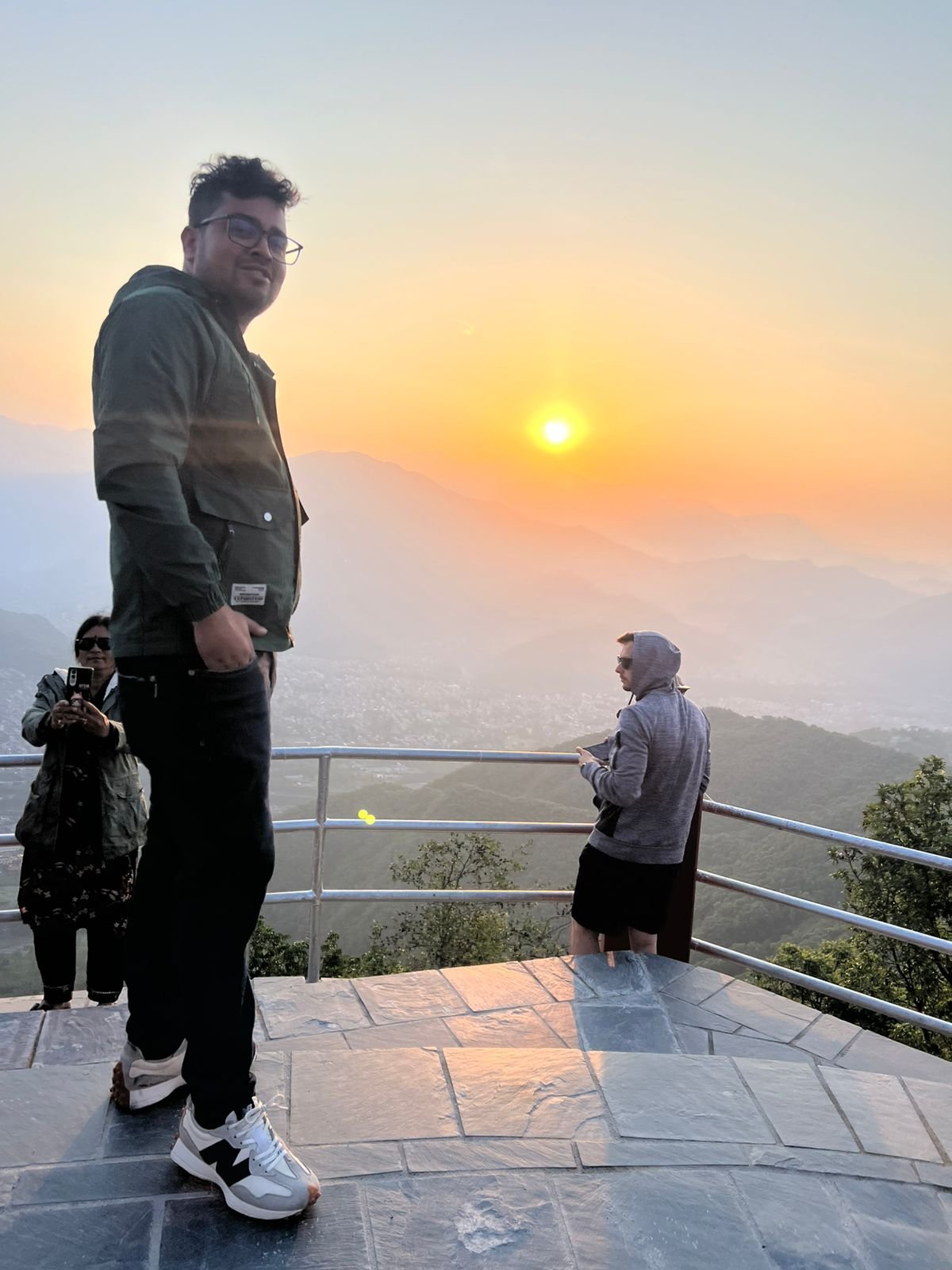
Early in the morning, Sarangkot provides an opportunity to watch sunrise from the hills above the city.
When the weather is clear, the changing light gradually reaches the Annapurna and Dhaulagiri ranges, while the hills and Phewa Lake spread below. Sarangkot is widely used in Nepal tour programs specifically for its sunrise and Himalayan panorama.
The remainder of the Pokhara sightseeing program focuses on the relationship between the city and its surrounding natural landscape.
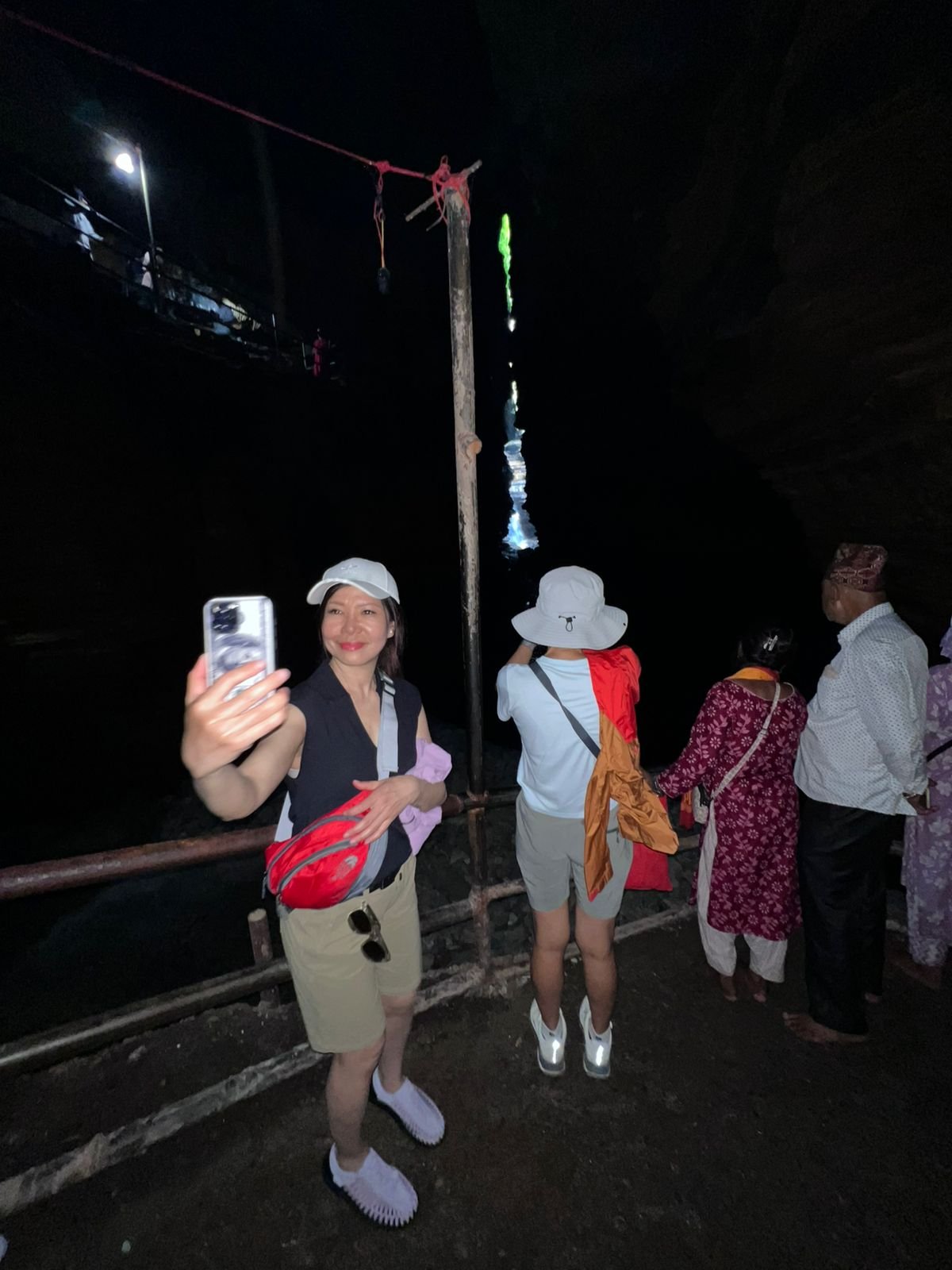
Davis Falls disappears into a narrow underground channel, while nearby Gupteshwor Mahadev Cave follows the limestone formations beneath the area.

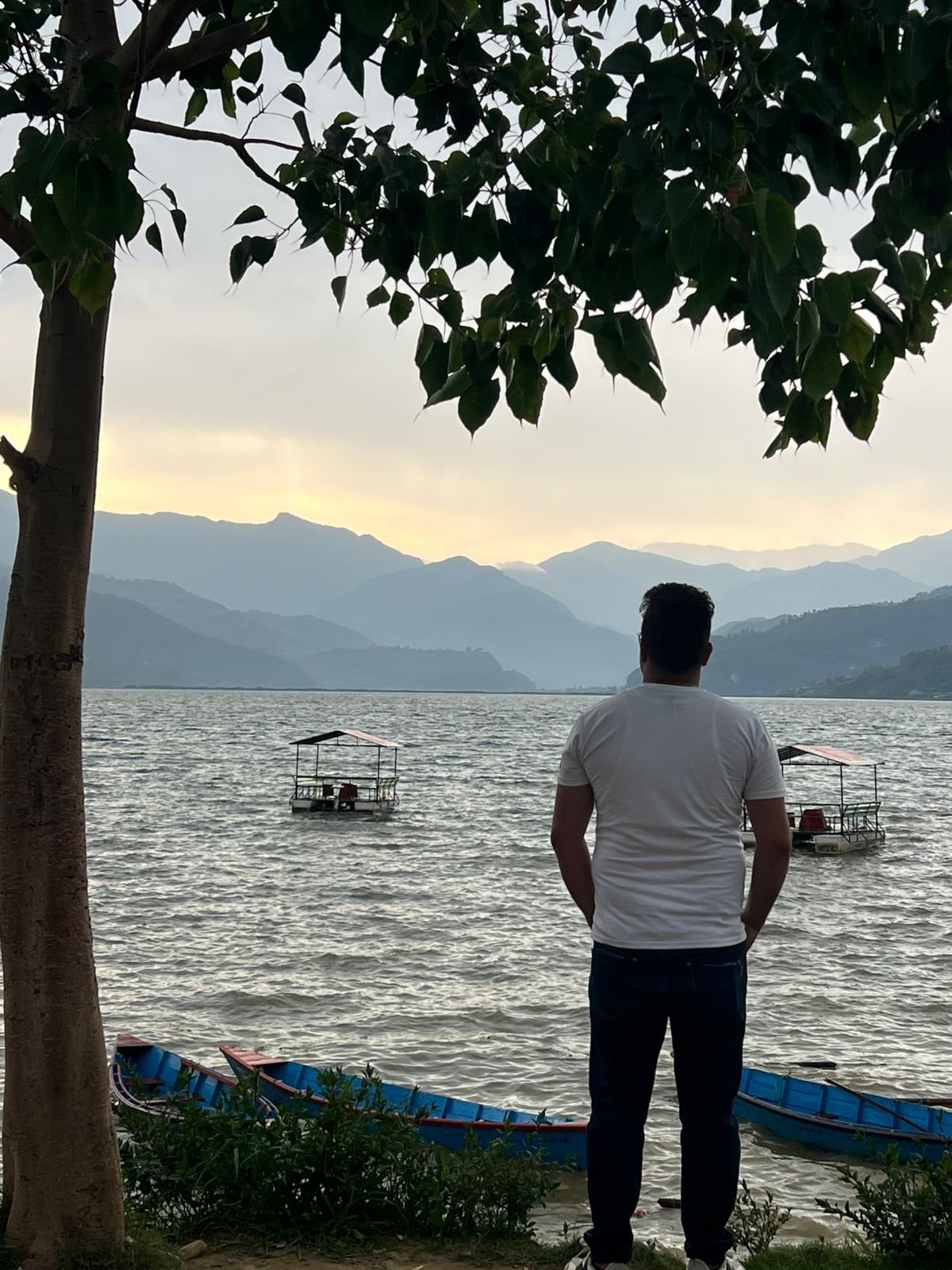
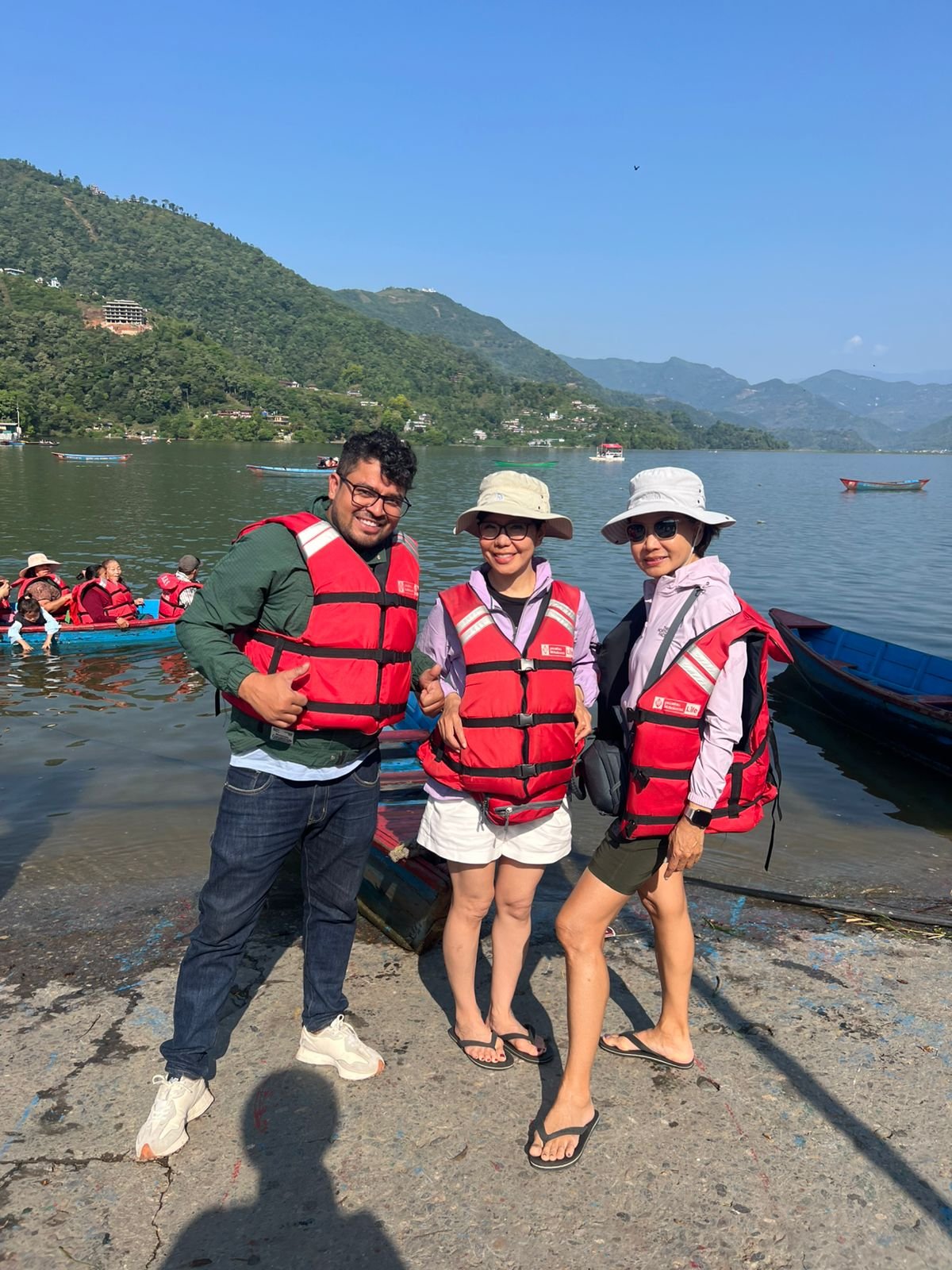
Phewa Lake provides a gentler experience, with time for boating and views toward the surrounding hills.
You will also explore World Peace Pagoda, International Mountain Museum, Seti Gorge and Bindabasini Temple.
After Pokhara, the tour returns toward Kathmandu before continuing to Nagarkot.

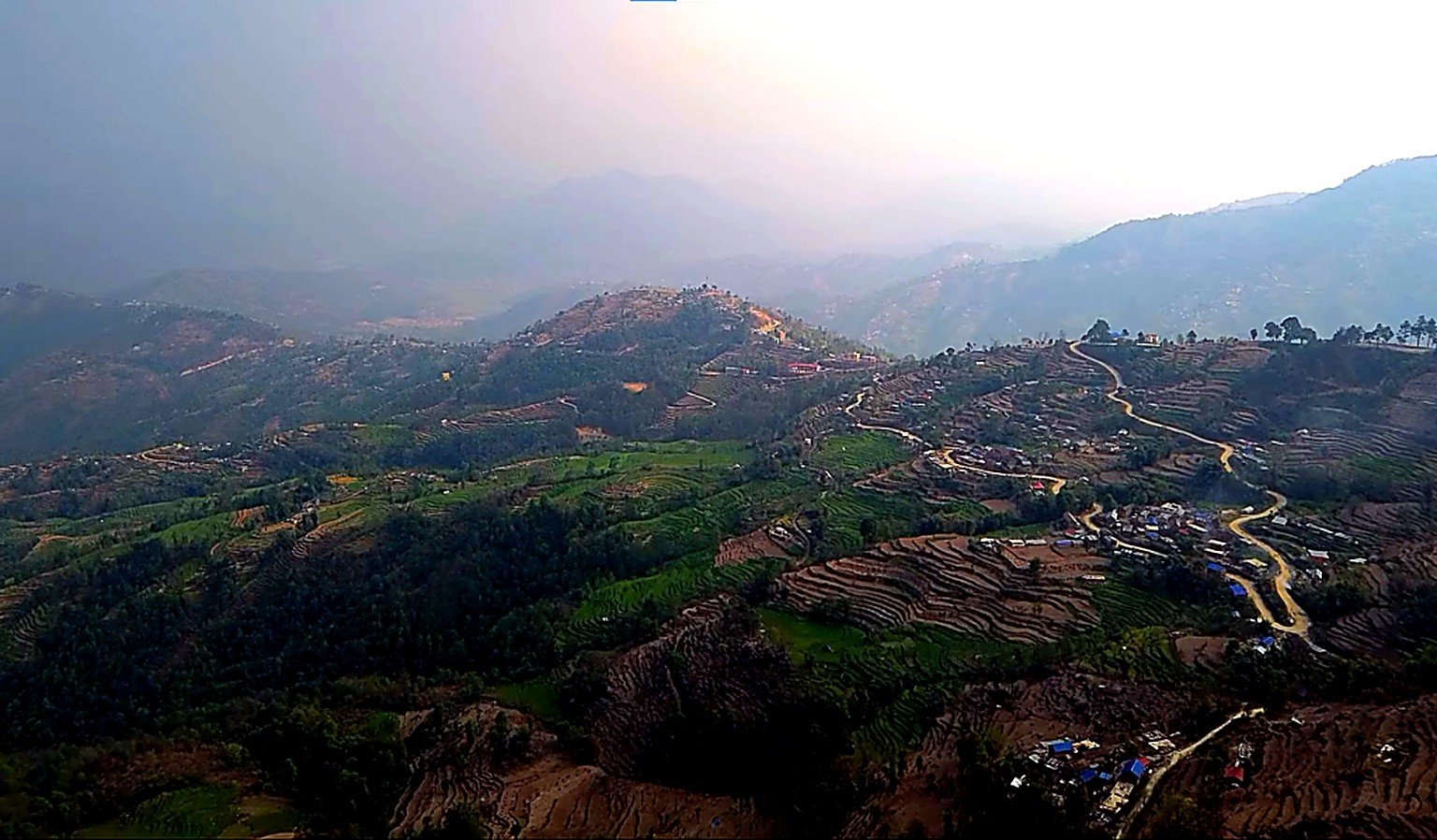
This gives the itinerary a useful change of atmosphere rather than returning directly to another busy city evening. Nagarkot sits on a high ridge on the eastern side of Kathmandu Valley, surrounded by hills, agricultural terraces and rural settlements.
The cooler environment and open views make it a natural final scenic stop.The journey to Nagarkot also adds a second perspective on the Himalayan landscape.
Pokhara provides relatively close views of the Annapurna region, while Nagarkot looks across a much broader Himalayan horizon from the edge of Kathmandu Valley.

On clear days, visitors can see a number of Himalayan peaks, although actual visibility depends on weather and atmospheric conditions.
An evening in Nagarkot allows time to experience the quieter side of the hills before the final morning of the journey.

Instead of immediately returning to Kathmandu after sunset, travellers stay in the hill environment and begin the following day with an early sunrise.
That makes the Nagarkot section feel like a genuine part of the tour rather than just another roadside viewpoint.
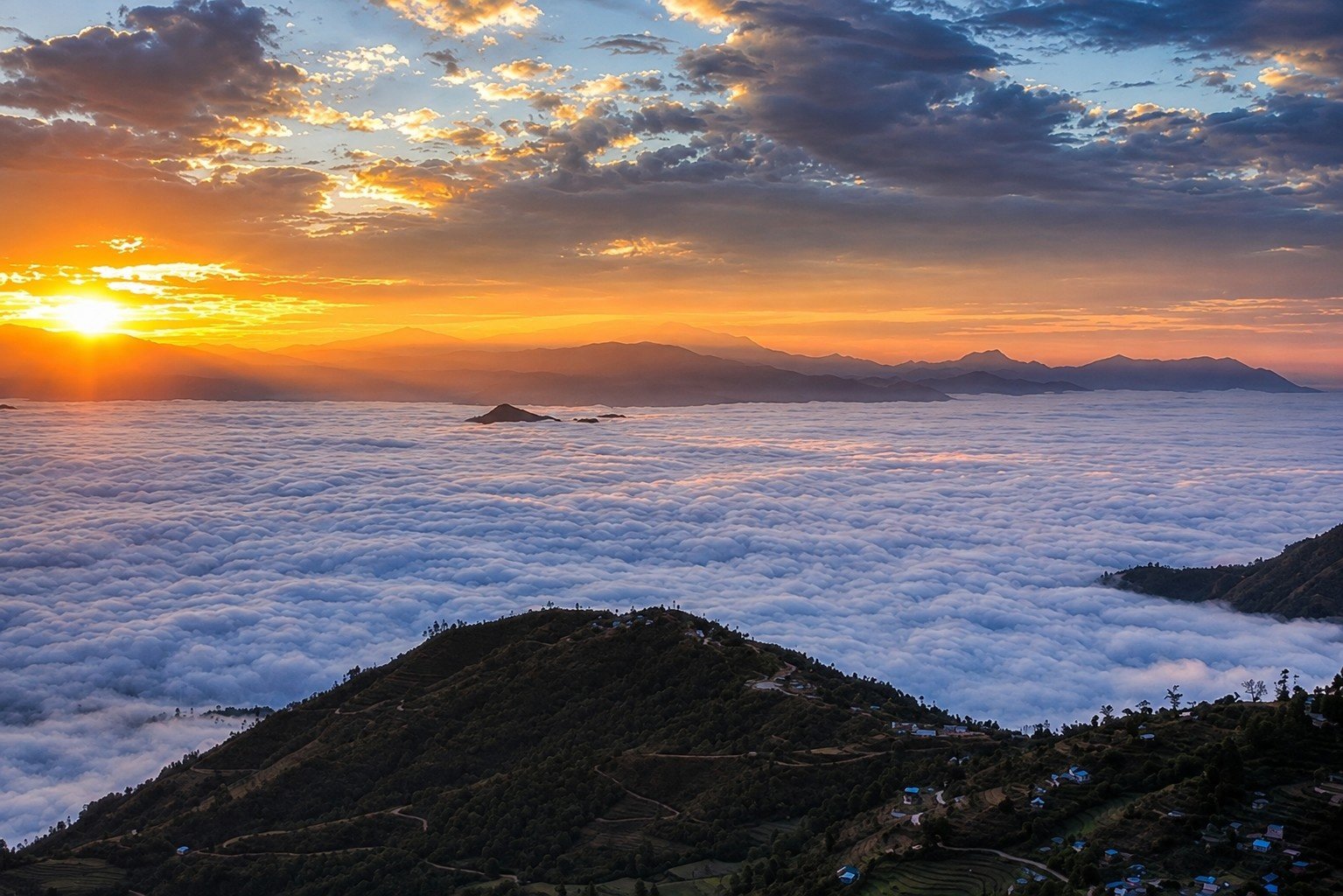
The morning begins before sunrise, giving visitors the opportunity to watch the changing colours across the Himalayan horizon before breakfast.

Afterward, the journey returns to Kathmandu, with Bhaktapur Durbar Square providing an important cultural stop along the way.
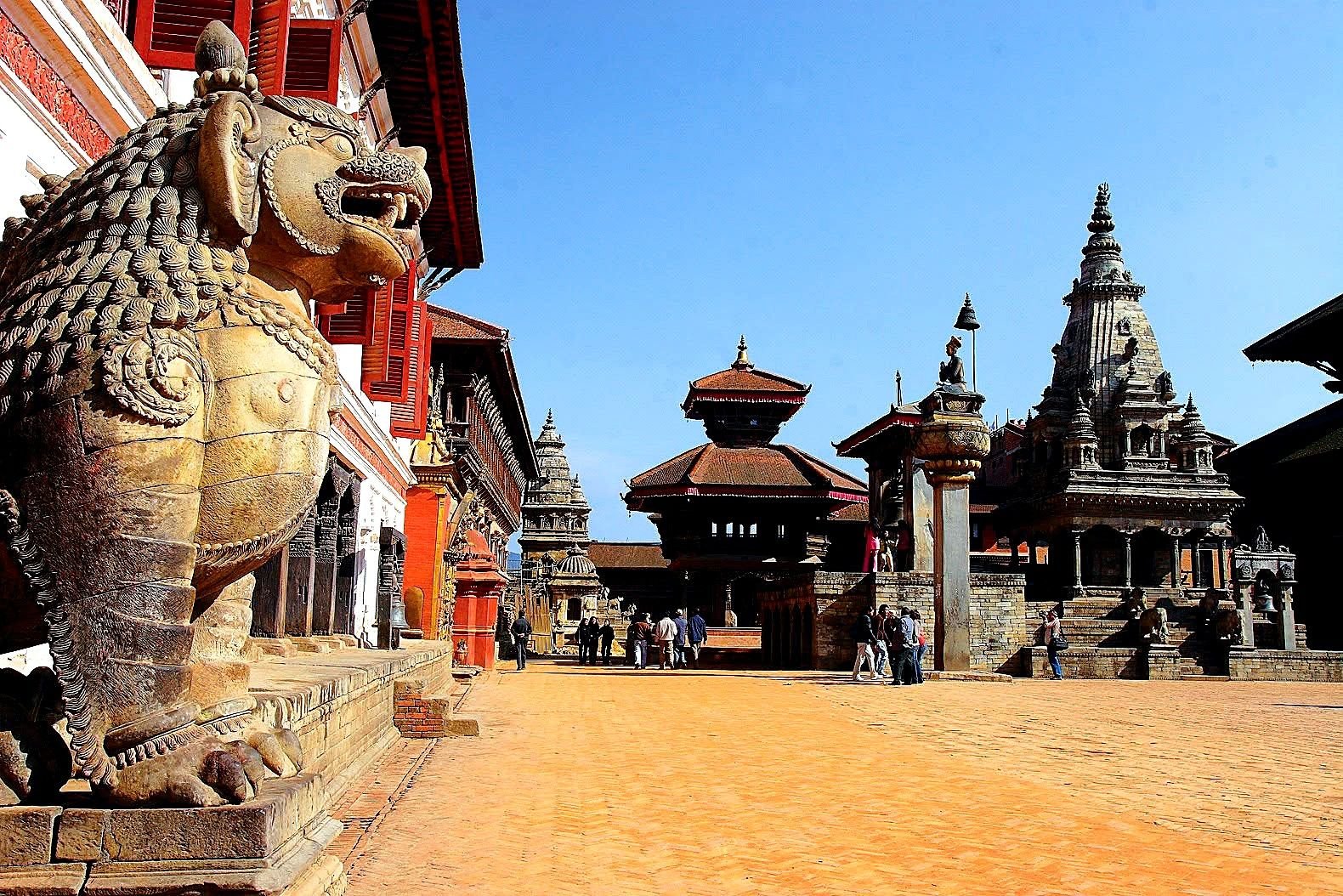
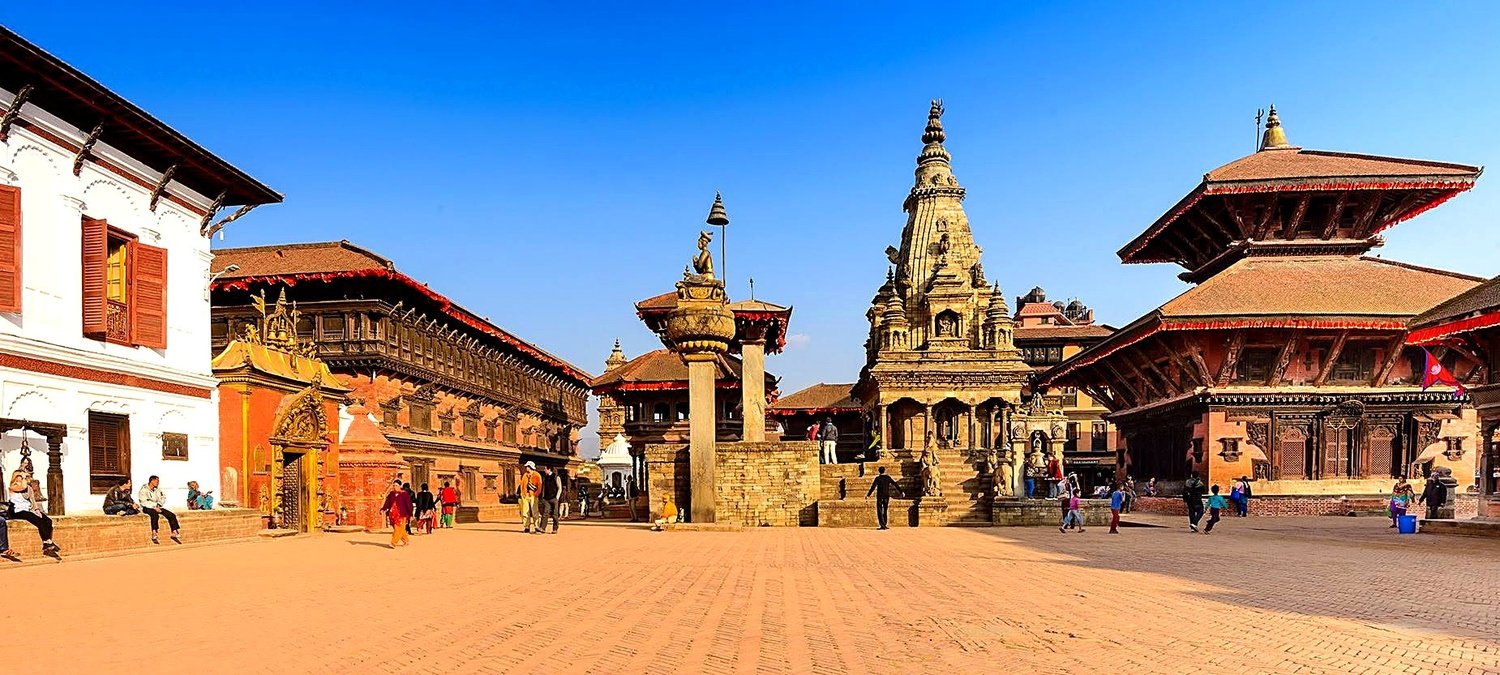
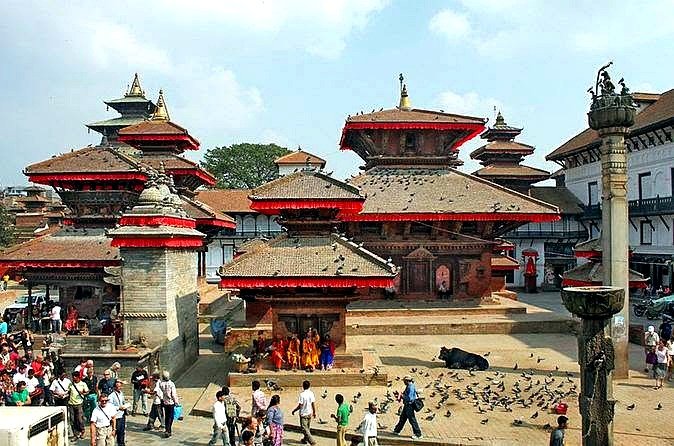
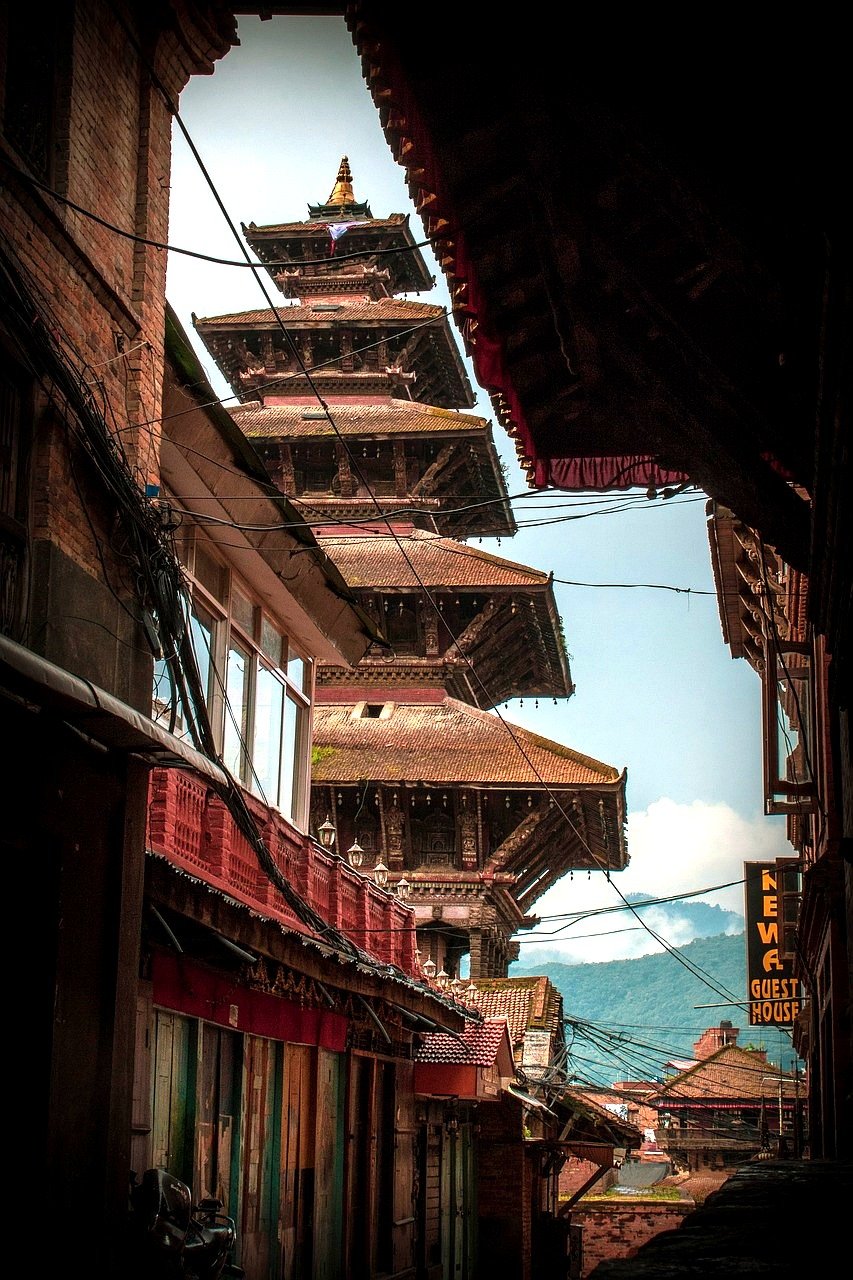
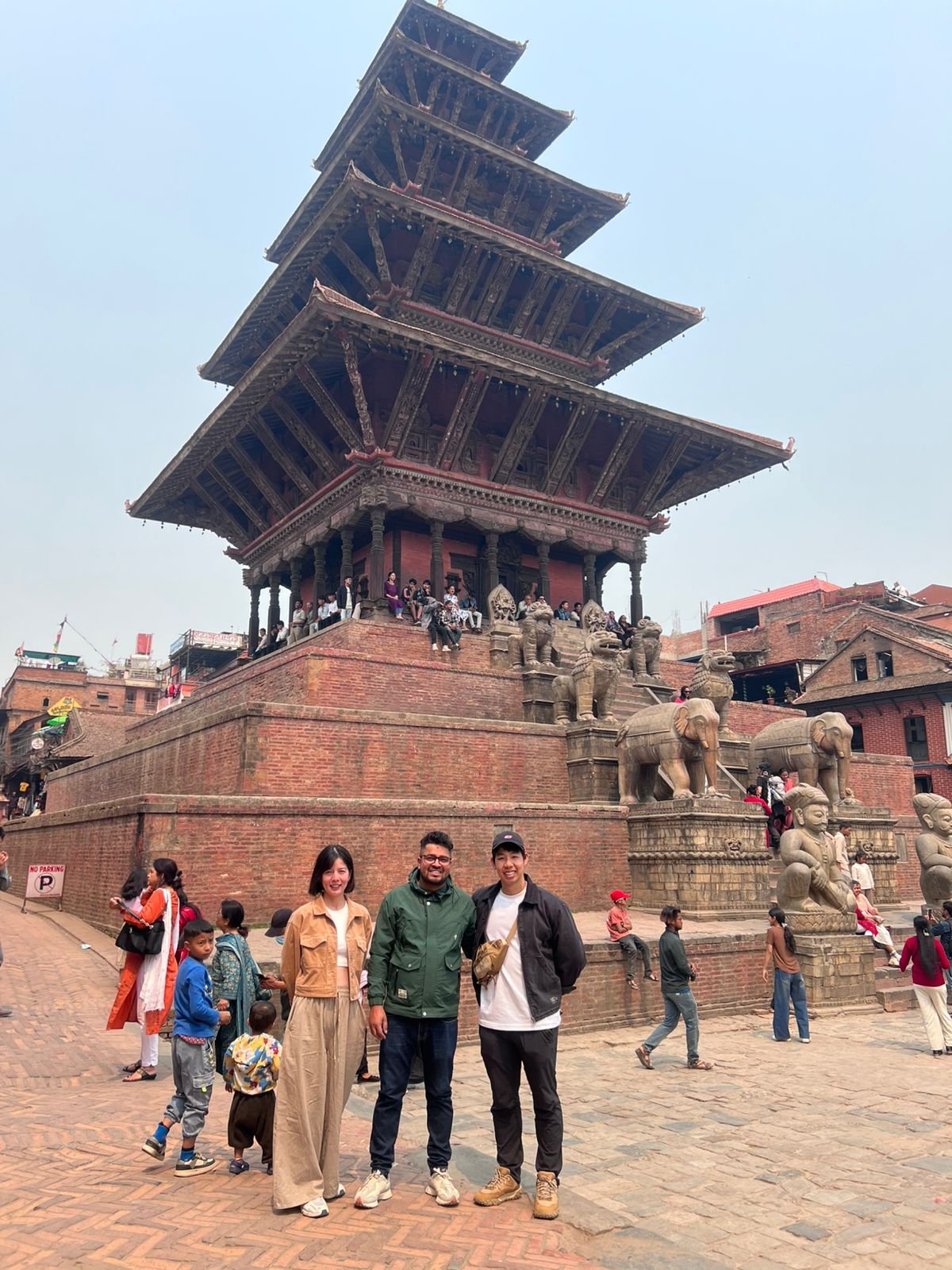
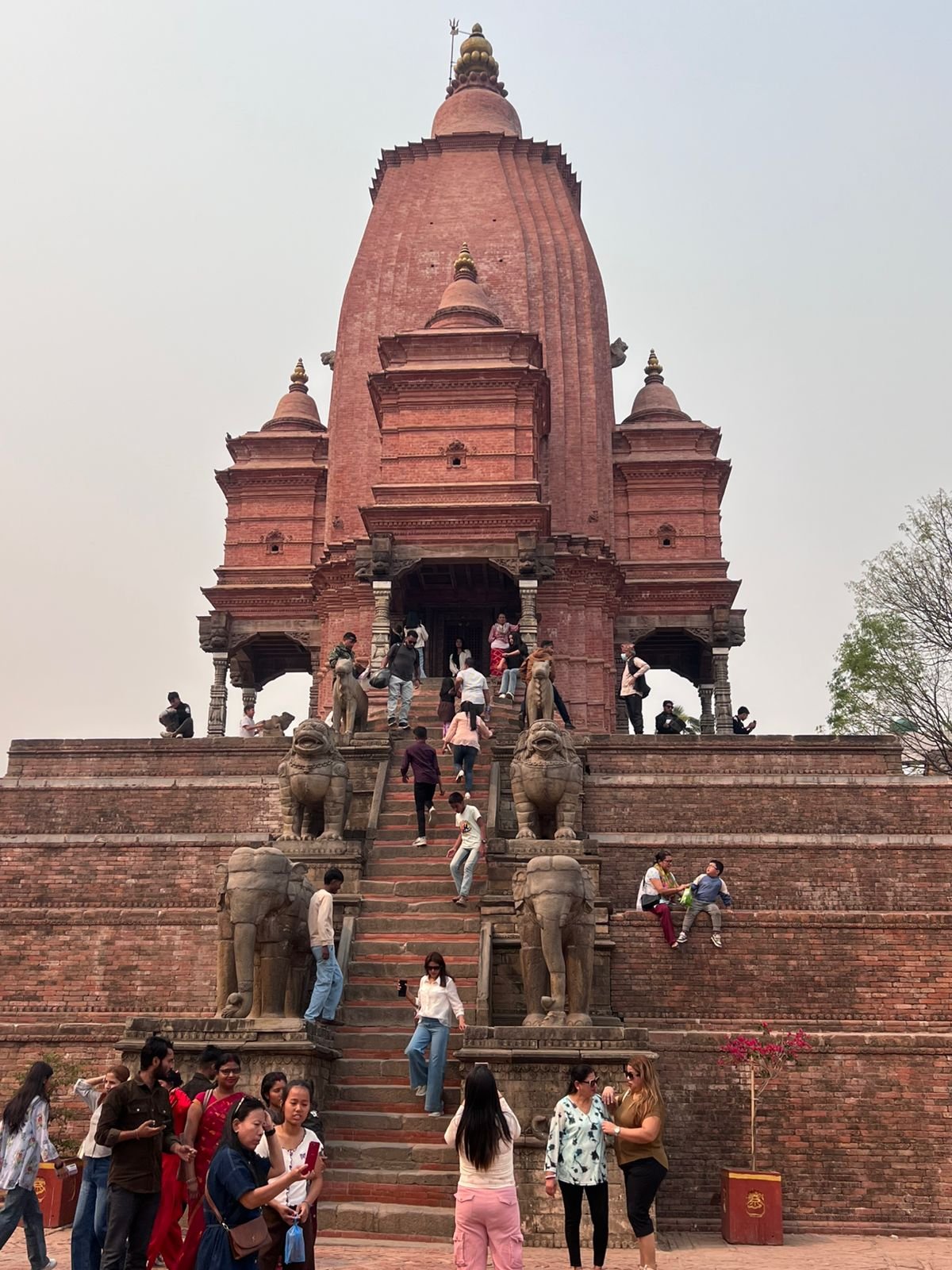
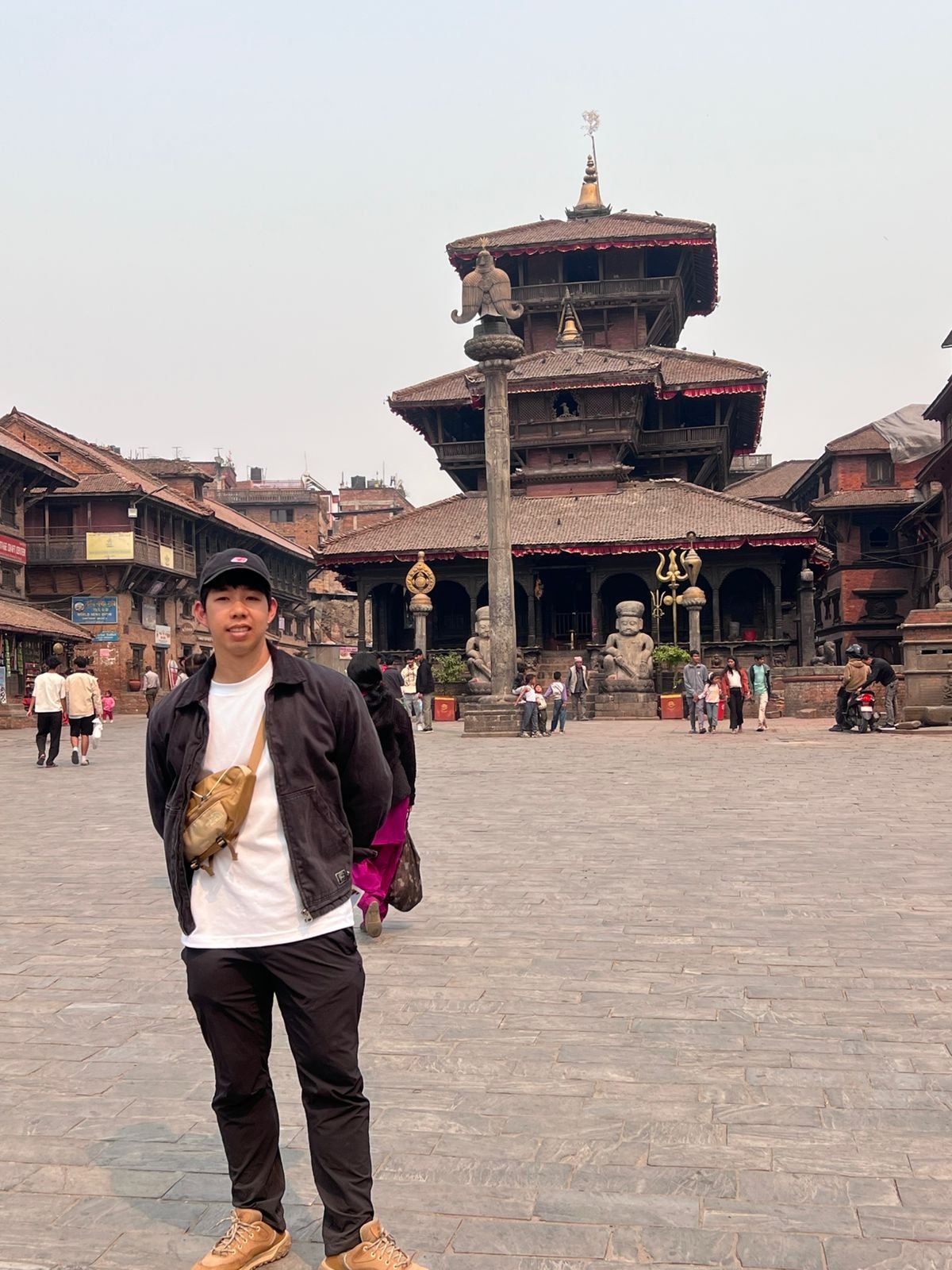
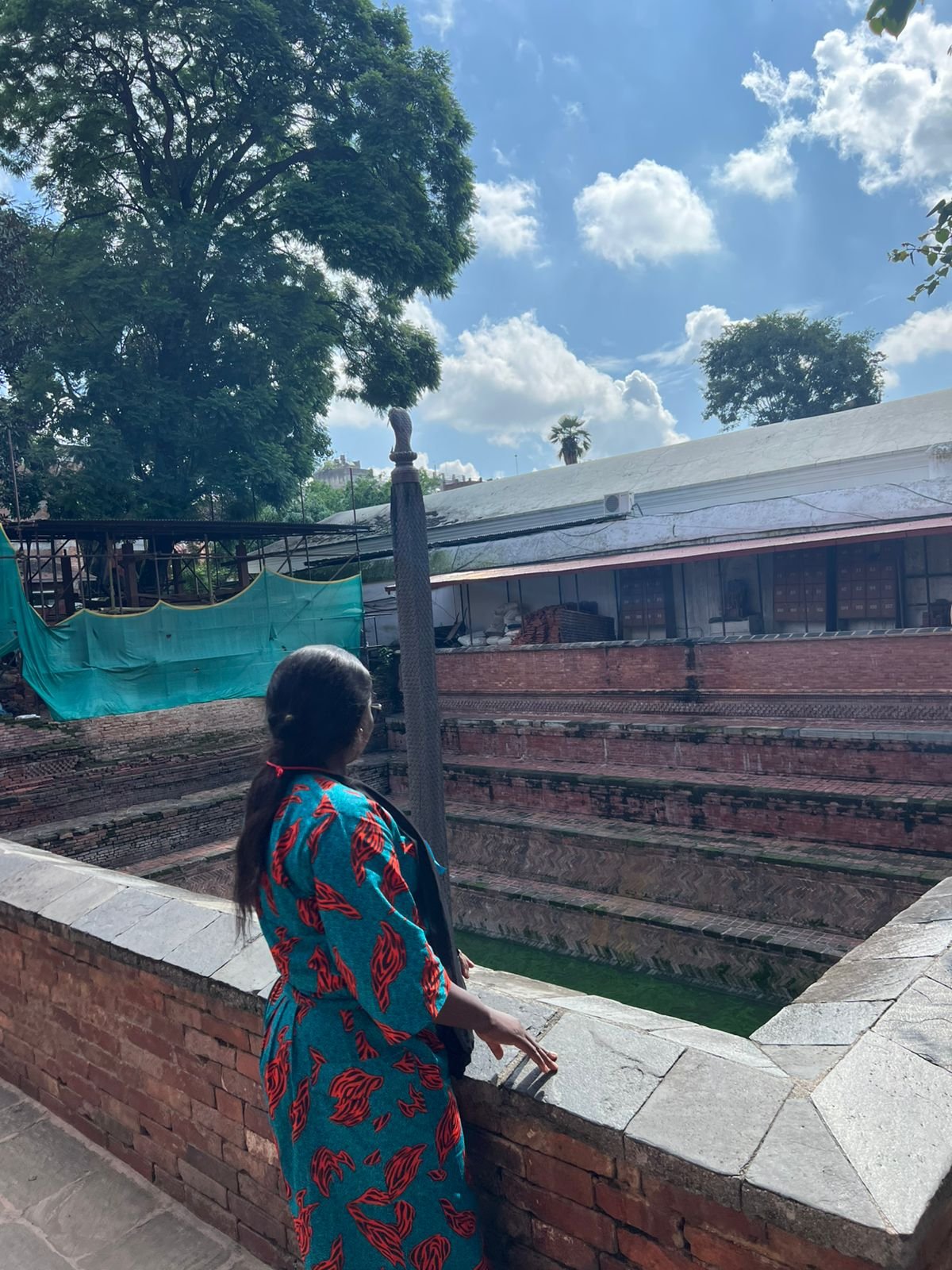
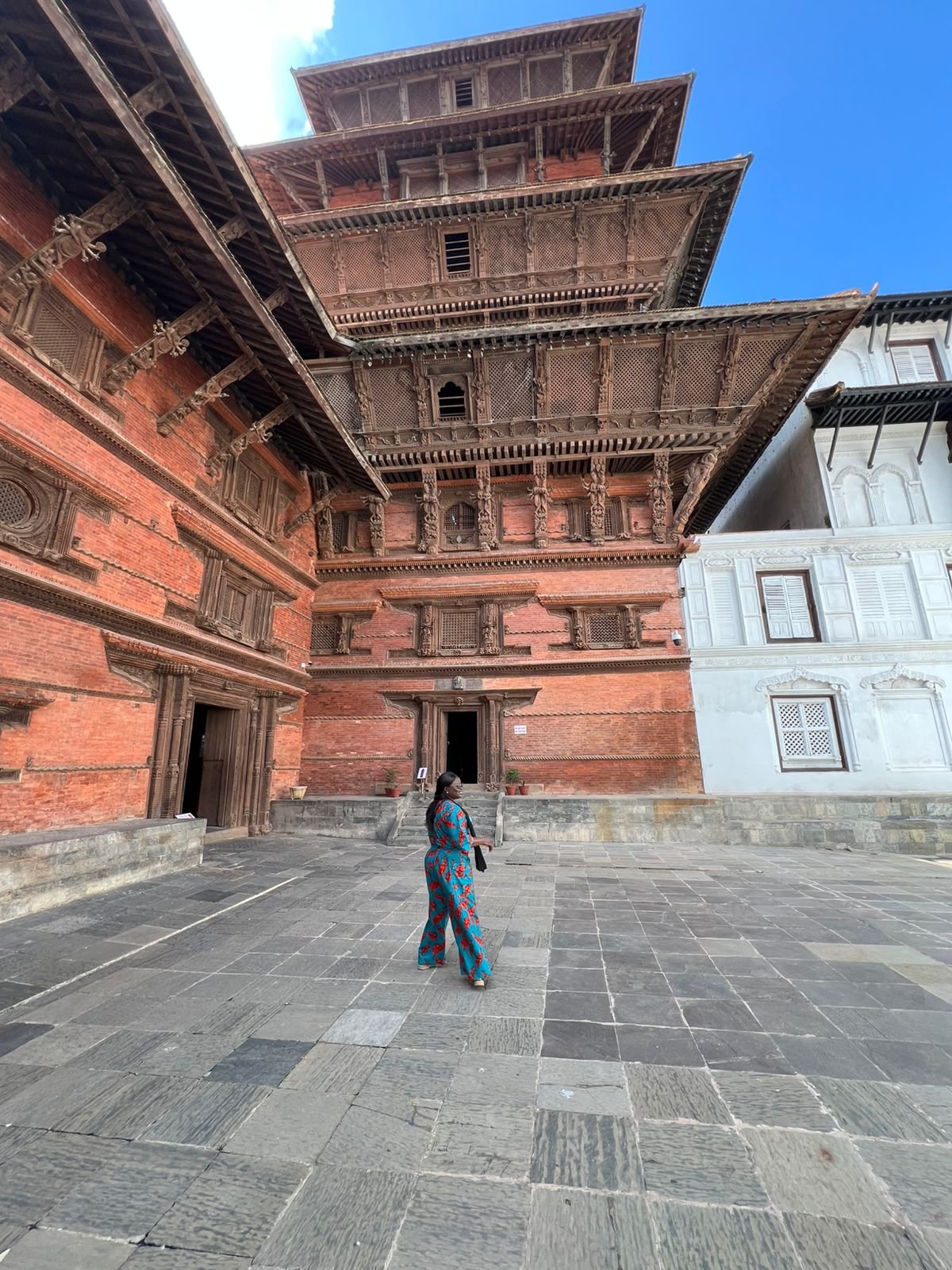
Bhaktapur is one of the historic cities of Kathmandu Valley and is particularly known for its traditional Newari architecture, palace courtyards, pagoda temples, carved wooden details and old streets.

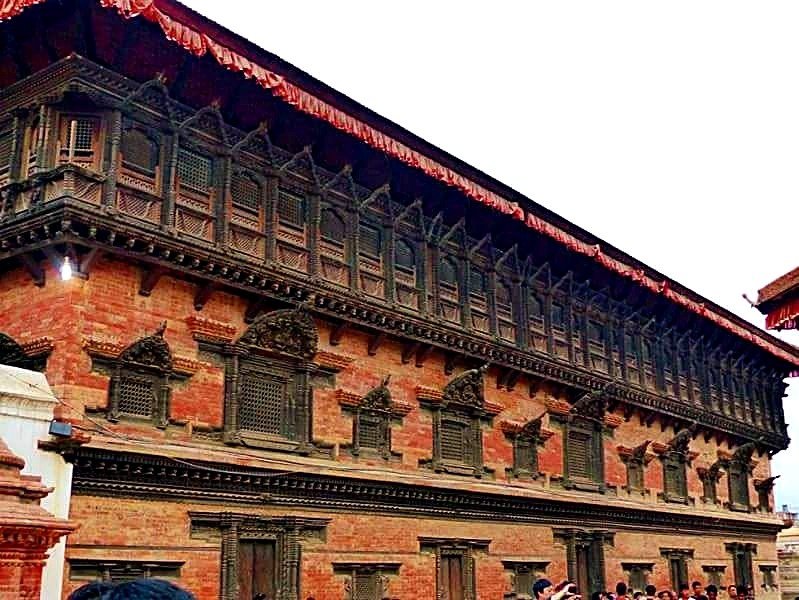
Major landmarks include Nyatapola Temple, the Golden Gate and the Palace of 55 Windows, then you will get to Kathmandu Sightseeing tour.
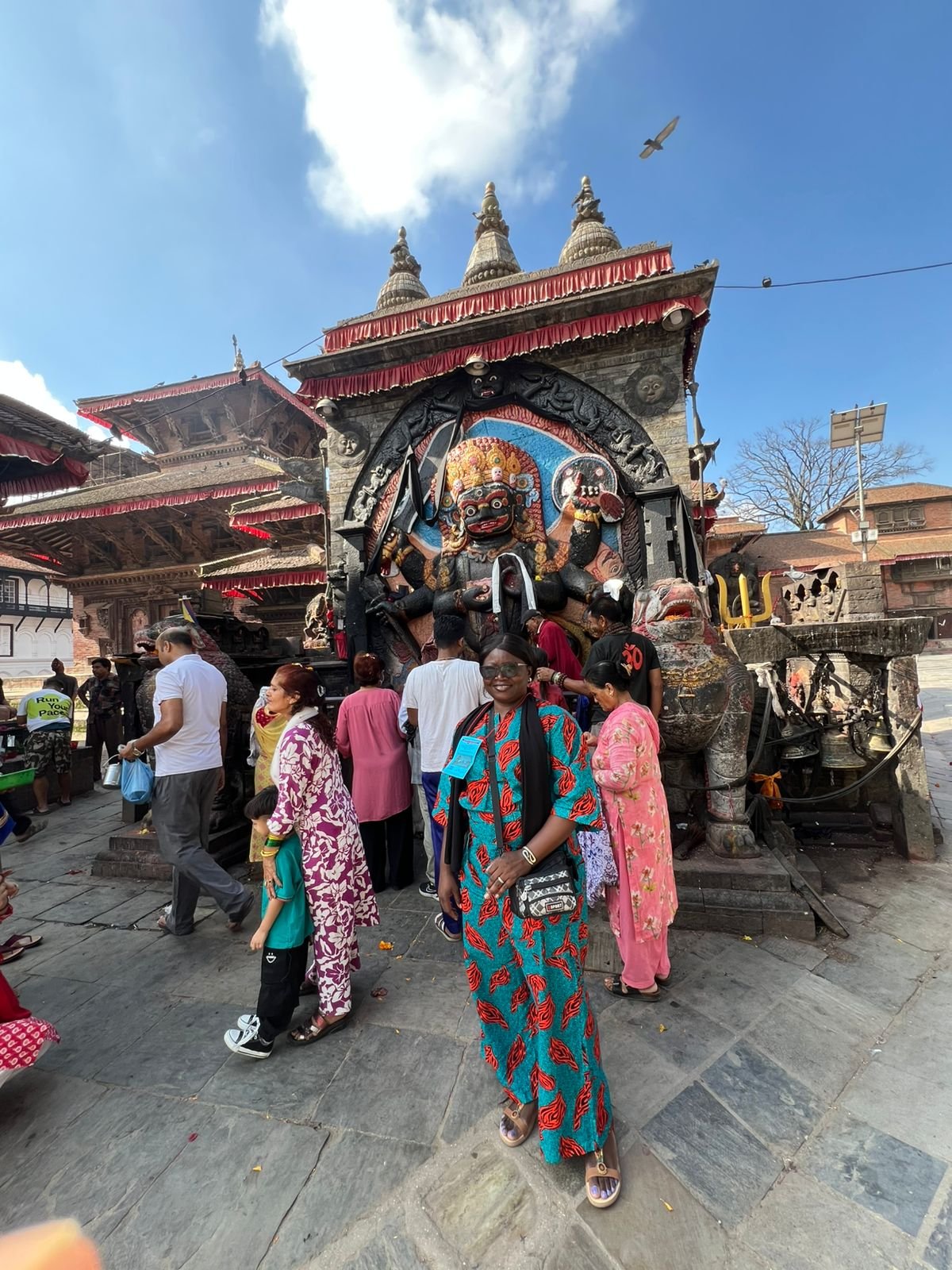
Although the city is now busy and modern, its older neighbourhoods remain filled with temples, stupas, courtyards, carved wooden buildings and traditional religious spaces.

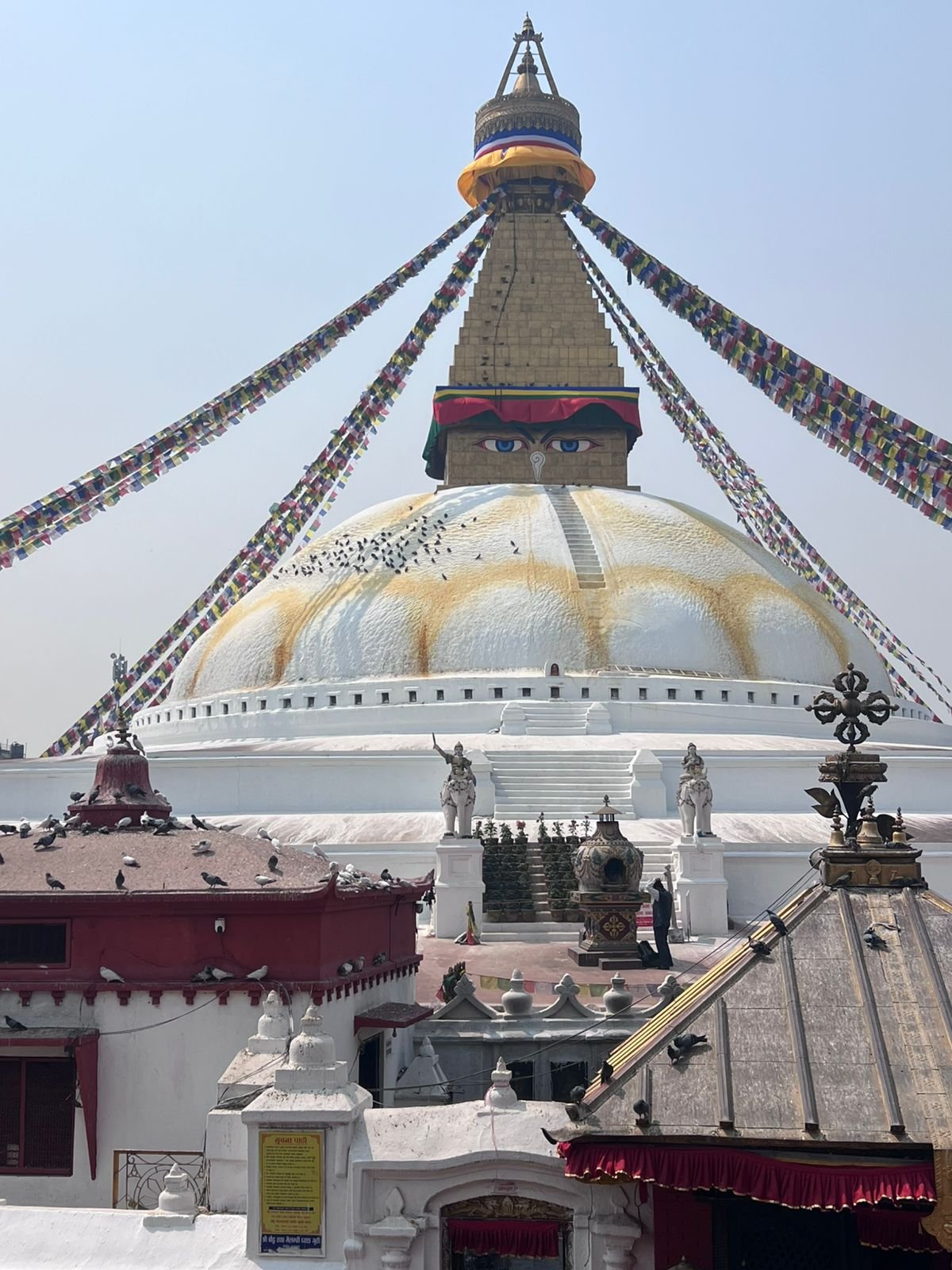
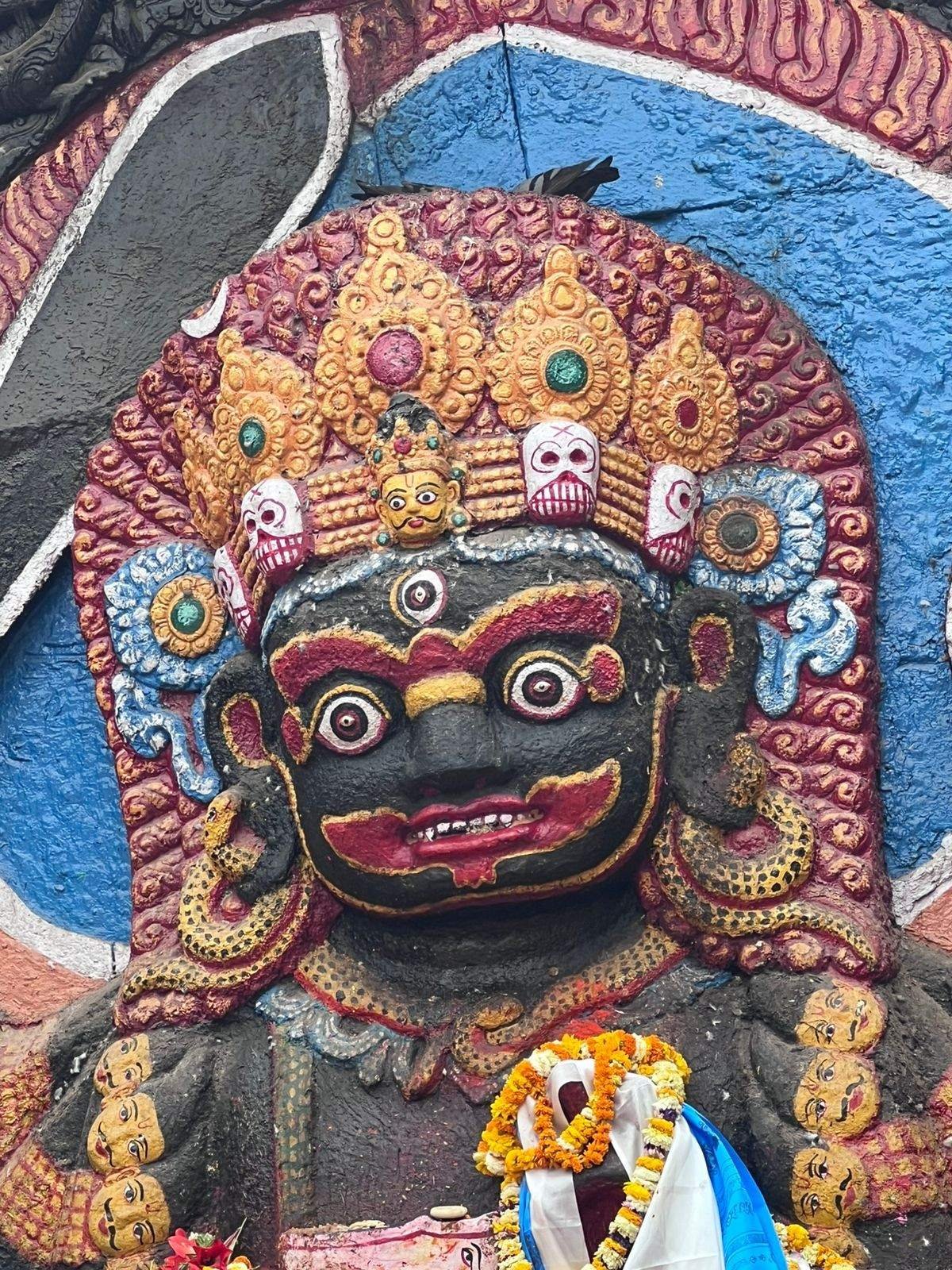
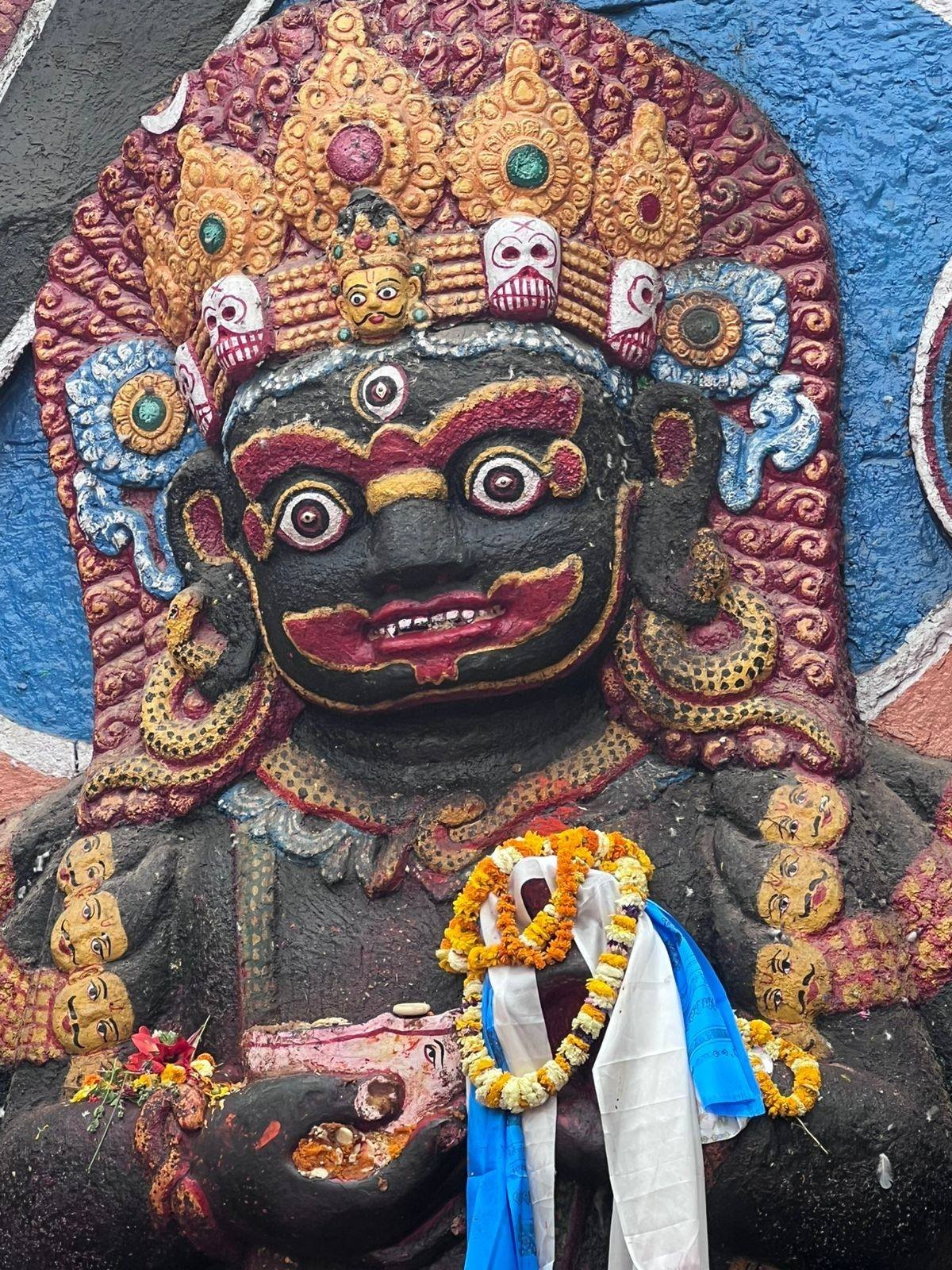
The sightseeing program introduces some of the valley’s most important landmarks, including Pashupatinath Temple, Boudhanath Stupa and Swayambhunath Stupa.
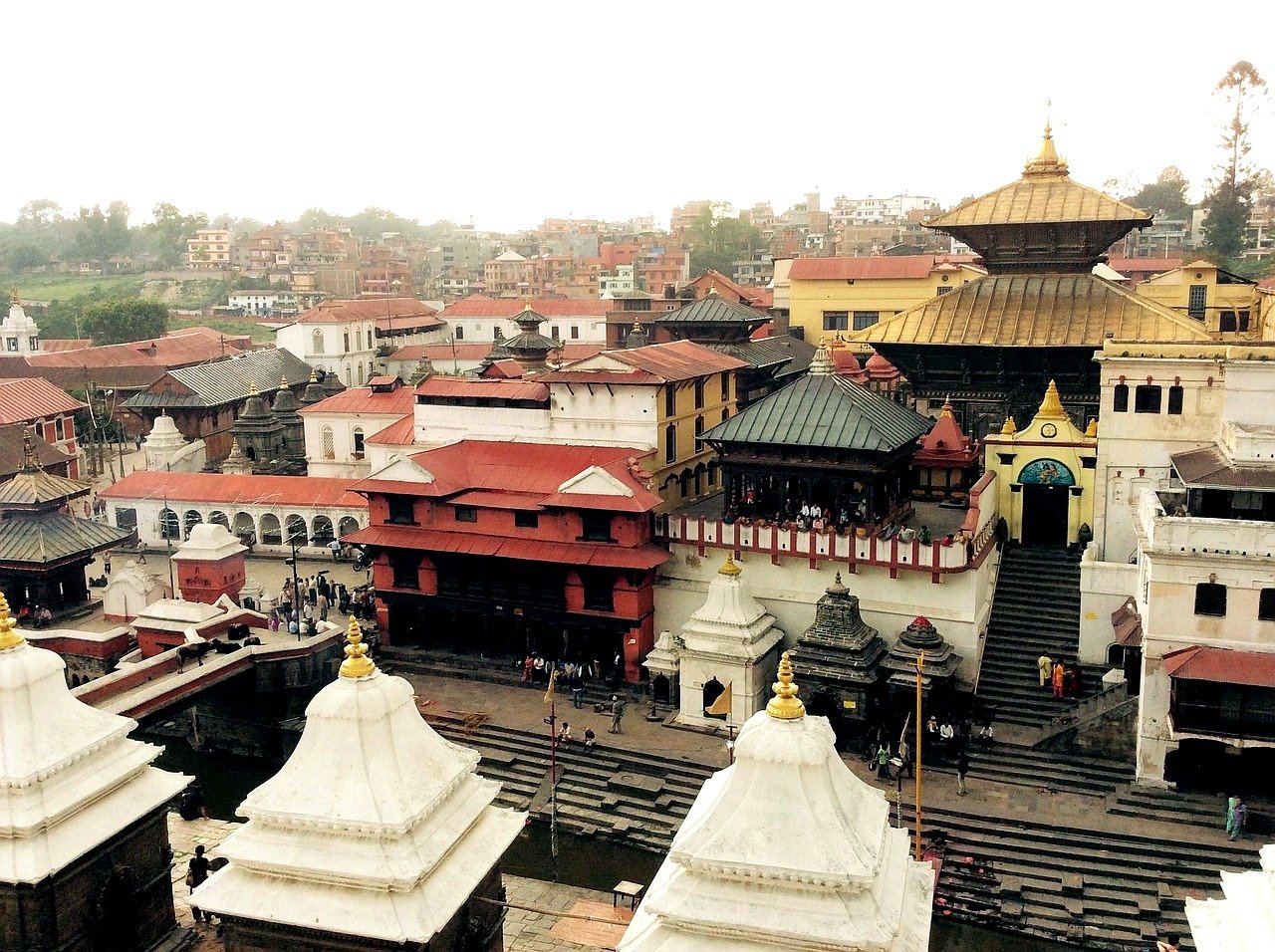
At Pashupatinath, visitors encounter one of Nepal’s most important Hindu pilgrimage complexes beside the Bagmati River.

The temple compound contains numerous shrines, statues and ritual spaces, while the riverside ghats remain part of active religious life.
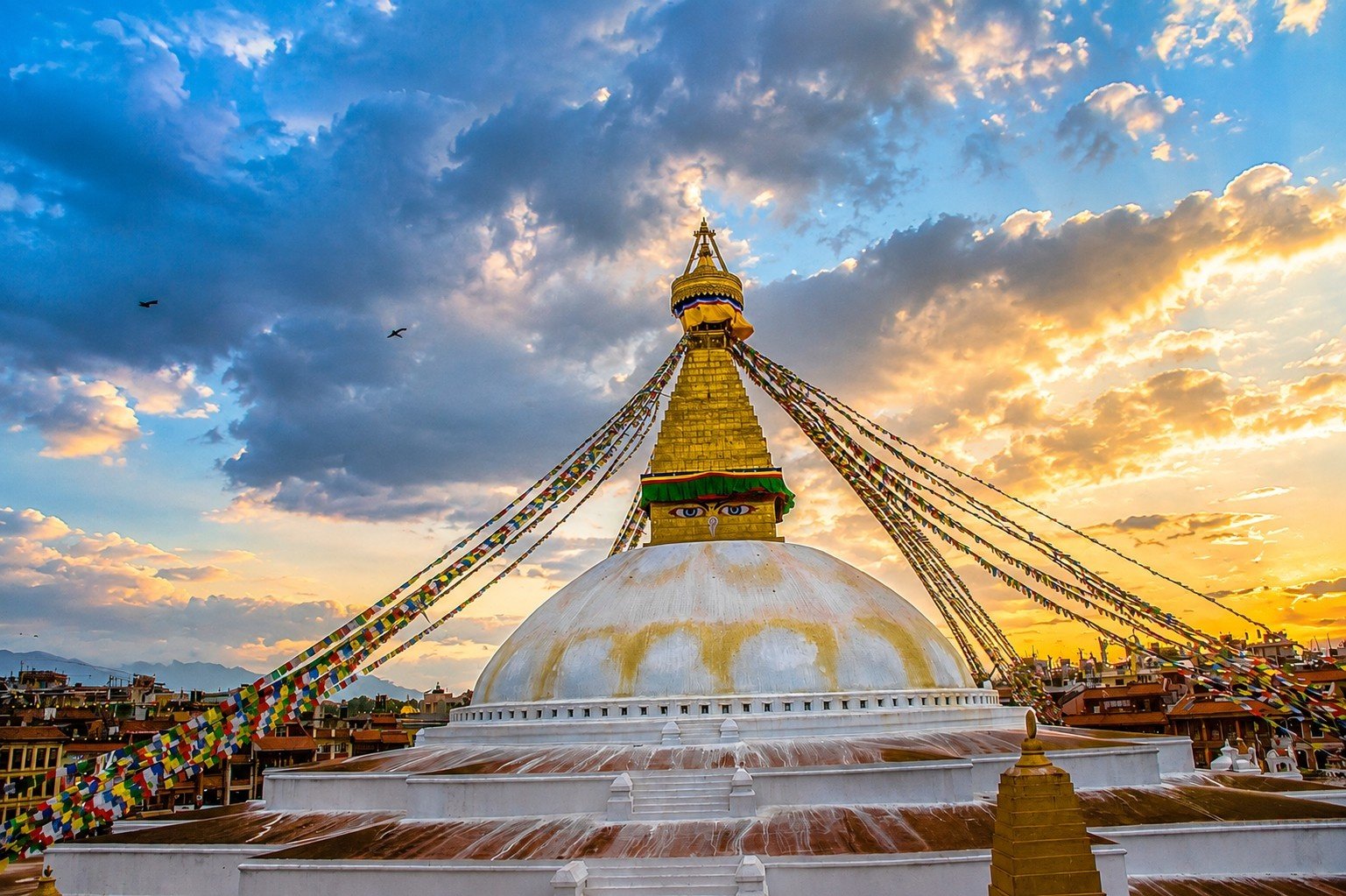
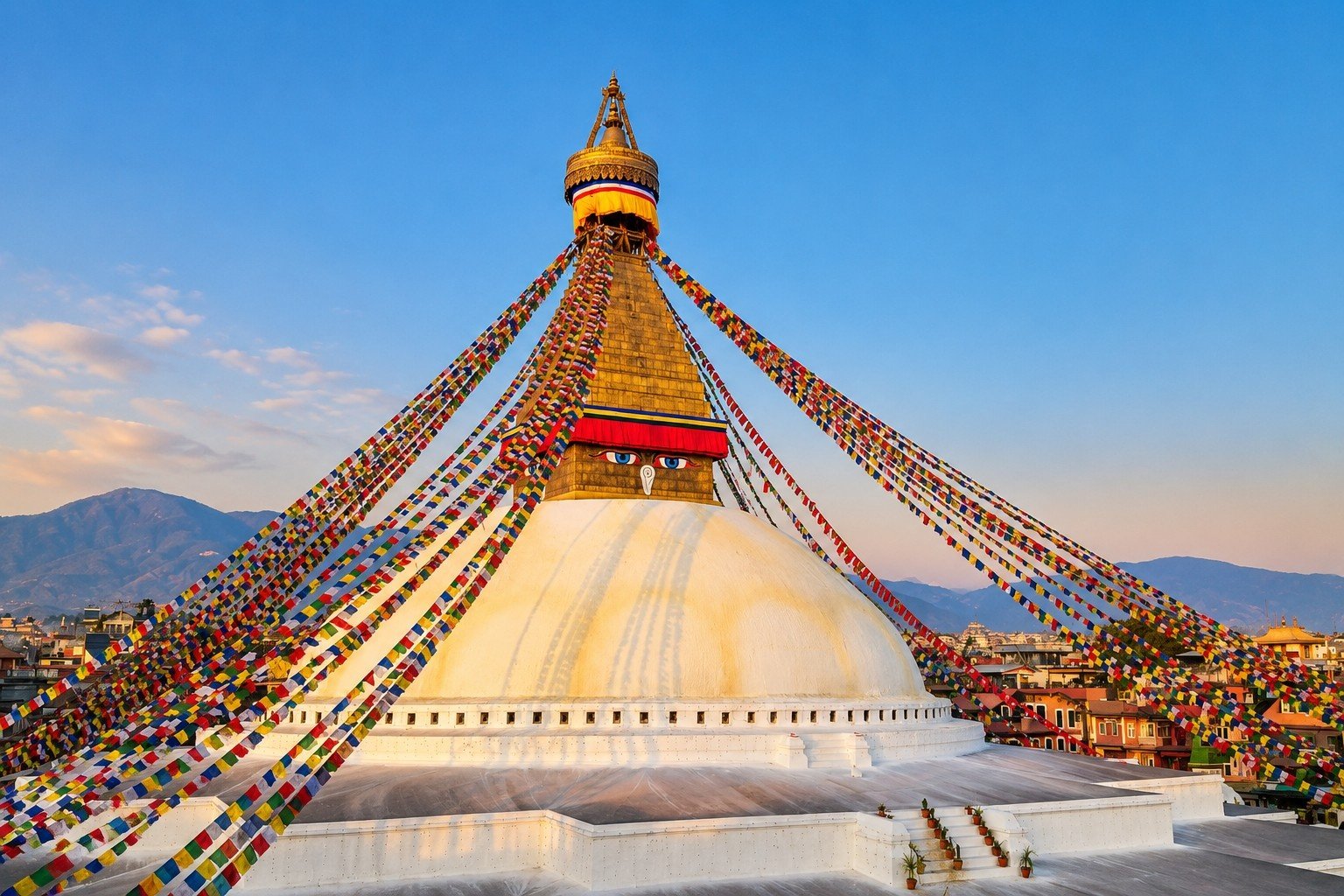
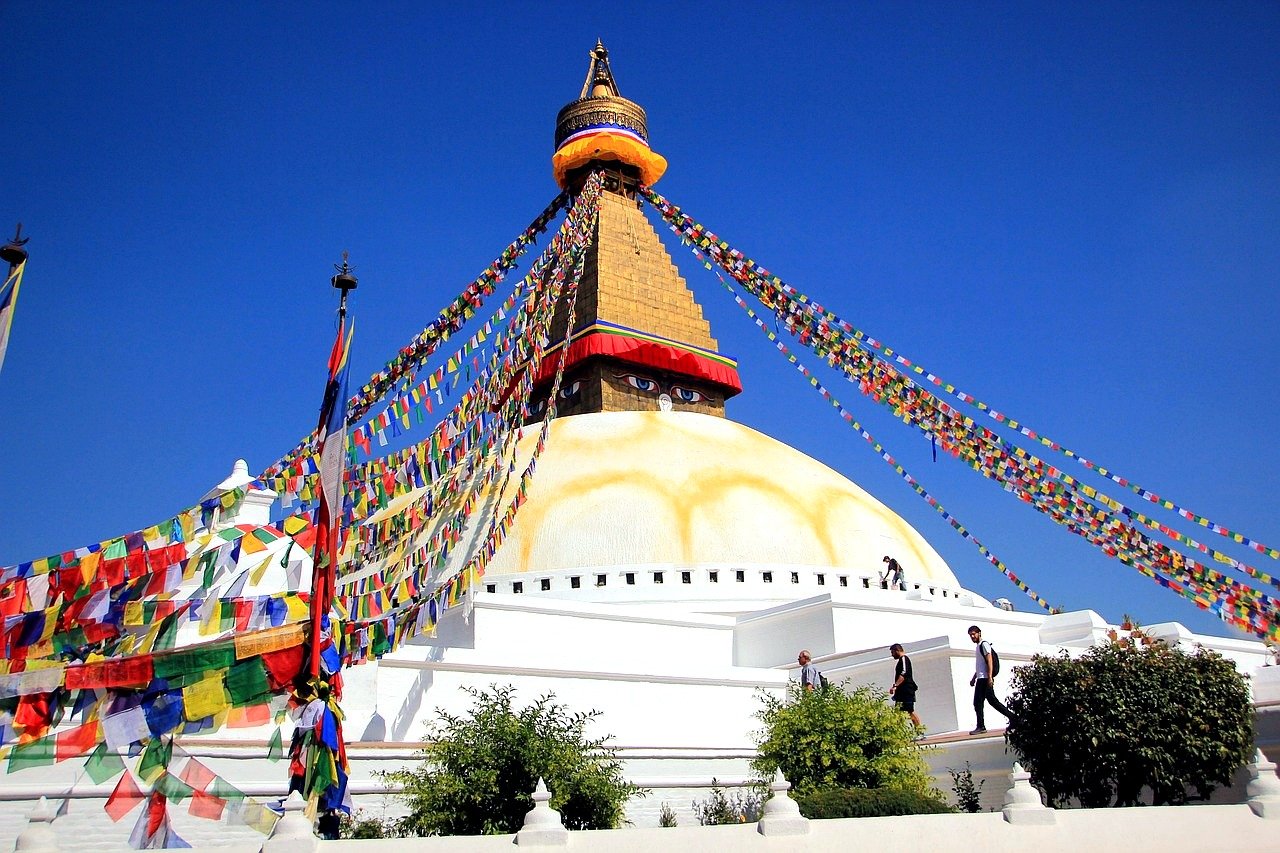
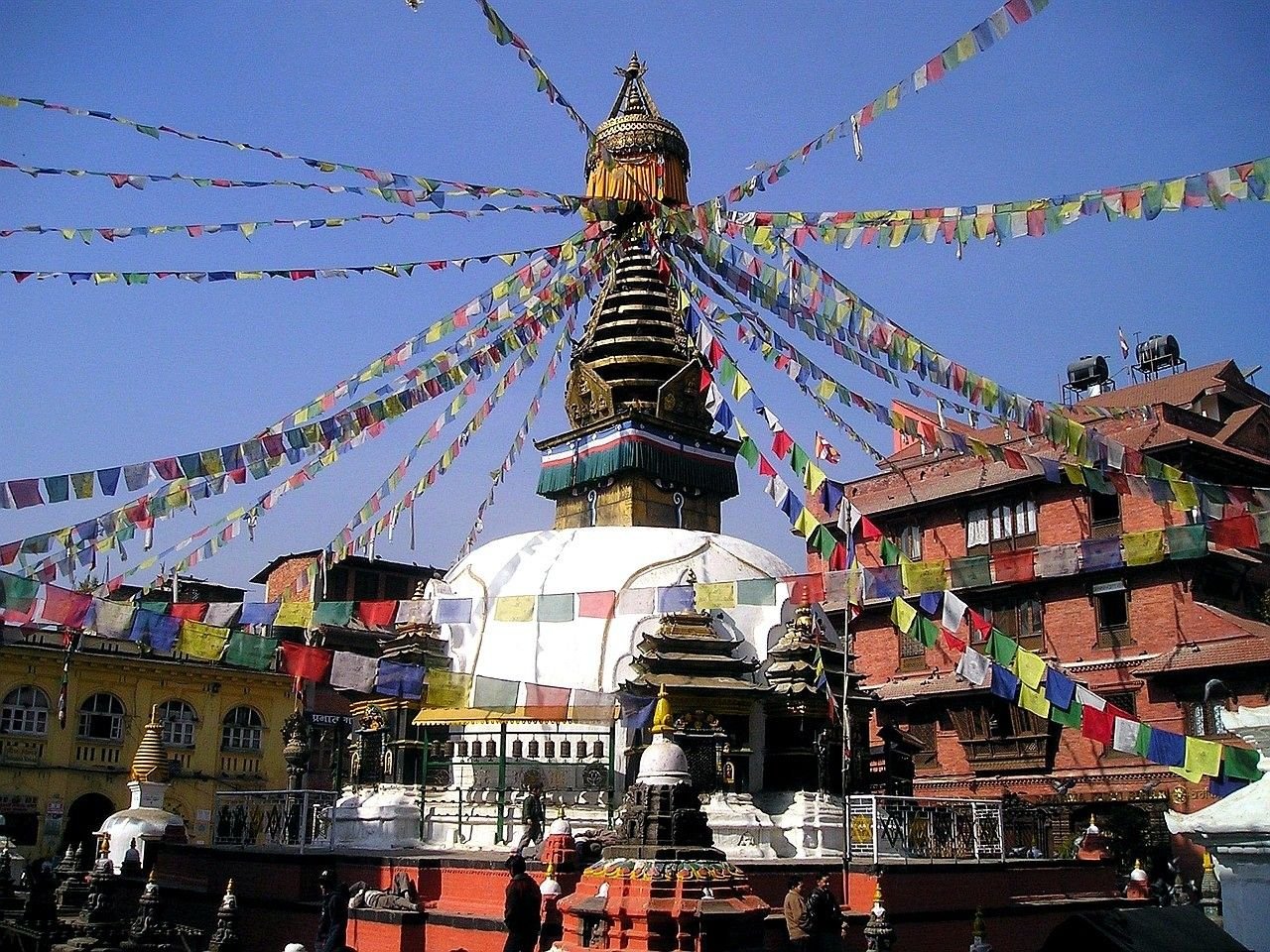
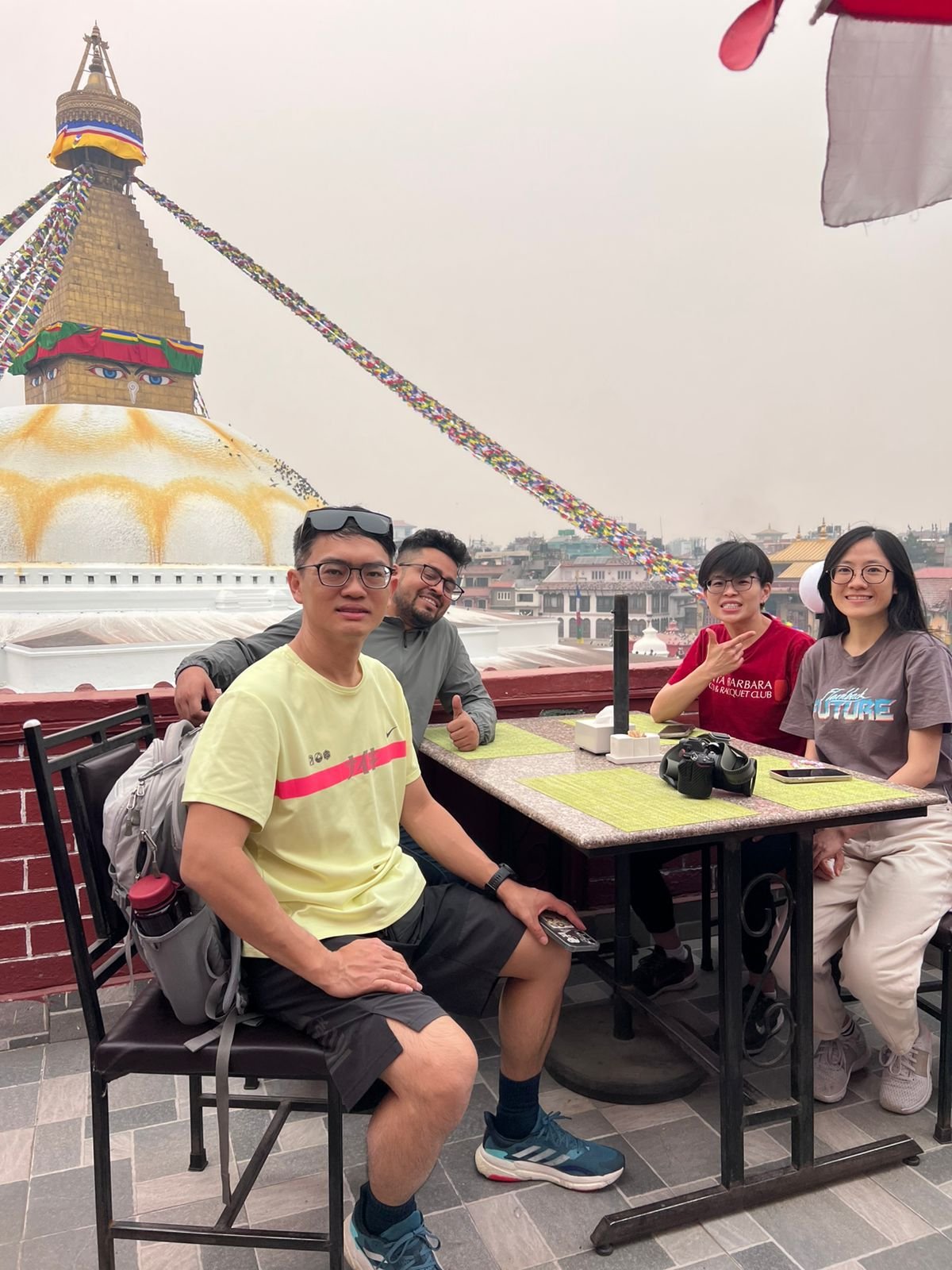
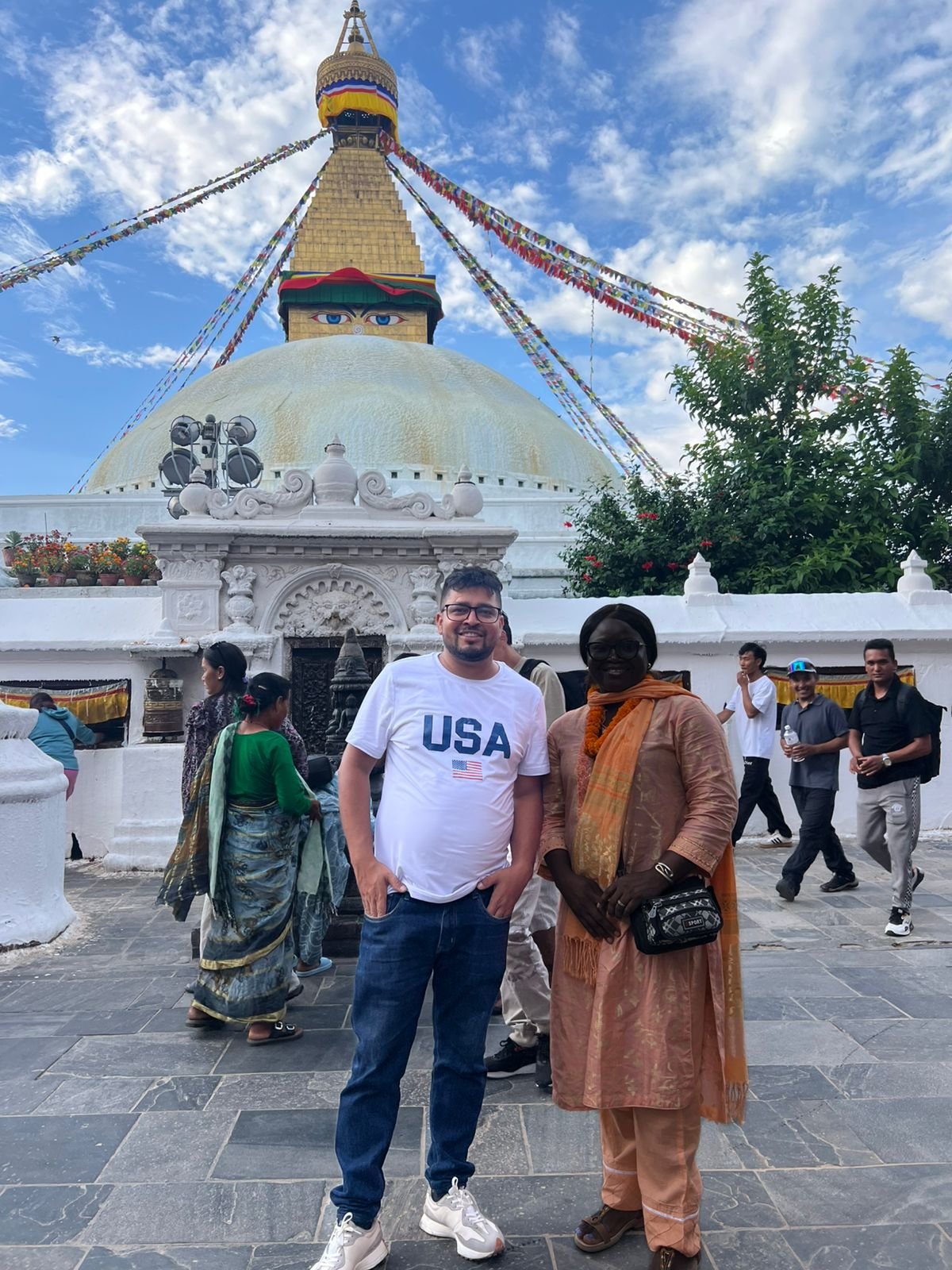
Boudhanath offers a completely different atmosphere, with its enormous white stupa surrounded by monasteries, prayer wheels, traditional shops and Tibetan Buddhist communities.

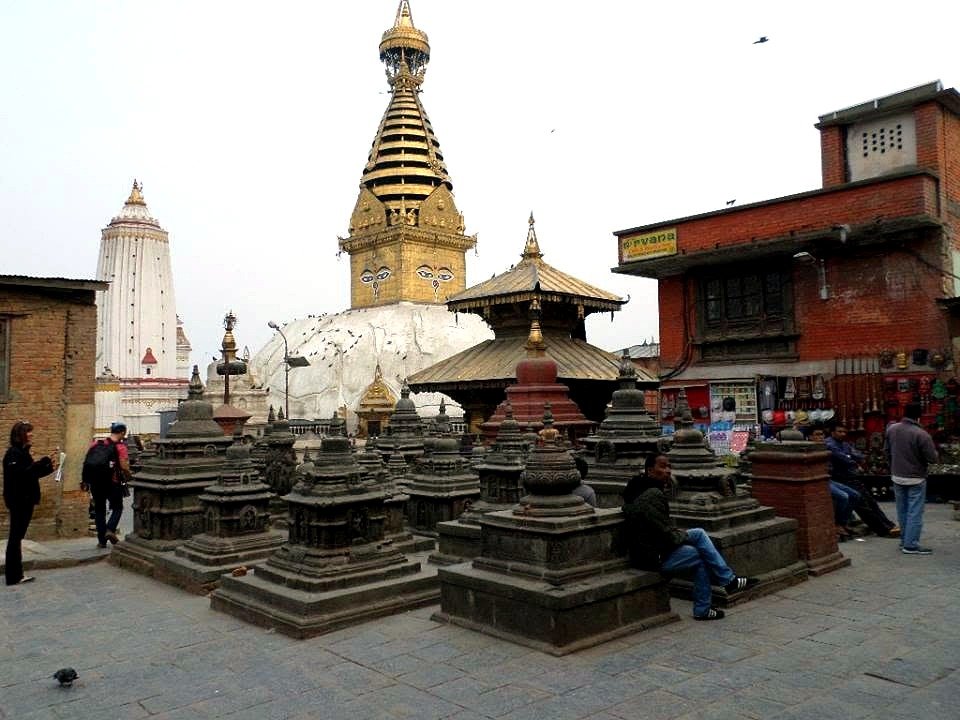
Swayambhunath, meanwhile, sits on a hill above Kathmandu and combines a historic Buddhist stupa with shrines, prayer wheels and wide views over the valley.
These sites together give the tour a useful introduction to Nepal’s Hindu and Buddhist traditions.
The final evening in Kathmandu gives you time to enjoy the city at a more relaxed pace. There is an opportunity for shopping, local food and a final walk around Thamel before departure the following day.

What makes the Nepal Beauty Tour different from a simple Kathmandu and Pokhara package is this combination of three distinct environments.
Kathmandu provides history and religion, Pokhara brings lakes and close Himalayan scenery, and Nagarkot introduces a quieter hilltop setting and sunrise experience.

The route therefore avoids spending the entire trip in one type of landscape while still remaining practical within six days.
The tour is also deliberately easy in terms of physical demands. It involves sightseeing, road travel, short walks around heritage monuments, hill viewpoints and natural attractions rather than strenuous trekking.

This makes it suitable for families, couples, first-time visitors and travellers who want to experience Nepal’s cultural and natural highlights without committing to a multi-day mountain trek.
For someone visiting Nepal for the first time, six days is not enough to see everything the country offers, and this itinerary does not attempt to do so.

Instead, it focuses on a carefully connected selection of places that demonstrate why Nepal is much more than its mountains alone.
Ancient temples, Buddhist stupas, traditional Newari cities, winding hill roads, peaceful lakes, sunrise viewpoints and the Himalayan skyline are all part of the same journey.
Nepal Beauty Tour Highlights
| Category | Details |
|---|---|
| Duration | 6 Days / 5 Nights |
| Tour Type | Cultural, Scenic and Sightseeing Tour |
| Start and End | Kathmandu to Kathmandu |
| Main Destinations | Kathmandu, Pokhara and Nagarkot |
| Maximum Overnight Elevation | Nagarkot – approximately 2,175 m |
| Activity Level | Easy |
| Accommodation | Three-Star Hotels or Similar Tourist Standard Accommodation |
| Primary Experiences | Heritage sightseeing, Himalayan viewpoints, lake boating, natural attractions and local culture |
| Best For | Families, couples, first-time visitors and travellers with limited time |
Major Destinations and Attractions
| Destination | Main Attractions | Experience |
|---|---|---|
| Kathmandu | Pashupatinath, Boudhanath, Swayambhunath and selected heritage areas | Hindu and Buddhist heritage, historic architecture and city culture |
| Pokhara | Phewa Lake, Sarangkot, Davis Falls, Gupteshwor Cave, Seti Gorge and World Peace Pagoda | Lakeside scenery, Himalayan views and natural attractions |
| Bhaktapur | Bhaktapur Durbar Square, Nyatapola Temple, Golden Gate and Palace of 55 Windows | Newari architecture, traditional streets and historic city life |
| Nagarkot | Sunset, sunrise, hill scenery and Himalayan viewpoints | Peaceful hill environment and panoramic mountain scenery |
Kathmandu and Pokhara Experience
| Experience | Kathmandu | Pokhara |
|---|---|---|
| Cultural Heritage | Ancient temples, stupas, palace squares and religious traditions | Temples, mountain culture and traditional lakeside communities |
| Mountain Views | Views from elevated heritage locations and surrounding hills | Close views of Annapurna, Machhapuchhre and Dhaulagiri from viewpoints such as Sarangkot |
| Nature | Valley landscape and surrounding hills | Phewa Lake, waterfalls, caves, river gorge and forested hills |
| Atmosphere | Busy historic capital with strong religious and commercial activity | Relaxed lakeside city surrounded by hills and mountains |
Altitude and Landscape
| Location | Approximate Elevation | Landscape |
|---|---|---|
| Kathmandu | 1,350–1,400 m | Historic urban valley surrounded by rolling hills |
| Pokhara | Approximately 822 m | Lakes, subtropical hills, river valleys and Himalayan backdrop |
| Nagarkot | Approximately 2,175 m | Cool hilltop ridge with terraced farmland and Himalayan-facing views |
Scenic Highlights
| Location | Best Experience | What You May See |
|---|---|---|
| Sarangkot | Early morning sunrise viewpoint | Annapurna range, Machhapuchhre, Dhaulagiri and surrounding peaks when visibility is clear |
| Phewa Lake | Boating and lakeside relaxation | Lake reflections, forested hills, Tal Barahi Temple and mountain scenery |
| Nagarkot | Sunset and sunrise | Long Himalayan horizon, rolling hills and surrounding countryside |
| Pokhara Valley | Scenic sightseeing | Lakes, waterfalls, caves, gorges, hills and Himalayan panoramas |
Accommodation Overview
| Location | Accommodation | Experience |
|---|---|---|
| Kathmandu | Three-Star Hotel or Similar | Convenient base for heritage sightseeing and city exploration |
| Pokhara | Three-Star Hotel or Similar | Comfortable stay near the lakeside and sightseeing areas |
| Nagarkot | Comfortable Hotel or Resort | Hilltop setting suitable for sunrise and sunset viewing |
Tour Packing Guide
| Category | Recommended Items |
|---|---|
| Clothing | Comfortable daytime clothing, light jacket, warmer layer for early mornings and Nagarkot |
| Footwear | Comfortable walking shoes with good grip |
| Sun Protection | Sunglasses, sunscreen, hat and lip balm |
| Personal Items | Personal medication, toiletries, small daypack and reusable water bottle |
| Electronics | Phone, charger, power bank and camera with spare batteries |
| Documents | Passport, visa documentation, travel insurance and copies of important documents |
Trip Highlights
- Discover Kathmandu's cultural heart, visiting historic temples, Buddhist stupas and palace squares that showcase the religious and architectural traditions of the Kathmandu Valley
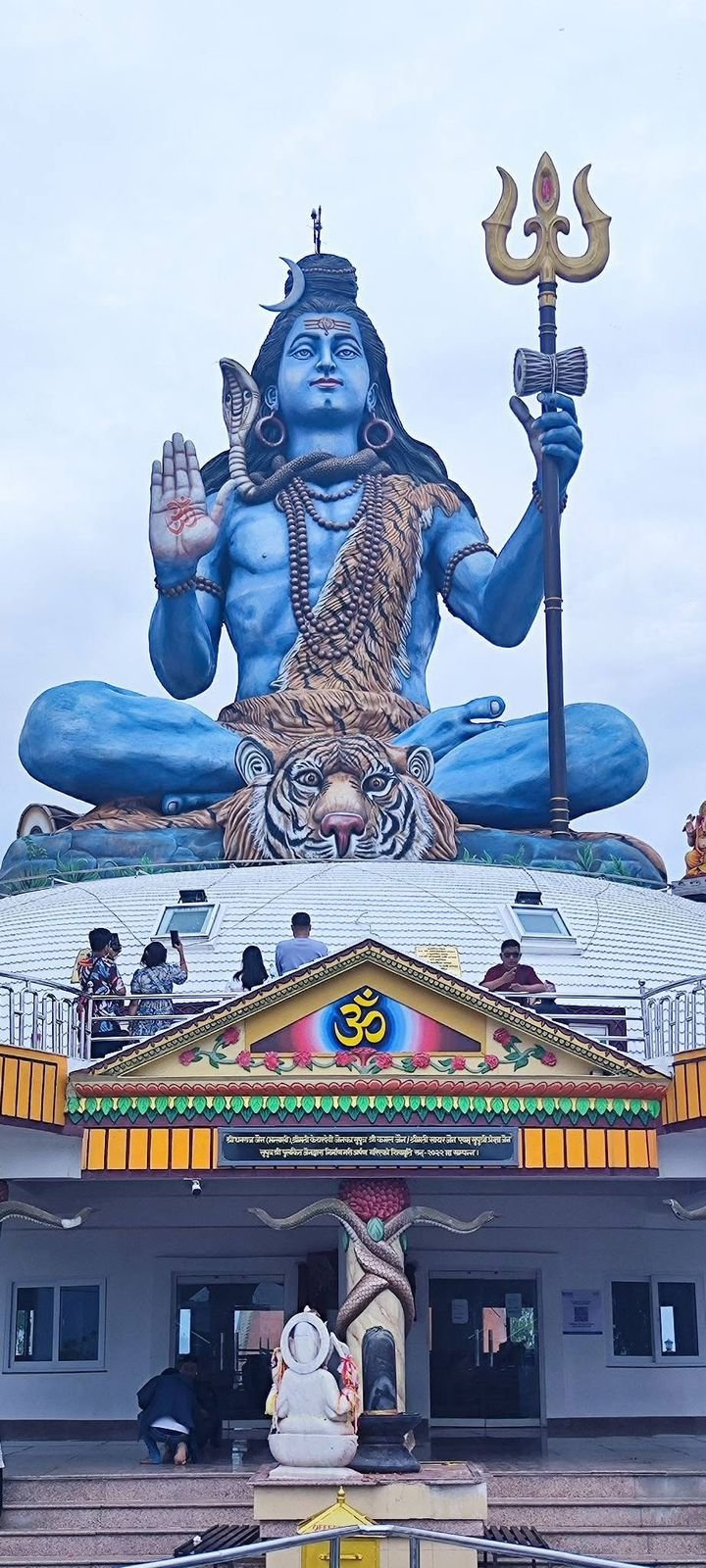
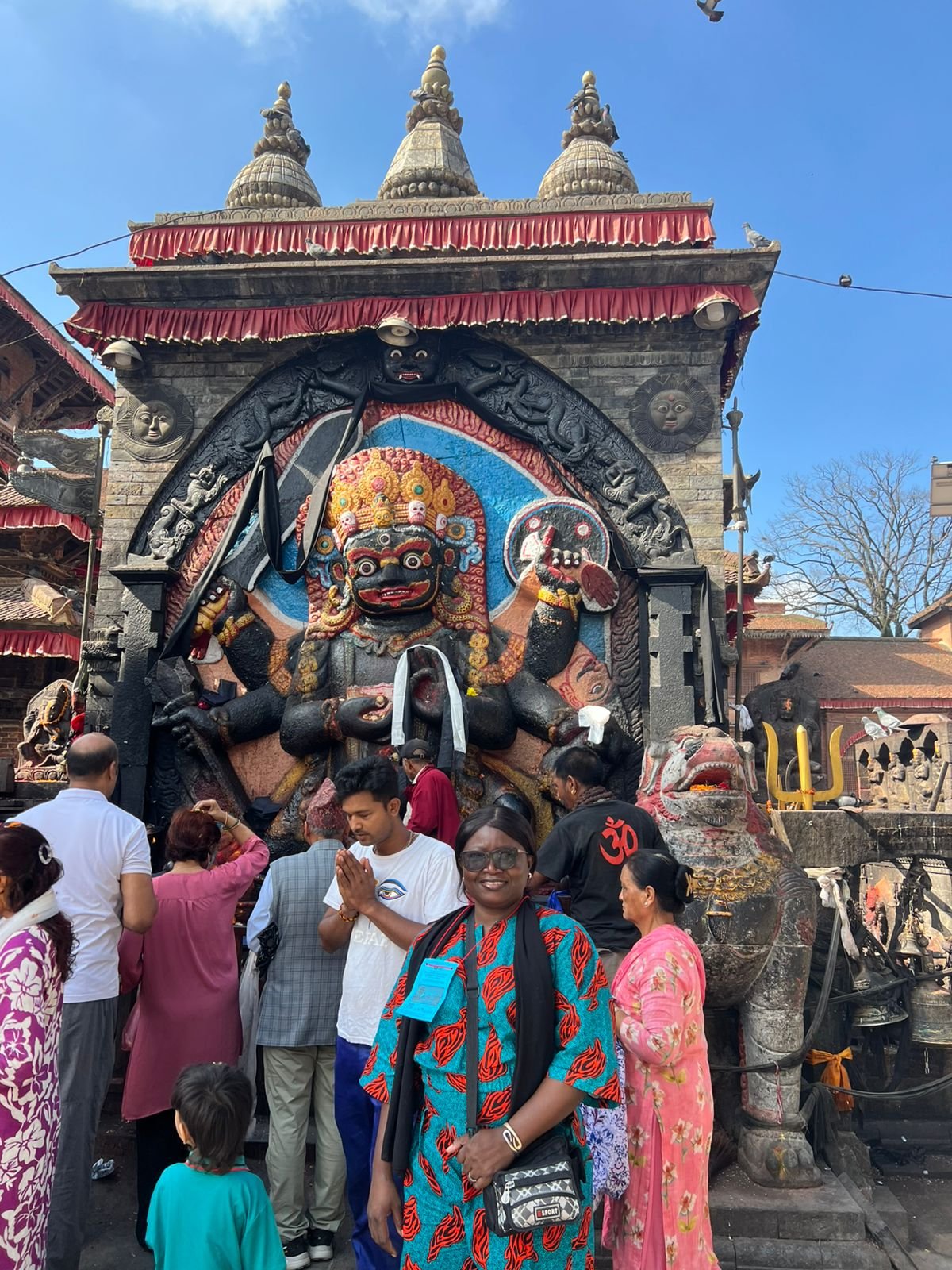
- Explore Pashupatinath, Boudhanath and Swayambhunath, three very different sacred landmarks where Hindu and Buddhist traditions remain part of everyday life
- Travel through Nepal's middle hills toward Pokhara, following winding mountain roads alongside rivers, terraced farmland, villages and changing Himalayan scenery
- Experience Pokhara's lakeside setting beneath the Annapurna Himalayas, with Machhapuchhre, Annapurna and Dhaulagiri forming the dramatic mountain backdrop on clear days
- Watch sunrise from Sarangkot, one of the most popular viewpoints above Pokhara, where the morning light gradually reaches the Annapurna and Dhaulagiri ranges
- Boat across Phewa Lake and enjoy the peaceful contrast between the calm water, forested hills and snow-covered mountains beyond
- Explore Pokhara's natural landmarks, including Davis Falls, Gupteshwor Cave and the Seti Gorge, where water, limestone formations and deep river valleys shape the landscape
- Explore Pokhara's natural landmarks, including Davis Falls, Gupteshwor Cave and the Seti Gorge, where water, limestone formations and deep river valleys shape the landscape
- Spend a night in Nagarkot, a hill station on the eastern edge of Kathmandu Valley where the cooler surroundings and open mountain horizon provide a memorable final stop before you explore UNESCO sites of Bhaktapur and Kathmandu.
- Enjoy two different Himalayan viewpoints, experiencing Pokhara's close mountain panorama around Sarangkot and Nagarkot's broader distant Himalayan horizon
- Experience Nepal beyond its famous mountains, with opportunities to sample local food, see traditional villages, visit religious sites and observe everyday life in the Kathmandu Valley and middle hills
- Complete the journey at a comfortable pace, combining cultural sightseeing, nature, mountain scenery and short road journeys without requiring any strenuous trekking
Nepal Beauty Tour – 6 Days ~ Itinerary
Day 1
Arrival in Kathmandu
- Altitude: 1,350 m
- Accommodation: Three-Star Hotel in Kathmandu
Upon arrival at Tribhuvan International Airport, a representative from Nepal Royal Tourism Holiday will welcome you and transfer you to your hotel in Kathmandu. After check-in, the remainder of the day is kept relaxed so you can recover from your journey.
Depending on your arrival time, you can take an easy walk around Thamel, Kathmandu’s best-known tourist district. Its narrow streets are filled with restaurants, cafés, handicraft stores, souvenir shops and traditional businesses, making it a convenient first introduction to the city. In the evening, your tour representative will brief you about the following days, explain the sightseeing schedule and make sure everything is ready before the journey toward Pokhara begins.
Day 2
Scenic Drive from Kathmandu to Pokhara
- Altitude: Kathmandu 1,350 m | Pokhara 822 m
- Drive Distance: Approximately 200 km
- Drive Duration: Around 6 to 8 hours depending on traffic and road conditions
- Meals: Breakfast and Lunch
- Accommodation: Three-Star Hotel in Pokhara
After breakfast, leave Kathmandu and begin the scenic journey west toward Pokhara, following the country’s middle-hill landscape. The road passes through river valleys, hillside settlements, terraced farmland, forests and small market towns, making the journey an opportunity to observe rural Nepal rather than simply a transfer between two cities.
Much of the route follows the Trishuli River, with steep hills rising on both sides of the valley. As the journey continues westward, the scenery changes gradually and the Himalayan environment becomes more noticeable. Depending on road and traffic conditions, there will be opportunities for a meal and short refreshment stops along the way.
After reaching Pokhara, check into your hotel and settle into the relaxed atmosphere of the lakeside city. The evening is free for a gentle walk around Phewa Lake and Lakeside, where restaurants, cafés, shops and mountain-facing viewpoints provide a pleasant introduction to Pokhara.
Day 3
Full-Day Pokhara Sightseeing and Himalayan Views
- Altitude: Pokhara 822 m
- Sightseeing Duration: Approximately 7 to 8 hours
- Local Driving Distance: Approximately 30 to 40 km depending on the final sightseeing route
- Meals: Breakfast
- Accommodation: Three-Star Hotel in Pokhara
Begin early with a drive to Sarangkot, the hilltop viewpoint above Pokhara. On clear mornings, the surrounding Himalayan panorama can include Machhapuchhre, Annapurna South, Hiunchuli, Annapurna II and the Dhaulagiri range. Sunrise is particularly impressive as changing light gradually reaches the mountains before spreading across the hills and Pokhara Valley.
Return to the city and continue the sightseeing program at Bindabasini Temple, an important Hindu temple situated on a hilltop overlooking parts of Pokhara. From there, visit Davis Falls, where water from Phewa Lake disappears into an underground channel through a narrow rocky gorge. You will also explore World Peace located on south of Phewa Lake.
Just across the road, explore Gupteshwor Mahadev Cave, a natural limestone cave associated with a sacred shrine and connected to the underground passage of the waterfall. The cave provides an interesting contrast to Pokhara’s open lakeside scenery.
Continue toward Seti Gorge, where the Seti River has carved a remarkably deep channel through the city. Depending on the selected package, the day can also include the International Mountain Museum and a Tibetan refugee settlement, adding cultural and mountaineering history to the natural sightseeing.
End the day with boating on Phewa Lake, where the surrounding green hills, Tal Barahi Temple and distant mountains create one of Pokhara’s most recognisable landscapes.
Day 4
Drive from Pokhara to Kathmandu and Continue to Nagarkot
- Altitude: Pokhara 822 m | Kathmandu 1,350 m | Nagarkot 2,175 m
- Drive Distance: Approximately 220–230 km total
- Drive Duration: Around 7–9 hours including the journey through Kathmandu and onward to Nagarkot
- Meals: Breakfast and Lunch
- Accommodation: Three-Star Hotel or Resort in Nagarkot
After breakfast, leave Pokhara and retrace the scenic middle-hill route toward Kathmandu. The morning drive follows river valleys and terraced hillsides, gradually returning to the busier settlements around the Kathmandu Valley.
After reaching Kathmandu, continue toward Nagarkot rather than spending the night in the city. The road climbs through the eastern side of the valley, gradually replacing dense urban development with terraced farmland, forested hills and small traditional settlements.
At approximately 2,175 metres, Nagarkot provides a cooler and quieter environment than Kathmandu. The hilltop location is particularly popular for sunset and sunrise views across the Himalayan horizon. On clear evenings, the fading light can reveal the distant mountain ranges before disappearing behind the western hills.
After checking into the hotel, enjoy the evening at leisure and prepare for an early sunrise the following morning
Day 5
Nagarkot Sunrise, Bhaktapur and Kathmandu Sightseeing
- Altitude: Nagarkot 2,175 m | Bhaktapur 1,400 m | Kathmandu 1,350 m
- Sightseeing Duration: Approximately 7 to 8 hours
- Drive Duration: Around 2 to 3 hours including sightseeing transfers
- Meals: Breakfast
- Accommodation: Three-Star Hotel in Kathmandu
Wake before sunrise and head to a suitable viewpoint around Nagarkot. As the eastern sky brightens, the first light gradually reaches the distant Himalayan skyline. The exact mountains visible depend on weather and atmospheric clarity, but Nagarkot is well known for its broad Himalayan panorama and sunrise experience.
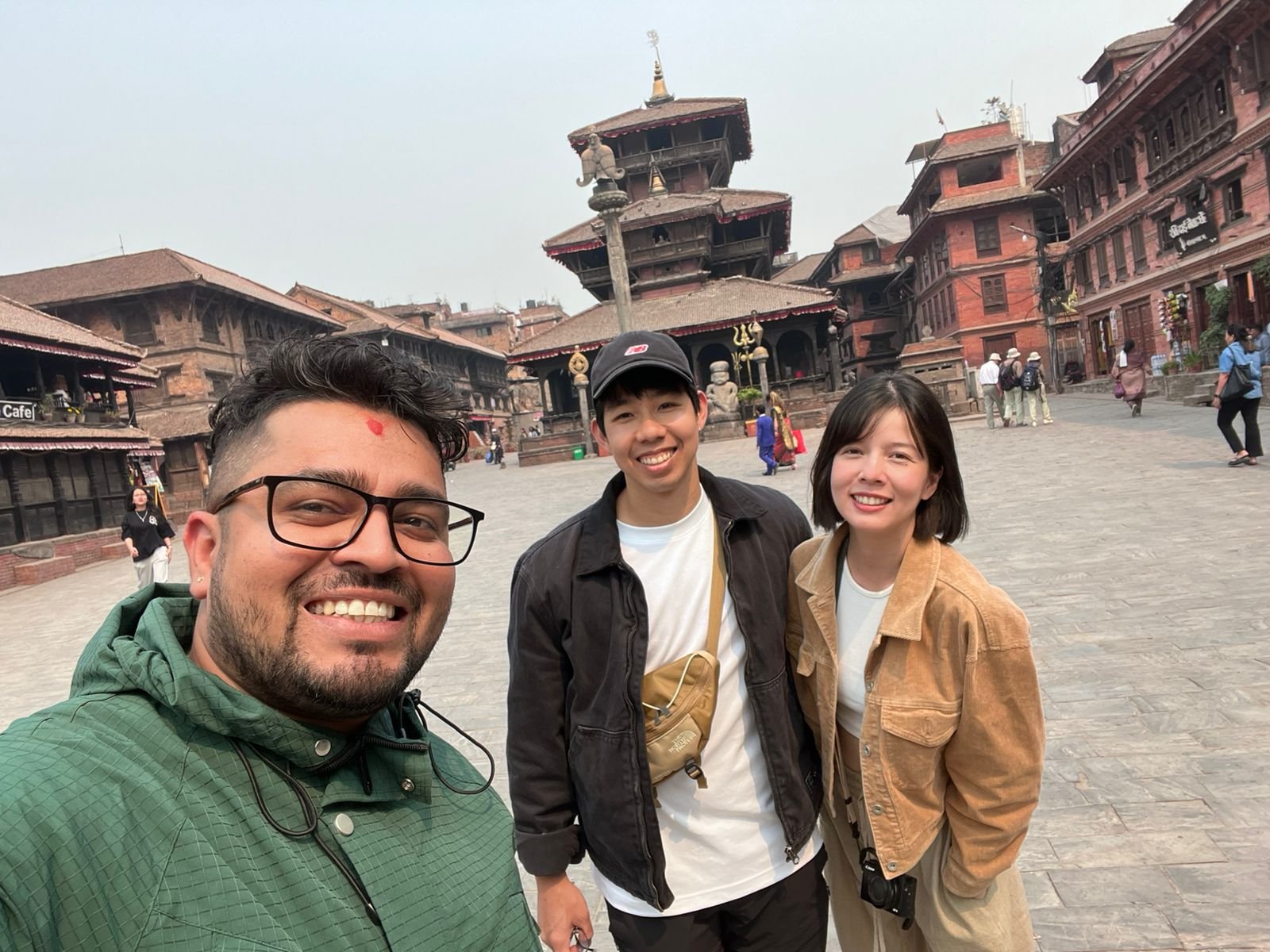
After breakfast, descend toward Bhaktapur, one of the historic cities of Kathmandu Valley. Spend time exploring Bhaktapur Durbar Square, where traditional Newari architecture remains remarkably prominent. Visit landmarks such as Nyatapola Temple, the Golden Gate and the Palace of 55 Windows, while also wandering through the surrounding courtyards and narrow streets.
Bhaktapur’s appeal is not limited to its major monuments. Traditional pottery, woodcarving, brick architecture and local food continue to give the old city a character that feels different from modern Kathmandu.
After Bhaktapur, return toward Kathmandu and continue with selected sightseeing arrangement. The program also includes Swayambhunath and another major Kathmandu heritage sites including Pashupati nath where you will take a clode look at Hindu culture as well as Boudhanath Stupa to experience one of the largest spherical stupas in the world, before returning to your hotel.
Day 6
Final Departure from Kathmandu
- Altitude: 1,350 m
- Meals: Breakfast
Enjoy your final breakfast in Kathmandu and use the remaining time according to your international flight schedule. You may take a final walk around Thamel, purchase Nepalese handicrafts and souvenirs, or simply relax at the hotel.
At the appropriate time, a Nepal Royal Tourism Holiday representative will transfer you to Tribhuvan International Airport for your onward flight.
Your six-day Nepal Beauty Tour concludes after travelling from Kathmandu to the Himalayan city of Pokhara, exploring its lakes, viewpoints, waterfalls and mountain scenery, and returning through the historic city of Bhaktapur before spending your final night in Kathmandu. The inclusion of Nagarkot gives the tour a final hilltop experience and separates it from a standard Kathmandu–Pokhara sightseeing.
Nepal Beauty Tour – 6 Days Fixed Departures Dates
Trip Cost Includes/Excludes
Cost Includes
- Airport arrival and departure transfers by private tourist vehicle
- Five nights' accommodation in three-star or similar tourist-standard hotels
- Accommodation in Kathmandu, Pokhara and Nagarkot according to the itinerary
- Daily breakfast throughout the tour
- Private tourist vehicle for intercity transportation and sightseeing
- Professional English-speaking sightseeing guide
- Kathmandu sightseeing (Pashpatinath, Boudhanath and Shyambhunath) according to the agreed itinerary
- Pokhara sightseeing according to the agreed itinerary
- Phewa Lake boating
- Nagarkot sunrise and sightseeing
- Bhaktapur Durbar Square sightseeing
- Applicable sightseeing entrance fees specifically listed as included in the final package
- Government taxes and applicable company service charges
Cost Excludes
- International airfare to and from Nepal
- Nepal entry visa fee
- Lunch and dinner unless specifically stated as included
- Bottled water, soft drinks, alcoholic beverages and personal snacks
- Optional activities not specifically mentioned in the itinerary
- Additional sightseeing entrance fees not included in the package
- Tips for guides and drivers
- Expenses caused by road closures, natural disasters, adverse weather or other circumstances beyond the company's control
- Any service or expense not specifically mentioned under Cost Includes
Trip Photo/Video Gallery



Frequently Asked Questions
The main route covers Kathmandu, Pokhara and Nagarkot, with sightseeing at major cultural, religious and natural attractions including Pashupatinath, Boudhanath, Swayambhunath, Sarangkot, Phewa Lake, Pokhara’s natural attractions, Nagarkot and Bhaktapur.
No, the Nepal Beauty Tour is primarily a cultural and sightseeing journey. You will walk around temples, heritage squares, viewpoints, caves and other attractions, but there are no multi-day trekking stages.
Nagarkot, at approximately 2,175 metres, is the highest overnight destination. The tour does not involve the extreme altitude associated with Nepal’s high Himalayan trekking routes. Current Nepal Beauty Tour programs also list Nagarkot at approximately 2,175 metres.
Yes. Pokhara is particularly well known for views toward the Annapurna range and Machhapuchhre. The clearest views are generally obtained from elevated locations such as Sarangkot, although mountain visibility depends on weather conditions.
Sarangkot is primarily known for sunrise and broad Himalayan views. On clear mornings, the Annapurna range, Machhapuchhre, Dhaulagiri and surrounding peaks may be visible across the northern horizon.
Nagarkot provides a completely different experience from Pokhara. Instead of close views of the Annapurna landscape, it offers a peaceful hilltop environment on the edge of Kathmandu Valley and a wide Himalayan horizon. Nagarkot is best known for sunrise, sunset and mountain views, all while being close to the capital city.
Staying overnight means travellers do not have to make a pre-dawn journey from Kathmandu simply to watch sunrise. It allows the evening and early morning to be enjoyed in the hill environment before returning to the valley.
The tour includes substantial road travel, particularly between Kathmandu and Pokhara. The Kathmandu–Pokhara journey is roughly 200 to 210 km by road and commonly takes around 6–8 hours depending on traffic, road conditions and stops. While Nagarkot is approx. 30 km away from Kathmandu, and takes just under two hours to travel.
Comfortable walking shoes, light and warm layers, sunscreen, sunglasses, a small daypack, personal medication, a reusable water bottle, phone charger and power bank are useful. A warmer layer is especially helpful for the early morning in Nagarkot and Sarangkot.
No. Sunrise and Himalayan views are weather-dependent. Even destinations specifically known for mountain panoramas can have limited visibility during cloudy, hazy or rainy conditions.
Yes. Sightseeing priorities, hotel category, transportation and optional activities can generally be adjusted according to the group’s preferences and available time, subject to practical route planning.
You may also like

Annapurna Base Camp Trek with Poon Hill and Mardi Himal – 17 Days
-
Trip
17 Days
-
Grade
Moderate
-
Altitude
4500m
Menu