

-
 Duration
2 Days
-
 Difficulty
Easy
-
 Max Elevation
1650 m
-
 Group Size
1 to 10 People Person
-
 Accommodation
Three star standard hotel
-
 Start/End
Pokhara/ Pokhara
-
 Best Season
Spring and Autumn
Pokhara is one of those rare places in Nepal where the landscape itself becomes part of the sightseeing experience.
Mountains rise behind the city, Phewa Lake stretches quietly through the valley, the Seti River cuts deep into the ground, and a short drive can take you from busy lakeside streets to hilltop viewpoints, centuries old temples, underground caves and peaceful mountain landscapes.

The two-day Pokhara Valley Tour is designed to bring these different sides of Pokhara together in a compact and enjoyable sightseeing experience, making it ideal for travelers who want to see the character of the city without committing to a long tour.
Across two well organized days, the tour takes you through some of the most interesting natural, cultural and historical attractions in and around Pokhara.

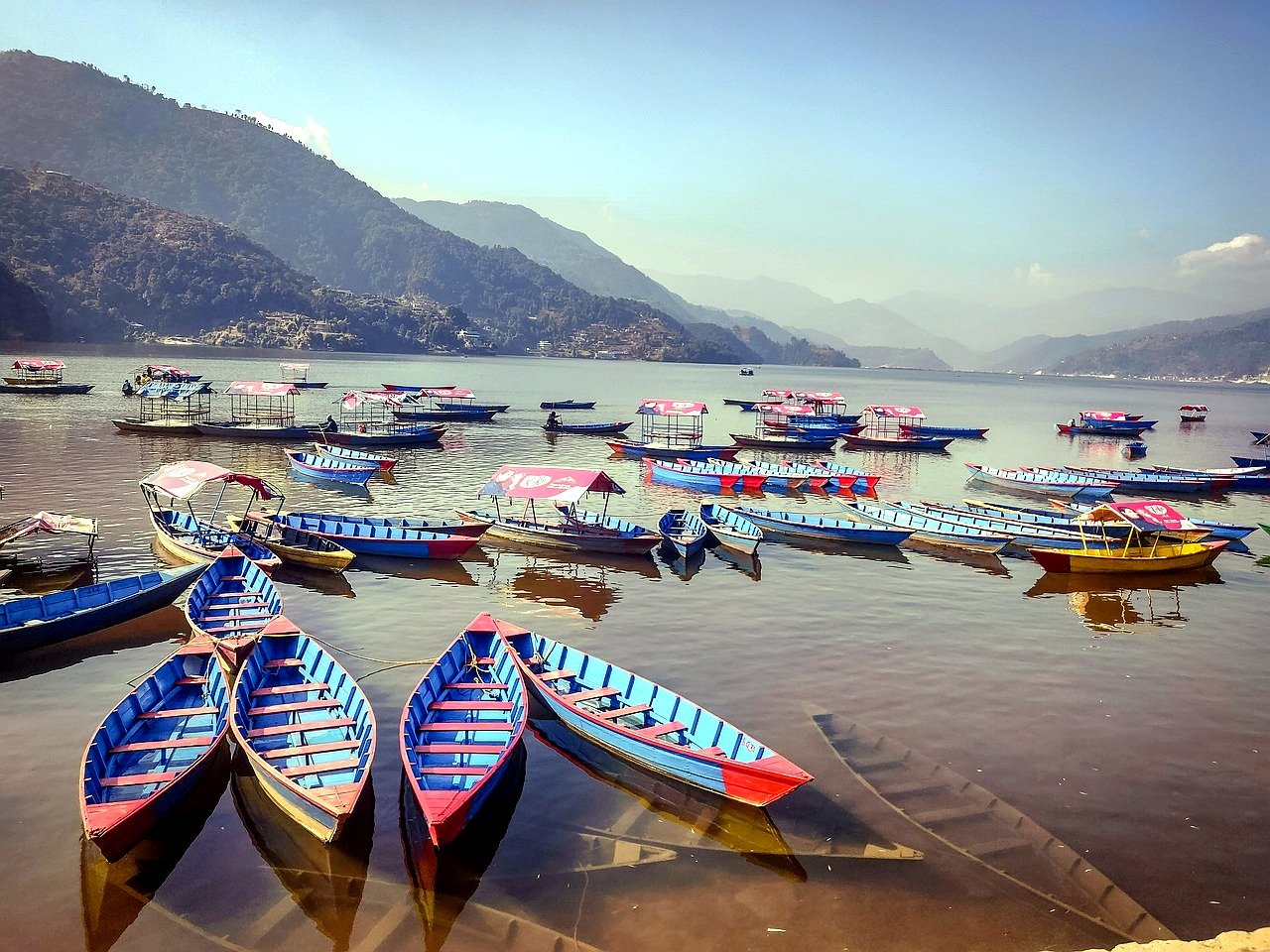
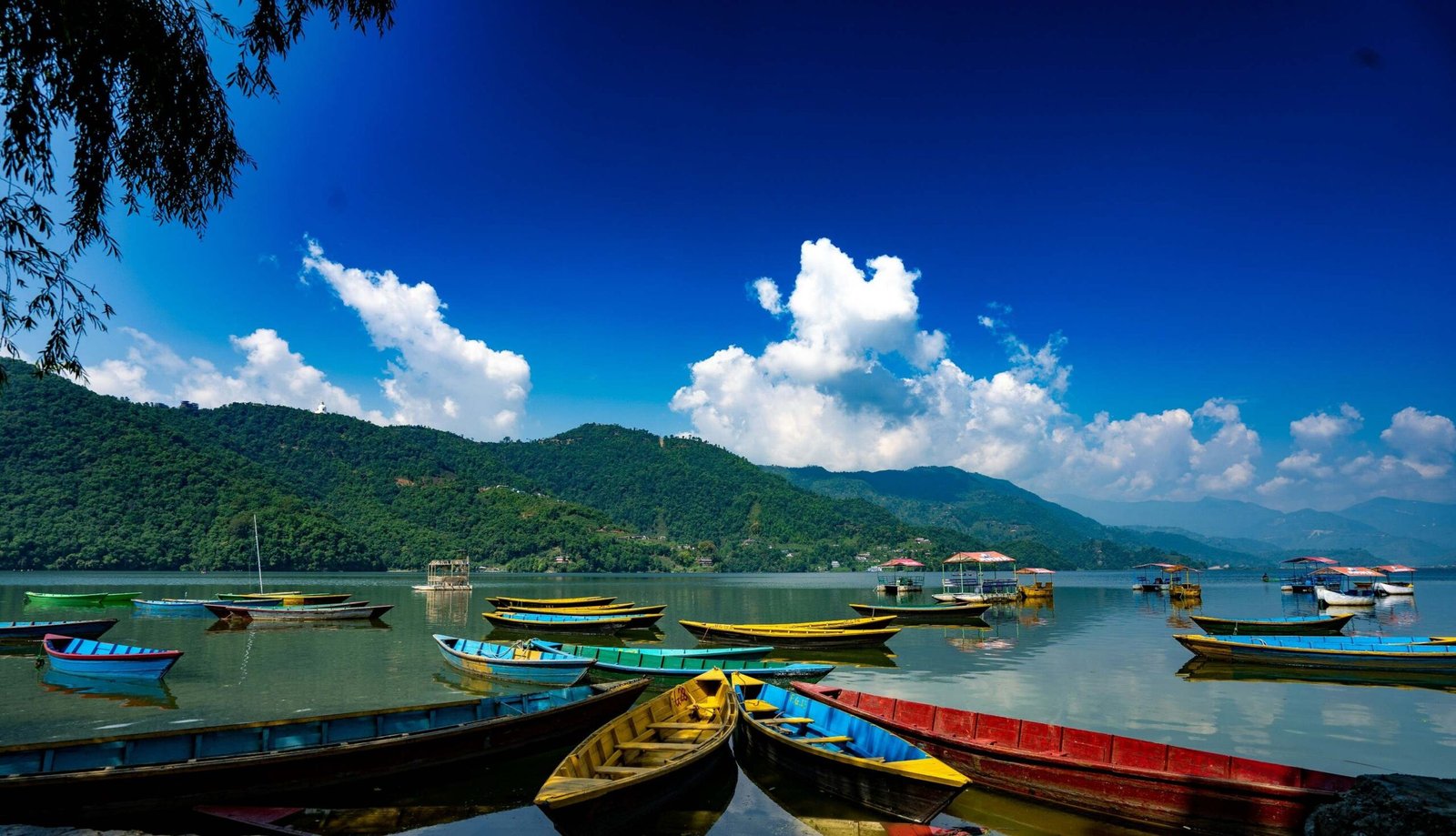
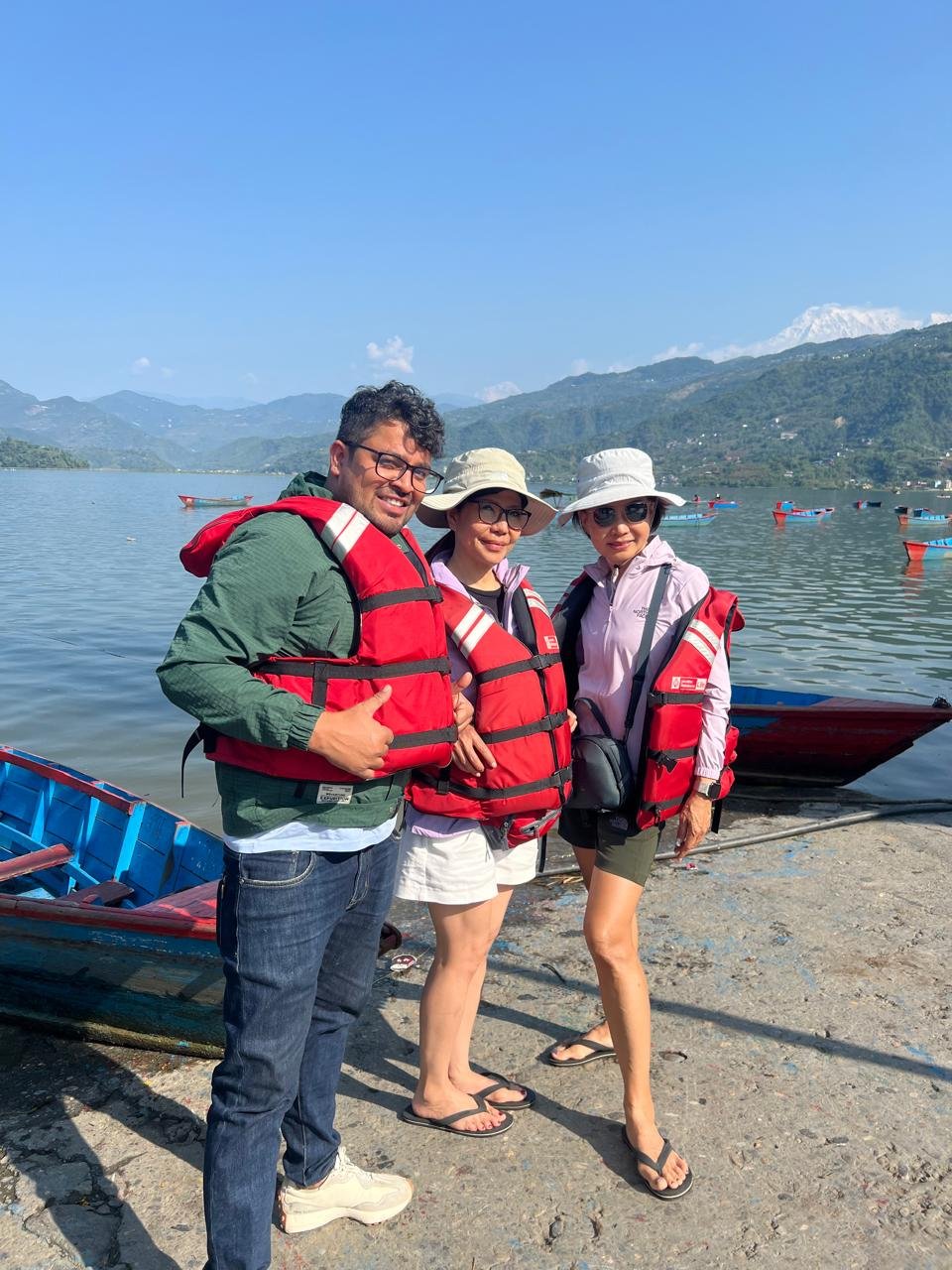
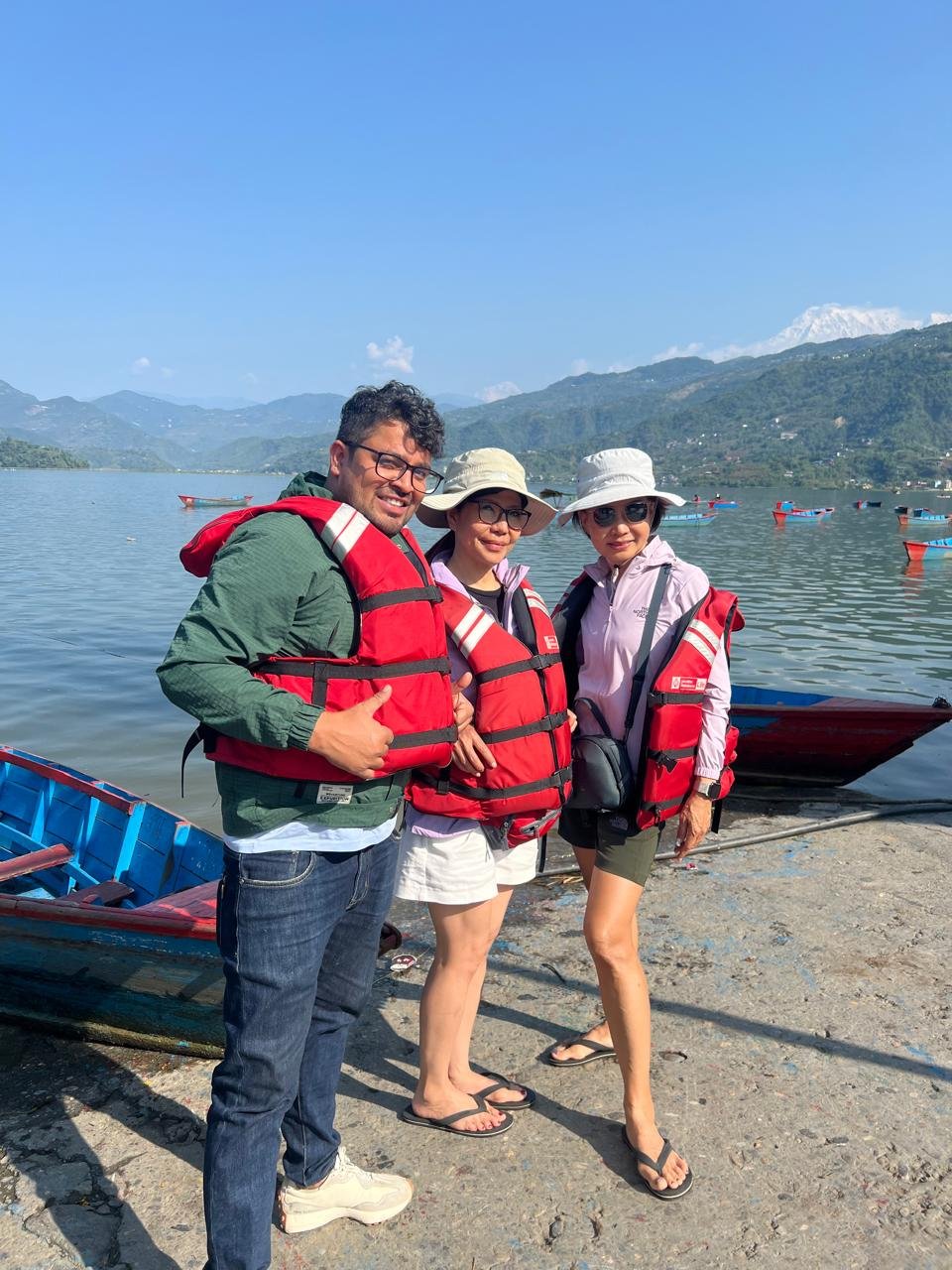
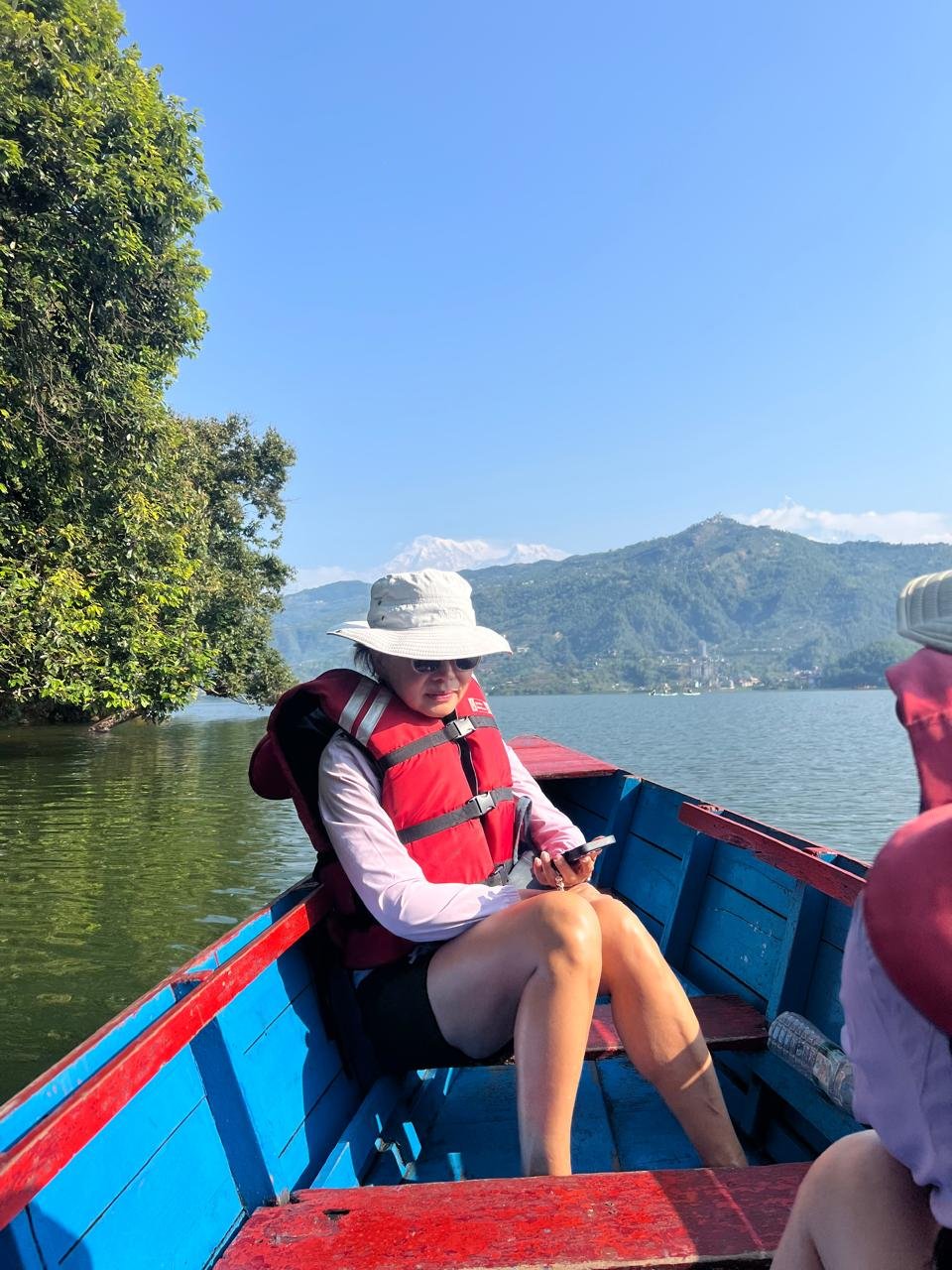
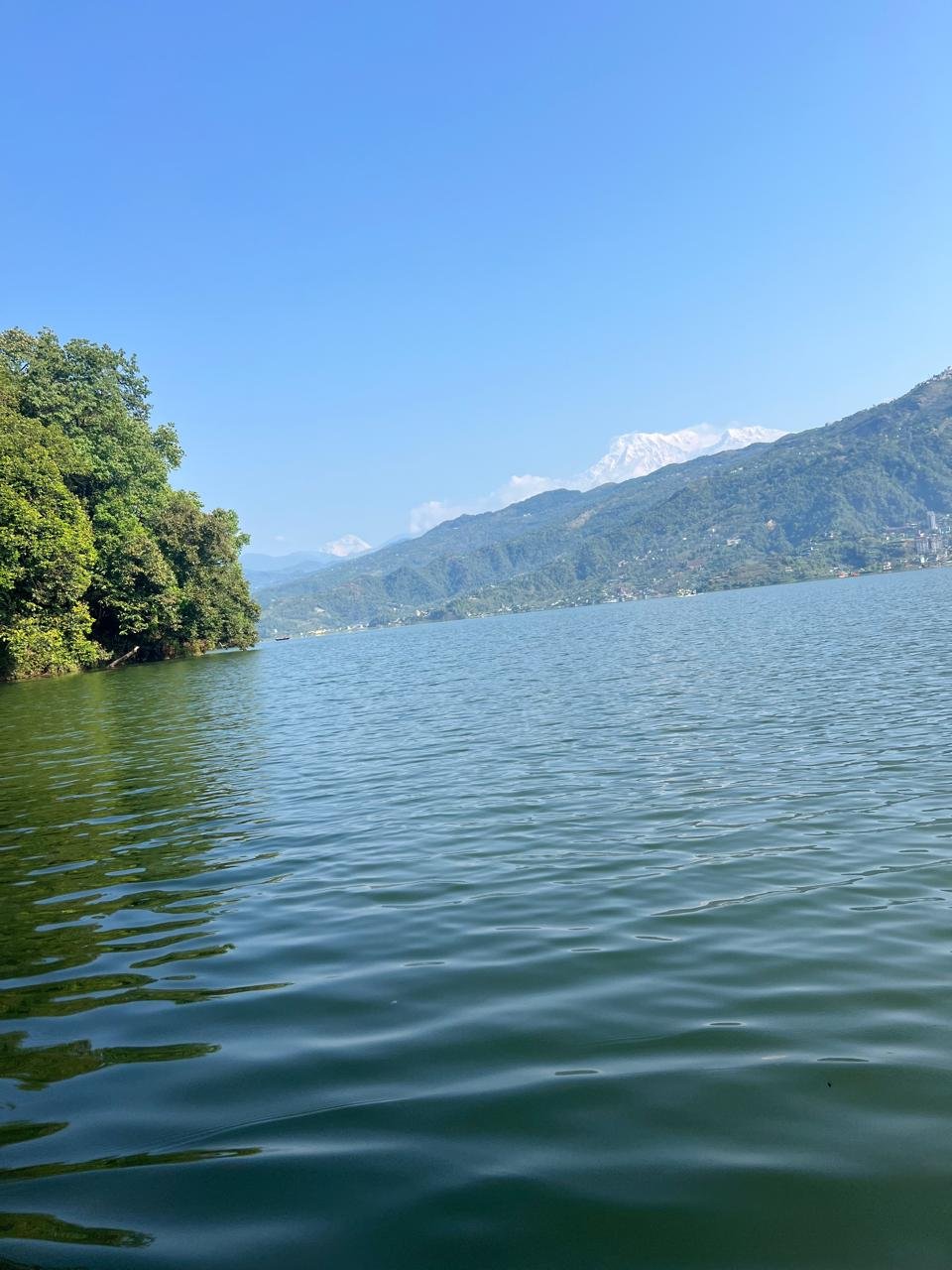
The experience includes the calm waters of Phewa Lake, where you can take a traditional boat across the lake and continue to Tal Barahi Temple, a small island shrine surrounded by water.
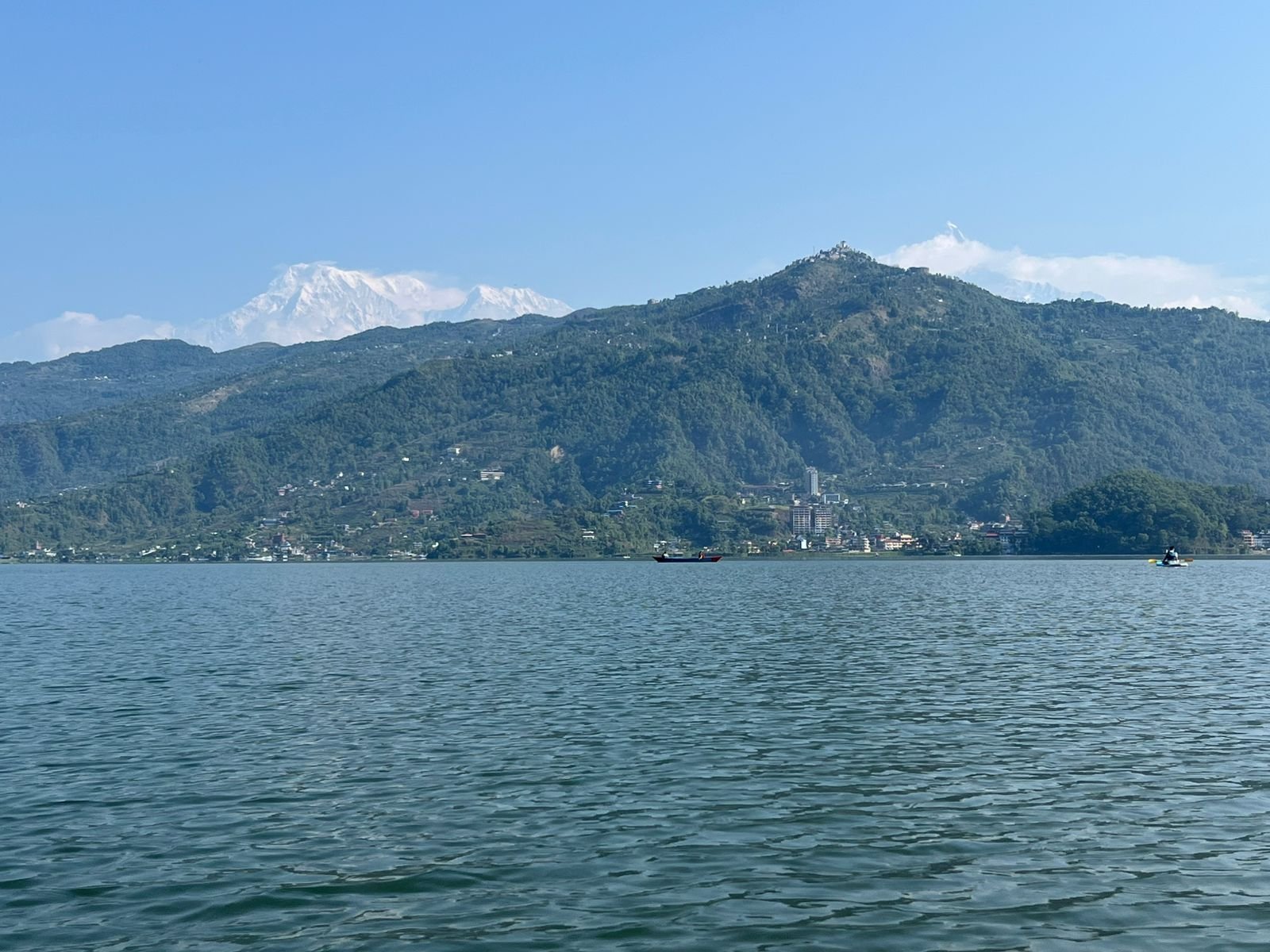
The lake is one of the defining features of Pokhara, and on clear days the surrounding hills and Himalayan peaks create an impressive backdrop.

Time around Lakeside also gives you a chance to experience the more relaxed side of the city, with lakeside cafés, restaurants, shops and walking areas that remain lively without losing Pokhara’s laid back atmosphere.
The tour also explores the unusual geology beneath the valley. Mahendra Cave offers an underground experience through naturally formed limestone passages, chambers and rock formations.

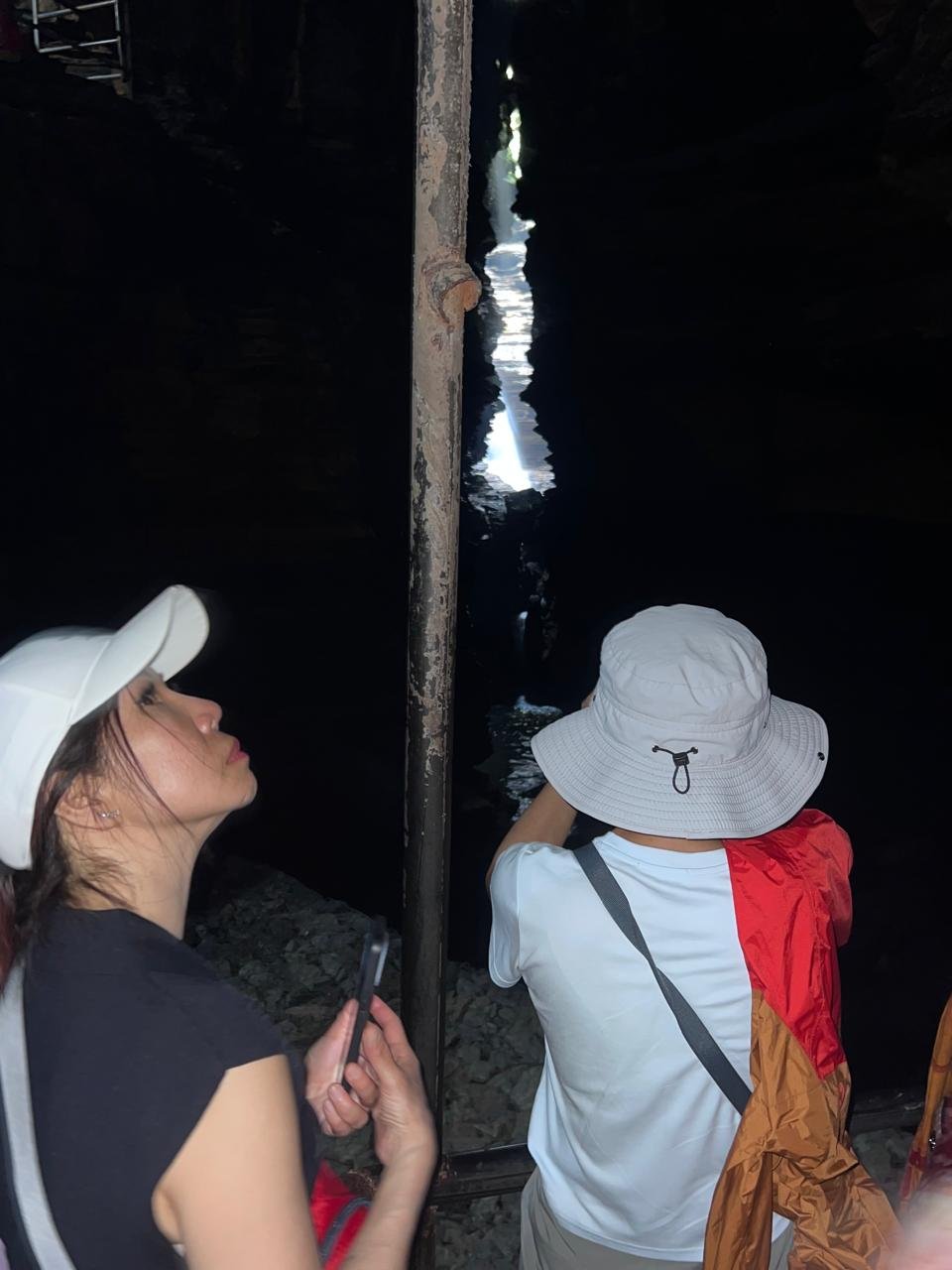
On the other hand, Gupteshwor Mahadev Cave provides a completely different atmosphere, combining a narrow subterranean environment with its strong religious significance.
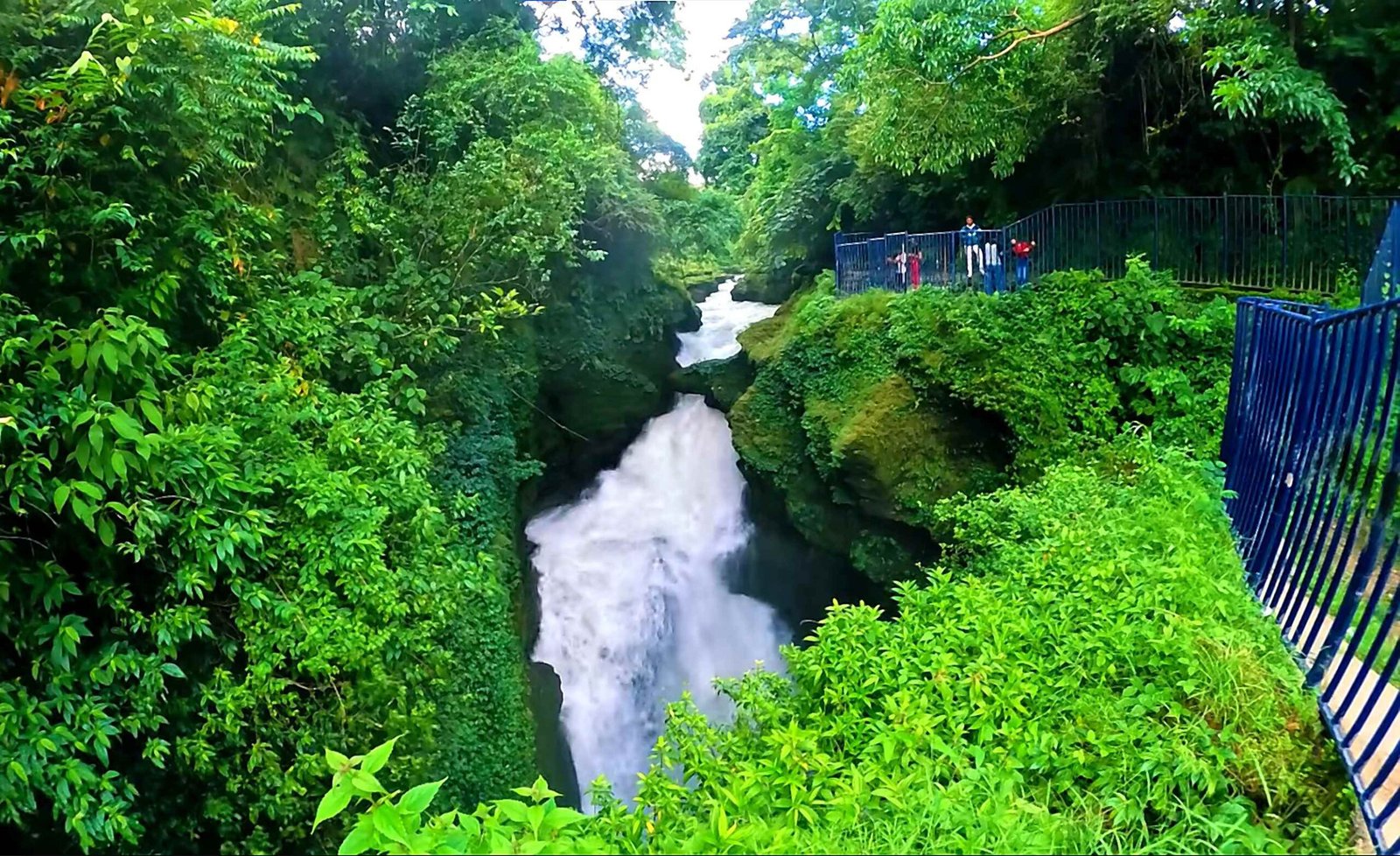
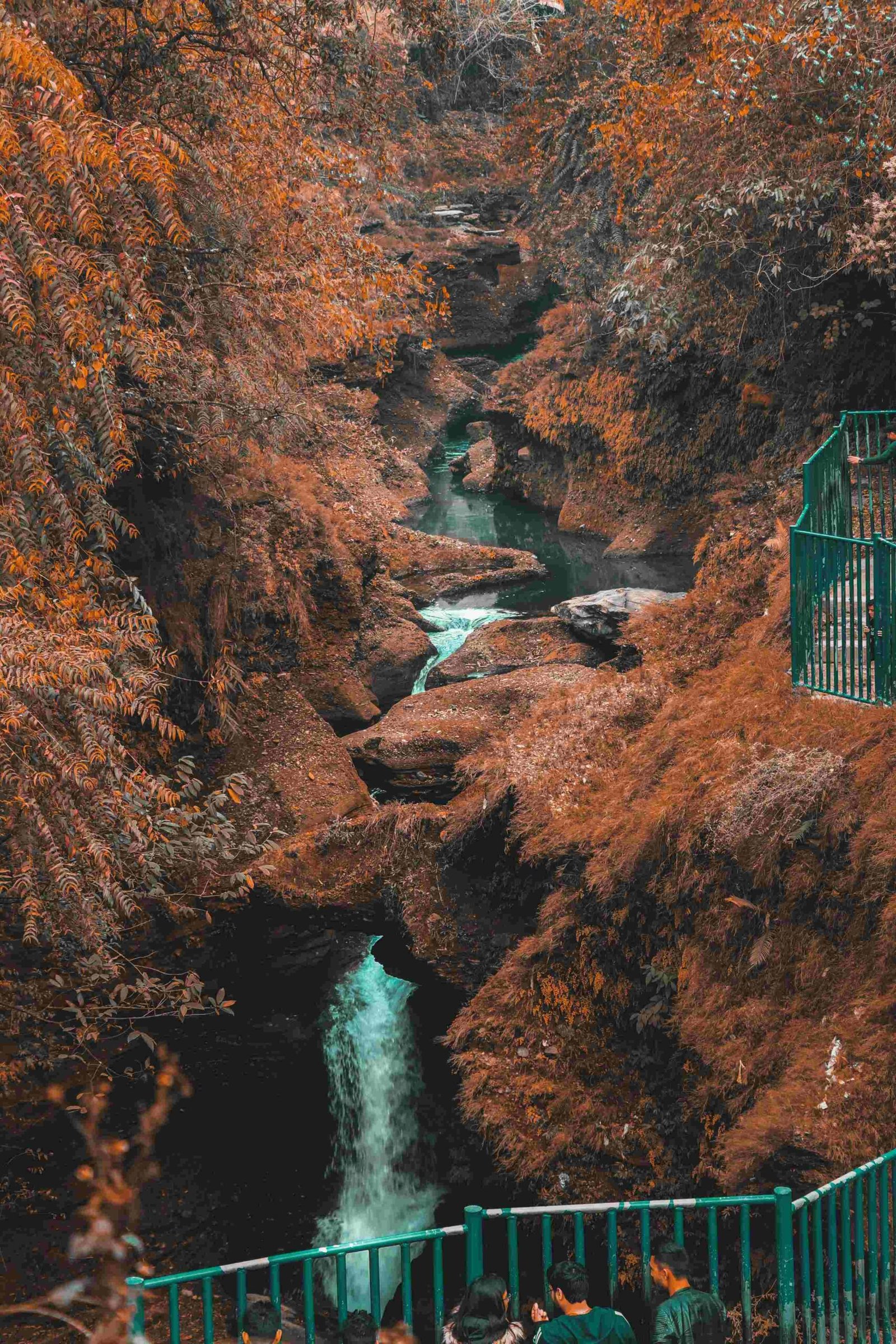
The latter is closely connected to Devi’s Fall, where the water disappears into an underground channel after plunging through the rocky landscape.

Visiting these attractions together makes it possible to understand how closely Pokhara’s caves, rivers and waterfalls are connected rather than treating each attraction as an isolated sightseeing stop.
Pokhara also has an important place in Nepal’s mountain story, and that side of the city is represented at the International Mountain Museum.
The museum provides an opportunity to learn about Himalayan expeditions, famous peaks, climbing history and the people who live in Nepal’s mountain regions.

It adds depth to the tour by giving travelers a better understanding of the mountains they may be viewing from different points around the valley.
The Seti Gorge offers another perspective on the forces that have shaped the landscape, with the Seti River flowing through a deep and narrow channel within the city.

The cultural side of Pokhara is equally important. A visit to Bindabasini Temple introduces one of the valley’s significant Hindu religious sites, while Tal Barahi Temple adds another distinctive spiritual landmark through its location on an island in Phewa Lake.
These places are still part of everyday religious life, so the experience is not simply about photographing monuments but about seeing how local traditions remain preserved into the city.

The second day begins away from the city center with an early morning drive to Sarangkot, where the focus shifts from sightseeing at street level to the wider Himalayan landscape.
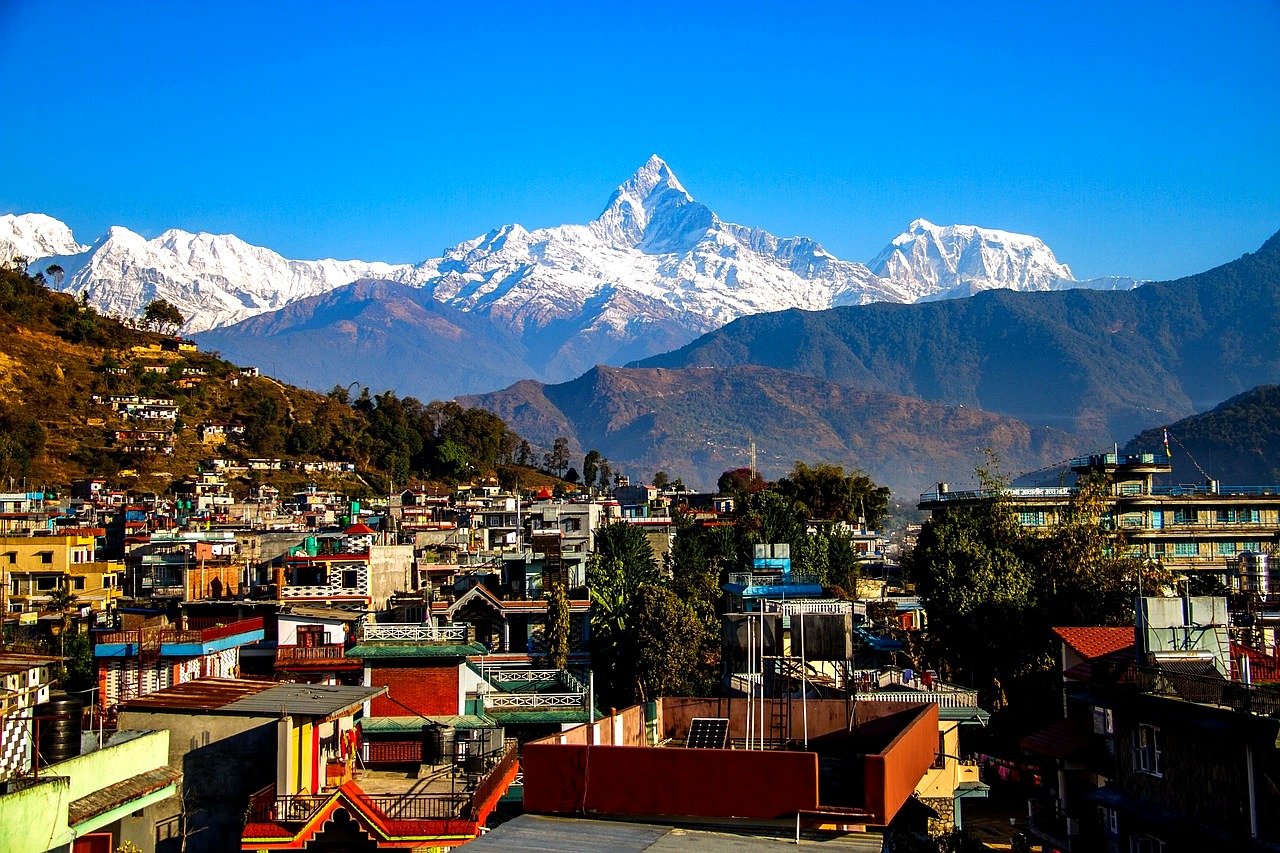
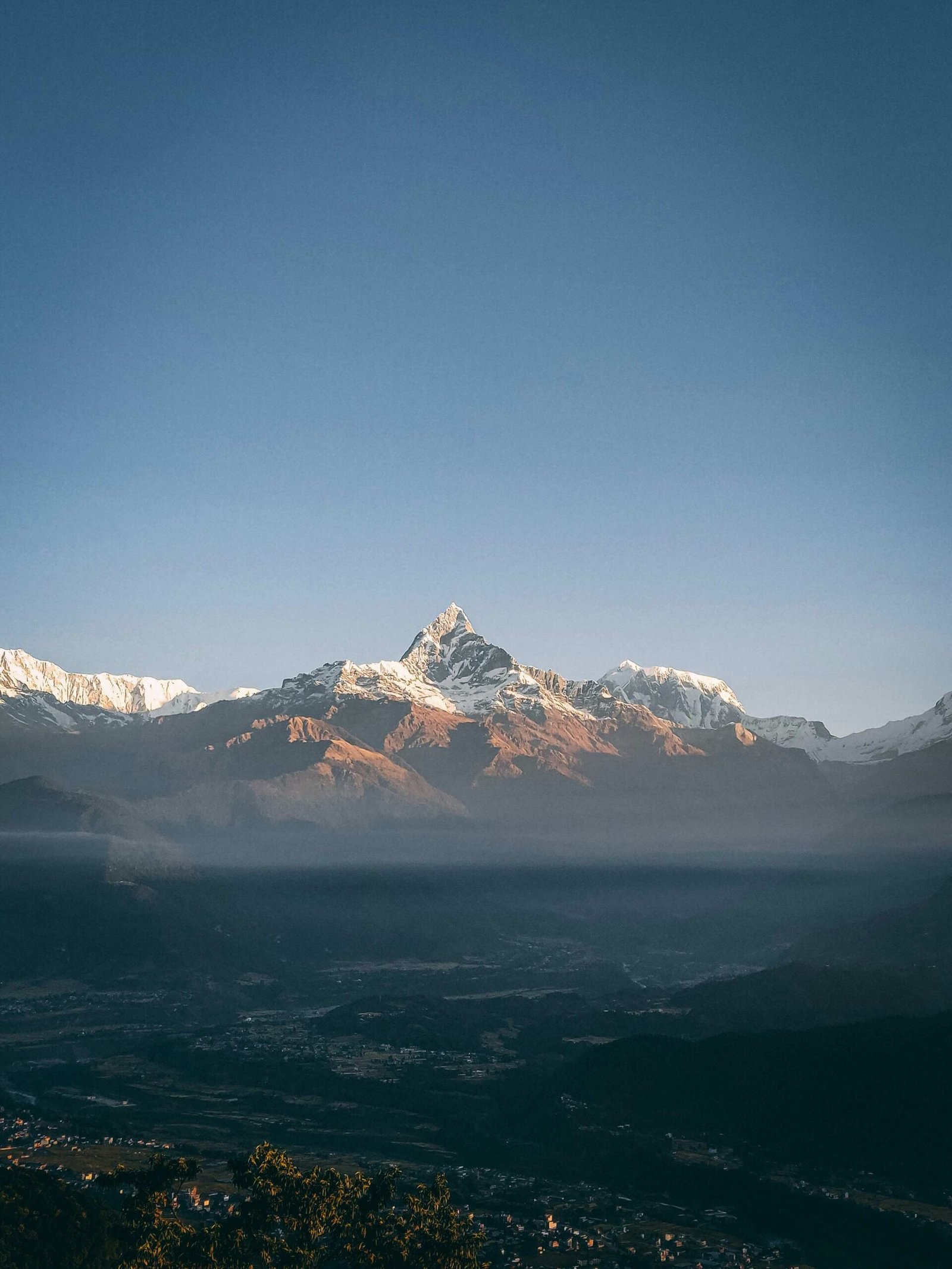
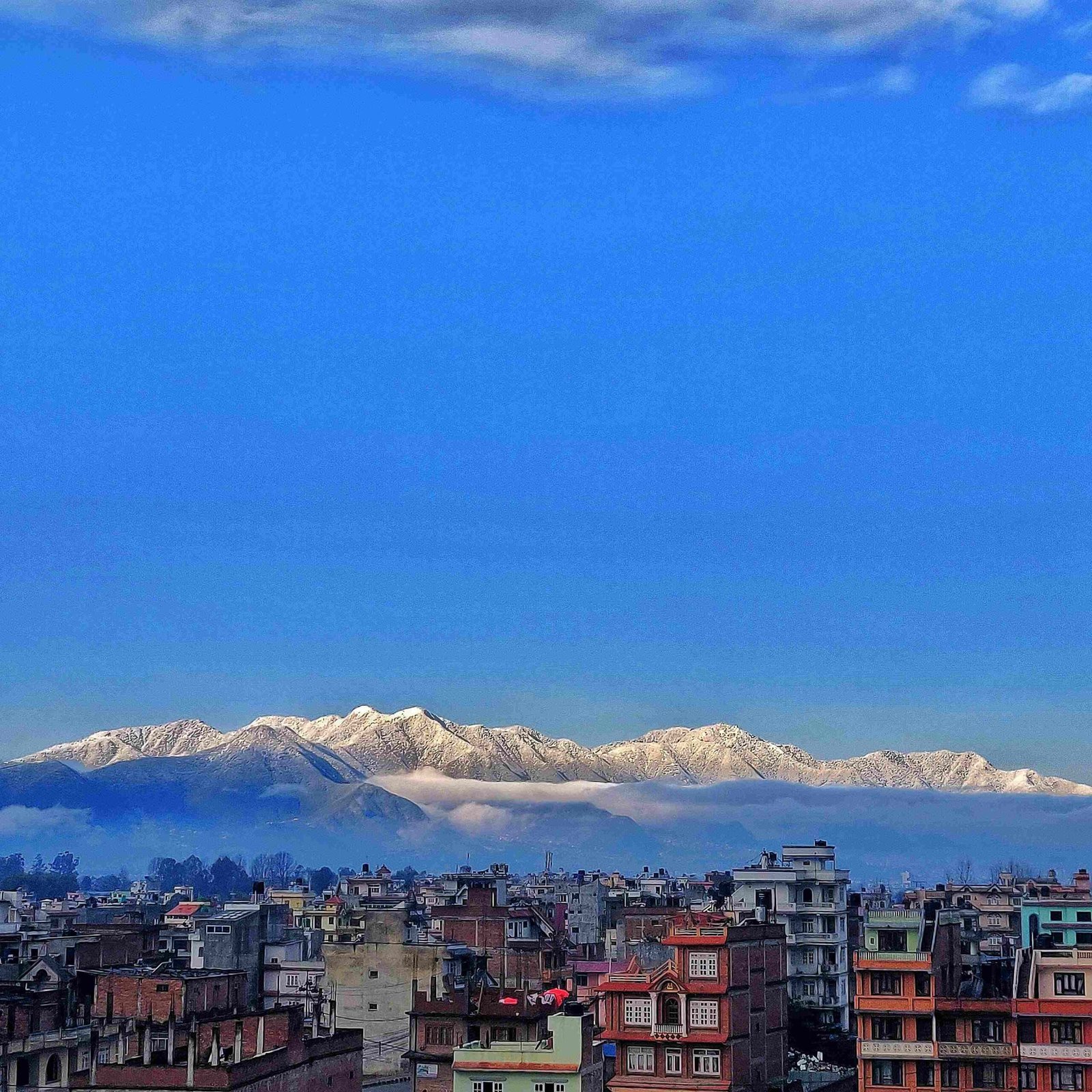
Sarangkot is particularly popular for sunrise, when changing light reaches the mountains and the valley gradually becomes visible below. With clear weather, the viewpoint opens toward ranges including Annapurna and Dhaulagiri, with Machhapuchhre standing prominently among the surrounding peaks.

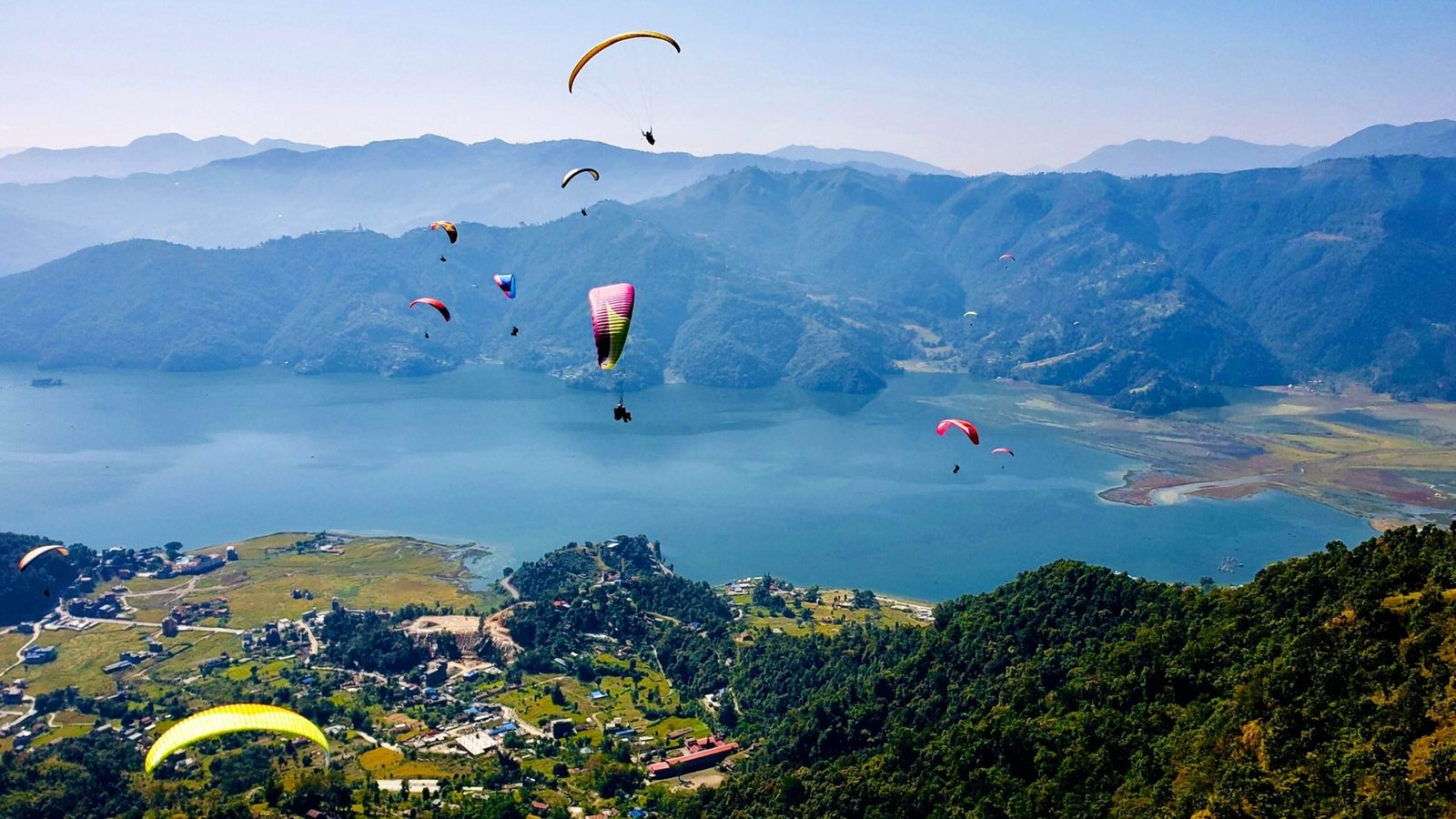
Sarangkot is also one of Nepal’s best known paragliding launch areas, allowing travelers who want something more adventurous to add a flight to their sightseeing day.
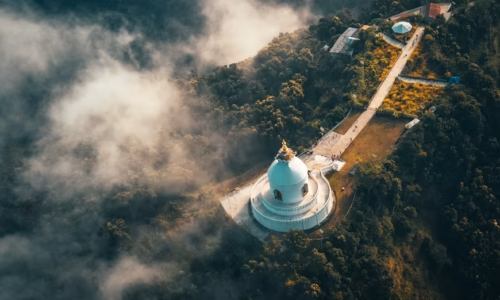
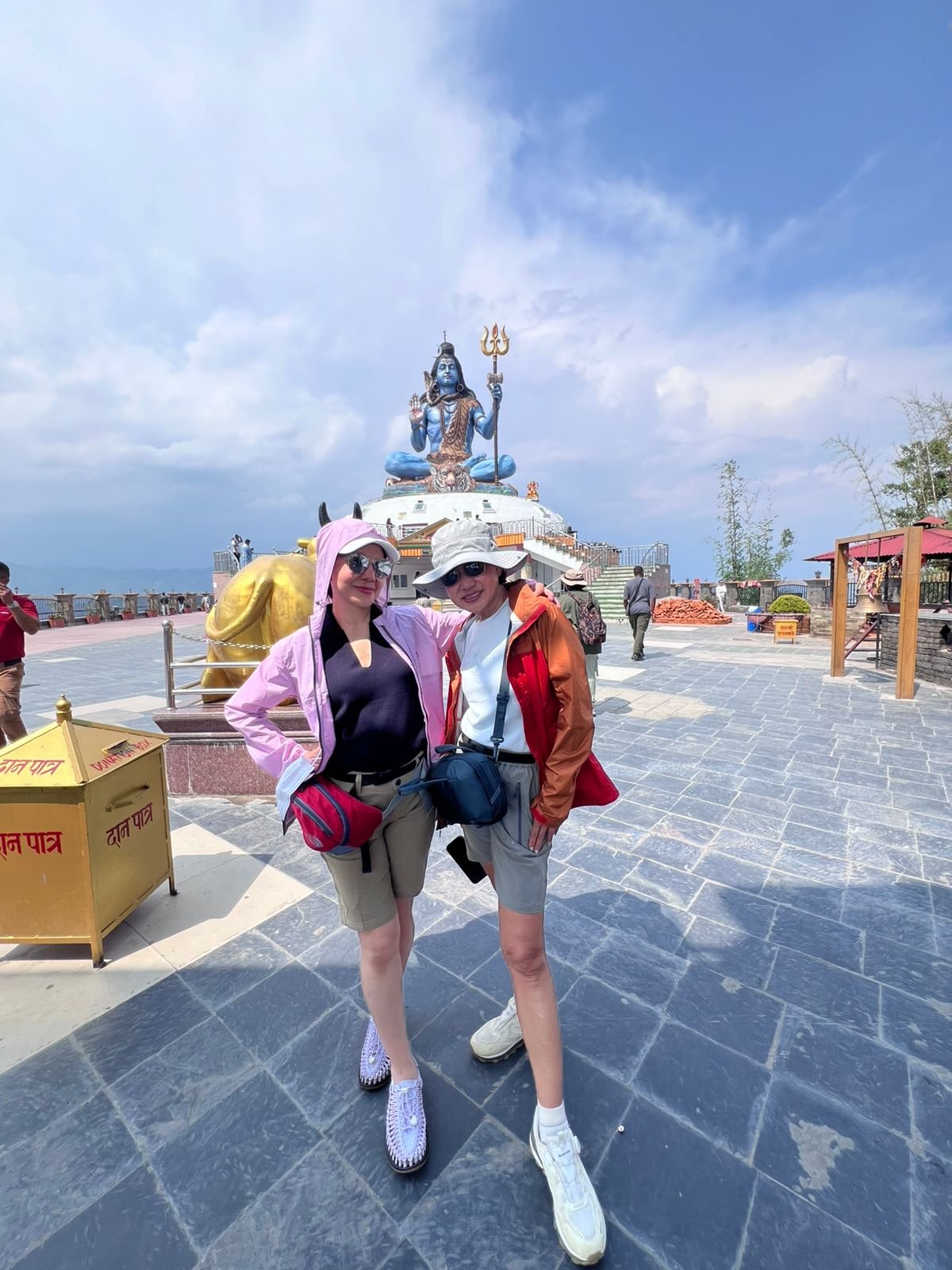
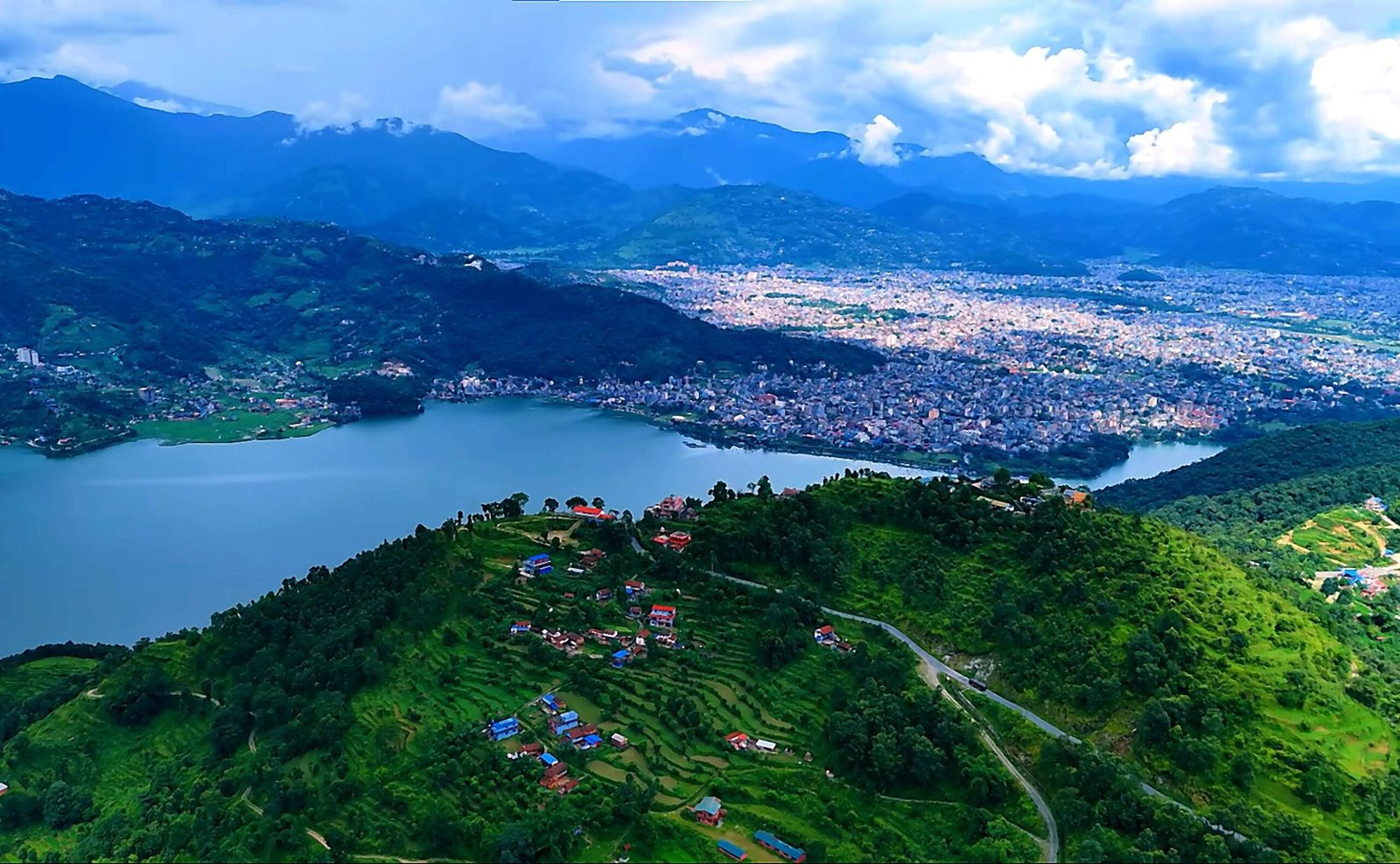
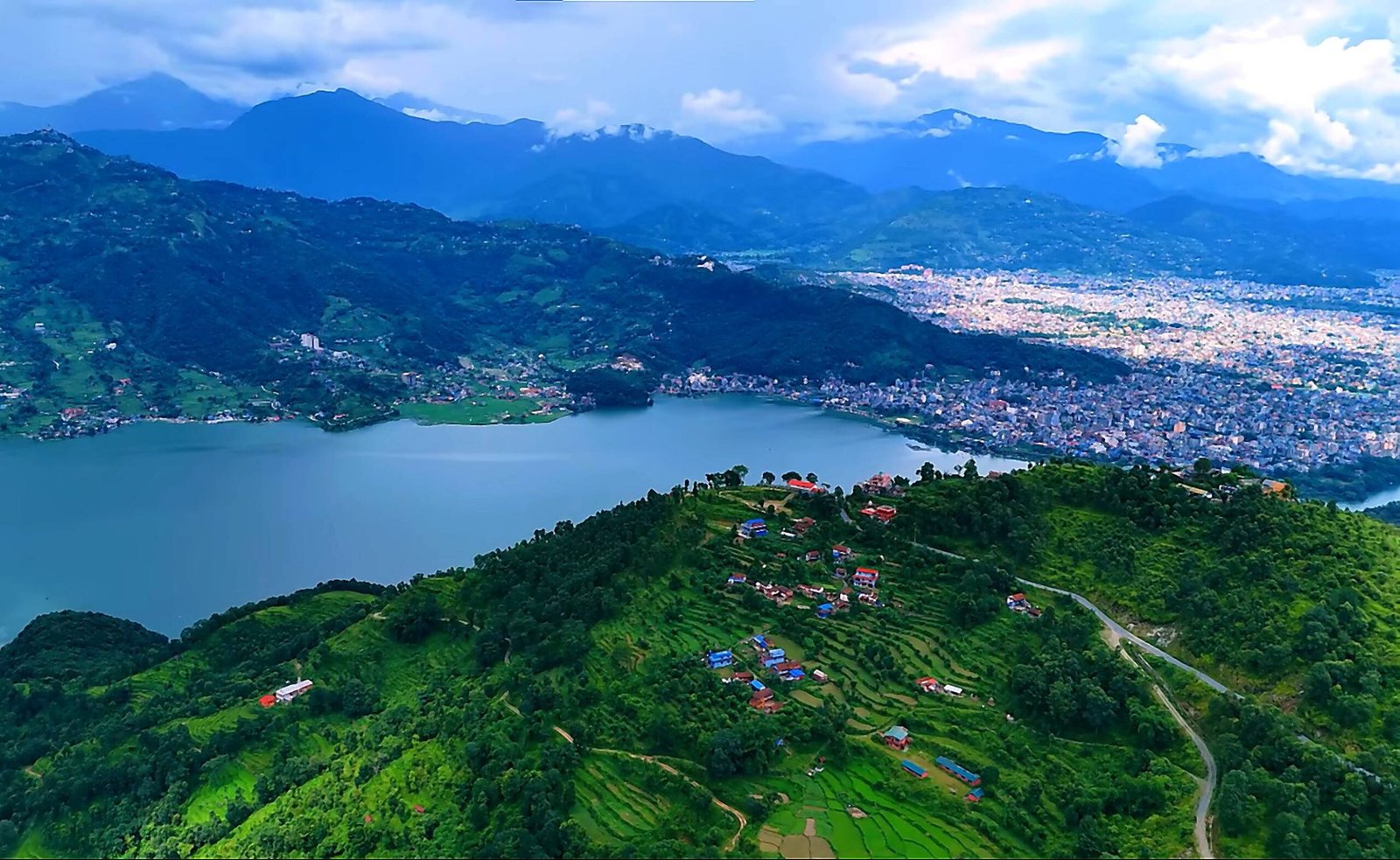
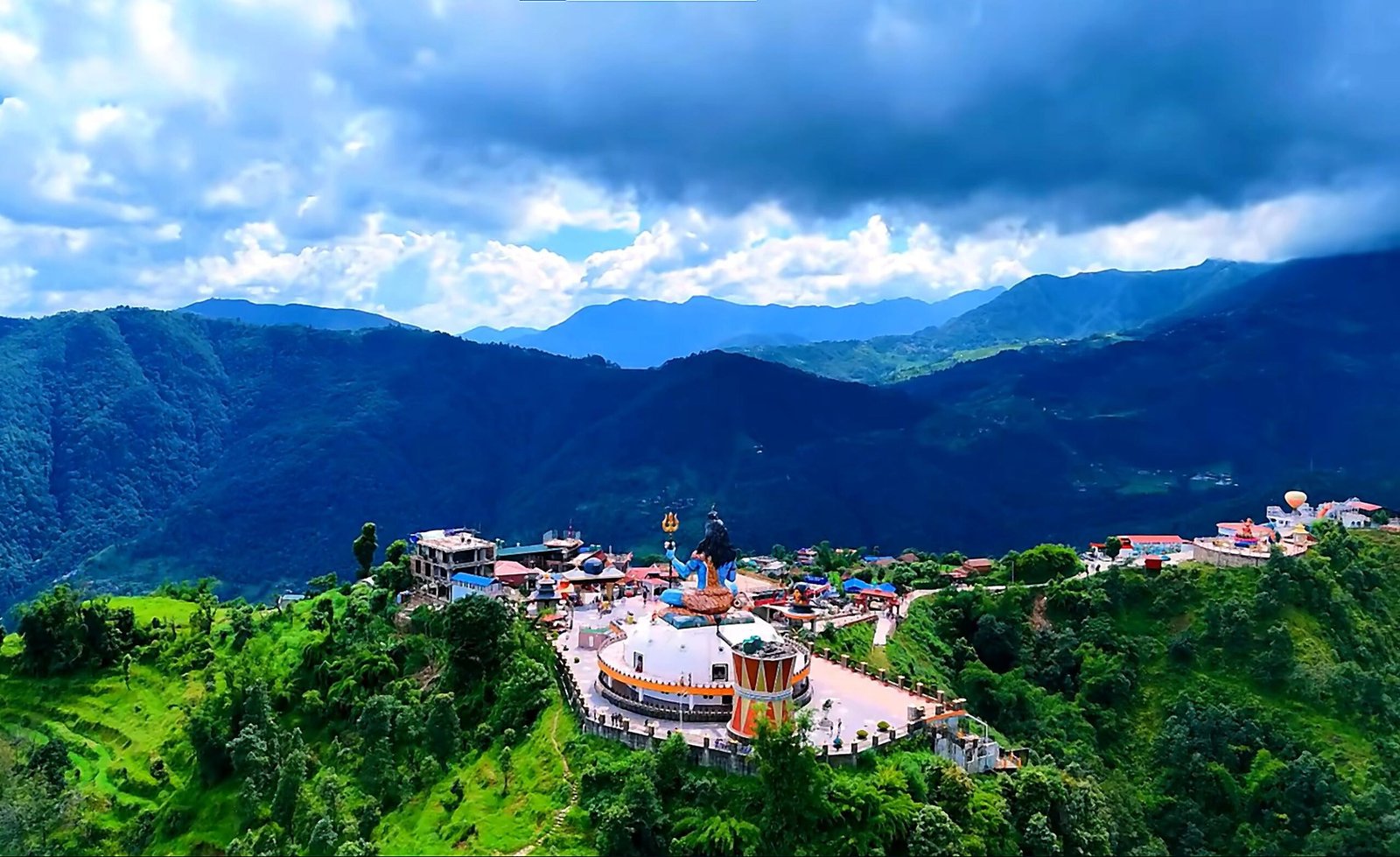
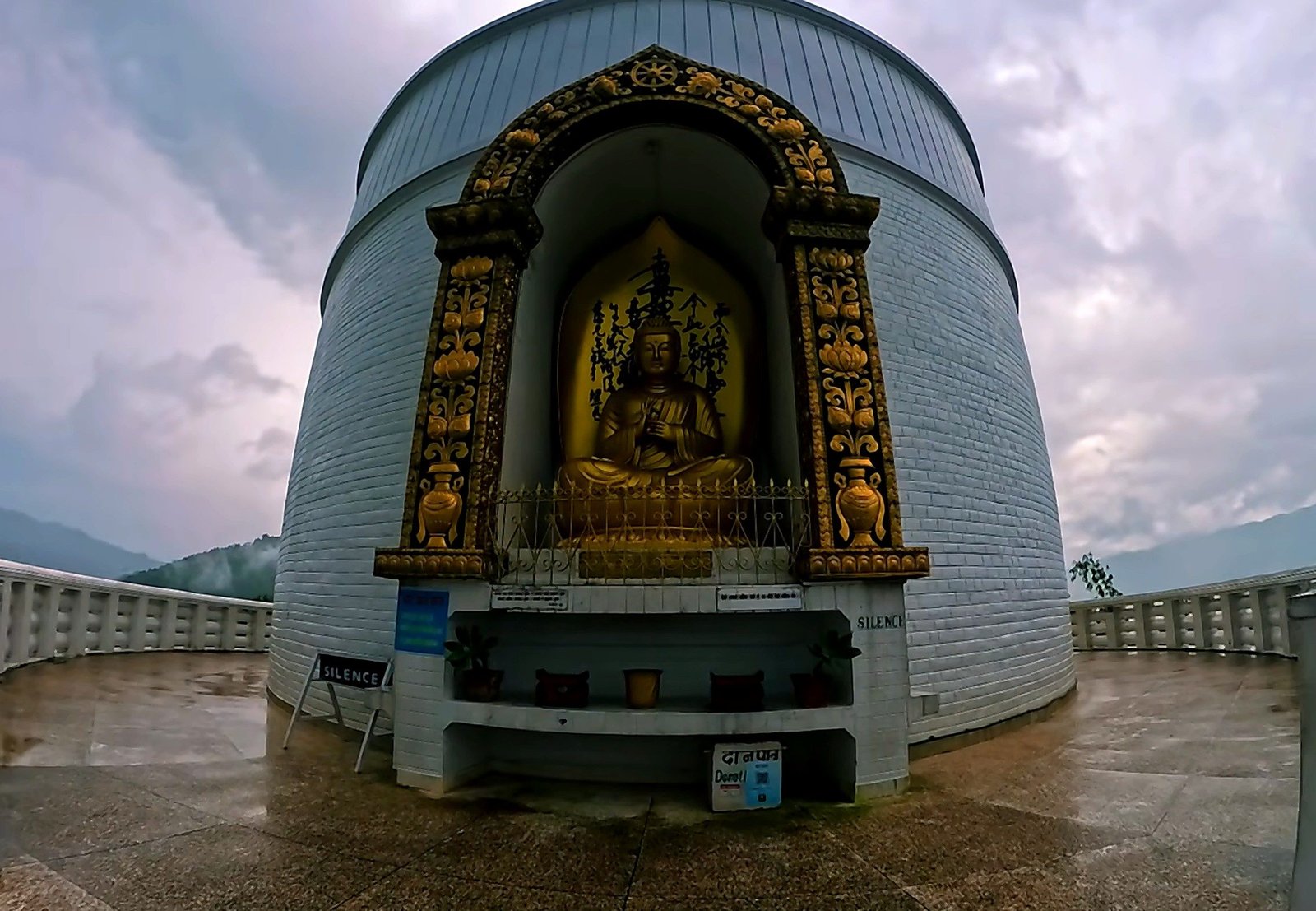
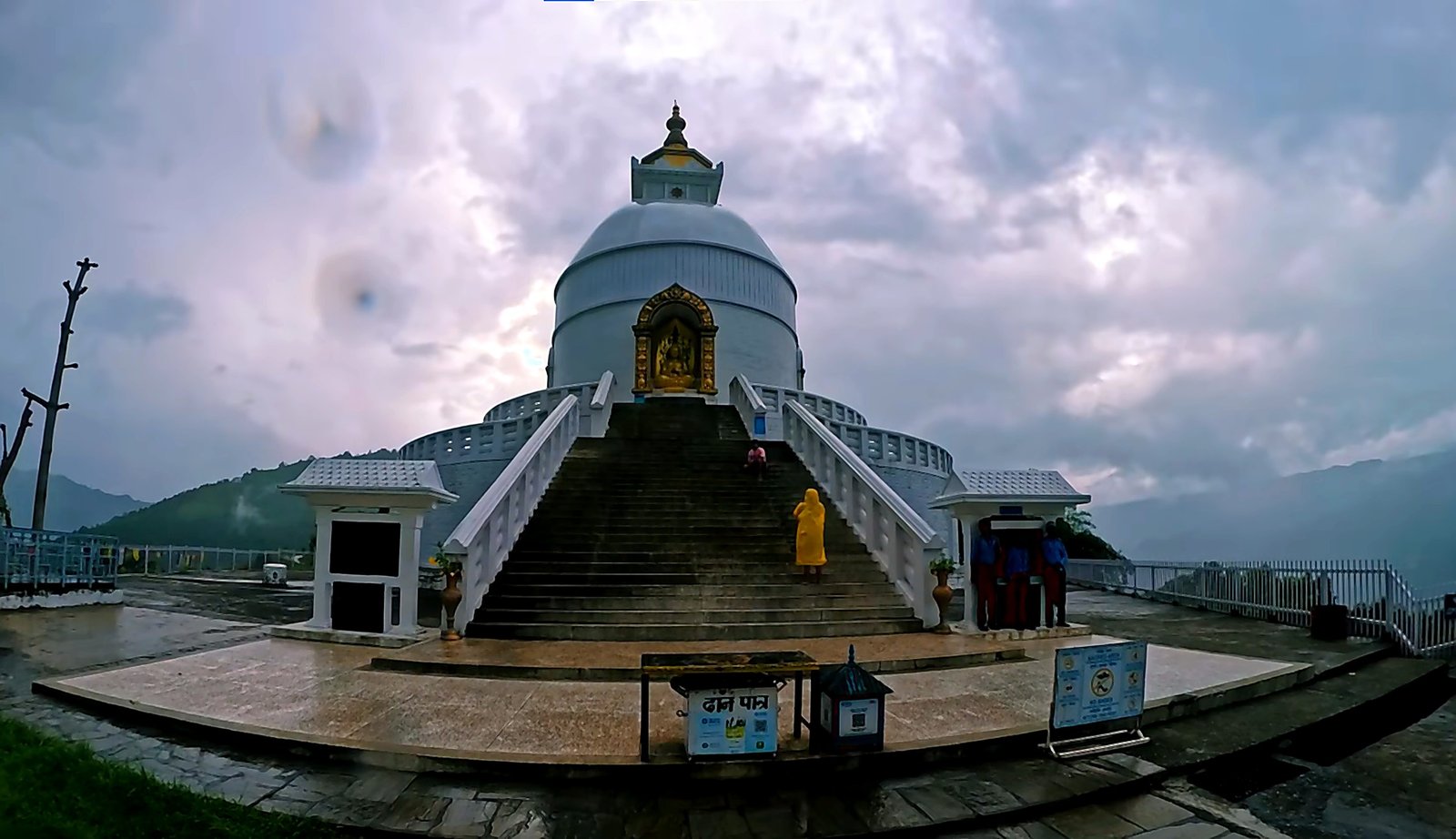
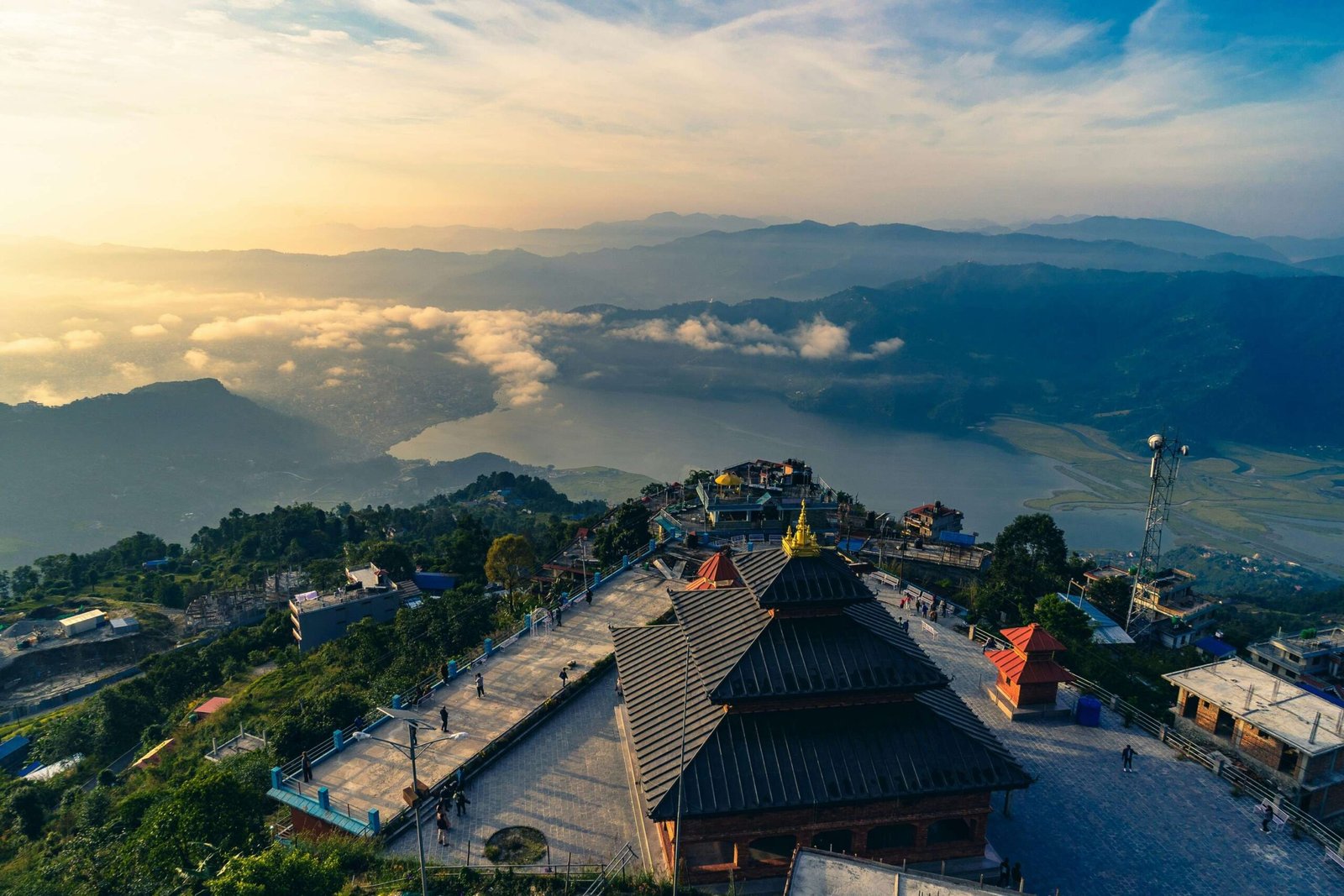
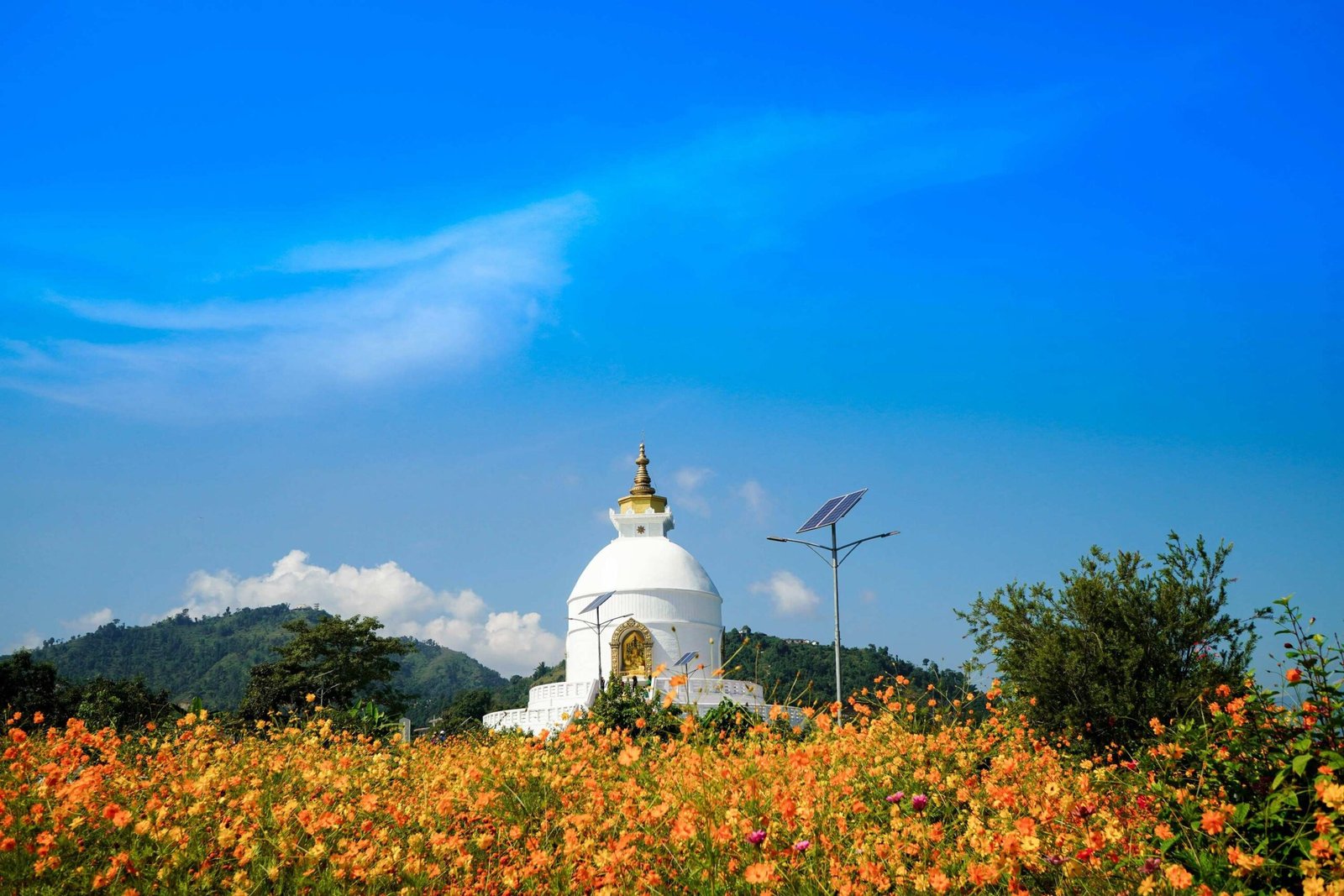
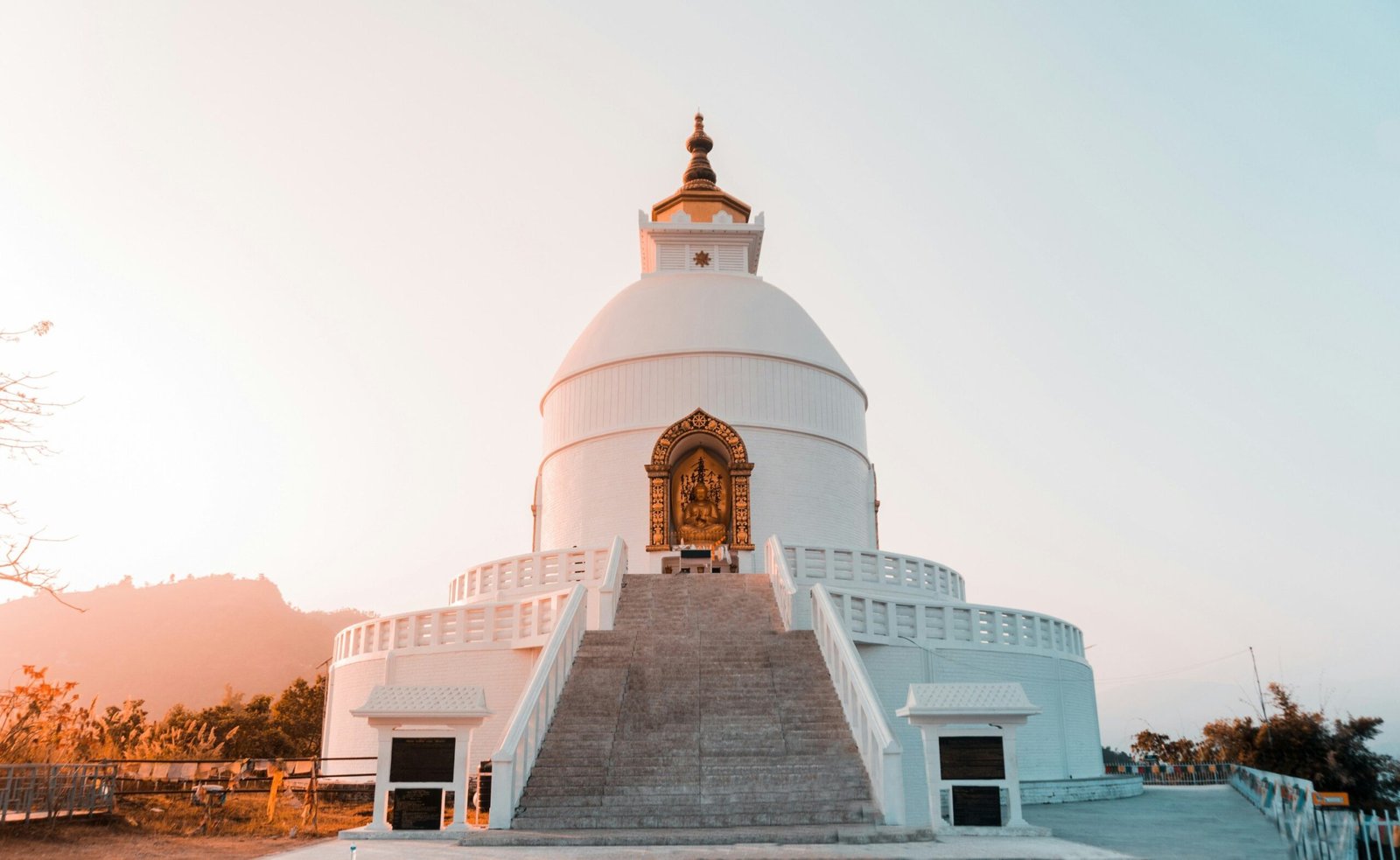
After Sarangkot, the tour continues to the World Peace Pagoda, positioned on a hill above Phewa Lake. The pagoda offers a broader view of Pokhara than the lakeside area, with the lake, city and surrounding hills spreading out below and the mountains visible beyond when the weather is favorable.

The quieter setting also provides a welcome contrast to the caves, waterfalls and busier sightseeing stops covered during the tour.
Although the itinerary includes many of Pokhara’s best known attractions, the tour is not intended to feel like a race from one location to another.
The two days are arranged to give travelers a balanced combination of sightseeing, cultural discovery, natural scenery and free moments around the lake.
The exact order of visits can be adjusted according to traffic, weather, attraction conditions and the location of the hotel, while keeping the major experiences included in the program.
The Pokhara Valley Tour for 2 Days is therefore well suited to travelers who just came back from hectic trek and visitors arriving with limited time.

Couples looking for a relaxed private sightseeing experience, families traveling together and anyone who wants to experience more than just Lakeside can also enjoy this trip.
In a short period, the tour brings together Pokhara’s lakes, caves, waterfalls, temples, museums, viewpoints and mountain scenery, giving travelers a well rounded introduction to one of Nepal’s most scenic and enjoyable destinations.
Pokhara Valley Tour Highlights
| Tour Detail | Information |
|---|---|
| Tour Duration | 2 Days |
| Destination | Pokhara Valley, Gandaki, Nepal |
| Tour Style | Private Valley Sightseeing Tour |
| Main Focus | Nature, Culture, Caves, Temples, Mountain Views and Lakeside Experiences |
| Main Viewpoint | Sarangkot |
| Major Lake | Phewa Lake |
| Cave Attractions | Mahendra Cave and Gupteshwor Mahadev Cave |
| Natural Attractions | Devi’s Fall, Seti Gorge and Phewa Lake |
| Cultural Attractions | Tal Barahi Temple, Bindabasini Temple and World Peace Pagoda |
| Best For | Couples, Families, Friends, First Time Visitors and Short Stay Travelers |
Main Attractions
| Area | Places and Experiences |
|---|---|
| Lakeside and Phewa Lake | Phewa Lake, Tal Barahi Temple, boating and Lakeside |
| Southern Pokhara | Devi’s Fall and Gupteshwor Mahadev Cave |
| Northern Pokhara | Mahendra Cave |
| Central Pokhara | Seti Gorge and International Mountain Museum |
| Hill Viewpoints | Sarangkot and World Peace Pagoda |
| Cultural Pokhara | Bindabasini Temple and Tal Barahi Temple |
Trip Highlights
- Discover Pokhara’s most famous natural and cultural attractions across two well planned sightseeing days
- Cruise across Phewa Lake and visit Tal Barahi Temple, located on a small island in the middle of the lake
- Explore Mahendra Cave, one of Pokhara’s best known underground attractions, with its limestone chambers and naturally formed features
- Visit Devi’s Fall and continue into Gupteshwor Mahadev Cave, where water, rock formations and religious traditions come together in one area
- Learn about Nepal’s Himalayan climbing history and mountain communities at the International Mountain Museum
- Look into the narrow and dramatic Seti Gorge, carved through the Pokhara landscape by the Seti River
- Wake before sunrise for the drive to Sarangkot, one of Pokhara’s classic viewpoints for Himalayan and valley scenery
- Visit the World Peace Pagoda on the hill above Phewa Lake and enjoy sweeping views across Pokhara and the surrounding hills
- Stop at Bindabasini Temple, an important religious site with a long connection to Pokhara’s local Hindu community
- Experience the relaxed atmosphere of Lakeside Pokhara, with time for boating, cafés, restaurants and an easy evening beside Phewa Lake.
Pokhara Valley Tour – 2 Days ~ Itinerary
Day 1
Explore Pokhara Valley, Caves, Waterfalls and Lakeside
- Altitude: Around 822 to 1,100 m during the day
- Sightseeing Duration: Around 7 to 8 hours
- Drive Distance: Approximately 45 to 55 km in total
- Drive Duration: Around 2 to 3 hours of combined local driving
- Meals: Breakfast
- Accommodation: Three-Star Hotel in Pokhara
Begin the first day with a morning visit to Bindabasini Temple, one of Pokhara’s best known Hindu temples. The temple sits on a hilltop and has an open setting that makes it a pleasant place to begin the sightseeing day. From there, continue toward Seti Gorge, where the Seti River disappears into a remarkably narrow and deep channel through the city.
The tour then moves toward the northern side of the valley for Mahendra Cave, where a series of underground passages and limestone formations create a completely different experience from Pokhara’s open mountain landscapes. After exploring the cave, return toward the southern side of the city for Devi’s Fall. During the monsoon and periods of stronger flow, the waterfall becomes especially dramatic as water drops into the underground channel.
Just across the road, explore Gupteshwor Mahadev Cave, a sacred cave associated with Lord Shiva. The cave extends beneath the surrounding rock and is closely connected with the water system of Devi’s Fall. Later, visit the International Mountain Museum to learn about Himalayan expeditions, mountain communities, climbing history and the geography of Nepal’s famous peaks.
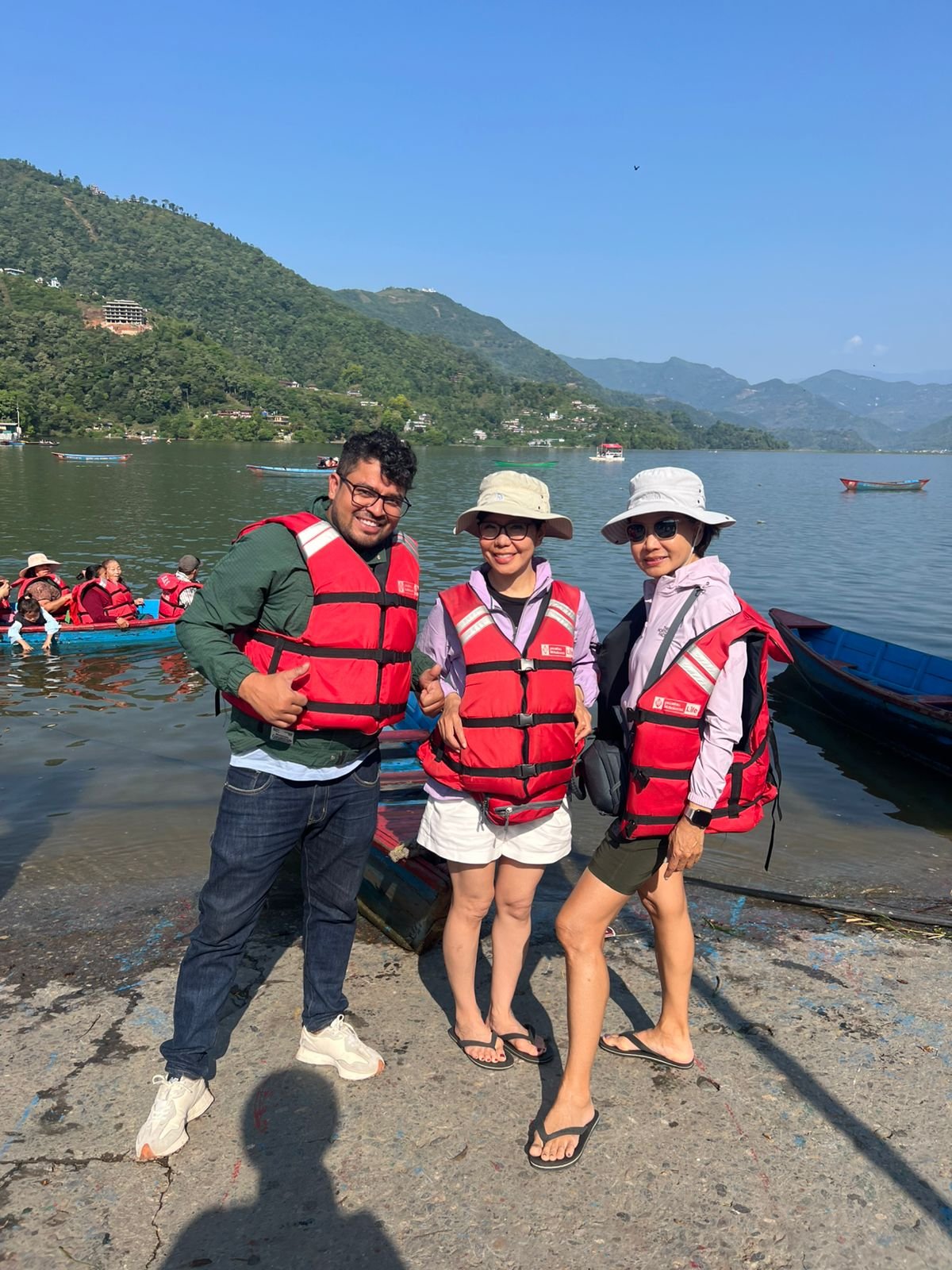
The day ends beside Phewa Lake. Take a boat across the lake and visit Tal Barahi Temple, situated on its small island. After returning to shore, spend some relaxed time around Lakeside Pokhara, with its restaurants, cafés, shops and views across the water.
Day 2
Sarangkot Sunrise, World Peace Pagoda and Phewa Lake
- Altitude: Pokhara around 822 m, Sarangkot around 1,600 m
- Sunrise Viewpoint: Sarangkot
- Sightseeing Duration: Around 6 to 8 hours
- Drive Distance: Approximately 35 to 45 km in total
- Drive Duration: Around 2 to 3 hours of combined local driving
- Meals: Breakfast
- Accommodation: Three-Star Hotel in Pokhara
The second day starts before sunrise with a drive to Sarangkot, one of Pokhara’s most popular mountain viewpoints. Arriving before sunrise gives you time to settle at the viewpoint before the first light reaches the Himalayan horizon. On clear mornings, the panorama can extend toward Annapurna, Dhaulagiri and Machhapuchhre, with Phewa Lake and Pokhara Valley spread below. Sarangkot is also a major launch point for paragliding, so travelers interested in adding an adventure activity can arrange a flight here.
After returning to the city, continue to the World Peace Pagoda, also known as the Shanti Stupa, situated on a hill overlooking Phewa Lake. The viewpoint provides a broad perspective over the lake, Pokhara and the surrounding hills and mountains. The peaceful setting makes this a good contrast to the busy sightseeing areas of the valley.
Continue back toward Phewa Lake for a more relaxed part of the day. Travelers can enjoy additional boating time, walk along the Lakeside waterfront or simply take in the views before visiting any remaining attraction from the previous day’s schedule. The tour can finish around Lakeside, giving you freedom to continue exploring Pokhara independently afterward.
Trip Cost Includes/Excludes
Cost Includes
- Private transportation for the scheduled Pokhara Valley sightseeing program is included
- Experienced local driver for the sightseeing days
- Two nights in Three-Star Hotel in Pokhara
- Daily Breakfast
- Sightseeing visits to the attractions listed in the itinerary
- Phewa Lake boating and Tal Barahi Temple visit, subject to weather and local operating conditions
- Basic assistance and coordination throughout the sightseeing program
- Tour Completion certificate from company
- All applicable government charges and service charges
Cost Excludes
- Meals and drinks are not included unless specifically mentioned
- Personal expenses such as shopping, laundry, snacks and additional activities are not included
- Paragliding from Sarangkot and other adventure activities are optional and charged separately
- Travel insurance, medical expenses and emergency evacuation are not included
- Tips for drivers and other service staff are not included and remain at the traveler’s discretion
- Any services not specifically mentioned under the inclusions are excluded from the package
Trip Photo/Video Gallery
Frequently Asked Questions
Yes. This is designed as a standalone 2-day sightseeing experience in Pokhara, so there is no Kathmandu arrival day, Pokhara departure day or unrelated overnight travel added to the package.
Yes. Mahendra Cave is included, along with Gupteshwor Mahadev Cave, Devi’s Fall and the other major attractions listed in the itinerary.
Yes, the planned Phewa Lake experience and visit to Tal Barahi Temple are included, subject to weather and local operating conditions. Any additional or extended boating time can be arranged separately.
Day 2 starts early enough to reach Sarangkot before sunrise. The exact pickup time depends on the season and the sunrise time on the travel date.
Yes. Paragliding can be added as an optional activity on Day 2. Because the flight depends on weather and availability, it is best arranged in advance.
Yes. The itinerary includes a visit to the World Peace Pagoda, with time to enjoy the views over Phewa Lake and Pokhara Valley.
Attraction entrance included as specified in the Pokhara Valley Tour itinerary.
Yes. The order may be adjusted according to traffic, weather, attraction operating conditions and your hotel location while keeping the main attractions covered.
The tour works particularly well for couples, families, friends, first-time visitors and travelers with limited time in Pokhara who want to experience the valley’s major attractions without booking a longer Nepal itinerary.
You may also like

Menu
