


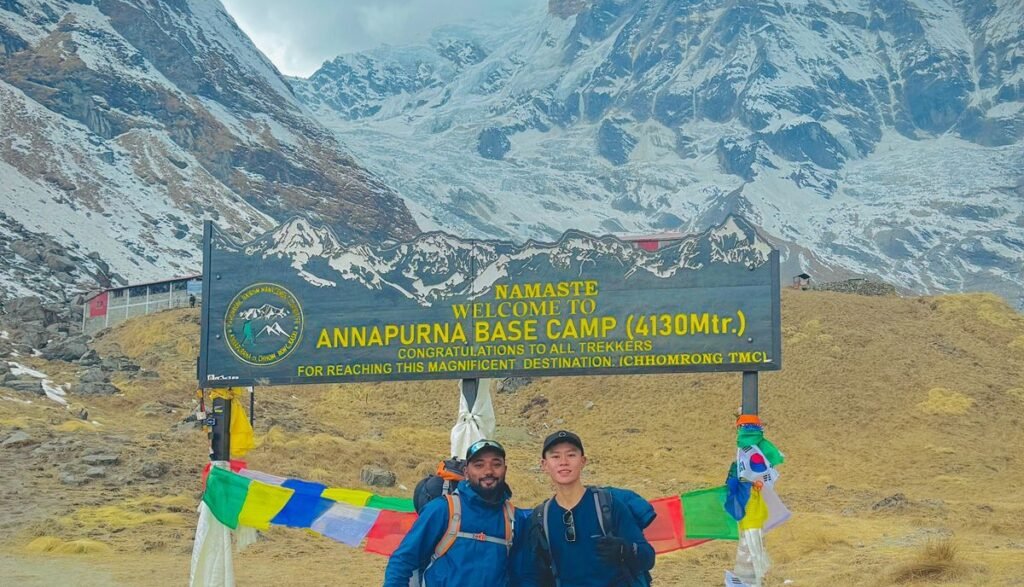
Annapurna Base Camp Trek in March – Weather, Cost & Scenic Highlights
March is one of the best months to embark on the Annapurna Base Camp trek, offering trekkers a perfect balance of pleasant weather and stunning natural beauty. As the spring season begins, the trail comes alive with vibrant red and white Rhododendron blooms, numerous wildflowers, and lush green landscapes that create an unforgettable visual experience. The days are comfortably warm for trekking, while the nights and early mornings bring a refreshing chill that is still bearable, making it ideal for long walks through the Himalayas.
Trekkers can enjoy spectacular, unobstructed views of some of the region’s most iconic peaks, including Mount Annapurna, the 10th highest mountain in the world at 8,091 meters, Machhapuchhre at 6,997 meters, Gangapurna at 7,454 meters, and the unclimbed Fang at 7,647 meters. Along the way, the trail passes through quaint Gurung villages, terraced fields, and dense forests, offering rich cultural experiences alongside breathtaking natural scenery.
March also marks a shoulder season, meaning fewer crowds than the peak trekking months, while still enjoying clear skies and excellent visibility. With moderate temperatures, minimal rainfall, and crisp mountain air, this month provides the ideal conditions for photography, adventure, and making memories that will last a lifetime.
Highlights
-
Breathtaking views of Annapurna, Dhaulagiri, Machhapuchhre, and surrounding peaks.
-
Trekking through Rhododendron forests in full bloom.
-
Sunrise view from Poon Hill with golden and orange-tinted mountain peaks.
-
Overnight stay at the Annapurna Base Camp.
-
Hot spring bath experience at Jhinu Danda.
-
Cultural experience in Gurung villages like Ghandruk and the Gurung Museum.
-
Diverse flora and fauna of the Annapurna Conservation Area.
Best Time for Annapurna Base Camp Trek
The ideal seasons for the Annapurna Base Camp trek are Spring (March to May) and Autumn (September to November). During these months, skies remain clear, trails are dry, and mountain views are spectacular. Trekkers can enjoy unobstructed panoramas of Annapurna I (8,091m), Hiunchuli (6,441m), and other surrounding peaks.
Accommodation along the route is well-prepared and comfortable during these busy trekking seasons. Outside these periods, in Winter and Summer, the weather becomes unpredictable, with snow, rain, or muddy trails making trekking more challenging and hazardous.
Annapurna Base Camp Trek in March
March brings springtime to the Annapurna region, making it perfect for trekking. Lower trails are warm, and forests come alive with greenery and colorful wildflowers, especially Rhododendrons in full bloom. Trails remain clean and dry, ensuring safe walking conditions.
Daytime temperatures at lower altitudes like Chomrong (2,170m) range from 10°C to 15°C, while higher elevations above 4,000m can experience -4°C to -8°C during the day.
Nights at Annapurna Base Camp (4,130m) drop to around -10°C. The clear skies provide breathtaking views of peaks like Annapurna I and Hiunchuli, making March one of the best months for photography and trekking experiences.
Basic Itinerary
Day 01: Arrival at Kathmandu (1,400 m) and transfer to the hotel. Overnight in Kathmandu.
Day 02: Drive to Pokhara (900 m) – 7 to 9 hours. Overnight in Lakeside.
Day 03: Drive to Birethanti (1,039 m) and trek to Ulleri (2,020 m) – 4 to 5 hours. Overnight at a guesthouse.
Day 04: Trek to Ghorepani (2,840 m) – 5 to 6 hours. Overnight at a guesthouse.
Day 05: Early morning hike to Poon Hill (3,210 m) & back, then trek to Tadapani (2,610 m) – 6 to 7 hours. Overnight at a guesthouse.
Day 06: Trek to Sinuwa (2,360 m) – 6 to 7 hours. Overnight at a guesthouse.
Day 07: Trek to Deurali (3,230 m) – 6 to 7 hours. Overnight at a guesthouse.
Day 08: Trek to Annapurna Base Camp (4,130 m) – 5 to 6 hours. Overnight at a guesthouse.
Day 09: Trek to Bamboo (2,345 m) – 6 to 7 hours. Overnight at a guesthouse.
Day 10: Trek to Jhinu (1,780 m) – 4 to 5 hours. Overnight at a guesthouse.
Day 11: Trek to Syauli Bazaar (1,170 m) – 2 to 3 hours, then drive back to Pokhara – 2 to 4 hours. Overnight in Lakeside.
Day 12: Drive back to Kathmandu – 7 to 9 hours. Overnight in Kathmandu.
Day 13: Transfer to Tribhuvan International Airport for departure.
Annapurna Base Camp Trek Cost March 2026
The cost of trekking to Annapurna Base Camp in March 2026 ranges from USD 650 to USD 765 per person, depending on the size of the group and the services included. This price can increase if you choose additional options, such as a round-trip flight between Kathmandu and Pokhara, which costs an extra USD 200, or upgraded accommodations in Kathmandu and Pokhara.
Generally, the package includes standard hotel stays with breakfast in Kathmandu and Pokhara, basic teahouse accommodation during the trek, three meals per day while trekking, a professional English-speaking guide, and round-trip tourist bus transportation between Kathmandu and Pokhara. This makes it a convenient and comprehensive way to experience the Annapurna Base Camp trek in March.
Meals and Accommodation during the ABC Trek in March
Accommodation
March marks the start of spring in the Annapurna region and is one of the busiest trekking months after autumn. The pleasant weather and blooming landscapes attract many trekkers.
-
Single rooms are generally available in Kathmandu, Pokhara, and lower trekking regions. Higher elevations have fewer options.
-
The average cost for a basic teahouse or lodge room is around $2 per night. Rooms are small but tidy, often with twin beds.
-
For larger groups, dorm-style rooms with 4-6 beds are available.
-
Luxury hotels are also available at higher costs but are not common along the trekking trail.
Meals
Teahouses earn more from food than lodging, so meals are usually served where you stay.
-
Breakfast: Eggs, roti (tortilla), cereal with milk, and sandwiches.
-
Lunch & Dinner: Potatoes, noodles, chowmein, momo, macaroni, pudding, or Dal Bhat Tarkari. Dal Bhat is the cheapest and most filling option.
-
Drinks: Tea, coffee, plain warm water, or flavored hot beverages. Alcohol is available but not recommended due to altitude sickness risks.
-
The average daily cost for three meals is around $25, including multiple cups of hot drinks.
Trekking Permits for Annapurna Base Camp
To trek to Annapurna Base Camp, you need two permits:
-
Annapurna Conservation Area Project (ACAP) Permit
-
Cost for SAARC nationals: NRS 200 (US $2)
-
Cost for other nationals: NRS 3,000 (US $30)
-
-
Trekkers’ Information Management System (TIMS) Card
-
Cost: NRS 2,000 (US $20)
-
Additional Essentials
-
Copy of your passport
-
Travel insurance
-
Credit card (useful in case of evacuation)
Difficulty Level of Annapurna Base Camp Trek in March
The Annapurna Base Camp trek is considered a moderate trek. It does not require advanced physical fitness or prior trekking experience, making it suitable for most travelers who enjoy nature.
March brings dry, warm, and stable weather to the Annapurna region, with wildflowers adding vibrant colors to the hills, making the trek even more enjoyable. The trail conditions during this month are generally safe, with minimal risk of difficulties.
If you choose the Ghorepani trail, your body will gradually adapt to higher altitudes along the way. The trek reaches a maximum elevation of 4,130 meters, so some trekkers may experience mild altitude sickness. Walking slowly, staying hydrated, and taking regular rest breaks will help you reach the base of the majestic peaks comfortably.
Trekking Gear Required for Annapurna Base Camp in March
Packing the right gear determines how enjoyable and safe your trek will be. Even though March offers moderate weather, you will experience both warm days and cold nights at higher altitudes. Carry wisely and avoid overpacking.
Footwear and Clothing
-
Lightweight, well-fitting trekking boots for safety and comfort
-
Two or more pairs of trekking socks
-
Windproof jacket and trousers
-
Down jacket and warm trousers for cold evenings and mornings
-
Thermal wear and trekking T-shirts
Sleeping and Hiking Essentials
-
Lightweight sleeping bag
-
Trekking pole to assist with ups and downs on the trail
-
Hat or cap
Sun and Skin Protection
-
Sunglasses
-
Sunscreen and lotion
-
Lip balm
Health and Safety
-
First aid kit including oral rehydration salts (ORS)
-
Iodine tablets
-
Water bottle (airtight)
-
Long-sleeved shirt for sun and insect protection
Toiletries and Miscellaneous
-
Toilet paper, hand sanitizer, moisturizer, toothpaste, toothbrush
-
Map of Annapurna Base Camp
-
Snacks and entertainment (books, cards, iPad, etc.)
Having the right gear ensures a safe and enjoyable trekking experience in the beautiful Annapurna region during March.
Essential Advice for Trekking to Annapurna Base Camp in March
1) Prepare for Sudden Weather Changes
Even in March, the Annapurna region can experience unpredictable weather. Carry windproof jackets, warm layers, and rain protection. Be ready for chilly mornings, strong winds, or sudden showers, especially at higher altitudes.
2) Book Accommodations in Advance
March is a peak trekking season due to the clear skies and blooming Rhododendrons. Teahouses and lodges along the trail may be crowded. Booking rooms ahead ensures you have a comfortable place to stay and avoids waiting in long queues for meals.
3) Start Early for a Smooth Day
Begin your trek shortly after breakfast to maximize daylight hours. Early starts allow you to reach your destinations with ease, get the best rooms, and enjoy the trail with fewer crowds.
4) Dress for Cold Mornings and Nights
Temperatures drop significantly during early mornings and nights, especially at higher elevations. Carry thermal layers, hats, gloves, and warm socks to stay comfortable while sleeping and trekking during chilly hours.
5) Use Local Porters to Ease Your Load
Carrying heavy backpacks over long treks can tire you quickly. Hiring a local porter helps you manage your energy better and also supports the local economy.
6) Pace Yourself for a Safe Trek
The ABC trek is moderate but involves long walks and altitude gain. Move at a steady pace, take regular breaks, and listen to your body. Rushing increases fatigue and the risk of altitude sickness.
7) Stay Hydrated and Energized
Higher altitudes can dehydrate your body faster. Carry safe drinking water, fruit juices, or energy drinks. Pack snacks like energy bars, chocolates, or nuts to maintain energy during long trekking days.
8) Watch for Signs of Altitude Sickness
Reaching Annapurna Base Camp involves climbing above 4,000 meters. Be alert to symptoms like headaches, dizziness, or nausea. Inform your guide immediately and descend to a lower altitude if needed.
9) Carry Sufficient Cash
Most teahouses do not have ATMs, and card payments are rarely accepted along the trail. Carry enough Nepali rupees to cover accommodations, meals, and small purchases throughout the trek.
10) Respect Local Customs
Nepalese culture values modesty and privacy. Avoid public displays of affection and wearing revealing clothes. Always ask for permission before taking photos of locals to show respect for their traditions.
FAQs
Do I need prior trekking experience?
Previous trekking experience is not required as long as you are physically healthy and enthusiastic about the trek.
How challenging is this trek?
The ABC trek is moderately challenging due to the altitude and long trekking hours. Expect to walk 5 to 8 hours per day, covering varying terrain and elevations.
What sort of food can I expect during the ABC trek?
Guesthouses along the trail offer multiple food options, including dal bhat (rice and lentils), bread, eggs, potatoes, noodles, soup, pasta, and pastries. Vegetarian meals are recommended. Meals often include garlic, which can aid in acclimatization, and one hot drink such as tea, coffee, hot chocolate, or hot lemon. Additional drinks or snacks like soda, candy, and cookies can be purchased at your own expense.
I am a vegetarian. Is that a problem during the trip?
No, vegetarian meals are widely available in teahouses along the trekking route. Choosing vegetarian options is often safer, helping avoid food poisoning or indigestion at high altitudes.
How are acclimatization and altitude related?
Acclimatization is the process your body undergoes to adapt to lower oxygen levels at higher altitudes. Gradually ascending, taking rest days, and staying hydrated help your body adjust, reducing the risk of altitude sickness during the trek.
Can I shower during the trek?
In major villages and teahouses, you will find proper running showers. However, at Machhapuchare Base Camp and Annapurna Base Camp, running water is not available. In these locations, water will be provided in buckets for showering, typically costing between USD 2 and USD 4 per bucket. One bucket is usually enough for a single person.
Can I charge my electronic devices?
Yes, you can charge your devices at most teahouses along the trek for an additional fee, generally ranging from USD 1 to USD 5 per charge. It is recommended to carry Type C and Type D plug adaptors, which can also be purchased in Kathmandu if needed.
Why Plan Your Next Nepal Trip with Nepal Royal Treks
Planning a trip to Nepal is easy with Nepal Royal Treks. With expert local guides, personalized itineraries, and transparent pricing for all budgets, they make trekking, cultural tours, and adventure activities smooth and hassle-free. From handling permits and accommodations to arranging transportation, we take care of all logistics so you can focus on enjoying Nepal’s mountains, heritage, and wildlife. By traveling with us, you also support responsible tourism and local communities, ensuring a memorable and authentic Nepal experience.