


Why April Is One of the Best Months for Trekking in Nepal: Weather, Best Treks & Spring Conditions
April is one of the months when Nepal’s trekking trails feel especially alive. Rhododendron forests add colour to the hills, mountain villages become busier after winter, and snowy Himalayan peaks remain a dramatic backdrop above greener lower valleys.
For many trekkers, the month offers an appealing balance. Daytime walking is generally more comfortable than in the coldest winter period, established routes are active again, and spring scenery can make familiar trekking regions look completely different.

From the Annapurna foothills to Langtang and the Khumbu, April gives travellers a wide choice of routes.
That does not mean April guarantees perfect weather. High elevations can still be freezing, afternoon cloud or showers can develop, and major passes may retain snow or ice.
The strength of April is not that every day is flawless; it is that the month offers a very good combination of scenery, temperature, trail access and trekking variety across much of Nepal.
Quick Answer: Why Is April One of the Best Months for Trekking in Nepal?
Spring scenery: Rhododendrons and fresh greenery add colour to many lower and middle-elevation trails.
Snowy Himalayan backdrop: High peaks often retain a strong winter appearance even as lower valleys warm.
Comfortable daytime walking: Many trekking areas are milder than in mid-winter, although mornings and nights can still be cold.
Wide route choice: April can suit beginner treks, base-camp journeys and selected high-pass routes when conditions are safe.
Everest spring atmosphere: April overlaps with the Himalayan climbing season, adding a distinctive energy to the Khumbu.
Important: April is a strong trekking month, not a promise of sunshine, clear passes or snow-free trails.
Why April Works So Well for Trekking in Nepal
April sits in the heart of Nepal’s main spring trekking season. Winter is retreating across many lower and middle elevations, forests are greener, and longer spring days give trekkers more usable daylight than during the depths of winter.
At the same time, the high Himalayas remain cold and snow-covered, creating the contrast that makes spring trekking so visually appealing.

The month is also flexible. A first-time trekker can choose a route such as Ghorepani Poon Hill, while someone looking for a bigger challenge can head towards Annapurna Base Camp, Everest Base Camp or Gokyo.
Experienced trekkers may consider circuits and high-pass routes, provided current snow and weather conditions support the plan.
Rhododendron Forests Bring Spring Colour
One of April’s most recognisable attractions is the rhododendron bloom. Nepal’s national flower appears along many forested trekking trails, particularly in regions such as Annapurna and Langtang.
Red, pink and white blossoms can create a striking contrast with snowy mountains above the tree line.

The flowering period is not identical everywhere. Elevation, temperature and local weather affect when different forest sections bloom, so travellers should not expect every hillside to be covered in flowers on the same date.
Even so, April gives nature lovers and photographers one of the best chances to combine Himalayan scenery with colourful spring forests.
The Mountains Still Look Snowy and Dramatic
Spring warmth in the valleys does not remove winter from the high Himalayas. Annapurna, Dhaulagiri, Machhapuchhre, Everest, Lhotse, Nuptse, Ama Dablam, Langtang Lirung and many other peaks can still look heavily snow-covered in April.

This gives April a visual character that is different from trekking later in the year. Lower trails may be green and flowering while the mountains remain white above them.
Clear views are never guaranteed, and cloud can build during the day, but the contrast between spring vegetation and snow-covered peaks is one of the month’s strongest attractions.
Daytime Walking Is Usually More Comfortable Than Mid-Winter
April generally brings milder daytime conditions to many popular trekking routes. Long climbs through forests and villages can feel more comfortable than they do in January or February, and the longer daylight hours give more flexibility for steady walking, photography and rest stops.
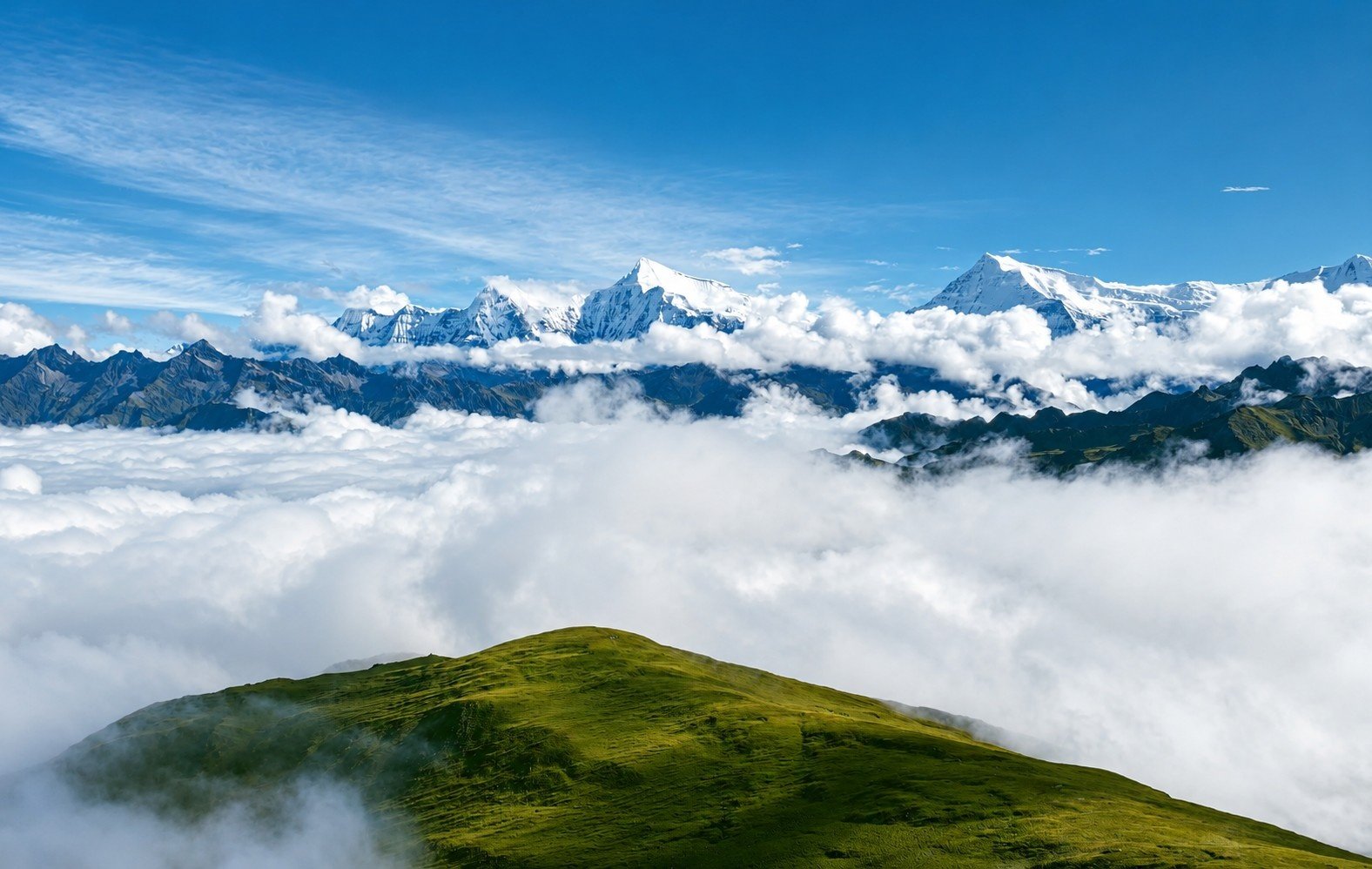
The temperature difference between elevations remains large. A sunny afternoon in a lower valley may feel warm, while a morning at a base camp or high village can still be freezing.
Layering remains essential, and trekkers should pack for the coldest point of the itinerary rather than for Kathmandu or Pokhara.
April Offers Routes for Different Experience Levels
Another reason April is so useful is the number of routes that become practical during spring. Shorter treks can focus on forests, villages and viewpoints.
Intermediate routes can move higher towards ridges and base camps. Longer journeys can enter remote valleys and cross major passes when snow, ice and weather conditions allow.

This variety means you do not need to choose the hardest route to enjoy April. A well-matched trek usually gives a better experience than selecting a famous high-altitude itinerary simply because the month is considered favourable.
The Everest Region Has a Special Spring Atmosphere
April overlaps with the spring climbing season in the Everest region. Expedition teams, guides, porters and supplies move through the Khumbu towards Everest Base Camp, giving the trail a distinctive energy that is different from autumn.
Trekkers are not joining an Everest climbing expedition, but they may see the preparation surrounding the season as they travel through Namche Bazaar, Tengboche, Dingboche, Lobuche and the upper Khumbu.

For travellers interested in the culture and activity around Himalayan mountaineering, this is one of April’s unique advantages.
What Is April Weather Like for Trekking in Nepal?
There is no single April temperature that describes trekking in Nepal. Conditions change with elevation, sun exposure, wind, region and time of day. Lower villages can be pleasantly warm while a high pass feels completely wintry.
| Elevation / Terrain | Typical April Experience | What to Prepare For |
|---|---|---|
| Lower hills and villages | Milder days, fresh greenery and spring flowers in suitable areas. | Sun protection, breathable layers and a light waterproof shell. |
| Forested middle elevations | Cool mornings, comfortable walking periods and rhododendrons at the right elevations. | Layered clothing, good boots and protection from changing weather. |
| High mountain villages and base camps | Cold mornings and nights, strong sun during the day and rapid temperature changes. | Insulation, gloves, warm hat, sun protection and suitable sleeping arrangements. |
| High passes and exposed ridges | Residual snow or ice may remain, and fresh snowfall or wind can change conditions quickly. | Current trail information, appropriate equipment and willingness to change plans. |
Afternoon cloud, showers and pre-monsoon thunderstorms can occur, especially as the month progresses. April should therefore be treated as a favourable spring month rather than a dry-weather guarantee.
Is Early April Better Than Late April?
Both early and late April can be excellent. The difference is mainly in temperature, flowering patterns and how strongly pre-monsoon weather begins to influence the day.
| Factor | Early April | Late April |
|---|---|---|
| Temperature | Can still feel wintry at high elevations. | Lower valleys are generally warmer, while high-altitude mornings remain cold. |
| Rhododendrons | Blooming may be strong at some lower and middle elevations. | Higher forest sections may flower later while lower areas may be past peak bloom. |
| Mountain visibility | Clear mornings can be excellent, but winter weather can still affect high terrain. | Good views remain possible, with more attention to afternoon cloud and pre-monsoon storms. |
| High passes | Snow and ice can remain from winter. | Conditions may improve, but a warmer valley does not mean a high pass is automatically clear. |
If flowers are your main priority, ask about current conditions on the specific trail rather than choosing a date based only on the calendar. If your itinerary crosses a major pass, current snow and safety information matter much more than whether you travel during the first or second half of April.
Best Treks in Nepal in April
April works for a wide range of trekking styles. The table below keeps the choices in one place so you can compare shorter spring routes with longer high-altitude journeys without reading the same seasonal explanation repeatedly.
| Trek | Duration / High Point | Level | Why April Works | Actions |
|---|---|---|---|---|
| Ghorepani Poon Hill | 8 days / 3,210 m | Beginner-friendly | Rhododendron forests, villages and the Annapurna–Dhaulagiri sunrise panorama. | View Trip WhatsApp |
| Mardi Himal | 9 days / about 4,500 m | Intermediate | Spring forest on lower sections and close ridge views of Machhapuchhre. | View Trip WhatsApp |
| Annapurna Base Camp Luxury Trek | 10 days / 4,130 m | Intermediate | Spring forests on the approach and snowy peaks surrounding the Annapurna Sanctuary. | View Trip WhatsApp |
| Langtang Valley | 10 days / optional high viewpoints | Intermediate | Rhododendron and bamboo forests, Tamang culture and views of Langtang Lirung. | View Trip WhatsApp |
| Pikey Peak | 9 days / 4,065 m | Intermediate | Quieter lower-Everest trails, seasonal woodland scenery and a broad Himalayan panorama. | View Trip WhatsApp |
| Everest Base Camp | 14 days / Kala Patthar 5,545 m | Challenging | Classic Khumbu trekking, snowy peaks, Sherpa villages and spring expedition atmosphere. | View Trip WhatsApp |
| Gokyo Lakes | 14 days / Gokyo Ri 5,357 m | Challenging | Glacial lakes, Ngozumpa Glacier and a wide Everest-region panorama. | View Trip WhatsApp |
| Annapurna Circuit | 14 days / Thorong La 5,416 m | Advanced | Changing landscapes, Manang and a major high-pass crossing when conditions are suitable. | View Trip WhatsApp |
| Manaslu Circuit | 15 days / Larkya La 5,106 m | Advanced | Remote mountain villages, Buddhist culture and the Larkya La crossing. | View Trip WhatsApp |
| Everest Three High Passes | 18 days / above 5,000 m | Advanced / Strenuous | Kongma La, Cho La and Renjo La with a wide circuit through the Khumbu. | View Trip WhatsApp |
| Nar Phu Valley | 17 days / Kang La about 5,322 m | Advanced | Remote villages, Tibetan-influenced culture and a demanding high mountain crossing. | View Trip WhatsApp |
The table is a starting point rather than a guarantee that every route will be suitable on every April departure. High-pass journeys require current information about snow, ice, wind and trail conditions before the crossing.
Best April Treks by Experience Level
| Traveller | Treks to Consider | Why They Fit April |
|---|---|---|
| First-time trekker | Ghorepani Poon Hill | Shorter itinerary, spring forests, villages and a famous sunrise viewpoint without extreme altitude. |
| Fit first-time / regular hiker | Mardi Himal, Langtang Valley, Pikey Peak | More sustained walking and higher terrain while still offering manageable spring itineraries for prepared hikers. |
| Intermediate high-altitude trekker | Annapurna Base Camp, Everest Base Camp, Gokyo Lakes | Longer journeys with serious altitude but without requiring multiple major pass crossings. |
| Experienced trekker | Annapurna Circuit, Manaslu Circuit, Nar Phu, Three Passes | Demanding itineraries where snow, ice, altitude and pass conditions can strongly influence the plan. |
April vs October: Which Is Better for Trekking in Nepal?
April and October are both major trekking months, but they offer different experiences. April is about spring colour, warming conditions and the atmosphere of the Himalayan climbing season.
October is known for the clearer post-monsoon period and the busiest part of Nepal’s autumn trekking season.
| Factor | April | October |
|---|---|---|
| Landscape | Rhododendrons, new spring growth and snowy mountains. | Green post-monsoon hills and a cleaner autumn atmosphere. |
| Visibility | Often very good, with more chance of afternoon cloud as spring progresses. | Often excellent after the monsoon, though weather is never guaranteed. |
| Temperature | Warming spring conditions; high elevations remain cold. | Generally comfortable trekking temperatures before late-autumn cold increases. |
| Everest atmosphere | Spring expedition activity adds energy to the Khumbu. | Strong trekking season without the same Everest summit-season atmosphere. |
| Crowds | Busy on major routes. | Often very busy on Nepal’s best-known trails. |
| High passes | Winter snow and ice may remain. | Often favourable, but new snow and changing conditions can still affect crossings. |
Choose April if spring flowers, changing landscapes and the energy of the climbing season appeal to you. Choose October if your priority is the classic post-monsoon trekking period. Neither month eliminates mountain weather or altitude risk.
Are High Mountain Passes Open in April?
Some high passes can be crossed in April, but there is no fixed opening date. Winter snow can remain on shaded slopes, and fresh snowfall or strong wind can make a pass unsafe even during a popular trekking month.
This matters on routes involving Thorong La, Larkya La, Kang La, Kongma La, Cho La and Renjo La. These crossings should be treated very differently from ordinary village trails. The current condition of the pass matters more than the month printed on an itinerary.
Planning a High-Pass Trek in April?
Confirm recent snow and ice conditions, required equipment, acclimatisation days and alternative arrangements before the crossing. A good itinerary should be able to change when the mountain says no.
Is April Busy for Trekking in Nepal?
Yes. April is part of the main spring season, so famous routes can feel lively. This is particularly noticeable around Everest Base Camp, Annapurna Base Camp, Poon Hill and other established trails.
For some travellers, the social atmosphere is part of the experience. Others may prefer quieter routes such as Pikey Peak, parts of Langtang, or more remote itineraries. Planning ahead is useful either way.
| April Issue | Practical Approach |
|---|---|
| Busy teahouses | Arrange popular overnight stops early where possible. |
| Busy viewpoints | Start early when appropriate and allow time rather than rushing for one photograph. |
| Guide and transport demand | Confirm your guide, vehicle and domestic transport before arrival. |
| Want quieter trails | Consider less crowded routes rather than avoiding April altogether. |
Altitude and Acclimatisation Still Matter in April
Good spring weather does not reduce the physiological effect of altitude. A trekker can be very fit and still develop altitude illness. The body needs time to adapt as sleeping elevations increase.
This is especially important on Everest Base Camp, Gokyo, Three Passes, Nar Phu, Manaslu and the Annapurna Circuit. Acclimatisation days, gradual ascent and a willingness to stop climbing when symptoms appear are more important than maintaining a rigid schedule.
| Situation | Response |
|---|---|
| Mild symptoms | Headache, nausea, dizziness or unusual fatigue should be taken seriously. Stop ascending and report symptoms. |
| Symptoms worsening | Do not continue upward. Descent may be necessary. |
| Prevention | Ascend gradually, keep acclimatisation days, eat and drink properly, and avoid turning rest days into a race. |
What Should You Pack for Trekking in April?
April packing needs to handle both warm walking and cold mountain conditions. The exact equipment depends on the route, but layering is more useful than packing for one fixed temperature.
| Item | Why It Matters in April |
|---|---|
| Moisture-wicking base layers | Useful during warm uphill walking and easy to layer when the temperature falls. |
| Fleece or warm mid-layer | Adds insulation for cool mornings, rest stops and evenings. |
| Insulated jacket | Essential for cold nights and high-altitude sections that still feel wintry. |
| Waterproof outer layer | Protects against showers, wind and sudden spring weather. |
| Broken-in trekking boots | Provide grip and support on stone steps, rocky trails and wet or snowy sections. |
| Warm hat, gloves and socks | Important for early starts, windy ridges and cold nights. |
| Sunglasses and sunscreen | High-altitude sun can be intense, especially around snow. |
| Headlamp, water bottles and personal medicine | Useful for early starts, hydration and personal health needs throughout the trek. |
Lukla Flights, Road Transfers and Teahouses in April
April’s popularity makes advance planning useful. Everest-region itineraries often depend on flights to Lukla, while other treks begin with long road transfers to trailheads. Mountain weather, traffic and operational changes can affect either type of transport.
Lukla flights can still be delayed or cancelled because of visibility, wind or other operating conditions. Depending on seasonal arrangements, travellers may fly from Kathmandu or travel by road to Ramechhap before flying to Lukla. Confirm the current departure plan before the trek and leave buffer time before an important international flight.
Teahouses on popular April routes can also be busy. Facilities become simpler at higher elevations, and services such as hot showers, Wi-Fi, charging and private bathrooms may cost extra or be limited. A realistic daily schedule is more valuable than trying to cover the maximum distance every day.
Is April the Right Month for Your Nepal Trek?
| Your Priority | How April Fits | Good Starting Point |
|---|---|---|
| Spring flowers and forests | One of April’s strongest reasons to trek, especially on suitable Annapurna and Langtang trails. | Poon Hill or Langtang Valley |
| First Himalayan trek | Good month if the route matches your fitness and you prepare for changing temperatures. | Poon Hill |
| Close mountain views | Spring offers snowy peaks and increasingly comfortable access to many ridge and base-camp routes. | Mardi Himal or Annapurna Base Camp |
| Everest experience | Excellent spring period with the added atmosphere of the climbing season. | Everest Base Camp or Gokyo |
| Remote high-pass adventure | Possible, but the route must be chosen around current snow, ice and group experience. | Manaslu, Nar Phu, Annapurna Circuit or Three Passes |
| Absolute clearest possible skies | April can be excellent, but travellers focused only on post-monsoon clarity may also compare October or November. | Compare spring and autumn dates |
Frequently Asked Questions About Trekking in Nepal in April
Is April one of the best months for trekking in Nepal?
Yes. April is part of Nepal’s main spring trekking season and offers a strong combination of spring scenery, warming daytime conditions, active trekking routes and snowy Himalayan landscapes. It is one of the best all-round months, but not necessarily the best month for every route or traveller.
Does it rain in Nepal in April?
It can. Pre-monsoon showers and thunderstorms are possible, and the chance of afternoon cloud can increase later in the month. Carry waterproof protection even if the overall forecast looks favourable.
Can beginners trek in Nepal in April?
Yes. A route such as Ghorepani Poon Hill can be a good introduction for a reasonably fit first-time trekker. Beginners should still prepare for steep sections, changing weather and elevations above 3,000 m.
Are rhododendrons blooming in April?
Rhododendrons can be a major April highlight, but flowering varies with elevation, temperature and the year’s weather. Some forest sections may be at their best while others flower earlier or later.
Is Everest Base Camp good in April?
April is one of the main spring periods for Everest Base Camp. Trekkers can experience the Khumbu during the climbing season, but cold nights, altitude, possible snow and Lukla flight disruption remain real considerations.
Can you cross high passes in April?
Sometimes, when conditions are suitable. Snow and ice may remain from winter, and fresh snowfall can change the situation quickly. Thorong La, Larkya La, Kang La, Cho La, Kongma La and Renjo La require current local information rather than assumptions based on the month.
Is early April or late April better?
Both can work well. Early April can be colder at altitude, while late April is generally warmer in lower valleys and may see more pre-monsoon cloud. Flowering patterns also change with elevation, so the best choice depends on the route.
Is April better than October for trekking?
They offer different strengths. April is excellent for rhododendrons, spring growth and Everest climbing-season atmosphere. October is famous for the post-monsoon trekking period and often very clear mountain views. The better month depends on what you want from the trip.
Should I book an April trek in advance?
It is sensible on popular routes because April is busy. Advance planning can help with guides, accommodation, road transport and domestic flights, while still leaving room to adapt the itinerary if mountain conditions change.
Why April Deserves a Place Among Nepal’s Best Trekking Months
April earns its reputation because several favourable factors come together at once. Spring forests are active, rhododendrons can colour the trail, lower and middle elevations are warmer than in winter, and the high Himalayas still hold their snowy appearance.
Just as importantly, the month works for many different kinds of trekkers. You can spend a few days walking through the Annapurna foothills, trek into Langtang, follow the classic Everest Base Camp trail or take on a demanding circuit if you have the experience and the mountain conditions are suitable.

The right way to approach April is not to expect perfect weather. Choose a route that matches your fitness, prepare for cold and changing conditions at altitude, and keep enough flexibility to respond to the mountains.
With that mindset, April can offer one of Nepal’s most rewarding combinations of scenery, culture and Himalayan trekking.
Planning a Trek in Nepal in April?
Tell us how many days you have, your trekking experience and whether you prefer spring forests, a base camp, a quieter trail or a high-pass adventure. We can help you choose an April itinerary that matches your time and ability.