

-
 Duration
18 Days
-
 Difficulty
Challenging to Strenuous
-
 Max Elevation
5,545m
-
 Group Size
1-10 pax Person
-
 Accommodation
Teahouse/Lodge
-
 Start/End
Kathmandu/Kathmandu
-
 Destination
Everest Region
-
 Best Season
March-May and Sep-Nov
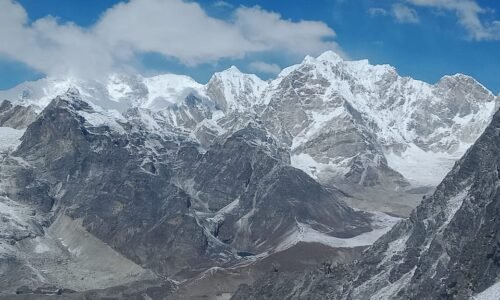
The Everest Three High Passes Trek is an adventurous circuit through the heart of Nepal’s Khumbu region, linking three remarkable Himalayan crossings with Everest Base Camp, Kala Patthar and the turquoise lakes of Gokyo.
Rather than following the familiar Everest Base Camp trail in both directions, this journey explores different valleys and viewpoints, offering a much broader experience of the Everest Himalayas.
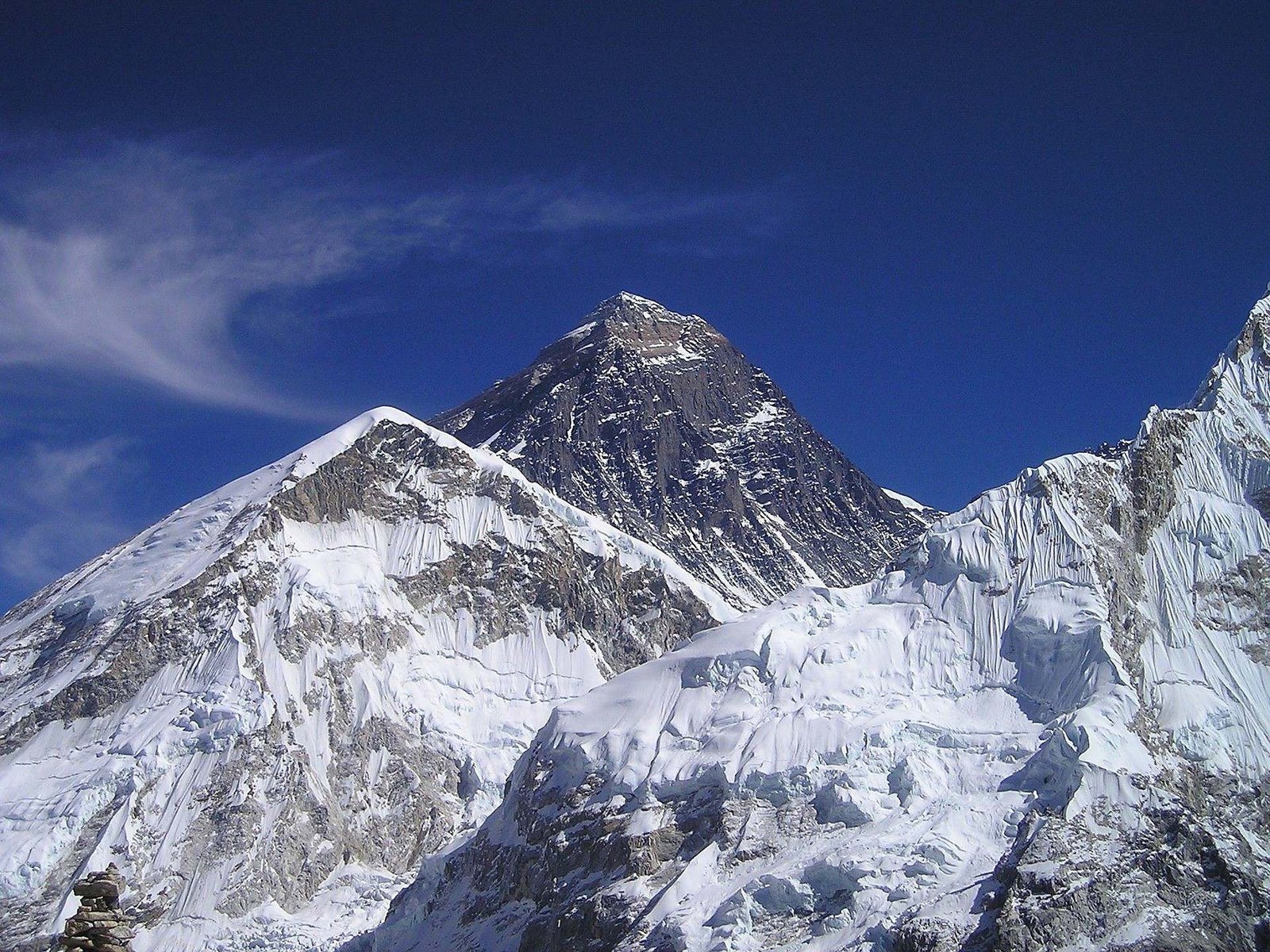
Over 18 days, the route crosses Kongma La (5,535 m), Cho La (5,420 m) and Renjo La (5,360 m). Each pass has its own character, from the remote, rocky ascent over Kongma La to the icy slopes around Cho La and the panoramic views from Renjo La above Gokyo.
Between these high crossings, the trail visits traditional Sherpa villages, Buddhist monasteries, deep river valleys and some of the best-known mountain viewpoints in Nepal.
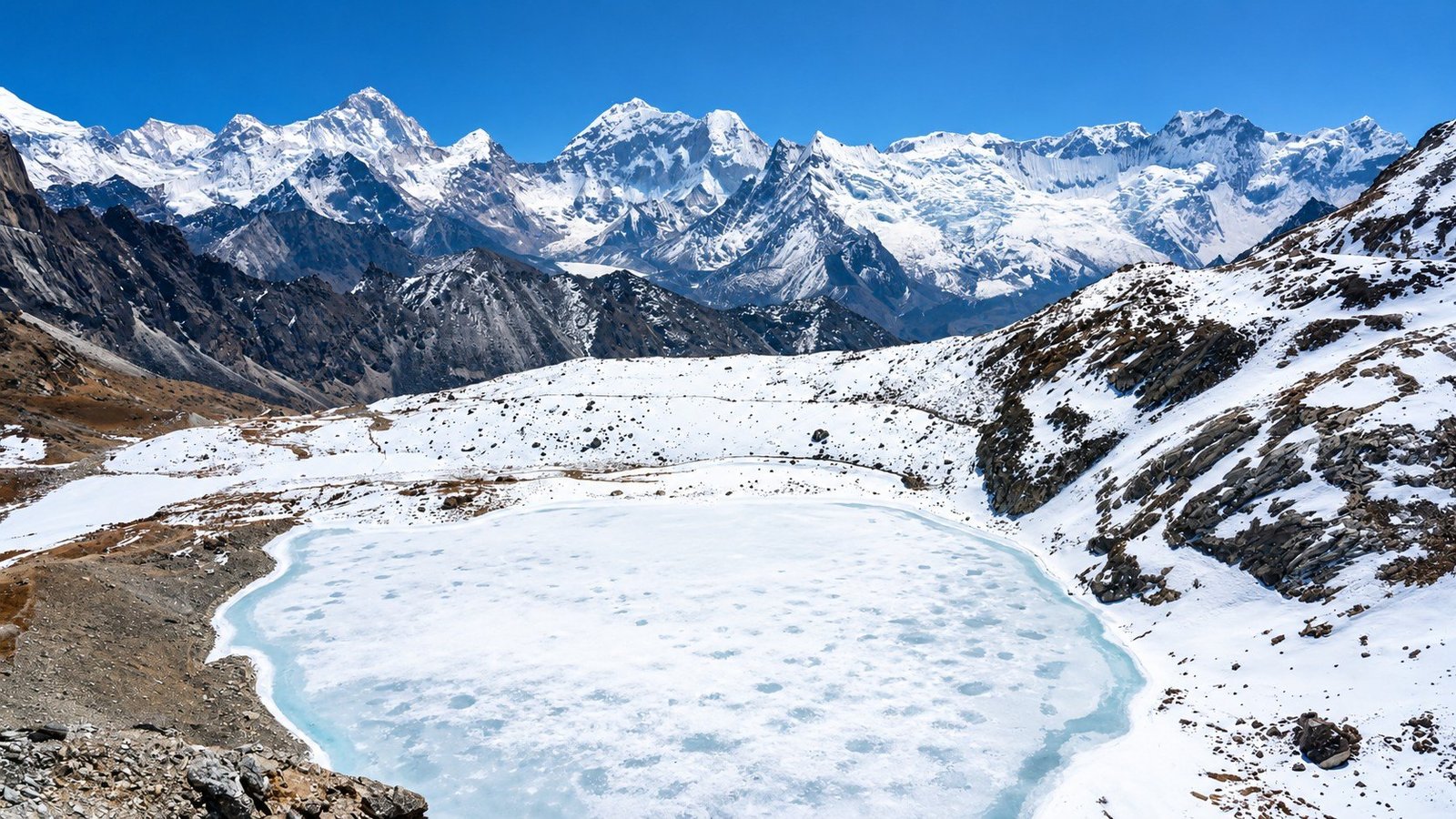
The adventure begins with a flight to Lukla and a walk through the Dudh Koshi Valley to Phakding and Namche Bazaar. From there, the route continues through Tengboche and Dingboche to Chhukung, before crossing Kongma La to Lobuche.
After visiting Everest Base Camp (5,364 m) and climbing Kala Patthar for views of Mount Everest, the trek turns toward Dzongla and crosses Cho La into the Gokyo Valley.

The final high pass, Renjo La, leads into the quieter Bhote Koshi Valley before the route returns through Namche Bazaar and Lukla.
Our 18-day Everest Three Passes Trek is graded strenuous and is best suited to physically prepared travellers with previous multi-day hiking experience.

It does not involve a technical mountain summit, but long walking days, snow or ice on the passes, thin air and changeable weather demand endurance and sound judgement.
With an experienced trekking guide, suitable equipment and careful attention to acclimatisation, it offers one of the most varied high-altitude walking journeys in the Everest region.
Everest Three Passes Trek Details
| Trip Information | Details |
|---|---|
| Trip Name | Everest Three High Passes Trek |
| Duration | 18 days, including Kathmandu arrival and final departure |
| Destination | Khumbu / Everest Region, Solukhumbu, Nepal |
| Highest Planned Point | Kala Patthar (5,545 m) |
| Three High Passes | Kongma La (5,535 m), Cho La (5,420 m), Renjo La (5,360 m) |
| Difficulty | Strenuous high-altitude teahouse trek |
| Main Attractions | Everest Base Camp, Kala Patthar, Gokyo Lakes, Gokyo Ri and the three passes |
| Major Stops | Phakding, Namche Bazaar, Tengboche, Dingboche, Chhukung, Lobuche, Gorak Shep, Dzongla, Thagnak, Gokyo and Marulung |
| Starting and Ending Point | Kathmandu, with the walking circuit beginning and ending in Lukla |
| Accommodation | Hotel in Kathmandu and local teahouses or lodges on the trek |
| Best Seasons | Spring (March–May) and autumn (September–November), subject to pass conditions |
| Trekking Style | Guided high-altitude circuit with three long pass-crossing days |
What Makes the Everest Three Passes Trek Special?
The standard Everest Base Camp Trek is an outstanding introduction to the Khumbu, but the Three Passes circuit goes much farther.
It links the main Everest trail with the Chhukung, Gokyo and Bhote Koshi valleys, allowing trekkers to see familiar Himalayan mountains from completely different directions.

The route combines celebrated landmarks with less-travelled sections where the trail feels quieter and the mountains dominate the horizon.
There is also a strong cultural dimension to the journey. The route passes through settlements shaped by Sherpa traditions, trading history and Tibetan Buddhism.
Monasteries, mani walls, prayer wheels and strings of prayer flags are part of everyday life, not simply decorations along the trail.
Spending nights in these communities provides an opportunity to experience the hospitality and routines of mountain villages as well as the scenery.
The Three High Passes: Kongma La, Cho La and Renjo La
| High Pass | Elevation | What to Expect |
|---|---|---|
| Kongma La | 5,535 m | The highest of the three passes, connecting Chhukung with Lobuche across steep rocky ground and the Khumbu Glacier moraine |
| Cho La | 5,420 m | A demanding crossing between Dzongla and Thagnak, with steep boulders and snow or ice near the pass |
| Renjo La | 5,360 m | The final crossing from Gokyo toward Marulung, known for sweeping views of Gokyo Lakes and the Everest range |
Kongma La is often considered one of the longest and most tiring days because the climb begins high above Chhukung and continues over remote, uneven terrain.
The descent toward Lobuche includes rocky ground and glacier moraine, where careful footing is necessary. Cho La brings a different challenge, with steep approaches and a high section that may be covered by hard snow or ice.
Microspikes or crampons may be necessary when conditions require them. Renjo La remains physically demanding but rewards trekkers with one of the most recognisable panoramas of the Gokyo Valley.
None of these crossings is a conventional peak-climbing expedition, yet all three should be treated seriously. Recent snowfall, freezing temperatures or poor visibility can make a normally passable trail dangerous, and a guide may need to change the plan or turn the group back.
From Lukla to Chhukung: The Journey into the High Khumbu
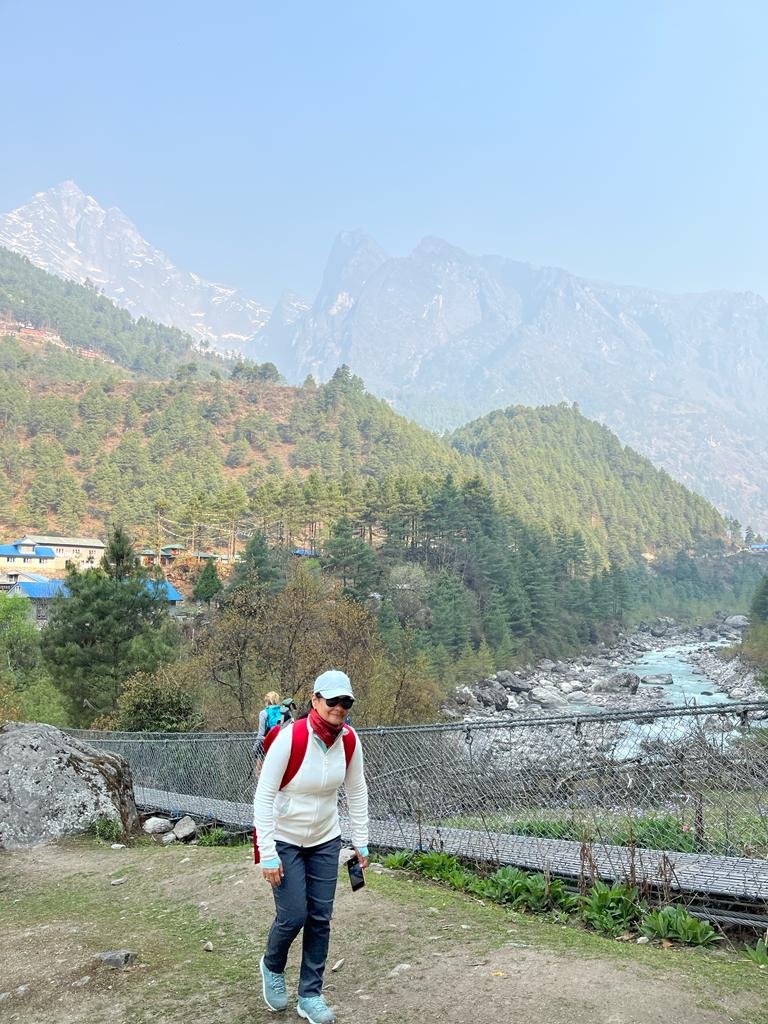
The route begins with a mountain flight to Lukla, followed by a gentle introduction along the Dudh Koshi Valley to Phakding. Suspension bridges, pine forests, riverside trails and small Sherpa settlements make the opening stage scenic and enjoyable.
The next major ascent leads through the Sagarmatha National Park corridor to Namche Bazaar (3,440 m), the busy market town that serves as a gateway to the Everest region.

An acclimatisation day in Namche allows time to explore the surroundings while adjusting to the elevation. Trekkers may take a measured walk toward a higher viewpoint or nearby village before returning to sleep in Namche.
The route then continues to Tengboche, well known for its monastery and the striking mountain scenery around Ama Dablam, Everest and Lhotse.

Beyond Tengboche, the trail passes through the upper Imja Valley toward Dingboche and Chhukung. Forested slopes give way to open fields, stone-walled pastures and increasingly dramatic mountain walls.
Chhukung (4,730 m) sits beneath some of the great peaks of the region and marks the final overnight stop before Kongma La. The walking days become noticeably slower at this elevation, making sensible pacing especially important.
Everest Base Camp and the Kala Patthar Viewpoint
After crossing Kongma La and reaching Lobuche, the trek follows the upper Khumbu Glacier toward Gorak Shep.
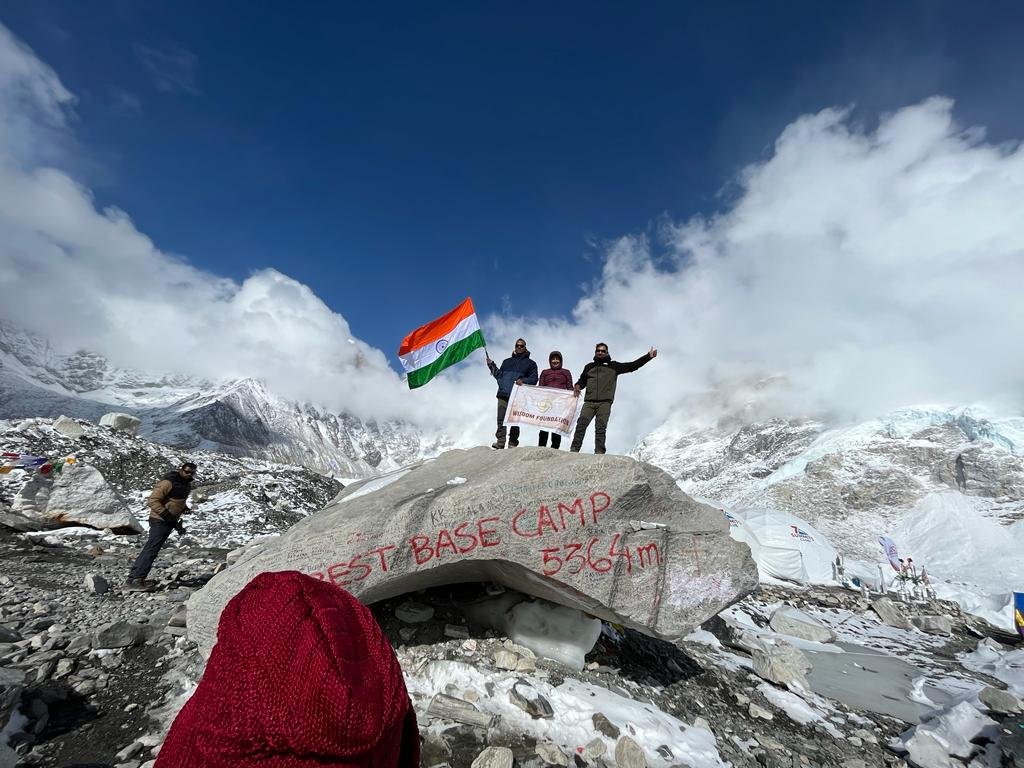
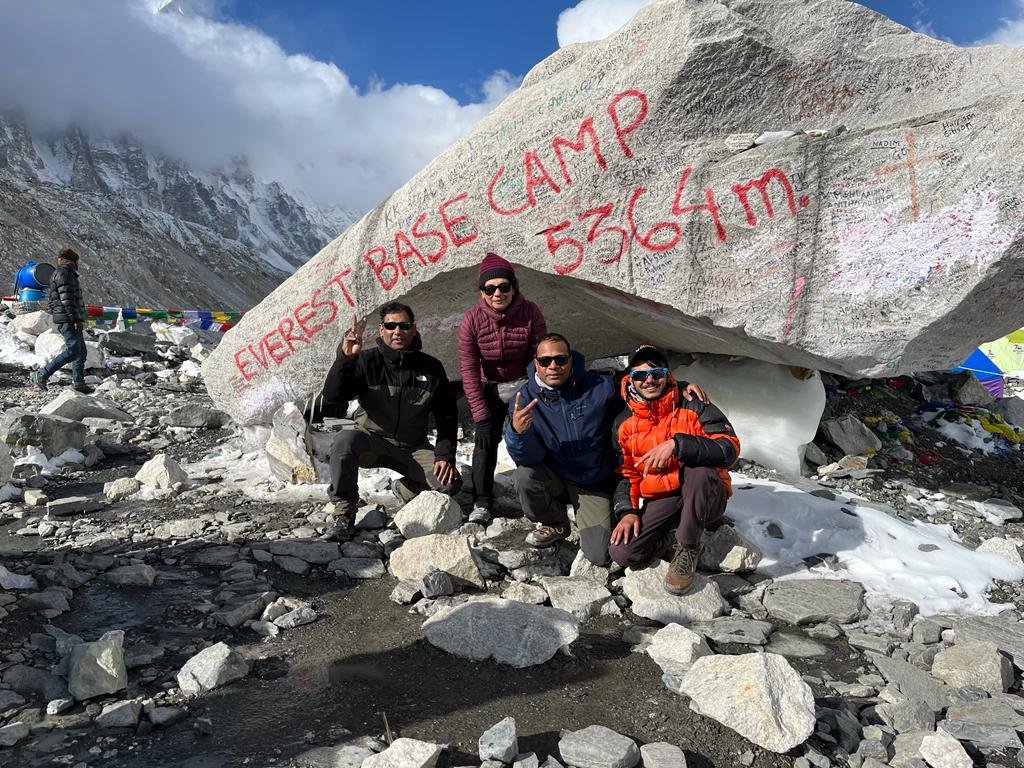
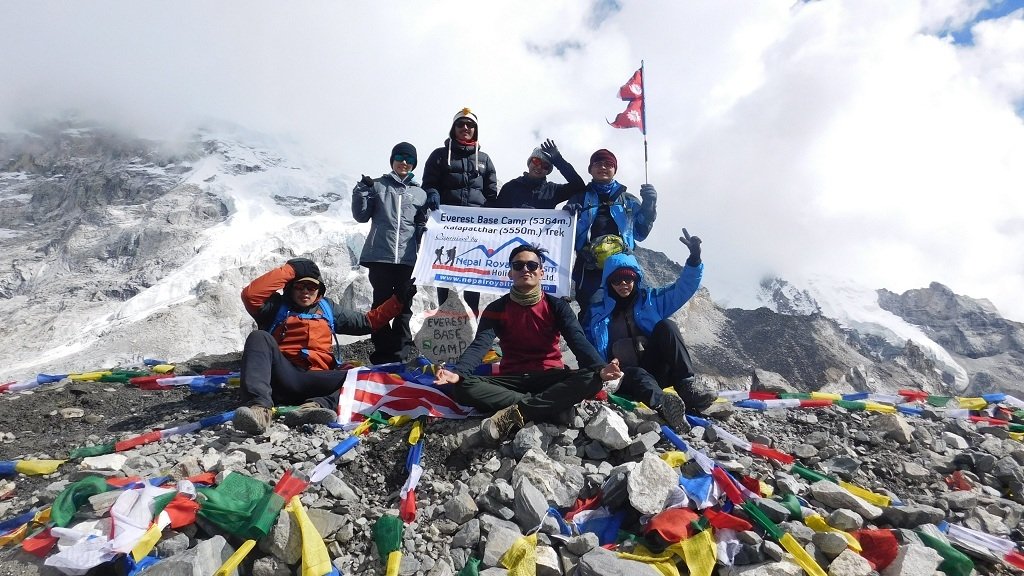
From this small high-altitude settlement, the route continues to Everest Base Camp (5,364 m), the historic starting point for expeditions attempting the world’s highest mountain.

Depending on the season, the area may contain expedition camps, but their presence should never be assumed outside the climbing period.
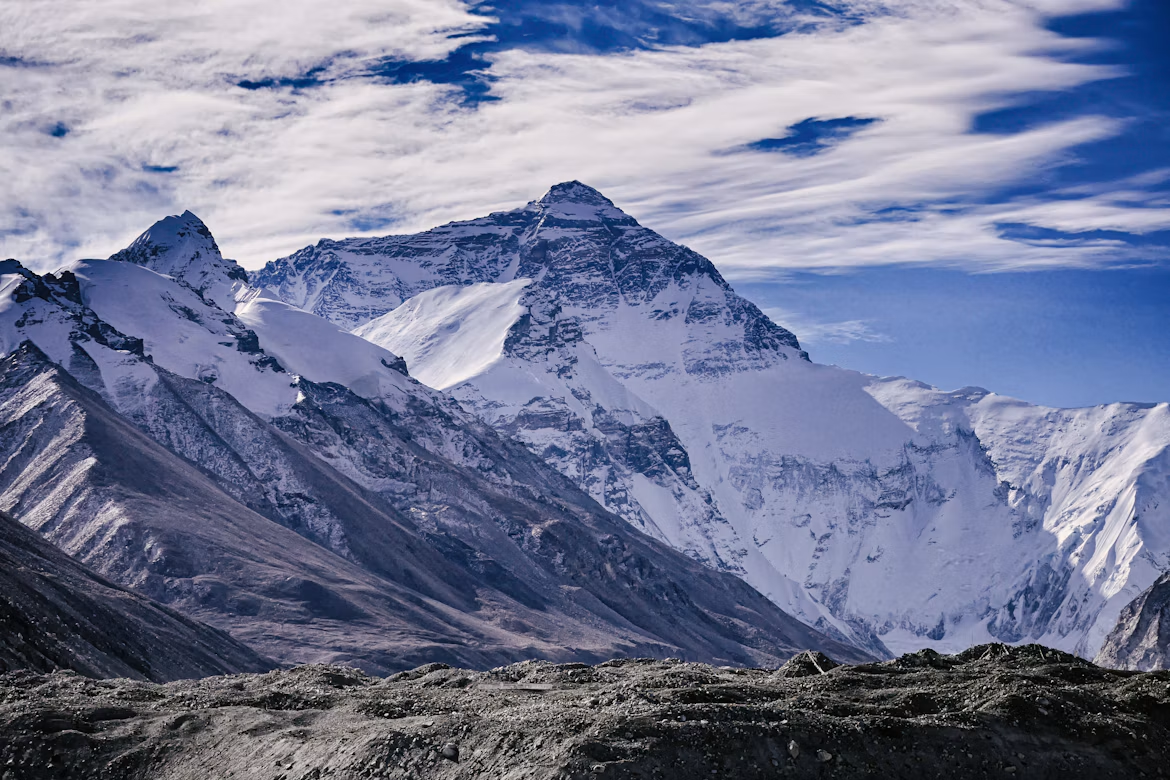
The walk to Base Camp is remarkable for the surrounding ice formations, glacial moraine and views of peaks such as Nuptse and Pumori. The summit of Everest itself is not clearly visible from the usual Base Camp viewpoint.

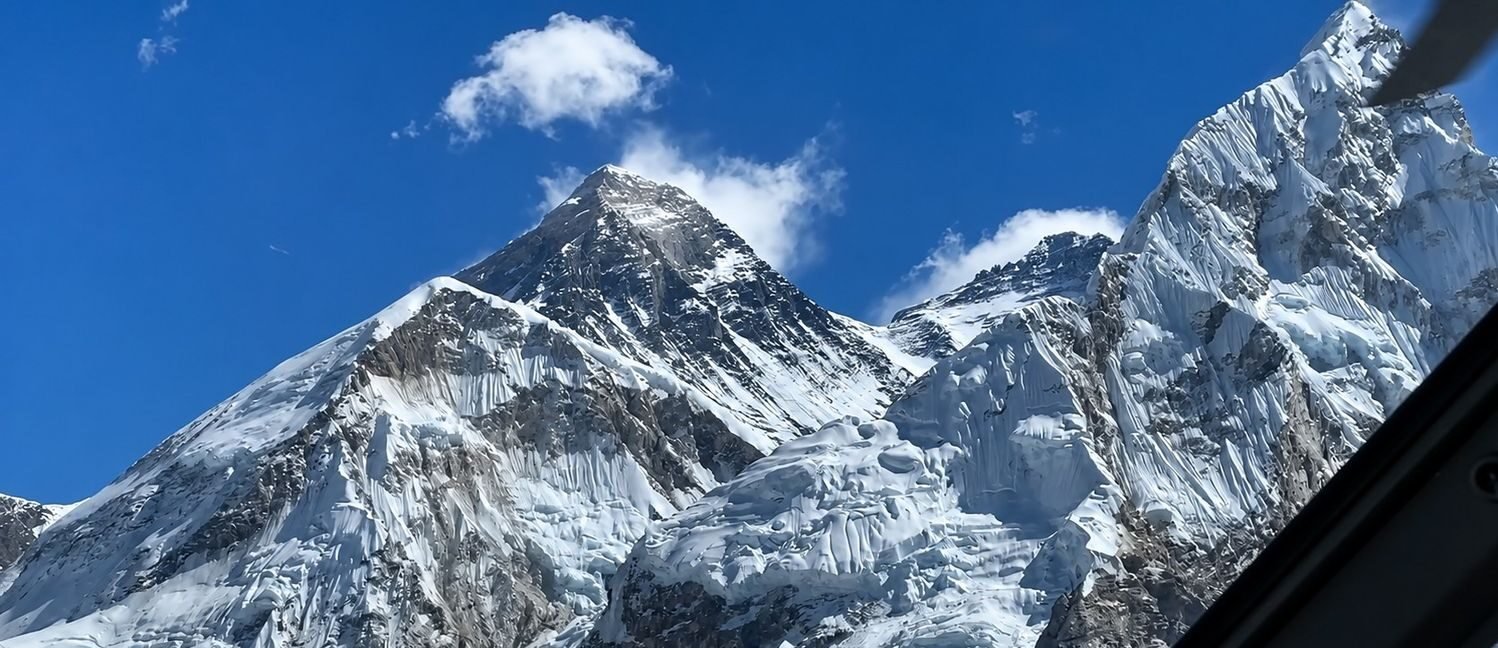
For the classic view of Everest rising behind the surrounding mountains, the following morning’s climb to Kala Patthar is the more important experience.
From the ridge, clear weather can reveal Everest, Nuptse, Pumori, the Khumbu Glacier and the upper Icefall. After returning toward Gorak Shep, the trek continues to Dzongla, positioning the group for the next pass.
Cho La Pass, the Ngozumpa Glacier and Gokyo Lakes
From Dzongla, the route turns toward Cho La Pass, linking the main Everest Base Camp corridor with the Gokyo Valley. The approach crosses steep slopes and boulder-strewn terrain, with a snowy or icy section near the crossing.
A careful descent leads to Thagnak, where trekkers rest before continuing toward Gokyo.
The following stage traverses the rough moraine landscape associated with the Ngozumpa Glacier, one of the most extensive glaciers in Nepal.

The glacier environment is constantly changing, and walking across moraine can feel quite different from travelling on a normal mountain path.
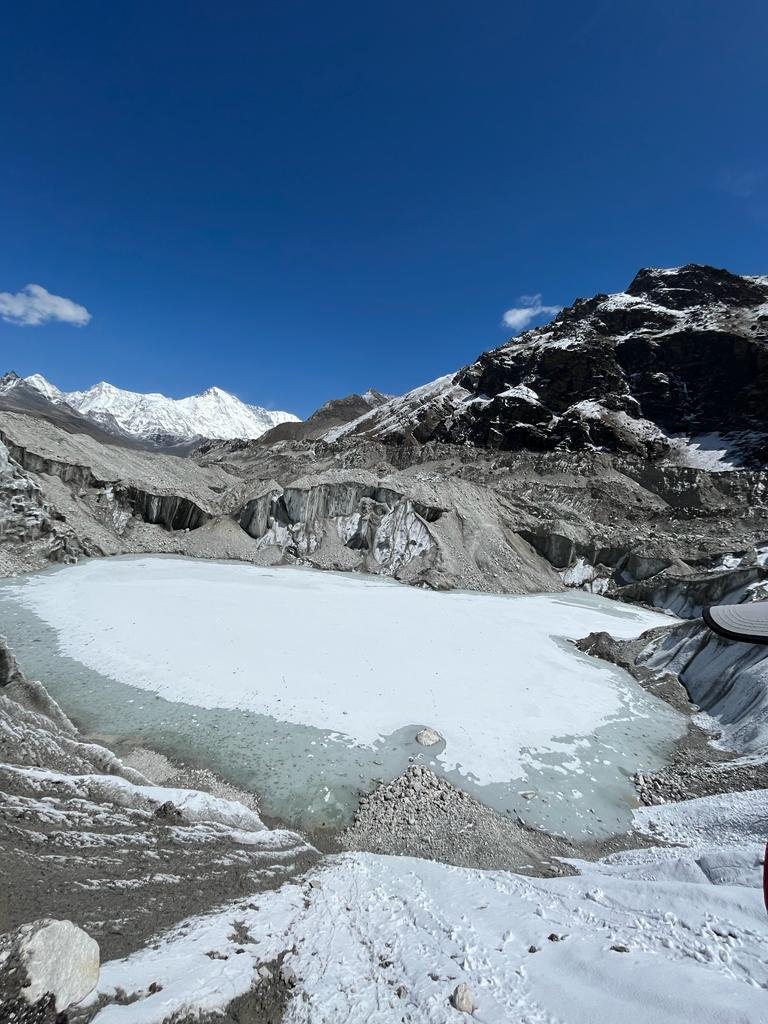
Beyond it, the turquoise waters of the Gokyo Lakes offer a striking contrast to the rocky terrain of the previous days.
Gokyo village stands beside the third lake, Dudh Pokhari, beneath the slopes of Gokyo Ri. The itinerary includes time here for rest and a hike to Gokyo Ri (5,357 m), one of the great viewpoints of the Everest region.
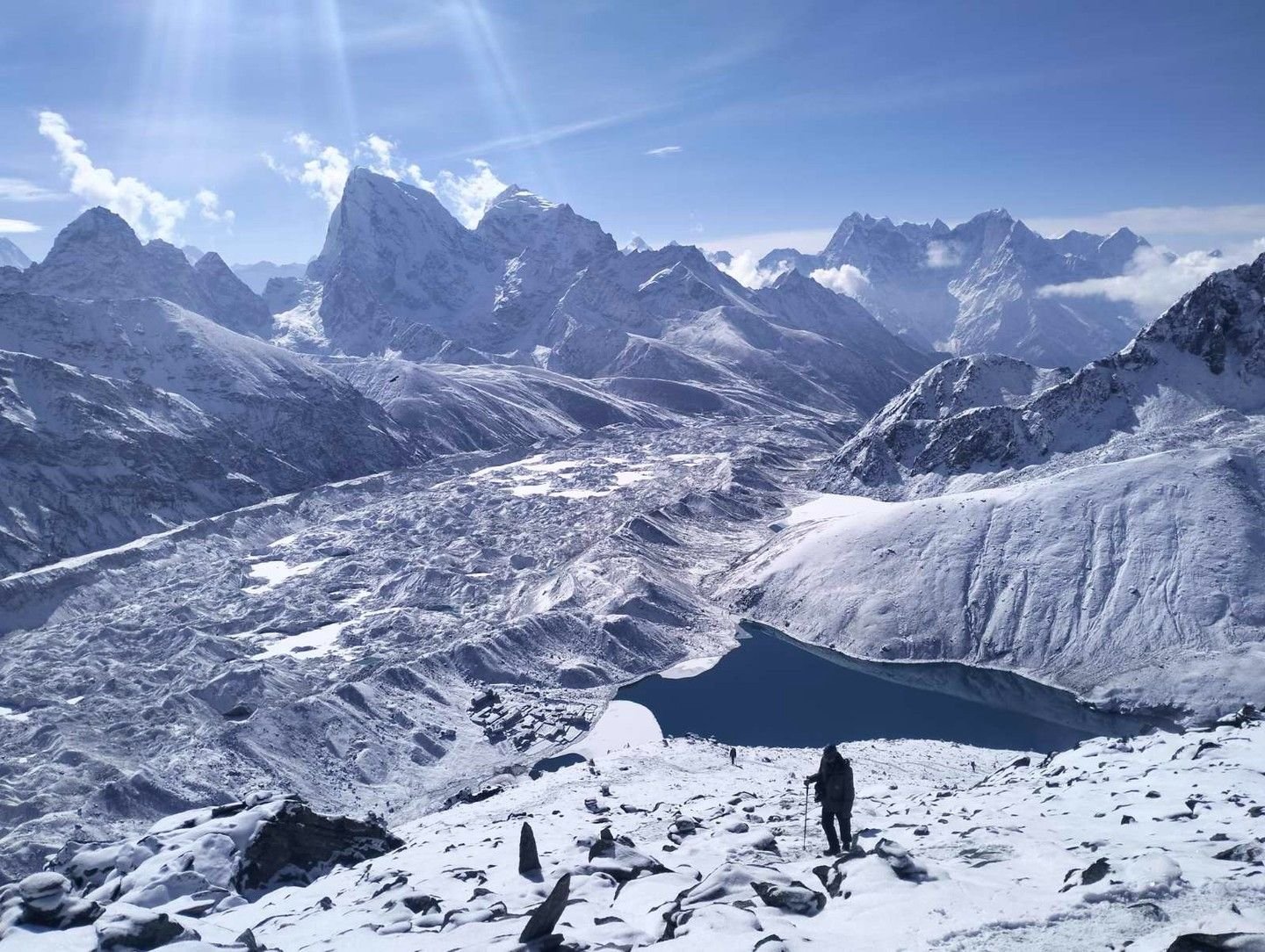
On a clear day, the panorama can include Everest, Lhotse, Makalu and Cho Oyu, together with the lake system and nearby glaciers.
The surrounding landscape also offers opportunities for photography and quiet exploration, provided altitude and weather conditions allow.
Renjo La Pass and the Return through the Bhote Koshi Valley
The final high crossing takes the trail westward from Gokyo over Renjo La Pass (5,360 m).
The ascent can be steep, but the view from the top is a fitting reward after completing much of the circuit. Looking back toward the Gokyo Lakes, the vivid blue water appears beneath a wide horizon of snowy peaks and glaciated valleys.

From the pass, the route descends toward Marulung, entering a quieter section of the Bhote Koshi Valley.
The walking environment gradually becomes less exposed as the trail continues toward Thame, a traditional Sherpa settlement with a rich religious and mountaineering heritage.
The itinerary then returns to Namche Bazaar before following the familiar Dudh Koshi trail back to Lukla.
How Difficult Is the Everest Three Passes Trek?
The Everest Three Passes Trek is graded strenuous. It requires strong cardiovascular fitness, experience with uneven mountain trails and the ability to walk for several consecutive days at altitude.
Most days involve several hours of hiking, while the three pass crossings can take considerably longer because of steep slopes, rocky terrain and changing weather.

The difficulty comes from the combination of elevation and sustained effort rather than a technical summit climb.
The itinerary reaches elevations above 5,300 metres repeatedly, and overnight stops around Chhukung, Lobuche, Gorak Shep and Gokyo are high enough to make acclimatisation essential.

Although the itinerary includes a day in Namche Bazaar and time in Gokyo, it does not schedule a separate rest day in Dingboche. The guide should therefore pay particular attention to how trekkers are responding before the first crossing.
Best Time for the Everest Three Passes Trek
Spring and autumn are generally the preferred trekking seasons. During these periods, lower trails are often more accessible and clearer mountain views are possible.
However, conditions on Kongma La, Cho La and Renjo La must be assessed separately from the weather in Namche or Kathmandu.
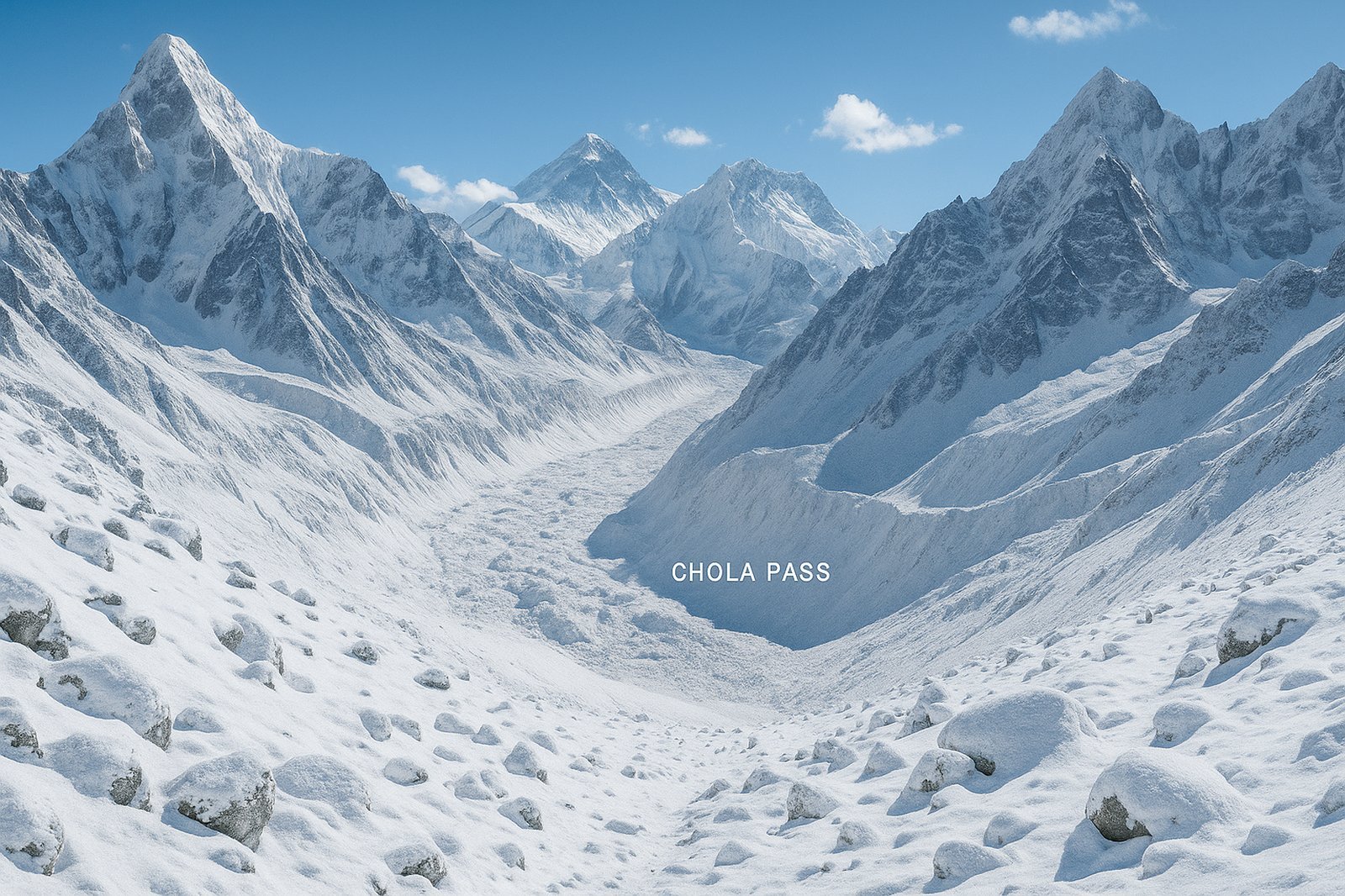
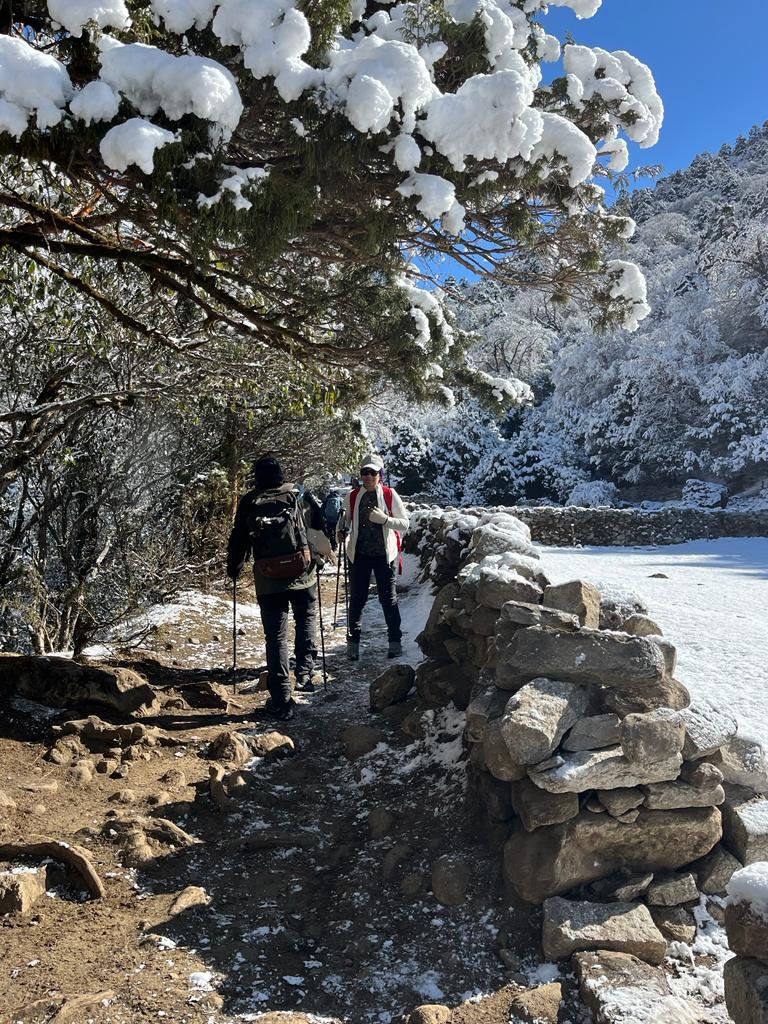
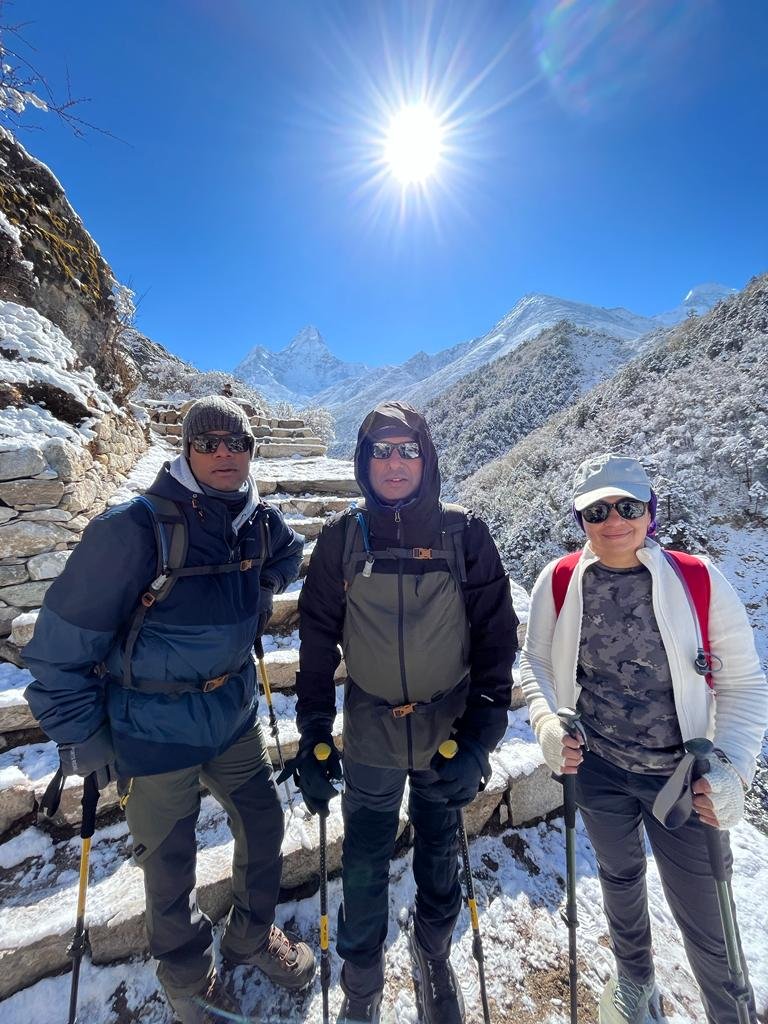
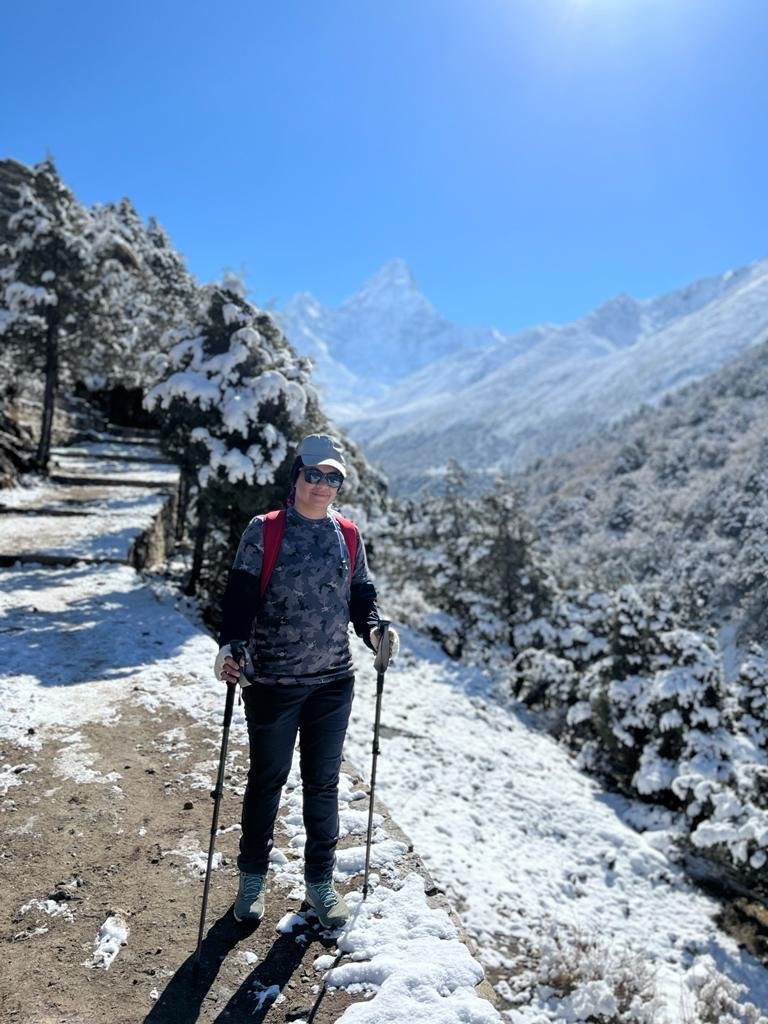
Snow or ice can remain on the passes even when the villages below are enjoying sunny days.
| Season | Months | Typical Conditions |
|---|---|---|
| Spring | March–May | Flowering forests and longer days, with possible snow and ice on the passes, especially early in the season |
| Summer / Monsoon | June–August | Cloudy and rainy lower trails, slippery paths, reduced visibility and greater flight disruption risk |
| Autumn | September–November | Often clear mountain views and favourable trekking weather, with colder high-altitude nights later in the season |
| Winter | December–February | Severe cold, shorter daylight and snow accumulation that may make one or more passes unsafe |
Accommodation and Meals Along the Route
This is primarily a teahouse trek, with overnight stays in local lodges rather than high-altitude expedition camps.
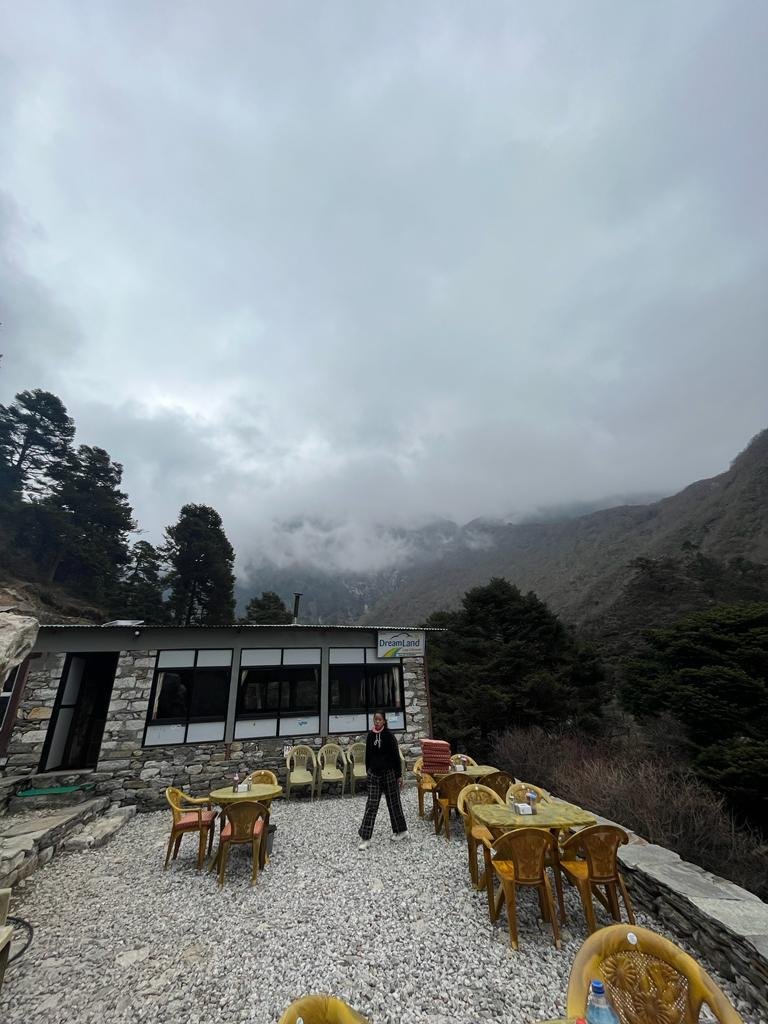
Accommodation in Phakding and Namche is relatively well developed, while facilities become simpler in Chhukung, Lobuche, Gorak Shep, Dzongla and Thagnak.
Rooms are usually basic, and heating is commonly concentrated in the shared dining area rather than guest bedrooms.

At higher elevations, hot showers, electricity, charging and internet access may be unreliable or charged separately. A warm sleeping bag is important, especially during cold nights near Gorak Shep and Gokyo.
The trek involves remote settlements, so accommodation availability and comfort should not be compared with hotels in Kathmandu.

Meals generally include Nepali dal bhat, noodles, soups, potatoes, rice, porridge, eggs, Tibetan bread and tea. Dal bhat is a particularly useful choice after long trekking days because it provides carbohydrates and a filling meal.
Menus may be smaller in the higher villages, where supplies must be carried or flown into the region. Trekkers should eat regularly, carry a few preferred snacks and treat drinking water by boiling, filtering or using a suitable purification system.
Permits and Getting to the Everest Region
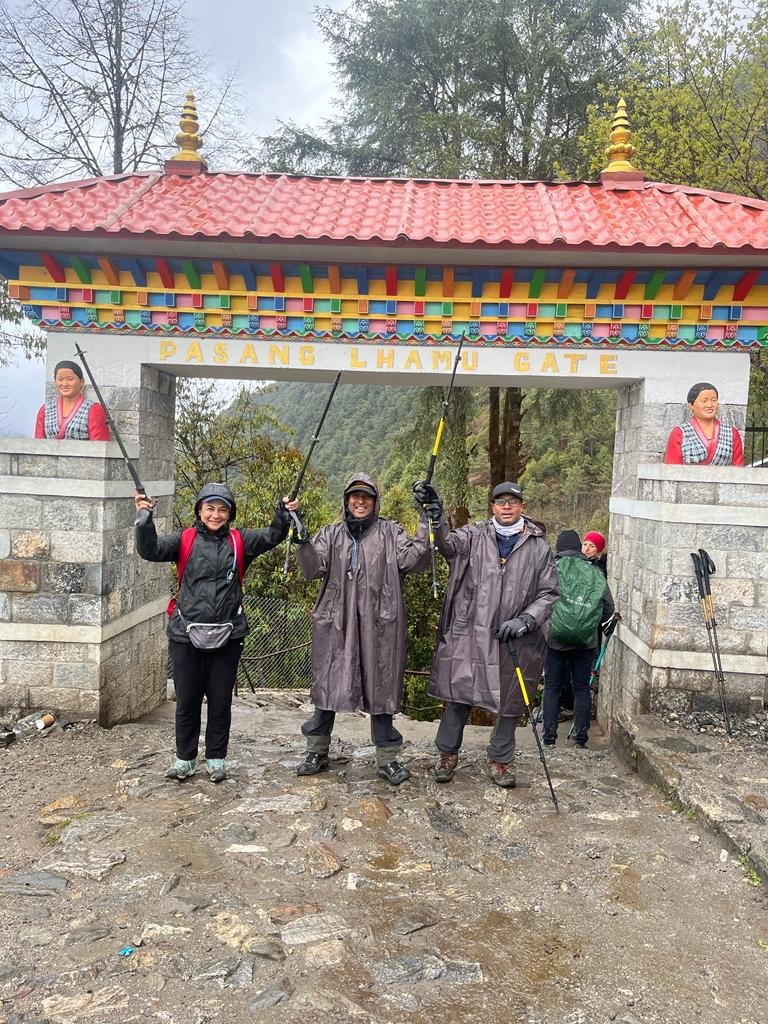
The circuit travels through the Sagarmatha National Park and the Khumbu Pasang Lhamu Rural Municipality area. International travellers should arrange the applicable national park entry permit and the local Khumbu trekking registration or entry card.
Exact fees, registration methods and identification requirements should be checked for the selected travel dates and nationality before departure. Nepal Royal Tourism Holiday can confirm the documents needed for the final itinerary.
| Permit or Arrangement | What It Covers |
|---|---|
| Sagarmatha National Park Entry Permit | Access to the protected Everest region and its designated trekking trails |
| Khumbu Local Trekking Entry / Trek Card | Local visitor registration and applicable municipality charges |
| Travel Documents | Passport, Nepal visa, insurance details and any identification needed for permit and flight processing |
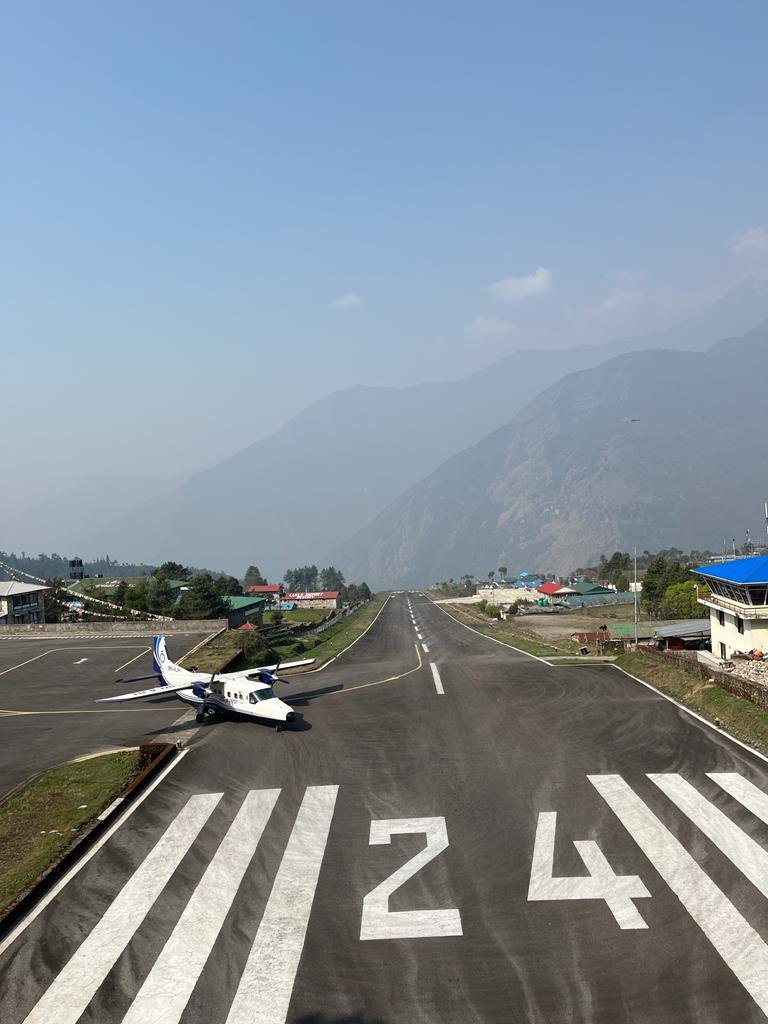
The trek begins and ends with a flight to or from Lukla. During busy trekking seasons, some flights operate between Manthali Airport in Ramechhap and Lukla instead of Kathmandu, requiring an additional road journey.

Mountain flights depend heavily on visibility and wind, so delays and cancellations are possible.
International departure plans should allow flexibility rather than assuming that every scheduled flight will operate on time.
What to Pack for the Three High Passes Trek
| Category | Recommended Items |
|---|---|
| Clothing | Thermal base layers, fleece, insulated jacket, trekking trousers and waterproof outer layers |
| Footwear | Well-fitted trekking boots, warm socks and lightweight footwear for lodges |
| Cold and Sun Protection | Warm gloves, hat, neck covering, sunglasses, sunscreen and lip balm |
| Trail Equipment | Trekking poles, headlamp, daypack, waterproof cover and water bottles |
| Sleeping and Personal Items | Warm sleeping bag, toiletries, personal medication, water purification and power bank |
| Pass-Specific Traction | Microspikes or crampons when required by current snow and ice conditions, as advised by the guide |
Trekkers should also carry travel insurance that covers their highest planned elevation, emergency medical treatment and helicopter evacuation where available.
No rescue service can be guaranteed in poor visibility, and cold weather or snowfall may delay assistance in isolated sections of the circuit.
Preparing for the Everest Three Passes Trek
Preparation should begin well before arriving in Nepal. Regular hiking on hills, stair climbing and cardiovascular exercise help build endurance, while leg-strength work can make long descents more comfortable.
Practising with a loaded daypack is useful because repeated walking days can feel more tiring than a single long weekend hike.

During the trek, walking at a steady pace, eating enough and following the guide’s advice are essential. Altitude symptoms should never be ignored or concealed.
A headache accompanied by nausea, dizziness or unusual weakness requires prompt assessment, and worsening symptoms may make descent necessary. Physical fitness does not prevent altitude illness, so the itinerary must remain flexible if someone is not acclimatising adequately.
Plan Your Everest Three High Passes Trek with Nepal Royal Tourism Holiday
Explore the Everest region beyond the classic Base Camp route, crossing Kongma La, Cho La and Renjo La while visiting Kala Patthar and the Gokyo Lakes. Our team can help you plan the 18-day circuit around your experience, travel dates and the conditions of the high passes.
Contact Nepal Royal Tourism Holiday to discuss permits, the Lukla flight, accommodation, guide support and the arrangements for your journey through Khumbu.
Trip Highlights
- Cross the three legendary Himalayan passes, Kongma La (5,535 m), Cho La (5,420 m) and Renjo La (5,360 m), on one extraordinary trekking circuit
- Explore Everest Base Camp (5,364 m) and witness the dramatic Khumbu Icefall and surrounding Himalayan peaks from safe viewpoints
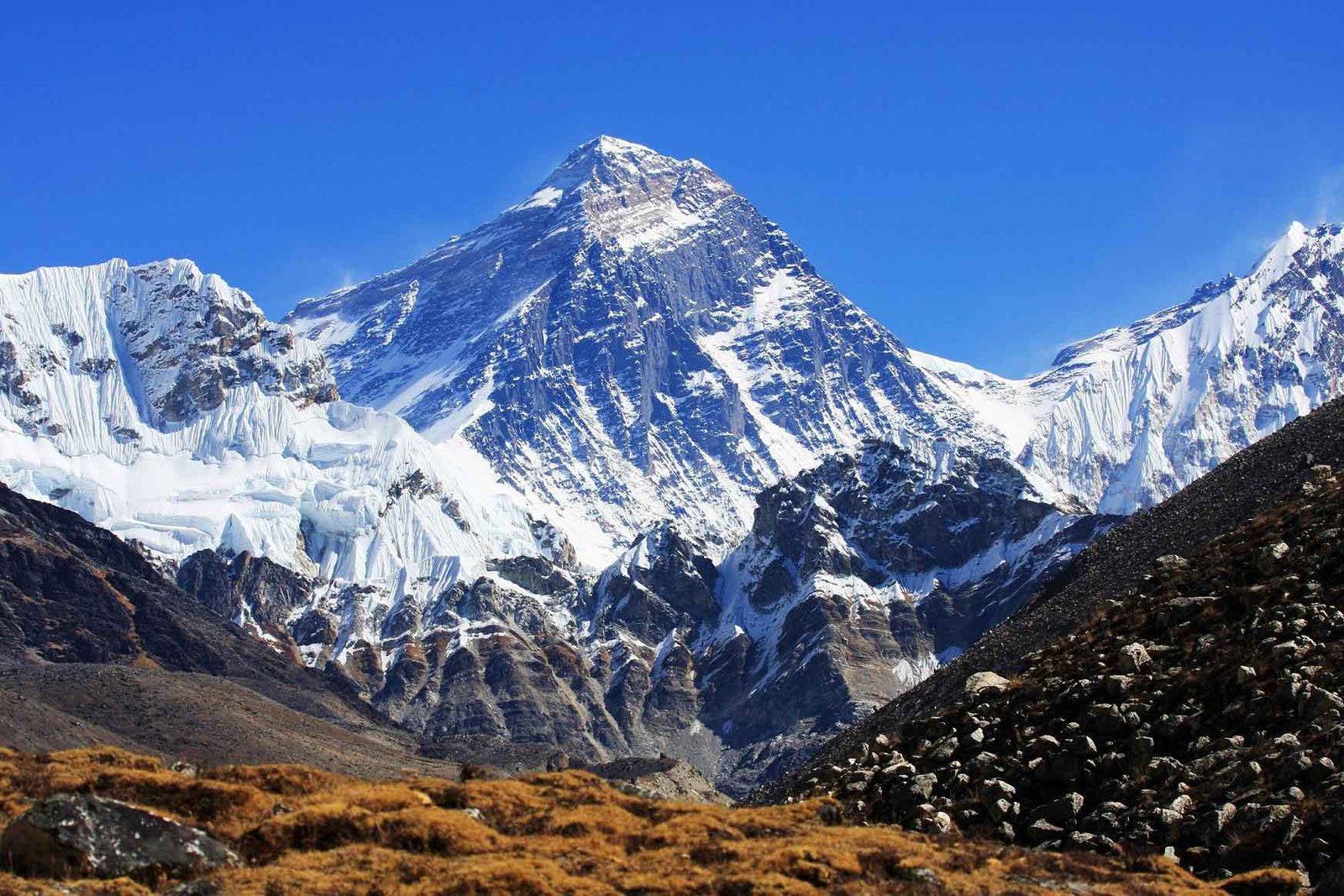
- Hike to Kala Patthar for breathtaking close-up views of Mount Everest, Nuptse, Lhotse and the surrounding mountains
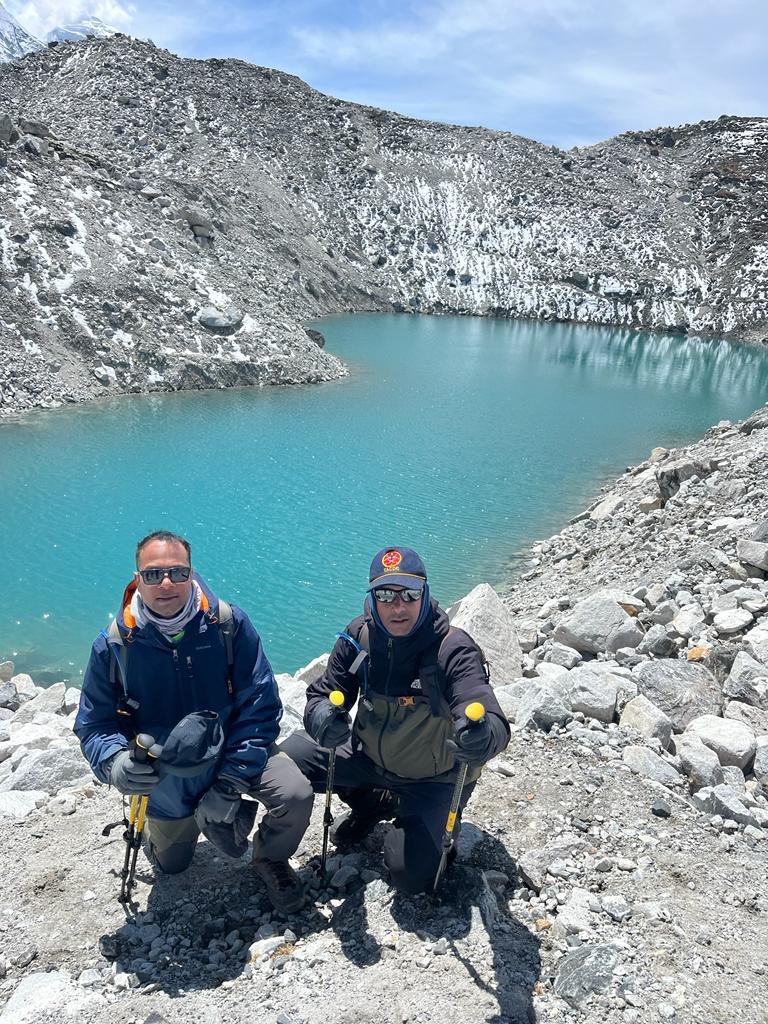
- Discover the spectacular Gokyo Lakes, famous for their turquoise waters and remarkable high-altitude scenery beneath Cho Oyu
- Ascend Gokyo Ri (5,357 m) for panoramic views of Everest, Lhotse, Makalu, Cho Oyu and the Ngozumpa Glacier
- Experience the challenging crossing of Kongma La Pass, travelling from Chhukung Valley toward Lobuche through rugged alpine terrain
- Cross Cho La Pass, navigating steep rocky trails and potentially icy sections between Dzongla and Thaknak
- Enjoy spectacular views of the Gokyo Valley and Everest massif from Renjo La Pass, one of the most scenic viewpoints along the circuit
- Trek through the beautiful Sagarmatha National Park, encountering rhododendron forests, suspension bridges, glacial landscapes and remote Himalayan valleys
- Explore traditional Sherpa villages, including Namche Bazaar, Tengboche, Dingboche, Chhukung and Gokyo
- Experience the region's rich Sherpa and Buddhist heritage through monasteries, prayer flags, mani walls and traditional mountain settlements
- Admire magnificent Himalayan peaks, including Everest, Ama Dablam, Lhotse, Makalu, Cho Oyu, Pumori and Nuptse
- Experience diverse mountain landscapes, from the Dudh Koshi River valley and alpine meadows to rocky moraines, glaciers and high mountain passes
- Complete a rewarding 18-day Everest Three Passes circuit, combining Everest Base Camp, Kala Patthar and Gokyo Lakes with three demanding high-altitude crossings
Everest Three High Passes – 18 days ~ Itinerary
Day 1
Arrival in Kathmandu- Welcome Day
- Maximum Altitude: Kathmandu (1,350 m)
- Overnight Altitude: Kathmandu (1,350 m)
- Accommodation: Standard Three-Star Hotel in Kathmandu
Welcome to Nepal! Your Everest Three High Passes Trek begins with your arrival at Tribhuvan International Airport in Kathmandu. After completing immigration formalities and collecting your luggage, you will meet our representative from Nepal Royal Tourism Holiday outside the arrival terminal. Our team will assist you with your transfer to the hotel, where you can check in and relax after your journey.
Depending on your arrival time, you may explore the lively streets of Thamel, enjoy a meal at a local restaurant or purchase any trekking equipment you still need. Kathmandu offers a fascinating introduction to Nepal, with its traditional architecture, colourful markets and vibrant atmosphere. Today is also an opportunity to rest before the adventure begins.
Later, you will meet your trekking guide for a briefing about the 18-day journey. Your guide will explain the itinerary, the three high passes, weather considerations, flight arrangements, accommodation and essential equipment. You can also discuss altitude acclimatization and the physical demands of crossing Kongma La, Cho La and Renjo La.
Before going to bed, prepare your trekking luggage and keep any unnecessary belongings at the hotel if storage is available. Your guide will confirm the next morning’s departure arrangements, including whether your Lukla flight operates from Kathmandu or Manthali. Overnight at your hotel in Kathmandu.
Day 2
Fly from Kathmandu to Lukla (2,840 m) and Trek to Phakding (2,610 m)
- Maximum Altitude: Lukla (2,840 m)
- Overnight Altitude: Phakding (2,610 m)
- Flight Duration: 30–40 Minutes from Kathmandu or 20–25 Minutes from Manthali
- Trekking Duration: 3–4 Hours
- Trekking Distance: 6.2 km
- Meals: Breakfast, Lunch and Dinner
- Accommodation: Teahouse in Phakding
Today, our Himalayan adventure officially begins with an exciting flight to Lukla, the gateway to the Everest region. Depending on seasonal flight operations, we will either fly directly from Kathmandu or travel by road to Manthali Airport for the flight to Lukla. During the flight, you can enjoy remarkable views of the Himalayan foothills and surrounding mountain landscapes before landing at Tenzing-Hillary Airport.
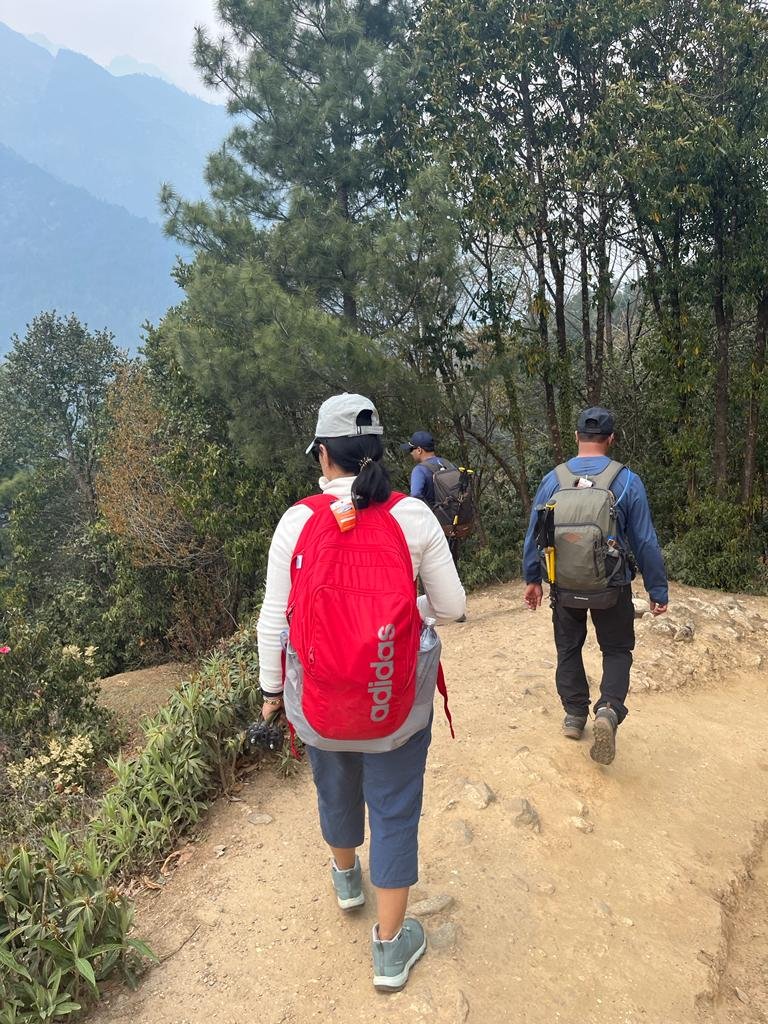
After arriving in Lukla (2,840 m), we meet our porter team, organise the trekking luggage and enjoy a short break before beginning the walk towards Phakding. The trail descends gradually through the Dudh Koshi Valley, passing traditional Sherpa settlements, prayer wheels, mani walls and beautiful mountain scenery. The stone-paved pathways and suspension bridges introduce us to the distinctive atmosphere of the Khumbu region.
Along the way, we pass small settlements and agricultural fields, with occasional views towards Kusum Kanguru and other surrounding peaks. The route involves gentle ascents and descents but is relatively comfortable compared with the more demanding days ahead. We walk at a relaxed pace to settle into the rhythm of trekking.
After approximately three to four hours of walking, we reach Phakding (2,610 m), a peaceful village beside the Dudh Koshi River. Check into the teahouse, enjoy a warm meal and spend the afternoon exploring the village or relaxing in the lodge. Overnight at Phakding.
Day 3
Trek from Phakding to Namche Bazaar (3,440 m)
- Maximum Altitude: Namche Bazaar (3,440 m)
- Overnight Altitude: Namche Bazaar (3,440 m)
- Trekking Duration: 6–7 Hours
- Trekking Distance: 10.4 km
- Meals: Breakfast, Lunch and Dinner
- Accommodation: Teahouse in Namche Bazaar
After breakfast in Phakding, we follow the Dudh Koshi River upstream towards Namche Bazaar, the main trading centre of the Everest region. The trail passes through beautiful pine forests, small Sherpa settlements and several suspension bridges decorated with colourful prayer flags. Along the way, we travel through villages such as Toktok, Benkar and Monjo, enjoying the natural scenery of the Khumbu Valley.
At Monjo, we enter Sagarmatha National Park, a UNESCO World Heritage Site renowned for its exceptional Himalayan landscapes and biodiversity. After completing the necessary entry formalities, we descend towards Jorsalle and continue along the river valley. The trail crosses the famous Hillary Suspension Bridge before beginning the steep climb towards Namche Bazaar.
The final uphill section is one of the more demanding climbs of the early trekking days. We ascend gradually through forested slopes, taking regular breaks to recover and enjoy the surroundings. On a clear day, trekkers may catch their first glimpse of Mount Everest, along with Lhotse and other magnificent Himalayan peaks.
Eventually, we reach Namche Bazaar (3,440 m), a lively Sherpa town built into a natural hillside amphitheatre. The village offers trekking shops, bakeries, cafés and mountain lodges, making it an important stopping point for climbers and trekkers. After checking into our teahouse, we rest and prepare for tomorrow’s acclimatization activities. Overnight at Namche Bazaar.
Day 4
Acclimatization Day at Namche Bazaar (3,440 m)
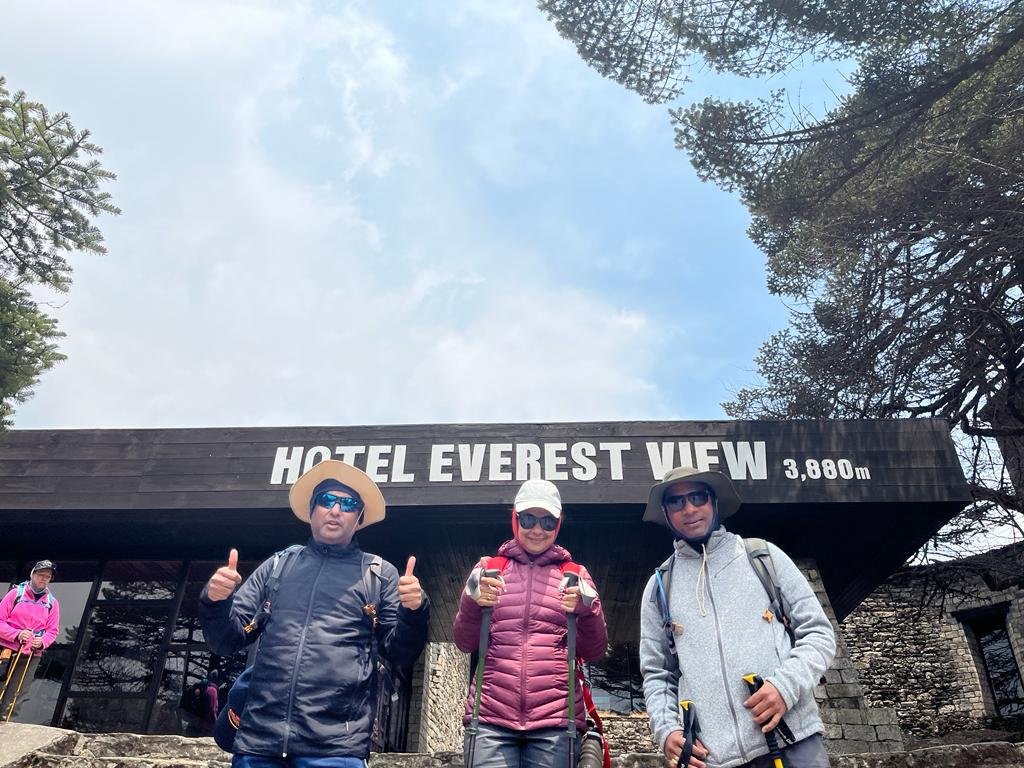
- Maximum Altitude: Everest View Hotel Area (3,880 m), if visited
- Overnight Altitude: Namche Bazaar (3,440 m)
- Trekking Duration: 3–4 Hours for Optional Acclimatization Hike
- Trekking Distance: 4–6 km, Depending on the Selected Route
- Meals: Breakfast, Lunch and Dinner
- Accommodation: Teahouse in Namche Bazaar
Today is an important acclimatization day in Namche Bazaar, allowing our bodies more time to adjust to the increasing altitude before continuing deeper into the Everest region. Although this is considered a rest day, a short uphill walk is recommended to support acclimatization. Following the principle of climbing higher and sleeping lower, we explore the surrounding hills before returning to Namche for the night.
After breakfast, we can hike towards the Everest View Hotel area (3,880 m), one of the most popular viewpoints above Namche Bazaar. On clear days, this area provides beautiful views of Mount Everest, Lhotse, Ama Dablam, Thamserku and other Himalayan peaks. Depending on the group’s fitness and available time, we may also explore parts of Khumjung village, known for its traditional Sherpa houses and local monastery.
After returning to Namche Bazaar, the afternoon is available for relaxation and exploring the town. You may visit the Sherpa Culture Museum, browse local trekking shops or enjoy a warm drink at one of the cafés. The village’s atmosphere provides an interesting introduction to the trading traditions and mountaineering heritage of the Khumbu region.
Our guide will monitor how everyone is adjusting to the altitude before continuing the trek. It is important to remain hydrated, eat regularly and report any symptoms such as persistent headache, nausea or unusual fatigue. We spend a second night at Namche Bazaar to support the next stages of the journey.
Day 5
Trek from Namche Bazaar to Tengboche (3,867 m)
- Maximum Altitude: Tengboche (3,867 m)
- Overnight Altitude: Tengboche (3,867 m)
- Trekking Duration: 5–6 Hours
- Trekking Distance: 8.6 km
- Meals: Breakfast, Lunch and Dinner
- Accommodation: Teahouse in Tengboche
After breakfast in Namche Bazaar, we continue our Everest Three High Passes adventure towards Tengboche, one of the most culturally significant villages in the Khumbu region. The trail initially follows a scenic mountainside path with beautiful views of Everest, Lhotse, Ama Dablam and Thamserku. On clear mornings, the combination of snow-covered peaks and green mountain valleys creates some of the finest scenery of the early trek.
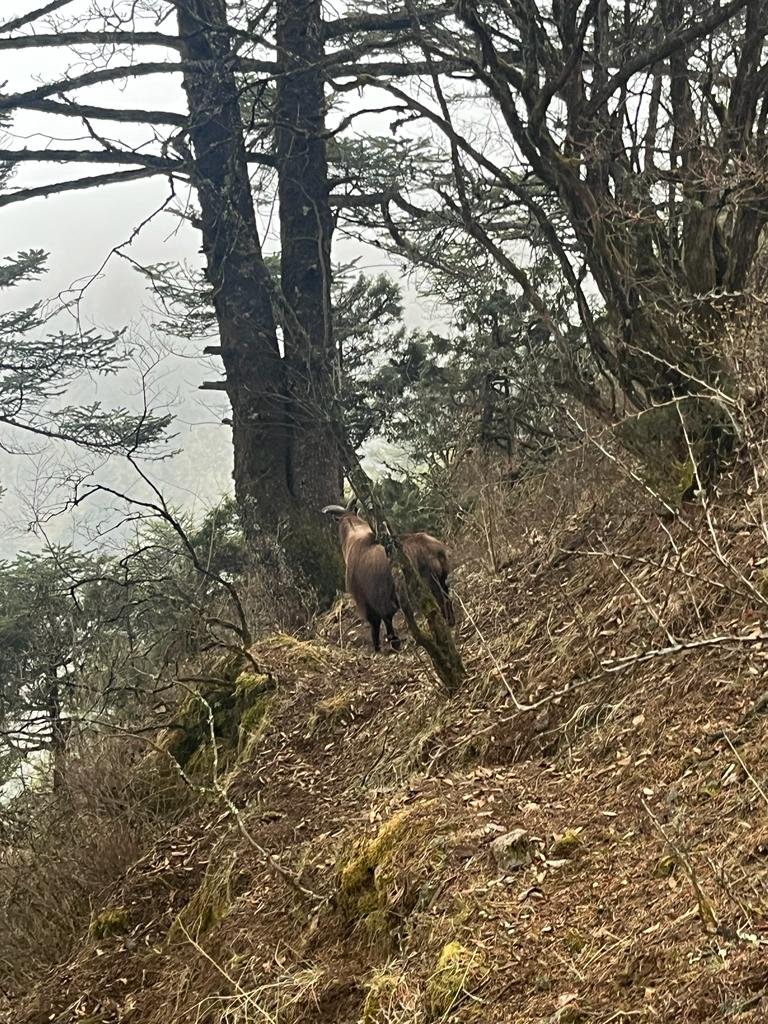
We pass through the Kyangjuma area before descending towards Phunki Tenga, a settlement near the Dudh Koshi River. Along this section, the trail passes through rhododendron and pine forests, with occasional opportunities to observe Himalayan birds and wildlife. After crossing the river, we begin a steady uphill climb towards Tengboche.
The ascent is demanding in places, but the surrounding forests and mountain views make the effort rewarding. As we approach Tengboche (3,867 m), the landscape opens to reveal the famous Tengboche Monastery against a remarkable Himalayan backdrop. The monastery is one of the most important Buddhist religious centres in the Everest region and plays a significant role in Sherpa spiritual life.
After arriving at our teahouse, we may visit the monastery if it is open to visitors and observe the peaceful surroundings. From Tengboche, we can enjoy spectacular views of Ama Dablam and neighbouring mountain peaks. Spend the evening resting and preparing for the next day’s journey towards Dingboche.
Day 6
Trek from Tengboche to Dingboche (4,410 m)
- Maximum Altitude: Dingboche (4,410 m)
- Overnight Altitude: Dingboche (4,410 m)
- Trekking Duration: 5–6 Hours
- Trekking Distance: 11 km
- Meals: Breakfast, Lunch and Dinner
- Accommodation: Teahouse in Dingboche
Today’s journey takes us from the forests surrounding Tengboche into the beautiful alpine environment of Dingboche. After breakfast, we descend through rhododendron woodland towards Debuche, enjoying occasional views of Ama Dablam and the surrounding Himalayan peaks. The trail continues through the Imja Khola Valley, passing traditional Sherpa settlements and increasingly open mountain terrain.
As we approach Pangboche, one of the older villages in the Khumbu region, the landscape begins to change. Dense woodland gradually gives way to scattered shrubs, stone walls and broad mountain valleys. The settlement is known for its Buddhist heritage and spectacular surroundings, with Ama Dablam rising prominently above the trail.
Beyond Pangboche, we continue through the higher valley, passing the Somare area before making our way towards Dingboche. The increasing elevation makes walking noticeably more demanding, so we maintain a steady pace and take regular breaks. The scenery becomes more dramatic as Lhotse, Island Peak and other high mountains appear above the surrounding valleys.
By the afternoon, we reach Dingboche (4,410 m), a beautiful alpine village surrounded by stone-walled fields traditionally used to protect local crops. After checking into our teahouse, we spend the remainder of the day resting and adjusting to the higher elevation. Our guide will assess the group’s acclimatization carefully because the following stage continues towards Chhukung without a scheduled additional rest day in Dingboche.
Day 7
Trek from Dingboche to Chhukung (4,730 m)
- Maximum Altitude: Chhukung (4,730 m)
- Overnight Altitude: Chhukung (4,730 m)
- Trekking Duration: 3–4 Hours
- Trekking Distance: 4.5 km
- Meals: Breakfast, Lunch and Dinner
- Accommodation: Teahouse in Chhukung
After breakfast in Dingboche, we begin a relatively short but scenic trek towards Chhukung (4,730 m), a small Himalayan settlement surrounded by some of the most impressive mountains in the Everest region. Today’s route follows the Imja Valley, gradually ascending through open alpine terrain with beautiful views of Lhotse, Ama Dablam, Island Peak and the surrounding peaks.
As we leave Dingboche behind, the landscape becomes increasingly rugged and remote. The trail follows a broad valley with glacial streams, rocky slopes and patches of high-altitude vegetation. The towering south face of Lhotse dominates the skyline, while the surrounding mountains create a dramatic setting for the walk. Although the trekking distance is relatively short, the increasing altitude makes it important to maintain a comfortable pace.
After reaching Chhukung, we check into our teahouse and have time to relax and enjoy the mountain scenery. The remainder of the afternoon is dedicated to resting, staying hydrated and preparing our equipment for the first major high-pass crossing. Our guide will discuss the route over Kongma La, including the expected weather conditions, early departure time and challenging terrain.
Chhukung is an important stopping point before entering the higher and more remote sections of the Three Passes circuit. As the itinerary does not include a separate acclimatization day in Dingboche or Chhukung, our guide will carefully assess everyone’s condition before proceeding. Overnight at Chhukung.
Day 8
Trek from Chhukung to Lobuche (4,940 m) via Kongma La Pass (5,535 m)
- Maximum Altitude: Kongma La Pass (5,535 m)
- Overnight Altitude: Lobuche (4,940 m)
- Trekking Duration: 8–9 Hours
- Trekking Distance: 7.7 km
- Meals: Breakfast, Lunch and Dinner
- Accommodation: Teahouse in Lobuche
Today is one of the most demanding and rewarding days of our Everest Three High Passes Trek as we cross Kongma La Pass (5,535 m), the highest of the three mountain passes. We begin walking early in the morning to make the most of the available daylight and favourable weather conditions. Leaving Chhukung behind, the trail climbs gradually before becoming steeper and more rugged as we approach the high mountain terrain.
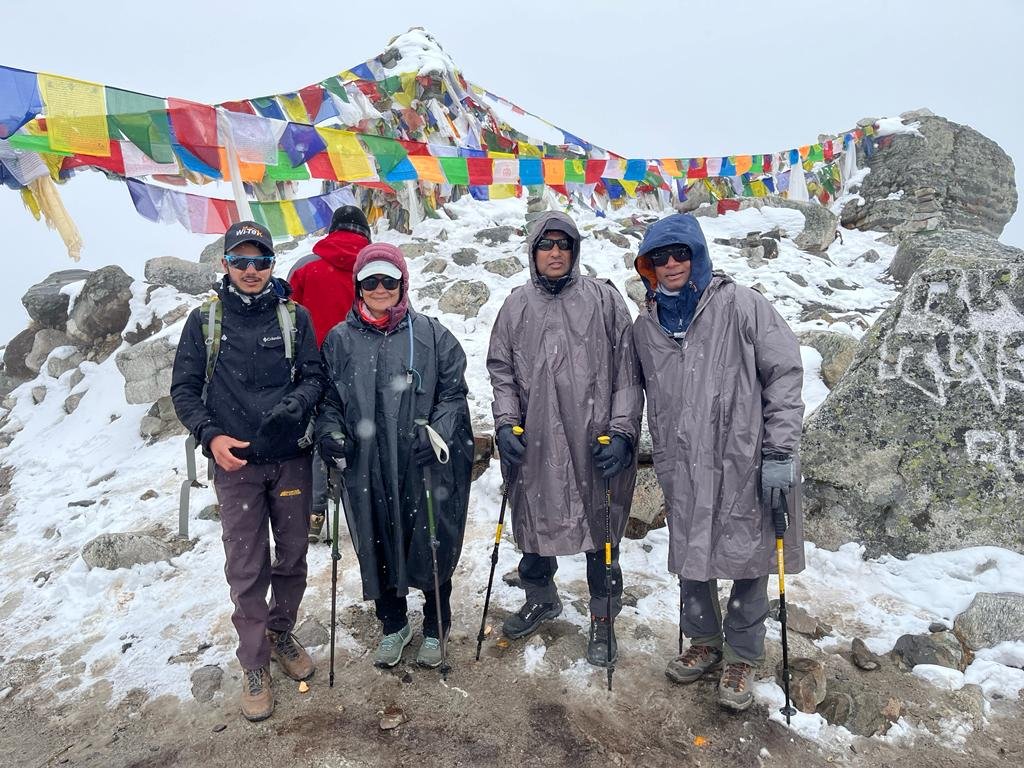
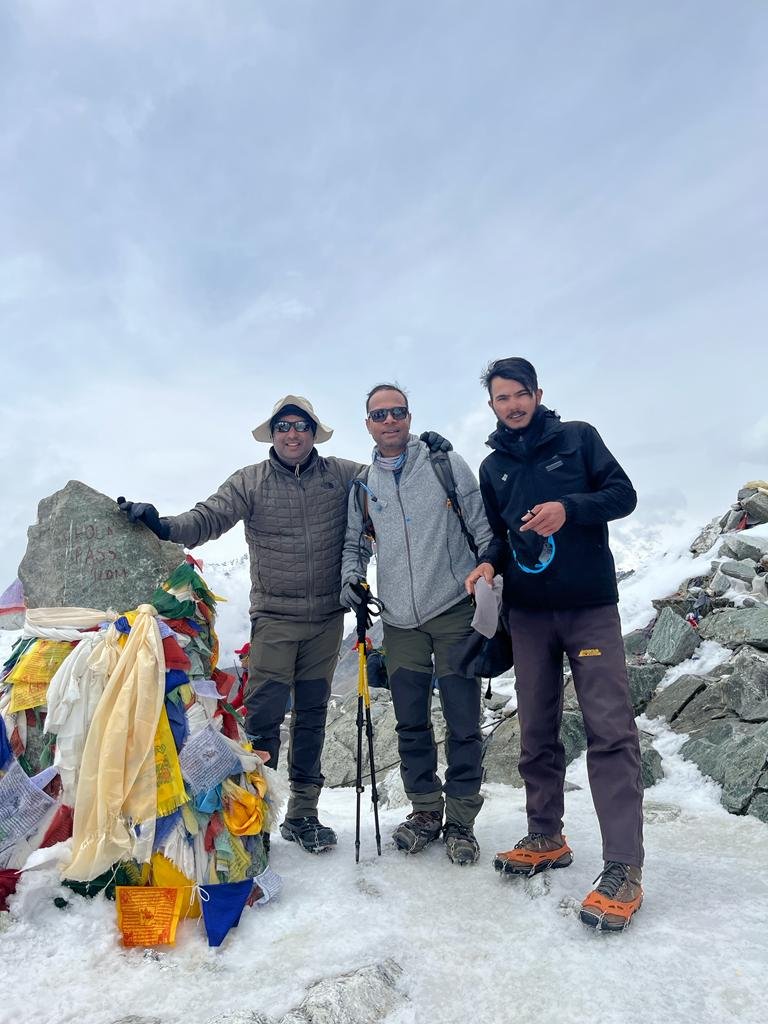
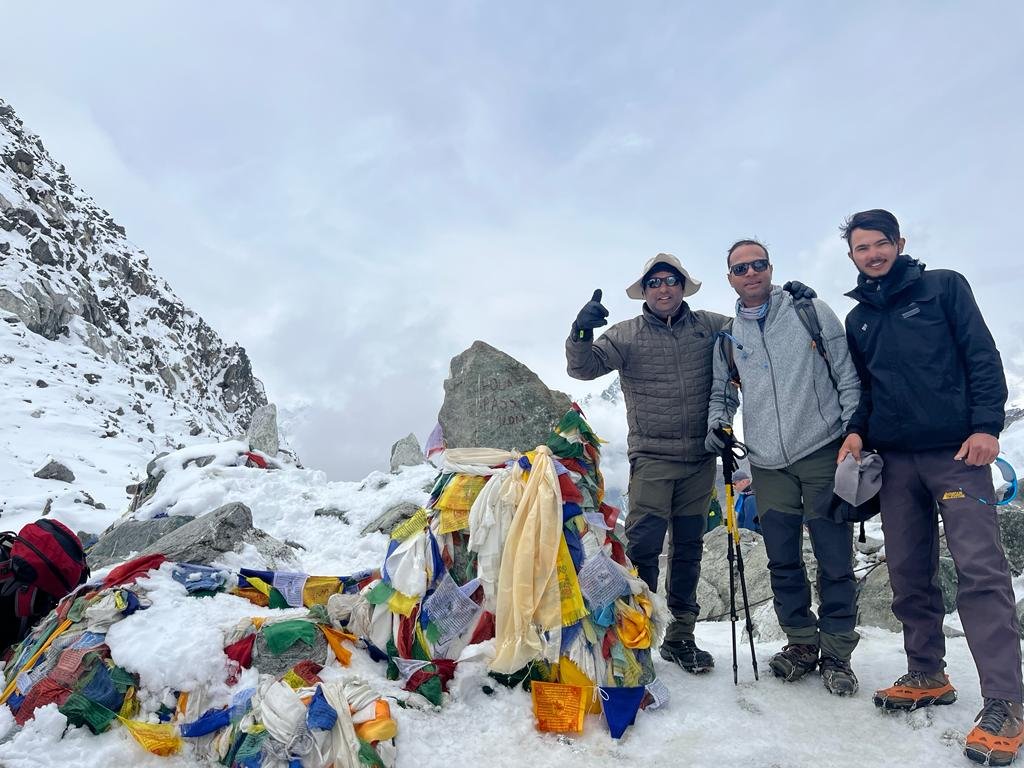
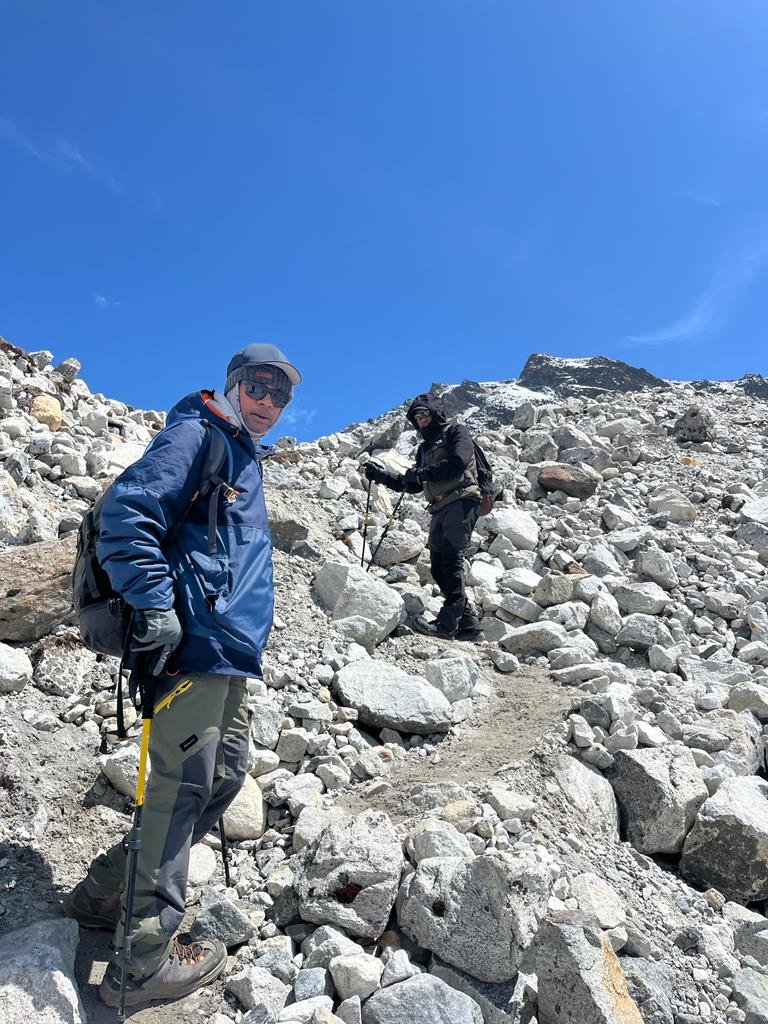
The ascent involves rocky slopes, loose stones and exposed sections where careful footing is essential. As we gain elevation, spectacular views of Lhotse, Nuptse, Makalu and the surrounding glaciers begin to unfold. The final approach to Kongma La is physically demanding, particularly in the thin mountain air, but reaching the prayer-flag-covered pass is a remarkable achievement.
From the top of Kongma La, we enjoy a breathtaking panorama of snow-covered peaks, glacial valleys and rugged Himalayan landscapes. After a short break, we begin descending towards the Lobuche side. The descent requires concentration because the terrain can be steep and uneven, with snow or ice possible depending on the season. We also negotiate the challenging moraine and glacier-side terrain associated with the Khumbu Glacier before reaching Lobuche.
After a long day in the mountains, we arrive at Lobuche (4,940 m), where we check into our teahouse and enjoy a warm meal. Crossing Kongma La marks the completion of our first major pass, with two more still ahead. We spend the evening resting and preparing for tomorrow’s journey to Everest Base Camp.
Day 9
Trek from Lobuche to Gorak Shep (5,164 m), Visit Everest Base Camp (5,364 m) and Return to Gorak Shep
- Maximum Altitude: Everest Base Camp (5,364 m)
- Overnight Altitude: Gorak Shep (5,164 m)
- Trekking Duration: 7–9 Hours
- Trekking Distance: 12–15 km for the Full Excursion
- Meals: Breakfast, Lunch and Dinner
- Accommodation: Teahouse in Gorak Shep
Today, we make our way to one of the most famous destinations in the Himalayas: Everest Base Camp (5,364 m). After an early breakfast in Lobuche, we follow the rugged mountain trail towards Gorak Shep, walking alongside the rocky moraine of the Khumbu Glacier. The surrounding landscape is dominated by towering Himalayan peaks, glaciers and vast stretches of high-altitude terrain.
The journey to Gorak Shep (5,164 m) involves steady walking over uneven ground, where the thin air makes even moderate climbs more demanding. Upon reaching this small mountain settlement, we check into our teahouse and take a break before continuing towards Everest Base Camp. The trail becomes increasingly rocky as we approach the glacier, offering remarkable views of Nuptse, Pumori, Khumbutse and the surrounding mountains.
After several hours of walking, we finally reach Everest Base Camp, the famous starting point for mountaineering expeditions attempting the world’s highest mountain. Although the summit of Everest itself is not clearly visible from Base Camp, the impressive Khumbu Icefall, surrounding glacial formations and towering mountain walls create an unforgettable atmosphere. Depending on the season, expedition tents may also be visible in designated areas of the base camp.
After spending time appreciating the surroundings and taking photographs from safe locations, we retrace our steps to Gorak Shep for the night. The return journey requires care because the terrain is uneven and fatigue can become significant at this elevation. After arriving at the lodge, we enjoy dinner and rest before tomorrow’s early-morning hike to Kala Patthar.
Day 10
Hike from Gorak Shep to Kala Patthar (5,545 m) and Trek to Dzongla (4,830 m)
- Maximum Altitude: Kala Patthar (5,545 m)
- Overnight Altitude: Dzongla (4,830 m)
- Trekking Duration: 7–9 Hours
- Trekking Distance: 13–15 km, Including the Kala Patthar Hike
- Meals: Breakfast, Lunch and Dinner
- Accommodation: Teahouse in Dzongla
We begin today with an early-morning hike to Kala Patthar (5,545 m), one of the most celebrated viewpoints in the Everest region. Depending on the weather and the group’s condition, we leave Gorak Shep before sunrise and follow the steep trail towards the viewpoint. The ascent is demanding because of the elevation, but the remarkable Himalayan panorama provides plenty of motivation along the way.
From Kala Patthar, we enjoy extraordinary close-up views of Mount Everest, Nuptse, Lhotse, Pumori and the surrounding snow-covered peaks. On clear mornings, the rising sunlight illuminates the Himalayan summits, creating one of the most memorable scenes of the entire trek. The Khumbu Glacier and Everest Base Camp area can also be seen from this elevated viewpoint.
After enjoying the mountain scenery, we descend to Gorak Shep for breakfast and collect our belongings before continuing towards Dzongla. The return trail passes through the rugged moraine landscape towards Lobuche, where we leave the main Everest Base Camp route and follow the trail westwards. The scenery gradually changes as we approach the beautiful valley beneath Cholatse and Taboche.
By the afternoon, we reach Dzongla (4,830 m), a small mountain settlement surrounded by dramatic peaks and rocky alpine slopes. After checking into our teahouse, we rest and prepare for the second major pass crossing. Tomorrow’s journey over Cho La requires an early start and careful attention to mountain conditions.
Day 11
Trek from Dzongla to Thaknak (4,700 m) via Cho La Pass (5,420 m)
- Maximum Altitude: Cho La Pass (5,420 m)
- Overnight Altitude: Thaknak (4,700 m)
- Trekking Duration: 7–9 Hours
- Trekking Distance: 8–10 km
- Meals: Breakfast, Lunch and Dinner
- Accommodation: Teahouse in Thaknak
Today, we cross Cho La Pass (5,420 m), the second of the three high Himalayan passes on our Everest Three High Passes Trek. After an early breakfast in Dzongla, we begin our journey through a rugged mountain valley surrounded by magnificent peaks such as Cholatse, Taboche and Ama Dablam. The trail initially follows rocky slopes before approaching the steeper terrain leading towards the pass.
As we gain altitude, the ascent becomes increasingly challenging. The route involves loose rocks, uneven boulders and potentially icy or snow-covered sections, depending on the season and recent weather. Cho La is particularly demanding because the upper approach may require careful movement across frozen or slippery surfaces. Our guide will assess the conditions and select the safest available route, with suitable traction equipment used when necessary.
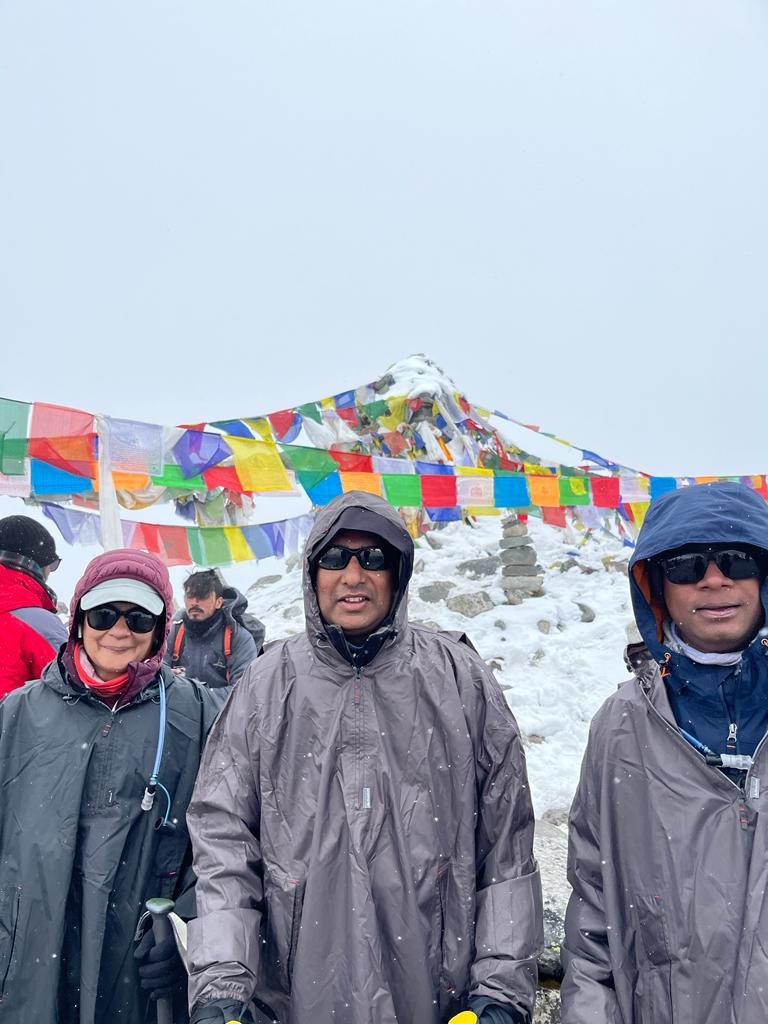
Upon reaching Cho La Pass, colourful prayer flags mark the crossing, while the surrounding Himalayan peaks create a dramatic panorama. After a short rest and an opportunity for photographs, we begin the descent towards the Gokyo side. The descending trail can be steep and slippery, so we proceed cautiously, particularly where rocks, snow and loose gravel make footing difficult.
Eventually, the route becomes more manageable as we approach Thaknak (4,700 m), a small settlement situated near the Ngozumpa Glacier. After completing our second major pass, we settle into the teahouse and enjoy a well-earned rest. Tomorrow, we continue towards the beautiful Gokyo Lakes.
Day 12
Trek from Thaknak to Gokyo (4,750 m)
- Maximum Altitude: Gokyo (4,750 m)
- Overnight Altitude: Gokyo (4,750 m)
- Trekking Duration: 3–4 Hours
- Trekking Distance: 3–5 km
- Meals: Breakfast, Lunch and Dinner
- Accommodation: Teahouse in Gokyo
After the challenging crossing of Cho La Pass, today’s trek takes us towards the beautiful Gokyo Valley, one of the most scenic destinations in the Everest region. Following breakfast in Thaknak, we begin walking towards the Ngozumpa Glacier, the longest glacier in Nepal. Although today’s trekking distance is relatively short, crossing the rugged glacial moraine requires careful footing and steady progress.
The trail passes through a landscape of loose rocks, moraine ridges and glacial debris, with impressive views of the surrounding Himalayan peaks. We follow our guide across the established route, taking care where the ground is uneven or unstable. As we move towards the western side of the glacier, the beautiful Gokyo Valley gradually comes into view.
After crossing the glacier area, we continue towards Gokyo village, situated beside the spectacular turquoise waters of Dudh Pokhari, the third Gokyo Lake. The village is surrounded by high mountain scenery, with Cho Oyu rising prominently to the north and Gokyo Ri overlooking the settlement. The contrast between the rocky glacier landscape and the blue alpine lake makes this a particularly memorable section of the trek.
Upon reaching Gokyo, we check into our teahouse and enjoy the peaceful lakeside surroundings. The afternoon is available for resting, exploring the nearby lake area and recovering from the previous day’s demanding crossing. We spend the night in Gokyo, preparing for tomorrow’s hike to Gokyo Ri.
Day 13
Acclimatization Day in Gokyo (4,750 m) and Hike to Gokyo Ri (5,357 m)
- Maximum Altitude: Gokyo Ri (5,357 m)
- Overnight Altitude: Gokyo (4,750 m)
- Trekking Duration: 3–4 Hours for the Gokyo Ri Hike
- Trekking Distance: 4 km, Including the Return Hike
- Meals: Breakfast, Lunch and Dinner
- Accommodation: Teahouse in Gokyo
Today is dedicated to exploring the remarkable Gokyo Valley and enjoying one of the finest mountain viewpoints in the Everest region. Depending on the weather and the group’s condition, we begin early in the morning for the hike to Gokyo Ri (5,357 m). The trail climbs steeply from the lakeside village, gradually gaining elevation above the beautiful turquoise waters of Dudh Pokhari.
Although the distance is relatively short, the ascent to Gokyo Ri is physically demanding because of the altitude. We follow a steady pace, taking breaks when necessary and enjoying increasingly impressive views of the surrounding mountains. As we approach the summit, the landscape opens into a spectacular Himalayan panorama, offering views of Mount Everest, Lhotse, Makalu and Cho Oyu, four of the world’s fourteen mountains above 8,000 metres.
From the top of Gokyo Ri, the magnificent Ngozumpa Glacier stretches across the valley, while the Gokyo Lakes create a remarkable contrast against the rugged mountain landscape. The viewpoint provides an outstanding opportunity for photography, particularly during clear sunrise or late-afternoon conditions. After spending time enjoying the scenery, we carefully descend towards Gokyo village.
The remainder of the day is reserved for relaxation and exploring the lakeside surroundings. Trekkers can rest at the lodge, enjoy the peaceful atmosphere or take a gentle walk around the village. We spend another night in Gokyo, allowing time to recover before tomorrow’s final high-pass crossing over Renjo La.
Day 14
Trek from Gokyo to Marulung (4,210 m) via Renjo La Pass (5,360 m)
- Maximum Altitude: Renjo La Pass (5,360 m)
- Overnight Altitude: Marulung (4,210 m)
- Trekking Duration: 7–9 Hours
- Trekking Distance: 12–14 km
- Meals: Breakfast, Lunch and Dinner
- Accommodation: Teahouse in Marulung
Today marks another major achievement on our Everest Three High Passes Trek as we cross Renjo La Pass (5,360 m), the third and final high mountain pass of the circuit. After an early breakfast in Gokyo, we begin the ascent along the western side of the valley, gradually climbing above the beautiful Gokyo Lakes. The trail becomes steeper as we approach the pass, passing through rocky terrain and exposed mountain slopes.
As we gain elevation, spectacular views of the Gokyo Valley begin to unfold behind us. The turquoise lakes, Ngozumpa Glacier and surrounding snow-covered peaks create an extraordinary landscape. Renjo La is particularly famous for its panoramic viewpoint, where trekkers can admire Mount Everest, Lhotse, Makalu, Cho Oyu and several other Himalayan giants on clear days.
Reaching the prayer flags at Renjo La Pass is a memorable moment, completing all three major Himalayan crossings of the journey. After enjoying the views, we begin descending towards the quieter Bhote Koshi Valley. The descent passes through rugged mountain terrain, small alpine lakes and rocky slopes before gradually becoming more manageable as we approach the lower settlements.
We continue through the Lungden area towards Marulung (4,210 m), a small mountain settlement along the traditional route connecting the Khumbu region with the high Himalayan valleys towards Tibet. After a long and demanding day, we check into our teahouse and enjoy a well-deserved rest. With all three passes successfully crossed, the remaining trekking days take us gradually towards Namche Bazaar and Lukla.
Day 15
Trek from Marulung to Namche Bazaar (3,440 m) via Thame (3,820 m)
- Maximum Altitude: Marulung (4,210 m)
- Overnight Altitude: Namche Bazaar (3,440 m)
- Trekking Duration: 7–8 Hours
- Trekking Distance: 15–20 km
- Meals: Breakfast, Lunch and Dinner
- Accommodation: Teahouse in Namche Bazaar
After breakfast in Marulung, we begin descending through the beautiful Bhote Koshi Valley towards Thame and Namche Bazaar. Today’s route follows a traditional Himalayan trading corridor that historically connected communities in the Khumbu region with settlements across the Tibetan border. The landscape gradually changes as we leave the exposed alpine terrain behind and return towards villages, cultivated fields and greener mountain surroundings.
The trail follows the valley through small settlements and beautiful riverside landscapes before reaching Thame (3,820 m), one of the culturally significant Sherpa villages in the Everest region. Thame is known for its traditional houses, mountain heritage and historic Buddhist monastery. Depending on our walking schedule, we may have an opportunity to explore the village surroundings and appreciate the remarkable mountain scenery.
After leaving Thame, we continue along the trail through the Thamo area, passing prayer flags, mani walls, chortens and traditional Sherpa settlements. The surroundings become increasingly familiar as we descend towards the Namche Bazaar area. Along the way, we enjoy beautiful views of the Bhote Koshi Valley and surrounding mountains, with opportunities to observe everyday village life.
By the afternoon or early evening, we arrive back at Namche Bazaar (3,440 m), completing a rewarding journey through the quieter western side of the Everest region. After many days at higher elevations, returning to the lively atmosphere of Namche is a welcome change. We check into our teahouse, enjoy dinner and rest before the long descent to Lukla the following day.
Day 16
Trek from Namche Bazaar to Lukla (2,840 m)
- Maximum Altitude: Namche Bazaar (3,440 m)
- Overnight Altitude: Lukla (2,840 m)
- Trekking Duration: 8–9 Hours
- Trekking Distance: 19 km
- Meals: Breakfast, Lunch and Dinner
- Accommodation: Teahouse in Lukla
Today is our final walking day in the Everest region as we trek from Namche Bazaar back to Lukla. After breakfast, we begin descending through the forested mountain trails towards the Dudh Koshi Valley, retracing part of the route we followed during the early days of our adventure. The familiar surroundings offer a different perspective as we gradually leave the higher Himalayan landscapes behind.
The trail descends steeply from Namche Bazaar towards the Hillary Suspension Bridge before continuing along the river valley. We pass through Jorsalle and Monjo, where we complete the necessary Sagarmatha National Park exit formalities. The lower elevation brings a noticeable change in vegetation, with pine forests, green hillsides and traditional mountain settlements appearing along the trail.
Continuing towards Phakding, we cross suspension bridges and walk through villages decorated with prayer flags, mani walls and Buddhist monuments. After a break for lunch, we resume our journey towards Lukla, passing through several small settlements and enjoying the final views of the surrounding mountains. Although much of the route follows the river valley, the final approach to Lukla includes uphill sections that can feel demanding after a long day of walking.
Upon reaching Lukla (2,840 m), we check into our teahouse and enjoy a well-deserved rest. This is also an opportunity to thank our trekking support team for their assistance throughout the journey. Having completed Kongma La, Cho La and Renjo La, along with Everest Base Camp, Kala Patthar and Gokyo Ri, we spend our final evening in the mountains reflecting on an extraordinary Himalayan adventure.
Day 17
Fly from Lukla to Kathmandu (1,350 m)
- Maximum Altitude: Lukla (2,840 m), Excluding Flight Altitude
- Overnight Altitude: Kathmandu (1,350 m)
- Flight Duration: 30–40 Minutes to Kathmandu or 20–25 Minutes to Manthali
- Driving Duration: 4–6 Hours if Returning via Manthali
- Meals: Breakfast and Lunch
- Accommodation: Standard Three-Star Hotel in Kathmandu
After breakfast in Lukla, we prepare for our return journey to Kathmandu, marking the conclusion of our trekking adventure in the Everest region. Weather permitting, we board a morning flight from Tenzing-Hillary Airport, enjoying beautiful views of the surrounding Himalayan landscapes as we leave the Khumbu Valley behind.
Depending on seasonal flight arrangements, our return flight may operate directly to Kathmandu or to Manthali Airport in Ramechhap. If the flight lands at Manthali, we continue to Kathmandu by road. Our team will coordinate the necessary transportation arrangements according to the confirmed flight schedule. Flights from Lukla are sensitive to mountain weather, and delays or cancellations can occur due to poor visibility, wind and other operational conditions.
Upon arriving in Kathmandu, our representative will arrange the transfer to your hotel. After many days of trekking through remote mountain valleys and high-altitude passes, returning to the comforts of the city provides a welcome opportunity to rest and recover. The remainder of the day is free for relaxation, exploring nearby attractions or shopping for souvenirs.
In the evening, you may choose to celebrate the successful completion of the Everest Three High Passes Trek with your fellow trekkers or enjoy a meal at one of Kathmandu’s restaurants. Overnight at your hotel in Kathmandu, with the memories of the Khumbu Himalayas still fresh in your mind.
Day 18
Final Departure from Kathmandu (1,350 m)
- Maximum Altitude: Kathmandu (1,350 m)
- Meals: Breakfast
Today marks the conclusion of your 18-day Everest Three High Passes Trek with Nepal Royal Tourism Holiday. After breakfast at the hotel, you may have some free time depending on your international flight schedule. If time permits, you can explore the nearby streets of Kathmandu, purchase last-minute souvenirs or simply relax before your onward journey.
Our representative will arrange your transfer to Tribhuvan International Airport, ensuring that you arrive with sufficient time for check-in and departure formalities. As you leave Nepal, you will carry unforgettable memories of the three great Himalayan passes, the spectacular views from Kala Patthar and Gokyo Ri, the famous Everest Base Camp and the traditional Sherpa villages that made your journey special.
Thank you for choosing Nepal Royal Tourism Holiday for your Himalayan adventure. We hope your journey through the Everest region has been a rewarding experience filled with beautiful mountain scenery, cultural encounters and lasting memories. We look forward to welcoming you again for another remarkable adventure in Nepal.
Everest Three High Passes – 18 days Fixed Departures Dates
Trip Cost Includes/Excludes
Cost Includes
- Airport pickup and drop-off by private tourist vehicle in Kathmandu
- Three-star hotel accommodation in Kathmandu on a twin-sharing basis with breakfast as per the itinerary
- Round-trip domestic flights between Kathmandu or Manthali and Lukla as per seasonal flight operations
- Ground transportation between Kathmandu and Manthali Airport when required for Lukla flights
- Teahouse and lodge accommodation throughout the trekking journey
- Breakfast, lunch and dinner throughout the trekking journey
- Breakfast during the hotel stay in Kathmandu
- One cup of tea or coffee with each included meal during the trek
- Experienced, government-licensed English-speaking trekking guide throughout the journey
- Porter assistance for carrying trekking luggage, generally one porter for two trekkers
- Sagarmatha National Park Entry Permit
- Khumbu Pasang Lhamu Rural Municipality trekking permit or applicable local entry card
- Trekking guide and porter salaries, meals, accommodation, transportation, insurance and necessary equipment
- Trekking sleeping bag and duffel bag provided on loan when required, to be returned after the trek
- Basic first-aid kit carried by the trekking guide
- Emergency assistance and rescue coordination throughout the trek
- All applicable government taxes and company service charges
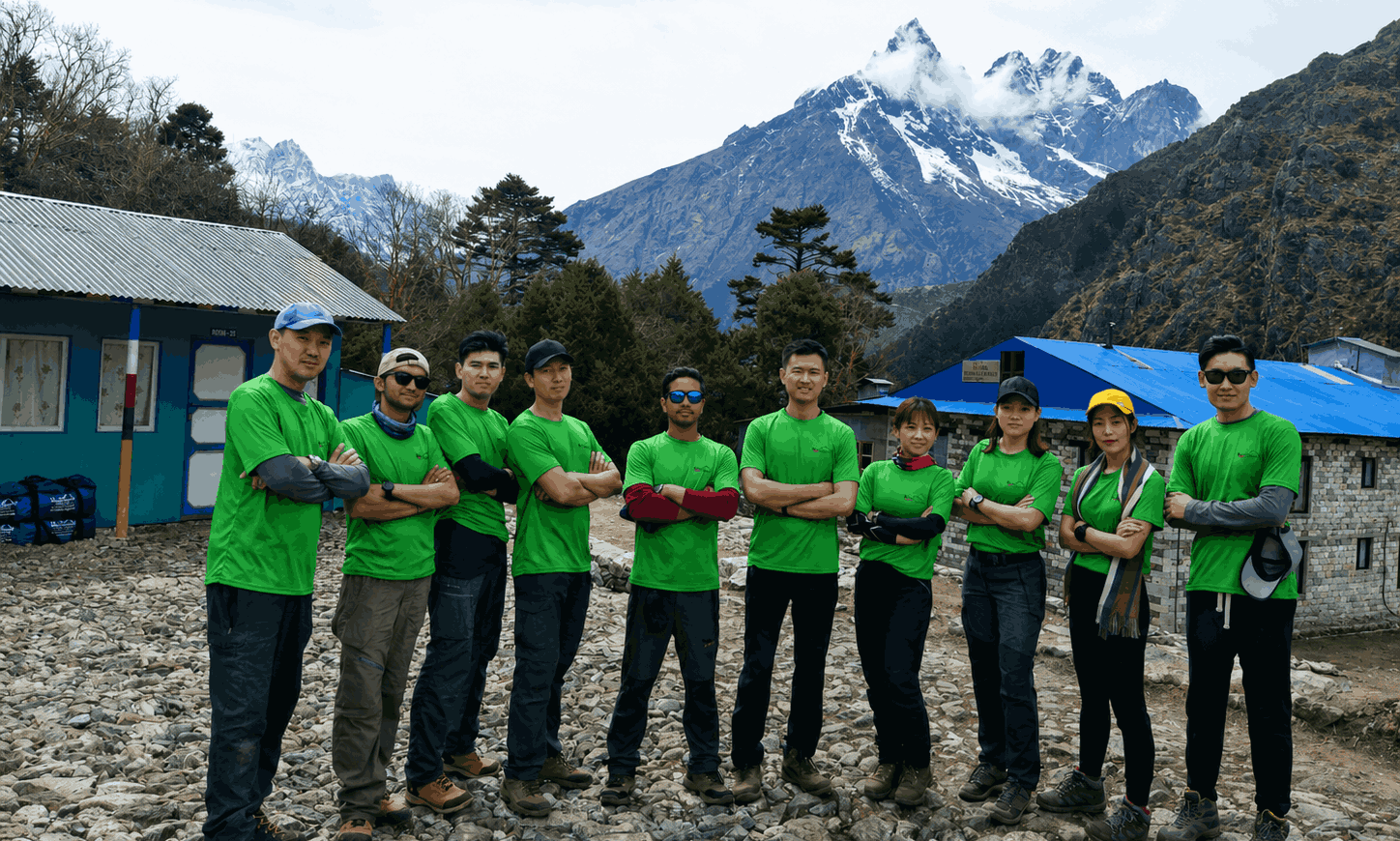
- Nepal Royal Tourism Holiday branded T-shirt as a souvenir
- Trek completion certificate from Nepal Royal Tourism Holiday
Cost Excludes
- International airfare to and from Nepal
- Nepal entry visa fees
- Lunch, dinner and personal food expenses in Kathmandu, except meals specifically included in the itinerary
- Personal travel insurance covering trekking above 5,500 metres, medical treatment and emergency helicopter evacuation
- Emergency rescue, helicopter evacuation, hospitalisation and medical expenses
- Personal trekking equipment, including trekking boots, jackets, gloves, thermal clothing, trekking poles and other personal gear
- Additional tea, coffee and other hot drinks beyond the complimentary serving included with trekking meals
- Alcoholic beverages, soft drinks, bottled water, energy drinks and specialty beverages
- Personal snacks, chocolates, energy bars and additional food outside the included meals
- Personal expenses such as laundry, hot showers, Wi-Fi, telephone calls and battery charging
- Extra expenses caused by bad weather, unsafe trail conditions, natural disasters or itinerary changes
- Optional helicopter flights, sightseeing activities and services not mentioned in the itinerary
- Tips and gratuities for trekking guides, porters and drivers
- Any other expenses or services not specifically mentioned in the Cost Includes section
Trip Photo/Video Gallery








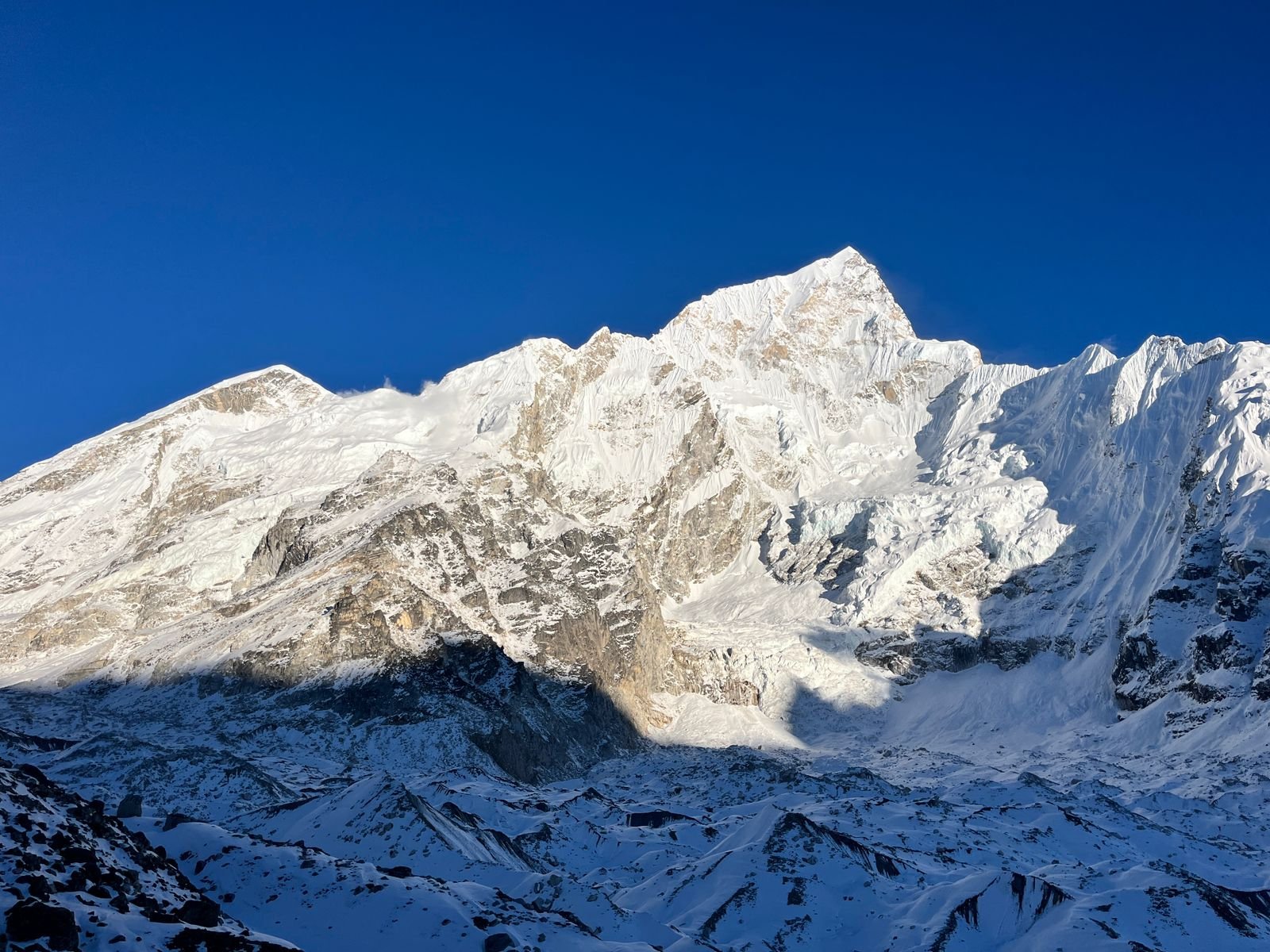

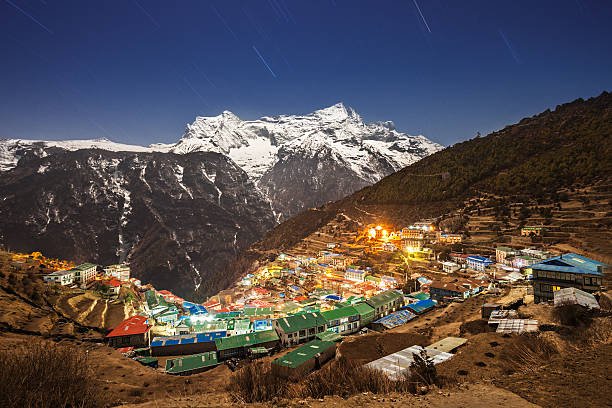

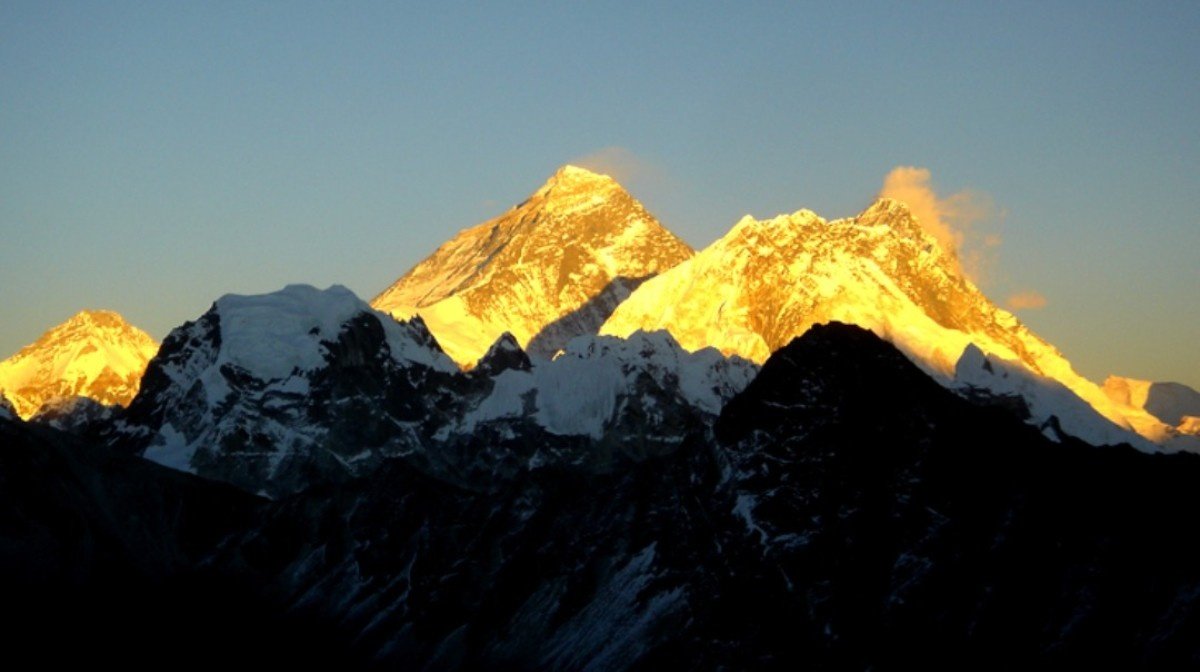
Route Map for Everest Three High Passes – 18 days
Frequently Asked Questions
Our Everest Three High Passes Trek takes 18 days, including arrival and departure in Kathmandu, three high-pass crossings, Everest Base Camp, Kala Patthar and Gokyo Lakes.
The trek crosses Kongma La (5,535 m), Cho La (5,420 m) and Renjo La (5,360 m), connecting the major valleys of the Everest region.
The highest point on our itinerary is Kala Patthar (5,545 m), followed closely by Kongma La Pass (5,535 m).
The trek is graded Challenging, involving long walking days, steep mountain trails, rocky terrain, possible snow and ice, and multiple crossings above 5,300 m.
Previous high-altitude trekking experience and strong physical fitness are highly recommended. Technical mountaineering skills are not normally required, although snow or ice may demand additional equipment and caution.
Yes, our 18-day itinerary includes Everest Base Camp (5,364 m), Kala Patthar (5,545 m), Gokyo Lakes and Gokyo Ri (5,357 m).
The standard route requires the Sagarmatha National Park Entry Permit and the Khumbu Pasang Lhamu Rural Municipality trekking permit or local entry card, which our team arranges.
Spring (March–May) and autumn (September–November) are generally the preferred seasons, although high-pass crossings always depend on weather, snow and trail conditions.
Accommodation includes three-star hotels in Kathmandu and local teahouses throughout the trekking route. Three meals daily are provided on trekking days, with arrangements detailed in the Cost Includes section.
Yes, the package includes an experienced, licensed trekking guide and porter assistance, generally with one porter for every two trekkers.
Yes, altitude sickness is a significant risk above 5,000 m. Our itinerary includes acclimatization time in Namche Bazaar and a later stay in Gokyo, but additional rest or descent may be necessary depending on individual health.
We travel by domestic flight between Lukla and Kathmandu or Manthali, with road transfers where required. Weather-related delays may require itinerary adjustments and additional expenses, as the 18-day schedule has no dedicated flight-delay buffer.
In some villages, there is limited Wi-Fi, which is often charged.
Yes, the itineraries could be changed according to pace and conditions.
Leave a Review
Everest Three High Passes – 18 days
9 Reviews to Everest Three High Passes – 18 days
You may also like


Kailash Mansarovar Yatra via Simikot Hilsa – 14 Days
-
Trip
14 Days
-
Grade
Challenging
-
Altitude
5,630 m

Menu

Martin Fischer
at 11:18 am
The Ultimate Everest High-Pass Adventure
The Everest Three Passes Trek was an incredible Himalayan adventure. Crossing the high passes and visiting Everest Base Camp, Gokyo, and the beautiful mountain valleys made every day unforgettable. Our guide was experienced, friendly, and very supportive throughout the trek.
Andreas Müller
at 12:22 am
An Incredible Journey Through the Everest Region
The Everest Three Passes Trek gave us an unforgettable experience in the Himalayas. Renjo La, Cho La, and Kongma La were challenging but incredibly rewarding. The combination of high mountain passes, Gokyo Lakes, and Everest Base Camp was amazing.
Jessica Williams
at 10:24 am
A Challenging Trek with Amazing Rewards
This was one of the most rewarding trekking adventures we have ever experienced. The Everest Three Passes route offered spectacular mountain scenery, beautiful Sherpa villages, Gokyo Lakes, and unforgettable views from the high passes. Nepal Royal Tourism provided excellent support from start to finish.
Claire Thompson
at 9:20 am
Beyond Everest Base Camp
We wanted a challenging trek beyond the classic Everest Base Camp route, and the Three Passes Trek was perfect. The views of Everest, Lhotse, Makalu, and Cho Oyu were spectacular. Nepal Royal Tourism organized everything very well and made us feel safe throughout.
Camper
at 1:14 pm
Great and awesome arrangement by Nepal Royal
Good service, friend guide and good price.
The guide advice us based on our actual physical comdition and adjust the itinerary accordingly.
Quick arrange for helicopter from Lukla to Ramechhap based on weather condition with minimum payment.
Back to Kathmandu earlier 1 day and agency company meet us and arrange a Kathmandu day trip for us.
A cultural dinner and dance was awesome and nice.
Good experience with Nepal Royal.
Alex Tang
at 12:18 pm
EBC trekking
One of the best guide i ever seen. Nepal royal assist us in every aspect of our journey. The guides are professional and helpful. The trip was enjoyable and relaxing with their kind assistance
Highly recommended to whoever want to travel in Nepal..
If i come again, i wil look for you guys… thanks
Nurdrajat S
at 7:44 am
Amazing Trip to EBC
In end of Dec 2018, I went to Kathmandu for EBC trekking. In actual I was solo trekker. But since there was some problems happened during trekking, Ganesh and team help me a lot.
Ganesh sincerely helped me to solve AMS and short breath troubles. He reacted and actioned quickly, to ensure the condition is getting better. He also served very well for his customer.
For the next trip, I would recommend Ganesh tour organizer for other person who need the service. Thanks!
Saw Z
at 8:03 am
Nepal royal Tourism
Very good service, friendly and good advice and care during the trip.
Will take the service again in near future 🙂
Pranata A
at 8:04 am
Great
So many information we get before and during the trip. Really helpful. It’s great to have them as a trip companion.