-
 Duration
19 Days
Duration
19 Days
-
 Difficulty
Challenging
Difficulty
Challenging
-
 Max Elevation
5660m
Max Elevation
5660m
-
 Group Size
2-8 Person
Group Size
2-8 Person
-
 Accommodation
Hotel/ Guest House
Accommodation
Hotel/ Guest House
-
 Start/End
Kathmandu Airport/Kathmandu
Start/End
Kathmandu Airport/Kathmandu
-
 Destination
Tibet
Destination
Tibet
-
 Best Season
April to Oct
Best Season
April to Oct
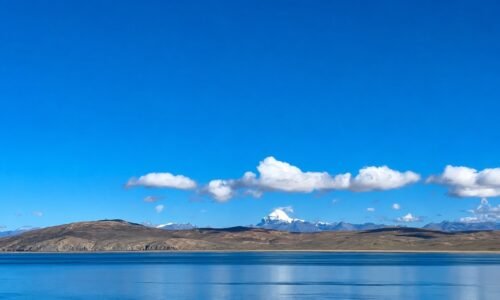
You will experience the spiritual heritage of Lhasa, the north-face perspective of Mount Everest, and the sacred pilgrimage around Mount Kailash and Lake Manasarovar.

Unlike a conventional Tibet sightseeing tour, this itinerary moves progressively deeper into the Tibetan plateau before reaching the remote Ngari region, where altitude, weather and distance become major parts of the experience.
The journey begins in Kathmandu, where several days are reserved for visa processing, permits, sightseeing and preparation before entering Tibet.

These days are important rather than wasted time. The Tibet and Kailash section requires organised travel arrangements and permits, and current guidance confirms that foreign travellers entering Tibet require special travel documentation, with additional permits required for the restricted Kailash and Ngari areas.
After the preparations, the journey continues by air to Lhasa, the historic capital of Tibet and the first major altitude adjustment of the trip.

At approximately 3,656 metres, Lhasa is already considerably higher than Kathmandu, which is why the itinerary gives time for sightseeing and acclimatization before the long overland journey begins.
The city’s most important landmarks include Potala Palace, Jokhang Temple, Barkhor Square, Sera Monastery, Drepung Monastery and Norbulingka, providing an introduction to Tibetan history, Buddhism and traditional urban life.

Leaving Lhasa, the route crosses the open Tibetan plateau toward Yamdrok Lake, one of Tibet’s most famous sacred lakes.
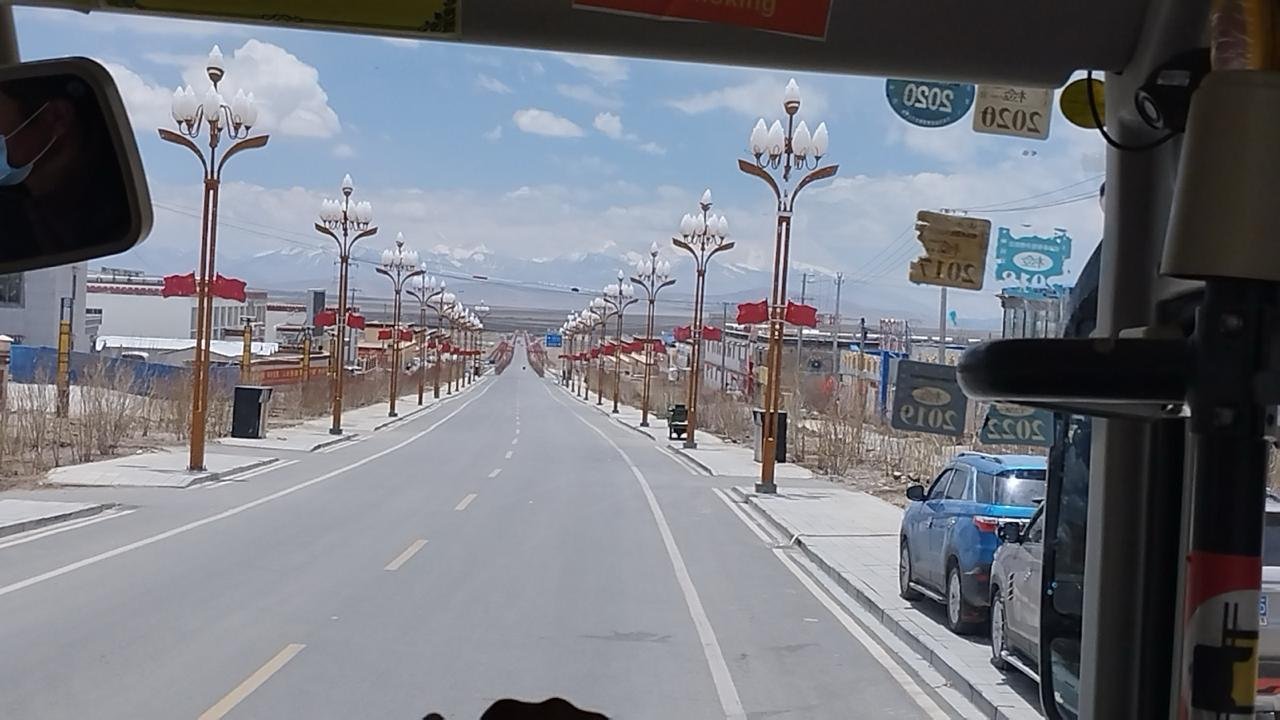
The road climbs through an increasingly barren landscape where villages become more widely spaced and enormous mountain horizons replace the urban environment.

From there, the journey continues toward Gyantse and Shigatse, two of Tibet’s major historic centres.
Shigatse is especially important because it is home to Tashilhunpo Monastery, one of the great monasteries of central Tibet and the traditional seat of the Panchen Lamas.

The journey also includes Sakya Monastery, depending on the final road and permit arrangements, before turning toward the Everest region.

The approach to Everest Base Camp from the Tibetan side is one of the most visually dramatic portions of the tour.
Instead of trekking for days to reach Everest Base Camp as on the Nepal side, the Tibetan route uses a long overland journey across the high plateau.

The landscape around Rongbuk is stark, exposed and enormous, with the north face of Mount Everest rising above the surrounding Himalayan peaks.
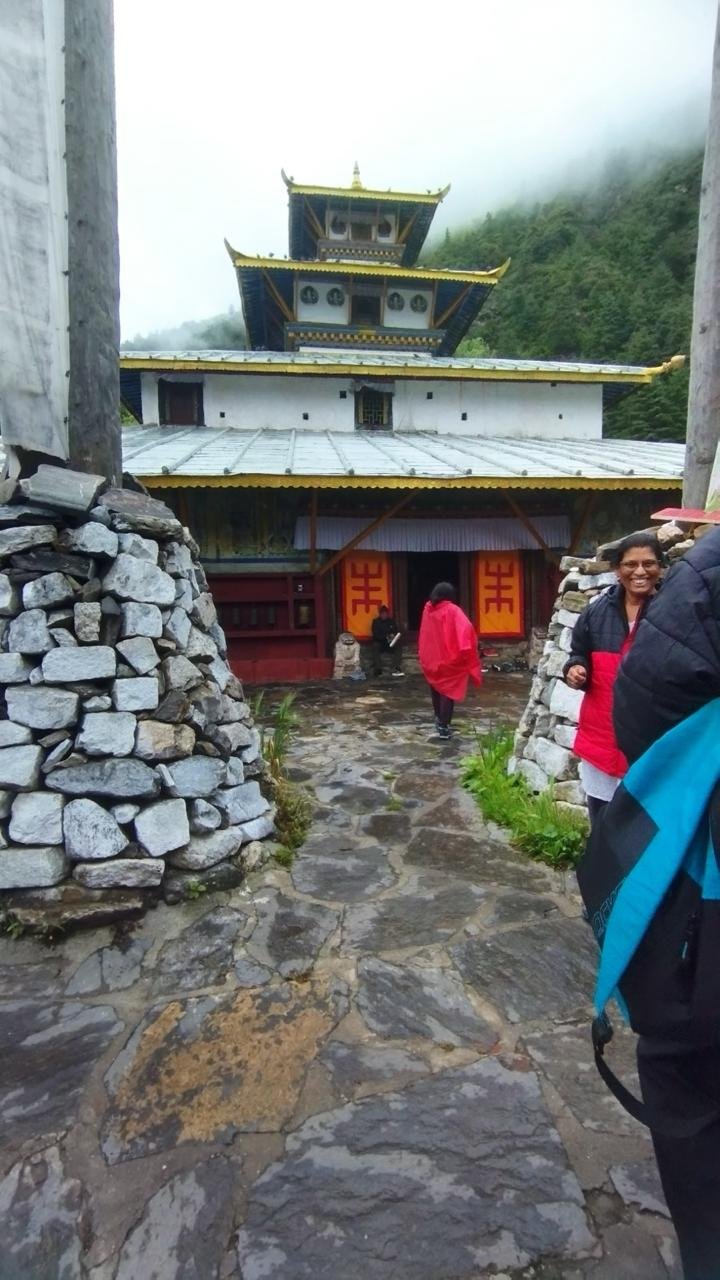
The Rongbuk area also has strong spiritual significance because of Rongbuk Monastery, one of the most important monasteries in the Everest region.

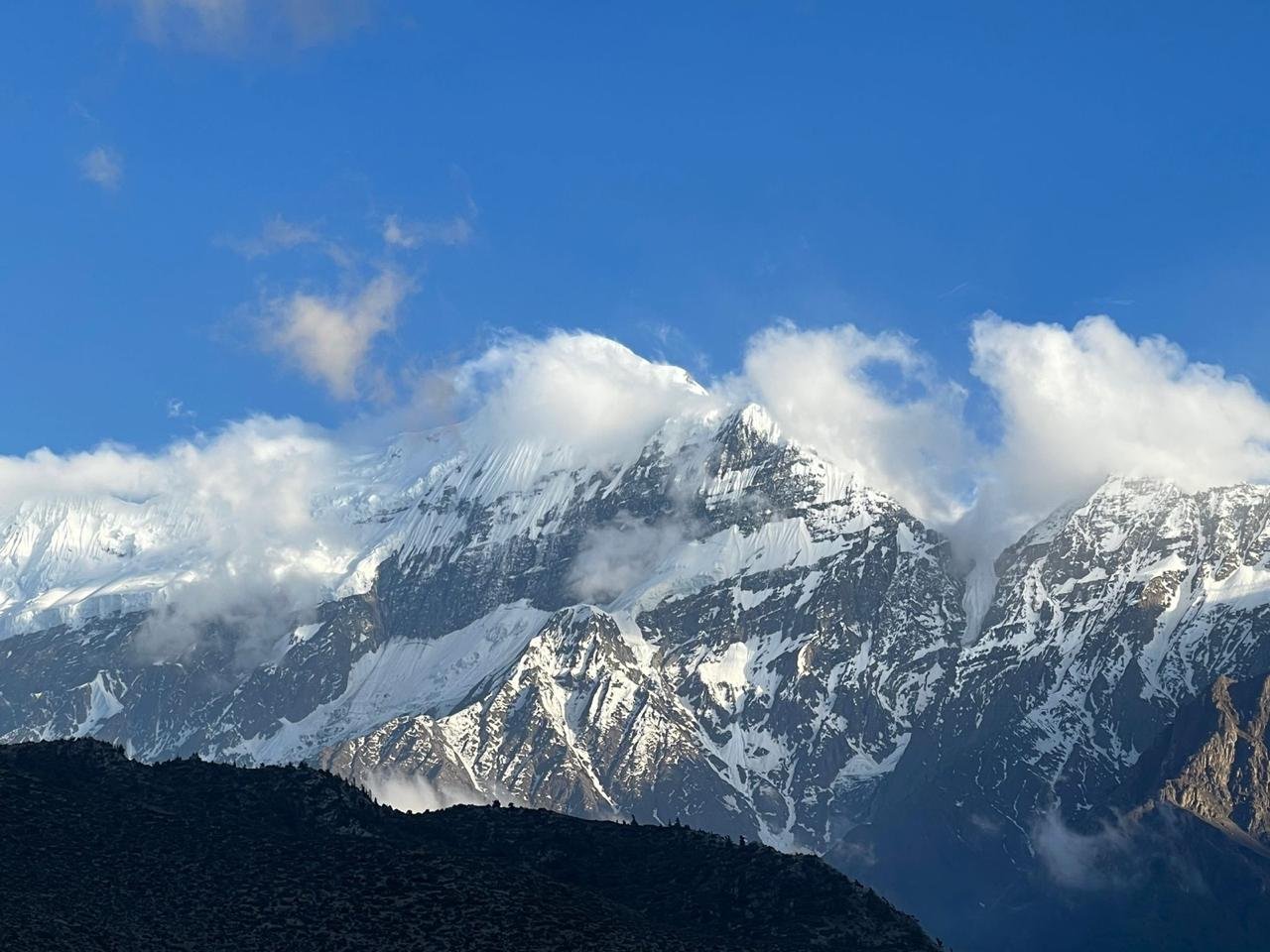
From high viewpoints along the route, travellers can potentially see Everest together with other major Himalayan giants, including Lhotse, Makalu, Cho Oyu and Shishapangma when visibility is favourable.
After Everest, the journey moves farther west through Old Tingri, Pelku Lake and Saga. The landscape becomes progressively more remote and the road passes through enormous open spaces with very little settlement.

Saga is an important staging point before the route turns south-west toward Lake Manasarovar and Mount Kailash.
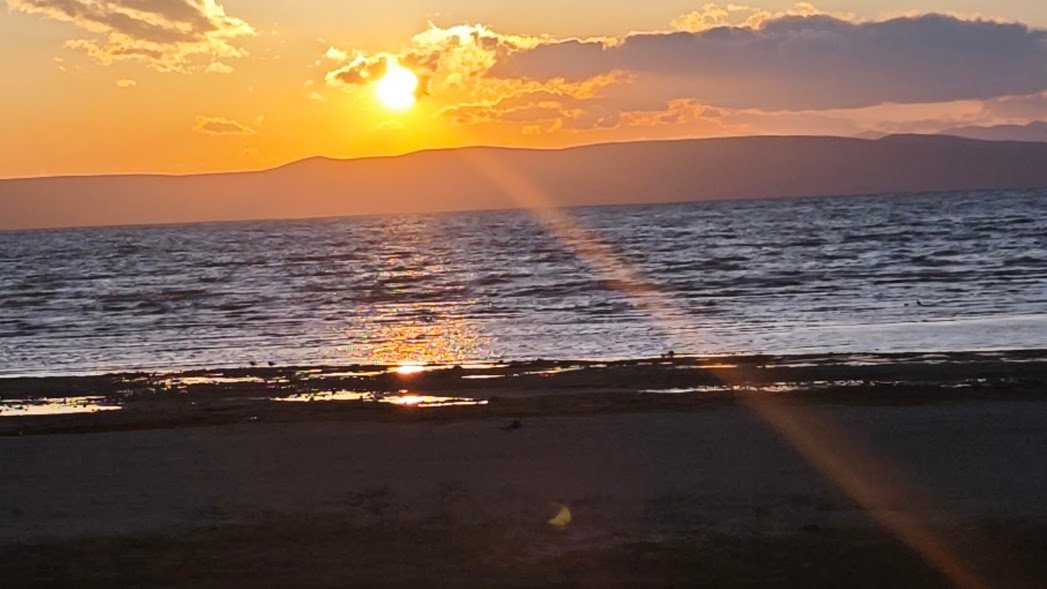
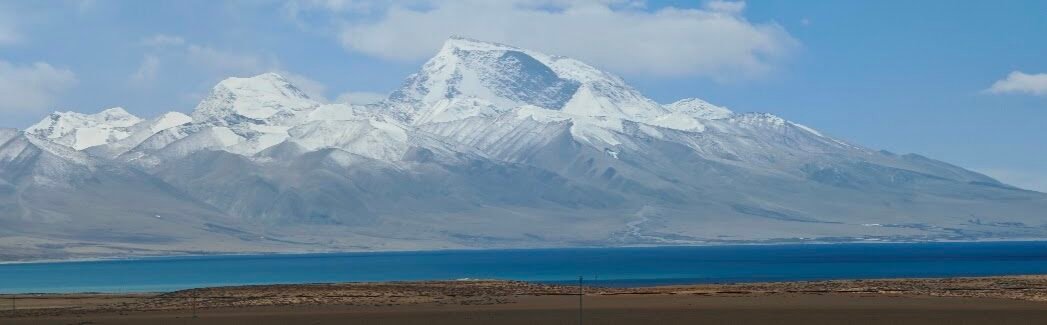
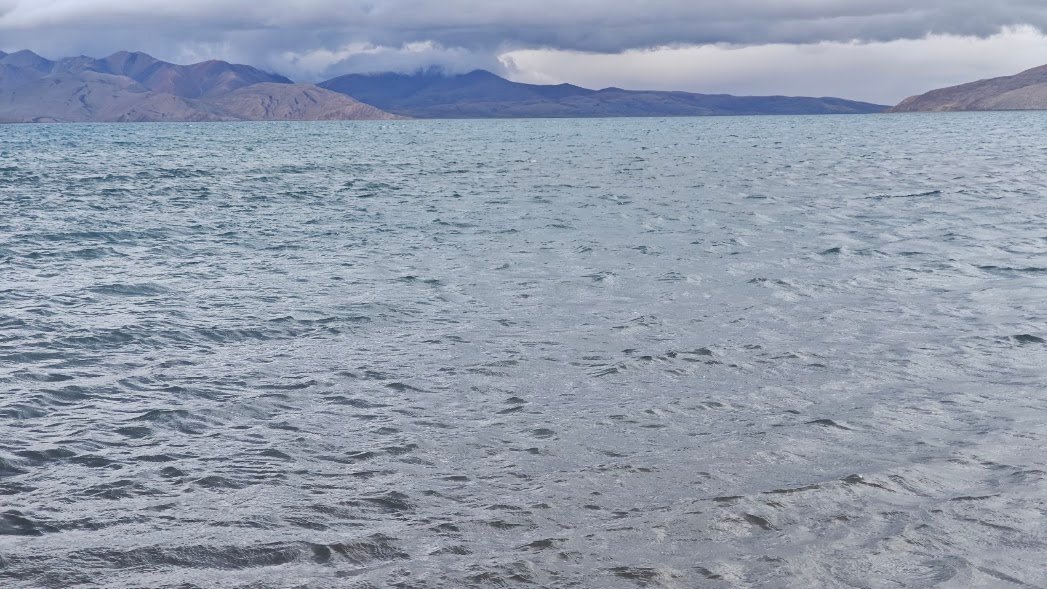
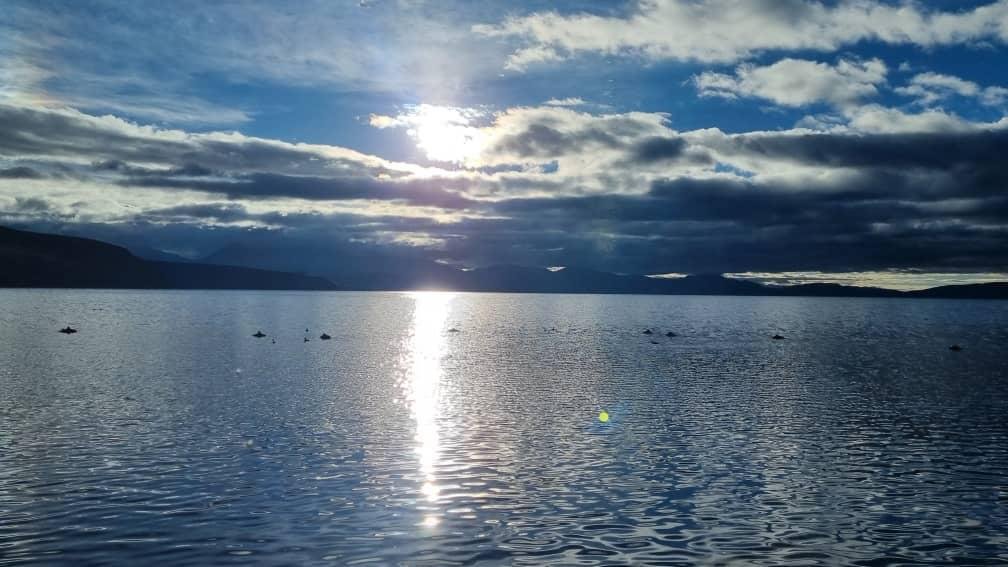
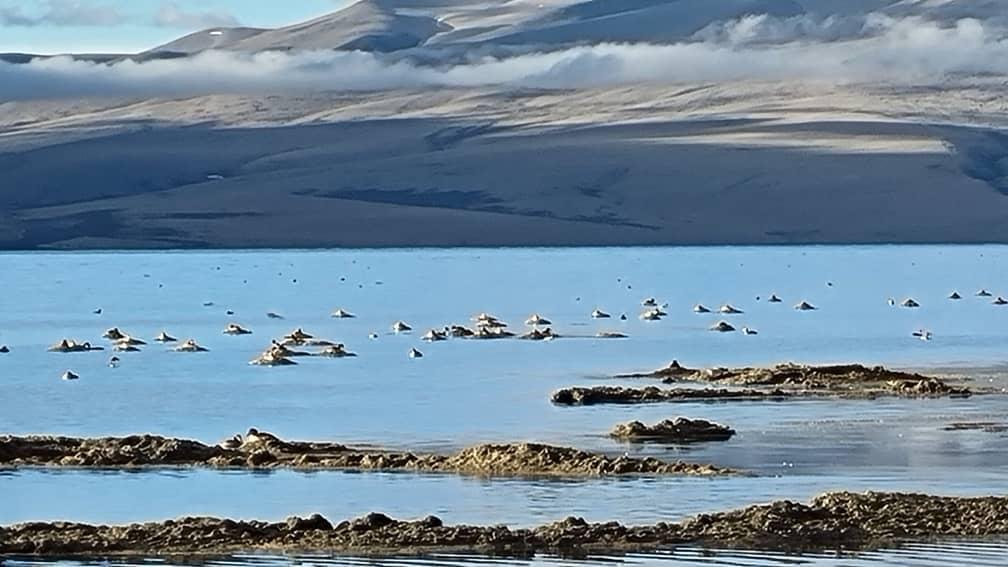
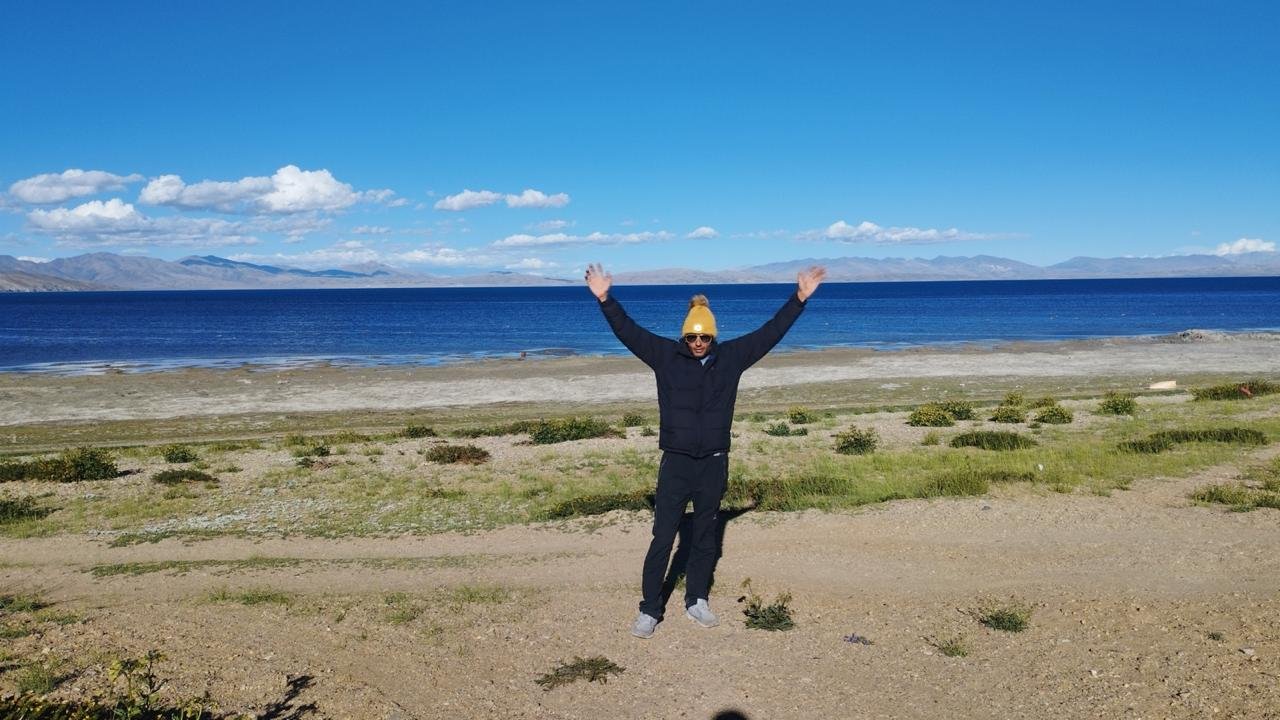
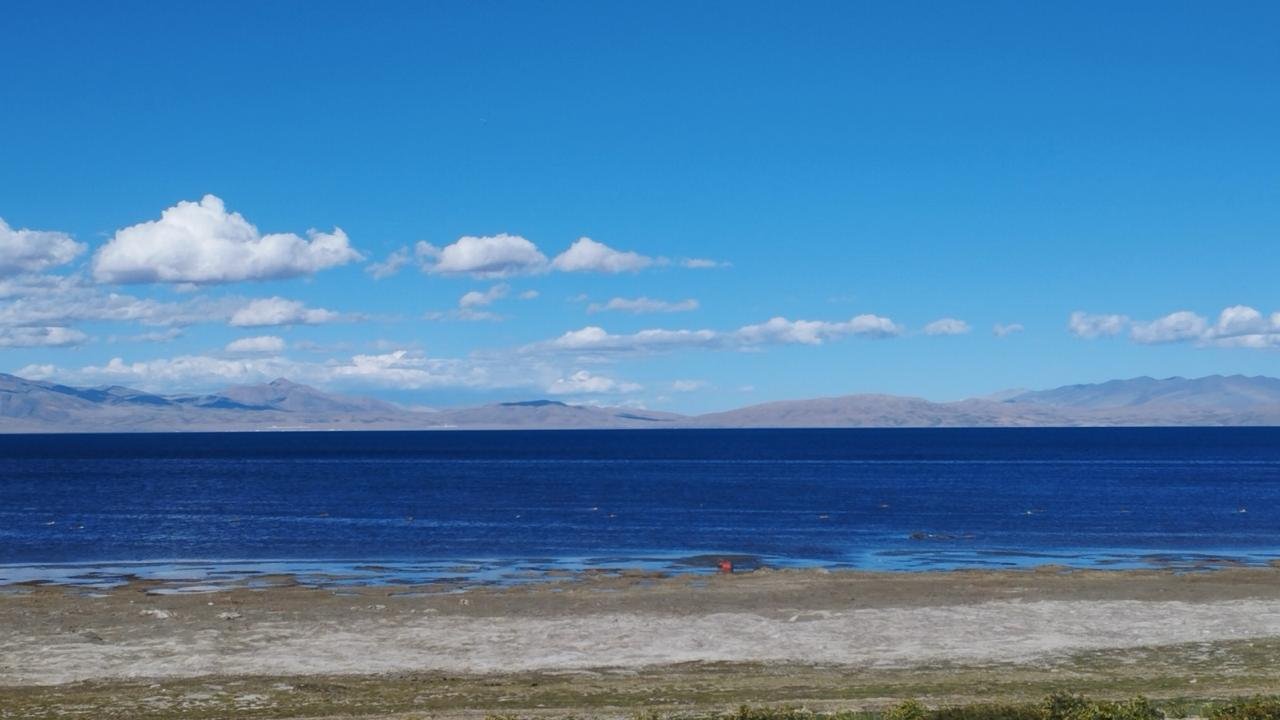
The arrival at Lake Manasarovar changes the character of the trip once again. Manasarovar is one of the most sacred lakes in the Himalayan region, particularly important within Hindu, Buddhist, Jain and Bon traditions.

Pilgrims come here for prayer, meditation, circumambulation and, where permitted and appropriate, ritual bathing.
The lake’s blue waters sit beneath immense Himalayan landscapes, creating one of the most memorable settings of the entire journey.

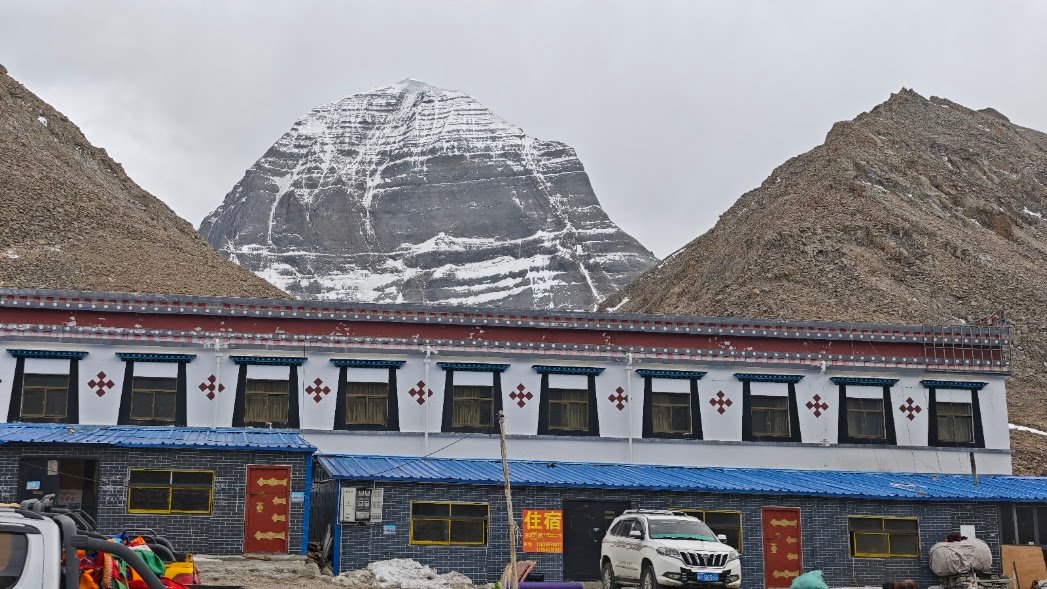
From Manasarovar, the route continues to Darchen, the traditional starting point for the Kailash Kora. Darchen is the final major settlement before the three-day circumambulatio
Therefore, it is also an important place to prepare physically and mentally for the most demanding portion of the itinerary.

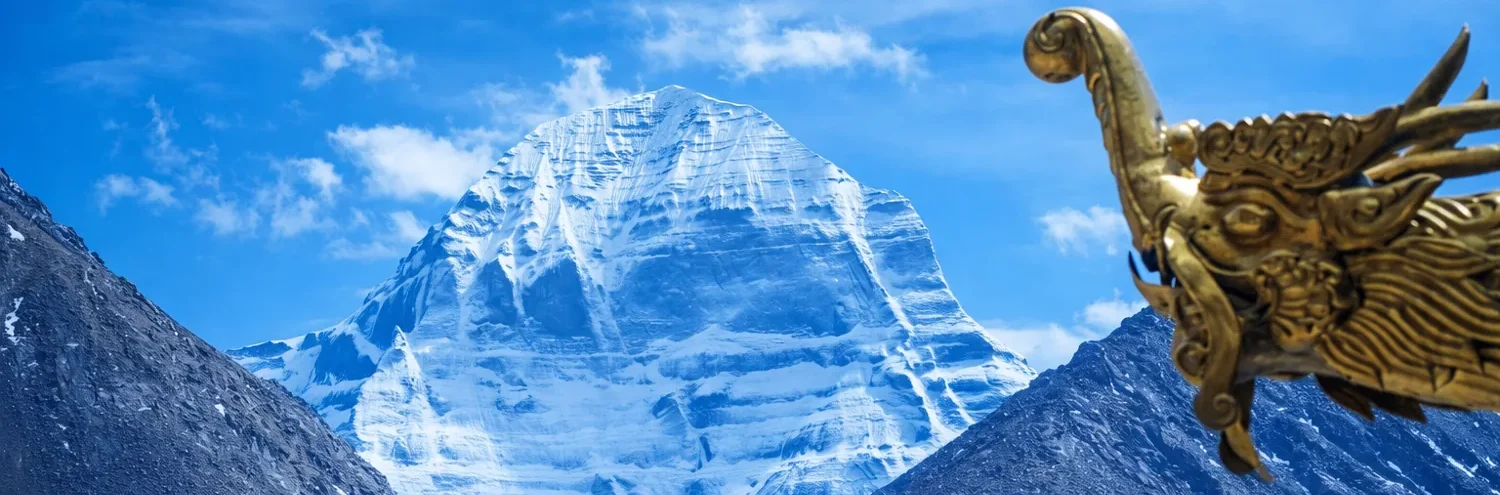
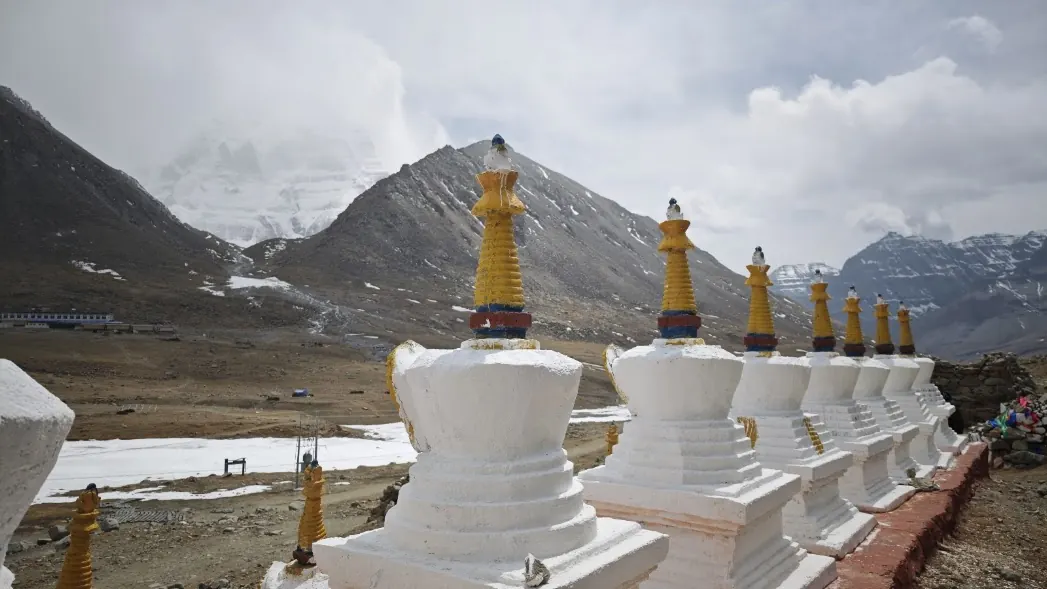
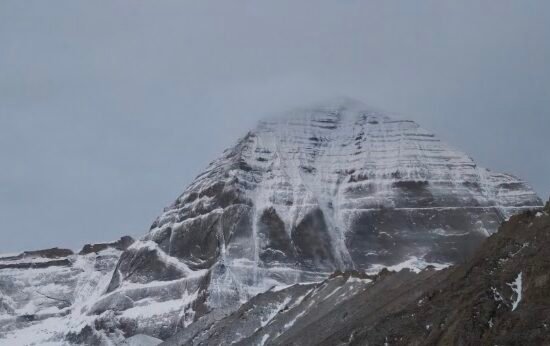
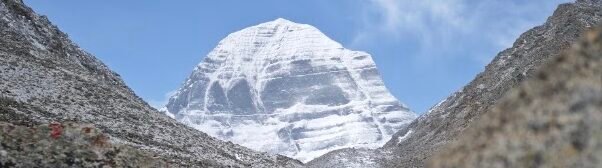
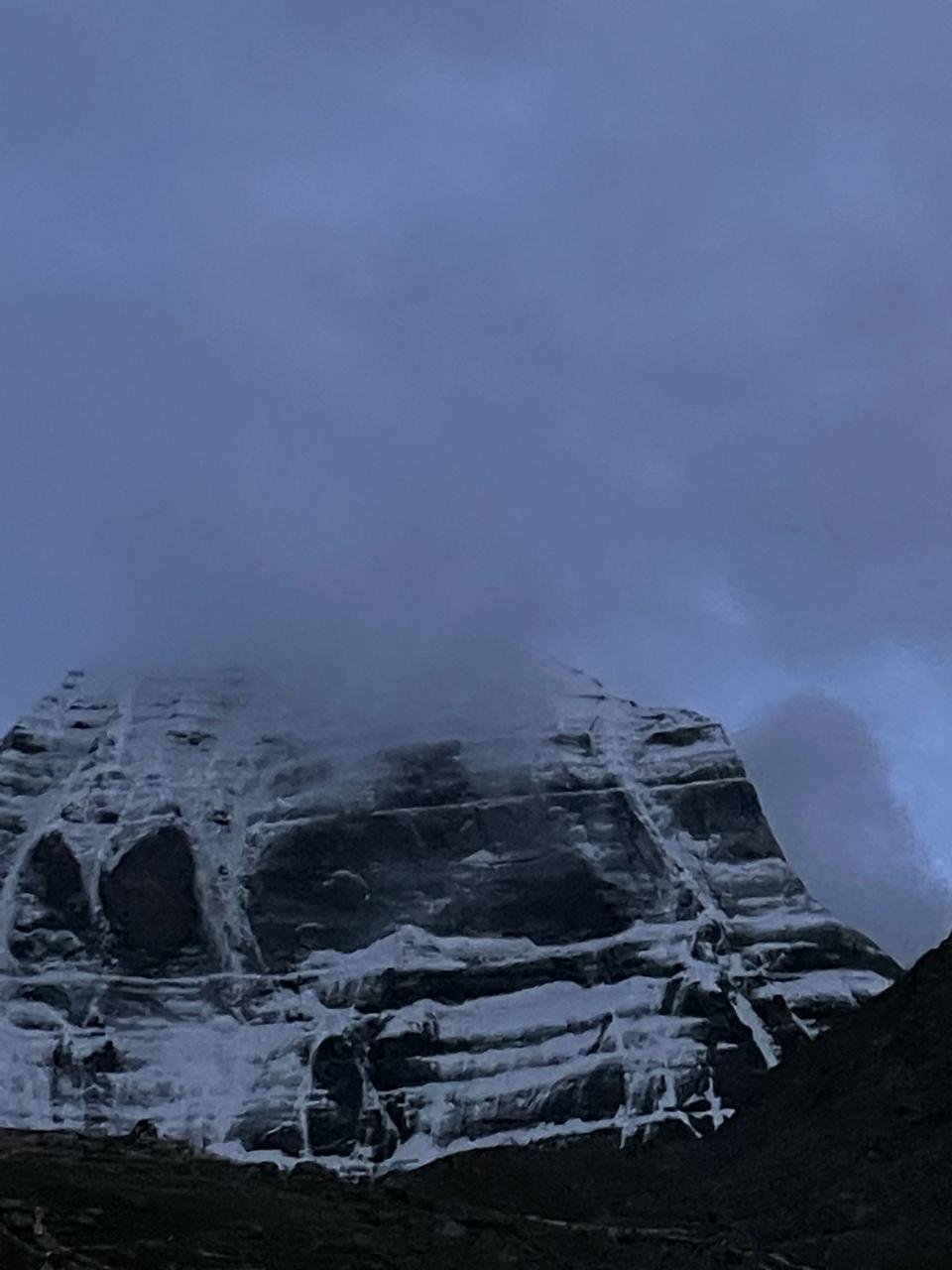
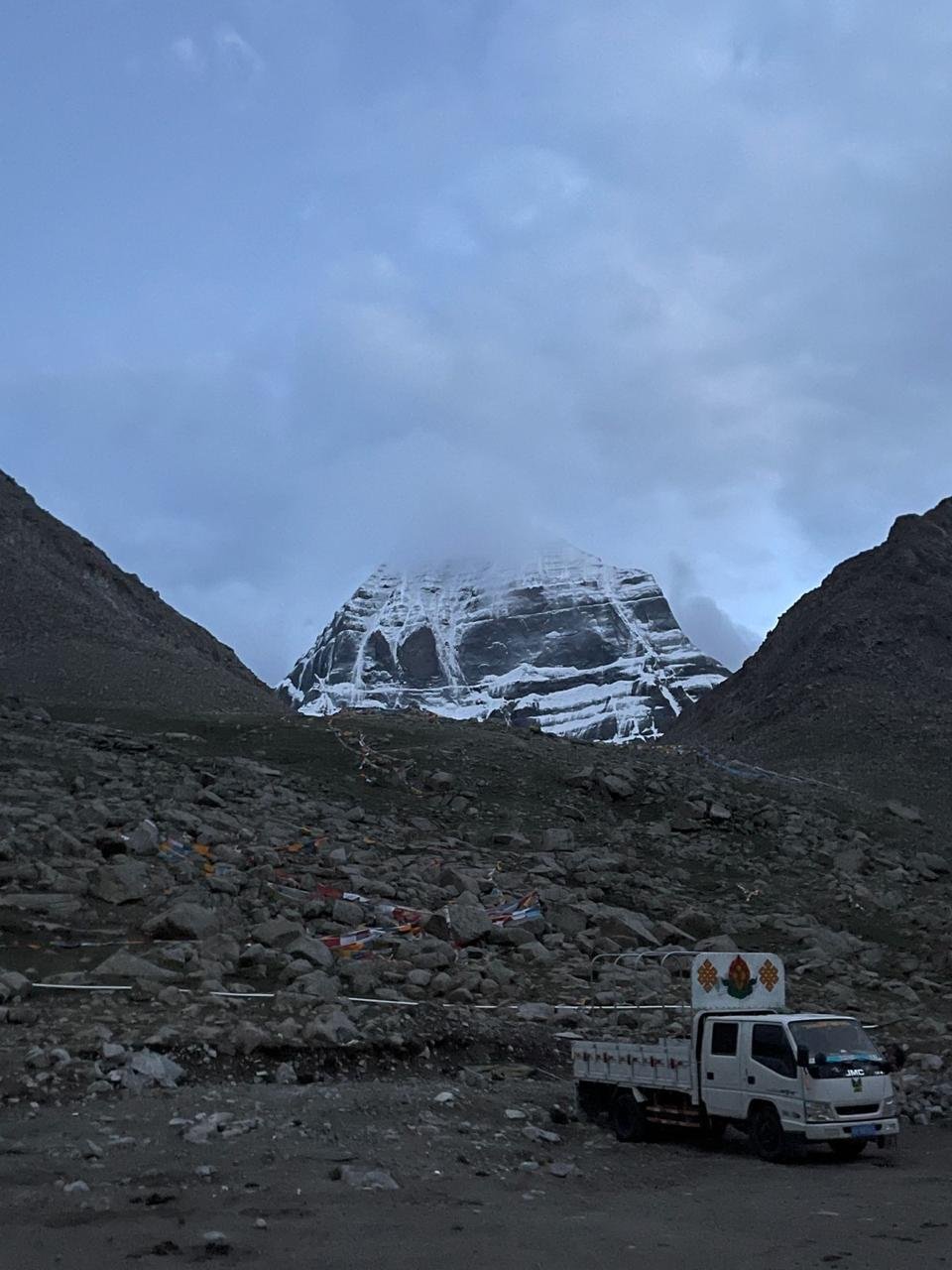
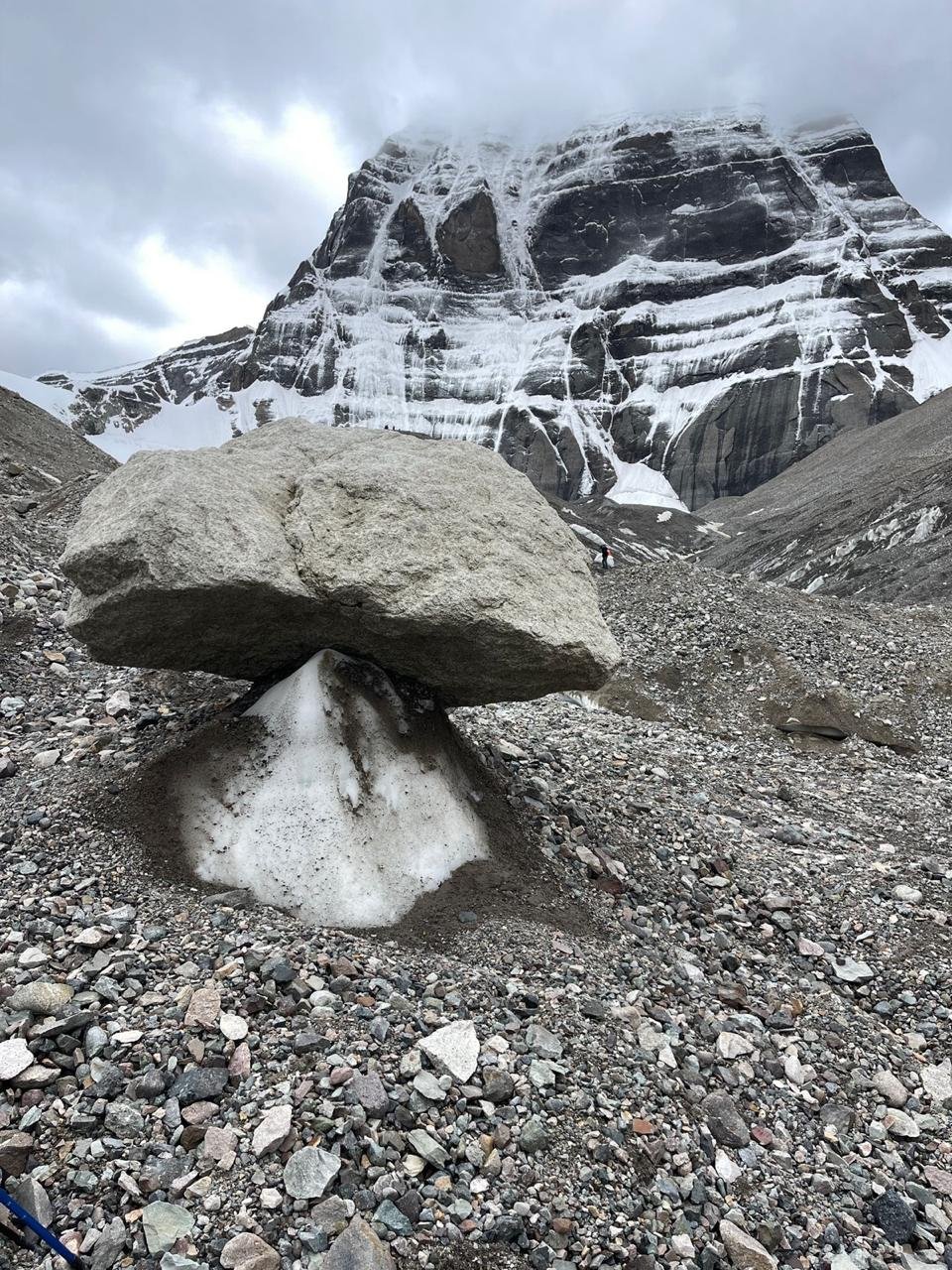
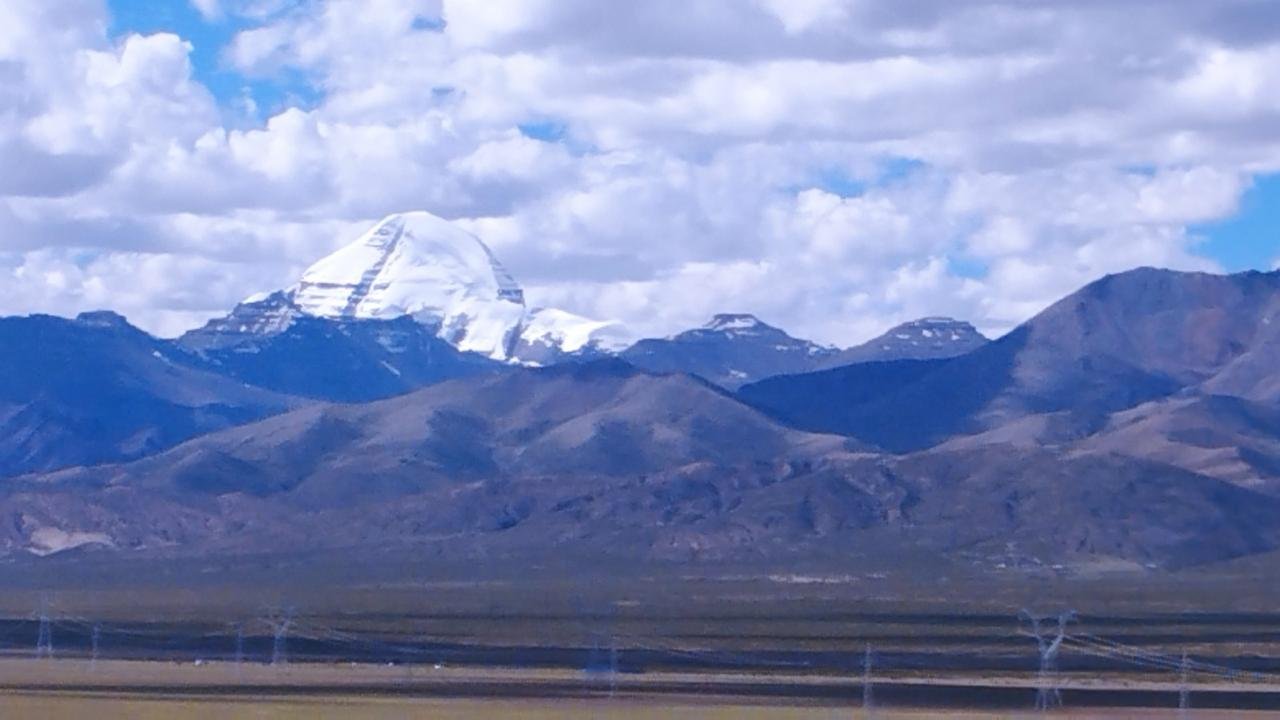
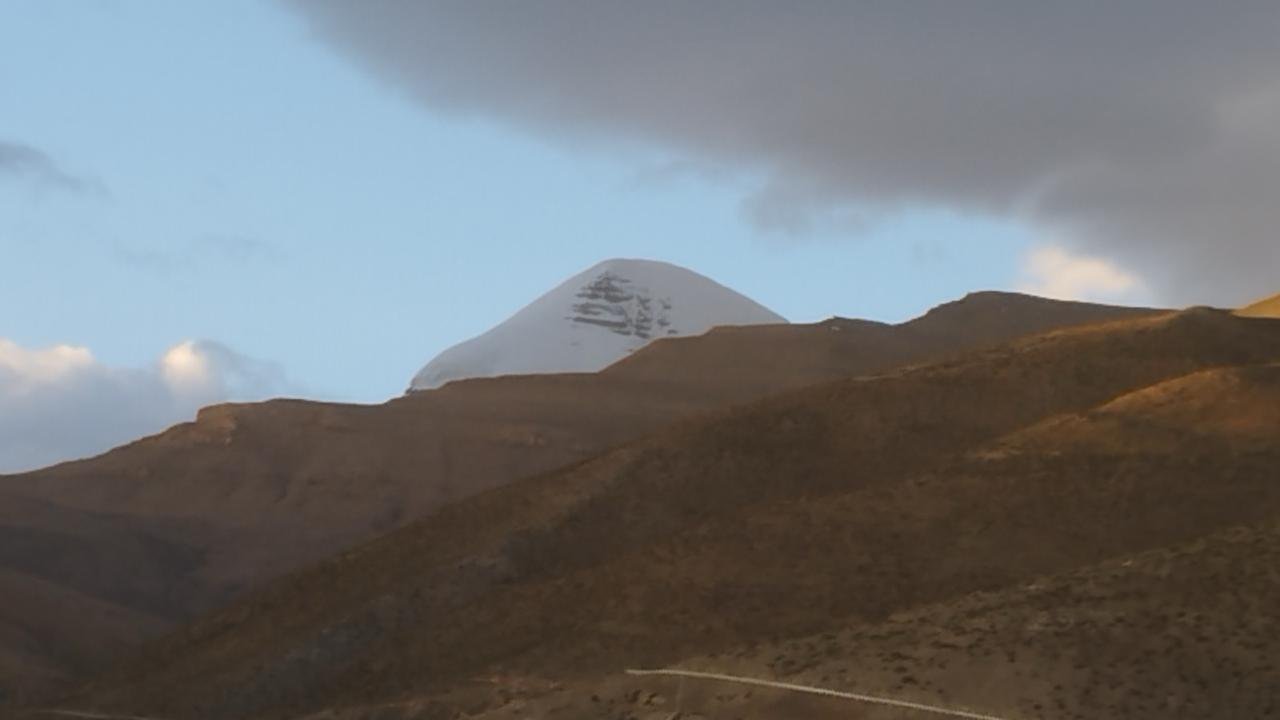
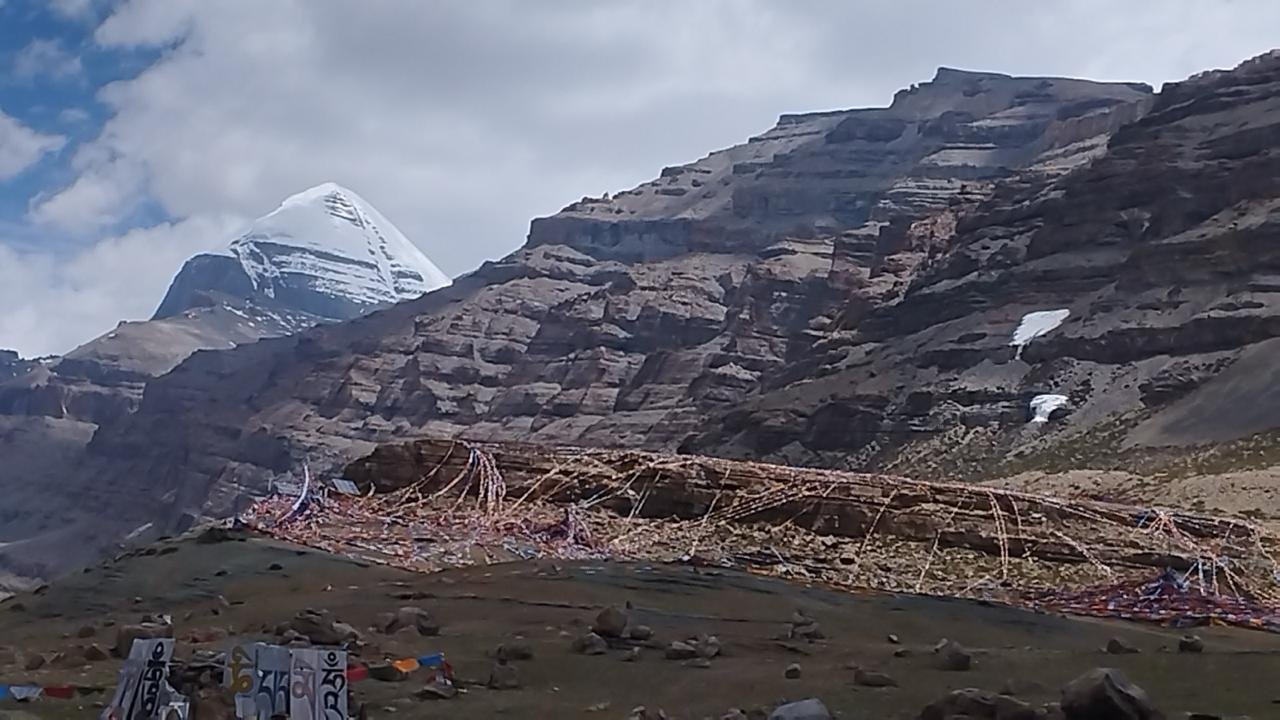
The Kailash Kora is the spiritual and physical centrepiece of the journey. The first stage leads toward Diraphuk, where views of Mount Kailash become increasingly dramatic.

The second day is the most demanding, crossing Dolma La Pass at approximately 5,660 metres before descending toward Gauri Kund and continuing to Zuthulphuk.
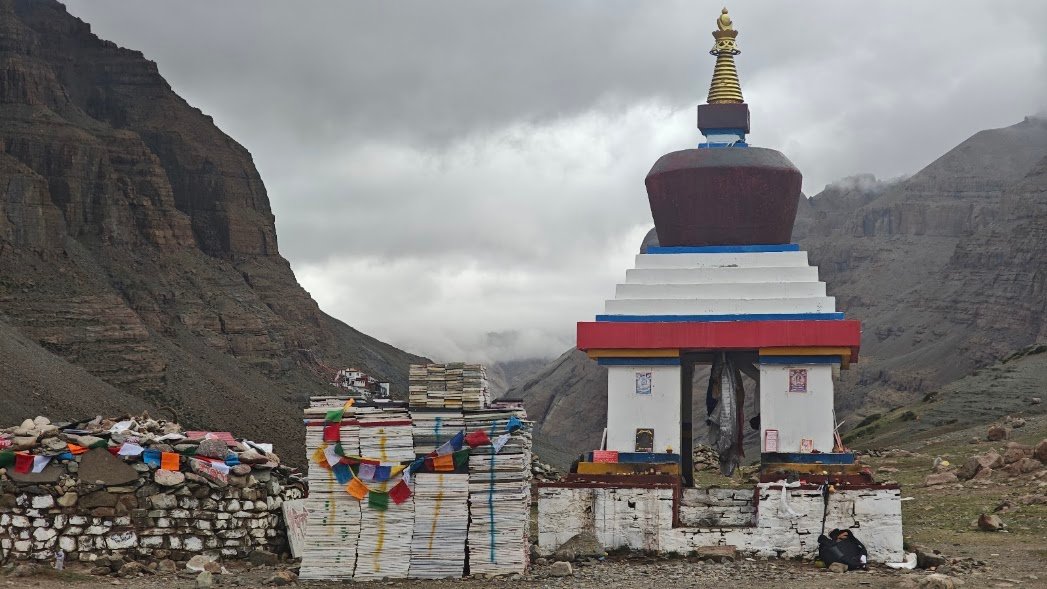
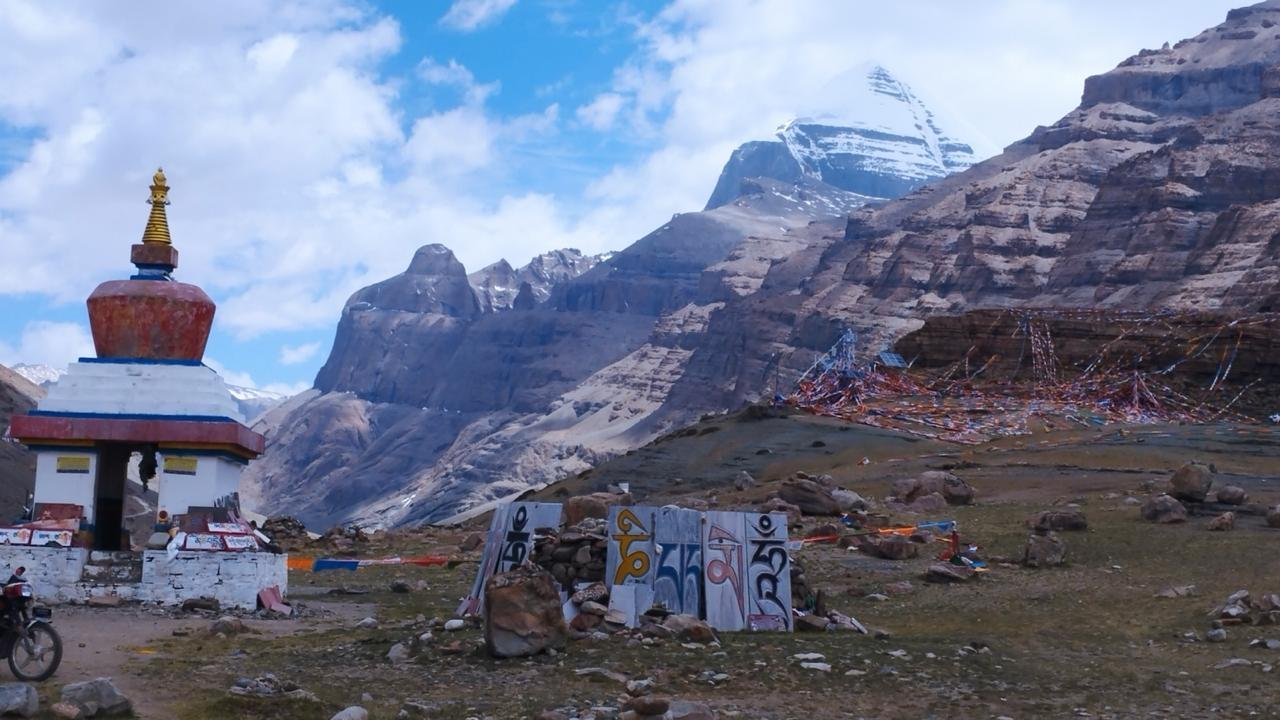
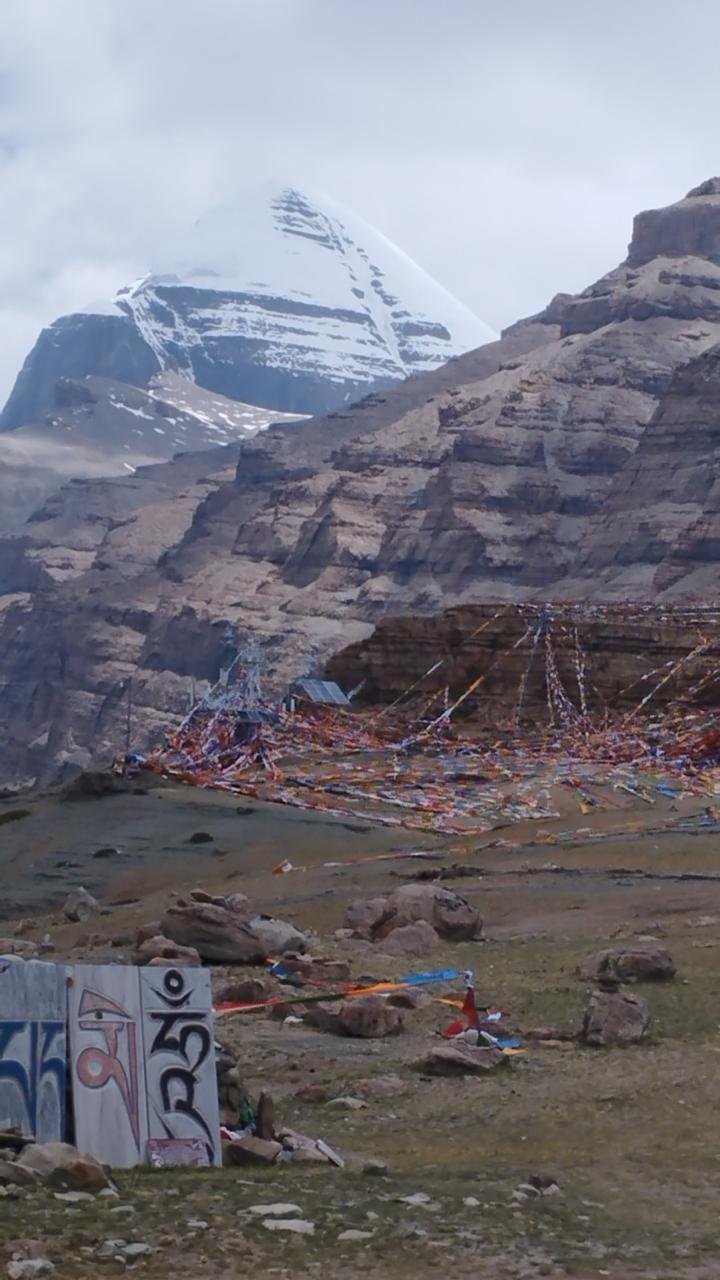
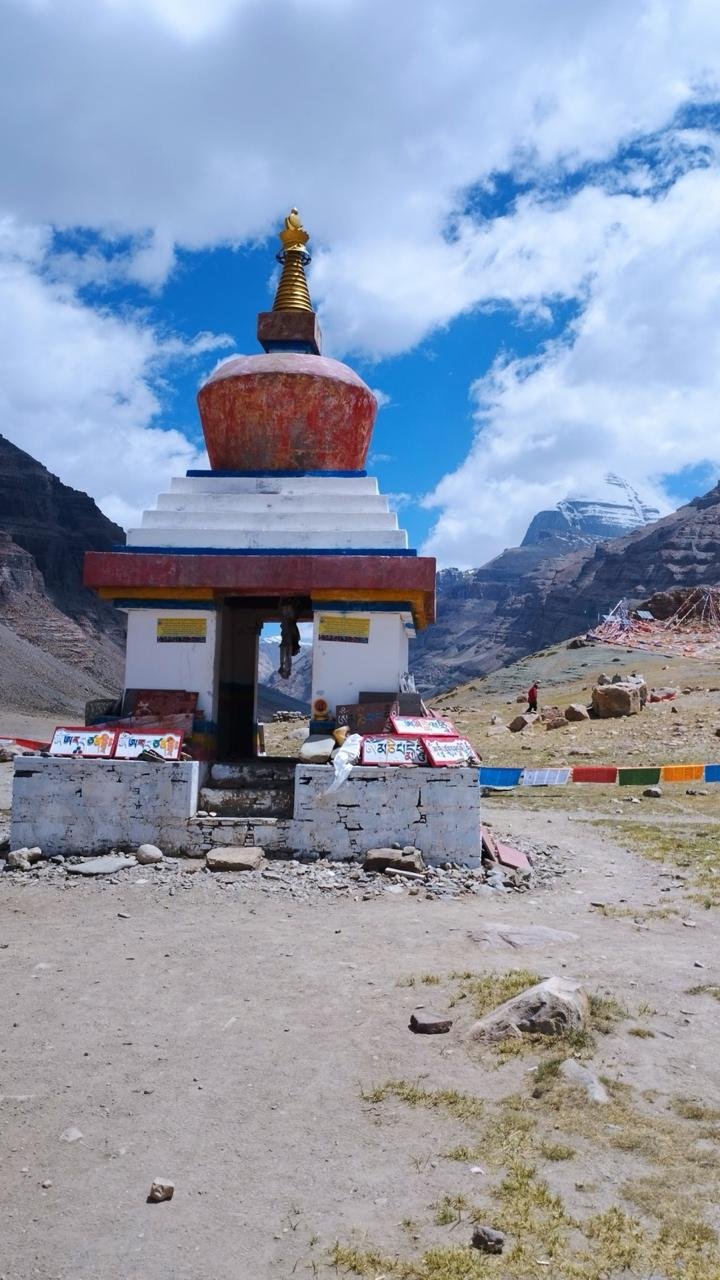
The final day completes the circuit toward the Mani Wall and the Darchen area before the journey begins its return toward Saga.

This section should not be presented as an ordinary trek. The extreme altitude is a genuine challenge, and trek is well above 15,000 feet and that altitude-related illness is a serious concern for travellers.
It recommends reputable licensed operators, adequate medical preparation and appropriate insurance covering high-altitude emergencies and evacuation.

After completing the Kora, the route begins descending through Saga and Kyirong, with the landscape gradually becoming greener as elevation falls.
A stop around Milarepa Cave adds another Buddhist cultural dimension before reaching Kyirong, a frontier town close to the Nepal border.

From there, the journey continues toward Rasuwagadhi and back into Nepal before returning to Kathmandu.
What makes this journey unusual is the combination of experiences packed into one expedition.

It is simultaneously a Tibetan cultural journey, a high-altitude road adventure, an Everest viewpoint tour, a sacred pilgrimage to Manasarovar, and a demanding three-day Kora around Mount Kailash.
The itinerary therefore works best for travellers who understand that comfort and infrastructure will change considerably once the journey leaves Lhasa and the major Tibetan cities.
Kailash Manasarovar Yatra with Everest Base Camp
| Category | Details |
|---|---|
| Duration | 19 Days / 18 Nights |
| Tour Type | Pilgrimage, High-Altitude Overland Journey and Kailash Kora |
| Start and End | Kathmandu to Kathmandu |
| Maximum Altitude | Dolma La Pass – approximately 5,660 m |
| Everest Base Camp | Tibetan North Base Camp / Rongbuk area – approximately 5,200 m |
| Difficulty | Moderate to Challenging due to extreme altitude and Kailash Kora |
| Best Season | May to October |
| Accommodation | Three/Four-Star Hotels in major cities, guesthouses and basic accommodation in remote areas |
| Transportation | Kathmandu–Lhasa flight and private/group tourist vehicles in Tibet and Nepal |
Major Destinations and Experiences
| Destination | Main Experience |
|---|---|
| Kathmandu | Trip preparation, permits, visa procedures and Kathmandu Valley heritage sightseeing |
| Lhasa | Potala Palace, Jokhang Temple, Barkhor Square, Sera, Drepung and Norbulingka |
| Yamdrok Lake | Sacred turquoise lake surrounded by high Himalayan terrain |
| Shigatse and Gyantse | Tibetan monasteries, historic cities and high plateau scenery |
| Rongbuk and Everest Base Camp | North face of Mount Everest, Rongbuk Monastery and high-altitude Himalayan scenery |
| Saga | Remote high plateau settlement and staging point for the Manasarovar journey |
| Lake Manasarovar | Sacred lake, pilgrimage, reflection and circumambulation by designated vehicle where applicable |
| Mount Kailash | Three-day Kora through Diraphuk, Dolma La, Gauri Kund and Zuthulphuk |
Altitude Profile
| Location | Approximate Elevation | Importance |
|---|---|---|
| Kathmandu | 1,350–1,400 m | Starting point, preparation and acclimatization before Tibet |
| Lhasa | 3,656 m | First major high-altitude acclimatization stage |
| Yamdrok Lake | Approximately 4,441 m | High sacred lake and major plateau viewpoint |
| Shigatse | Approximately 3,836 m | Major Tibetan city and cultural stop |
| Rongbuk / EBC | Approximately 5,100–5,200 m | North-side Everest Base Camp region |
| Manasarovar | Approximately 4,590 m | Sacred lake and pilgrimage stage |
| Darchen | Approximately 4,575 m | Starting point for the Kailash Kora |
| Dolma La Pass | Approximately 5,660 m | Highest and most demanding point of the Kora |
Kailash Kora Overview
| Kora Stage | Route | Typical Walking |
|---|---|---|
| Day 1 | Yamadwar to Diraphuk | Approximately 6–7 hours |
| Day 2 | Diraphuk to Zuthulphuk via Dolma La and Gauri Kund | Approximately 8–10 hours |
| Day 3 | Zuthulphuk to Mani Wall / Darchen area | Approximately 4–5 hours |
Clothing Layers
| Layer | Recommended Items |
|---|---|
| Base Layer | Moisture-wicking thermal tops and bottoms for cold plateau conditions |
| Mid Layer | Fleece or warm insulating jacket |
| Outer Layer | Windproof and waterproof shell jacket and trousers |
| Extreme Cold Layer | High-loft down jacket and warm insulated trousers for the Kora and early mornings |
| Hands | Liner gloves, fleece gloves and heavily insulated mittens |
| Head and Face | Warm hat, balaclava, neck gaiter and sun hat for lower elevations |
| Feet | Insulated trekking boots, warm socks and spare socks |
Essential Packing List
| Category | Recommended Items |
|---|---|
| Documents | Passport, visa documents, Tibet permits, travel insurance details and multiple document copies |
| Backpack | Daypack for personal essentials and a duffel or larger bag for the main luggage |
| Sleeping | Cold-rated sleeping bag suitable for remote high-altitude nights |
| Hydration | Insulated water bottles, thermos and water purification options |
| Sun Protection | UV-rated sunglasses or glacier glasses, SPF 50+ sunscreen, lip balm and sun hat |
| Walking Support | Trekking poles with reliable tips for rocky and uneven terrain |
| Electronics | Power bank, charging cables, camera and spare batteries |
| Medical | Personal medicines, basic first aid supplies and any altitude-related medication prescribed by your doctor |
| Communication | Offline copies of important contacts and documents because mobile connectivity can be limited in remote areas |
Accommodation by Section
| Section | Accommodation |
|---|---|
| Kathmandu | Three- or Four-Star Hotel depending on package level |
| Lhasa, Shigatse and Major Tibetan Cities | Comfortable tourist-standard hotels |
| Rongbuk / EBC Area | Basic guesthouse or simple local accommodation |
| Saga, Darchen and Remote Plateau | Basic hotels or guesthouses suitable for remote high-altitude travel |
| Kailash Kora | Basic guesthouses during the Kora stages |
Permits and Travel Documents
| Document / Permit | Purpose |
|---|---|
| Passport | Valid passport required for international travel and Tibet entry arrangements |
| China / Tibet Entry Documentation | Required travel documentation according to the current nationality and route rules |
| Tibet Travel Permit | Required for foreign travellers entering Tibet and arranged through authorised travel arrangements |
| Additional Kailash / Ngari Permits | Additional permits may be required for restricted western Tibet areas including Kailash and Manasarovar |
| Travel Insurance | Should include high-altitude medical treatment, emergency evacuation and trip interruption coverage |
Trip Highlights
- Experience a complete pilgrimage and Himalayan journey combining Lhasa, Mount Everest's North Base Camp, Lake Manasarovar and Mount Kailash within one carefully paced itinerary
- Explore the spiritual heart of Tibet through Potala Palace, Jokhang Temple, Barkhor Square, Sera Monastery, Drepung Monastery and Norbulingka
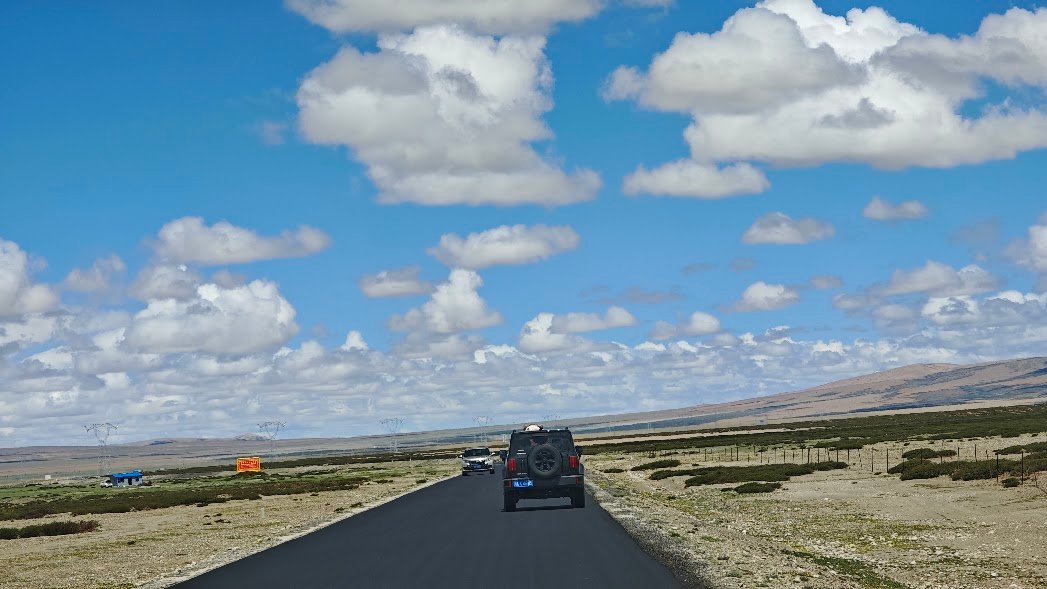
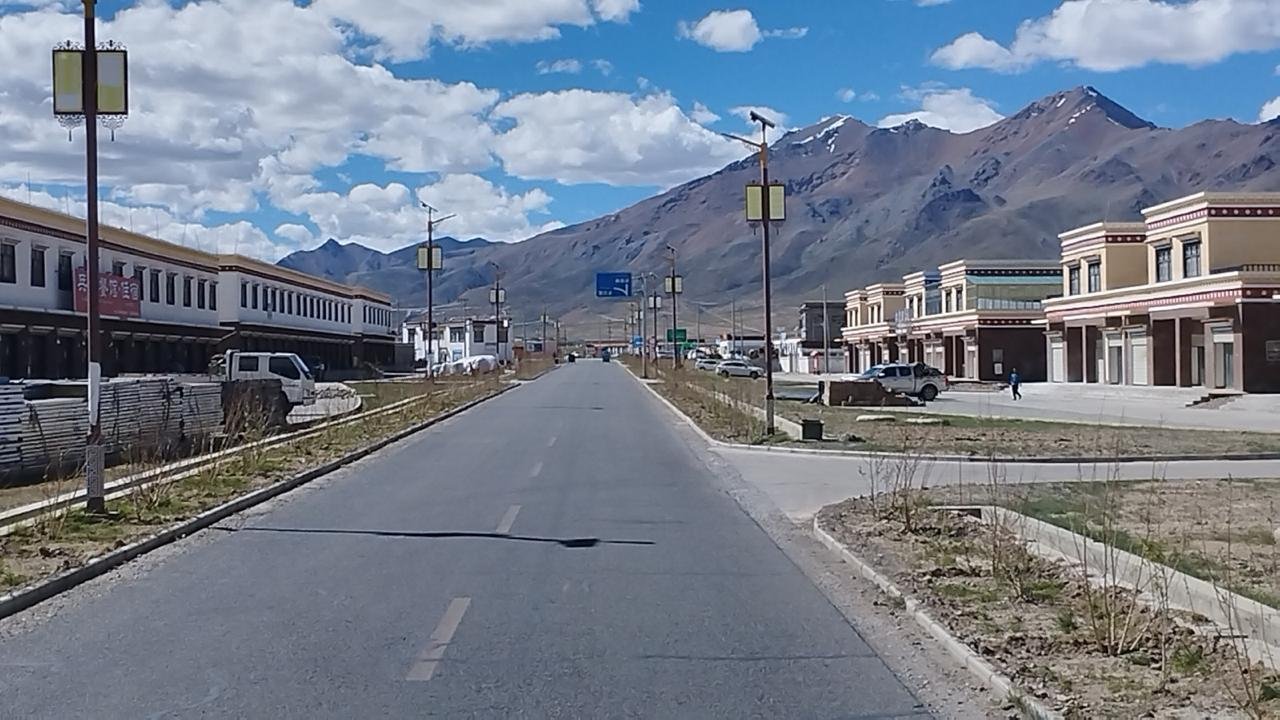
- Cross the dramatic Tibetan plateau by road, travelling through high mountain passes, broad valleys, turquoise lakes and remote settlements far above sea level
- Visit Yamdrok Lake, one of Tibet's most revered turquoise lakes, with snow-covered mountains rising around its shoreline
- Travel through Gyantse and Shigatse, two of Tibet's most historically important cities, and visit major monasteries including Pelkor Chode and Tashilhunpo
- Reach Rongbuk and Everest Base Camp on the Tibetan side for one of the closest road-accessible views of Mount Everest's north face
- Experience the enormous Himalayan panorama from high viewpoints such as Gawu La, with Everest, Lhotse, Makalu, Cho Oyu and other giants visible in favourable conditions
- Journey deeper into western Tibet toward Saga and Lake Manasarovar, where the landscape changes from inhabited central Tibet to a vast and extremely remote high-altitude wilderness
- Spend time at sacred Lake Manasarovar, one of the most revered pilgrimage lakes in the Himalayan region, with opportunities for circumambulation, prayer and reflection
- Complete the traditional three-day Kailash Kora, including the demanding crossing of Dolma La Pass at approximately 5,660 metres
- Visit Diraphuk, Zuthulphuk and Gauri Kund during the Kailash Kora and experience the changing views of the sacred mountain from different sides
- Discover remote Tibetan Buddhist heritage including Milarepa Cave, Rongbuk Monastery and other monasteries and pilgrimage sites along the route
- Experience the dramatic contrast between Tibet's high plateau and the deep valleys leading back toward Nepal through Kyirong and Rasuwagadhi
- Complete one of the world's great pilgrimage journeys while travelling through some of the highest inhabited and road-accessible landscapes on earth
Kailash Manasarovar Yatra with Everest Base Camp and Lhasa -19 Days ~ Itinerary
Day 1
Arrival in Kathmandu
- Altitude:1,350m
- Accommodation: Standard three-star hotel in Kathmandu
Upon arrival at Tribhuvan International Airport, a Nepal Royal Treks representative will welcome you and transfer you to your hotel in Kathmandu. After checking in, the remainder of the day is kept relaxed so you can recover from your journey.
In the evening, your group will meet the pilgrimage coordinator and guide for an initial briefing. The team will explain the overall Tibet route, the visa and permit process, expected altitude changes, luggage arrangements, health precautions and the conditions you can expect once the journey enters the Tibetan plateau.
Day 2
Chinese Visa Submission, Kathmandu Heritage Sightseeing and Preparation
- Altitude:1,350m
- Local Travel Distance: Approximately 15–25 km depending on sightseeing
- Drive Duration: Around 2–3 hours
- Meals: Breakfast
- Accommodation: Standard three-star hotel in Kathmandu
The morning is reserved for the necessary visa and travel-document processing connected with the Tibet journey. Once the formalities are completed, continue with selected Kathmandu Valley sightseeing.
A visit to Pashupatinath Temple provides an introduction to Nepal’s Hindu spiritual heritage, while Boudhanath Stupa offers a distinctly Buddhist atmosphere before you leave Nepal for Tibet. The sightseeing is intentionally limited so that the day remains manageable around the visa procedures.
In the evening, return to the hotel and begin organising clothing, documents and personal luggage for the transition into Tibet.
Day 3
Kathmandu Buddhist and Hindu Heritage Tour
- Altitude:1,350m
- Local Travel Distance: Approximately 20 to 30 km depending on sightseeing
- Drive Duration: Around 2 to 3 hours
- Meals: Breakfast
- Accommodation: Standard three-star hotel in Kathmandu
Today provides more time to experience Kathmandu before the Tibet portion begins. Visit Swayambhunath, the hilltop Buddhist complex overlooking Kathmandu Valley, followed by additional cultural sites according to the group’s interests and the available schedule.
The day is also useful for checking personal equipment and confirming that all required travel documents are ready. Because the itinerary ahead reaches elevations above 5,000 metres, there is considerable value in beginning the trip organised rather than trying to prepare everything immediately before departure.
Day 4
Free Time in Kathmandu
- Altitude:1,350m
- Meal: Breakfast
- Accommodation: Standard three-star hotel in Kathmandu
This is a flexible preparation day while the final Tibet travel arrangements are completed. Depending on the group’s schedule, take a short guided walk around Kathmandu or visit a nearby cultural site rather than undertaking a demanding activity.
The remaining time can be used to organise duffel bags, confirm passports and permits, purchase any remaining high-altitude essentials and receive additional instructions from the guide. Keeping this day relatively light is sensible because the following morning begins the transition to Tibet.
Day 5
Visa Collection and Tour Preparation Day
- Altitude: 1,350 m
- Local Travel Distance: Approximately 10 to 20 km
- Drive Duration: Around 1 to 2 hours depending on procedures
- Meals: Breakfast
- Accommodation: Standard three-star hotel in Kathmandu
Collect the required travel documentation and complete the final preparation for the journey into Tibet. The guide will check the group equipment, explain the road journey, discuss altitude precautions and confirm the arrangements for the Kathmandu–Lhasa flight.
Spend the remainder of the day resting. This is the final low-altitude night before the journey begins climbing rapidly into the Tibetan plateau.
Day 6
Flight from Kathmandu to Lhasa
- Altitude: Kathmandu 1,350 m | Lhasa 3,656 m
- Flight Duration: Approximately 1.5 hours
- Airport Transfer Distance: Approximately 20 to 25 km total
- Drive Duration: Around 45 to 60 minutes
- Meals: Breakfast, Lunch, Dinner
- Accommodation: Three-Star Hotel in Lhasa
Fly from Kathmandu toward Lhasa, crossing the Himalayas before landing at one of the world’s highest major cities. The altitude change is significant, so the remainder of the day should remain gentle.
After transferring to the hotel, avoid strenuous activity and spend time resting. A short walk around the neighbourhood can help you become familiar with Lhasa, but the priority is allowing your body to begin adjusting to approximately 3,656 metres.
Day 7
Lhasa Sightseeing: Potala Palace, Jokhang Temple and Barkhor
- Altitude: 3,656 m
- Sightseeing Duration: Approximately 6 to 7 hours
- Local Travel Distance: Approximately 15 to 25 km
- Meals: Breakfast, Lunch, Dinner
- Accommodation: Three-Star Hotel in Lhasa
Begin exploring Potala Palace, the enormous white-and-red structure that dominates Lhasa from its hilltop position. The palace was historically associated with Tibet’s spiritual and political leadership and contains chapels, religious artwork, sacred objects and the tombs of important Tibetan leaders.
Continue to Jokhang Temple, one of Tibet’s most sacred Buddhist sites. The surrounding Barkhor Square and pilgrimage circuit remain active with Tibetan pilgrims, incense, prayer wheels and traditional devotional practices. The contrast between the massive Potala and the much more intimate spiritual atmosphere of Jokhang makes today’s two major visits particularly complementary.
Day 8
Drepung, Norbulingka and Tibetan Monastic Heritage
- Altitude: 3,656 m
- Sightseeing Duration: Approximately 6 to 7 hours
- Local Travel Distance: Approximately 20 to 30 km
- Meals: Breakfast, Lunch, Dinner
- Accommodation: Three-Star Hotel in Lhasa
Continue acclimatizing while exploring more of Lhasa’s religious and historical heritage. Drepung Monastery was historically one of Tibet’s most influential monastic institutions, while Norbulingka, the former summer palace complex, provides a different perspective on the political and cultural history of the Tibetan capital.
Depending on the group’s energy and monastery schedules, additional time can be spent exploring local streets or visiting a smaller monastery. The objective is to combine cultural sightseeing with a relatively gentle day before the long high-altitude drive across Tibet.
Day 9
Drive from Lhasa to Yamdrok Lake, Gyantse and Shigatse
- Altitude: Lhasa 3,656 m | Yamdrok approximately 4,441 m | Gyantse approximately 4,000 m | Shigatse approximately 3,836 m
- Drive Distance: Approximately 360 km
- Drive Duration: Around 6 to 8 hours
- Meals: Breakfast, Lunch, Dinner
- Accommodation: Three-Star Hotel in Shigatse
The overland section begins today as the road climbs across the Tibetan plateau toward Yamdrok Lake, one of Tibet’s most famous sacred lakes. Its turquoise water contrasts dramatically with the barren mountains around it.
Continue toward Gyantse, passing through high plateau landscapes and mountain passes before reaching Shigatse, Tibet’s second-largest city and an important centre of Tibetan Buddhism. The gradual road journey also helps the group become increasingly accustomed to the high plateau environment.
Day 10
Shigatse to Everest Base Camp via Sachya
- Altitude: Shigatse approximately 3,836 m | Rongbuk approximately 5,200 m
- Drive Distance: Approximately 330–350 km depending on route
- Drive Duration: Around 7–9 hours
- Meals: Breakfast, Lunch, Dinner
- Accommodation: Basic Guesthouse in Rongbuk / Everest area
Begin with Tashilhunpo Monastery, one of the most important religious institutions in Shigatse and historically associated with the Panchen Lamas. From there, continue west through the vast Tibetan plateau toward the Everest region.
Depending on route and road conditions, the journey can include Sakya Monastery, before continuing toward Rongbuk. As the route climbs, the landscape becomes increasingly barren, open and dramatic. By the time you reach the Everest region, the enormous Himalayan wall begins to dominate the horizon.
Stay in the Rongbuk area near the Tibetan side of Everest Base Camp, allowing the group to experience the extraordinary high-altitude environment beneath Mount Everest.
Day 11
Drive from Rongbuk to Saga
- Altitude: Rongbuk approximately 5,200 m | Saga approximately 4,640 m
- Drive Distance: Approximately 320 to 350 km
- Drive Duration: Around 7–9 hours
- Meals: Breakfast, Lunch, Dinner
- Accommodation: Guesthouse in Saga
Spend the morning around the Tibetan Everest Base Camp and Rongbuk area and leter leave for Saga. The north face of Everest dominates the surrounding landscape, while Rongbuk Monastery provides an important spiritual dimension to the otherwise stark mountain environment.
Afterwards, begin the long drive toward Old Tingri and Saga, passing through broad high-altitude valleys and open plateau country. The gradual descent toward Saga reduces the elevation compared with Rongbuk, providing another important recovery stage before the journey continues toward Manasarovar.
Day 12
Drive from Saga to Mansarovar Lake
- Altitude: Saga 4,640 m | Lake Manasarovar approximately 4,590
- Drive Distance: Approximately 460 to 500 km
Drive Duration: Around 7 to 9 hours - Meals: Breakfast, Lunch, Dinner
- Accommodation: Guesthouse / Pilgrimage Lodge in the Manasarovar–Darchen area
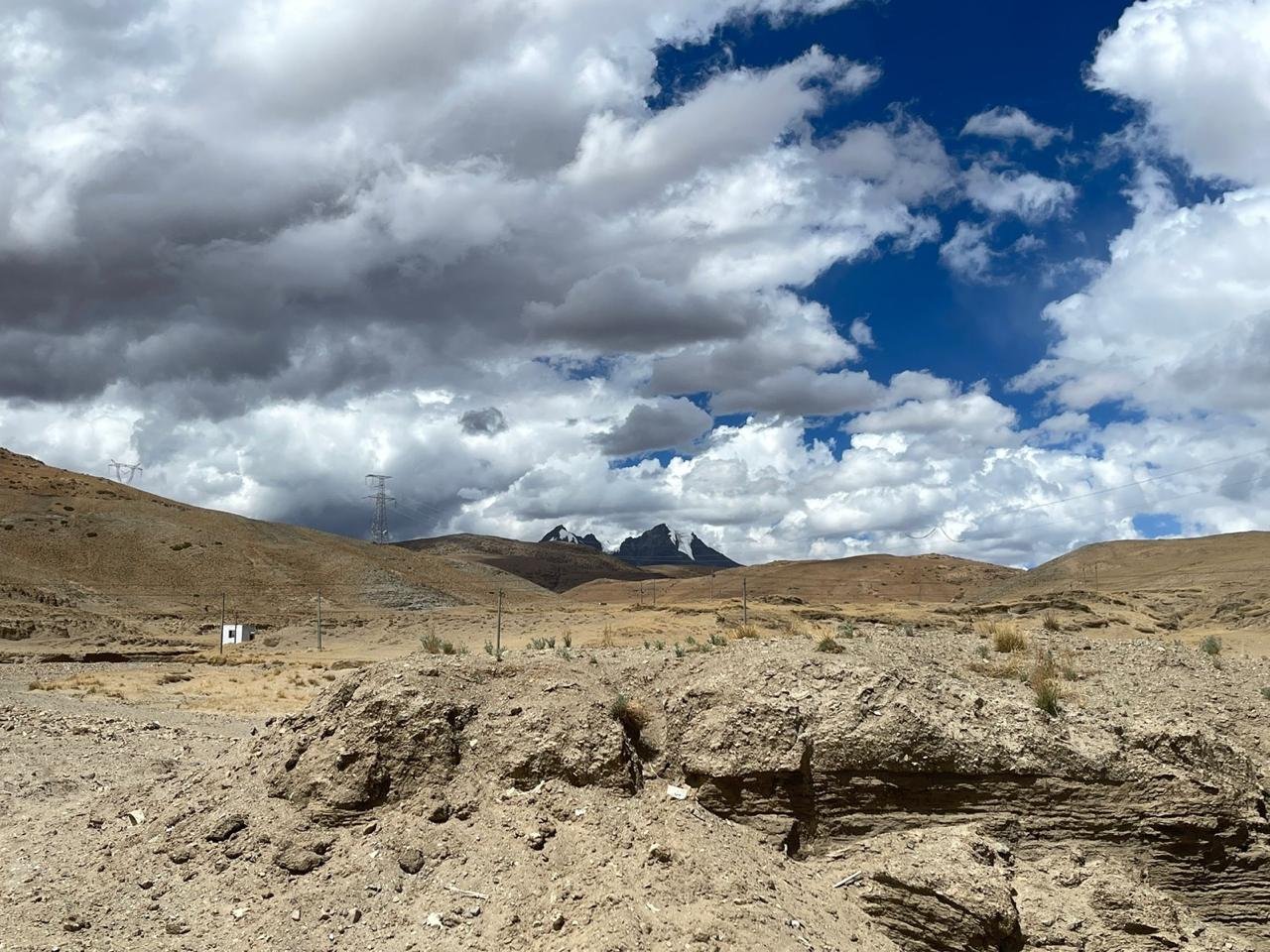
Today the landscape becomes increasingly remote as the road heads deeper into western Tibet. The enormous open plateau is broken by distant snow-covered ranges and isolated settlements.
Eventually Lake Manasarovar comes into view. The sacred lake has enormous importance for Hindu and Buddhist pilgrims, and reaching its shoreline is one of the emotional highlights of the journey. Depending on local regulations and weather, the group can perform prayers, circumambulation or other permitted religious activities.
Day 13
Manasarovar Exploration and Drive to Darchen
- Altitude: Lake Manasarovar approximately 4,590 m | Darchen approximately 4,575 m
- Drive Distance: Approximately 80 to 100 km depending on local sightseeing
- Drive Duration: Around 2 to 3 hours of driving
- Meals: Breakfast, Lunch, Dinner
- Accommodation: Basic Hotel / Guesthouse in Darchen
Spend the morning near Manasarovar, allowing more time for pilgrimage and reflection. Visit Chiu Gompa, perched above the lake and one of the most recognizable spiritual sites in the region.
The expansive view across the lake toward the surrounding mountains makes this one of the best opportunities on the journey for photography and quiet contemplation. Later, drive toward Darchen, the main staging settlement for the Kailash Kora.
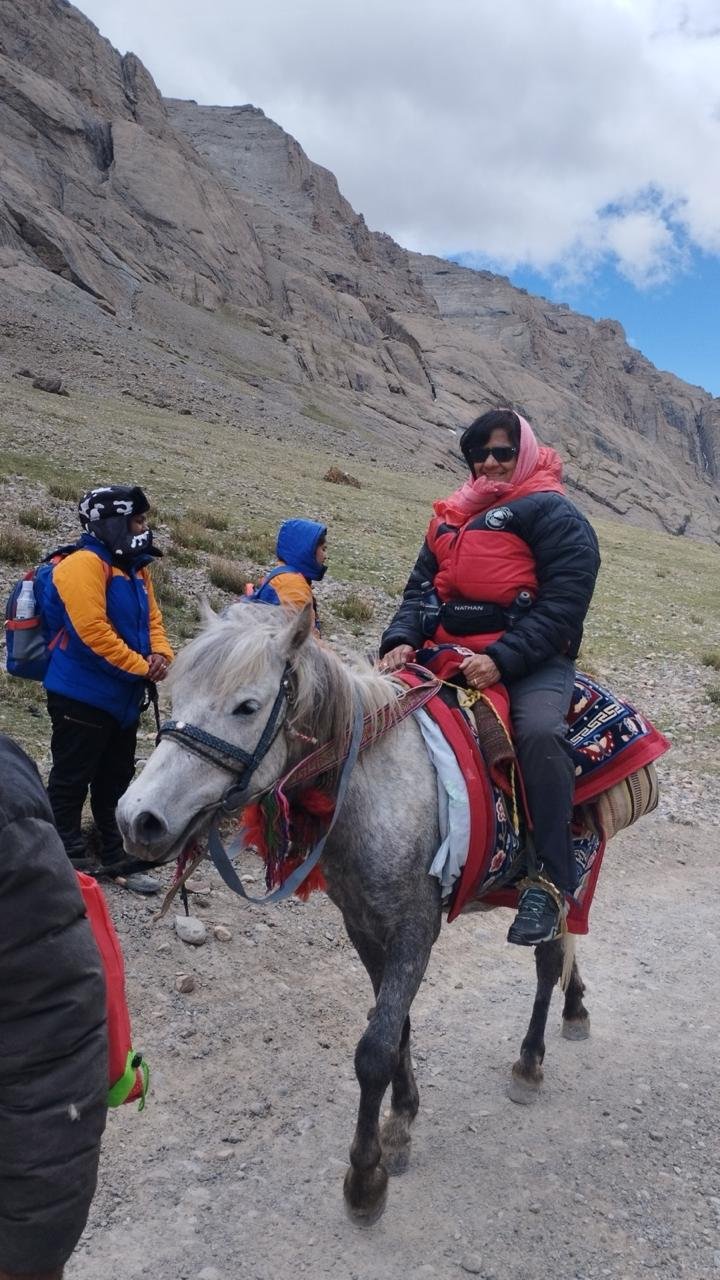
Use the evening to prepare your daypack for the three-day pilgrimage and confirm arrangements for porters, horses or other support where available and permitted.
Day 14
Yamadwar to Diraphuk: First Day of Kailash Kora
- Altitude: Yamadwar approximately 4,900 m | Diraphuk approximately 4,765 m
- Driving Distance: Approximately 10 to 15 km
- Trek Distance: Approximately 12 to 14 km
- Trek Duration: Around 6 to 7 hours
- Meals: Breakfast, Lunch, Dinner
- Accommodation: Basic Guesthouse in Diraphuk
Drive from Darchen to Yamadwar, the traditional starting point of the Kailash Kora. From here the journey continues on foot toward Diraphuk.
The walking trail follows the wide valley beneath Mount Kailash, with the sacred mountain gradually becoming more prominent as the route progresses. The landscape is stark and exposed, and the thin air makes the relatively moderate distance considerably more demanding than the same walk at low altitude.
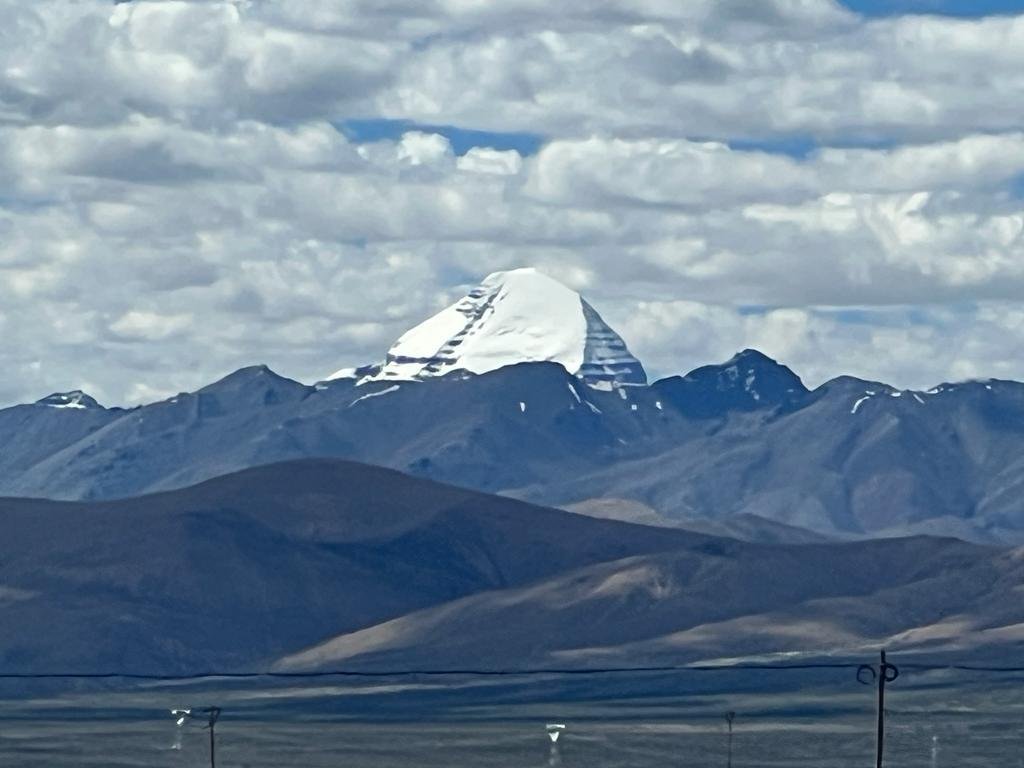
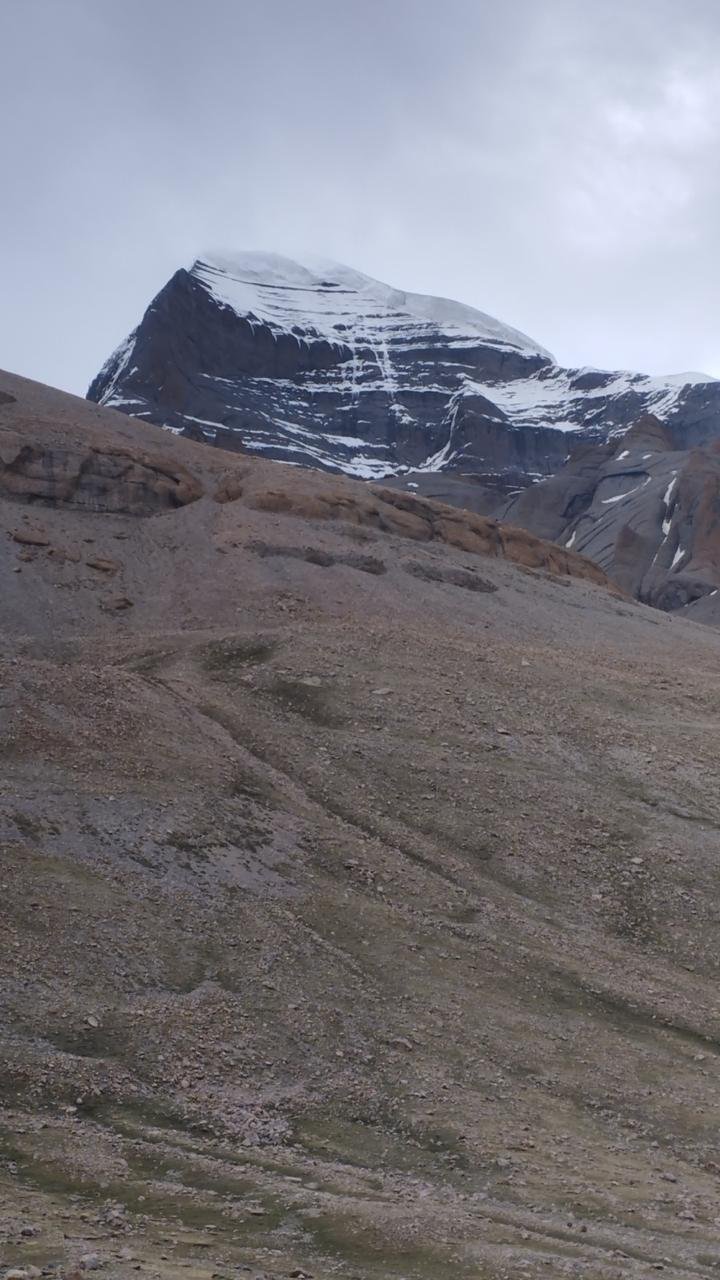
By reaching Diraphuk, the group gains one of the most powerful views of the northern face of Mount Kailash. This is an important spiritual and photographic point along the Kora.
Day 15
Kailash Kora Continues – Trek to Zuthulphuk via Dolma La Pass
- Altitude: Diraphuk approximately 4,765 m | Dolma La approximately 5,660 m | Zuthulphuk approximately 4,700 m
- Trek Distance: Approximately 18 to 20 km
- Trek Duration: Around 8 to 10 hours
- Meals: Breakfast, Lunch, Dinner
- Accommodation: Basic Guesthouse in Zuthulphuk
This is the most demanding day of the entire journey. The trail climbs gradually from Diraphuk toward Dolma La Pass, the highest point of the Kora at approximately 5,660 metres.
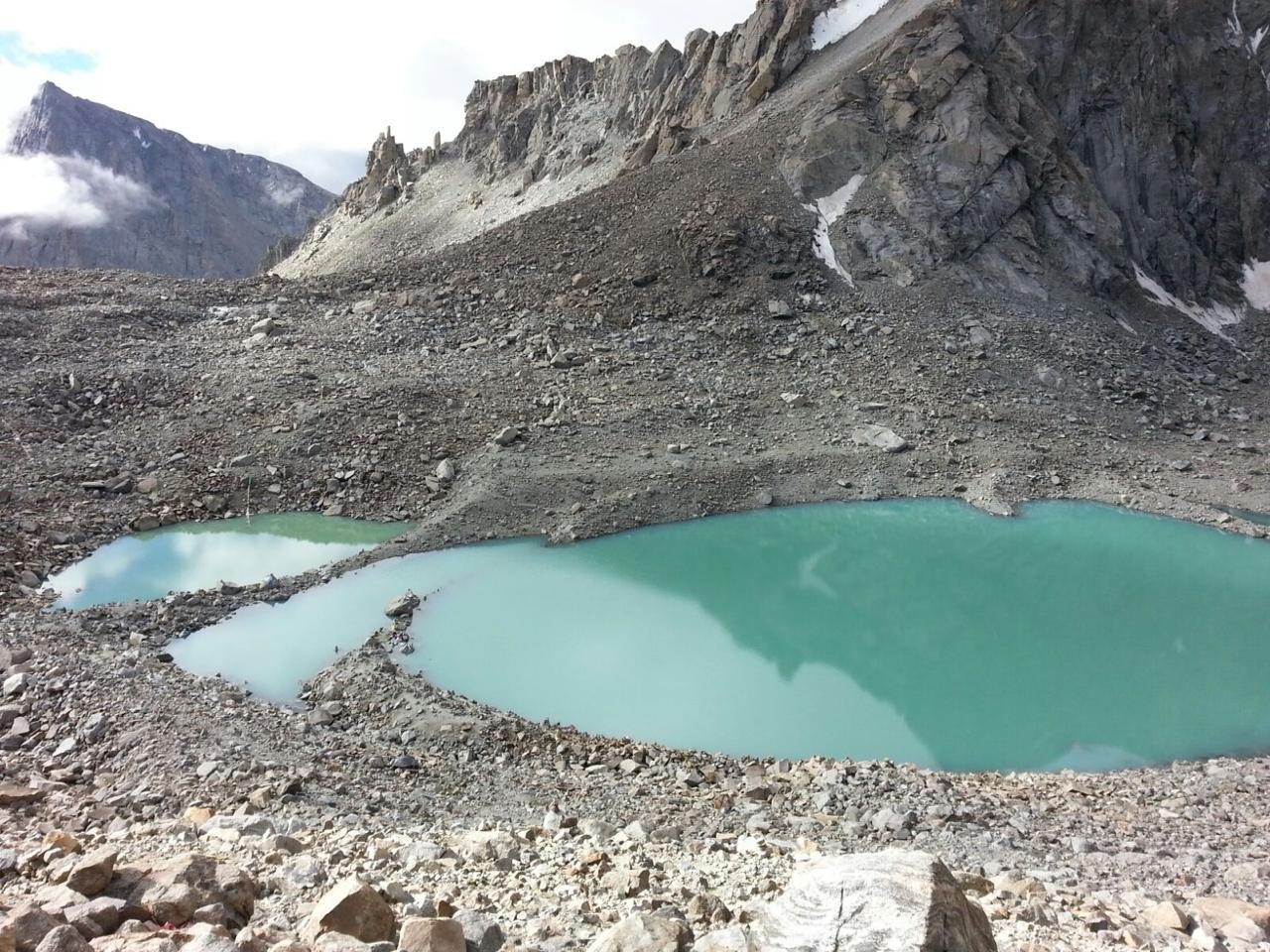
The ascent becomes steeper and more exposed as the pass approaches. At the summit, prayer flags and religious offerings mark the sacred crossing. The descent toward Gauri Kund is equally challenging because of the steep and rocky terrain.
Continue toward Zuthulphuk after the pass. Although the descent reduces the altitude, the long walking day and extreme elevation make this stage physically demanding. A slow pace, regular hydration and careful attention to symptoms are essential.
Day 16
Complete Kailash Kora and Drive to Saga
- Altitude: Zuthulphuk approximately 4,700 m | Saga approximately 4,640 m
- Trek Distance: Approximately 8 km
- Trek Duration: Around 4 to 5 hours
- Drive Distance: Approximately 300 to 350 km
- Drive Duration: Around 6 to 8 hours
- Meals: Breakfast, Lunch, Dinner
- Accommodation: Basic Hotel / Guesthouse in Saga
The final Kora stage is shorter and follows the valley toward the Mani Wall, after which the walking circuit around Mount Kailash is completed. From the end of the Kora, continue by vehicle back toward Saga.
This is an important transition day. The physical pilgrimage has been completed, but the long return journey across Tibet remains. Rest and recovery during the drive are therefore particularly important.
Day 17
Drive from Saga to Kyirong via Milarepa Cave
- Altitude: Saga approximately 4,640 m | Kyirong approximately 2,700 m
- Drive Distance: Approximately 300 to 350 km
- Drive Duration: Around 6 to 8 hours
- Hiking: Approximately 2 hours for Milarepa Cave visit
- Meals: Breakfast, Lunch, Dinner
- Accommodation: Guesthouse in Kyirong
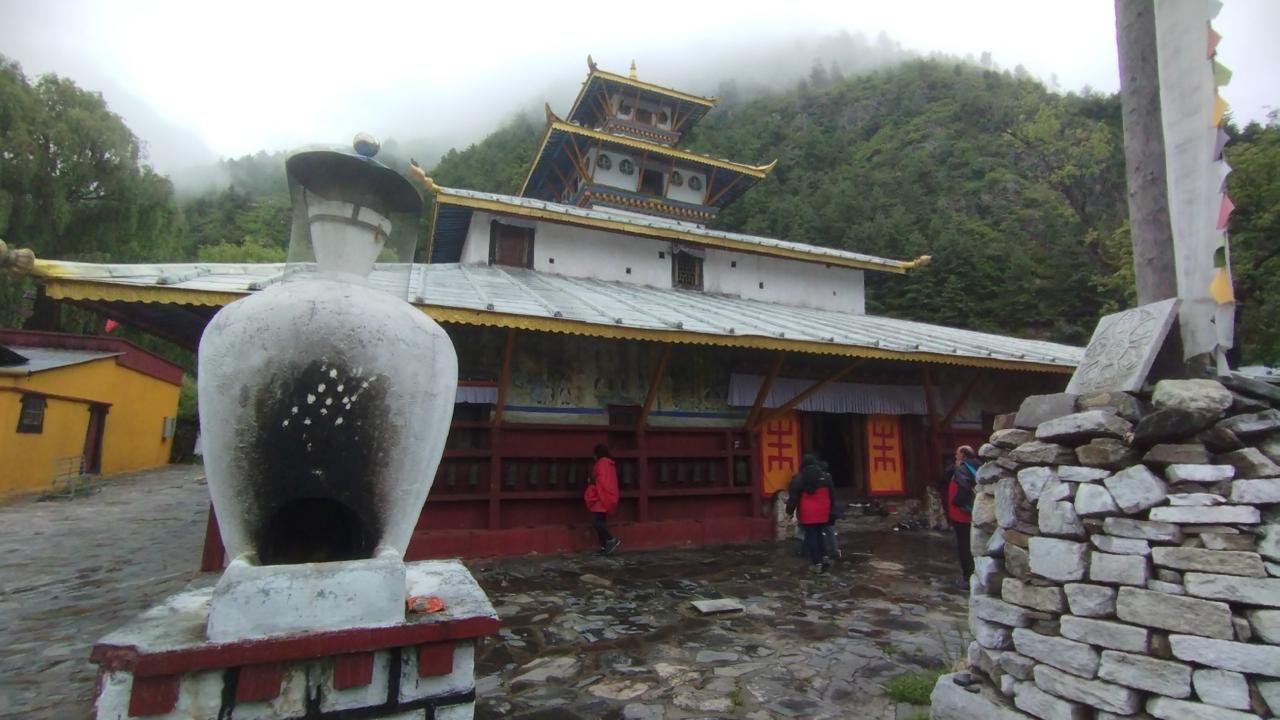
Leave Saga and begin descending toward Nepal through the western Tibetan landscape. Along the way, make the excursion toward Milarepa Cave, traditionally associated with the famous Tibetan Buddhist yogi and poet Milarepa. The short hike provides a final spiritual experience before the route leaves the higher plateau.
As the road continues toward Kyirong, the elevation falls dramatically and the environment begins to change. Dry high-altitude terrain gradually gives way to deeper valleys and greener slopes.
Day 18
Drive from Kyirong to Kathmandu via Rasuwagadhi
- Altitude: Kyirong approximately 2,700 m | Rasuwagadhi approximately 1,850 m | Kathmandu approximately 1,350 m
- Drive Distance: Approximately 170 to 180 km
- Drive Duration: Around 8 to 10 hours depending on border conditions and road conditions
- Meals: Breakfast, Lunch
- Accommodation: Three-Star Hotel in Kathmandu
After breakfast, travel toward the Rasuwagadhi–Kerung border and complete the necessary border procedures before entering Nepal. The road then descends through the Himalayan foothills toward Kathmandu.
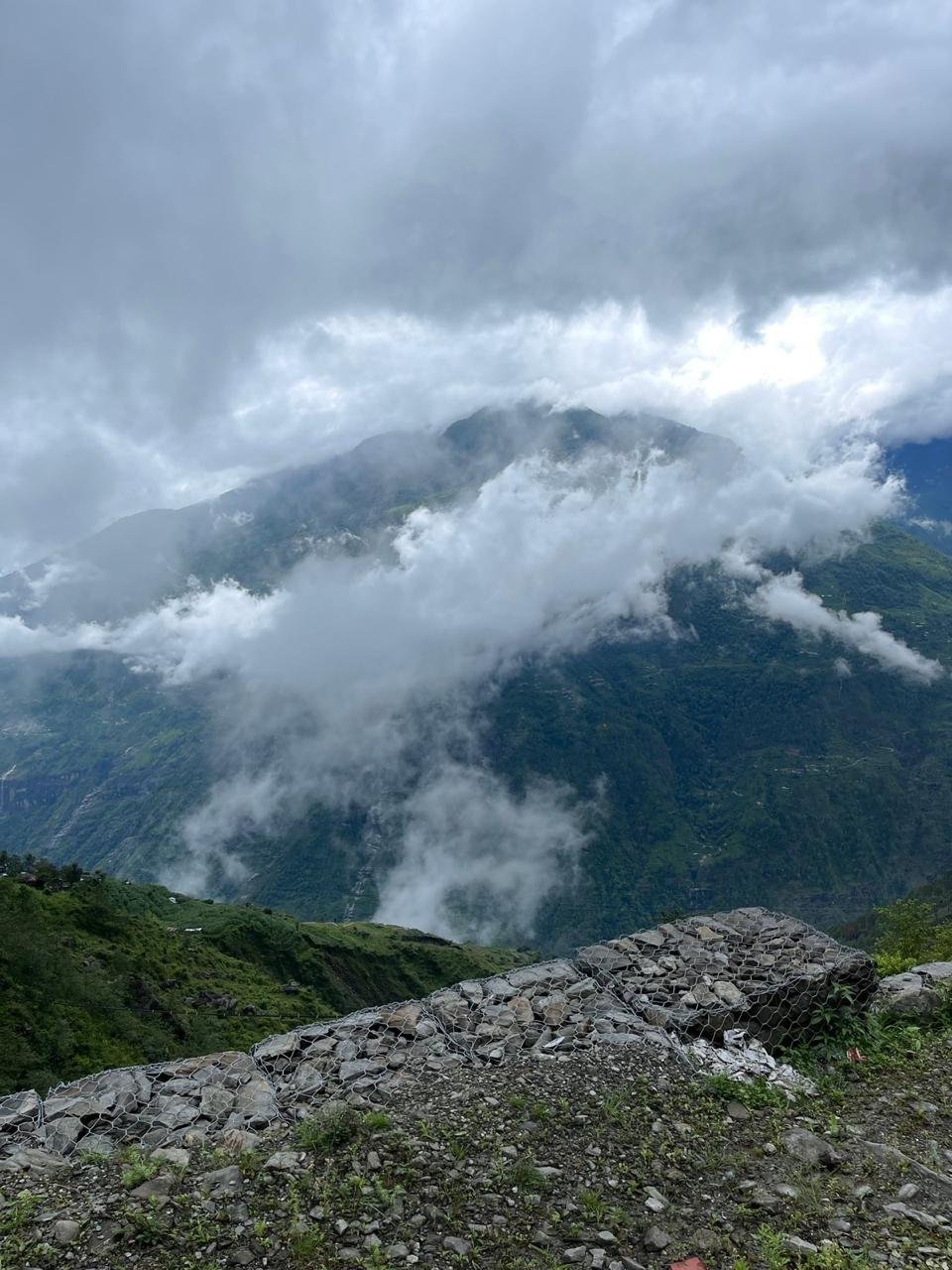
The scenery changes rapidly during the descent, with the dry Tibetan plateau giving way to forested mountain slopes, river valleys and more densely settled Nepali landscapes. After reaching Kathmandu, check into the hotel and enjoy a well-earned final evening after completing the Kailash pilgrimage.
Day 19
Final Departure from Kathmandu
- Meal: Breakfast
Enjoy your final breakfast in Kathmandu before your airport transfer according to your international flight schedule.
Your 19-day Kailash Manasarovar Yatra with Everest Base Camp and Lhasa concludes after travelling across Tibet’s high plateau, visiting Lhasa’s most important monasteries and heritage sites, reaching the north face of Mount Everest, completing the pilgrimage to Lake Manasarovar, and undertaking the demanding three-day Kora around Mount Kailash.
Trip Cost Includes/Excludes
Cost Includes
- All Airport pick up and drop by private tourist vehicle
- 4 star accommodation in Kathmandu
- All Kathmandu, Bhaktapur and Patan sightseeing as per as Itinerary
- All necessary Paperwork and documentation for the Tibet Travel permit and Group Visa
- Kathmandu to Lhasa flight
- Tibet PSB Permits, Special Kailash Mansarovar Permits, Everest Base Camp permits with Eco Bus tours, and Applicable Entrance Fees of all maintained places
- 2 full-day sightseeing tour of Lhasa City
- Comfortable Van/Bus and Support Truck dedicated for the group travel to Kailash Tour/Yatra with heating & oxygen system
- Rashuwagadi to Kathmandu by private car
- All food (Breakfast, Lunch & Dinner) During the Tour in Tibet
- All ground Transportation in Tibet (5-20 seats comfortable tourist vehicle according to the group size)
- Three star hotel in Tibet and Standard guest house in Rongbuk, Diraphuk, and Zuthulphuk
- All the Sightseeing, entrance tickets of the monasteries, National Parks, and Eco bus during the trip in Tibet as per the itinerary
- An experienced English-speaking Tibetan Tour Guide
- Big oxygen bottle in Vehicle for Emergency Proposuse
- All necessary government and service charges
Cost Excludes
- Your International airfare to and from Kathmandu
- Nepal visa fee
- Extra Porters and Yaks for carrying luggage during the Mount Kailash trek
- Extra night accommodating (if in the case of early return from the tour then the scheduled itinerary)
- Travel and rescue insurance
- Personal expenses (phone calls, laundry, bar bills, personal drinks, battery charge, bottle or boiling water, hot shower, wifi and or internet, etc)
- Tips for guides, porters, and Drivers.
Trip Photo/Video Gallery

Frequently Asked Questions
It should not be treated as an ordinary sightseeing holiday. The route reaches more than 5,500 metres and includes a long high-altitude Kora, particularly the Dolma La crossing. Good physical preparation and medical assessment are strongly recommended.
The highest point listed in this itinerary is Dolma La Pass at approximately 5,660 metres during the second day of the Kailash Kora. The Tibetan Everest and Rongbuk section also reaches roughly 5,200 metres.
The Kora is the most physically demanding part of the trip. The first day to Diraphuk is long but generally manageable for prepared travellers; the second day crosses Dolma La and combines extreme altitude with a long ascent and descent; the third day is shorter and completes the circuit.
Previous high-altitude trekking experience is helpful but not necessarily mandatory. What matters most is good physical condition, preparation for extreme altitude and the ability to walk for several hours in difficult terrain.
Yes, current guidance requires foreign travellers to get special Tibet travel documentation, and the Kailash/Ngari region requires additional permits because of its restricted border location. These arrangements must be handled through the authorised travel agency like Nepal Royal Tourism Holiday.
The initial Kathmandu days are used for document submission, visa or group-processing procedures as applicable, permit arrangements, equipment preparation, briefing and final confirmation of the Tibet itinerary. The exact process depends on nationality and current regulations.
This itinerary visits Everest Base Camp on the Tibetan side, around the Rongbuk area, providing access to the north-face perspective of Mount Everest. The route reaches the Everest region by road rather than following the classic Nepal-side trekking route.
The north face of Everest can be exceptionally impressive from the Rongbuk and Everest Base Camp area, but mountain visibility depends on weather, cloud, wind, season and atmospheric conditions. No operator can guarantee a clear Everest view.
Lake Manasarovar is one of the most sacred lakes in the Himalayan region and is revered in several religious traditions. The pilgrimage experience can include prayer, reflection, permitted circumambulation and time around the lake, subject to local regulations.
Kathmandu, Lhasa, Shigatse and other major cities generally offer the most comfortable hotels. Remote locations such as Rongbuk, Saga, Darchen and the Kora stages use much more basic guesthouses and local accommodation.
No, connectivity becomes increasingly unreliable as the journey moves into remote western Tibet. Travellers should download important information beforehand and carry offline copies of documents, contact details and medical information.
Yes, this is particularly important for a journey across remote western Tibet. Road closures, border procedures, weather, permits and local regulations can affect the daily schedule. The operator should retain the ability to adjust the route when safety or official restrictions require it.
No, although Mount Kailash and Lake Manasarovar are the spiritual core of the journey, the itinerary also includes Tibetan history, Buddhist monasteries, Lhasa’s architecture, the Tibetan plateau, Everest’s north face, Himalayan landscapes and traditional communities. This makes it relevant to both pilgrims and culturally motivated travellers.
You may also like

3 Nights 4 Days Chitwan Jungle Safari Tour | Wildlife Adventure in Nepal
-
Trip
4 Days
-
Grade
easy
-
Altitude
415m
Menu