

-
 Duration
41 Days
-
 Difficulty
Strenuous
-
 Max Elevation
8,188m
-
 Group Size
1 to 10 People Person
-
 Accommodation
Teahouse/Camping
-
 Start/End
Kathmandu/Kathmandu
-
 Destination
Nepal-Tibet Border
-
 Best Season
Spring and Autumn
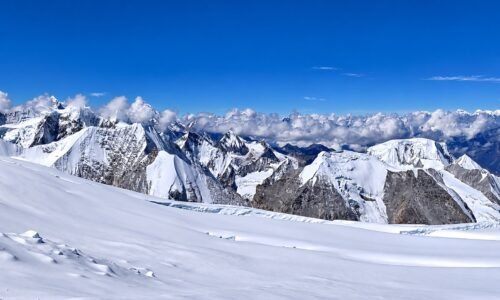
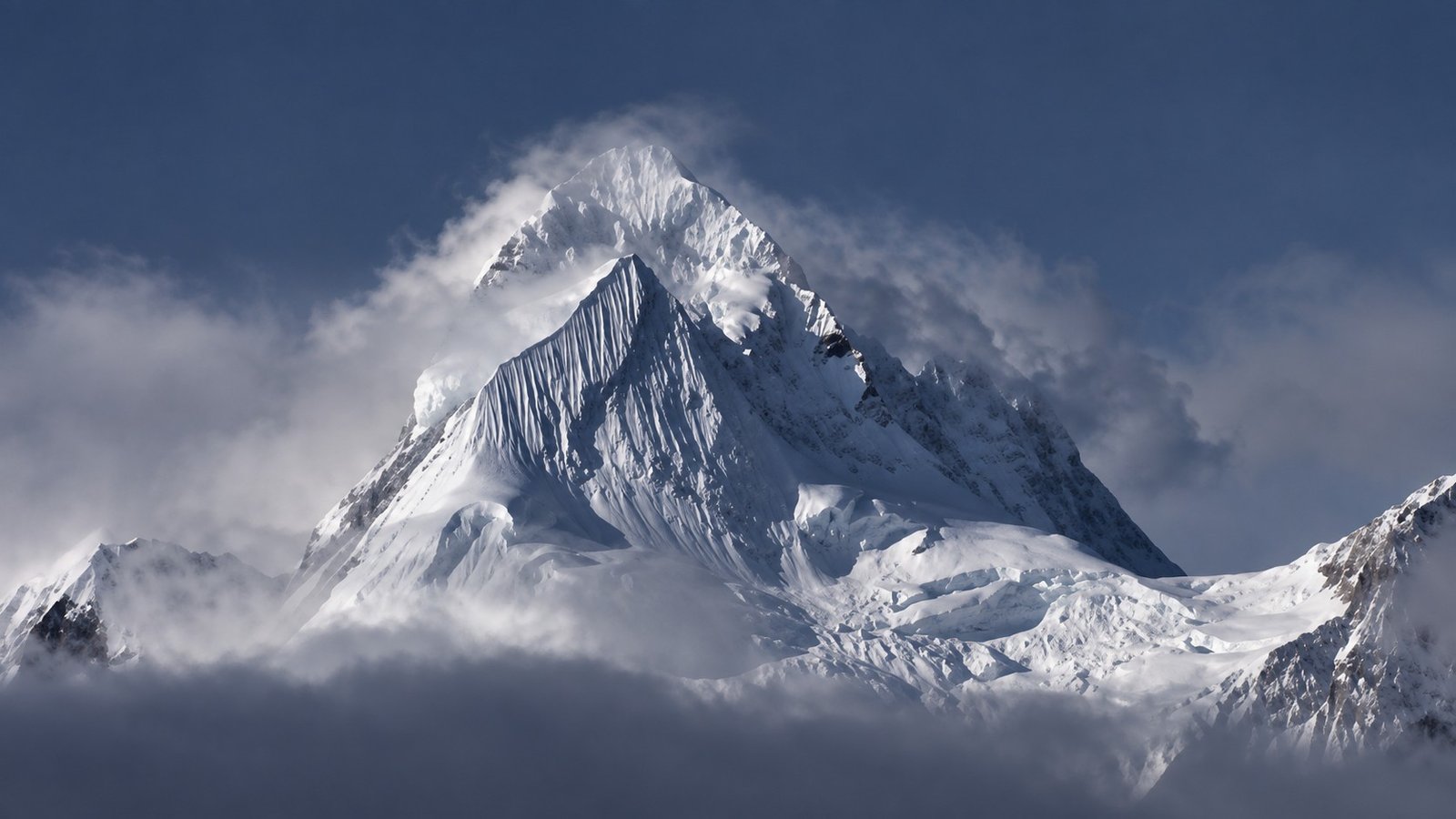
The Cho Oyu Expedition is a high-altitude climbing journey to the summit of Cho Oyu at 8,188 m / 26,864 ft, the sixth-highest mountain in the world.
Cho Oyu has long been one of the best-known objectives for experienced climbers moving into the world of 8,000-meter mountaineering.
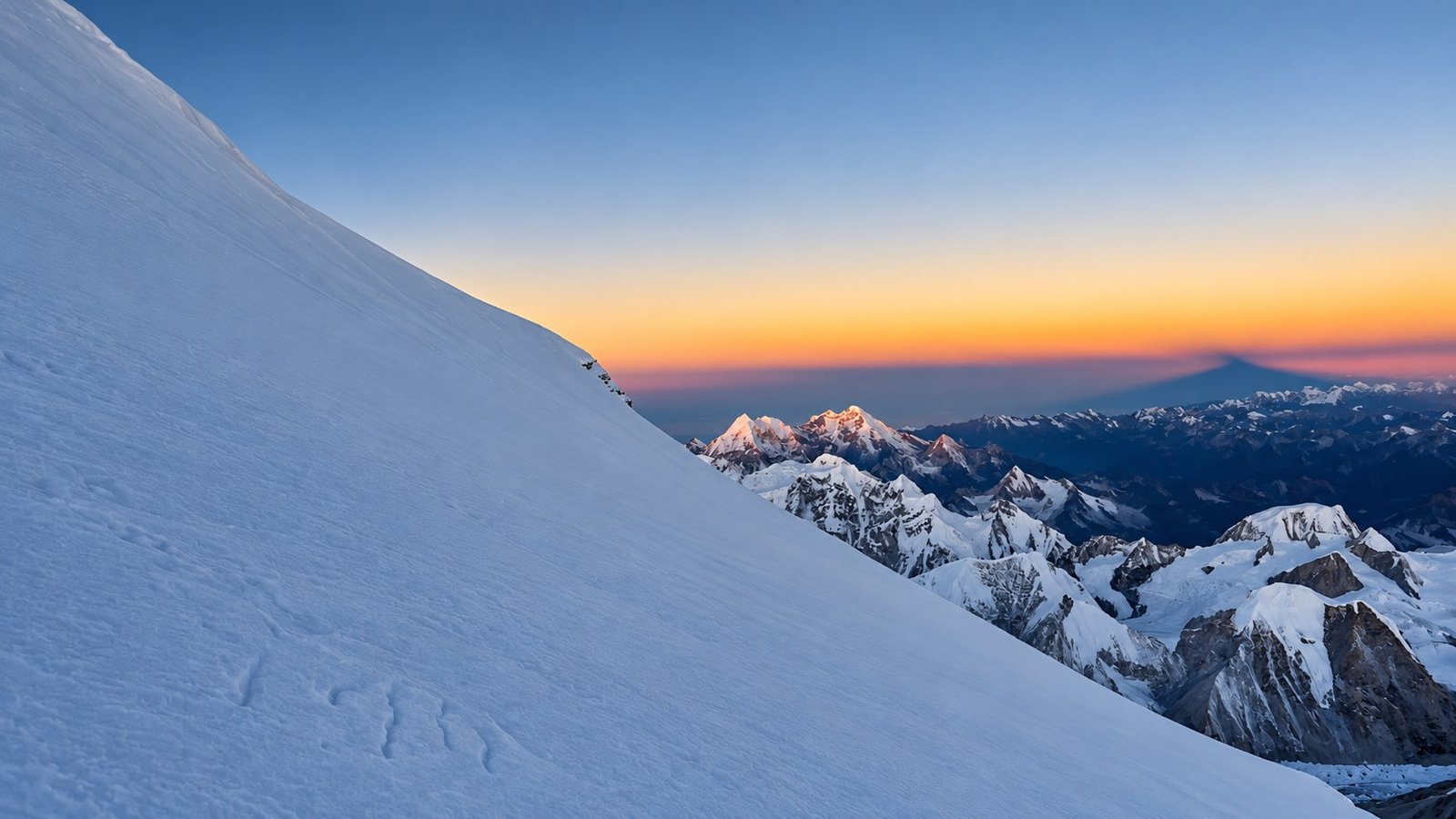
Cho Oyu is different from most of the expeditions operated from Nepal.
The standard commercial ascent is made from the Tibet side, where climbers travel across the high Tibetan plateau before reaching the road-accessed Chinese Base Camp and eventually Advanced Base Camp.
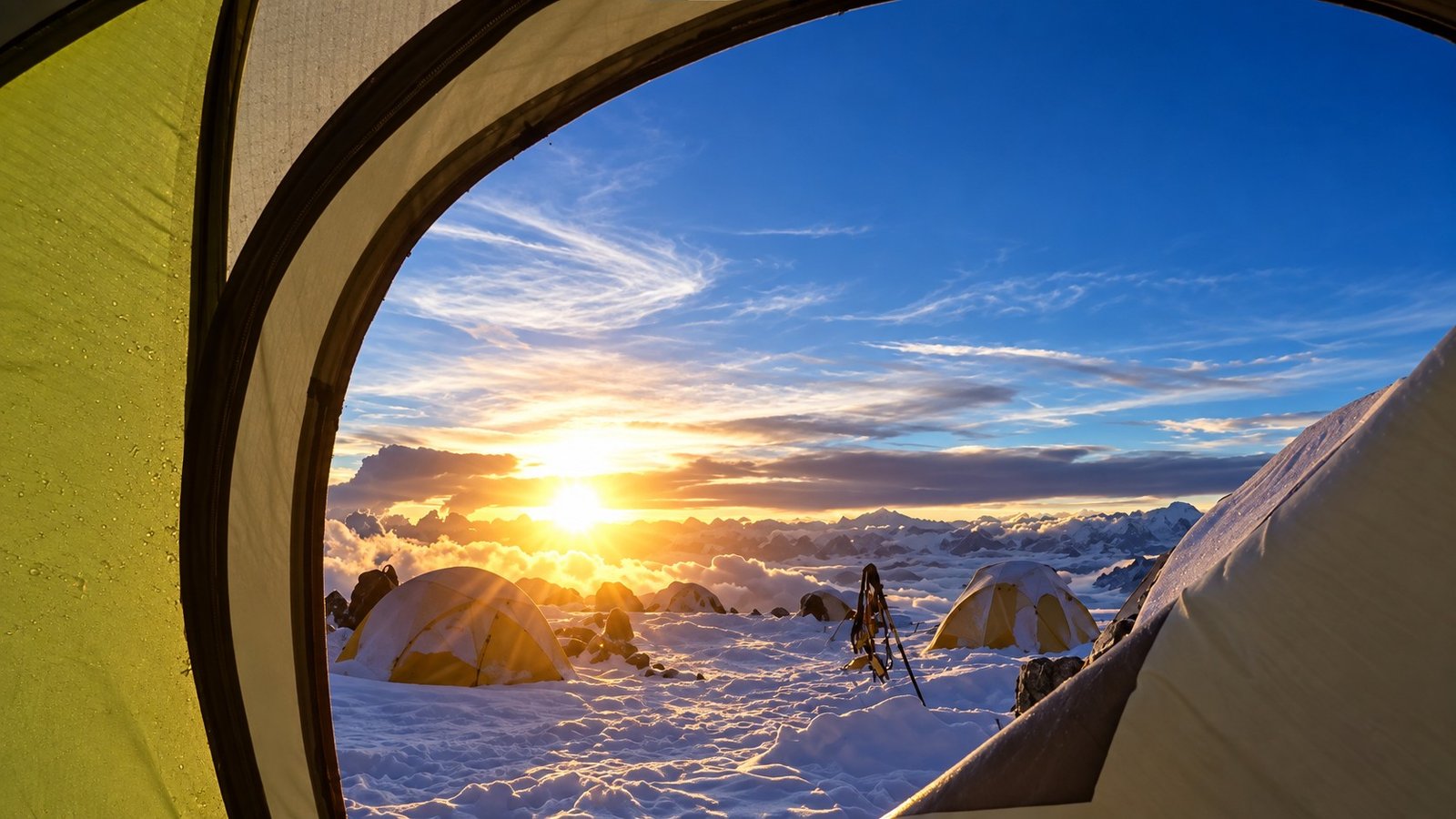
The approach is therefore less about a long village trek and more about careful altitude management.
Road access allows the team to move relatively close to the mountain, but it also means climbers can reach 4,000 and 5,000 meters quickly.
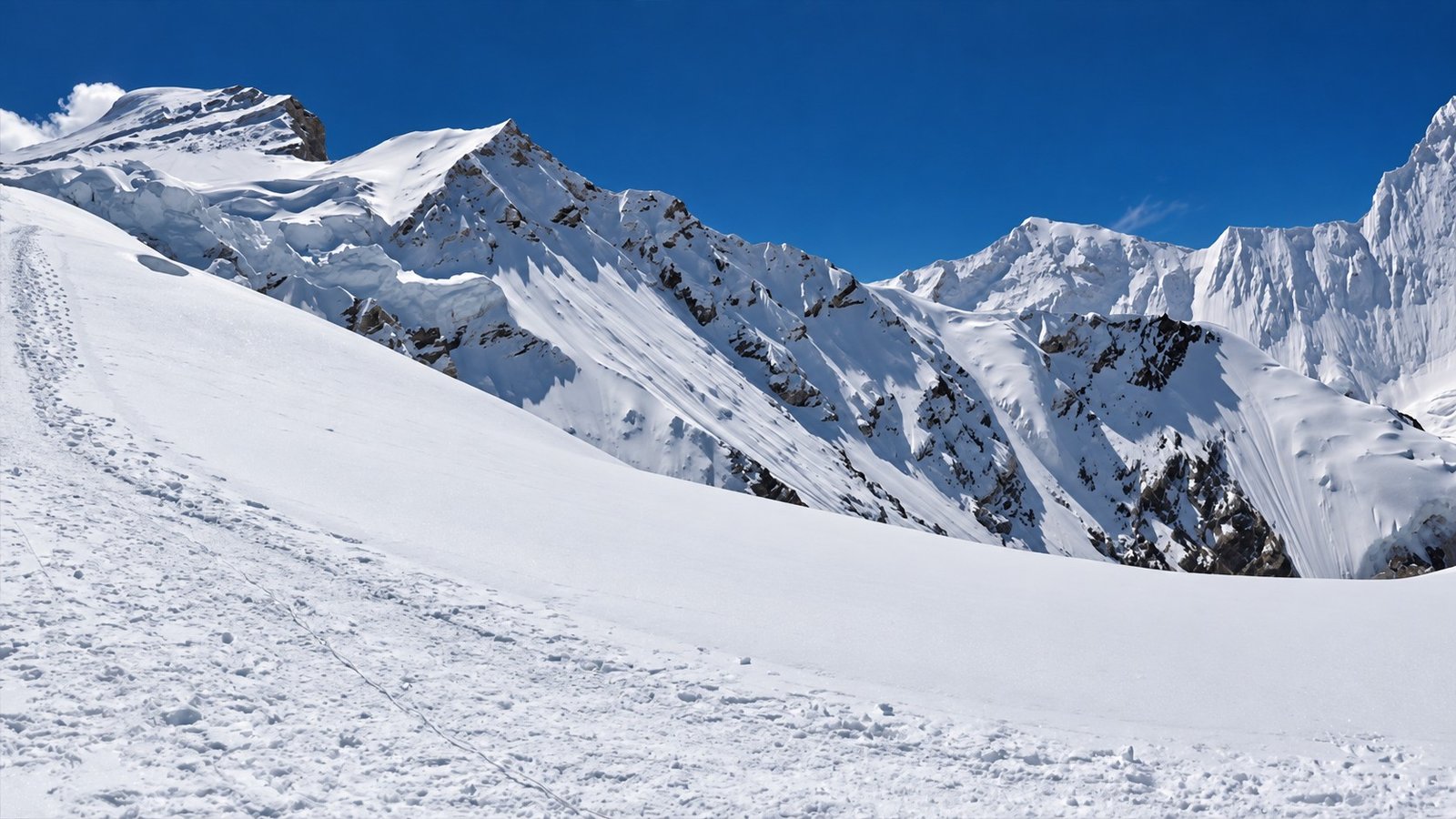
Proper acclimatization in Kyirong, Tingri, Base Camp and Advanced Base Camp becomes one of the most important parts of the entire expedition.
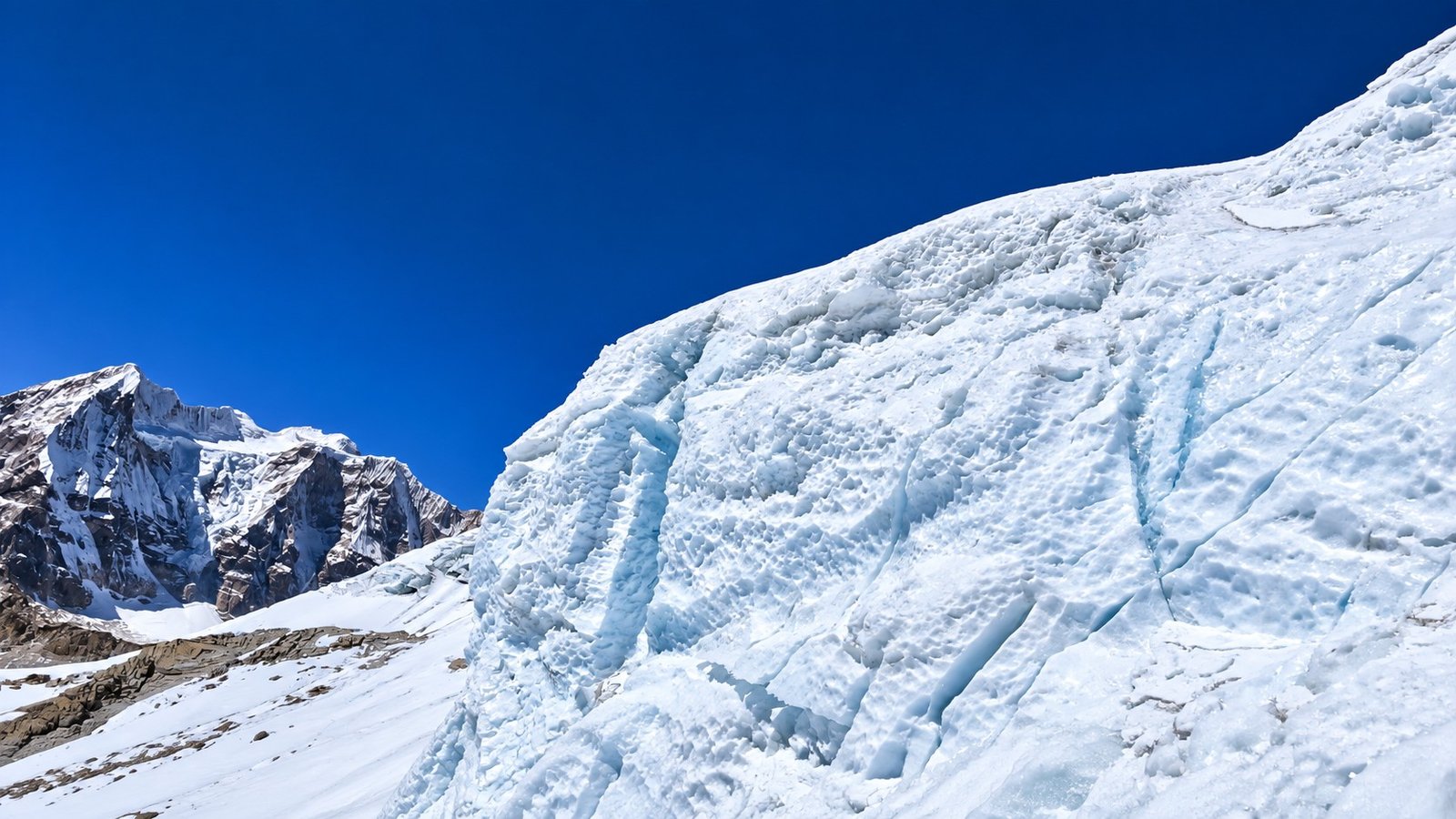
Above Advanced Base Camp, the normal northwest route climbs through glacier, snow and fixed-rope terrain toward Camp I at approx. 6,400 m and Camp II around approx. 7,000–7,100 m. A Camp III around approx. 7,400 m may also be established depending on the expedition strategy, snow conditions and summit plan.
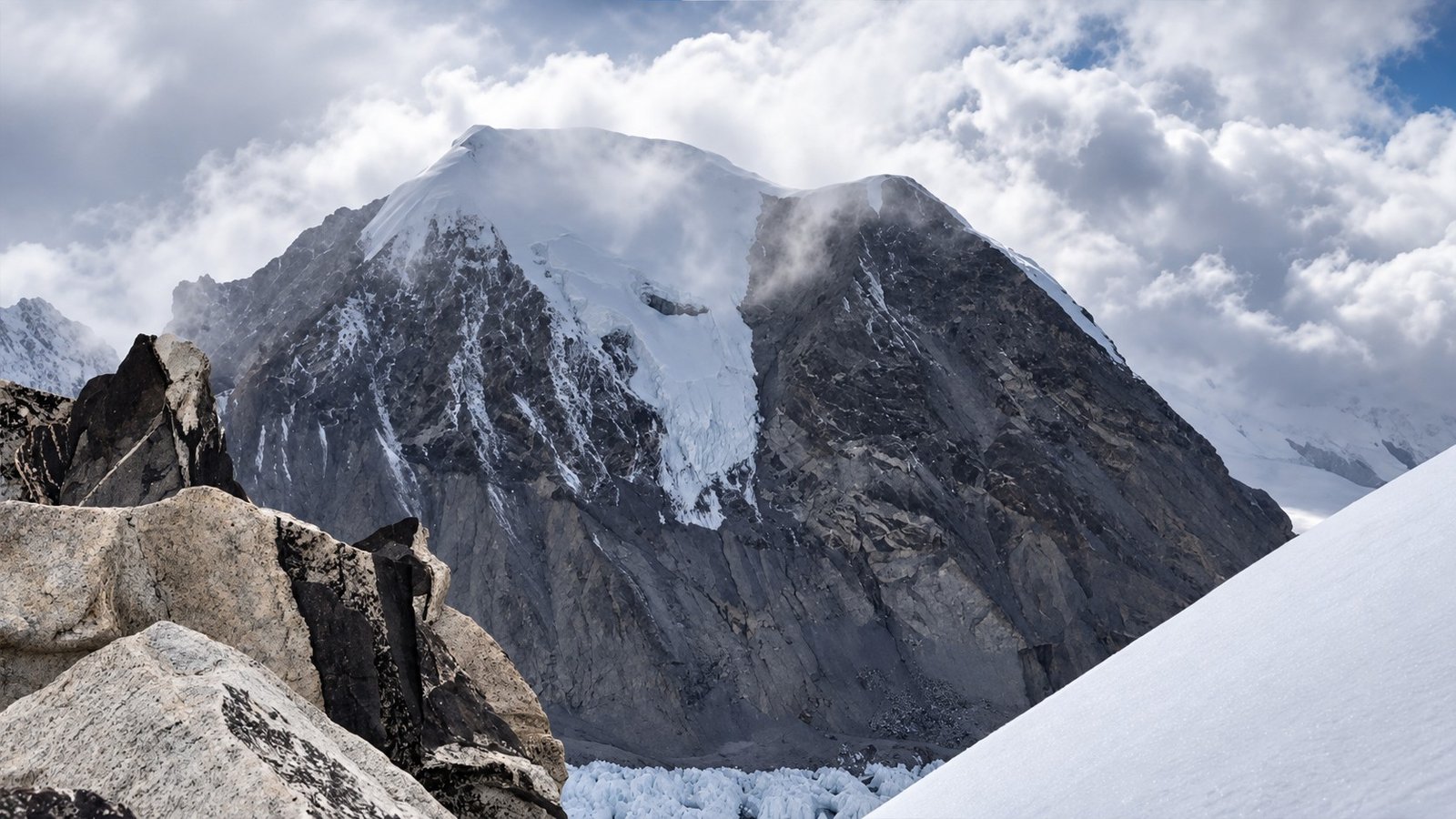
Although Cho Oyu is often considered less technically difficult than several other 8,000-meter mountains, this description should be treated carefully.
The expedition still involves glacier travel, steep snow and ice, severe cold, prolonged exposure above 7,000 meters and a summit day that enters the extreme environment above 8,000 meters.
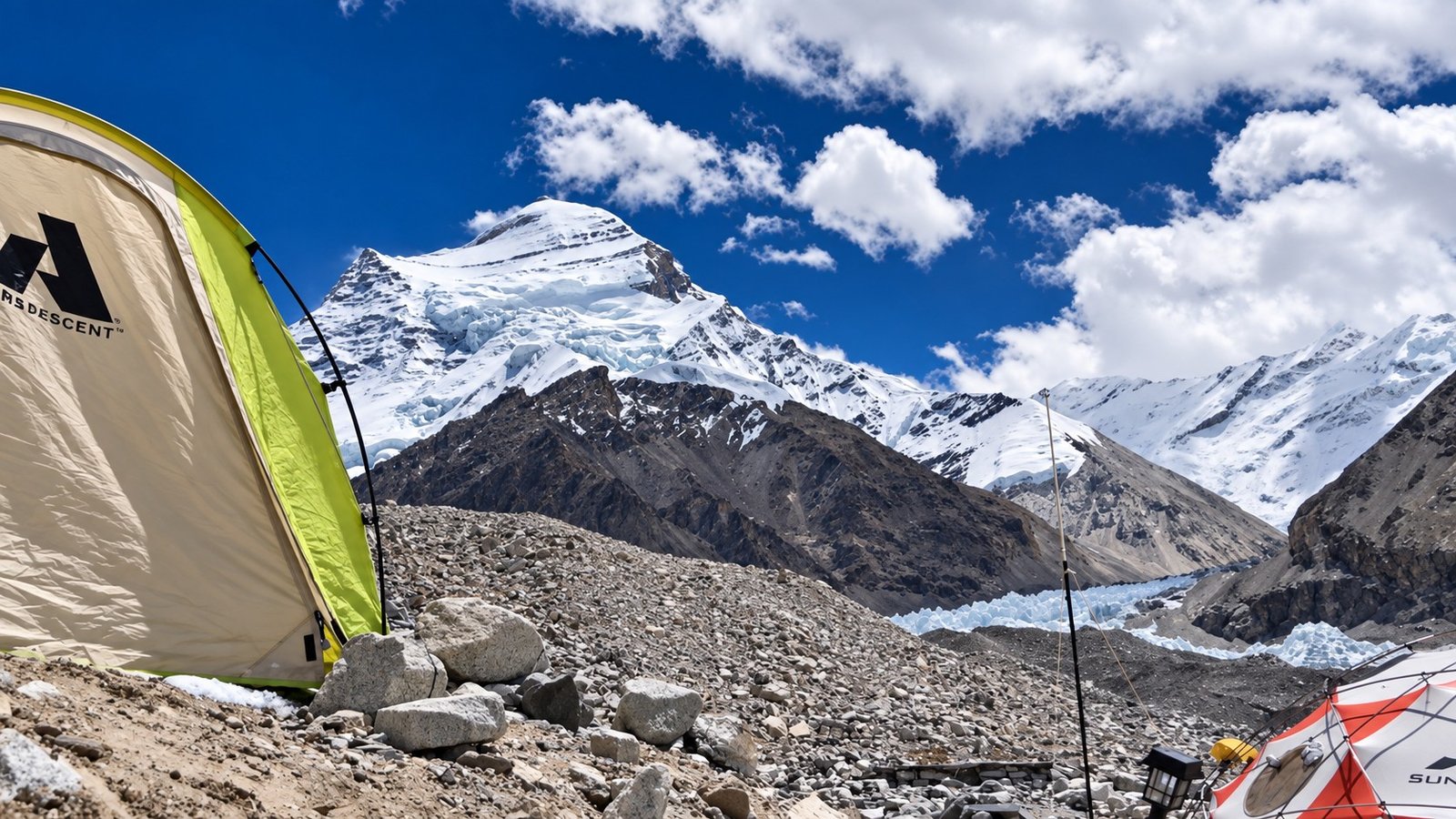
A complete Cho Oyu expedition normally requires around 39 to 45 days, depending on the Tibet access route, acclimatization schedule, climbing rotations and summit contingency period.
Nepal Royal Tourism Holiday structures this expedition as a 41-day Kathmandu-to-Kathmandu program, providing time for Tibetan acclimatization, several high-camp rotations, recovery at ABC and flexibility around the final summit window.
Current Cho Oyu Access Status
Future Departures Subject to Tibet Approval
Cho Oyu is not currently operated in the same way as a Nepal-side expedition. Foreign access to the Tibet-side route remained closed during the 2026 climbing season, and future departures depend on official reopening and the issue of the required China/Tibet-side expedition permissions.
Nepal Royal Tourism Holiday can prepare the Nepal-side arrangements and coordinate the expedition program, but no Cho Oyu climbing departure should be treated as confirmed until the responsible Tibet-side authorities and operating organization approve foreign climbing access for the selected season.
Permit costs, Tibet travel documentation, border procedures, route-fixing charges, liaison requirements and other China-side services are therefore confirmed according to the regulations in force for the actual expedition year.
Cho Oyu Expedition Facts
| Expedition Detail | Information |
|---|---|
| Mountain | Cho Oyu |
| Summit Elevation | 8,188 m / 26,864 ft |
| World Ranking | Sixth-highest mountain in the world |
| Location | Nepal–Tibet border region |
| Mountain Range | Mahalangur Himal |
| Standard Commercial Route | Tibet-side Northwest Route |
| Typical Expedition Duration | Around 39–45 Days |
| Our Program | 41 Days Kathmandu to Kathmandu |
| Advanced Base Camp | Approx. 5,700 m |
| Camp I | Approx. 6,400 m |
| Camp II | Approx. 7,000–7,100 m |
| Camp III | Approx. 7,400 m when used |
| Main Climbing Terrain | Glacier, snow, ice and fixed-rope sections |
| Difficulty | Advanced 8,000-Meter Mountaineering Expedition |
| First Ascent | 19 October 1954 – Herbert Tichy, Joseph Jöchler and Pasang Dawa Lama |
Route from Kathmandu to Tibet
The planned expedition begins in Kathmandu, where the climbing team completes equipment checks, expedition preparation and the documentation required for travel toward Tibet.
When the Nepal–China land route is operating, the journey can continue from Kathmandu toward the border and into the Kyirong area before climbing gradually onto the Tibetan plateau toward Tingri.
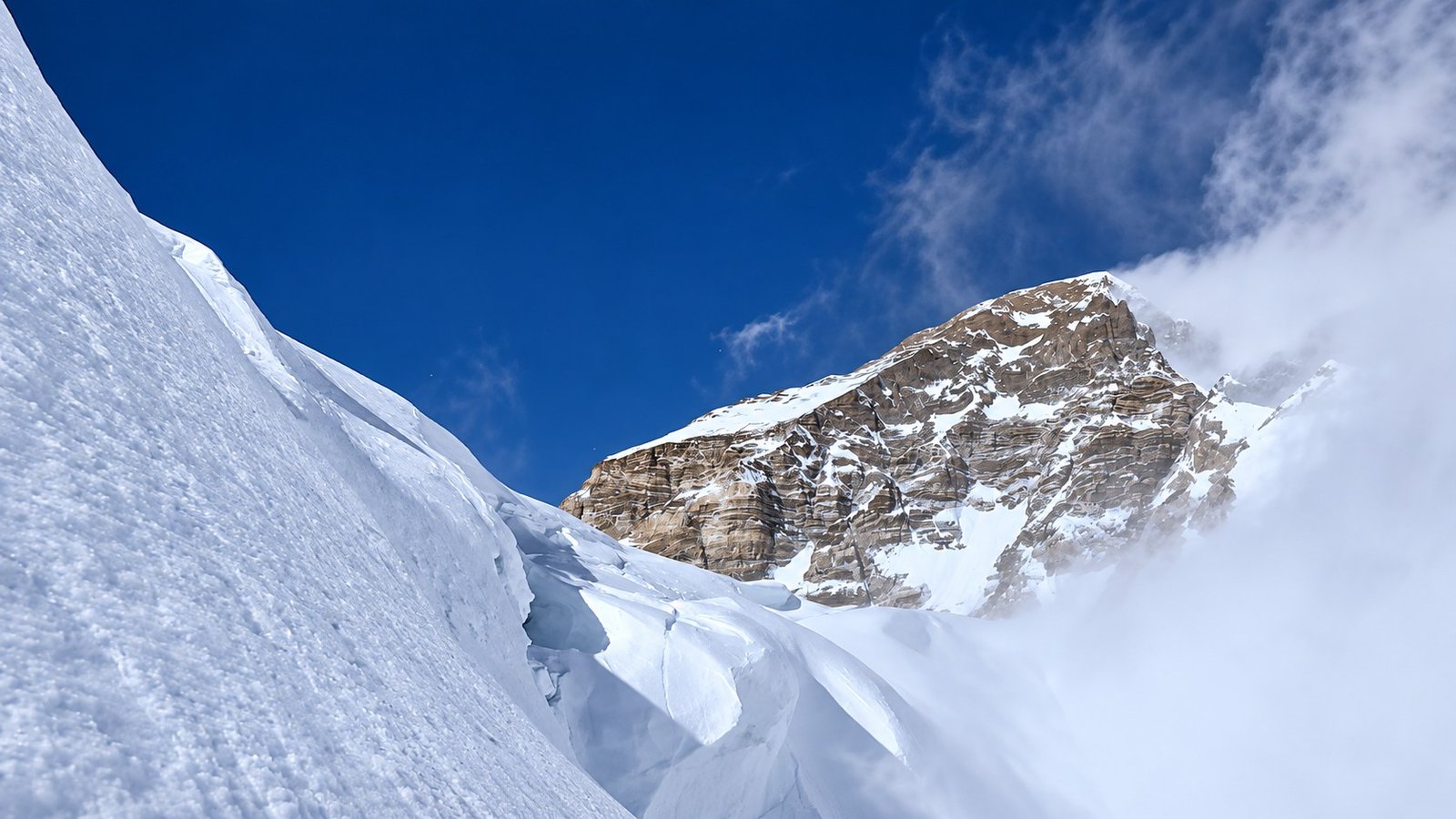
Another possible access arrangement uses Lhasa and Shigatse before travelling west toward Tingri.
The final approach route is confirmed according to the permits, border status and transport arrangements available during the expedition year.
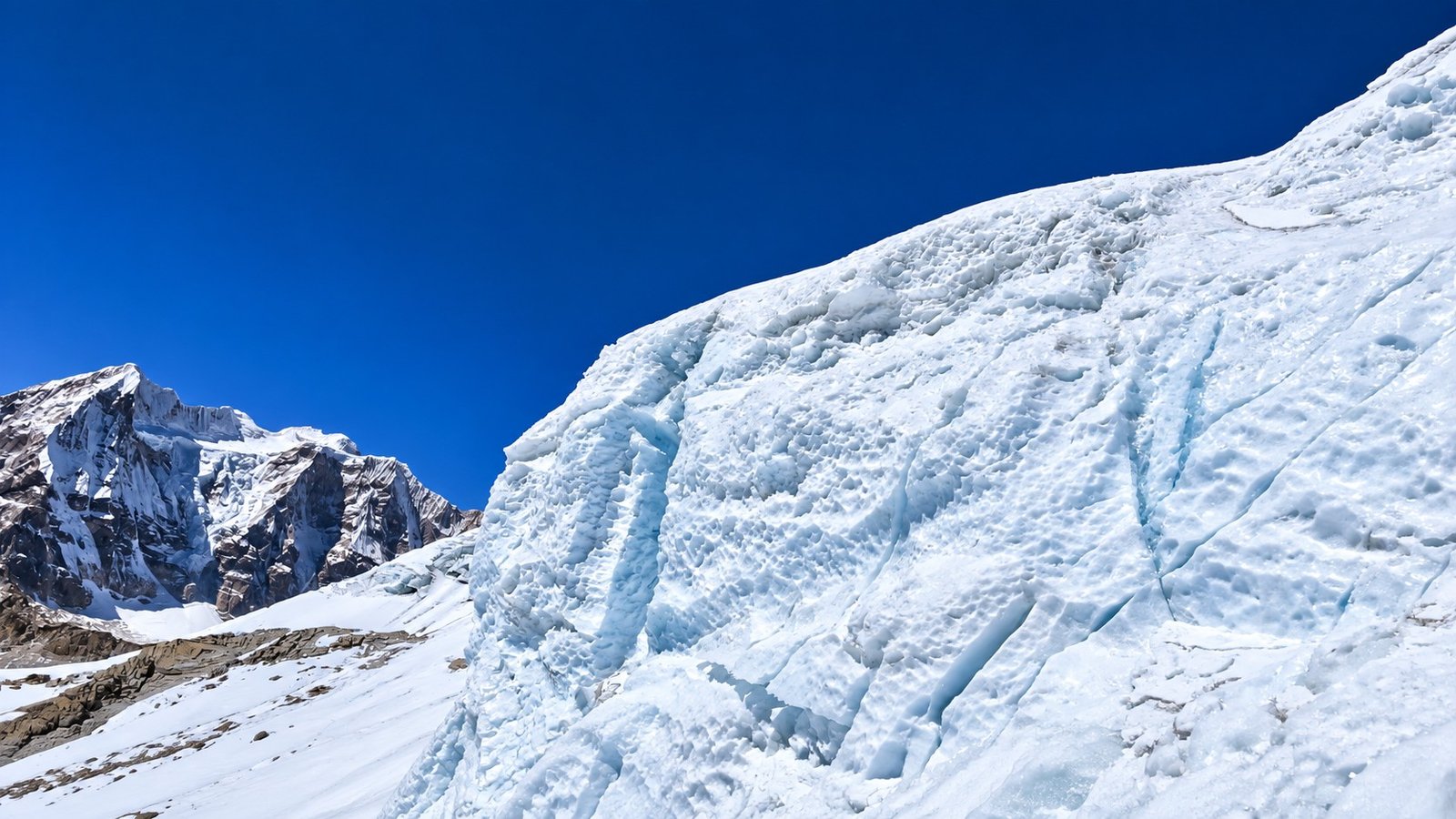
This flexibility is important because Tibet-side access cannot be treated like a fixed Nepal trekking route.
Border procedures, travel permissions and expedition regulations can influence the exact journey long before the team reaches Cho Oyu.
Acclimatization on the Tibetan Plateau
Cho Oyu presents a different acclimatization problem from expeditions such as Manaslu.
Instead of gaining altitude slowly during a week-long trekking approach, vehicles can carry the team rapidly onto the Tibetan plateau.
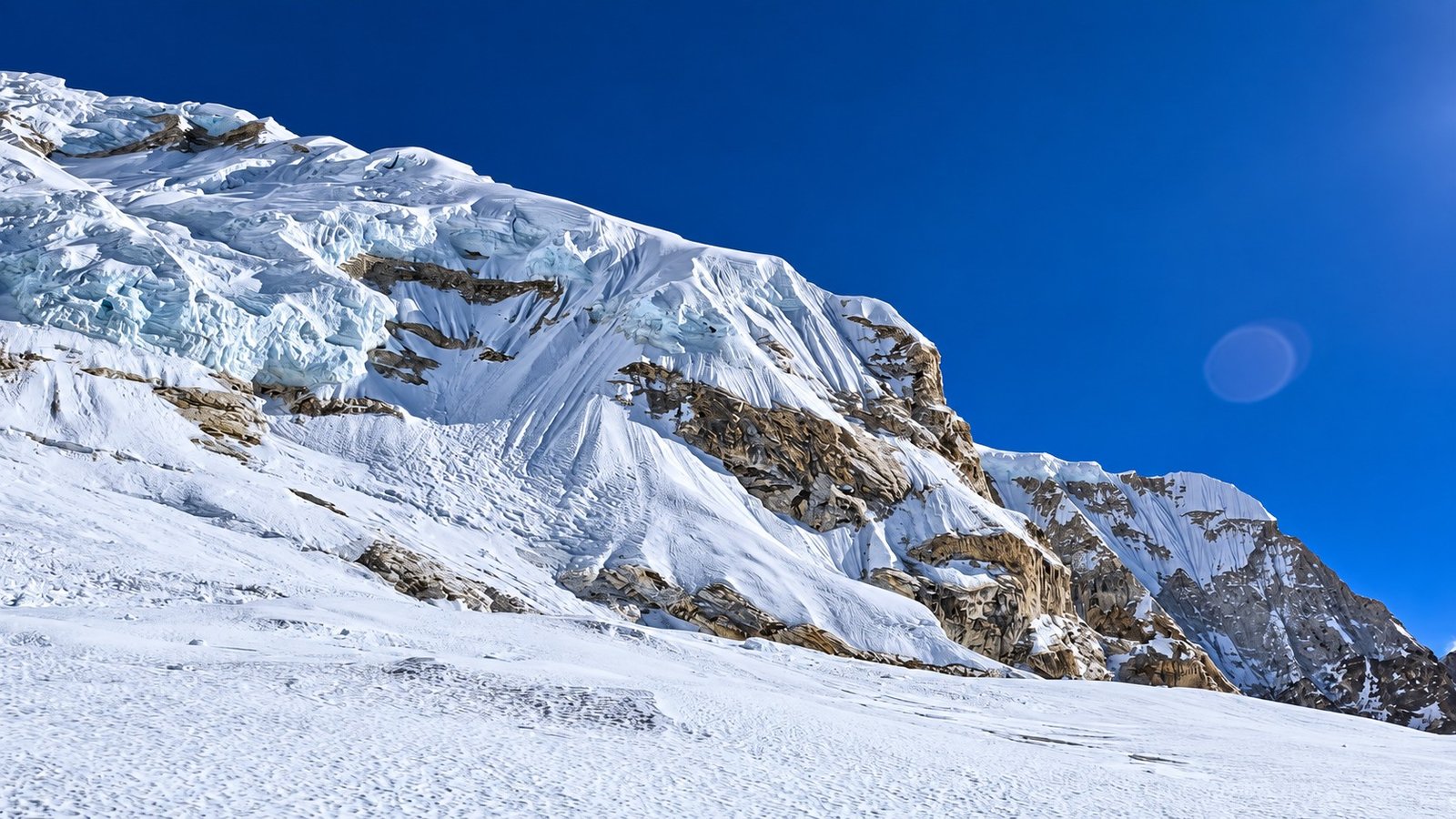
Kyirong and Tingri therefore play an important role in the early expedition schedule.
Tingri sits above 4,000 meters and gives climbers time to begin adapting before travelling toward the much higher base-camp system.
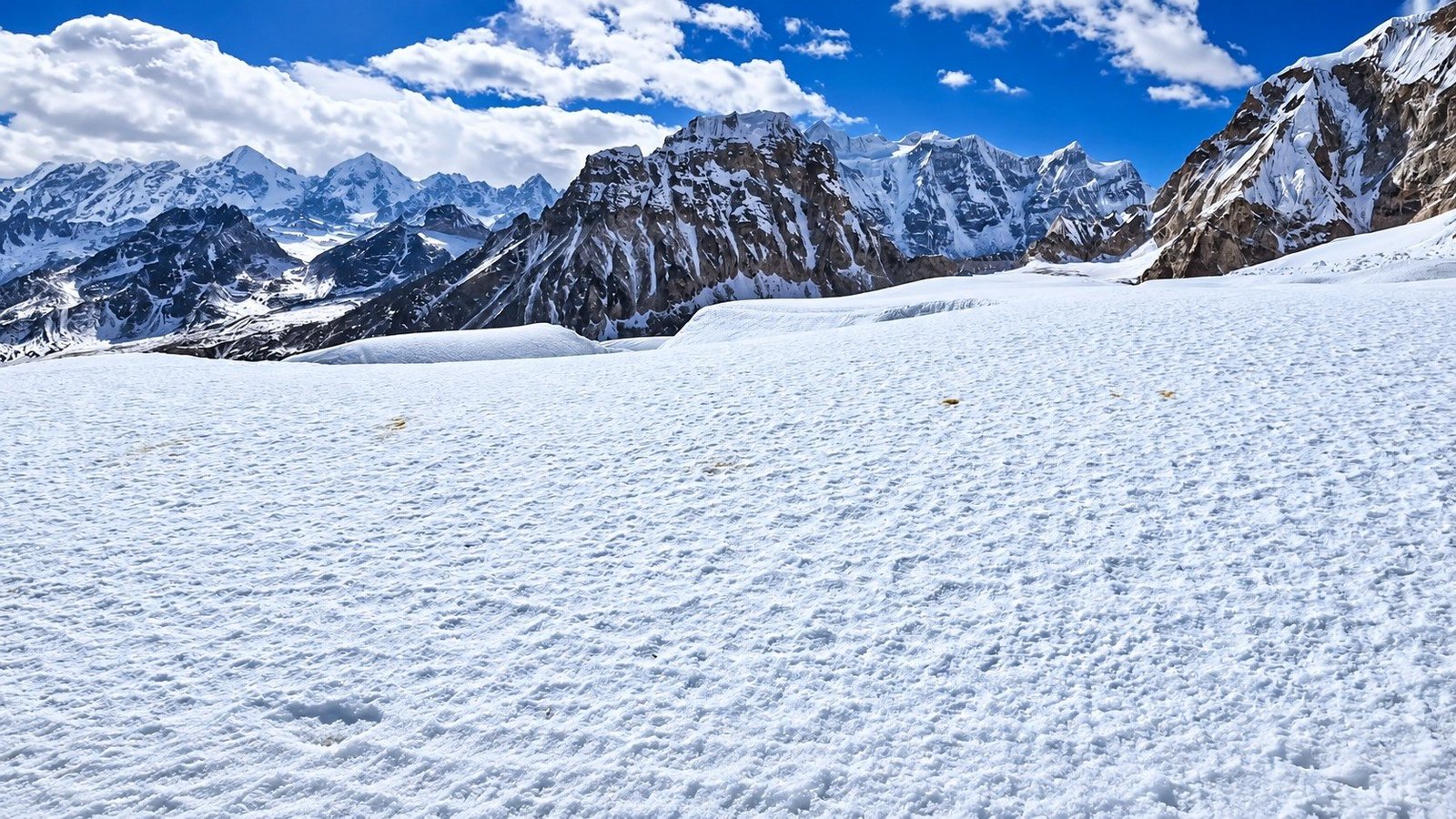
Once the expedition moves toward the mountain, additional rest and acclimatization are built into the schedule before the team establishes its routine at Advanced Base Camp.
Moving too quickly simply because road access is available would provide little advantage. The success of the later climbing rotations depends heavily on how well the team manages this early rise in altitude.
Chinese Base Camp and Advanced Base Camp
The Tibet-side route uses a road-accessed base-camp zone where vehicles can deliver a large amount of expedition equipment, food, fuel and other supplies close to the mountain.
The exact road-end or Chinese Base Camp position can vary with the operating program, but it provides the main logistical connection between the Tibetan plateau and the climbing route.
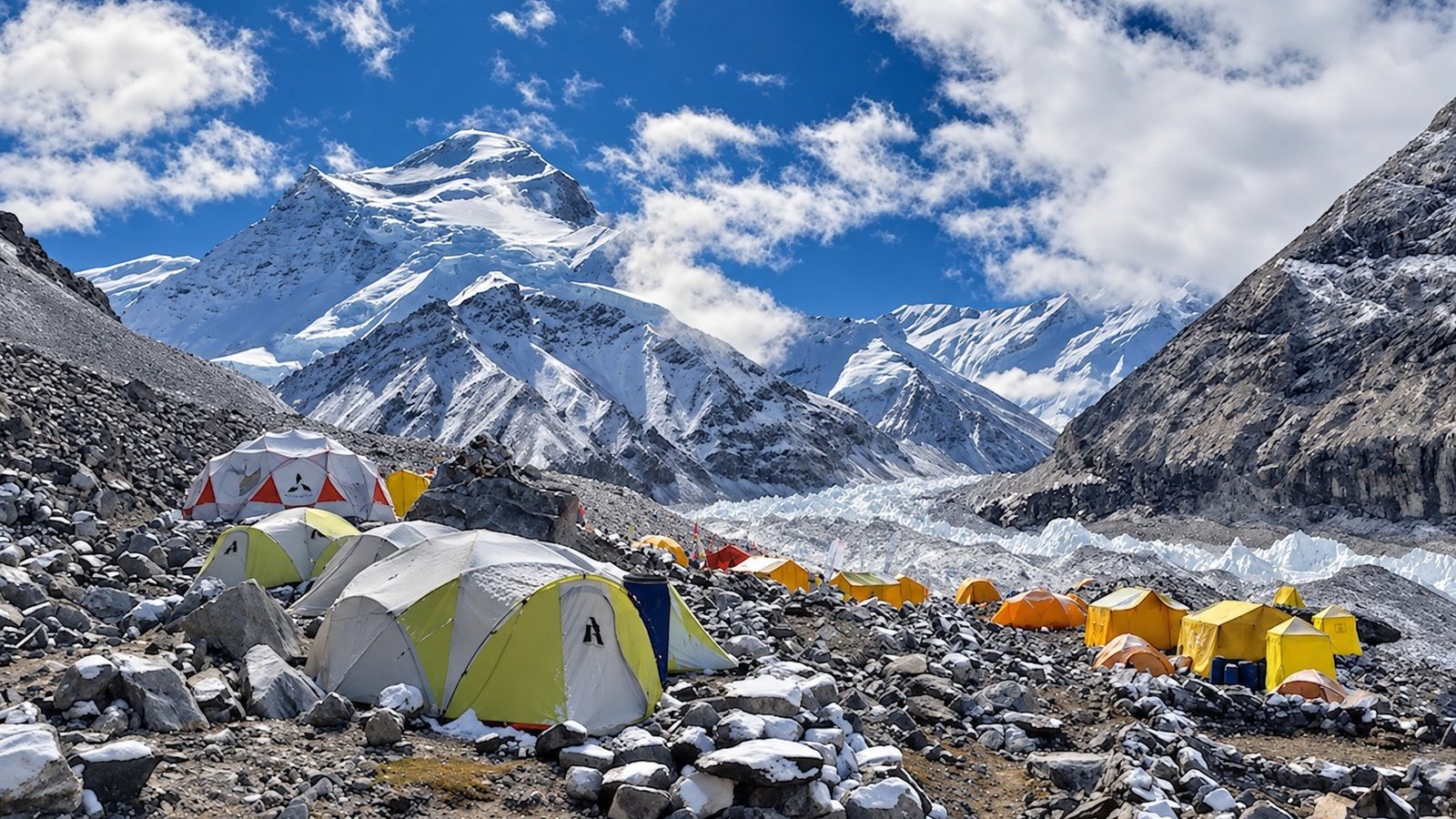
From there, the expedition continues toward Advanced Base Camp at approx. 5,700 m.
Yaks or another organized load-carrying system may be used to move equipment between the lower camp and ABC.
ABC becomes the real centre of climbing life on Cho Oyu. Member tents, dining and kitchen facilities, communications, medical equipment and climbing supplies are based here while climbers complete their rotations on the upper mountain.
Climbing Route and High Camps
The standard Tibet-side route climbs the northwest side of Cho Oyu through glacier and broad snow terrain.
The route crosses glaciated sections before moving progressively higher toward the main camps.
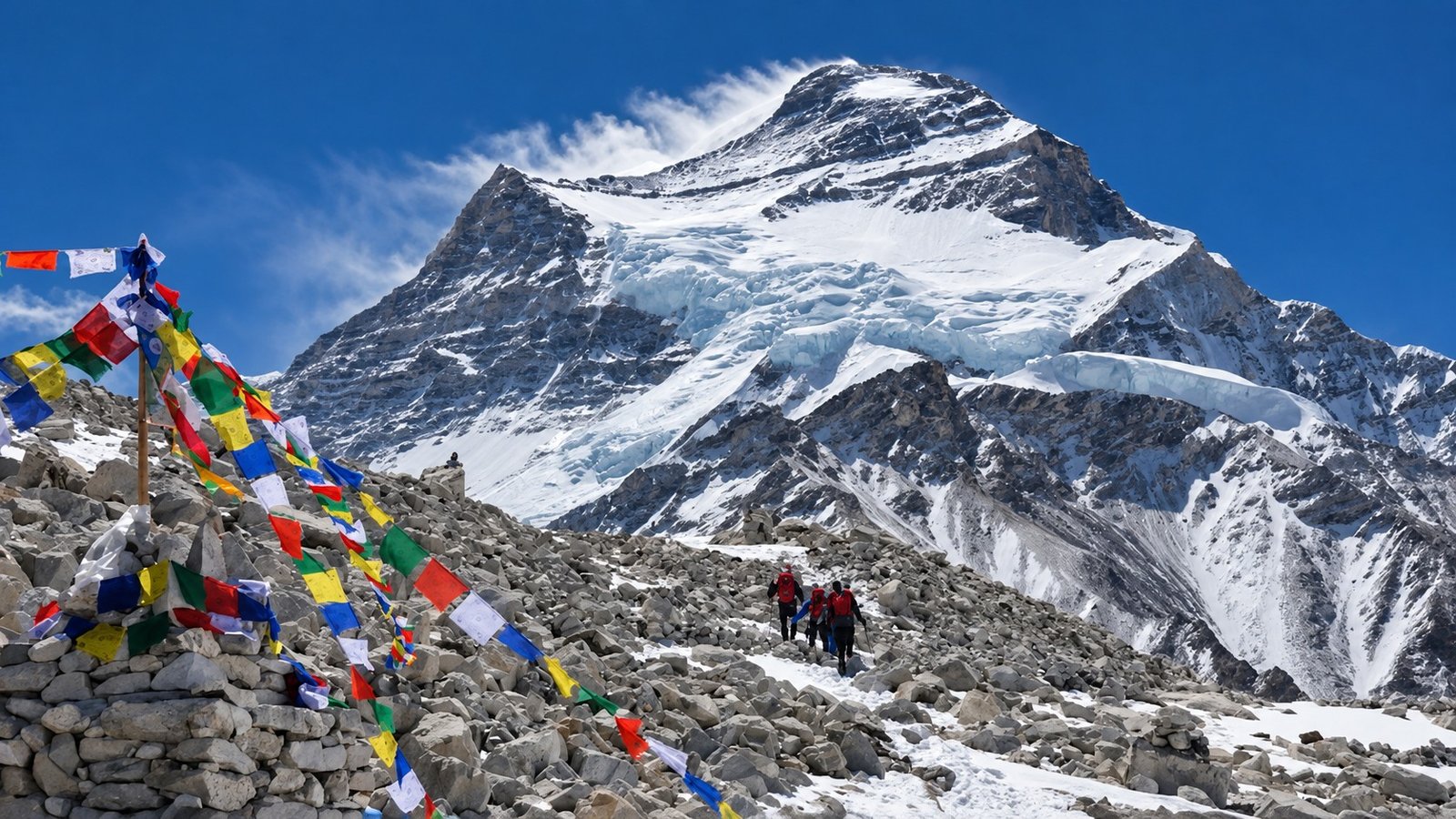
Camp I is normally established around approx. 6,400 m. Camp II is generally positioned around approx. 7,000–7,100 m, placing climbers well into the extreme-altitude environment during the higher acclimatization rotations.
A third camp around approx. 7,400 m may be established for the summit phase. Camp III is not necessarily used in exactly the same way by every expedition.
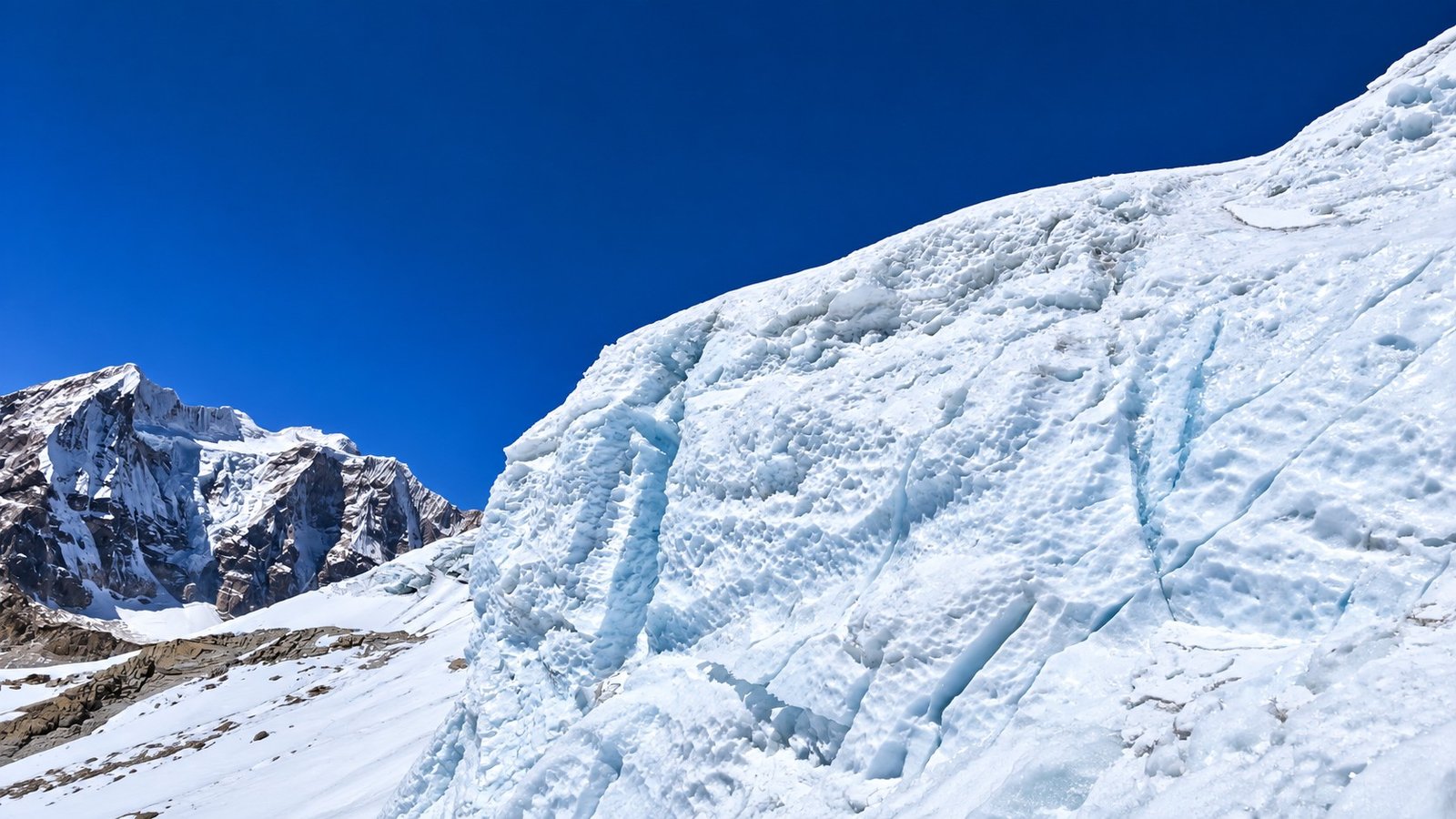
Some teams use it as the final summit camp, while another strategy may begin the final push from Camp II.
The route higher on the mountain includes steeper snow, fixed ropes and a short rocky or mixed section before reaching the upper snow slopes. The final part of the climb leads onto Cho Oyu’s broad summit plateau.
| Camp | Approx. Elevation | Role in the Expedition |
|---|---|---|
| Chinese Base Camp | Seasonal operating position | Road-accessed expedition staging and logistics |
| Advanced Base Camp | Approx. 5,700 m | Main climbing base, recovery and acclimatization centre |
| Camp I | Approx. 6,400 m | First high camp and early sleeping rotation |
| Camp II | Approx. 7,000–7,100 m | Major upper-mountain acclimatization and summit staging |
| Camp III | Approx. 7,400 m when used | Final summit camp depending on the expedition strategy |
| Summit | 8,188 m | Highest point of the expedition |
Difficulty and Climbing Experience
Cho Oyu is sometimes described as one of the more approachable 8,000-meter mountains because the standard route is generally less technically sustained than routes on several other peaks of similar altitude.
That reputation can be misleading when taken out of context. Above 7,000 meters, the main challenge is no longer only the technical terrain.
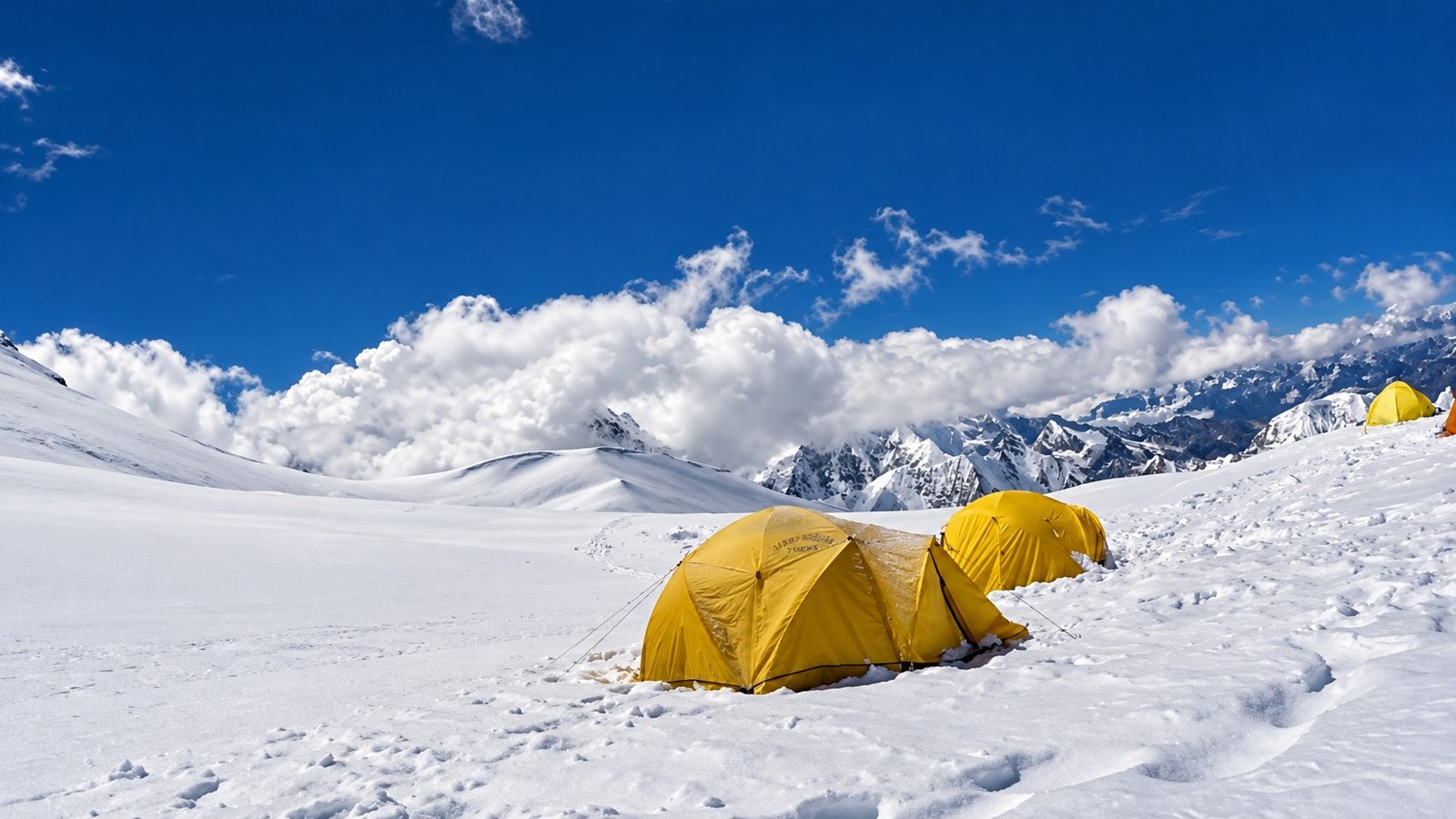
Cold, exhaustion, reduced oxygen, slow recovery and the amount of time required to reach and descend from the summit become major factors.
Climbers should already be comfortable using crampons, an ice axe, harness, ascender and descender, and should have practical experience travelling on glaciers and fixed ropes.
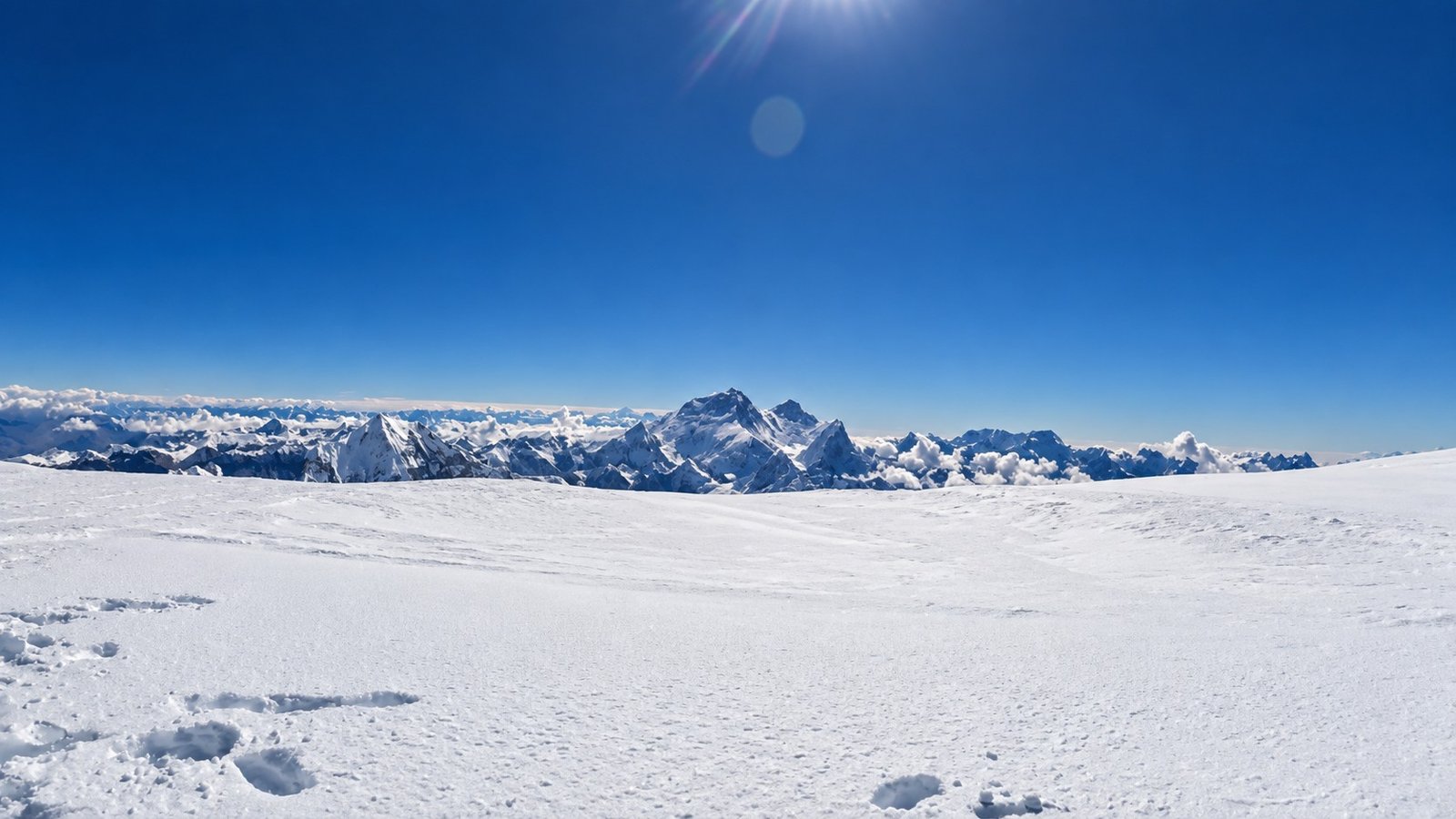
Previous experience above 6,000 meters is essential preparation, while previous 7,000-meter expedition experience is strongly recommended.
Cho Oyu should not be treated as a first mountaineering objective simply because its normal route is considered comparatively doable.
Acclimatization and Climbing Rotations
After settling at ABC, climbers begin a progressive series of rotations rather than moving directly toward the summit.
The early rotation usually introduces Camp I and gives the team its first overnight exposure above 6,000 meters. A later rotation continues toward Camp II at around 7,000 meters before climbers return to ABC for recovery.
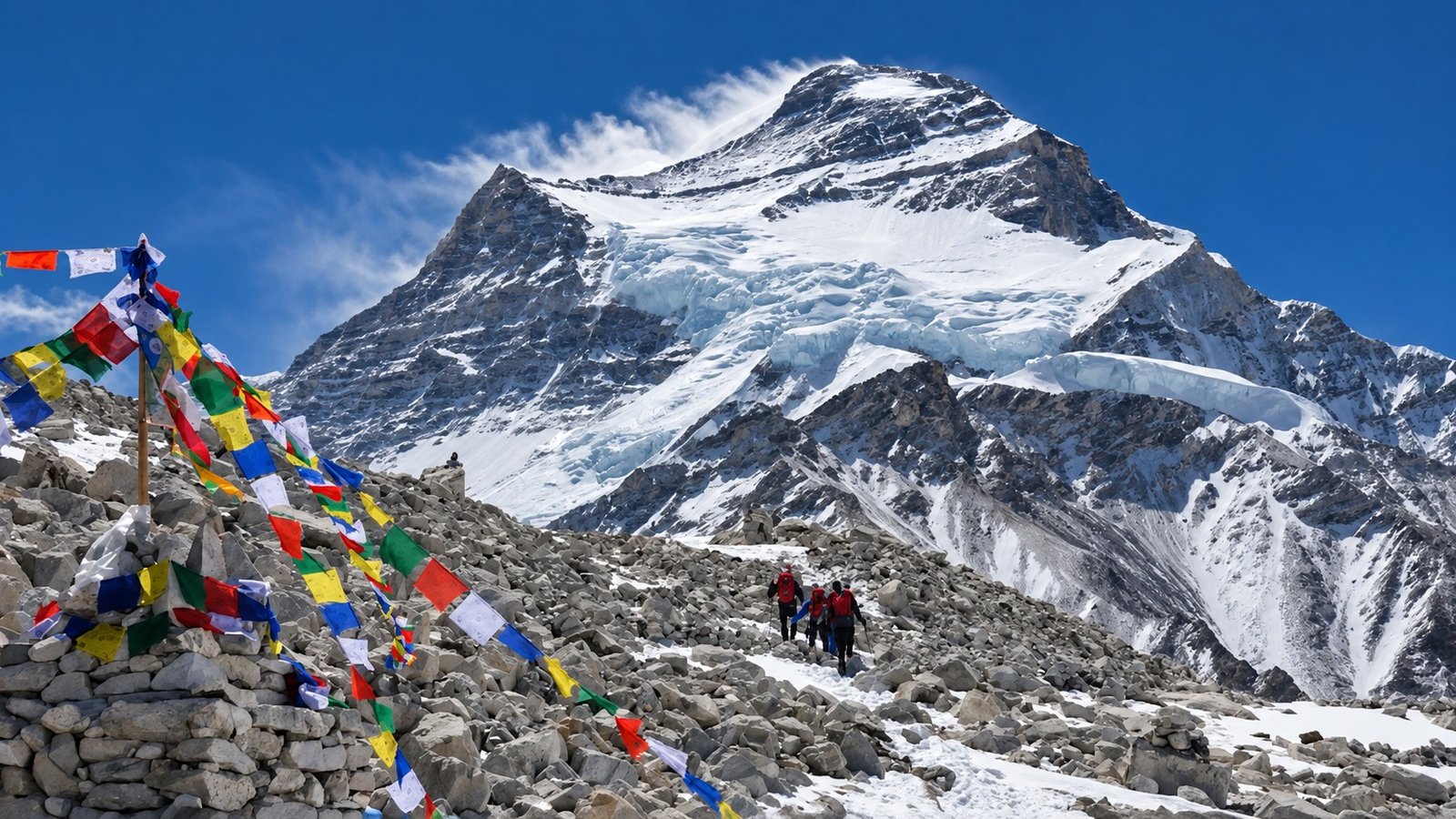
Depending on the expedition strategy, a further rotation may reach Camp III or another planned high point before the final rest period.
The exact sequence is adjusted according to individual acclimatization, route fixing, weather and the condition of the upper mountain.
The printed itinerary provides a structure, but the expedition leader determines when the team is genuinely ready to move higher.
Summit Strategy
The final summit campaign begins only when the team has completed sufficient acclimatization and a suitable weather window is available.
Depending on the camp system used during the season, the final summit push may be staged from Camp II or from Camp III.
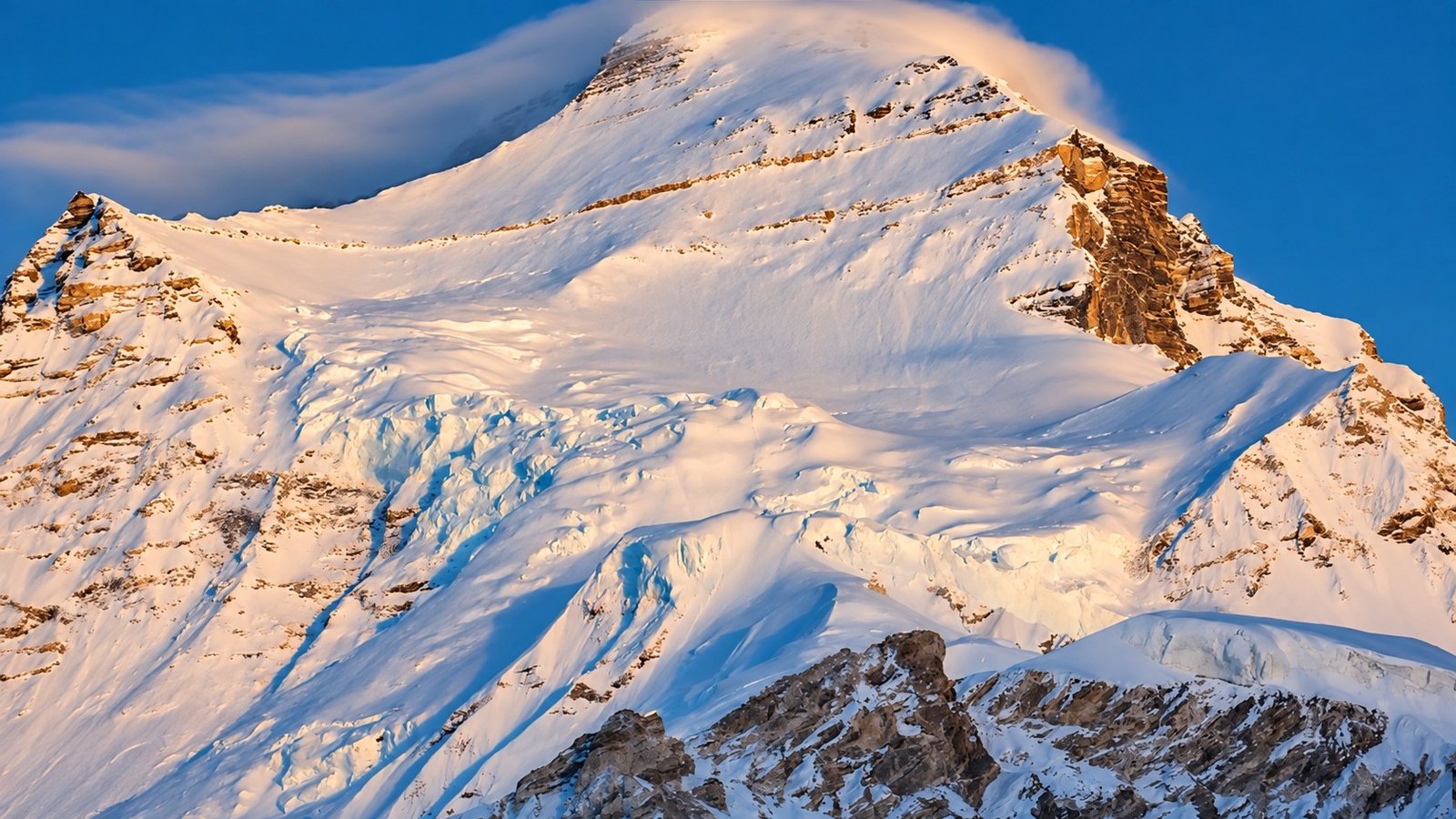
Using Camp III reduces some of the vertical distance remaining on summit day, while a Camp II start avoids an additional night at approximately 7,400 meters.
Higher on the route, climbers negotiate the final fixed-rope and steeper sections before reaching the broad upper plateau.
This plateau is an important feature of Cho Oyu. Reaching its edge does not automatically mean the true summit has been reached.
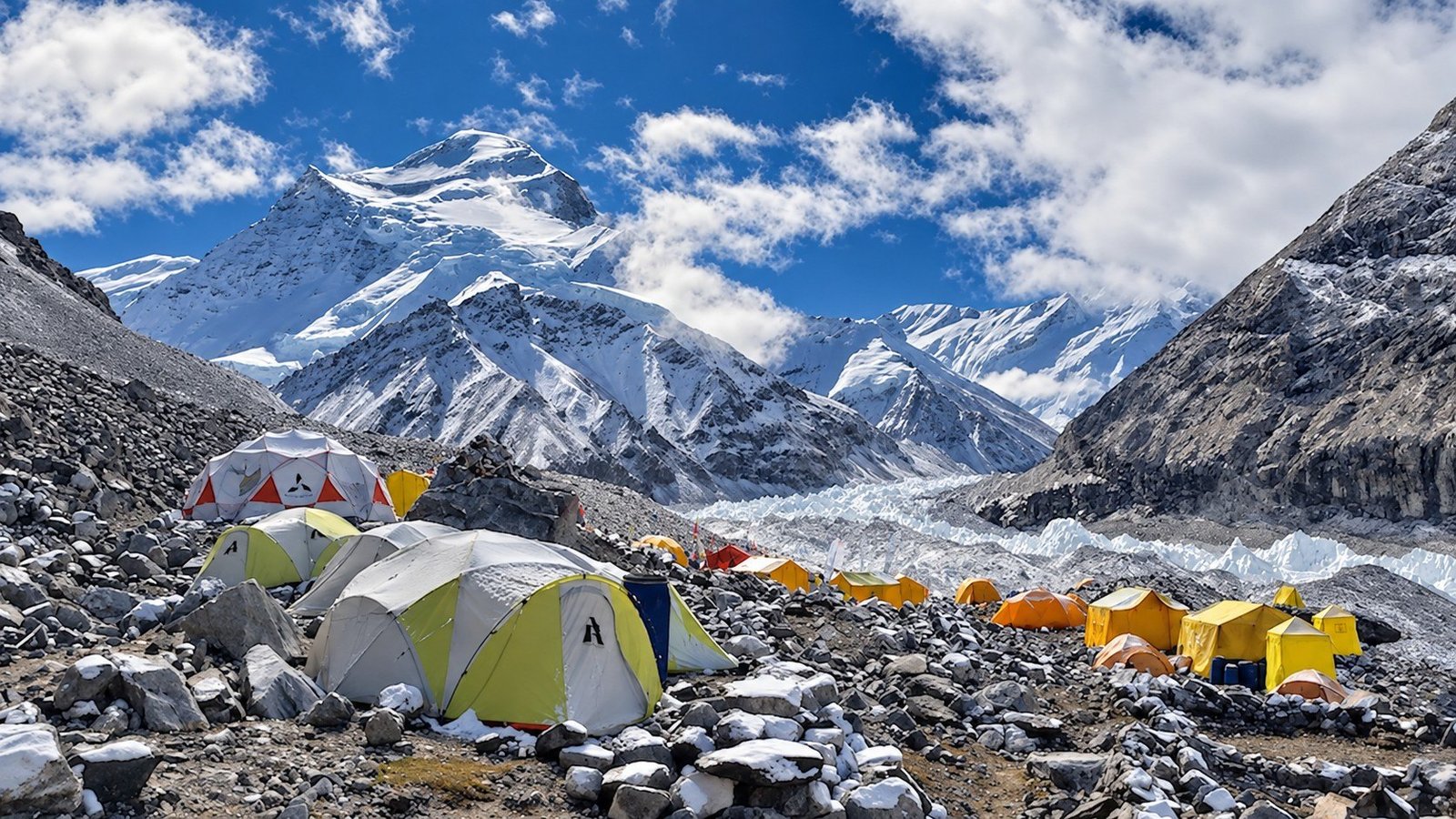
The route can continue across the high plateau before arriving at the actual summit point at 8,188 meters.
After the summit, the team descends toward the high camps as quickly and safely as conditions allow. Weather, oxygen supply, daylight and the physical condition of each climber determine how far the team descends that day.
Supplemental Oxygen
Supplemental oxygen is commonly used on modern commercial Cho Oyu expeditions during the highest stages of the climb and summit attempt.
The exact number of cylinders, flow rates and starting altitude depend on the expedition package and individual climbing strategy.
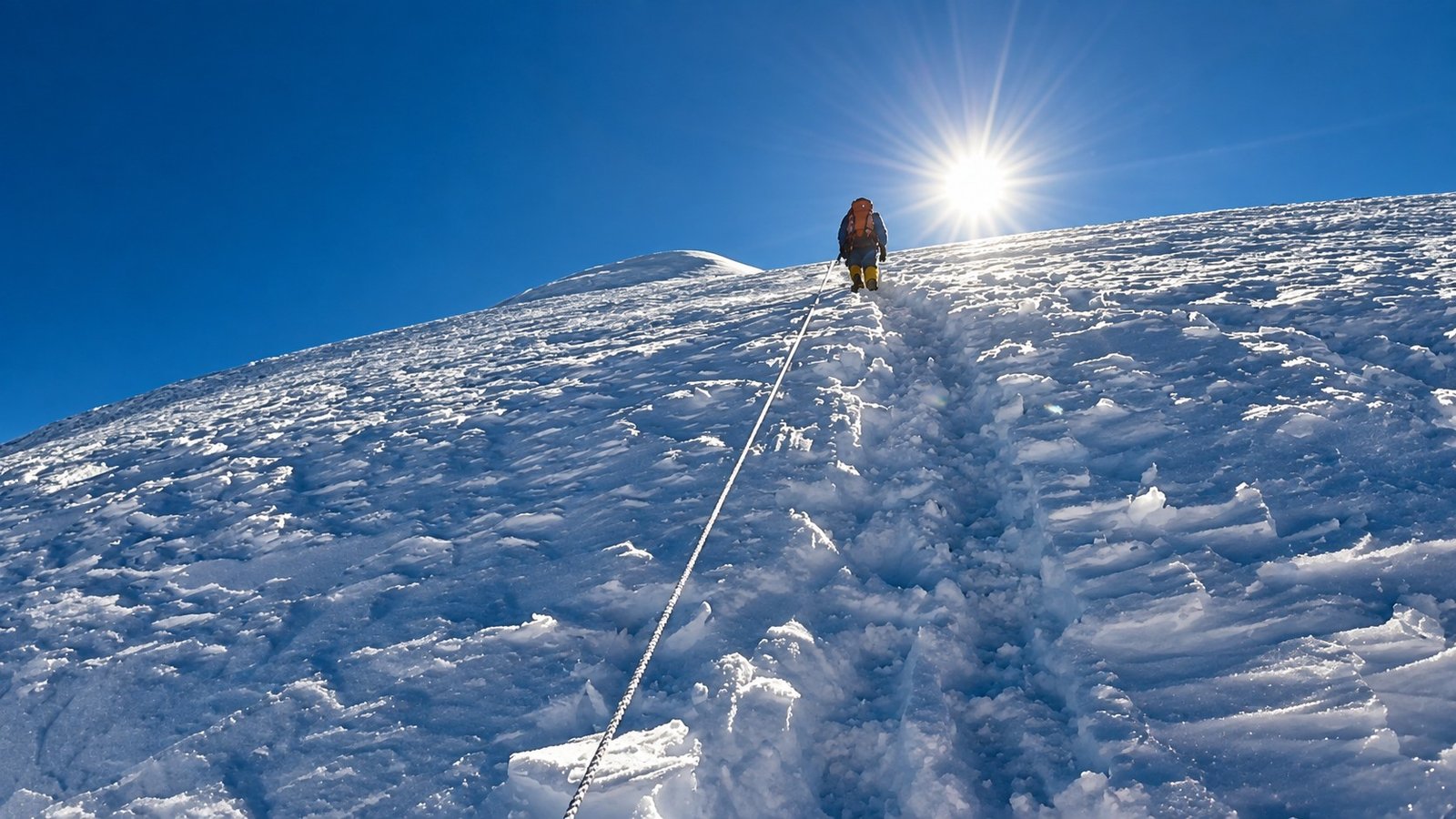
Oxygen may be introduced around the upper camps, but no single starting altitude should be presented as compulsory for every climber.
Supplemental oxygen does not remove the need for proper acclimatization. The team still completes progressive rotations, rests at ABC and builds sufficient altitude exposure before beginning the final summit campaign.
Best Time to Climb Cho Oyu
Historically, spring and autumn have both been used for Cho Oyu expeditions, with autumn becoming one of the main commercial periods for the Tibet-side route.
For Cho Oyu, however, choosing a climbing season involves more than weather. The Tibet-side authorities must also permit foreign expeditions to operate during that year.
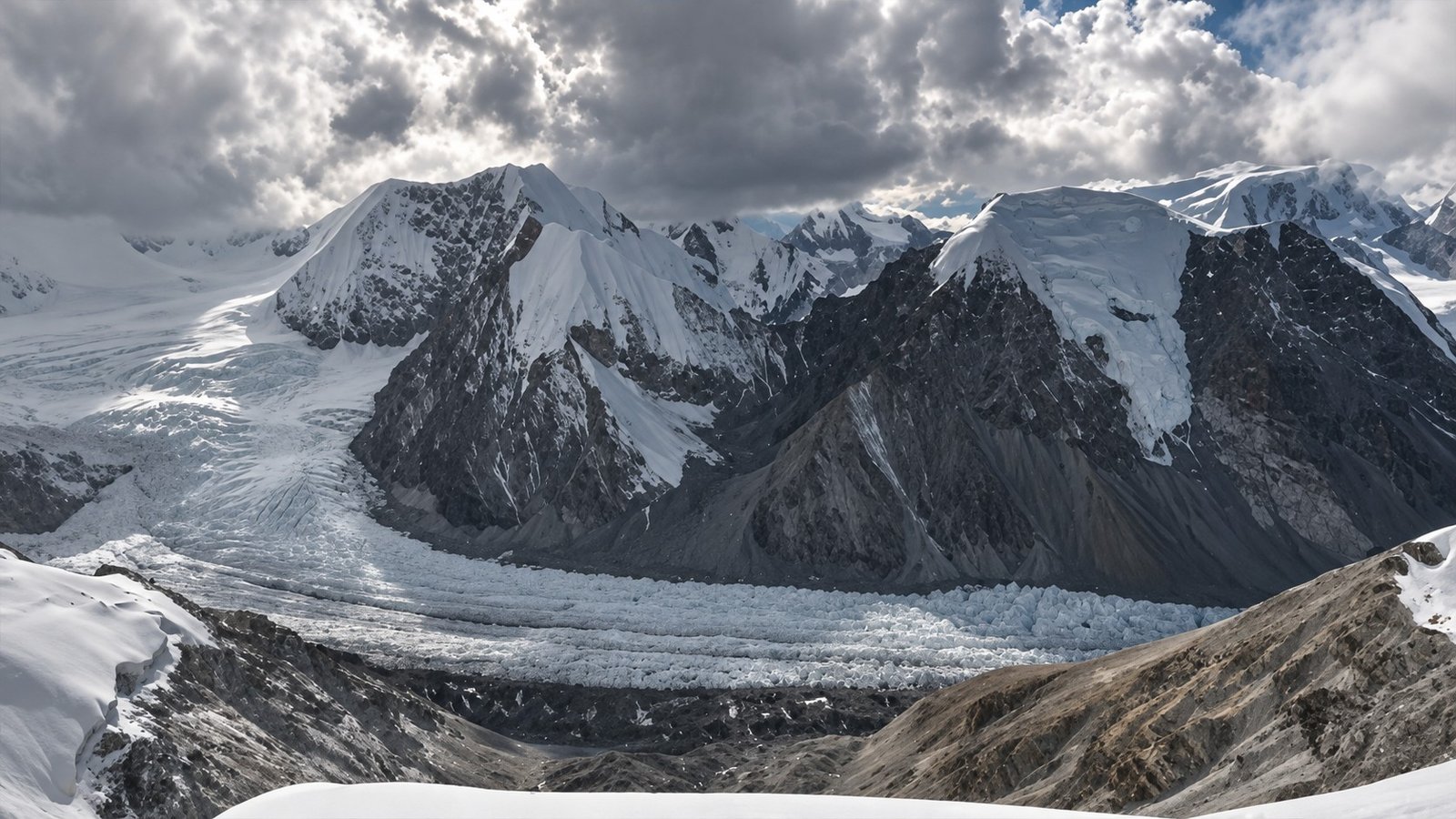
Nepal Royal Tourism Holiday therefore confirms a future Cho Oyu season only after climbing access, expedition permits and the Tibet-side operating program have been officially approved.
| Season | General Consideration |
|---|---|
| Spring | Traditional Himalayan climbing period, subject to Tibet-side expedition approval |
| Autumn | Historically a major Cho Oyu climbing season, with access still dependent on official authorization |
| Winter | Much colder and considerably more demanding, requiring specialized planning and permission |
| Summer / Monsoon | Not the normal commercial Cho Oyu expedition period |
Permits and Tibet-Side Administration
Cho Oyu cannot be operated using a Nepal Department of Tourism climbing permit for the standard Tibet-side route. The mountain is climbed under the administrative system applicable to Tibet and China.
The expedition may require Cho Oyu climbing authorization, Tibet travel documentation, border and route clearances, expedition registration, liaison arrangements and approval for the route-fixing and support structure used during the season.
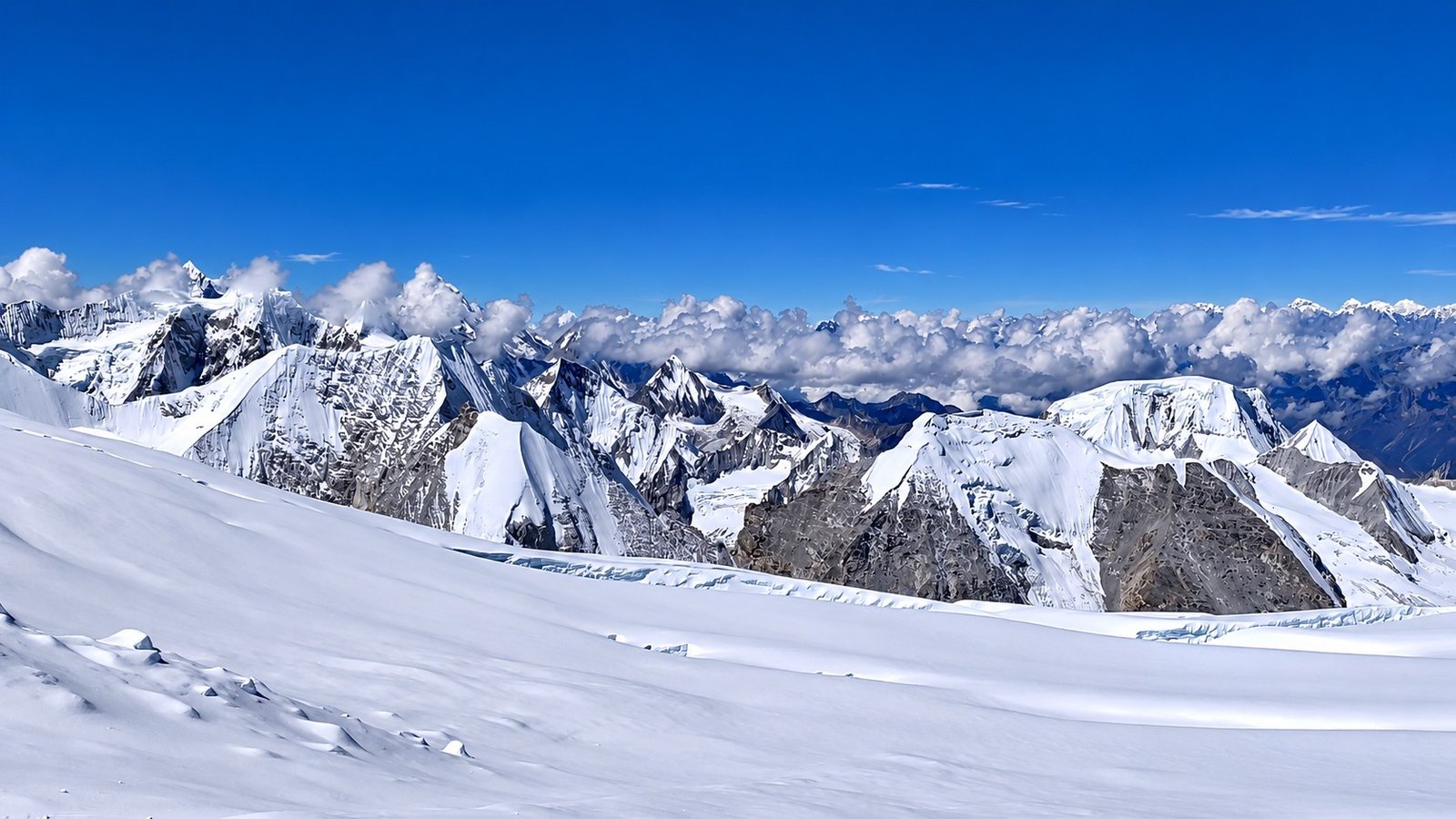
Foreign climbers cannot treat these requirements as ordinary individual travel paperwork. The expedition must operate through the authorized organizational system applicable to the selected year.
Because regulations and government charges can change, Nepal Royal Tourism Holiday confirms the final permit structure and China-side operating costs before accepting a future booking rather than publishing an old permit figure as a permanent expedition fee.
Expedition Logistics
The Tibetan plateau allows vehicles to move far closer to Cho Oyu than is possible on many Nepal-side expeditions. This changes the logistical structure of the climb considerably.
Food, fuel, tents, oxygen cylinders, climbing equipment and other supplies can be transported to the Chinese Base Camp zone by road.
From there, loads are moved toward Advanced Base Camp using the transport system arranged for the operating season.
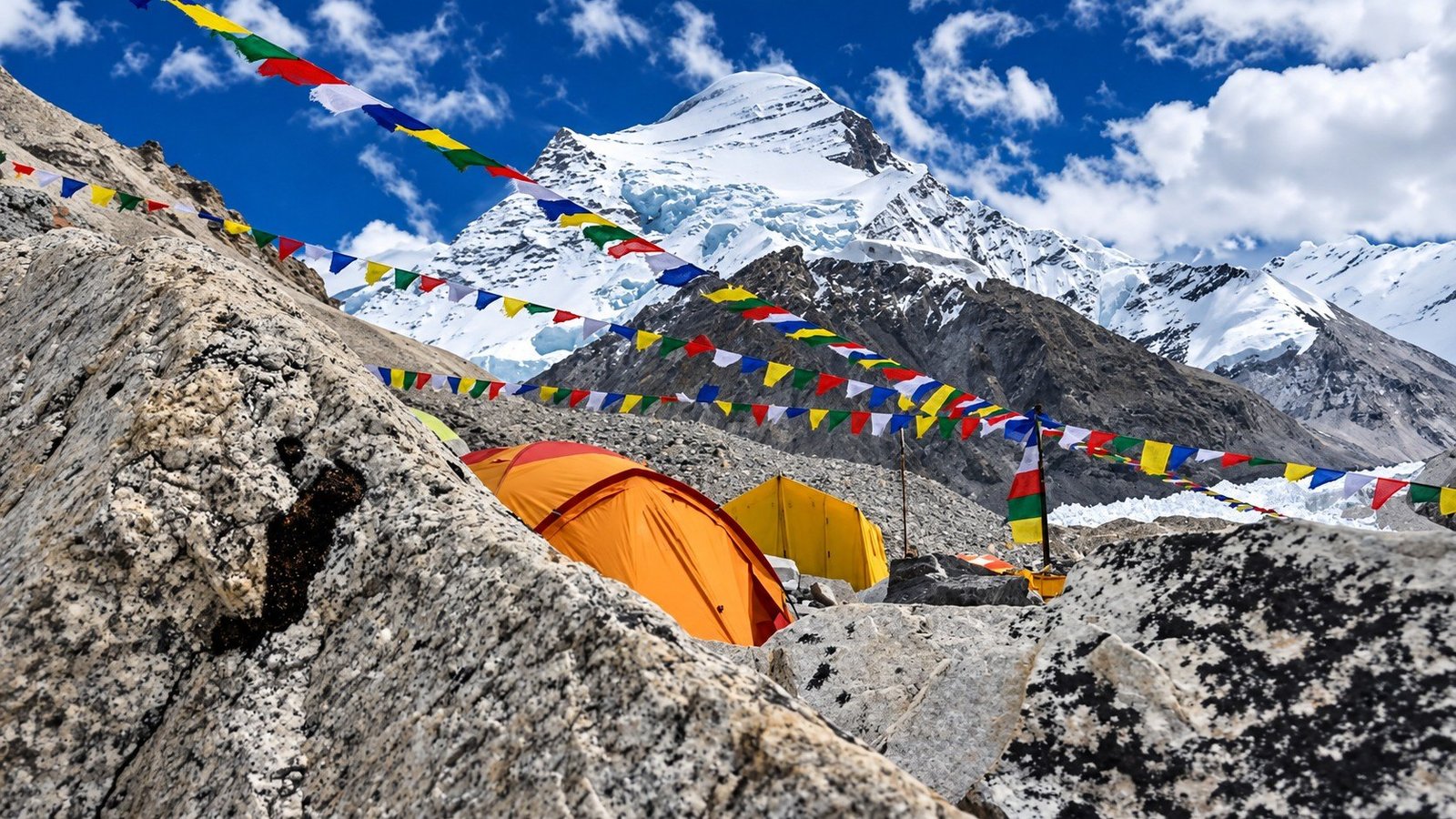
Once ABC is established, the expedition must support itself for several weeks. Climbing ropes, high-camp tents, fuel, oxygen, medical supplies and summit equipment are progressively positioned on the mountain during the rotation period.
The easier road access should therefore not be mistaken for a lightweight expedition. Cho Oyu still requires the full logistics of an 8,000-meter climbing campaign.
Equipment for Cho Oyu
Cho Oyu requires a complete high-altitude mountaineering equipment system suitable for prolonged exposure above 7,000 and 8,000 meters.
| Equipment | Main Use |
|---|---|
| 8,000 m Mountaineering Boots | Extreme-cold protection and crampon-compatible climbing |
| Crampons and Ice Axe | Snow, glacier and ice terrain |
| Harness, Ascender and Descender | Fixed-rope climbing and controlled descent |
| Climbing Helmet | Protection on technical sections |
| 8,000 m Down Suit | Upper-mountain and summit-day insulation |
| Extreme-Cold Sleeping Bag | Sleeping at ABC and high camps |
| High-Altitude Gloves and Goggles | Protection from cold, wind, snow and strong UV exposure |
| Headlamp | Night and pre-dawn climbing during the summit push |
Safety and Insurance
Cho Oyu remains an extreme-altitude expedition even though its normal route is often compared favourably with technically harder 8,000-meter mountains.
Potential hazards include altitude illness, severe cold, frostbite, exhaustion, glacier crevasses, steep snow and ice, falls, changing route conditions and high winds on the upper mountain. The Tibet-side location also affects emergency response.
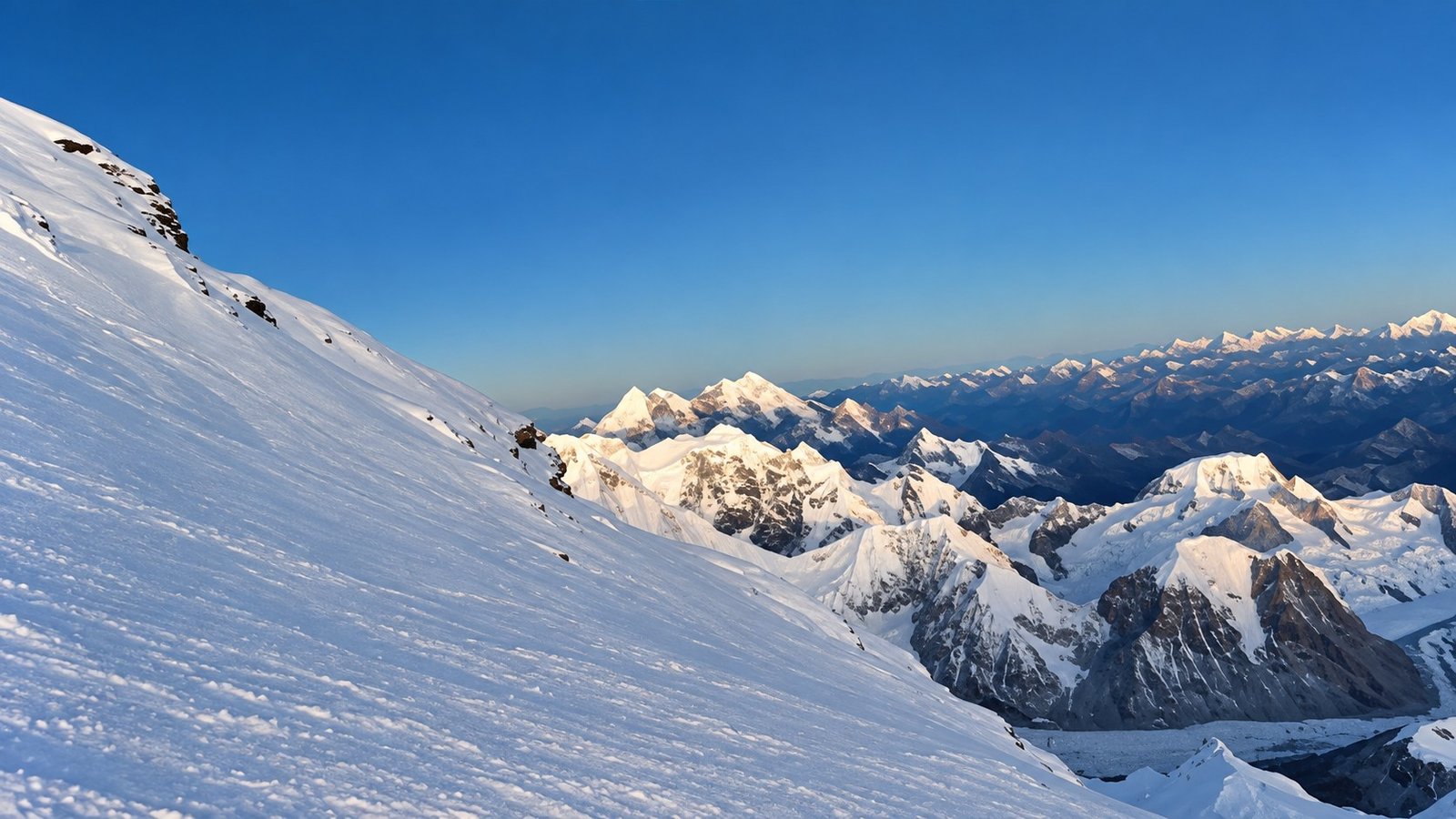
Helicopter evacuation from the high mountain cannot be assumed, and any evacuation depends on altitude, weather, available aircraft, local regulations and the ability of the climbing team to move the climber toward an accessible location.
Every member should have specialist travel and mountaineering insurance that explicitly covers technical climbing above 8,000 meters, emergency medical treatment, evacuation and repatriation within the geographical areas covered by the expedition.
Why the Expedition Is Planned for 41 Days
The road approach to Cho Oyu may appear faster than the long trekking approaches used on other Himalayan expeditions, but this does not mean the overall climb should be rushed.
Time saved on the approach needs to be invested in acclimatization. The 41-day structure allows the team to spend time in the Tibetan staging areas, adjust at Base Camp and ABC, complete progressively higher rotations and recover before the summit campaign.
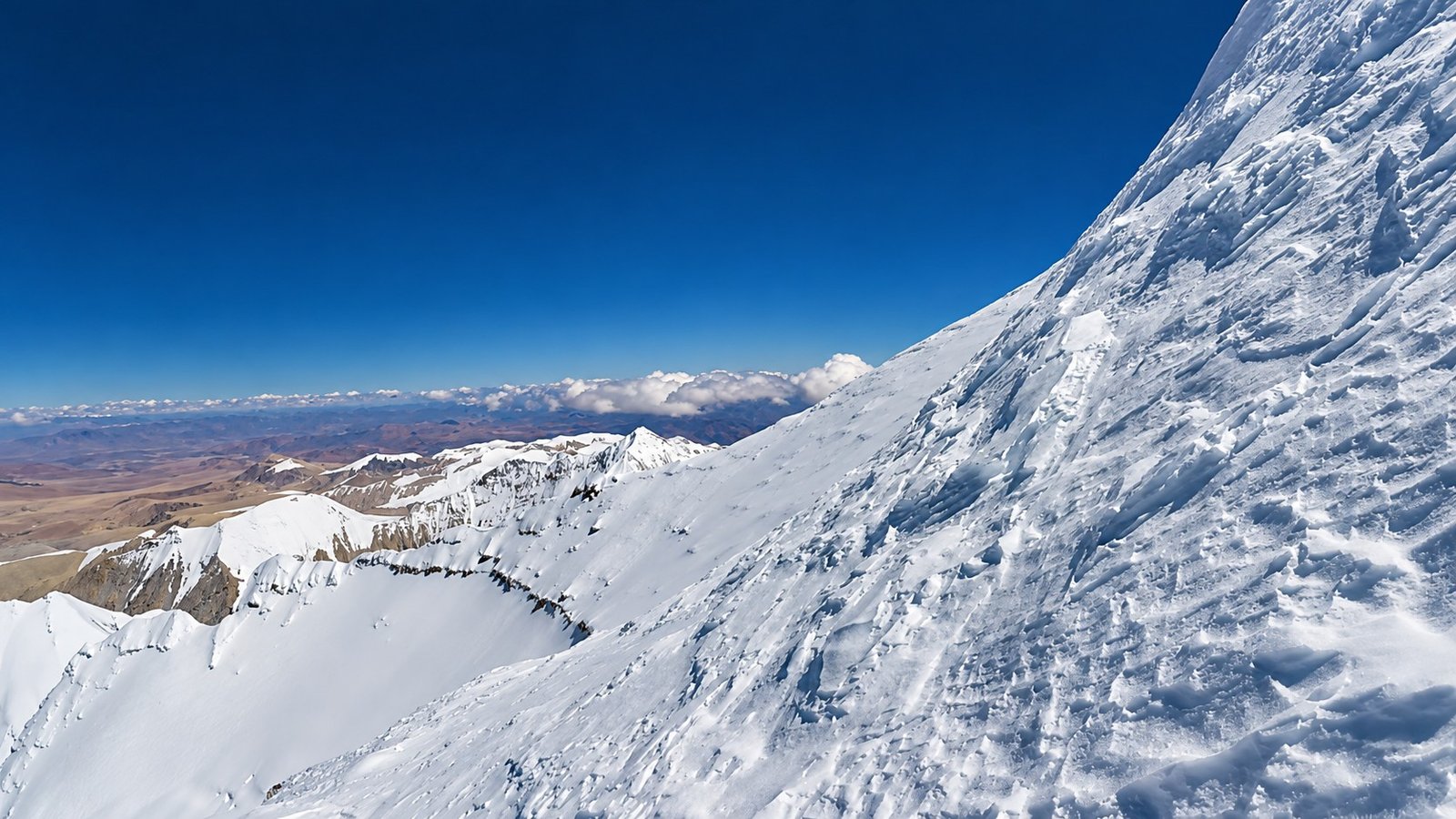
It also provides contingency around the summit window and the return journey. Border procedures, road conditions, expedition permissions and weather can all affect the schedule in addition to the normal uncertainty of climbing an 8,000-meter mountain.
The 41-day itinerary is therefore a planning framework rather than a guarantee that every mountain day will occur exactly as printed. Camp movements, rest days, summit timing and the final return schedule remain flexible.
Plan a Future Cho Oyu Expedition
Cho Oyu requires two things to come together: a climber who is properly prepared for 8,000-meter mountaineering and an expedition season in which Tibet-side foreign climbing access is officially available.
Share your previous climbing experience, preferred future season and support requirements with Nepal Royal Tourism Holiday. Our team can review your suitability, explain the planned 41-day program and confirm the Tibet-side permit, transport, oxygen and climbing arrangements once an operating season has been officially approved.
Trip Highlights
- Attempt the 8,188 m summit of Cho Oyu, the sixth-highest mountain in the world
- Travel from Kathmandu into Tibet and cross the vast high-altitude landscape of the Tibetan Plateau
- Follow the classic Tibet-side northwest route, the best-known commercial climbing line on Cho Oyu
- Acclimatize gradually through Kyirong, Tingri and the Chinese Base Camp area before moving higher
- Establish Advanced Base Camp at approx. 5,700 m as the main base for the climbing phase
- Complete progressive rotations through Camp I at approx. 6,400 m and Camp II at approx. 7,000–7,100 m
- Use Camp III at approx. 7,400 m when required by the final summit strategy and seasonal route conditions
- Climb across glacier, snow and ice terrain using crampons, fixed ropes and high-altitude mountaineering equipment
- Experience repeated climbing above 7,000 meters before committing to the final summit rotation
- Follow an expedition oxygen strategy designed for the upper mountain and summit attempt
- Cross Cho Oyu’s distinctive broad summit plateau before reaching the true 8,188-meter summit point
- - Experience a different style of Himalayan expedition, combining Tibet-side road logistics with a full 8,000-meter climbing campaign.
Cho Oyu Expedition – 41 Days ~ Itinerary
Day 1
Arrival in Kathmandu
- Maximum Altitude: Kathmandu – 1,350 m
- Overnight Altitude: Kathmandu – 1,350 m
- Activity: Airport arrival and expedition introduction
- Accommodation: Three Star Hotel in Kathmandu
Your Cho Oyu Expedition begins with your arrival in Kathmandu. A representative from Nepal Royal Tourism Holiday will meet you at the airport and transfer you to your hotel.
The remainder of the day is kept relaxed after your international journey. You will meet the expedition representatives and receive the first information about the planned Tibet-side route, documentation and preparations required before departure.
Day 2
Expedition Briefing, Gear Check and Final Documentation
- Maximum Altitude: Kathmandu – 1,350 m
- Overnight Altitude: Kathmandu – 1,350 m
- Activity: Expedition briefing, equipment check and final documentation
- Meal: Breakfast
- Accommodation: Three Star Hotel in Kathmandu
Today brings the Kathmandu preparations together into one focused expedition day. Your personal climbing equipment, 8,000-meter clothing, boots, technical hardware and expedition luggage are checked before being organised for transportation into Tibet.
The expedition leader reviews the Tibet-side journey, acclimatization schedule, Advanced Base Camp setup, high camps, supplemental oxygen plan, communication procedures and the flexible nature of the summit schedule.
Final travel and expedition documentation is also checked so the team is ready to begin the overland journey the following morning.
Day 3
Drive from Kathmandu to the Nepal–China Border and Kyirong
- Maximum Altitude: Kyirong – approx. 2,800 m
- Overnight Altitude: Kyirong – approx. 2,800 m
- Drive Duration: Around 8–10 hours including border procedures
- Drive Distance: Approx. 200–230 km depending on the border approach used
- Meal: Breakfast, Lunch and Dinner
- Accommodation: Hotel / Guesthouse in Kyirong
You leave Kathmandu and travel north through the Himalayan foothills toward the Nepal–China border.
After completing Nepalese and Chinese immigration and customs procedures, the expedition continues into Tibet and drives to Kyirong at approximately 2,800 meters.
The day can be long because border formalities and mountain roads affect travel time, so the evening is kept quiet after arrival.
Day 4
Acclimatization Day in Kyirong
- Maximum Altitude: Approx. 3,000–3,200 m during the acclimatization walk
- Overnight Altitude: Kyirong – approx. 2,800 m
- Activity: Acclimatization hike and recovery
- Activity Duration: Around 3–4 hours
- Meal: Breakfast, Lunch and Dinner
- Accommodation: Hotel / Guesthouse in Kyirong
The expedition spends a full day in Kyirong rather than moving immediately onto the much higher Tibetan Plateau.
A gentle acclimatization walk takes you above the town before returning to the lower sleeping altitude. The purpose is controlled altitude exposure rather than physical exertion.
The remainder of the day is reserved for hydration, rest and preparation for the large elevation gain to Tingri.
Day 5
Drive from Kyirong to Tingri
- Maximum Altitude: Tingri – approx. 4,350 m
- Overnight Altitude: Tingri – approx. 4,350 m
- Drive Duration: Around 5–6 hours
- Drive Distance: Approx. 205–230 km
- Altitude Gain: Around 1,550 m
- Meal: Breakfast, Lunch and Dinner
- Accommodation: Hotel / Guesthouse in Tingri
You leave the greener Kyirong valley and climb onto the high Tibetan Plateau toward Tingri.
The scenery becomes increasingly dry and open as the road gains more than 1,500 meters of elevation. On clear days, the journey begins revealing the scale of the high Himalaya.
Because you are now sleeping above 4,000 meters, activity after arrival is deliberately limited.
Day 6
Acclimatization Day in Tingri
- Maximum Altitude: Approx. 5,000 m during the acclimatization hike
- Overnight Altitude: Tingri – approx. 4,350 m
- Activity: Acclimatization hike and recovery
- Activity Duration: Around 4–5 hours
- Altitude Gain: Up to approx. 650 m before descending
- Meal: Breakfast, Lunch and Dinner
- Accommodation: Hotel / Guesthouse in Tingri
A second dedicated acclimatization day prepares the team for the move toward Cho Oyu Base Camp.
You make a controlled hike toward higher ground, potentially reaching around 5,000 meters before returning to Tingri to sleep. The climb-high, sleep-low approach gives the body another useful altitude stimulus without moving camp.
The evening is spent resting and preparing for the road journey into the Cho Oyu mountain environment.
Day 7
Drive from Tingri to Chinese Cho Oyu Base Camp
- Maximum Altitude: Chinese Base Camp – approx. 4,900 m
- Overnight Altitude: Chinese Base Camp – approx. 4,900 m
- Drive Duration: Around 2–4 hours
- Altitude Gain: Around 550 m
- Meal: Breakfast, Lunch and Dinner
- Accommodation: Expedition Tent at Chinese Base Camp
You leave Tingri and drive across the Tibetan Plateau toward the road-accessed Cho Oyu Base Camp.
At approximately 4,900 meters, the expedition enters the immediate mountain environment. Vehicles make Cho Oyu unusually accessible for an 8,000-meter peak, but the high road access also makes disciplined acclimatization essential.
After camp is established, the remainder of the day is kept quiet.
Day 8
Rest and Acclimatization at Chinese Base Camp
- Maximum Altitude: Chinese Base Camp – approx. 4,900 m
- Overnight Altitude: Chinese Base Camp – approx. 4,900 m
- Activity: Rest and acclimatization
- Meal: Breakfast, Lunch and Dinner
- Accommodation: Expedition Tent at Chinese Base Camp
Your first full day at Chinese Base Camp is dedicated to adapting to an overnight altitude close to 5,000 meters.
Short walks around camp are possible, but the main priorities are rest, hydration and observing how each climber is responding to the altitude.
The expedition staff also begins organising the equipment and supplies that will move toward Advanced Base Camp.
Day 9
Base Camp Acclimatization and Load Preparation
- Maximum Altitude: Approx. 5,050 m during a short acclimatization walk
- Overnight Altitude: Chinese Base Camp – approx. 4,900 m
- Activity: Acclimatization, equipment sorting and load preparation
- Meal: Breakfast, Lunch and Dinner
- Accommodation: Expedition Tent at Chinese Base Camp
A second night at Chinese Base Camp gives the body valuable additional time to adjust before moving above 5,000 meters.
Food, fuel, personal climbing gear and technical equipment are divided into loads for transportation toward Advanced Base Camp. Yak support is normally used for much of the logistical movement between the roadhead and ABC.
A short walk above camp can provide additional altitude exposure without creating unnecessary fatigue.
Day 10
Trek from Chinese Base Camp to Intermediate Camp
- Maximum Altitude: Intermediate Camp – approx. 5,400 m
- Overnight Altitude: Intermediate Camp – approx. 5,400 m
- Trek Duration: Around 4–6 hours
- Trek Distance: Approx. 8–12 km depending on camp placement
- Altitude Gain: Around 500 m
- Meal: Breakfast, Lunch and Dinner
- Accommodation: Expedition Tent at Intermediate Camp
The expedition leaves the road-accessed Base Camp and begins the approach toward Advanced Base Camp.
You follow moraine and high-altitude terrain toward Intermediate Camp at approximately 5,400 meters, while expedition loads are moved with yak support.
Using an intermediate night keeps the altitude progression gradual before sleeping close to 5,700 meters.
Day 11
Trek from Intermediate Camp to Advanced Base Camp
- Maximum Altitude: Advanced Base Camp – approx. 5,700 m
- Overnight Altitude: Advanced Base Camp – approx. 5,700 m
- Trek Duration: Around 4–6 hours
- Trek Distance: Approx. 7–10 km
- Altitude Gain: Around 300 m
- Meal: Breakfast, Lunch and Dinner
- Accommodation: Expedition Tent at ABC
You continue through the high moraine and glacier environment toward Cho Oyu Advanced Base Camp at approximately 5,700 meters.
ABC becomes the main operational home for the climbing phase, with member tents, dining and kitchen facilities, communications and expedition equipment established here.
After arrival, the priority is to settle into camp and recover rather than immediately climbing higher.
Day 12
Rest and Orientation at Advanced Base Camp
- Maximum Altitude: Advanced Base Camp – approx. 5,700 m
- Overnight Altitude: Advanced Base Camp – approx. 5,700 m
- Activity: Rest, camp orientation and equipment organisation
- Meal: Breakfast, Lunch and Dinner
- Accommodation: Expedition Tent at ABC
Your first full day at ABC is devoted to recovery after the approach from Chinese Base Camp.
You become familiar with the camp layout and expedition routine while equipment for the first climbing rotation is organised.
Sleeping another night at approximately 5,700 meters before climbing toward Camp I provides valuable acclimatization.
Day 13
Technical Training and Route Preparation at ABC
- Maximum Altitude: Advanced Base Camp area – approx. 5,700 m
- Overnight Altitude: Advanced Base Camp – approx. 5,700 m
- Activity: Technical training and climbing-system review
- Meal: Breakfast, Lunch and Dinner
- Accommodation: Expedition Tent at ABC
The team reviews the technical systems that will be used on the Northwest Route before beginning the first rotation.
Training covers crampon movement, fixed-rope ascending, descender use, harness procedures and glacier-travel systems. Experienced climbers use the session to become comfortable with the exact equipment and procedures being used by the expedition.
The route toward Camp I and current glacier conditions are also discussed.
Day 14
First Rotation – Advanced Base Camp to Camp I
- Maximum Altitude: Camp I – approx. 6,400 m
- Overnight Altitude: Camp I – approx. 6,400 m
- Climbing Duration: Around 5–7 hours
- Climb Distance: Route-dependent and variable with glacier conditions
- Altitude Gain: Around 700 m
- Meal: High-Altitude Meals and Expedition Rations
- Accommodation: High-Altitude Tent at Camp I
The first climbing rotation begins as you leave ABC and move onto the glaciated Northwest Route.
The route initially follows moraine and glacier terrain before climbing more steeply toward Camp I at approximately 6,400 meters.
The purpose of the day is controlled altitude exposure rather than speed, and you spend the night at Camp I.
Day 15
Acclimatization Climb Above Camp I
- Maximum Altitude: Approx. 6,700 m
- Overnight Altitude: Camp I – approx. 6,400 m
- Climbing Duration: Around 4–6 hours
- Climb Distance: Route-dependent
- Altitude Gain: Around 300 m before returning to Camp I
- Meal: High-Altitude Meals and Expedition Rations
- Accommodation: High-Altitude Tent at Camp I
You climb above Camp I toward approximately 6,700 meters, gaining experience on the terrain leading toward Camp II.
This section can introduce steeper snow and ice and the fixed-rope systems used higher on the mountain.
After reaching the planned acclimatization high point, you descend to Camp I for a second night.
Day 16
Descend from Camp I to Advanced Base Camp
- Maximum Altitude: Camp I – approx. 6,400 m
- Overnight Altitude: Advanced Base Camp – approx. 5,700 m
- Climbing Duration: Around 4–6 hours
- Climb Distance: Route-dependent
- Altitude Loss: Around 700 m
- Meal: Breakfast, Lunch and Dinner
- Accommodation: Expedition Tent at ABC
You descend from Camp I and return to Advanced Base Camp after completing the first rotation.
The lower sleeping altitude provides better conditions for food, hydration and sleep while the body absorbs the altitude gained during the previous two days.
Day 17
Rest and Recovery at Advanced Base Camp
- Maximum Altitude: Advanced Base Camp – approx. 5,700 m
- Overnight Altitude: Advanced Base Camp – approx. 5,700 m
- Activity: Full recovery day
- Meal: Breakfast, Lunch and Dinner
- Accommodation: Expedition Tent at ABC
A complete rest day follows the first rotation.
You recover while the climbing team monitors the weather, checks the route and prepares the equipment required for the first move toward 7,000 meters.
Day 18
Second Rotation – Advanced Base Camp to Camp I
- Maximum Altitude: Camp I – approx. 6,400 m
- Overnight Altitude: Camp I – approx. 6,400 m
- Climbing Duration: Around 5–7 hours
- Climb Distance: Route-dependent
- Altitude Gain: Around 700 m
- Meal: High-Altitude Meals and Expedition Rations
- Accommodation: High-Altitude Tent at Camp I
You return to Camp I to begin the second acclimatization rotation.
With the lower route now familiar, the focus shifts toward efficient movement and conserving energy for the climb to Camp II the following day.
Day 19
Climb from Camp I to Camp II
- Maximum Altitude: Camp II – approx. 7,000 m
- Overnight Altitude: Camp II – approx. 7,000 m
- Climbing Duration: Around 5–7 hours
- Climb Distance: Route-dependent
- Altitude Gain: Around 600 m
- Meal: High-Altitude Meals and Expedition Rations
- Accommodation: High-Altitude Tent at Camp II
You leave Camp I and continue toward Camp II at approximately 7,000 meters.
The route crosses snow and ice terrain, including steeper fixed-rope sections where required by the seasonal line.
Sleeping at Camp II provides the expedition’s first major exposure around 7,000 meters.
Day 20
Acclimatization Above Camp II
- Maximum Altitude: Approx. 7,100–7,200 m
- Overnight Altitude: Camp II – approx. 7,000 m
- Climbing Duration: Around 3–5 hours
- Climb Distance: Route-dependent
- Altitude Gain: Around 100–200 m before returning to Camp II
- Meal: High-Altitude Meals and Expedition Rations
- Accommodation: High-Altitude Tent at Camp II
You make a controlled climb above Camp II for additional extreme-altitude exposure.
Movement is intentionally limited because the objective is acclimatization rather than pushing aggressively toward Camp III during the second rotation.
You return to Camp II for another night before beginning the descent.
Day 21
Descend from Camp II to Advanced Base Camp
- Maximum Altitude: Camp II – approx. 7,000 m
- Overnight Altitude: Advanced Base Camp – approx. 5,700 m
- Climbing Duration: Around 6–8 hours
- Climb Distance: Route-dependent
- Altitude Loss: Around 1,300 m
- Meal: Breakfast, Lunch and Dinner
- Accommodation: Expedition Tent at ABC
You descend through Camp I and continue to Advanced Base Camp.
The substantial loss of altitude provides much better conditions for recovery after two nights around 7,000 meters.
Back at ABC, the focus returns to proper food, hydration and sleep.
Day 22
Rest and Weather Monitoring at ABC
- Maximum Altitude: Advanced Base Camp – approx. 5,700 m
- Overnight Altitude: Advanced Base Camp – approx. 5,700 m
- Activity: Recovery and upper-route assessment
- Meal: Breakfast, Lunch and Dinner
- Accommodation: Expedition Tent at ABC
The team takes another full recovery day after the Camp II rotation.
Weather forecasts and upper-route conditions are reviewed while equipment and supplies are prepared for the highest acclimatization rotation toward Camp III.
Day 23
Third Rotation – Advanced Base Camp to Camp I
- Maximum Altitude: Camp I – approx. 6,400 m
- Overnight Altitude: Camp I – approx. 6,400 m
- Climbing Duration: Around 5–7 hours
- Climb Distance: Route-dependent
- Altitude Gain: Around 700 m
- Meal: High-Altitude Meals and Expedition Rations
- Accommodation: High-Altitude Tent at Camp I
The third rotation begins with another climb to Camp I.
By now the lower route should feel considerably more familiar, allowing you to move efficiently while conserving strength for the highest point of the acclimatization program.
Day 24
Climb from Camp I to Camp II
- Maximum Altitude: Camp II – approx. 7,000 m
- Overnight Altitude: Camp II – approx. 7,000 m
- Climbing Duration: Around 5–7 hours
- Climb Distance: Route-dependent
- Altitude Gain: Around 600 m
- Meal: High-Altitude Meals and Expedition Rations
- Accommodation: High-Altitude Tent at Camp II
You return to Camp II for another night around 7,000 meters.
The purpose of this rotation is now to move beyond the altitude already reached and gain controlled exposure to the Camp III zone.
Day 25
Climb from Camp II to Camp III
- Maximum Altitude: Camp III – approx. 7,400 m
- Overnight Altitude: Camp III – approx. 7,400 m
- Climbing Duration: Around 5–7 hours
- Climb Distance: Route-dependent
- Altitude Gain: Around 400 m
- Meal: High-Altitude Expedition Rations
- Accommodation: High-Altitude Tent at Camp III
You climb from Camp II toward Camp III at approximately 7,400 meters.
The vertical gain is smaller than on some earlier stages, but movement becomes increasingly slow as the expedition enters the extreme-altitude environment.
This high exposure gives the team valuable information about individual readiness before returning to ABC for the main recovery period.
Day 26
Descend from Camp III to Advanced Base Camp
- Maximum Altitude: Camp III – approx. 7,400 m
- Overnight Altitude: Advanced Base Camp – approx. 5,700 m
- Climbing Duration: Around 7–9 hours
- Climb Distance: Route-dependent
- Altitude Loss: Around 1,700 m
- Meal: Breakfast, Lunch and Dinner
- Accommodation: Expedition Tent at ABC
You descend from Camp III through Camp II and Camp I before continuing toward Advanced Base Camp.
Dropping approximately 1,700 meters provides a major recovery benefit after exposure around 7,400 meters.
The primary acclimatization phase is now complete, and attention begins shifting toward the summit window.
Day 27
Full Recovery Day at Advanced Base Camp
- Maximum Altitude: Advanced Base Camp – approx. 5,700 m
- Overnight Altitude: Advanced Base Camp – approx. 5,700 m
- Activity: Full recovery
- Meal: Breakfast, Lunch and Dinner
- Accommodation: Expedition Tent at ABC
Today is devoted entirely to physical recovery after the highest acclimatization rotation.
You eat, sleep and hydrate while avoiding unnecessary exertion. The climbing and support teams continue monitoring conditions on the upper mountain.
Day 28
Weather Review and Final Summit Preparation
- Maximum Altitude: Advanced Base Camp – approx. 5,700 m
- Overnight Altitude: Advanced Base Camp – approx. 5,700 m
- Activity: Summit forecast, oxygen preparation and final equipment checks
- Meal: Breakfast, Lunch and Dinner
- Accommodation: Expedition Tent at ABC
The expedition leader reviews the summit forecast and upper-route conditions before committing the team to the final rotation.
Oxygen cylinders, masks, regulators, summit clothing, gloves, goggles, headlamps, food and technical equipment are checked carefully.
The summit rotation begins only when the weather window and condition of the team justify moving higher.
Day 29
Begin Final Summit Rotation – ABC to Camp I
- Maximum Altitude: Camp I – approx. 6,400 m
- Overnight Altitude: Camp I – approx. 6,400 m
- Climbing Duration: Around 5–7 hours
- Climb Distance: Route-dependent
- Altitude Gain: Around 700 m
- Meal: High-Altitude Meals and Expedition Rations
- Accommodation: High-Altitude Tent at Camp I
The final summit rotation begins with the familiar climb from ABC to Camp I.
From this point onward, conserving energy becomes especially important. The aim is to reach the final summit camp with enough physical reserve for the climb above 8,000 meters.
Day 30
Climb from Camp I to Camp II
- Maximum Altitude: Camp II – approx. 7,000 m
- Overnight Altitude: Camp II – approx. 7,000 m
- Climbing Duration: Around 5–7 hours
- Climb Distance: Route-dependent
- Altitude Gain: Around 600 m
- Meal: High-Altitude Expedition Rations
- Accommodation: High-Altitude Tent at Camp II
You climb from Camp I toward Camp II and return to the extreme-altitude environment around 7,000 meters.
Supplemental oxygen may be introduced during this stage according to the confirmed expedition strategy and individual requirements.
After reaching camp, the focus is on hydration, food and rest before moving to the final summit staging camp.
Day 31
Climb from Camp II to Camp III – Final Summit Staging
- Maximum Altitude: Camp III – approx. 7,400 m
- Overnight Altitude: Camp III – approx. 7,400 m
- Climbing Duration: Around 5–7 hours
- Climb Distance: Route-dependent
- Altitude Gain: Around 400 m
- Meal: High-Altitude Expedition Rations
- Accommodation: High-Altitude Tent at Camp III
You leave Camp II and climb toward Camp III at approximately 7,400 meters, the planned final staging point for the summit attempt.
The team moves conservatively because even relatively modest vertical gains require considerable effort at this altitude.
After reaching camp, oxygen systems and summit equipment are checked once more before resting for the night departure.
Day 32
Summit Attempt – Cho Oyu 8,188 m
- Maximum Altitude: Cho Oyu Summit – 8,188 m
- Planned Overnight Altitude: Camp II – approx. 7,000 m
- Alternative Overnight Altitude: Camp III – approx. 7,400 m if descent is delayed
- Climbing Duration: Around 10–14 hours depending on conditions and descent progress
- Climb Distance: Route-dependent
- Altitude Gain: Around 788 m from Camp III to the summit
- Meal: High-Altitude Expedition Rations
- Accommodation: High-Altitude Tent
The summit attempt normally begins during the night or very early morning from Camp III. Wearing full 8,000-meter clothing and using supplemental oxygen according to the climbing plan, you begin the final ascent toward the upper mountain.
The route includes fixed ropes, steep snow and ice and a short rocky section before opening onto Cho Oyu’s broad summit plateau.
Reaching the plateau itself does not automatically mean the true summit has been reached. The route continues across the high plateau toward the actual 8,188-meter summit point.
After reaching the summit, the team begins descending immediately. The planned objective is Camp II around 7,000 meters, although Camp III may be used if weather, daylight, fatigue or other conditions slow the descent.
The summit is never guaranteed. Turnaround decisions are based on weather, oxygen supply, climbing speed and the ability to descend safely.
Day 33
ISummit Contingency or Continue Descent
- Maximum Altitude: Up to Cho Oyu Summit – 8,188 m if the summit attempt is delayed
- Planned Overnight Altitude: Camp I – approx. 6,400 m after an on-schedule summit
- Activity: Summit contingency or descent through the upper camps
- Meal: High-Altitude Expedition Rations
- Accommodation: High-Altitude Tent
This day provides essential flexibility around the summit window.
If weather delayed the planned attempt on Day 32, today can become the summit day while the same safety and turnaround principles apply.
If the summit was completed on schedule, you continue descending from Camp II through the upper route toward Camp I, reducing exposure to extreme altitude as quickly and safely as conditions allow.
Day 34
Return to Advanced Base Camp
- Maximum Altitude: Camp I – approx. 6,400 m
- Overnight Altitude: Advanced Base Camp – approx. 5,700 m
- Climbing Duration: Around 4–6 hours from Camp I
- Climb Distance: Route-dependent
- Altitude Loss: Around 700 m from Camp I
- Meal: Breakfast, Lunch and Dinner
- Accommodation: Expedition Tent at ABC
You continue downward through the familiar glacier terrain and return to Advanced Base Camp.
Reaching ABC marks the end of the main high-altitude climbing phase and provides considerably better conditions for recovery after the summit rotation.
The expedition team begins assessing equipment and organising the eventual move back toward the road-accessed Base Camp.
Day 35
Recovery and Expedition Cleanup at ABC
- Maximum Altitude: Advanced Base Camp – approx. 5,700 m
- Overnight Altitude: Advanced Base Camp – approx. 5,700 m
- Activity: Recovery, equipment consolidation and camp cleanup
- Meal: Breakfast, Lunch and Dinner
- Accommodation: Expedition Tent at ABC
A final full day at Advanced Base Camp allows the team to recover before beginning the journey out of the mountains.
Climbing equipment is consolidated, loads are prepared for yak transport and expedition waste-management procedures are completed.
Road and border arrangements are also reconfirmed before leaving the mountain.
Day 36
Trek from Advanced Base Camp to Chinese Base Camp
- Maximum Altitude: Advanced Base Camp – approx. 5,700 m
- Overnight Altitude: Chinese Base Camp – approx. 4,900 m
- Trek Duration: Around 6–8 hours
- Trek Distance: Approx. 15–20 km depending on seasonal camp placement
- Altitude Loss: Around 800 m
- Meal: Breakfast, Lunch and Dinner
- Accommodation: Expedition Tent at Chinese Base Camp
You leave Advanced Base Camp and descend through the moraine toward the road-accessed Chinese Base Camp.
Expedition loads travel with the organised yak team while climbers make the final walk out from the main mountain environment.
Arrival at Chinese Base Camp marks the end of the walking and climbing section of the expedition.
Day 37
Drive from Chinese Base Camp to Tingri
- Maximum Altitude: Chinese Base Camp – approx. 4,900 m
- Overnight Altitude: Tingri – approx. 4,350 m
- Drive Duration: Around 2–4 hours
- Altitude Loss: Around 550 m
- Meal: Breakfast, Lunch and Dinner
- Accommodation: Hotel / Guesthouse in Tingri
The expedition leaves Cho Oyu behind and returns by road across the Tibetan Plateau toward Tingri.
Even the modest drop to approximately 4,350 meters feels noticeably different after several weeks spent around ABC and the high camps.
The evening is kept relaxed before the longer journey toward Kyirong.
Day 38
Drive from Tingri to Kyirong
- Maximum Altitude: Approx. 5,050 m on the Tibetan Plateau road
- Overnight Altitude: Kyirong – approx. 2,800 m
- Drive Duration: Around 5–6 hours
- Drive Distance: Approx. 205 km
- Altitude Loss: Around 1,550 m from Tingri to Kyirong
- Meal: Breakfast, Lunch and Dinner
- Accommodation: Hotel / Guesthouse in Kyirong
You continue across the Tibetan Plateau before beginning the substantial descent toward Kyirong.
The road passes through high terrain before dropping into the much greener border region.
By the time you reach Kyirong at approximately 2,800 meters, the thicker air provides considerable physical relief after the prolonged high-altitude expedition.
Day 39
- Maximum Altitude: Kyirong – approx. 2,800 m
- Overnight Altitude: Kathmandu – 1,350 m
- Drive Duration: Around 7–9 hours including border procedures
- Drive Distance: Approx. 200–240 km depending on the operating road route
- Altitude Loss: Around 1,450 m
- Meal: Breakfast and Lunch
- Accommodation: Three Star Hotel in Kathmandu
You travel from Kyirong toward the international border and complete the Chinese and Nepalese immigration procedures.
After crossing back into Nepal, the journey continues south through the mountain valleys toward Kathmandu.
Border processing, traffic and road conditions can influence the final arrival time. After reaching Kathmandu, you transfer to your hotel and return to normal accommodation.
Day 40
Recovery and Contingency Day in Kathmandu
- Maximum Altitude: Kathmandu – 1,350 m
- Overnight Altitude: Kathmandu – 1,350 m
- Activity: Recovery, contingency and free time
- Meal: Breakfast
- Accommodation: Three Star Hotel in Kathmandu
The final full day is kept as an important buffer after an international 8,000-meter expedition.
If the summit schedule, Tibetan road journey or border crossing caused delays, this day helps protect your international departure arrangements.
If the expedition has remained on schedule, you can use the day to recover, reorganise equipment, shop or spend some free time in Kathmandu.
Day 41
Final Departure
- Maximum Altitude: Kathmandu – 1,350 m
- Overnight Altitude: None
- Activity: Airport transfer and international departure
- Meal: Breakfast
- Accommodation: None
Your 41-day Cho Oyu Expedition comes to an end today.
Depending on your international flight schedule, you may have some free time before a Nepal Royal Tourism Holiday representative transfers you to Tribhuvan International Airport for your onward journey.
The expedition concludes after travelling from Kathmandu into Tibet, gradually acclimatizing across Kyirong and Tingri, establishing the climbing program from Advanced Base Camp and completing progressive rotations toward the planned 8,188-meter summit attempt.
Trip Cost Includes/Excludes
Cost Includes
- Cho Oyu Tibet-side climbing authorization, subject to official approval
- Required Tibet travel and route documentation
- Border and expedition administrative coordination
- Kathmandu–Tibet border transportation according to the confirmed route
- Group road transportation within Tibet
- Hotel accommodation in Kathmandu as specified
- Hotel or lodge accommodation during the Tibet approach
- Expedition accommodation at Chinese Base Camp
- Member tents and facilities at Advanced Base Camp
- High-altitude tents at the upper camps
- Meals during the included Tibet approach and expedition period
- Base Camp and ABC dining and kitchen facilities
- High-altitude meals and climbing rations
- Climbing Sherpa / high-altitude guide support according to the confirmed guide ratio
- Base Camp, kitchen and expedition support staff
- Expedition logistics and load coordination
- Fixed-rope and shared route infrastructure according to the official route system
- Shared climbing and high-camp equipment as specified
- Supplemental oxygen according to the confirmed cylinder allocation
- Oxygen masks and regulators according to the confirmed package
- Liaison and required Tibet-side administrative support
- Radio and/or satellite communication for expedition operations
- Weather, route and logistical coordination during the climbing period
- Company expedition completion certificate and T-shirt
Cost Excludes
- International airfare to and from Nepal
- Nepal tourist visa fee
- Personal China or Tibet travel expenses outside the group package
- Personal 8,000-meter mountaineering insurance
- Emergency evacuation and rescue expenses
- Hospital and personal medical expenses
- Personal 8,000-meter mountaineering boots
- Personal crampons, harness and climbing helmet
- Personal ice axe, ascender and descender
- Personal expedition down suit and high-altitude clothing
- Personal sleeping bag and individual sleeping equipment
- Other personal technical climbing equipment
- Personal medications and medical supplies
- Laundry, internet, phone and charging costs
- Snacks, drinks and other personal purchases
- Excess baggage above the confirmed expedition allowance
- Additional hotel nights outside the program
- Extra expenses caused by personal itinerary changes
- Tips for guides, Sherpas, Tibetan staff, drivers and support crew
- Costs resulting from services not included in the final agreement
- - Any other personal or unscheduled expenses
Trip Photo/Video Gallery
Frequently Asked Questions
Cho Oyu stands at 8,188 meters / 26,864 feet and is the sixth-highest mountain in the world.
Our planned program is 41 days from Kathmandu to Kathmandu. Cho Oyu expeditions generally require around 39 to 45 days depending on the Tibet access route, acclimatization, climbing rotations, summit strategy and contingency time.
The standard commercial route is climbed from the Tibet side. Kathmandu can still serve as the international arrival, preparation and departure point, but the actual climbing program requires Tibet-side access and authorization.
Cho Oyu should only be confirmed once foreign climbing access, Tibet travel arrangements and the necessary expedition permissions have been officially approved for the selected season. Until then, departures should be treated as future programs rather than guaranteed climbing dates.
Cho Oyu is often described as one of the less technically difficult 8,000-meter mountains by its standard route, but that does not make it easy. Climbers still face extreme altitude, glacier travel, fixed ropes, steep snow and ice, severe cold and a long summit day above 8,000 meters.
Climbers should already have solid high-altitude mountaineering experience and be comfortable using crampons, an ice axe, harness, ascender, descender and fixed ropes. Previous 7,000-meter expedition experience is strongly recommended before attempting Cho Oyu.
Cho Oyu Advanced Base Camp is generally established around 5,700 meters. It becomes the main living, recovery and logistical base during the climbing phase.
Camp I is normally around 6,400 meters and Camp II around 7,000–7,100 meters. Camp III may be established around 7,400 meters when the expedition strategy calls for it. Exact camp positions can vary with snow, glacier and route conditions.
No. Some expedition strategies use Camp III as the final summit staging camp, while others may begin the final push from Camp II. The decision depends on acclimatization, weather, oxygen strategy and the route established during the season.
Supplemental oxygen is commonly used during the upper stages of modern commercial Cho Oyu expeditions. The exact starting altitude, cylinder allocation and flow strategy depend on the climber and the confirmed expedition package.
The upper mountain opens onto a broad summit plateau. Reaching the plateau itself does not necessarily mean the true summit has been reached, and climbers may still need to continue across the high plateau before reaching the actual 8,188-meter summit point.
You need specialist mountaineering insurance that explicitly covers technical climbing above 8,000 meters, emergency medical treatment, evacuation and repatriation in the geographical areas covered by the expedition. Rescue possibilities can still depend on weather, altitude, terrain and Tibet-side operating restrictions.
You may also like


Menu
