


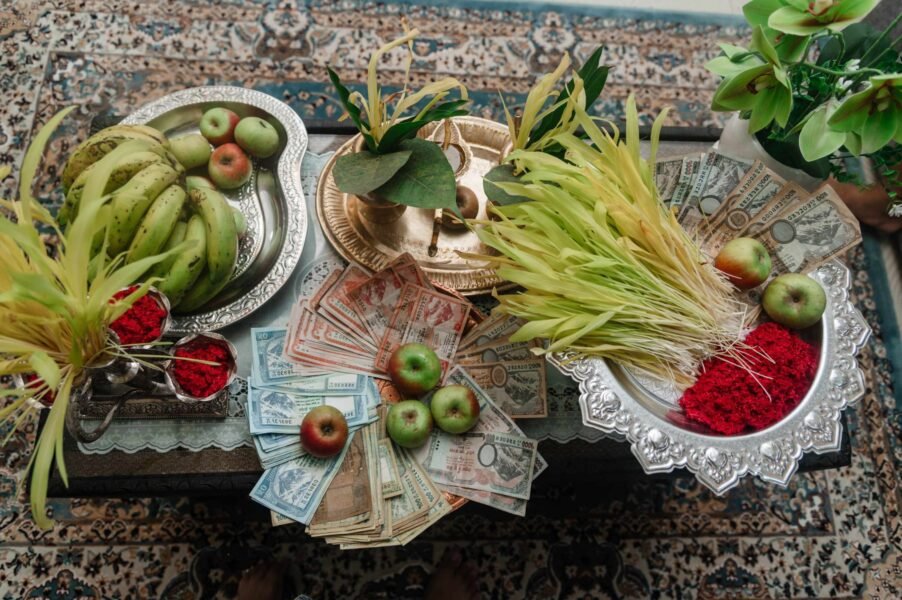
Dashain Festival in Nepal 2026: Dates, Traditions, Celebrations and Best Places to Experience
Dashain is the time of year when Nepal seems to move in two directions at once.
Kathmandu begins to empty as people travel back to their home districts, while villages that are quiet for much of the year suddenly fill with children, grandparents, cousins and relatives returning from cities or from abroad.
Markets become crowded before the main holiday. Bamboo swings appear in open spaces. Kites rise above rooftops. Homes prepare for guests, temples become busier and families begin planning the long round of visits that comes with tika.

For travellers, this makes Dashain one of the most interesting times to be in Nepal. But it can also be confusing if you only hear that Dashain is a “15-day festival.”
Not every day looks the same, and much of what makes Dashain important happens inside homes rather than at one large public celebration.
In 2026, Dashain begins with Ghatasthapana on Sunday, October 11. The main tika day, Vijaya Dashami, falls on Wednesday, October 21, and the festival period concludes with Kojagrat Purnima on Sunday, October 25.
Dashain 2026 Important Dates
Ghatasthapana: October 11 | Fulpati: October 17 | Maha Ashtami: October 18 | Maha Navami: October 20 | Vijaya Dashami: October 21 | Kojagrat Purnima: October 25
Dashain 2026 Dates in Nepal
| Festival Day | 2026 Date | What Happens |
|---|---|---|
| Ghatasthapana | Sunday, October 11 | Dashain begins. Families establish the sacred kalash and sow grains for jamara. |
| Fulpati | Saturday, October 17 | The seventh day and the beginning of the most active holiday period for many families. |
| Maha Ashtami | Sunday, October 18 | A major day of Durga worship, special pujas and, in some traditions, animal sacrifice. |
| Maha Navami | Tuesday, October 20 | Durga worship continues, while tools, vehicles and machinery are also worshipped in many homes and workplaces. |
| Vijaya Dashami / Tika | Wednesday, October 21 | The main family day. Elders give tika, jamara, blessings and often dakshina to younger relatives. |
| Kojagrat Purnima | Sunday, October 25 | The full-moon observance marking the end of the Dashain period. |
A small calendar detail worth knowing: Dashain follows the Hindu lunar calendar. Lunar tithis do not always line up neatly with one Gregorian date after another, so the major festival days can occasionally appear to skip a date on the English calendar.
What Is Dashain?
Dashain, also known as Bada Dashain or Vijaya Dashami, is Nepal’s longest and most widely observed Hindu festival. Religiously, the festival is closely associated with Goddess Durga and the victory of divine power over destructive forces.
But that only explains one part of Dashain. For many Nepali families, Dashain is also the biggest homecoming of the year.
People who live in Kathmandu, other cities or overseas often plan their yearly return around the festival. Grandparents wait for children and grandchildren.

Relatives who may not have met for months gather under the same roof. New clothes are bought, large meals are prepared and family visits can continue for days after the main tika ceremony.
That is why Dashain can sometimes look surprisingly quiet to a traveller standing in central Kathmandu on the main day. The real celebration may be happening inside homes, in neighbourhoods and in villages across the country.
Why Is Dashain Celebrated?
The best-known religious meaning of Dashain is the victory of good over evil.
Goddess Durga is worshipped in different forms throughout Navaratri. One widely told tradition connects the festival with Durga’s victory over the buffalo demon Mahishasura.
Vijaya Dashami therefore carries ideas of victory, protection, strength and renewal.

Other Hindu traditions connect Vijaya Dashami with Lord Rama’s victory over Ravana. The religious stories emphasised may vary between families and communities, but the broader theme remains similar: harmful forces are defeated and an auspicious new period begins.
In everyday life, however, many people experience Dashain less through mythology than through familiar family rituals: growing jamara, visiting elders, receiving tika, sharing meals and making the journey home.
Why Does Dashain Last 15 Days?
Dashain begins on Ghatasthapana, the first day of the bright lunar fortnight, and continues until Kojagrat Purnima, the full moon. The first nine days are connected with Navaratri and the worship of different forms of Goddess Durga.
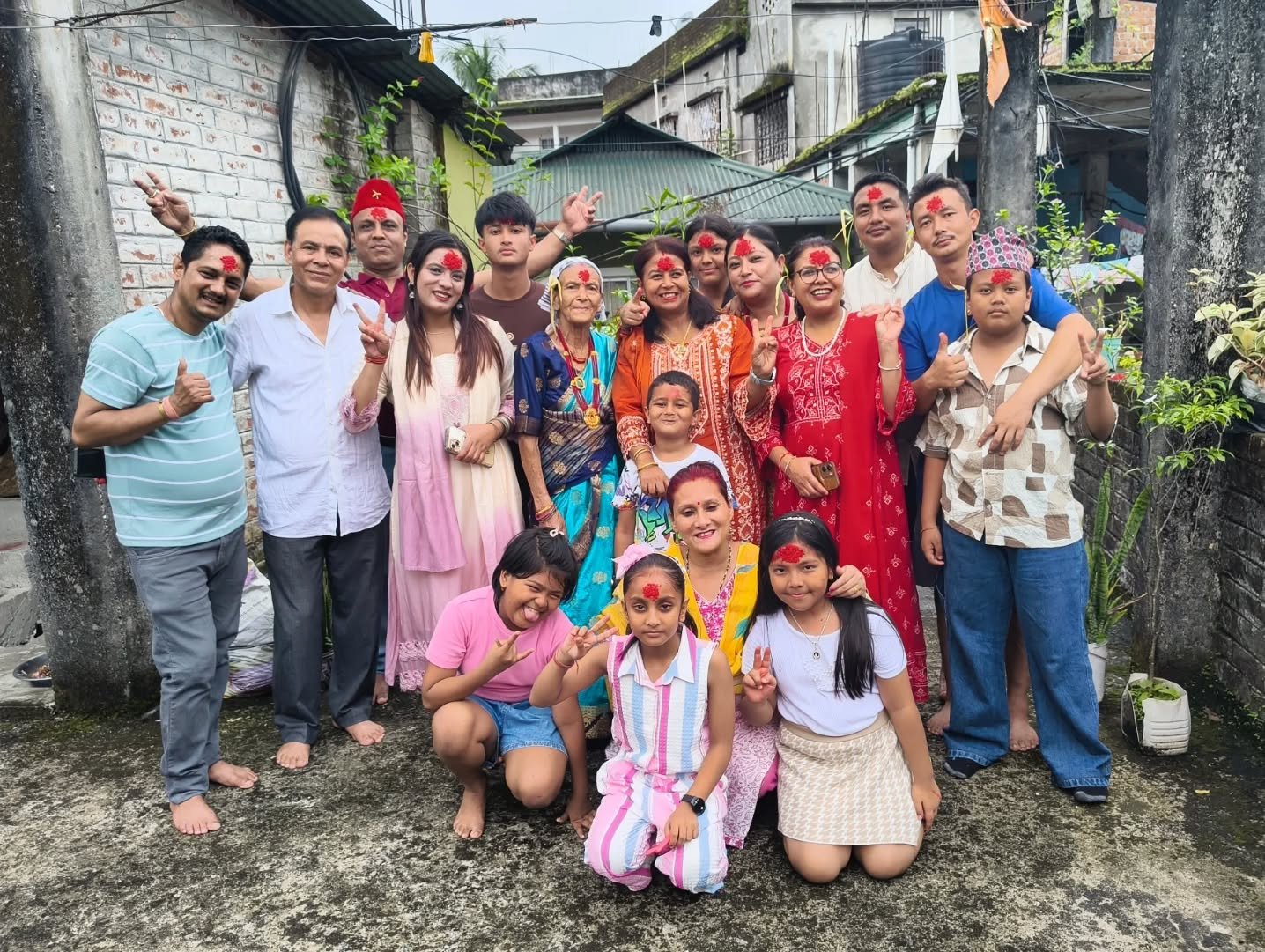
The tenth day, Vijaya Dashami, is the main family tika day. Tika visits can then continue for several days as people travel from one relative’s home to another before the festival formally ends on the full moon.
This is why saying that “Dashain is on October 21” is not completely accurate. October 21 is the biggest day in 2026, but the festival will already have been underway for ten days.
Ghatasthapana: The Beginning of Dashain
Ghatasthapana on October 11, 2026 marks the formal beginning of Dashain.
In many Hindu households, a sacred space is prepared for the worship of Durga. A kalash, or ritual vessel, is established and grains are planted in soil or sand in a protected area.
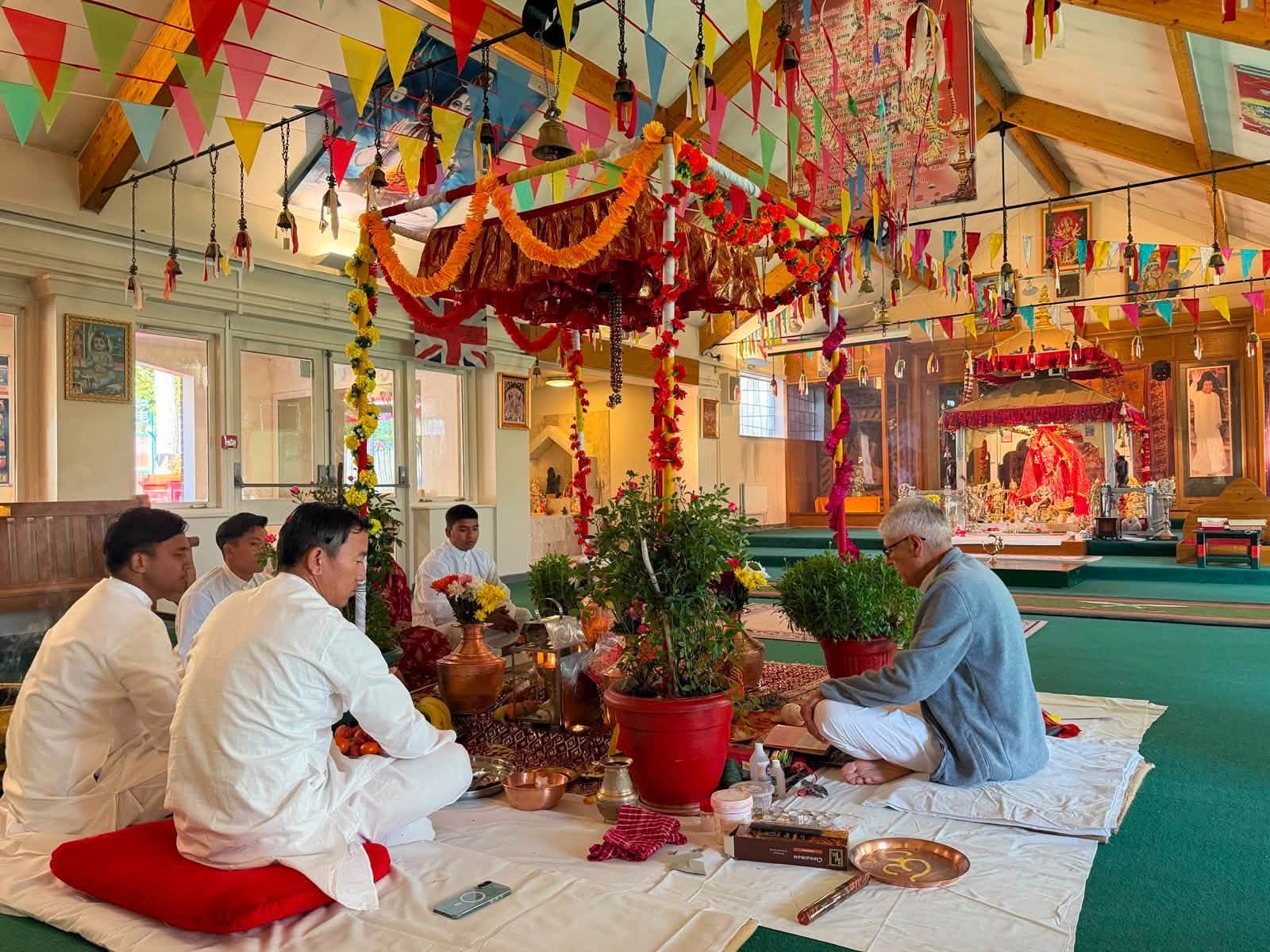
The grains are kept away from strong direct sunlight and gradually grow into pale yellow-green shoots known as jamara. Barley is strongly associated with the tradition, although the exact grains used may differ between families.
On Vijaya Dashami, the jamara is removed and given by elders together with tika and blessings.
Fulpati: When Dashain Becomes More Visible
Fulpati falls on Saturday, October 17 in 2026. By this point, the atmosphere of the festival has changed noticeably.
Families are already travelling, markets have been busy for days and many workplaces are moving into their main holiday period.
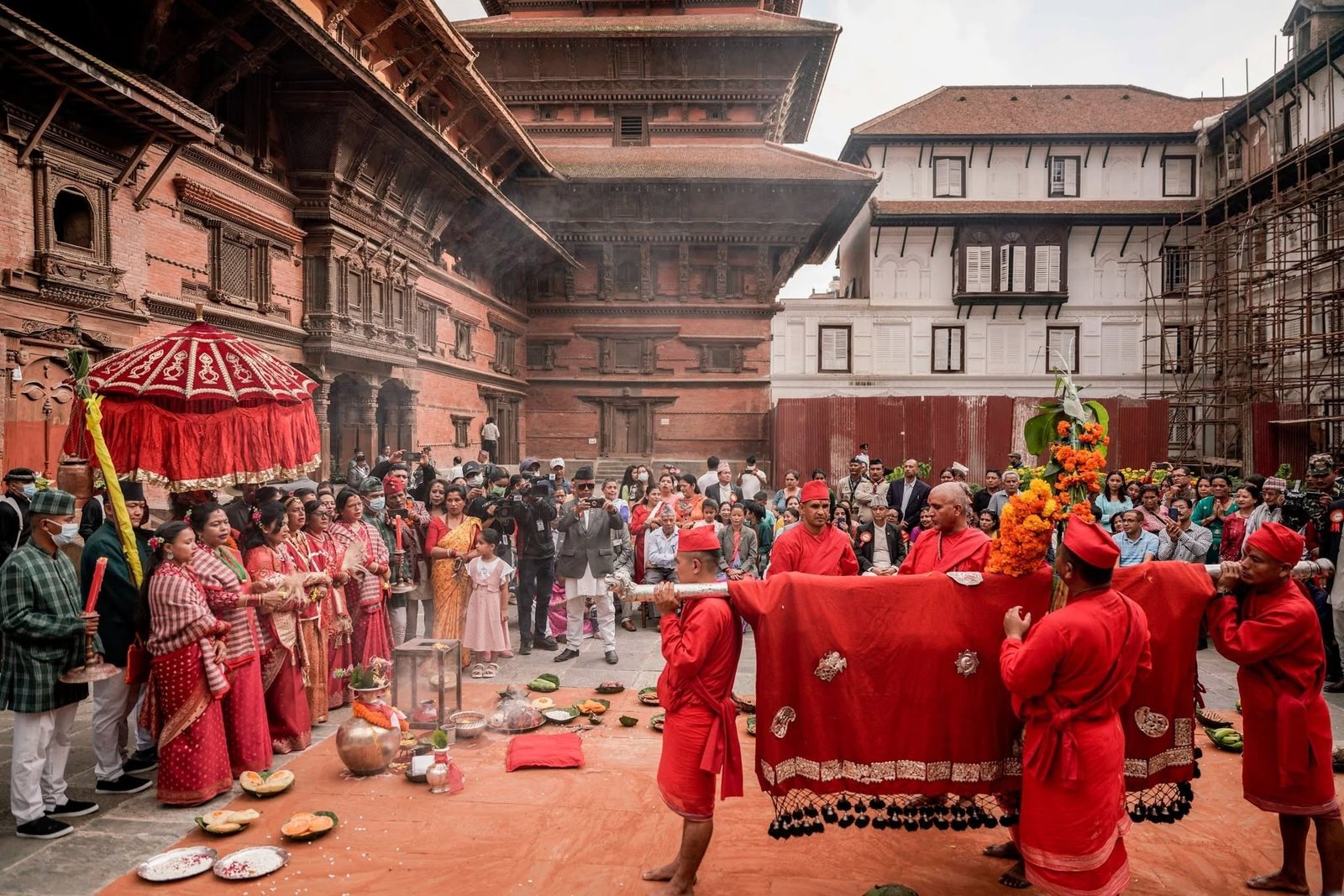
Fulpati has religious and historical traditions connected with the ceremonial bringing of sacred flowers and plants. In Kathmandu, some public ceremonies still retain links with Nepal’s former royal Dashain traditions.
For many ordinary households, however, Fulpati simply feels like the moment when the biggest part of Dashain has finally arrived.
Maha Ashtami and Maha Navami
Maha Ashtami falls on Sunday, October 18, while Maha Navami falls on Tuesday, October 20, 2026. These are among the most religiously important days of Dashain.
Durga is worshipped in powerful forms, temples receive large numbers of devotees and special household pujas are performed.

Maha Navami is also associated with worship of the tools and equipment people rely on for their work. Vehicles, machinery and workshops may receive tika, flowers and other ritual offerings.
If you are travelling through Nepal during Dashain, it is quite normal to see buses, motorcycles, taxis or work equipment decorated after puja.
In Kathmandu, Taleju Temple at Kathmandu Durbar Square is particularly interesting during Maha Navami. The temple is normally closed to the general public but traditionally opens during Dashain on this day.
Vijaya Dashami: The Main Tika Day
Wednesday, October 21, 2026 is Vijaya Dashami, the day most people mean when they talk about “Dashain tika.” This is primarily a family day.
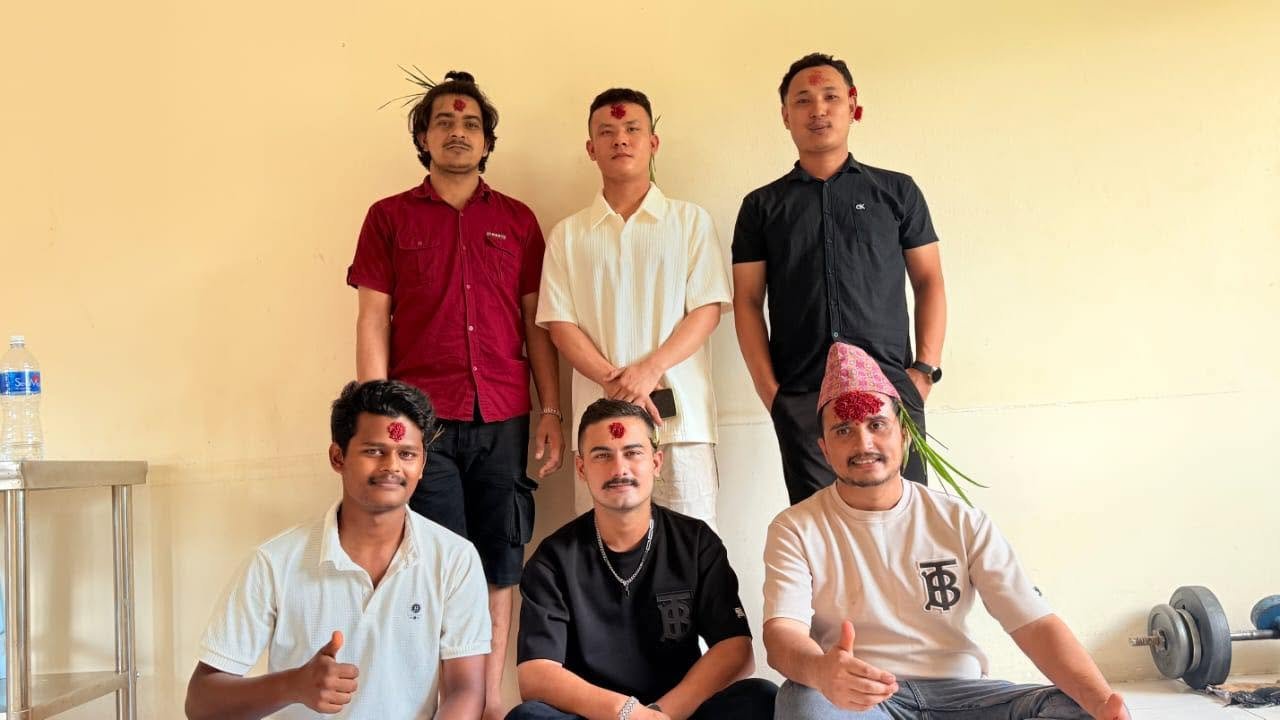
Younger relatives visit elders to receive blessings. Tika is placed on the forehead and jamara is given as part of the ceremony.
In many families, elders also give dakshina, usually money or a small gift, particularly to children and younger members of the family.
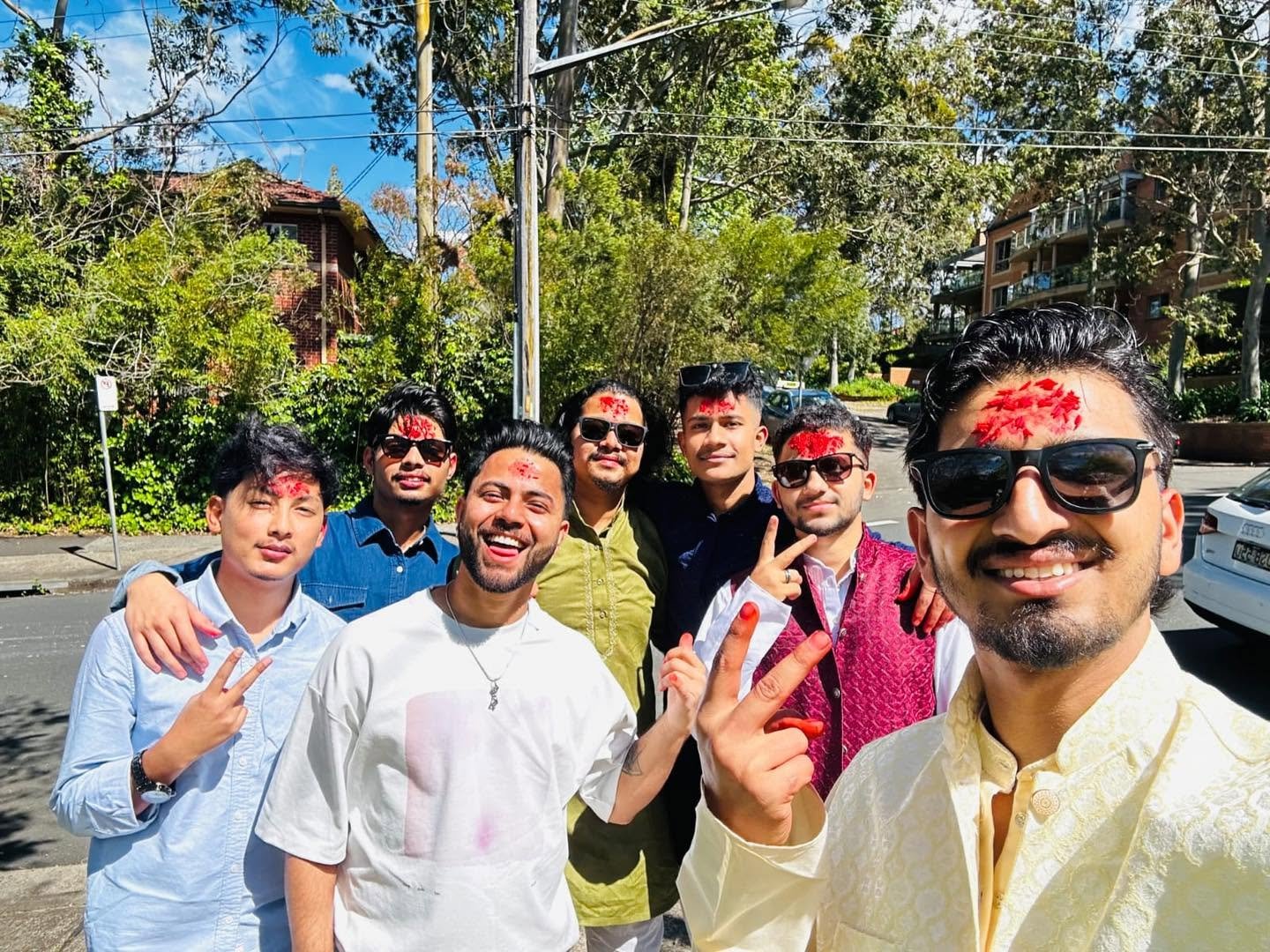
The exact appearance of tika and the way the ritual is performed can differ between communities and households. That variation is normal. Nepal is culturally diverse, and there is no reason to expect every family to celebrate Dashain in exactly the same way.
After tika, families eat together and continue visiting other relatives. For some people, this means travelling across Kathmandu. For others, it means moving between villages or spending several days visiting different branches of the family.
Tika is not a tourist performance
If a Nepali family invites you to receive tika, it can be a memorable experience. But a private family ceremony should not be treated like an attraction that visitors can simply enter. Follow the lead of your host, ask before taking photographs and remember that different families may follow different traditions.
What Do Tika, Jamara and Dakshina Mean?
These three things are so closely connected with Dashain that understanding them makes the main festival day much easier to understand.
Tika is commonly prepared from rice, yoghurt and vermilion and placed on the forehead while blessings are given. The exact mixture and colour can vary between communities.
Jamara is the sacred shoot grown from the grains planted on Ghatasthapana. Elders give it together with tika as part of their blessing for health, prosperity and well-being.
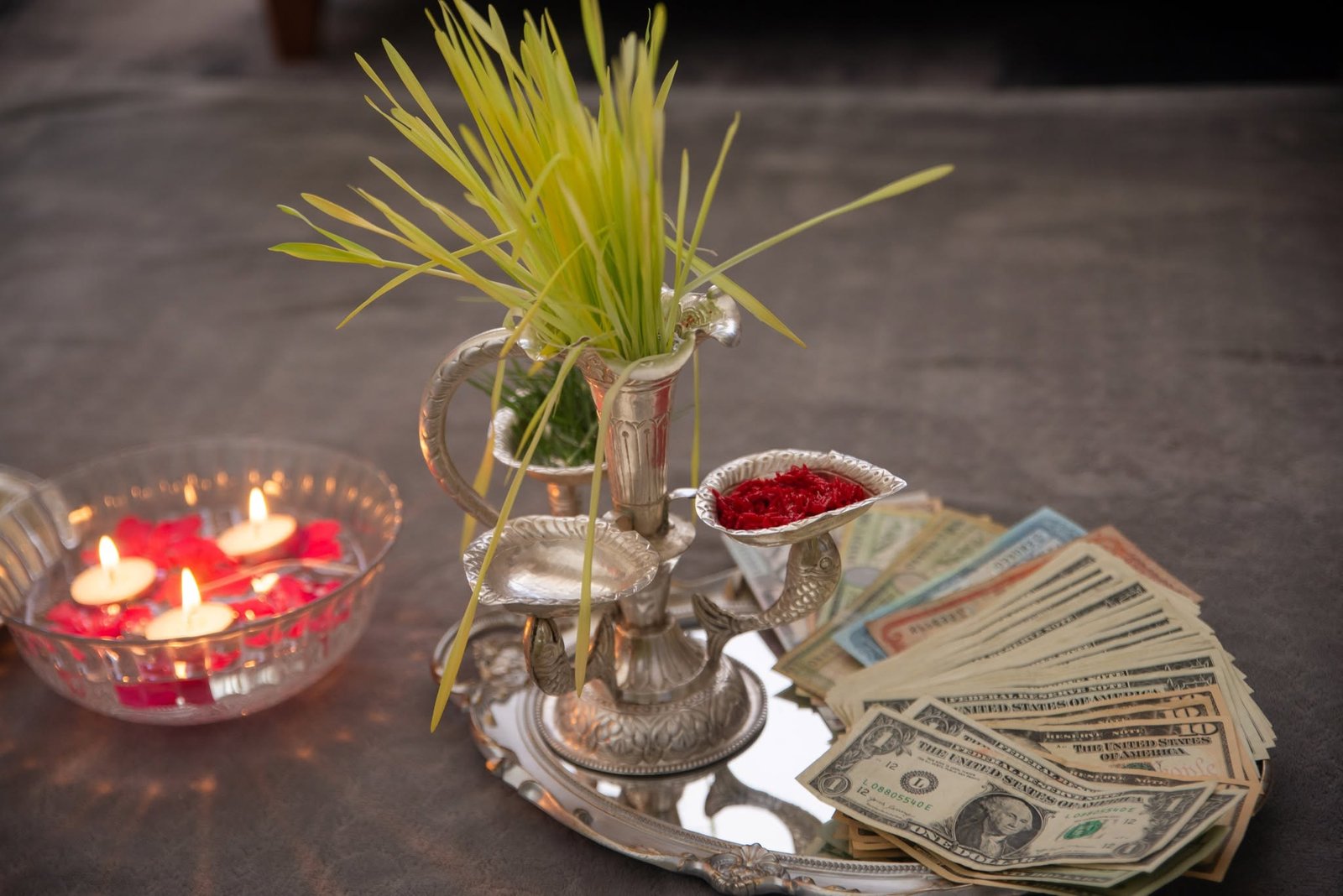
Dakshina generally refers to money or a gift given during the blessing. Unsurprisingly, children can become particularly enthusiastic about this part of Dashain.
Together, tika, jamara and blessings make Vijaya Dashami both religious and deeply personal. The ritual itself may take only a few minutes, but the family relationship behind the blessing can stretch across generations.
Family Reunions: The Part of Dashain Visitors May Not See
If you stay only in central Kathmandu, Dashain can sometimes seem surprisingly quiet. That quietness is actually part of the story.
Large numbers of people leave the Kathmandu Valley to return to family homes elsewhere in Nepal. Nepalis working overseas also try to arrange annual leave around the festival when circumstances allow.
As a result, city roads that normally feel permanently congested can become unusually calm around the main tika day, while villages and smaller towns feel much more alive.
For many families, the strongest Dashain memories have little to do with public ceremonies. They are long journeys home, grandparents waiting for children and grandchildren, cousins sleeping in every available room, kitchens operating from early morning and relatives appearing throughout the day.
That is why Dashain can be difficult to understand only through sightseeing.
Dashain Swings, Kites, Food and Games
Dashain also has a much more playful side.
Traditional bamboo swings, commonly known as linge ping, are built in many communities. They are especially associated with village Dashain, although you can still find them around towns and the Kathmandu Valley.

Kite flying is another familiar Dashain tradition. Rooftops once filled with children competing to cut one another’s kite strings, and although the tradition is less dominant in some urban areas than it once was, kites remain strongly associated with the festival.
Food becomes another major part of the holiday. Meat dishes are common in many households, particularly goat meat. Sel roti, fried foods, rice, curries, pickles, sweets and individual family specialities also appear on tables across the country.

There is no single official Dashain menu. What is served depends on the family, community, region and personal preference.
Cards and other games are also common during family gatherings. Part of the attraction is simply having several days when relatives can spend time together without immediately returning to work or school.
Animal Sacrifice During Dashain
Animal sacrifice is one part of Dashain that travel articles sometimes avoid mentioning, even though it remains part of the festival for some Hindu families and temples.
Sacrifices are particularly associated with worship of Goddess Durga during Maha Ashtami and Maha Navami. Goats, buffaloes and other animals may be offered at certain temples or as part of particular family traditions.

At the same time, it would be completely wrong to suggest that every Nepali family performs animal sacrifice. Many do not. Some households are vegetarian, some use symbolic offerings and attitudes toward the practice continue to change.
For travellers, the practical point is simple: if you visit a Shakti temple during Ashtami or Navami, you may encounter animal sacrifice. If this is something you would find distressing, ask a local guide what to expect before entering.
It is better to understand the tradition in its religious context than either romanticise it or pretend it does not exist.
What Is Kathmandu Like During Dashain?
Kathmandu changes noticeably during Dashain.
Before the main holiday, shopping areas can become extremely busy. Families buy clothes, gifts, food and household supplies before businesses begin reducing their opening hours.
Then the journey home begins. Bus stations become crowded, domestic flights fill up and roads out of the Kathmandu Valley carry large numbers of people travelling back to their family homes.

By Vijaya Dashami, parts of Kathmandu that normally feel permanently congested can suddenly seem almost peaceful.
For visitors, this means Dashain in Kathmandu is not necessarily about finding one enormous street festival. It is more about noticing the changing rhythm of the city, visiting important temples and heritage sites and understanding why so many people have temporarily disappeared from the capital.
Best Places to Experience Dashain in Nepal
The best place depends on which side of Dashain you want to understand.
| Place | What Makes It Interesting | Best For |
|---|---|---|
| Kathmandu Durbar Square / Hanuman Dhoka | Historic Dashain traditions, important shrines and the opening of Taleju Temple on Maha Navami. | Public religious and historical traditions. |
| Shakti Temples in Kathmandu Valley | Devotees visit temples associated with Goddess Durga throughout Navaratri. | Understanding the devotional side of Dashain. |
| Bhaktapur and Patan | Historic neighbourhoods, temples and local family traditions give Dashain a strong Kathmandu Valley setting. | Heritage, architecture and local atmosphere. |
| Village Homestay or Local Invitation | Family meals, homecoming, tika and traditional swings are easier to understand in a family setting. | The social and family side of Dashain. |
| Pokhara | A comfortable place to combine the festival period with autumn scenery and access to trekking areas. | Travellers combining culture and mountains. |
If you receive a genuine invitation into a family home, that may teach you more about Dashain than standing in a crowded heritage square. The public traditions are important, but Dashain is fundamentally a family festival.
Can Foreign Travellers Join Dashain Celebrations?
Yes, when the setting is appropriate. Visitors can respectfully explore public temple areas, heritage squares, markets, swings and community spaces.
A foreign traveller may also be invited to a family meal or even to receive tika from a Nepali host family.
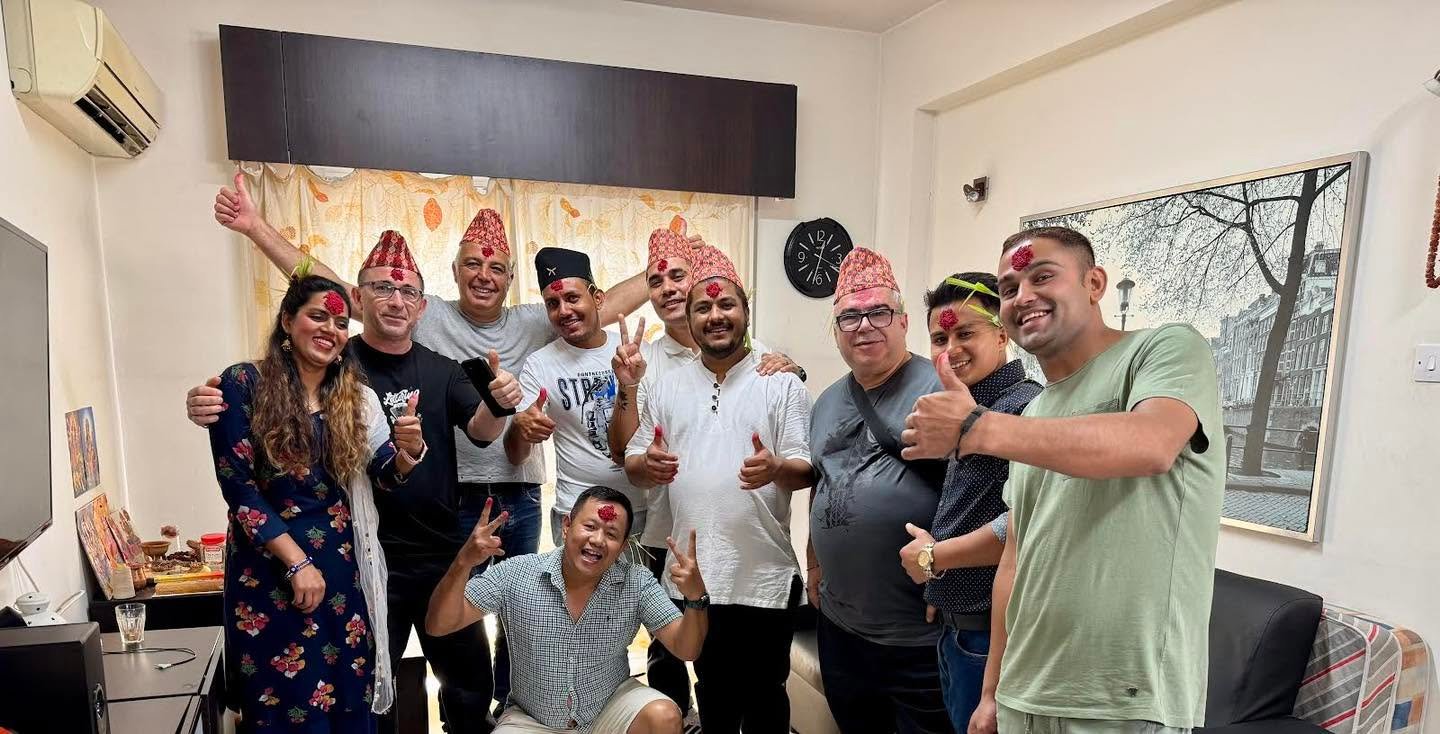
The important word is invited. A private tika ceremony is not automatically open because a visitor is curious. If somebody welcomes you, follow their lead. Ask where to sit, whether shoes should be removed, whether photography is appropriate and whether you should receive tika.
There is no need to imitate every ritual in order to show respect. Being interested, asking sensible questions and understanding that you are a guest is enough.
Can You Go Trekking in Nepal During Dashain?
Yes. Dashain arrives during one of Nepal’s main autumn trekking periods. October often brings clearer mountain views, drier trails and comfortable daytime conditions in many trekking regions, although Himalayan weather is never completely predictable.
The festival can make the journey especially interesting because you are not only travelling through the mountains. You may also see homes preparing for Dashain, families returning to villages, children using traditional swings and people travelling to receive tika and blessings from elders.

The main issue is logistics. Dashain is the biggest family holiday of the year for many Nepalis, and huge numbers of people leave Kathmandu and other cities to return home. Buses and domestic flights can become extremely busy, while some offices, shops and local services operate on reduced schedules.
Trekking during Dashain 2026?
The busiest part of the festival falls around Fulpati, Maha Ashtami, Maha Navami and Vijaya Dashami from October 17 to October 21, 2026. If your trek starts around these dates, arrange domestic flights, road transfers, permits and other important logistics as early as possible.
Popular trekking areas do not simply shut down during Dashain, but staffing and services can vary. A lodge may operate normally while a nearby shop, transport service or supplier is working with fewer people.
Travellers can consider routes such as the Ghorepani Poon Hill Trek, the Annapurna Circuit Trek or the Everest Base Camp Trek, depending on available time, fitness and previous trekking experience.

These are very different adventures. Poon Hill is shorter and more accessible, while the Annapurna Circuit and Everest Base Camp involve considerably more altitude and require proper acclimatisation and preparation regardless of how good the autumn weather appears.
If experiencing Dashain itself is one of the reasons you are visiting Nepal, avoid arriving and immediately disappearing into the mountains. Spending a few days in Kathmandu Valley before or during the festival gives you a better chance to understand the cultural side of Dashain as well as the trekking side of autumn in Nepal.
Travel and Transport During Dashain
Transport is probably the most important practical consideration for travellers during Dashain.
In the days before the main festival, enormous numbers of people leave Kathmandu Valley by bus, private vehicle and domestic flight. This does not mean tourists cannot travel. It simply means waiting until the last minute is a bad strategy.
Reserve long-distance buses, private transfers and domestic flights early where possible. Reconfirm airport transfers and trekking departures rather than assuming ordinary weekday schedules will apply during the main holiday.
Travelling overland during Dashain?
Nepal’s road conditions can change quickly after the monsoon. If your holiday involves a long highway journey, check the latest road condition shortly before departure rather than relying only on the normal driving time shown in an itinerary.
Government offices and banks also observe major Dashain holidays, while private businesses choose their own opening schedules.
Carry enough cash for immediate needs, complete important permit or banking work before the main holiday where possible and avoid planning a journey that depends on every office or service operating normally on tika day.
Dashain Etiquette for Visitors
Dashain is welcoming, but it is not a festival where every ritual is public.
At temples, dress modestly and follow signs or instructions from priests, security staff and local worshippers. Certain sacred areas may not be open to non-Hindus.
Ask before taking close photographs of people receiving tika, praying or performing household rituals. A wide photograph of a public square is different from putting a camera into the middle of a private family ceremony.
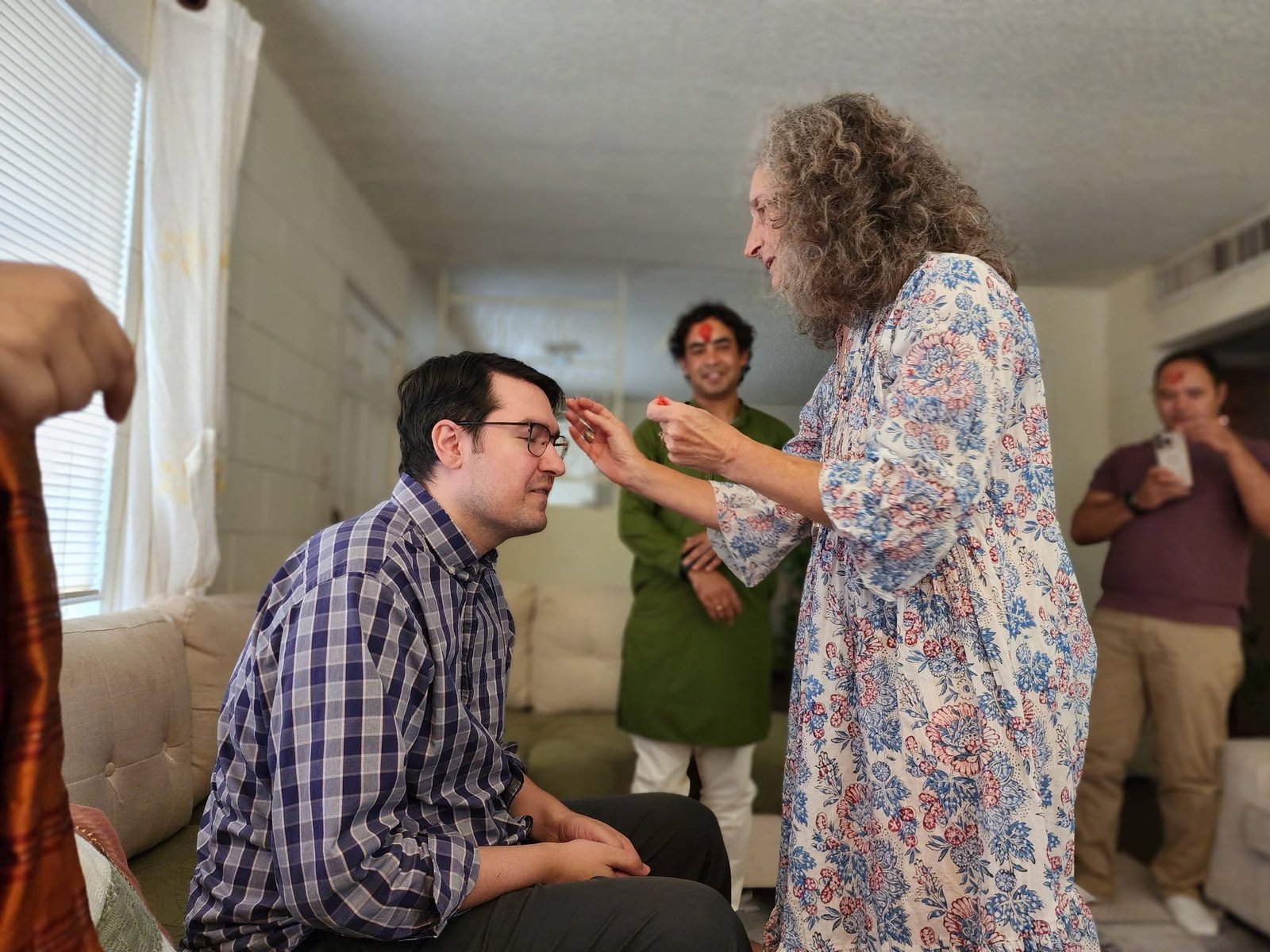
If you are invited into a home, observe what your hosts do with shoes, seating and food before making assumptions. Accepting food or tika is usually straightforward when offered, but there is nothing wrong with politely asking what is expected.
And if you visit temples around Ashtami or Navami, remember that animal sacrifice may be taking place. Ask before entering if you are unsure what you are comfortable seeing.
When Is Dashain in 2027?
If you are planning ahead, current Nepali calendar projections place Vijaya Dashami in 2027 on Saturday, October 9.
Projected dates place Ghatasthapana around September 30, Fulpati on October 6, Maha Ashtami on October 7, Maha Navami on October 8 and Vijaya Dashami on October 9.
Planning for Dashain 2027?
Treat the 2027 dates as advance planning dates for now. Reconfirm them against Nepal’s official calendar once the relevant government holiday notice is published, especially before booking international flights around one exact festival day.
Is Dashain a Good Time to Visit Nepal?
For the right traveller, yes. Dashain sits at the meeting point of two things Nepal is famous for: culture and autumn mountain travel.
You can spend time in Kathmandu while the festival begins, see temples and markets become busier, watch the city empty as families travel home and then continue into the Himalayas during one of Nepal’s main trekking periods.
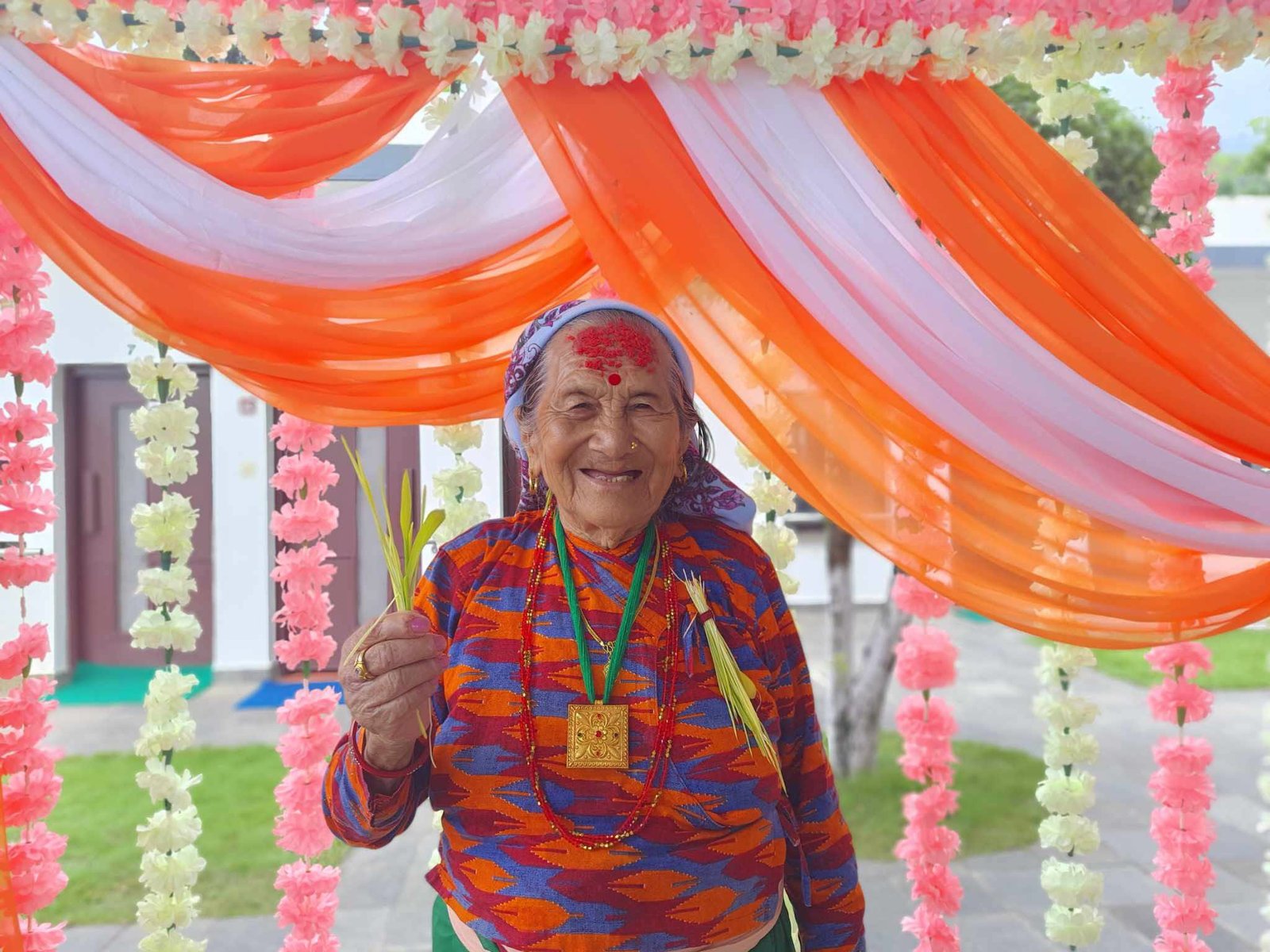
The trade-off is that transport and services require more planning than during an ordinary week.
If you arrive expecting a giant public carnival every day, Dashain may surprise you. If you arrive understanding that its real importance lies in family reunion, religious practice, blessings and the annual return home, it becomes much more interesting. The best Dashain experience is often not the loudest one.
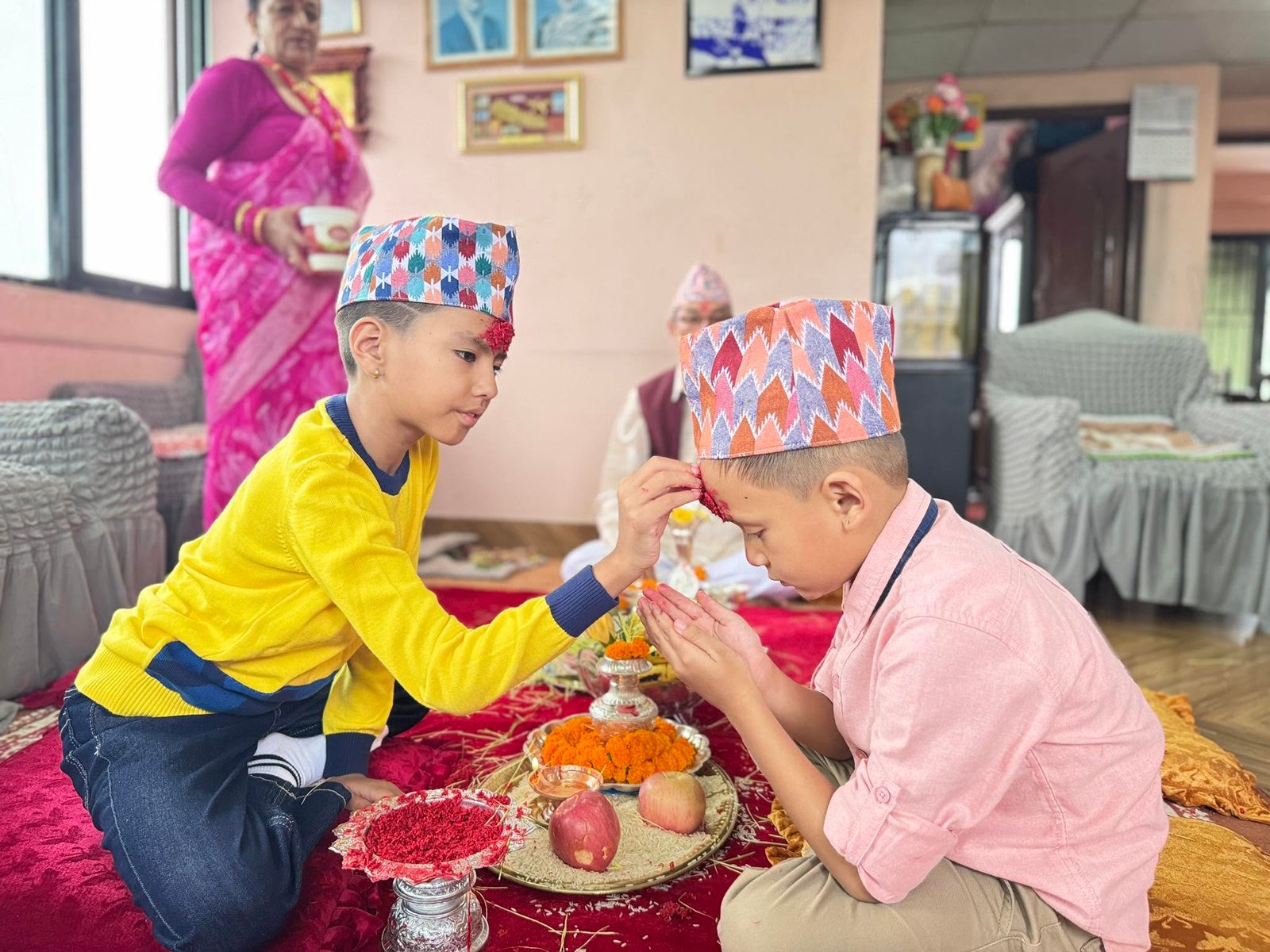
It might be hearing festival music from a nearby house, seeing a bamboo swing beside a village road, watching families carry bags home from a bus station or being invited to sit with a Nepali family while an elder prepares tika.
Those ordinary moments are what make the festival feel alive.
Frequently Asked Questions About Dashain in Nepal
When is Dashain in Nepal in 2026?
Dashain begins with Ghatasthapana on Sunday, October 11, 2026. Vijaya Dashami, the main tika day, is Wednesday, October 21, and Kojagrat Purnima falls on Sunday, October 25.
What is the main day of Dashain?
Vijaya Dashami is the main family day. Elders give tika, jamara and blessings to younger relatives, and family visits can continue for several days afterwards.
How long does Dashain last?
Dashain is traditionally observed for about 15 days, beginning on Ghatasthapana and ending on Kojagrat Purnima.
What is jamara?
Jamara is the sacred shoot grown from grains planted on Ghatasthapana. It is given with tika and blessings on Vijaya Dashami.
Why do people travel home during Dashain?
Family reunion is one of the most important parts of Dashain. People travel from cities and from abroad to spend the holiday with relatives and receive blessings from elders.
Do all Nepalis celebrate Dashain in the same way?
No. Nepal is culturally and religiously diverse, and traditions vary between communities and families. Some households follow many traditional rituals, while others focus mainly on family gatherings, tika and food. Some communities may not celebrate Dashain in the same way or may not observe it at all.
Can tourists receive Dashain tika?
Yes, when a host family or local community invites them. It is better to treat receiving tika as a personal invitation rather than something automatically available to tourists.
Are shops and restaurants closed during Dashain?
Some businesses close or reduce their hours around the main festival days, while hotels, tourist restaurants and shops in major visitor areas may continue operating. Do not assume normal schedules during the main Dashain holiday.
Is public transport available during Dashain?
Yes, but demand becomes extremely high before the main festival days as people travel home. Book long-distance buses and domestic flights early and reconfirm important arrangements close to departure.
Can I trek during Dashain?
Yes. Dashain falls during Nepal’s main autumn trekking season. The main consideration is not whether trekking is possible, but whether your transport, permits and other logistics have been organised around the holiday period.
Planning to Experience Dashain in Nepal?
Dashain can be combined with Kathmandu’s heritage sites, a cultural stay in the Valley or an autumn trek in the Himalayas. Nepal Royal Tourism Holiday can help you plan the timing around the festival and your wider Nepal journey.