


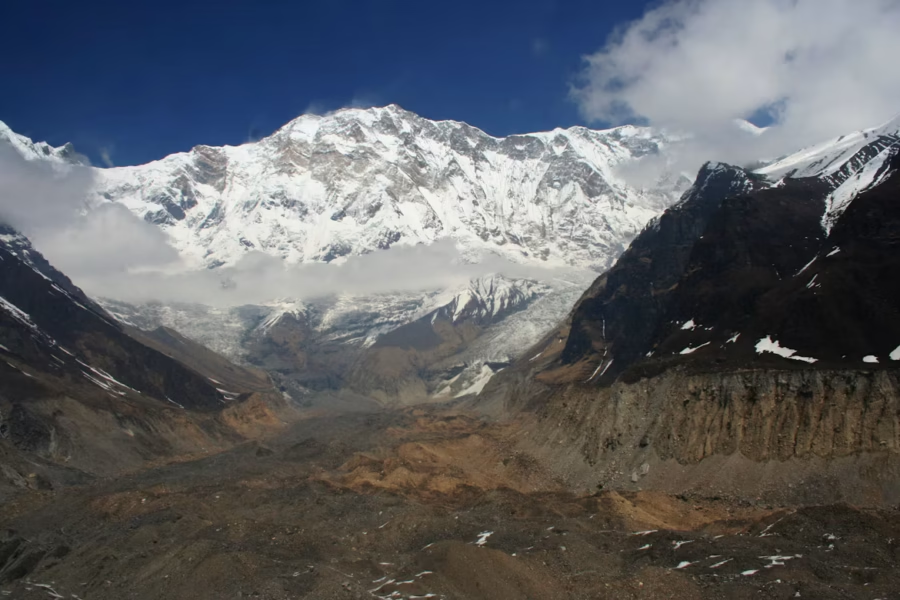
Top 10 Best Trekking Places in Nepal for Different Travel Styles
Nepal offers an extraordinary variety of trekking destinations. Some routes lead towards famous Himalayan base camps, others cross high mountain passes, and some are built around glacial lakes, traditional villages, remote valleys or landscapes that look completely different from the green hills usually associated with Nepal.
That variety is also what makes choosing a trek difficult. Everest Base Camp may be the most recognisable name, but it is not automatically the right trip for every traveller.

Someone with eight or nine days may enjoy Ghorepani Poon Hill or Mardi Himal more, while an experienced trekker looking for remoteness may be better suited to Manaslu or Kanchenjunga.
The experience changes just as much as the duration. In one part of Nepal you can walk through rhododendron forests and Gurung villages.

In another, you may cross dry high-altitude terrain around Manang, stand beside the blue water of Tilicho Lake, explore ancient settlements in Upper Mustang or spend several weeks reaching the remote base camps of Kanchenjunga.
This guide brings together ten trekking places that show that range. Rather than ranking them only by fame, we look at scenery, trekking style, altitude, cultural experience, difficulty and the type of traveller each destination suits.
How We Chose These 10 Trekking Places
A list of Nepal’s best treks should not contain ten routes that all offer the same experience. We wanted this selection to include classic base-camp journeys, shorter first-time treks, challenging circuits, high-altitude lakes, remote wilderness and culturally distinctive regions.
That means a trek does not have to be the longest or highest to deserve a place. Poon Hill earns its position because it gives travellers with limited time a rewarding Himalayan experience.

Upper Mustang is here because its culture and trans-Himalayan landscape are unlike most other trekking regions. Tilicho deserves attention because it adds one of the Annapurna region’s most dramatic high-altitude lake experiences to an already outstanding circuit.
The order below is therefore a useful starting point rather than a claim that one route is objectively better than every route below it. Your own best trek depends on the experience you want.
Compare the Top 10 Trekking Places in Nepal
| Trekking Place | Nepal Royal Itinerary | Difficulty | Main Experience | Best For |
|---|---|---|---|---|
| 1. Everest Base Camp | 14 days | Challenging | Everest, Sherpa culture, Kala Patthar and the Khumbu | A classic first major Himalayan goal |
| 2. Annapurna Circuit & Tilicho Lake | 16 days | Challenging | Tilicho Lake, Manang, Thorong La and changing landscapes | Trekkers wanting variety and a high pass |
| 3. Annapurna Base Camp | 10-day luxury option | Moderate | Annapurna Sanctuary and close mountain scenery | Trekkers wanting a defined mountain destination |
| 4. Langtang Valley | 10 days | Moderate | Mountain valley, Tamang culture and Kyanjin Gompa | A compact Himalayan journey |
| 5. Manaslu Circuit | 15 days | Challenging | Remote villages, Manaslu and Larkya La | Experienced trekkers seeking a quieter circuit |
| 6. Ghorepani Poon Hill | 8 days | Easy to moderate | Sunrise views, villages and rhododendron forest | Beginners and travellers with limited time |
| 7. Gokyo Lakes | 14 days | Challenging | Turquoise lakes, Gokyo Ri and Everest-region panoramas | Lake lovers and Everest-region return visitors |
| 8. Upper Mustang | 16 days | Moderate | Lo Manthang, monasteries and dry trans-Himalayan terrain | Culture-focused travellers |
| 9. Mardi Himal | 9 days | Moderate | Forests, ridges and close Machhapuchhre views | Shorter mountain-focused trekking |
| 10. Kanchenjunga Base Camp | 13 or 20 days | Challenging to very challenging | Remote eastern Himalaya and huge mountain landscapes | Experienced trekkers wanting remoteness |
1. Everest Base Camp Trek – Nepal’s Most Famous Himalayan Journey
Everest Base Camp remains one of Nepal’s defining trekking experiences. The route takes you through the Khumbu region, where mountain scenery is combined with Sherpa settlements, Buddhist monasteries, suspension bridges and increasingly dramatic high-altitude landscapes.
The journey is as important as the final destination. Namche Bazaar provides one of the best-known stops on the route, Tengboche adds a strong cultural element with its monastery, and places such as Dingboche and Lobuche gradually bring trekkers into the colder and more rugged upper Khumbu.
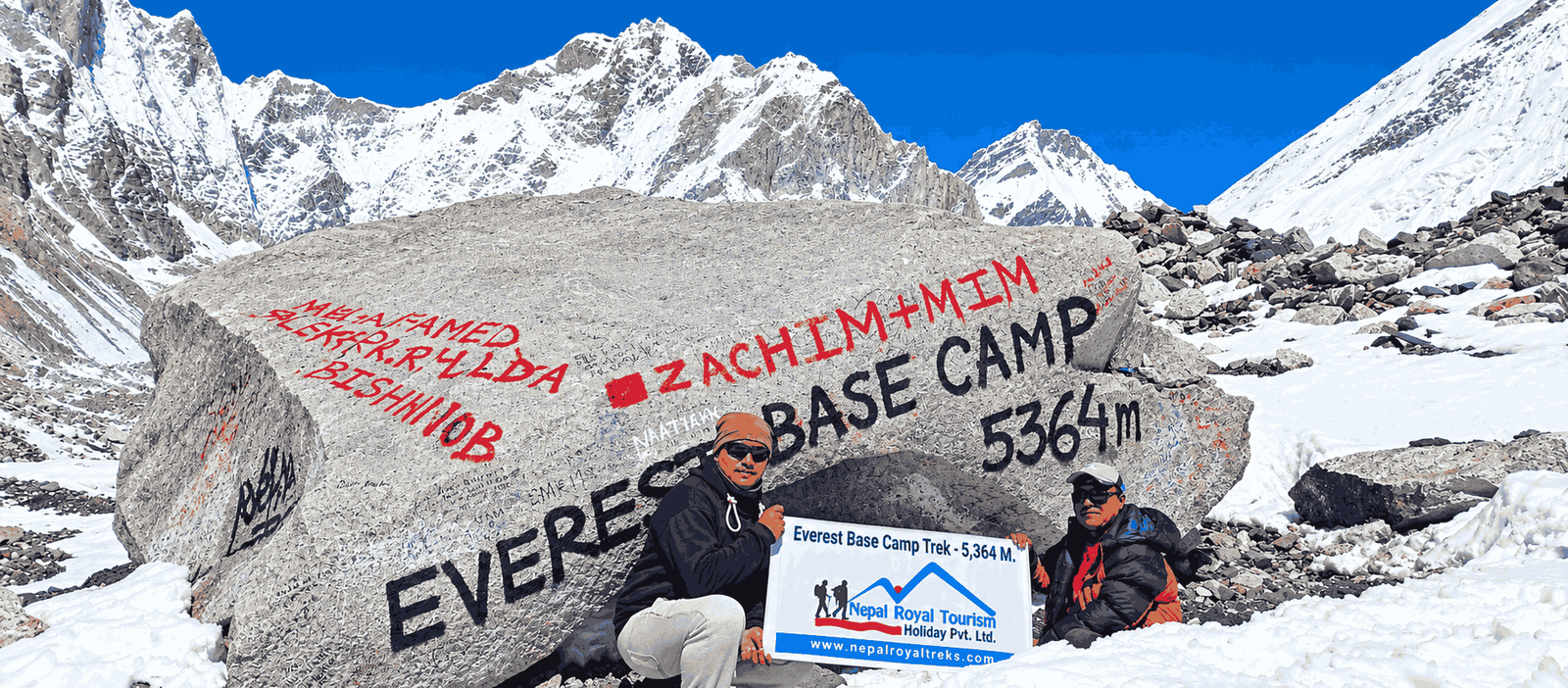
Everest Base Camp itself is part of the attraction, but many travellers consider the panorama from Kala Patthar equally memorable. At around 5,545 metres, the viewpoint gives a clearer perspective of Everest, Lhotse, Nuptse and the surrounding peaks than many positions directly at base camp.
This is a challenging trek rather than a technical climb. The main difficulties are altitude, cold conditions and repeated days of walking. A sensible acclimatisation schedule matters just as much as fitness.
Best for: travellers who want an iconic Himalayan journey and are comfortable dedicating around two weeks to high-altitude trekking.
2. Annapurna Circuit & Tilicho Lake – High Passes, Manang and an Alpine Lake
The Annapurna Circuit earns its place because very few trekking routes combine so many different environments in one journey. Lower river valleys gradually give way to the drier high-altitude landscapes around Manang before the trail approaches the demanding crossing of Thorong La.
Adding Tilicho Lake makes the experience even stronger. Tilicho sits at approximately 4,919 metres in a dramatic alpine setting beneath Tilicho Peak and surrounding mountain slopes.
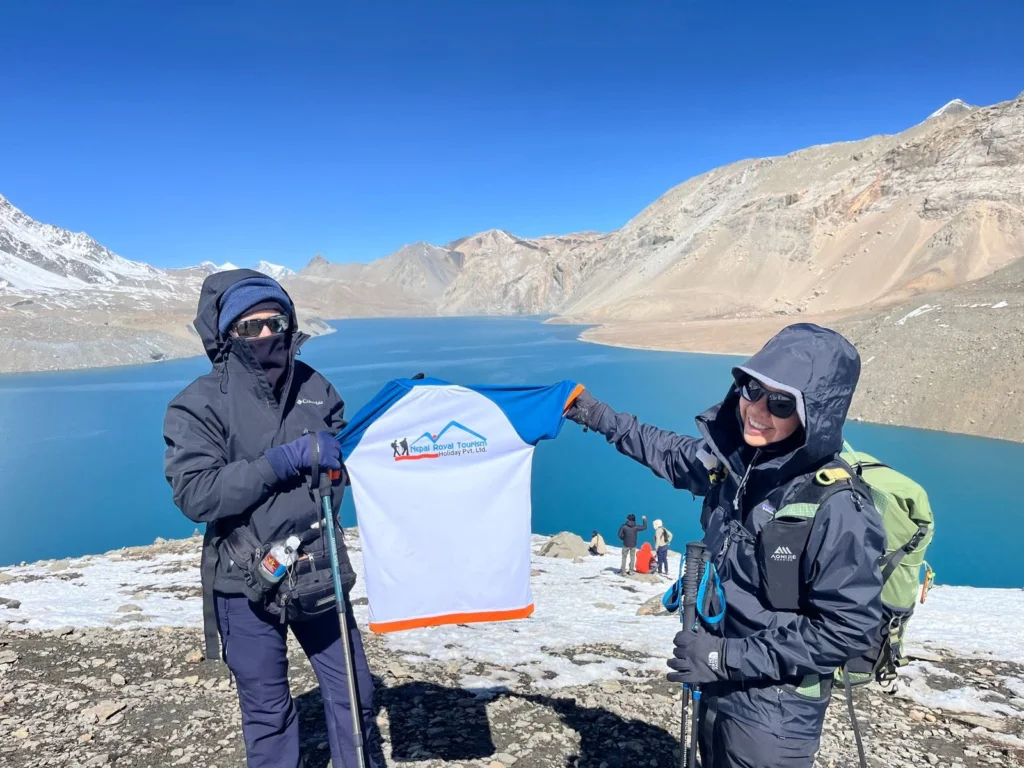
The side journey takes trekkers through Manang and Khangsar towards Tilicho Base Camp before climbing to the lake.
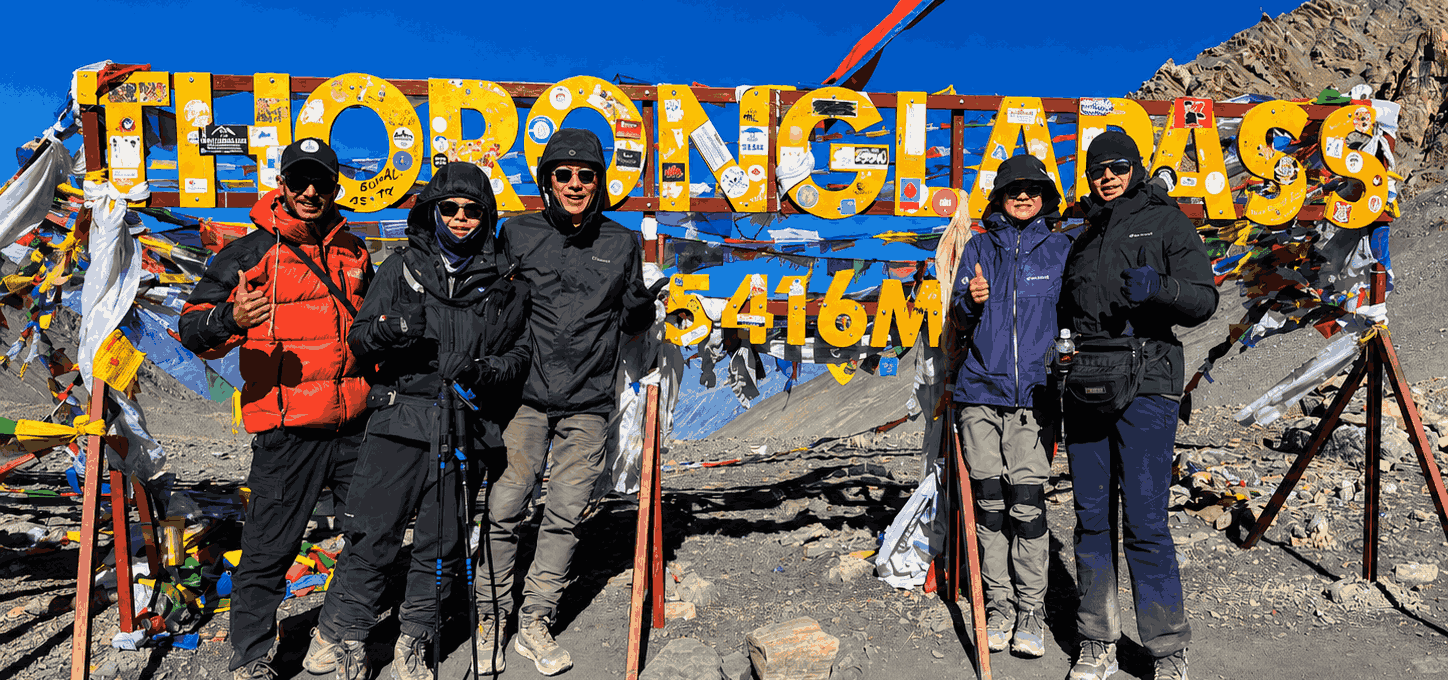
On Nepal Royal Tourism Holiday’s combined itinerary, the trek continues beyond Tilicho towards the main Annapurna Circuit route and eventually crosses Thorong La at approximately 5,416 metres before descending towards Muktinath. This gives travellers both a high-altitude lake and one of Nepal’s classic mountain passes in the same trip.
You do not have to complete the full circuit to experience Tilicho. Travellers more interested in the lake and Manang area can also consider the dedicated Tilicho Lake itinerary.
Best for: trekkers who want a longer route with major changes in scenery, a high-altitude lake and a serious mountain-pass challenge.
View Circuit with TilichoView Tilicho Lake Trek
3. Annapurna Base Camp – Into the Annapurna Sanctuary
Annapurna Base Camp offers a very different experience from the wider Annapurna Circuit. Instead of travelling around the massif and crossing Thorong La, the trail moves into the Annapurna Sanctuary, a high mountain basin surrounded by some of the region’s most impressive peaks.
The approach is full of variety. Depending on the itinerary, trekkers pass through traditional villages, terraced hillsides, rhododendron and bamboo forests and steep stone stairways before the valley gradually becomes more alpine.
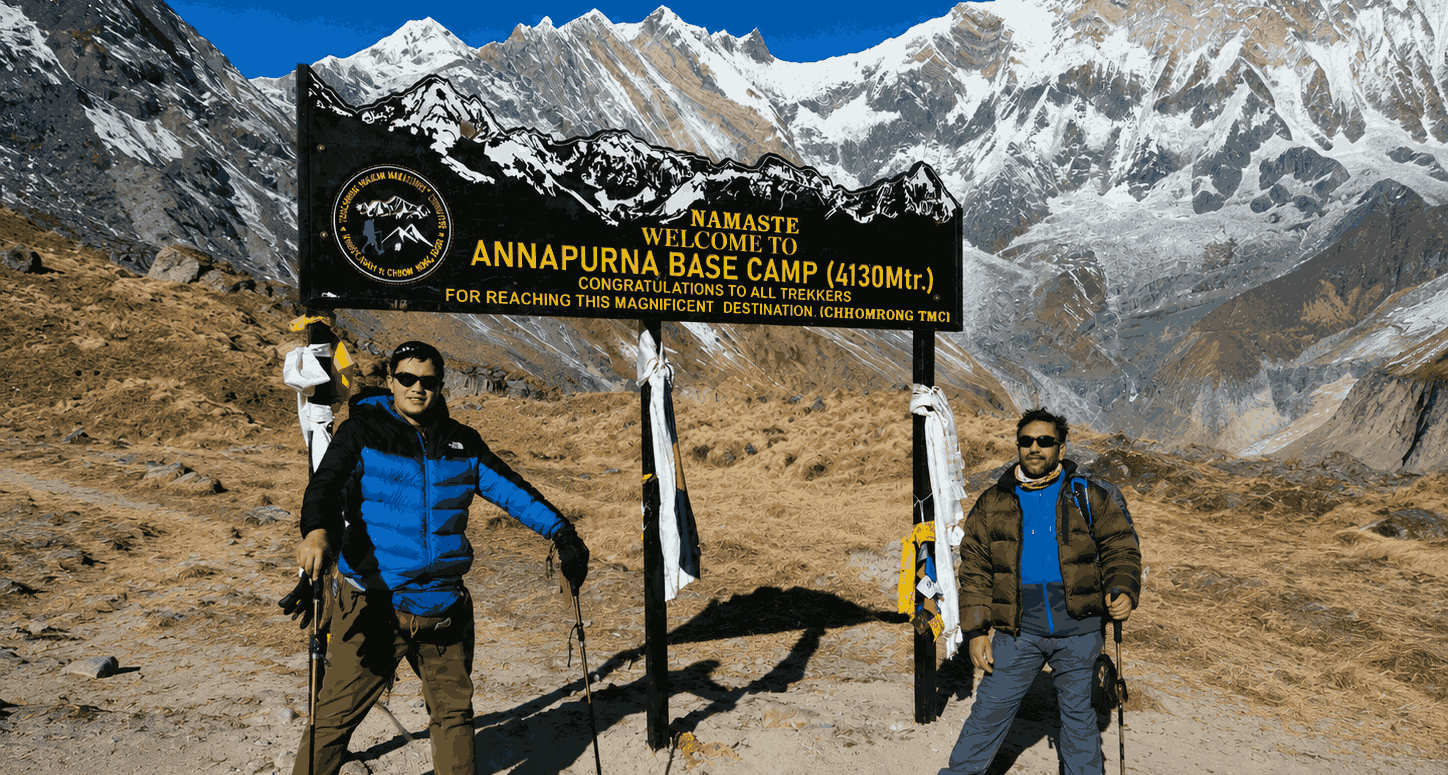
Annapurna Base Camp sits at approximately 4,130 metres. From the sanctuary, mountains including Annapurna I, Annapurna South, Hiunchuli and Machhapuchhre rise around the basin, creating the feeling of being surrounded by the Himalayas rather than viewing them from far away.
The trek still requires several consecutive walking days and substantial climbing, but it remains more compact than many major circuit routes. This makes it attractive to people who want a clear mountain destination without spending close to three weeks on the trail.
Best for: travellers wanting a classic base-camp trek, forest and village scenery and a dramatic mountain sanctuary.
View Annapurna Base Camp Luxury Trek
4. Langtang Valley – A Himalayan Trek North of Kathmandu
Langtang Valley is one of Nepal’s strongest choices for travellers who want a substantial Himalayan experience without committing to the length of Everest Base Camp, Manaslu or Kanchenjunga.
The trail moves from forested lower sections into a wider mountain valley where Tamang culture, Buddhist traditions and high Himalayan scenery become increasingly prominent. Prayer flags, chortens, monasteries and traditional settlements add a cultural dimension throughout the journey.

Kyanjin Gompa, at approximately 3,870 metres, is one of the main destinations. Trekkers often spend additional time here exploring the upper valley or walking to viewpoints such as Kyanjin Ri or the higher Tserko Ri when conditions and acclimatisation allow.
Langtang can suit active first-time trekkers as well as experienced hikers who prefer a shorter itinerary. The optional viewpoints increase the physical challenge considerably, so the final route should match your fitness and comfort with altitude.
Best for: travellers looking for mountain scenery and cultural experiences within a relatively compact trekking itinerary.
5. Manaslu Circuit – Remote Villages and a Major Himalayan Pass
The Manaslu Circuit is a rewarding option for trekkers who want a more remote journey than many of Nepal’s best-known routes. The trail follows changing river valleys and mountain settlements before reaching the high country around Samagaon, Samdo and the Larkya La crossing.
One of the route’s greatest strengths is the gradual transformation of its landscape. Lower sections include rivers, cultivated land and forested slopes, while upper villages reveal stronger Tibetan cultural influences through monasteries, mani walls, prayer flags and traditional architecture.
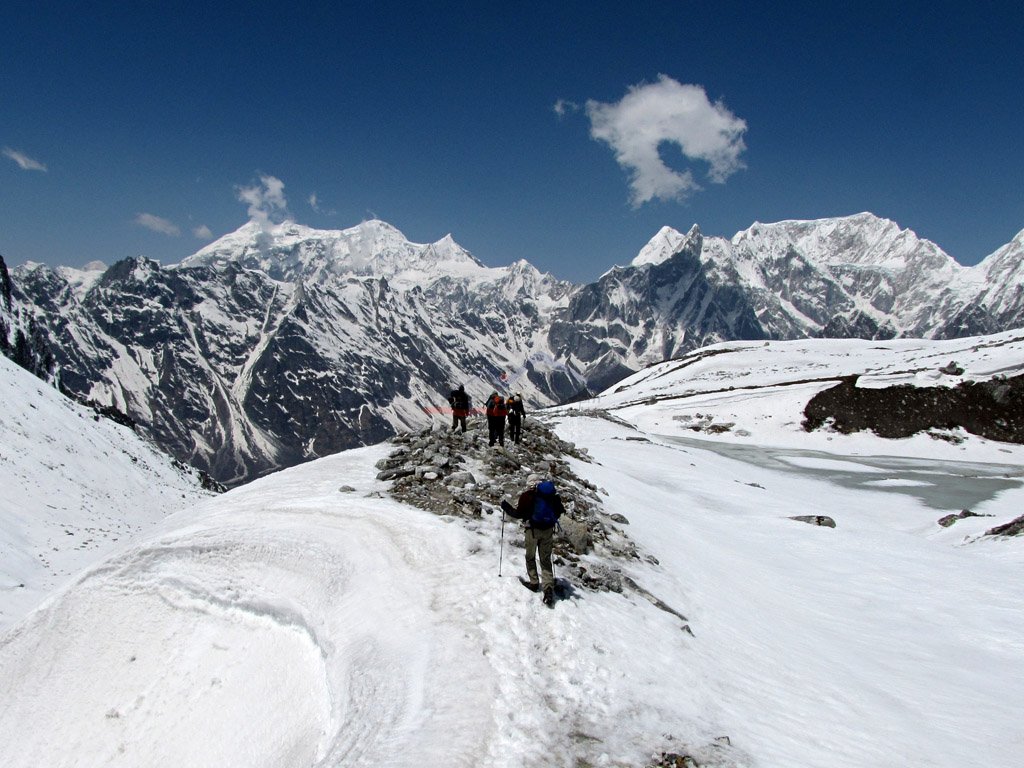
The crossing of Larkya La, at approximately 5,167 metres, is the defining physical challenge. Snow, wind and poor visibility can make the pass significantly more demanding, which is why acclimatisation, current trail information and a realistic schedule matter.
Manaslu also requires more permit and route planning than an ordinary unrestricted trek. These logistical requirements are part of the reason it is better suited to travellers who are comfortable with a more involved Himalayan journey.
Best for: experienced walkers who want remote mountain villages, strong cultural character and a challenging high-pass circuit.
6. Ghorepani Poon Hill – One of Nepal’s Best Short Treks
Not every memorable Nepal trek needs to cross 5,000 metres. Ghorepani Poon Hill remains one of the country’s best shorter routes because it combines traditional villages, forest walking and broad Himalayan views within a more manageable itinerary.
The best-known moment comes from Poon Hill at approximately 3,210 metres. Trekkers normally walk to the viewpoint early in the morning, where clear conditions can reveal a wide panorama of the Annapurna and Dhaulagiri ranges as the light changes around sunrise.
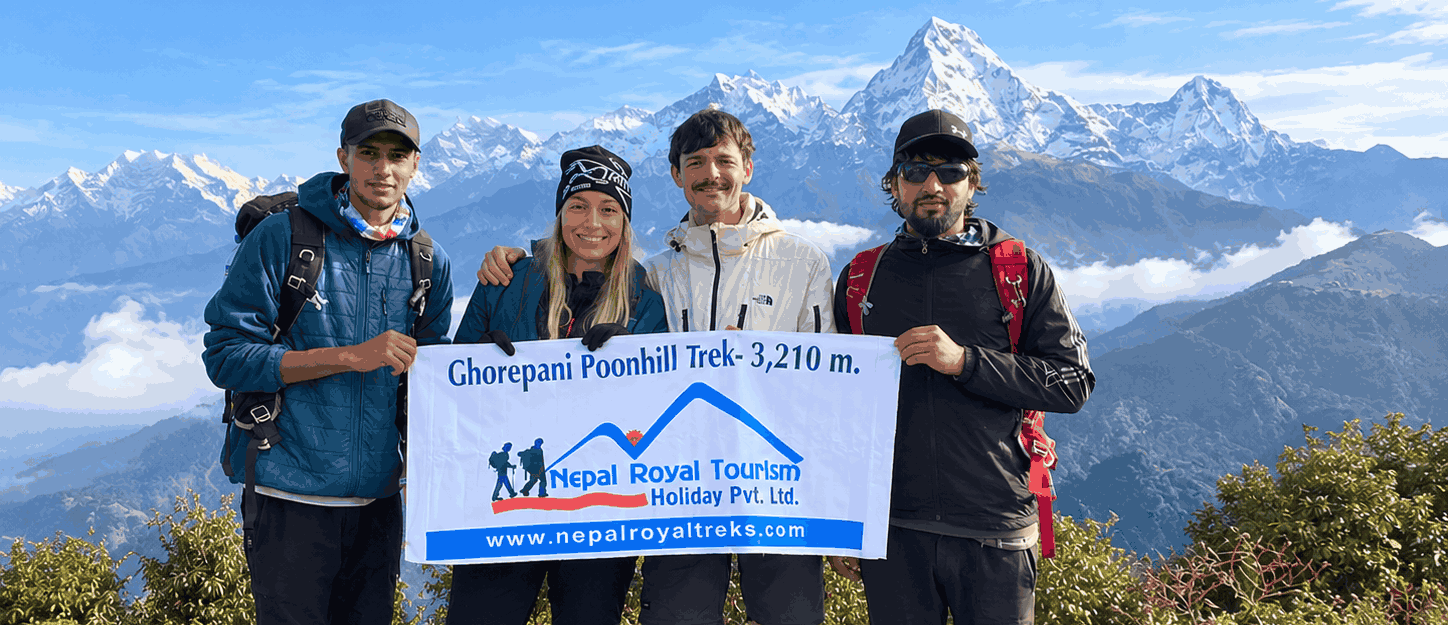
The journey is not only about the viewpoint. Villages such as Ghorepani and Ghandruk, long stone staircases and rhododendron forests give the route its character. Spring is particularly attractive when flowering conditions are favourable.
Poon Hill is often described as easy, but that can be misleading. The trek still contains substantial uphill walking and repeated steps. It is simply less extreme in altitude and duration than Nepal’s major high-altitude routes.
Best for: first-time trekkers, families with suitable fitness, photographers and travellers with fewer days available.
7. Gokyo Lakes – Turquoise Lakes and One of Everest’s Best Viewpoints
Gokyo offers a different reason to trek in the Everest region. Instead of making Everest Base Camp the central goal, the journey heads towards a chain of high-altitude glacial lakes surrounded by rocky valleys, glaciers and some of the biggest mountains in the Himalayas.
Gokyo village sits beside the lake system and provides the base for one of the trek’s major highlights: Gokyo Ri. At approximately 5,357 metres, the viewpoint can reveal Everest, Lhotse, Makalu, Cho Oyu and the wider Gokyo landscape when the weather is clear.

The nearby Ngozumpa Glacier adds another distinctive feature. Rock, ice, glacial lakes and high peaks make the upper Gokyo Valley visually very different from the forested sections encountered earlier on the trek.
Gokyo is not necessarily an easier alternative to Everest Base Camp. The altitude remains serious, and the climb to Gokyo Ri is physically demanding. Travellers with more time can also connect Gokyo with Everest Base Camp through a more challenging Cho La itinerary.
Best for: photographers, glacial-lake lovers and trekkers who want the Everest region without making base camp the only goal.
8. Upper Mustang – Ancient Culture and Trans-Himalayan Landscapes
Upper Mustang deserves a place on this list because it feels unlike almost every other trekking destination in Nepal. Instead of dense forests and green valleys, the landscape is dominated by dry cliffs, broad riverbeds, eroded hills, exposed plateaus and traditional settlements adapted to a high, arid environment.
The cultural heart of the journey is Lo Manthang, a historic settlement known for monasteries, traditional architecture and strong Tibetan Buddhist influences.

Villages, caves, prayer walls and old trading routes make the trek particularly interesting to travellers who want history and culture alongside mountain scenery.
Upper Mustang also lies in the Himalayan rain shadow. This makes it worth considering during part of Nepal’s monsoon period, although road or flight access farther south can still be affected by rainfall and wider weather conditions.

The region falls within a restricted trekking area, so special permits and appropriate arrangements are required. This also makes the trip more expensive than many ordinary teahouse treks.
Best for: travellers interested in Tibetan-influenced culture, unusual landscapes and a trek where villages and history matter as much as high mountain viewpoints.
9. Mardi Himal – A Short Ridge Trek Below Machhapuchhre
Mardi Himal is one of the strongest options for travellers who want high-mountain atmosphere without committing to one of Nepal’s longer circuits. The route rises from the Pokhara side of the Annapurna region through forest before reaching increasingly open ridges below Machhapuchhre.
The change in landscape happens quickly. Lower sections pass through woodland, while the trail above Low Camp and High Camp becomes more exposed. Views of Machhapuchhre, Annapurna South and Hiunchuli expand as you climb.
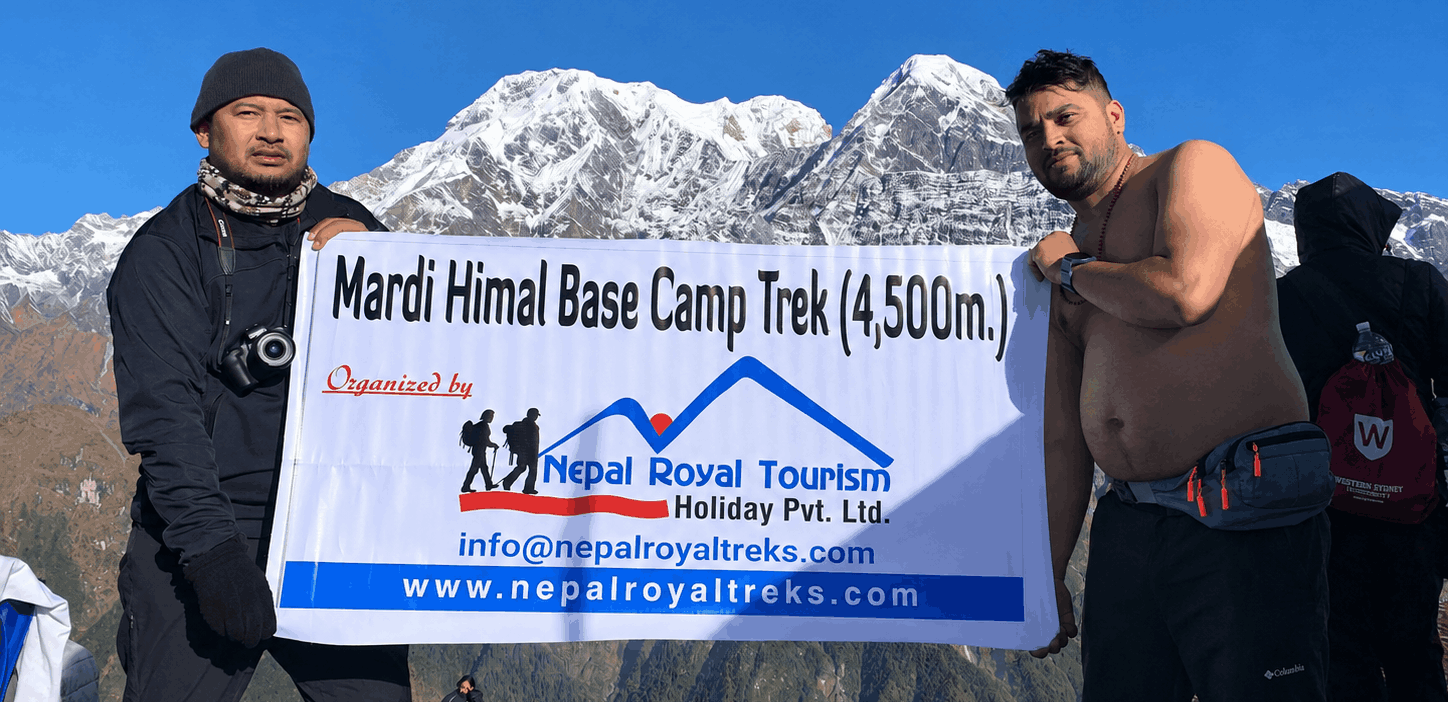
The upper viewpoint and Mardi Himal Base Camp area reach around 4,500 metres, so the trek should not be dismissed as easy simply because it is shorter. Altitude, steep climbing and exposed ridges can make the final stages demanding, especially when snow, wind or low cloud affects the trail.
The compact itinerary is one of its main advantages. It works particularly well for travellers who have around a week of trekking time but still want to experience a trail that feels distinctly Himalayan.
Best for: active beginners and experienced trekkers looking for a shorter route with close mountain views.
10. Kanchenjunga Base Camp – Remote Trekking in Eastern Nepal
Kanchenjunga represents the remote end of trekking in Nepal. Located in the far east, the region leads towards Mount Kanchenjunga, the world’s third-highest mountain, through a long sequence of villages, forests, river valleys and increasingly wild Himalayan terrain.
The attraction here is not convenience. Facilities are more limited than on the busiest Everest or Annapurna routes, access takes longer and the trekking days demand greater independence and preparation. That remoteness is exactly why experienced trekkers are drawn to it.
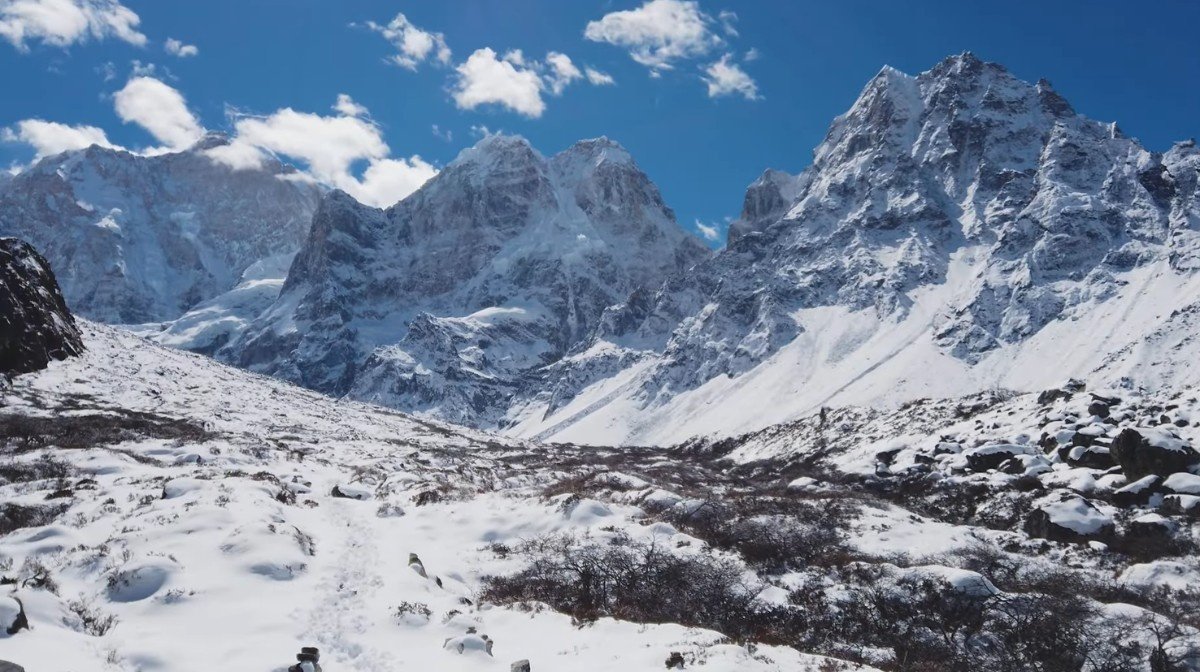
Kanchenjunga also offers more than one approach. The North Base Camp journey heads towards Pangpema at around 5,143 metres, while the South Base Camp route explores the southern side of the mountain around the Oktang viewpoint and Yalung Glacier area.
Travellers with enough time can consider a longer journey linking more of the region, but this is not a trek to rush. Long distances, altitude, weather and limited services make careful planning especially important.
Best for: experienced trekkers who prioritise wilderness, long-distance walking and remote Himalayan landscapes over convenience.
View North Base CampView South Base Camp
Which Trekking Place in Nepal Should You Choose?
The right choice depends on what you actually want from the trek. A famous route is not automatically better for you than a quieter or shorter alternative.
| What You Want | Treks to Consider | Why |
|---|---|---|
| Your first Nepal trek | Poon Hill, Langtang Valley | Manageable durations with rewarding Himalayan scenery. |
| An iconic Himalayan goal | Everest Base Camp, Annapurna Base Camp | Both end at famous mountain destinations. |
| A high-altitude lake | Tilicho Lake, Gokyo Lakes | Two very different Himalayan lake experiences. |
| A major mountain pass | Annapurna Circuit with Tilicho, Manaslu Circuit | Thorong La and Larkya La create a more demanding trekking objective. |
| A shorter mountain trek | Poon Hill, Mardi Himal | Strong scenery without a two- or three-week itinerary. |
| Culture and unusual terrain | Upper Mustang | Historic settlements and dry trans-Himalayan landscapes. |
| Remote wilderness | Kanchenjunga, Manaslu | Longer and less conventional journeys away from Nepal’s busiest trekking corridors. |
Choosing by Time Available
Available time can narrow the choice very quickly. Remember that a package duration usually includes more than the days spent physically walking on the trail. Kathmandu stays, road transfers and domestic flights may also be part of the overall itinerary.
| Available Time | Places to Compare |
|---|---|
| About 8–10 days | Poon Hill, Mardi Himal, Langtang Valley and shorter Annapurna Base Camp options. |
| About 12–14 days | Everest Base Camp, Gokyo Lakes and Tilicho Lake-focused itineraries. |
| About 15–17 days | Manaslu Circuit, Annapurna Circuit with Tilicho and Upper Mustang. |
| 18 days or more | Kanchenjunga North Base Camp, extended circuits and other remote Himalayan journeys. |
Best Time to Trek These Destinations
Spring and autumn remain the most widely used trekking periods for many of these routes, but the right season still depends on altitude and region.
| Season | What to Expect | Treks Worth Considering |
|---|---|---|
| Spring March–May |
Warmer conditions, flowering forests and improving high-altitude access. | Poon Hill, Mardi Himal, ABC, Langtang, Everest, Gokyo and major circuits. |
| Monsoon June–August |
Heavy rain across many routes, cloud, slippery trails and possible transport disruption. | Upper Mustang is the standout option to investigate because of its rain-shadow location. |
| Autumn September–November |
Strong mountain visibility and generally favourable conditions across many classic routes. | Everest, Gokyo, Annapurna, Manaslu, Langtang, Mustang and Kanchenjunga. |
| Winter December–February |
Cold nights, snow at elevation and possible difficulties on high passes. | Selected lower routes such as Poon Hill, depending on current conditions. |
Seasonal guidance should never replace a current forecast. Thorong La, Larkya La, Gokyo Ri, Tilicho Lake and the high sections of Kanchenjunga can experience snow and severe cold even during popular trekking months.
What to Consider Before Choosing Your Trek
Once you have narrowed the list to two or three routes, compare the full itinerary rather than only the destination name.
| Check | Why It Matters |
|---|---|
| Maximum altitude | A route above 5,000 metres requires very different acclimatisation from a lower hill trek. |
| Daily walking hours | Two itineraries with the same total duration can have very different physical demands. |
| Acclimatisation days | High-altitude routes should not be compressed simply to save a day. |
| Access | Some treks depend on mountain flights, long road journeys or remote trailheads. |
| Permit requirements | Restricted regions such as Manaslu, Upper Mustang and Kanchenjunga require additional arrangements. |
| Season | The same route can feel completely different in October, January or July. |
Prepare for the Trek You Actually Choose
Preparation should match the route. Someone trekking to Poon Hill does not need to train for the same altitude exposure as someone crossing Thorong La, while a Kanchenjunga trek requires much greater comfort with long days and remote conditions than a shorter Annapurna itinerary.
Regular walking, uphill training and consecutive hiking days are useful preparation for most Himalayan treks. Break in your boots before travelling and practise walking with the daypack you intend to use.

Altitude also deserves separate attention from fitness. A strong runner can still become ill at 5,000 metres. Choose an itinerary with sensible acclimatisation and report symptoms such as persistent headache, nausea, dizziness or unusual weakness instead of continuing upwards simply because the itinerary says you should.
Equipment should also match the season and altitude. Layered clothing, weather protection, suitable footwear, sun protection, a headlamp and personal medication form the foundation, while higher or more remote routes may require additional cold-weather equipment.
Which of These Trekking Places Is Best for You?
If seeing Everest has always been the goal, Everest Base Camp deserves serious consideration. If you want one journey that combines a high-altitude lake, a major pass and huge changes in scenery, Annapurna Circuit with Tilicho is difficult to beat.
For a shorter first trek, Poon Hill or Langtang may make more sense. Mardi Himal works well when you want more mountain intensity within a relatively compact itinerary, while Annapurna Base Camp gives you a famous Himalayan destination without the length of a full circuit.

Gokyo is ideal when lakes and panoramic viewpoints are more attractive to you than the famous Everest Base Camp name. Upper Mustang should be high on the list if culture and unusual landscapes matter most. Manaslu and Kanchenjunga are better suited to people who actively want remoteness and a more demanding journey.
There is no single trekking place in Nepal that is best for everyone. The best choice is the route that matches your available days, preparation, interests and the kind of Himalayan experience you actually want to remember.
Still Deciding Which Nepal Trek to Choose?
Tell Nepal Royal Tourism Holiday when you plan to visit, how many days you have and what kind of trekking experience interests you. We can help you compare routes that fit your time, preparation and travel plans.