


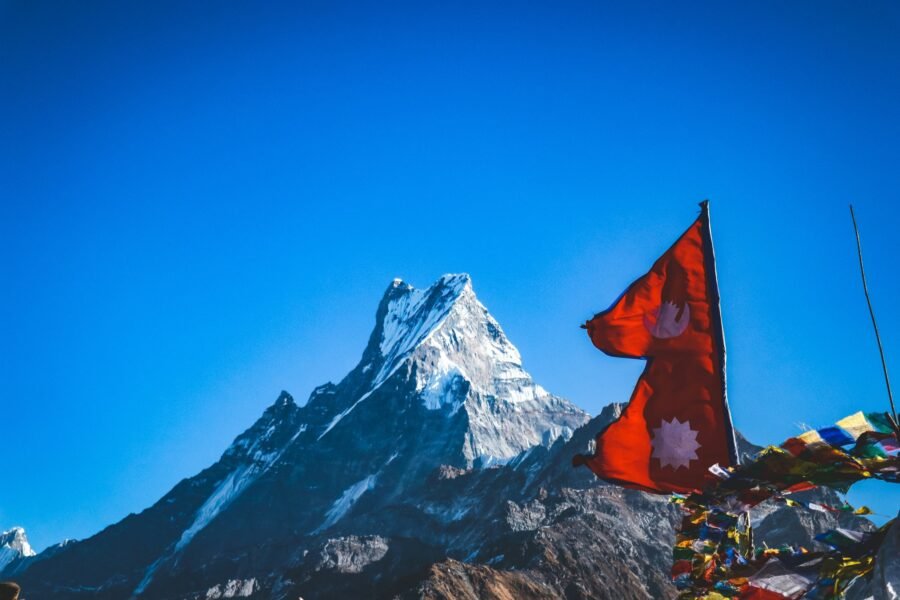
Best Time to Trek in Nepal: Seasons, Best Months, Weather & Top Treks
Nepal offers an extraordinary range of trekking experiences, from short walks through rhododendron forests to demanding high-altitude journeys beneath the world’s tallest mountains. But the experience you have depends greatly on when you travel.
One month may bring crystal-clear views of Everest, another may cover the trails in wildflowers, while the summer monsoon turns many hillsides green and makes certain routes difficult to access.
For most of Nepal’s classic trekking regions, spring (March to May) and autumn (September to November) are the best overall seasons.

Spring brings blooming forests and gradually warmer days, while autumn often delivers excellent mountain visibility after the monsoon.
However, winter can be rewarding on lower-altitude trails, and summer is an excellent opportunity to explore selected rain-shadow destinations such as Upper Mustang.
The important thing is to match the season to your route, walking experience, preferred scenery and available time. Trekking to Poon Hill is a very different undertaking from crossing the high passes of the Everest region, and neither needs exactly the same weather conditions.
Quick Answer: When Should You Trek in Nepal?
Best overall months: October and November, with March and April also excellent for many popular routes.
Best for spring flowers: March to April, especially on forested trails in the Annapurna and other mid-hill regions.
Best for clear post-monsoon mountain views: October to November, subject to local weather.
Best for lower-altitude winter trekking: December to February, when cold temperatures and snow make route selection important.
Best for monsoon-season alternatives: Upper Mustang and selected routes in Manang and Dolpo, which lie in the Himalayan rain shadow. Access, wind, road conditions and high-pass safety still need to be checked.
Nepal Trekking Seasons
Nepal’s seasons are shaped by its dramatic elevation changes and the Himalayan mountain barrier. The foothills may be warm and green while a high pass remains covered in snow.
Similarly, the monsoon affects much of the country, but some northern valleys receive considerably less rain because they sit behind the main Himalayan ranges.
| Season | Months | What to expect |
|---|---|---|
| Spring | March–May | Rhododendron blooms, warming days, greener forests and excellent trekking conditions on many established routes. Clouds, haze, rain or late-season snow can still occur. |
| Summer and monsoon | June–August, sometimes into early September | Rain, humidity, lush vegetation, leeches in some lower forests, possible landslides and disrupted road or flight access. Northern rain-shadow routes can be better choices. |
| Autumn | September–November | The main trekking season, particularly October and November. Post-monsoon air can be exceptionally clear, with comfortable daytime walking and cold nights at altitude. |
| Winter | December–February | Quiet trails, crisp views on clear days and cold nights. Lower routes can be enjoyable, but snow, ice and severe cold can make high passes unsafe or inaccessible. |
These are broad seasonal patterns rather than guarantees. The start and end of the monsoon vary, and snowfall can affect high trails even during the usual trekking seasons. Always check the latest conditions for your actual route instead of relying on the calendar alone.
Spring Trekking in Nepal: March, April and May
Spring is one of the most beautiful times to explore Nepal on foot. After the coldest part of winter, temperatures gradually rise and forested hillsides begin to change colour.
In the Annapurna foothills, rhododendrons bloom at different elevations, bringing red, pink and white flowers to sections of the trail. Higher up, the landscape becomes increasingly alpine, with snowy peaks rising above valleys and rocky ridges.

This season suits trekkers who want a combination of mountain scenery, forest walks, village life and generally comfortable daytime conditions. It is also a popular window for longer routes in the Everest region, although high-altitude temperatures remain cold and weather can change quickly.
What does spring feel like on the trail?
Lower down, walking through sunlit forests and terraced hillsides can feel pleasantly warm by midday. As the route climbs, mornings and evenings become cooler, and snow can remain on shaded sections or high passes early in the season.
Clear mornings may give you beautiful mountain views, while afternoon cloud can build later in the day.

March is generally cooler than April and May, especially at higher elevations. April often offers a strong balance of blooming forests and trekking conditions.
By May, lower areas can become warmer, haze and pre-monsoon storms may increase, and high-altitude routes still require careful planning.
Best treks for spring
| Trek | Why choose spring? | Explore |
|---|---|---|
| Ghorepani Poon Hill | A rewarding shorter trek with forest paths, traditional villages and sunrise views across the Annapurna and Dhaulagiri ranges. Spring flowers add colour to the lower and middle forests. | View Trek |
| Mardi Himal | A shorter mountain journey through forest and high ridgelines, with dramatic views toward Machhapuchhre and the Annapurna range when conditions are clear. | View Trek |
| Everest Base Camp | A classic high-altitude route through Sherpa settlements, glacial valleys and spectacular mountain scenery. Spring is a popular choice, but cold conditions and altitude still demand proper acclimatisation. | View Trek |
| Pikey Peak | A quieter lower-Everest-region option, combining forest trails and Sherpa and Rai settlements with wide Himalayan panoramas from the viewpoint when skies cooperate. | View Trek |
Spring is a good option for both new trekkers and experienced hikers, provided they choose a route that fits their ability. A beginner-friendly trip through the Annapurna foothills can be very different from a multiweek expedition or a high-pass journey.
The season alone does not determine difficulty; distance, altitude gain, trail conditions and acclimatisation matter just as much.
Autumn Trekking in Nepal: September, October and November
Autumn is widely considered the best overall season for trekking in Nepal, especially once the monsoon has withdrawn and the skies begin to clear. The rain washes dust from the air, the hills remain green, and mountain views can become exceptionally sharp.
For trekkers hoping to photograph the Himalayas, autumn offers a strong combination of visibility, established trail services and a wide choice of routes.

October is often the busiest month because it sits in the heart of the main trekking window. November can also be excellent, particularly earlier in the month, although temperatures drop as winter approaches. At high elevations, nights can become very cold, and exposed trails may feel much harsher when wind picks up.
What does autumn feel like on the trail?
In the morning, you may step outside to crisp air and wide-open views of the mountain skyline. During the day, temperatures are often comfortable for walking at moderate elevations, while high-altitude paths remain cold and exposed.
Lower villages may still have mild afternoons, but once the sun disappears behind the mountains, the temperature can fall quickly.

September is a transition month. Early September may still bring monsoon rain, cloudy views and trail disruption in some regions, while later September can offer improving conditions.
If your priority is the most reliable autumn experience, October and November are often stronger choices, though no month guarantees perfect weather.
Best treks for autumn
| Trek | Why choose autumn? | Explore |
|---|---|---|
| Annapurna Circuit | A varied route through river valleys, high mountain settlements and the dramatic Thorong La region. Stable weather is especially important when planning a high-pass crossing. | View Trek |
| Everest Three High Passes | A demanding circuit through the high passes of the Khumbu, with views of major Himalayan peaks and Gokyo Lakes. It requires careful weather checks, acclimatisation and experience with strenuous high-altitude walking. | View Trek |
| Ghorepani Poon Hill | An accessible option for trekkers looking for mountain views without committing to a lengthy high-altitude expedition. Clear autumn mornings are ideal for sunrise photography when the weather cooperates. | View Trek |
| Upper Mustang | A distinctive journey through dry trans-Himalayan scenery, traditional settlements, monasteries and the walled town of Lo Manthang. Autumn is one of its good seasons, although the region is also notable for monsoon trekking. | View Trek |
Autumn is a particularly good fit for travellers who have a specific mountain objective and want to make the most of their time in the Himalayas. Because popular routes can be busy, plan accommodation, transport and guides ahead of time.
Experienced trekkers should not interpret the popularity of the season as a guarantee that every high pass will be open; local conditions still determine whether a crossing is safe.
Which Season Should You Choose?
For many travellers, the decision comes down to the scenery and atmosphere they want. Spring is ideal for colourful forests and warming days; autumn is a strong choice for clear mountain views; winter works for quieter, lower-altitude routes; and monsoon is best approached by choosing the right region rather than assuming every trail is suitable.
If your dates are fixed, choose your route around the season. If your route is fixed, choose the most suitable travel window for that destination.

This simple distinction can make a major difference to the quality and safety of your trek.
Best Time to Trek in Nepal Month by Month
Choosing a trekking month is about more than checking whether it is spring, summer, autumn or winter.
January can be excellent for a short Himalayan viewpoint trek, April can deliver colourful forests and high-mountain scenery, and July can be suitable for a carefully chosen journey into the dry landscapes of Upper Mustang. The same month may be ideal in one region and challenging in another.
Use this calendar as a starting point when planning your trip. These are general patterns, not guarantees of weather or trail access. Snowfall, rainfall, altitude, road conditions and local forecasts should always be checked before departure.
| Month | Typical trekking conditions | Routes to consider |
|---|---|---|
| January | Cold mornings and nights, crisp views on clear days, and possible snow or ice at higher elevations. | Ghorepani Poon Hill and suitable lower-altitude routes. |
| February | Late-winter conditions, gradually warming lower valleys and possible snow on high trails. | Poon Hill, selected foothill routes and lower sections of the Annapurna region. |
| March | Spring begins, temperatures rise and rhododendrons start blooming at suitable elevations. | Poon Hill, Mardi Himal and Annapurna Base Camp. |
| April | A popular spring month with blooming forests, comfortable daytime walking and strong mountain scenery. | Everest Base Camp, Annapurna Base Camp, Mardi Himal and Poon Hill. |
| May | Warmer lower elevations, possible afternoon storms and increasingly pre-monsoon weather. | Selected high-altitude routes and Upper Mustang, including cultural trips timed for Tiji when dates align. |
| June | Monsoon conditions often develop, with increasing rain, clouds and possible landslide or road disruption. | Upper Mustang and carefully planned rain-shadow routes. |
| July | Wet conditions across much of Nepal, with leeches on some forest trails and reduced visibility. Some northern valleys are relatively dry. | Upper Mustang and selected Upper Dolpo itineraries with suitable arrangements. |
| August | Usually monsoon-affected, with wet trails and travel disruption possible in many regions. | Upper Mustang; selected restricted or remote rain-shadow routes with specialist planning. |
| September | A transition month. Early September may remain wet; conditions often improve later, though timing varies. | Upper Mustang early in the month; popular autumn routes as local conditions improve. |
| October | Often excellent post-monsoon visibility, comfortable days and busy trails. | Everest Base Camp, Annapurna Circuit, Poon Hill and Manaslu. |
| November | Often clear, dry conditions, increasingly cold nights and a gradual move towards winter. | Everest Base Camp, Annapurna Circuit, Poon Hill and other suitable autumn routes. |
| December | Cold weather, quiet trails and crisp mountain views when skies are clear. High routes may become snowbound. | Poon Hill and suitable lower-altitude winter treks. |
January and February: Winter Trekking in Nepal
January and February are often overlooked because they fall outside the main trekking seasons. Yet winter can be a rewarding time to walk in Nepal if you prefer quieter trails, clear morning views and a more peaceful atmosphere in mountain villages.
The main limitation is cold. Temperatures drop as elevation increases, and overnight conditions at higher settlements can be severe.
Snow and ice may affect paths, mountain passes and access routes. Days can be sunny while shaded sections remain frozen, so good footwear, warm layers and flexible plans are essential.

For a first Himalayan experience in winter, consider a shorter journey such as Ghorepani Poon Hill, subject to the current forecast and trail conditions.
Trekkers can walk through hillside settlements and forests before reaching a viewpoint overlooking the Annapurna and Dhaulagiri ranges. Clear weather can produce spectacular sunrises, but low temperatures and cloud can still affect the experience.
Best Treks in Nepal by Experience Level
The best trekking season depends partly on the route you choose, but your experience, fitness and comfort with altitude matter just as much. A short trek can still involve steep stone staircases, long walking days and substantial uphill climbing.
A longer expedition may demand several weeks of walking, rest days for acclimatisation and the ability to handle cold conditions far above the tree line.

You do not need to be an experienced mountaineer to enjoy Nepal’s trekking trails. First-time trekkers can begin with shorter routes through traditional villages and forested hills, while hikers with previous mountain experience may prefer journeys into the Everest region, high Himalayan valleys or demanding mountain-pass circuits.
Best Treks for Beginners
If this is your first trekking holiday, focus on a route with manageable daily distances, established accommodation and a realistic itinerary. You should still prepare physically before arrival, but you do not necessarily need to start with a two-week expedition to experience Nepal’s mountains.
| Trek | Typical trip length and altitude | Who it suits |
|---|---|---|
| Ghorepani Poon Hill | Around 8 days on the linked itinerary; Poon Hill viewpoint at approximately 3,210 m. | First-time trekkers who want forest walks, mountain villages and a memorable Himalayan sunrise without a long high-altitude expedition. |
| Everest View Trek | 9 days; the itinerary reaches approximately 3,880 m. | Travellers who want to experience Sherpa settlements, suspension bridges and Everest-region panoramas within a relatively short holiday. Its altitude makes proper acclimatisation important. |
For many beginners, Poon Hill is a practical starting point. The route passes through villages and woodland before reaching a viewpoint overlooking the Annapurna and Dhaulagiri ranges. In spring, rhododendrons add colour to suitable forest sections; in autumn, clear mornings can offer excellent mountain views.
Do not mistake a shorter itinerary for an effortless walk. Some sections involve long uphill climbs, particularly on stone steps, and the early-morning ascent to Poon Hill requires walking in darkness before sunrise. Good footwear, basic fitness and enough time to rest make the experience much more enjoyable.

The Everest View Trek gives beginners another option, with a different cultural and geographical setting. You travel into the Khumbu, pass traditional Sherpa settlements and enjoy views of major peaks. It reaches a higher elevation than Poon Hill, however, so travellers should discuss acclimatisation and previous health concerns with a qualified medical professional before departure.
Our Pick for a First Himalayan Trek
Choose Ghorepani Poon Hill if you want a shorter mountain adventure with villages, forest trails and a famous sunrise viewpoint. Choose Everest View if the Sherpa culture and Everest-region scenery are your priority and you are comfortable with its higher altitude.
Best Treks for Intermediate Hikers
If you already hike regularly, are comfortable walking several hours a day and want to venture further into the mountains, Nepal offers routes with a rewarding balance of challenge and scenery.
You might climb towards an alpine ridge, spend several nights above the forest line or reach a mountain base camp without committing to a particularly long expedition.
| Trek | Typical trip length and altitude | Why choose it? |
|---|---|---|
| Mardi Himal | 9 days; approximately 4,500 m at the base camp area. | Forest paths lead towards exposed ridges and close-up views of Machhapuchhre and the Annapurna range. Higher sections are steep and should not be underestimated. |
| Annapurna Base Camp | About 10 days on the luxury itinerary; base camp at approximately 4,130 m. | A journey into the Annapurna Sanctuary, surrounded by towering Himalayan peaks. It combines mountain scenery with a sustained walk through changing landscapes. |
Mardi Himal is a good option for hikers who want a relatively compact itinerary with a genuine high-mountain feel. The terrain changes from lower forest to alpine ridges, and the landscape becomes more exposed as you climb.
The upper sections can be demanding, particularly in snow, poor visibility or strong winds, so suitable equipment and local guidance are important.

Annapurna Base Camp offers a different experience. Instead of following a high exposed ridge, the trail leads into a natural mountain amphitheatre surrounded by major peaks, including Annapurna I, Annapurna South and Machhapuchhre. You spend several days walking into progressively higher terrain before reaching the sanctuary.
Spring and autumn are the main seasons to consider for both routes. Spring brings greener forests and seasonal blooms; autumn often offers clearer post-monsoon mountain views. Weather can still change quickly at altitude, so a suitable itinerary should include realistic daily stages and enough time for rest.
Intermediate Trek Recommendations
Consider Mardi Himal for ridge walking and dramatic close-range mountain views, or Annapurna Base Camp for the experience of entering the heart of the Annapurna Sanctuary.
Best Treks for Experienced and Advanced Trekkers
Experienced trekkers often look for longer journeys, remote valleys, high passes and terrain that demands stamina over several consecutive days. Nepal has plenty of options, but the main consideration is not simply how high a route goes.
The number of days spent at altitude, elevation gain, weather exposure, trail conditions and opportunities to acclimatise all influence the challenge.
| Trek | Typical trip length and altitude | What makes it demanding? |
|---|---|---|
| Everest Base Camp | Commonly around 12–15 days, depending on itinerary; base camp is approximately 5,364 m. | Multiple days at high altitude, long walking stages, cold nights and the need for proper acclimatisation. Previous hiking experience is valuable. |
| Everest Three High Passes | 18 days on the listed itinerary; the route reaches approximately 5,545 m. | Three high mountain passes, demanding ascents and descents, potential snow or ice, and prolonged exposure to high-altitude conditions. |
| Nar Phu Valley | 17 days on the listed itinerary; Kang La reaches approximately 5,322 m, with the route continuing towards Thorong La at approximately 5,416 m. | Remote settlements, limited services in some sections, substantial altitude gain and demanding high-pass crossings. Restricted-area permit arrangements are required. |
Everest Base Camp is a classic high-altitude journey, following the Khumbu valley through Sherpa settlements and mountain landscapes before reaching the base camp area.
The route is well established, but that does not make it physically easy. Walkers need to prepare for multiple days of exertion, high altitude and cold weather.
The Everest Three High Passes route is considerably more demanding than a standard Everest Base Camp itinerary.

It combines three high passes, including Kongma La, Cho La and Renjo La, with other major destinations in the Everest region. It is best suited to hikers with relevant mountain experience, strong fitness and the flexibility to wait or turn back if a crossing is unsafe.
Nar Phu Valley offers a different kind of adventure, combining remote Himalayan settlements and Tibetan-influenced culture with high mountain passes.

The longer Nar Phu route combined with the Annapurna Circuit includes both Kang La and Thorong La. Because it passes through a restricted region, permit and guide arrangements must be organised in advance through the appropriate registered trekking agency.
For demanding high-altitude routes, spring and autumn are generally the principal seasons to consider. Even during these windows, snow, wind and storms can make a pass unsafe. A fixed departure date should never take priority over the advice of your guide and current conditions on the trail.
Advanced Trek Recommendations
Choose Everest Base Camp for a classic high-altitude journey, the Three High Passes for a more strenuous circuit, or Nar Phu for remote valley culture combined with demanding pass crossings.
View Everest Base Camp
View Three High Passes
View Nar Phu Valley
Best Treks in Nepal for Families and Travellers with Limited Time
Not every trekker wants a demanding high-altitude expedition. Families, older travellers and people with limited holiday time may prefer a shorter itinerary, comfortable overnight stops and a route that allows time to enjoy local villages rather than rushing each day.
Ghorepani Poon Hill can be a good option for families with children who are accustomed to walking, although the steep sections and early-morning viewpoint hike should be considered carefully.

The Everest View Trek may appeal to travellers with a little more time who want to experience the Khumbu, but its higher elevation makes it important to plan carefully and monitor how everyone feels.
Travellers seeking enhanced accommodation can also consider a comfort-focused itinerary such as the Annapurna Base Camp Luxury Trek.
Better accommodation and private transport arrangements can make parts of the trip more comfortable, but they do not remove the physical effort or altitude-related risks of reaching base camp.

If you only have a few days in Nepal, a guided day hike or a cultural trip from Kathmandu or Pokhara may suit you better than trying to squeeze a multi-day trek into an unrealistic schedule.
A well-chosen shorter trip is usually more enjoyable than rushing towards a distant destination without time to adapt to the altitude.
Does Your Fitness Level Matter More Than the Season?
Season and fitness answer different questions. The season tells you what conditions you may encounter, while your fitness and experience help determine whether you can manage the physical demands of the route.
A fit hiker may manage a steep day more comfortably than someone who rarely walks, but fitness alone does not prevent altitude sickness.
Before your trek, build up regular walking time, practise on hills or stairs and use the shoes you plan to wear in Nepal. For longer routes, include some training with a light daypack.

Your preparation should reflect the actual trip: walking multiple consecutive days requires a different kind of endurance from completing one long walk.
At high altitude, ascend gradually and allow time for acclimatisation. If you develop symptoms such as headache, nausea, dizziness or unusual fatigue at altitude, do not continue climbing while hoping the symptoms will disappear.
Tell your guide or trekking companions, rest and follow appropriate medical advice. Worsening symptoms or severe breathing or coordination problems require urgent help and descent.

Make sure you take altitude illness seriously, ascend gradually and descend if symptoms worsen. On demanding trips, the right itinerary includes time to acclimatise rather than treating rest days as optional extras.
The best trek is therefore not necessarily the highest, longest or most famous one. It is the route that offers the experience you want while remaining realistic for your available time, physical preparation and the conditions likely during your visit.
Can You Trek in Nepal During the Monsoon? Understanding Rain-Shadow Regions
One of the biggest misconceptions about trekking in Nepal is that the entire country becomes unsuitable for walking during the monsoon.
Although June to August can be wet across much of the country, the Himalayan landscape creates significant differences in rainfall between regions.
Some northern valleys receive far less rain than the southern slopes, making them interesting alternatives when the classic Annapurna foothills and other popular trails are wet.

These relatively dry areas are known as rain-shadow regions. Moist air arriving from the south rises against the Himalayan ranges, cools and releases much of its moisture.
Areas on the northern side of the mountains receive less of that rainfall. This creates dry, rugged landscapes that can look very different from Nepal’s green forests, terraced hillsides and rain-soaked villages.

Upper Mustang is the best-known example for trekkers. Parts of Manang and Dolpo also offer rain-shadow landscapes. However, a rain shadow does not mean that a destination is guaranteed to stay dry.
Strong winds, local rain, snowfall at higher elevations and disruption to roads or flights can still affect your plans. Routes leading to the dry northern valleys may cross wetter terrain before reaching the rain-shadow area.
Upper Mustang: A High-Desert Trek in the Monsoon
Upper Mustang is one of Nepal’s most distinctive trekking destinations. North of Kagbeni, the landscape becomes increasingly dry and open, with wind-eroded cliffs, layered rock formations, narrow canyons and isolated settlements.
Instead of following the lush forest scenery found on many Himalayan trails, you walk through a high-desert environment shaped by centuries of trade, farming and Tibetan Buddhist culture.

The historic walled city of Lo-Manthang is a major highlight. Traditional houses, monasteries, prayer flags, chortens and surrounding barren mountains give the region a strong cultural identity. Villages such as Ghami and Charang offer further opportunities to appreciate the architecture and traditions of the former Kingdom of Lo.
June, July and August can be attractive months to consider Upper Mustang because the region lies in the Himalayan rain shadow.

It can be a particularly useful option for travellers whose holiday dates fall during Nepal’s main monsoon period. Spring and autumn are also good trekking seasons here, while winter requires greater caution because of cold conditions and possible snow.
Remember that Upper Mustang is a restricted trekking region. Special permits are required, and the arrangements must be confirmed through the appropriate registered trekking agency before departure. Flights around Jomsom and road connections can also be affected by wider weather conditions.
Recommended for Monsoon-Season Planning
Consider Upper Mustang if you want to combine trekking with ancient settlements, Tibetan-influenced culture and high-desert landscapes rather than relying on the greener routes that receive substantial monsoon rain.
Manang: The Drier Side of the Annapurna Region
Manang sits on the northern side of the Annapurna range, where the landscape gradually becomes rockier and drier than the greener southern approaches. The village is an important stop on the Annapurna Circuit and a key place to rest and acclimatise before continuing towards higher sections of the route.
The upper Marsyangdi Valley offers mountain villages, dramatic cliffs, high-altitude lakes and wide views of the surrounding Himalayan terrain. Trekkers who reach Manang can also plan side trips suited to their itinerary and fitness, while allowing time to acclimatise before gaining more elevation.

Parts of the upper valley can be relatively drier during the monsoon than the southern foothills. However, this does not make the entire Annapurna Circuit a guaranteed monsoon-safe route.
The approach through lower valleys may be wet, and landslides, road disruption or swollen rivers can affect access. Higher sections can also experience cold weather and snowfall.
For that reason, Manang is best considered as part of a carefully planned trip rather than an automatic alternative to an autumn departure. Confirm the entire route, transport and current trail conditions before setting out.
Explore the Annapurna Region
The Annapurna Circuit passes through Manang and continues into high mountain terrain. For most trekkers, spring and autumn remain the main seasons to consider for the complete crossing.
Dolpo: A Remote Himalayan Adventure
Dolpo offers a remote trekking experience characterised by high mountain terrain, dry valleys, traditional settlements and strong Tibetan cultural influences.
The region includes Shey Phoksundo National Park and the striking turquoise waters of Phoksundo Lake, while longer itineraries can travel into more isolated landscapes and cross high mountain passes.
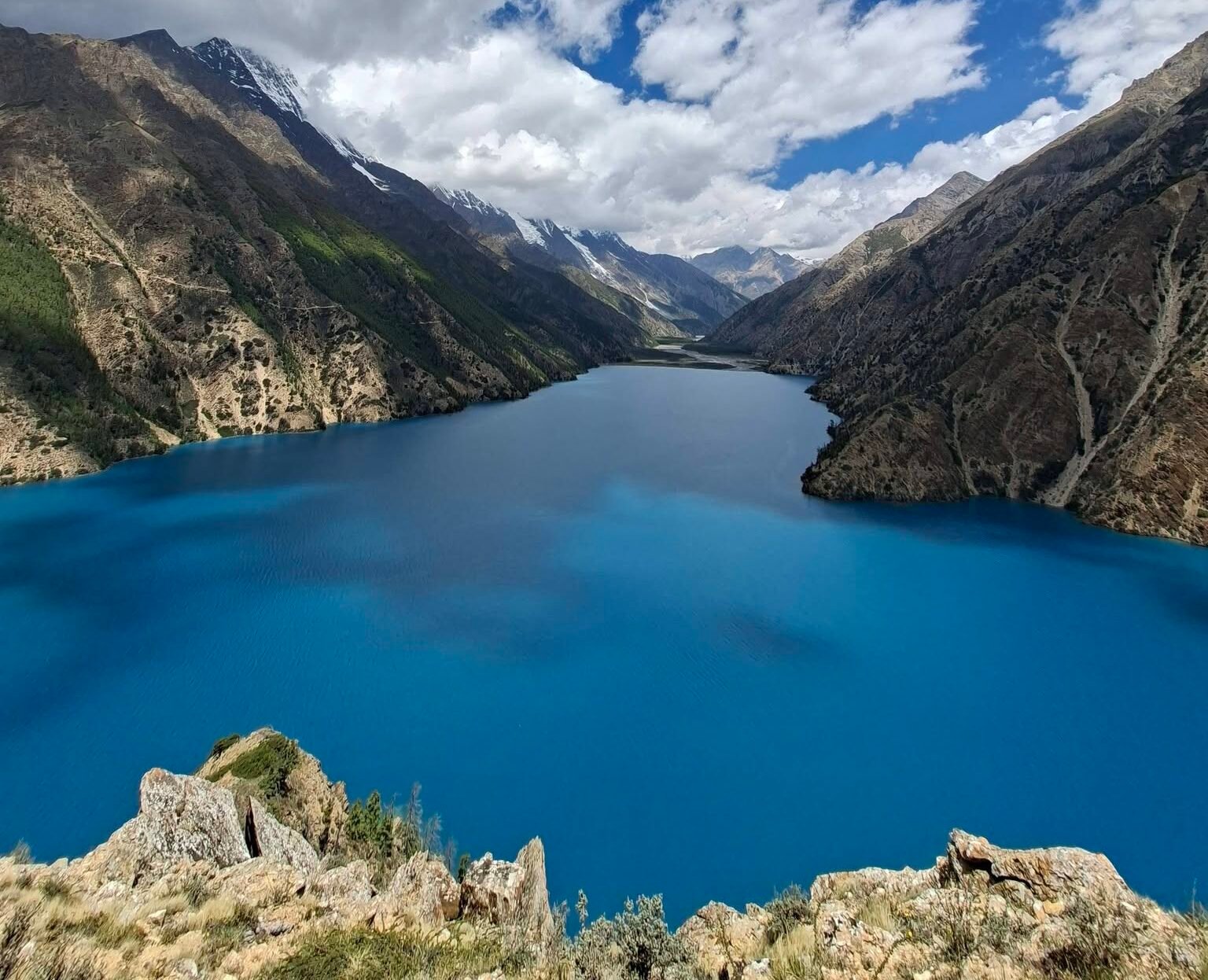
Selected Dolpo itineraries can be considered during the warmer months, but a trip here requires considerably more planning than a standard trek on a busy tea-house route.
Remote sections may have limited accommodation and supplies, and the timing of high passes depends on local weather, snow conditions and the exact route.
Some Dolpo journeys require restricted-area permits, specialist logistics and additional time for transport and access.

Do not select a remote itinerary based only on the fact that it lies in a relatively dry part of the Himalayas. Confirm permit requirements, route access, guide arrangements and emergency plans with a registered trekking operator.
Dolpo is best suited to travellers seeking a more remote cultural and wilderness experience who have enough time, flexibility and budget for the journey. If you are a beginner or have only a short holiday, a well-established route in the Annapurna region may be a more practical starting point.
How to Choose Your Trekking Season
Before you book, decide what matters most to you. Some trekkers prioritise clear mountain views, others want colourful forests or cultural festivals, and some need a route that works around fixed holiday dates. Matching your main priority to the season can help you narrow down the choices.
| Your priority | Season to consider | Trek ideas |
|---|---|---|
| Clear mountain panoramas | October–November; also March–April | Everest Base Camp, Annapurna Base Camp, Poon Hill. |
| Rhododendron forests and spring scenery | March–April, depending on elevation | Poon Hill, Mardi Himal and other suitable forested routes. |
| Short trek for a first visit | Spring or autumn | Ghorepani Poon Hill or Everest View, depending on altitude tolerance and fitness. |
| Dry landscapes during monsoon | June–August, subject to local conditions | Upper Mustang; selected Manang and Dolpo routes with suitable access and permits. |
| Quieter trails and winter scenery | December–February | Suitable lower-altitude treks, with current snow and weather checks. |
What to Pack for Trekking in Nepal
Your packing list should reflect the season, maximum altitude and type of accommodation on your route. The same kit is not necessarily appropriate for a warm lower-valley walk and a high-altitude trek with freezing nights.
Layering is more useful than relying on one heavy jacket, because you can add or remove clothing as the temperature and activity level change.
| Item | Why it matters |
|---|---|
| Moisture-wicking base layers | Help manage sweat during uphill walking and provide a comfortable starting layer in changing temperatures. |
| Fleece and insulated jacket | Provide warmth for cold mornings, evenings, rest stops and higher elevations. |
| Waterproof and windproof shell | Useful for rain, wind and sudden weather changes. Waterproof trousers may also be helpful during the monsoon. |
| Broken-in trekking boots | Provide traction and support on rough trails. Choose footwear appropriate to the terrain and expected conditions. |
| Sun protection | Pack sunglasses, sunscreen, lip balm and a hat. Sun exposure can be strong at altitude, including in cold weather and dry rain-shadow regions. |
| Water treatment and reusable bottles | Make it easier to carry enough drinking water and treat water safely according to the conditions and guidance on your route. |
| Headlamp and power bank | Useful for early starts, power interruptions and keeping essential devices charged during the trek. |
| Small first-aid kit | Include personal medication, blister care and basic supplies. Ask a qualified medical professional about medicines for altitude or other specific risks before travelling. |
During winter and on high-altitude routes, prioritise insulation, warm gloves, a hat, suitable socks and a sleeping arrangement appropriate to the expected temperature.
During the monsoon, add a reliable rain shell, protection for your backpack and a way to keep spare clothing dry. For Upper Mustang, sun protection, wind protection and hydration are especially important because much of the route is exposed and dry.
Trekking Safety: What to Check Before You Leave
Good timing improves a trekking experience, but it cannot eliminate mountain risks. Weather can change rapidly, and altitude illness can affect people regardless of age or fitness. Before departure, confirm the route, accommodation, transport, permit requirements and the experience of the guide or operator arranging your trek.
- Check the forecast and recent trail reports. Seasonal averages do not tell you whether a particular pass is safe today.
- Allow for acclimatisation. Avoid gaining sleeping altitude too quickly and include rest or acclimatisation days where the itinerary requires them.
- Recognise altitude symptoms. Headache, nausea, dizziness and unusual fatigue above 2,500 m may indicate acute mountain sickness. Tell your guide or companions promptly.
- Do not continue ascending when unwell. If symptoms worsen, descent may be necessary. Severe breathlessness at rest, confusion or difficulty walking require urgent assistance and descent.
- Plan for delays. Leave flexibility for weather, flights, road conditions and unexpected rest requirements, particularly on remote routes.
- Confirm permits and local requirements. Restricted areas such as Upper Mustang have special permit requirements. Check current rules with your registered trekking operator before booking.
Frequently Asked Questions About the Best Time to Trek in Nepal
Which month is best for trekking in Nepal?
October and November are excellent months for many classic treks because post-monsoon skies are often clear. March and April are also popular for warmer spring conditions and blooming forests. The best month for you depends on your destination, altitude and preferred scenery.
Can I trek in Nepal during July or August?
Yes, but route selection matters. Much of Nepal receives monsoon rainfall during these months, which can cause slippery trails and transport disruption. Upper Mustang and selected rain-shadow destinations may be more suitable, provided local conditions and access arrangements are checked.
Is winter a good time for beginners to trek in Nepal?
Winter can work for beginners choosing appropriate lower-altitude routes with flexible itineraries. Cold nights, snow and ice can make higher routes much more challenging, so check trail conditions carefully and avoid exposed high-pass crossings when conditions are unsafe.
Which Nepal trek is best for first-time trekkers?
Ghorepani Poon Hill is a strong option for many first-time trekkers because it offers villages, forest trails and mountain viewpoints within a comparatively short itinerary. It still involves uphill walking and a viewpoint above 3,000 m, so basic fitness and suitable preparation are important.
What is the rain shadow in Nepal?
A rain shadow is an area that receives less precipitation because mountains block much of the moisture arriving with prevailing winds. Upper Mustang is a well-known Himalayan example. Parts of Manang and Dolpo also have relatively dry landscapes, but weather and access conditions can still change.
Plan Your Nepal Trek with Nepal Royal Tourism Holiday
The best time to trek in Nepal is ultimately the time that matches your chosen route, available days, experience and expectations.
Spring and autumn offer the widest choice for many classic itineraries, winter can reward travellers who prefer suitable lower-altitude trails, and monsoon-season trips can work well when planned around rain-shadow destinations and current access conditions.

Before booking, decide what you most want to experience: a sunrise over the Annapurna range, a journey to Everest Base Camp, a demanding high-pass circuit or the dry valleys and historic settlements of Upper Mustang.
Then choose the season and itinerary that fit that goal rather than selecting a route simply because it is famous.
Nepal Royal Tourism Holiday offers trekking itineraries across several regions of Nepal, from short mountain walks to longer Himalayan journeys. Explore the packages above or contact our team to discuss your available dates and the type of trekking experience you want.
Your Himalayan Adventure Starts with the Right Season
Tell us when you plan to visit Nepal, how many days you have and which landscapes you want to explore. We can help you compare suitable trekking routes for your trip.