


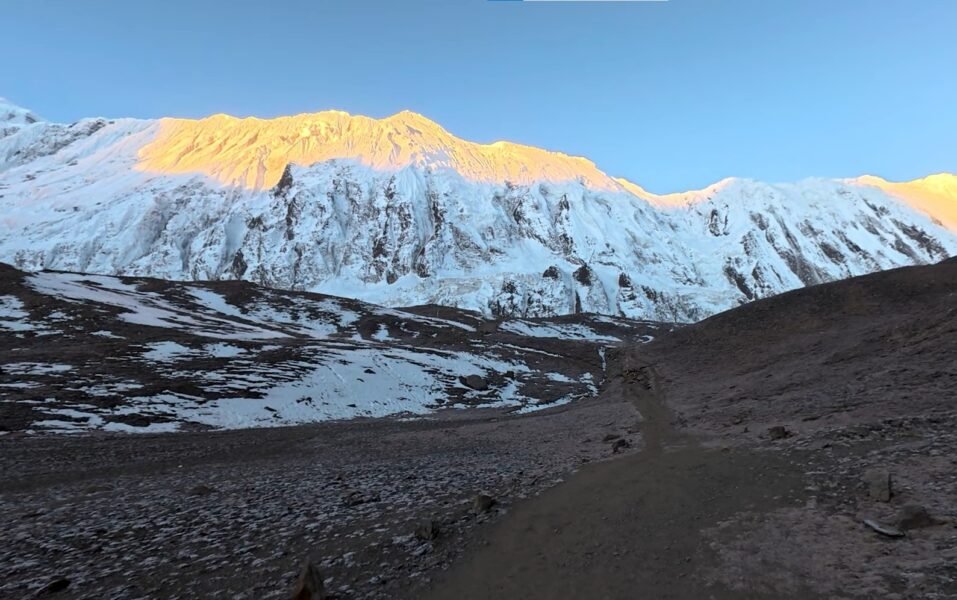
Nepal Trekking List of 10 Challenging Himalayan Routes for Fit and Experienced Trekkers
Some trekkers come to Nepal looking for a comfortable mountain introduction. Others want a route that demands considerably more: repeated days above 4,000 metres, a high pass before sunrise, long stretches away from road access, or a journey where fatigue begins to matter as much as the distance shown on the map.
If that second description sounds more like you, this Nepal trekking list has been built with a different type of traveller in mind.
The ten routes below are not simply the highest treks we could find. They represent different forms of Himalayan difficulty. Everest Three High Passes involves repeated crossings above 5,000 metres.
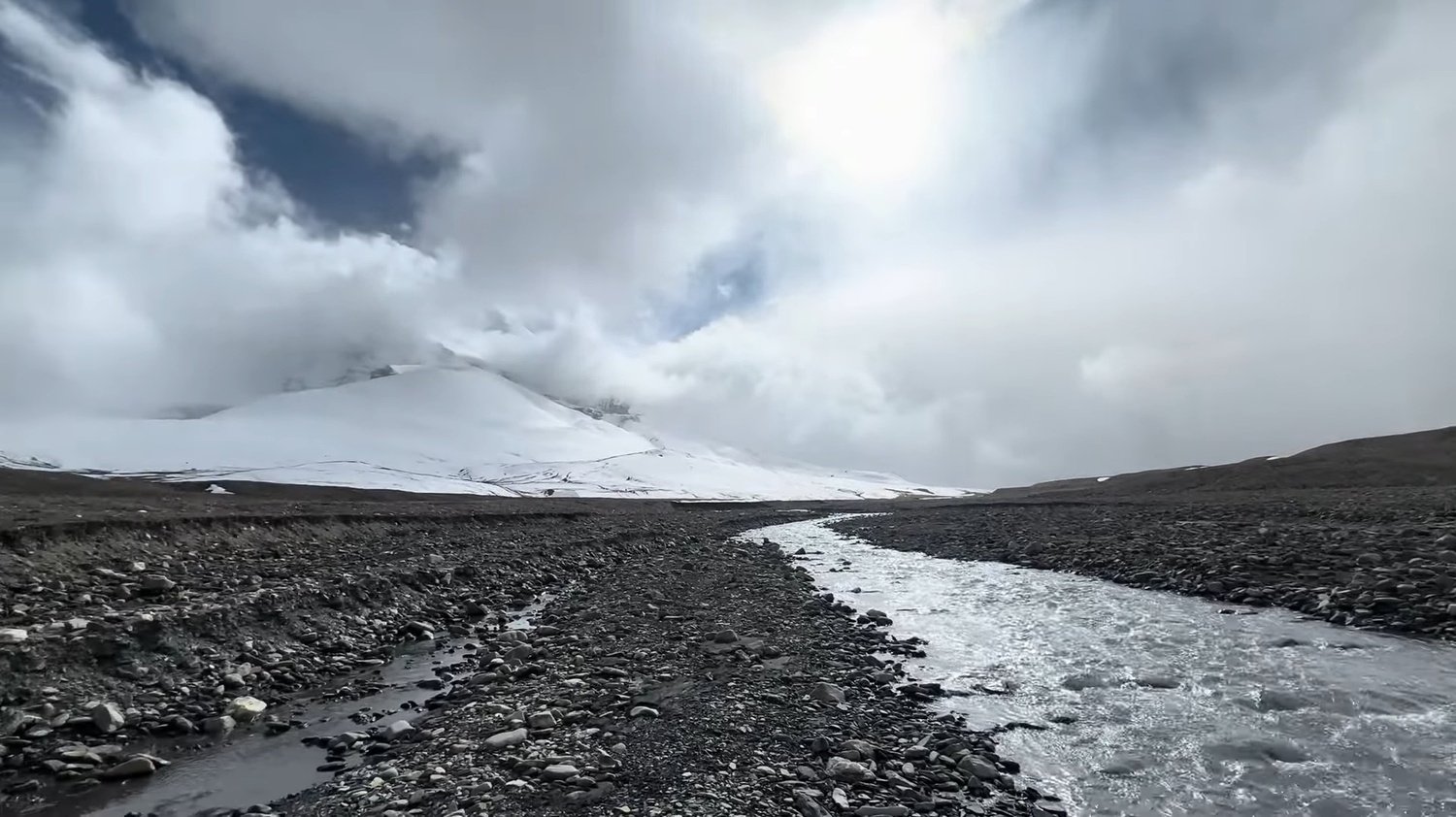
Dhaulagiri demands remote camping logistics. Kanchenjunga asks for time and patience. Manaslu combines a long approach with Larkya La, while Nar Phu adds restricted valleys and high passes to the wider Annapurna landscape.
Even familiar names such as Everest Base Camp, Gokyo Lakes and the Annapurna Circuit deserve a place when the focus is sustained high-altitude trekking rather than technical mountaineering.
They may not require the same expedition skills as a Himalayan climb, but altitude, recovery, weather and repeated walking days still make them serious journeys.
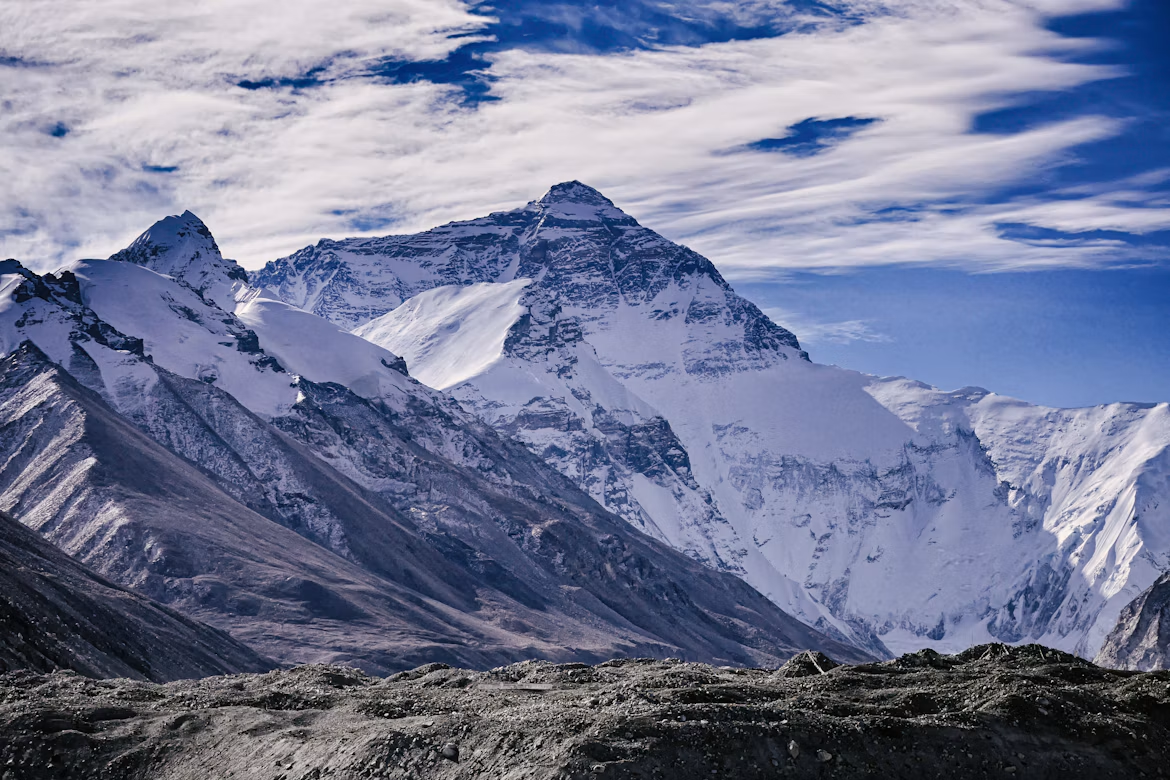
The most important distinction is that fitness and altitude experience are not the same thing. A strong runner can struggle above 4,500 metres. A slower trekker with previous high-altitude experience may understand pacing and recovery far better.
Likewise, a technically simple trail can become difficult because of snow, remoteness, poor recovery or several hard days in succession.
This guide therefore focuses on what actually makes these ten routes challenging: high passes, duration, trail character, remoteness, acclimatisation and the level of experience that helps a trekker approach them realistically.
Looking for a Bigger Himalayan Challenge?
Tell Nepal Royal Tourism Holiday what you have trekked before, the highest altitude you have reached and how many days you have in Nepal. We can help you compare suitable routes.
Comparing 10 Challenging Trekking Routes in Nepal
These treks should not be compared only by maximum altitude. A remote route with basic facilities can be harder to manage than a higher route with established teahouses. A trek involving several major passes may demand more recovery than one high point reached gradually over two weeks.
Trip lengths vary according to the exact itinerary, acclimatisation schedule, transport arrangements and extensions. The figures below are useful planning references rather than guarantees that every version of the route follows exactly the same schedule.
| Route | Typical Duration | Main Challenge | Why It Belongs Here |
|---|---|---|---|
| 1. Everest Three High Passes | Around 18 days | Three 5,000 m+ passes | Kongma La, Cho La and Renjo La with Everest Base Camp and Gokyo. |
| 2. Dhaulagiri Circuit | Approx. 16–21+ days | Remote camping and high passes | French Pass, Hidden Valley, Dhampus Pass and expedition-style logistics. |
| 3. Kanchenjunga Circuit | Three weeks or more | Distance and remoteness | A long eastern Nepal journey linking the wider north and south sides of Kanchenjunga. |
| 4. Manaslu Circuit | Around 15 days | Larkya La and long mountain stages | Remote valleys, increasing altitude and a major high-pass crossing. |
| 5. Annapurna Circuit | Around 14 days | Endurance and Thorong La | A sustained circuit through changing terrain before crossing 5,416 m Thorong La. |
| 6. Gokyo Lakes | Around 14 days | Altitude and Gokyo Ri | Glacial lakes, Ngozumpa Glacier and a demanding high viewpoint. |
| 7. Everest Base Camp | Around 14 days | Sustained high-altitude trekking | Repeated walking days, cold upper valleys and substantial time above 4,000 metres. |
| 8. Nar Phu Valley | Around 17 days | Remote valleys and high passes | Restricted-area trekking, Nar and Phu villages and Kang La. |
| 9. Makalu Base Camp | Approx. 16–20 days | Remote terrain and long approaches | A wilderness journey through the Barun Valley towards Makalu Base Camp. |
| 10. Annapurna Circuit with Tilicho Lake | Around 16 days | Lake approach plus high pass | Tilicho Lake at about 4,919 m followed by the wider Annapurna Circuit and Thorong La. |
One List, Several Different Types of Difficulty
A high-pass trek, a remote camping circuit and a long teahouse journey can all be challenging for different reasons. The route that suits you depends on where your previous experience actually lies.
1. Everest Three High Passes Trek: A Serious Challenge in the Khumbu
If you want one of the most demanding established trekking routes in the Everest region, the Everest Three High Passes Trek belongs near the top of this list.
Instead of following the standard Everest Base Camp route and returning through the same general valley, the journey links three major passes with Everest Base Camp and Gokyo.

The attraction is not simply the number of famous places visited. It is the way the route repeatedly takes you away from the easier valley floor and back into high mountain terrain.
The trek combines Sherpa settlements with glaciers, rocky approaches, exposed slopes and days where the conditions on a single pass can determine whether the planned route remains sensible.
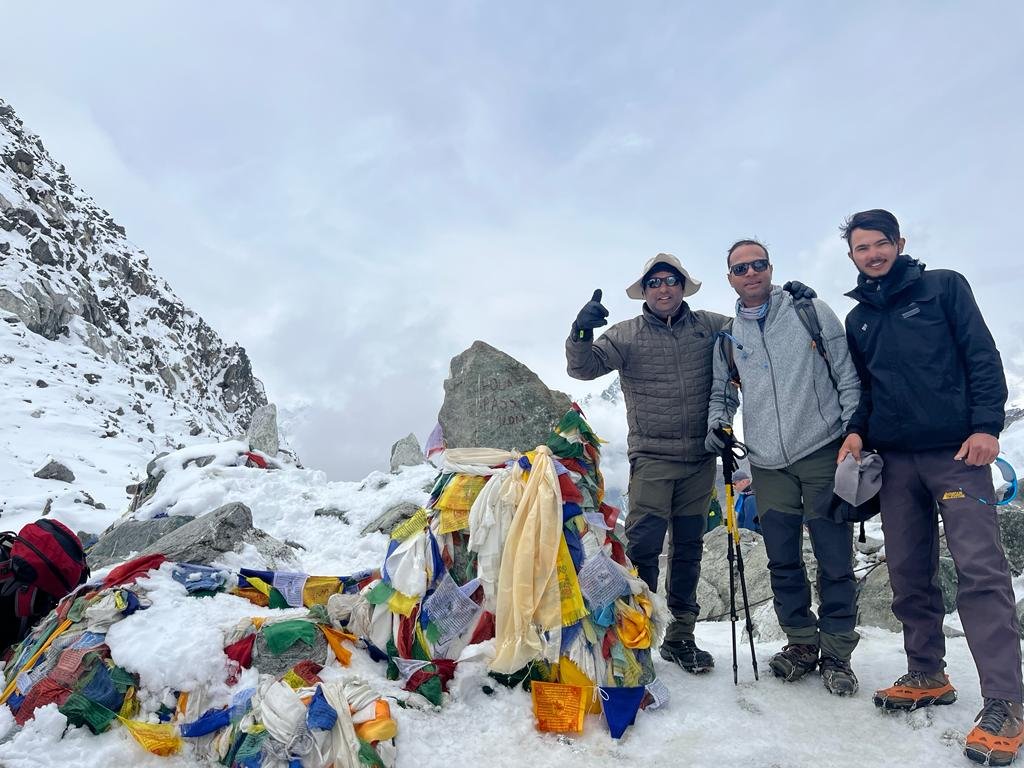
An itinerary of around eighteen days gives the route enough space for gradual altitude gain while still fitting three demanding crossings into the wider Khumbu journey.
The Three High Passes
| Pass | Approx. Elevation | Main Demand |
|---|---|---|
| Kongma La | 5,535 m | A high rocky crossing surrounded by glacial terrain. |
| Cho La | About 5,420 m | Steep terrain where snow and ice can change the character of the crossing. |
| Renjo La | About 5,360 m | Sustained climbing and another major effort above Gokyo. |
The route normally progresses through the Khumbu towards Dingboche and Chhukung before the first major crossing. Everest Base Camp and Kala Patthar fit into the broader circuit before the trek moves towards Cho La, Gokyo and eventually Renjo La.
This is best suited to trekkers who already understand how their bodies respond to several consecutive mountain days. Good cardiovascular fitness is important, but so is patience.
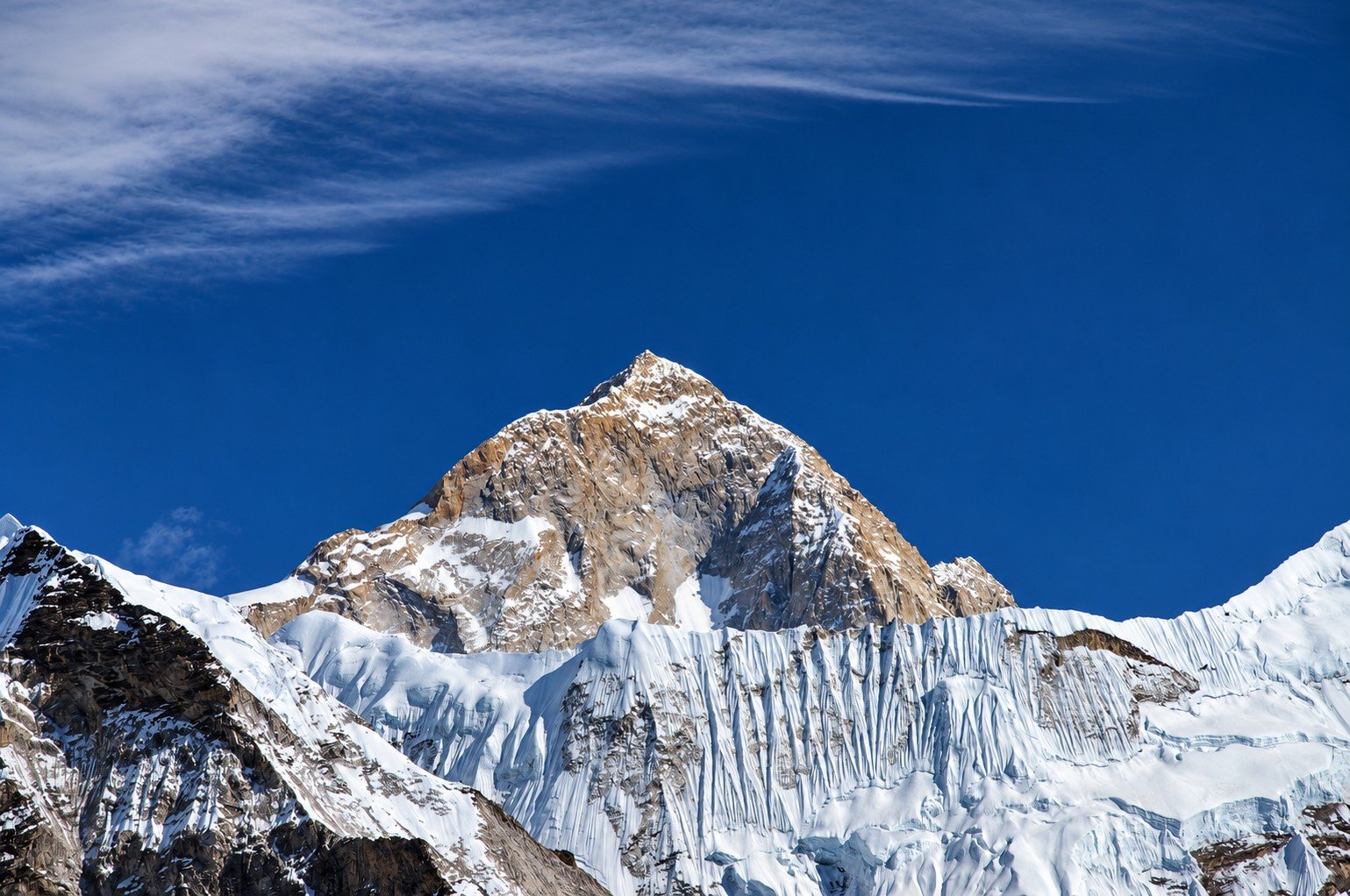
A strong trekker who pushes aggressively during the early stages can reach the first major pass more tired than someone who deliberately protects their energy.
Snow, ice and visibility also matter. The fact that a pass appears in the itinerary does not mean it should be crossed regardless of conditions. A flexible attitude is part of being an experienced Himalayan trekker.
View Everest Three High Passes Trek
2. Dhaulagiri Circuit Trek: Remote Camping and High Passes
Dhaulagiri Circuit belongs to a different category from the established teahouse journeys of Everest and Annapurna. It circles the Dhaulagiri massif and moves into remote high country where the logistical challenge becomes part of the experience.
The route is associated with areas such as French Pass, Hidden Valley and Dhampus Pass. These are not simply scenic names on a map. They represent a stretch of trekking where altitude, camping support, food supply, weather and distance from easy road access all matter.
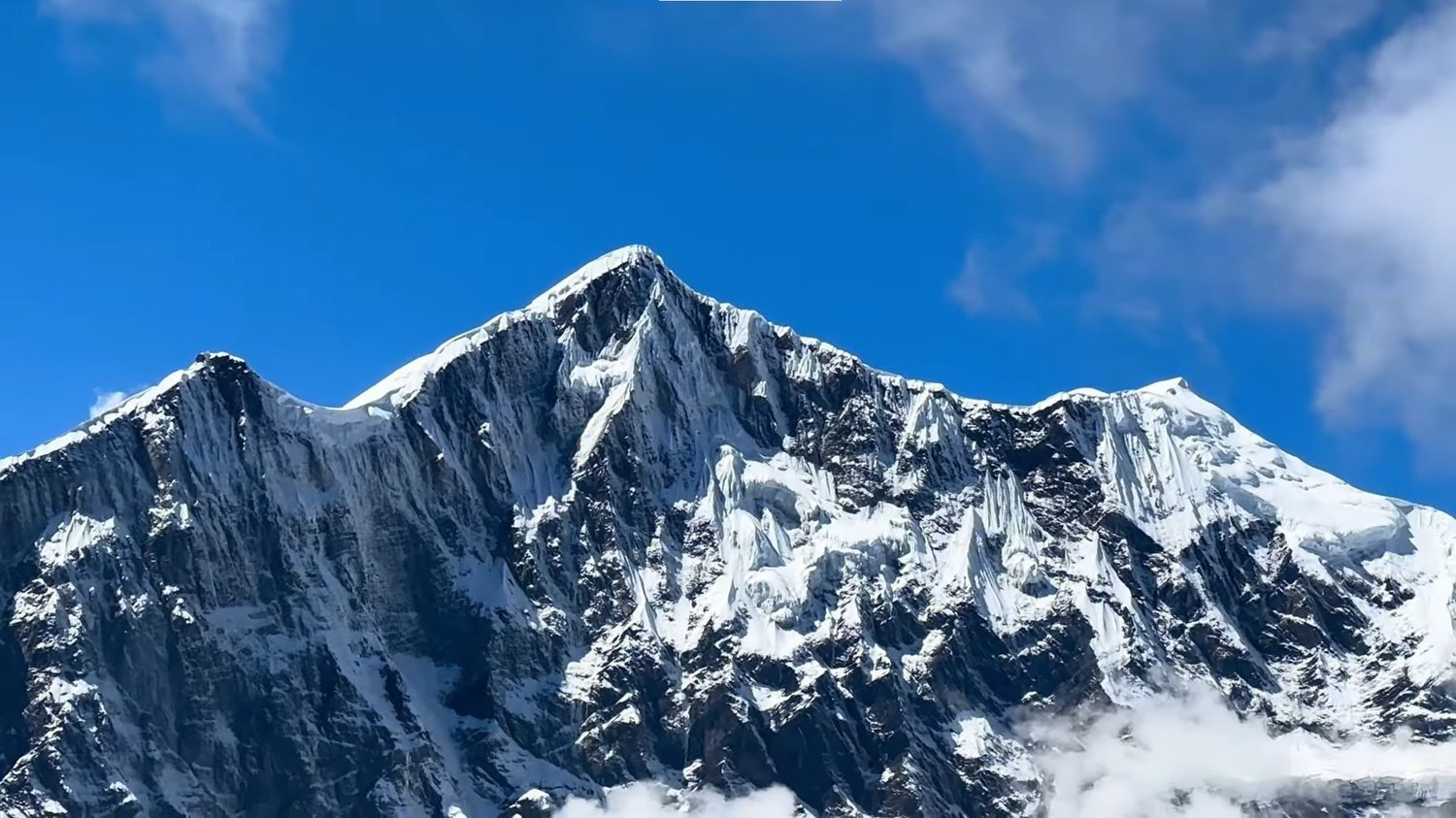
For an experienced trekker, this can be precisely the attraction. The route feels less like moving between commercial trekking centres and more like committing to a continuous mountain journey where the team has to be prepared for several days of limited infrastructure.
That changes the preparation required. It is not enough to know that you can walk for seven hours. You also need to be comfortable with simpler conditions, colder camps and fewer opportunities to solve a problem by simply buying something in the next village.

The trekking circuit should also be kept separate from a Dhaulagiri mountaineering expedition. A circuit trek and an expedition to the mountain are different objectives with different support requirements.
Anyone interested in Dhaulagiri Circuit should confirm the exact route, support structure and current availability rather than assuming it operates like a standard teahouse departure.
Enquire About Dhaulagiri Circuit
3. Kanchenjunga Circuit Trek: A Long Journey into Eastern Nepal
The Kanchenjunga region rewards trekkers who value remoteness as much as altitude. Located in eastern Nepal, the wider circuit explores landscapes around Kanchenjunga, the world’s third-highest mountain, through forests, villages, high valleys and increasingly rugged Himalayan terrain.
The difficulty here comes from accumulation. Travel to the region takes time. The trekking stages continue for many days. Facilities become more basic as you move farther into the mountains, and changing an itinerary at short notice is not as simple as it can be on a heavily travelled route.
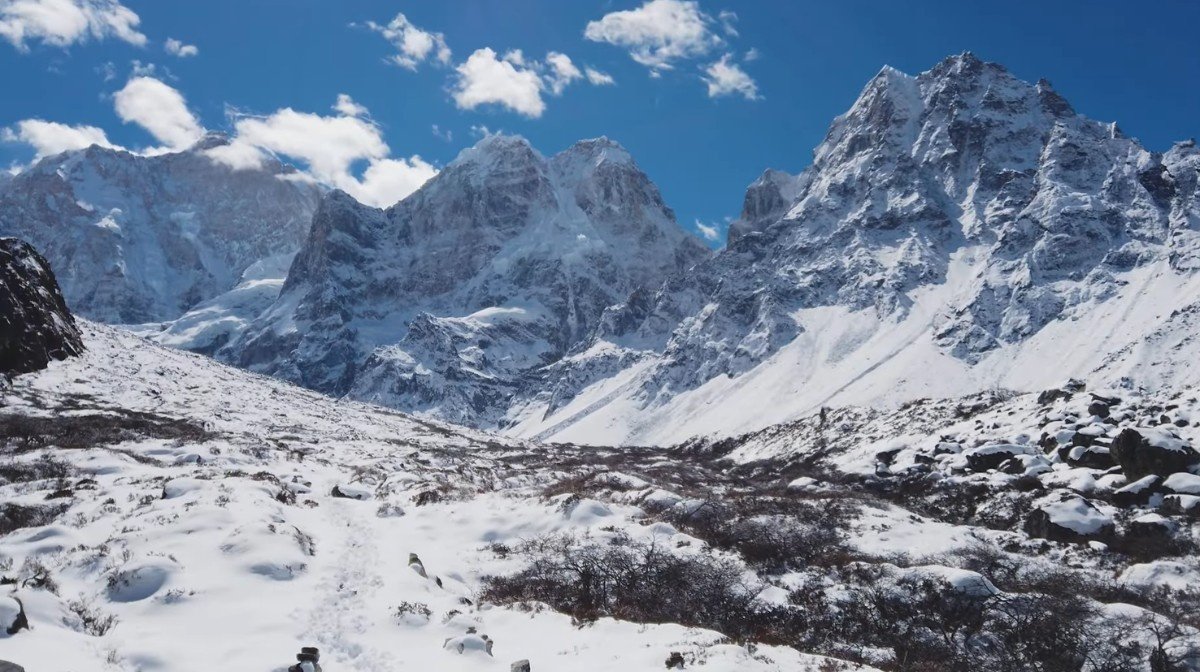
A full Kanchenjunga Circuit should also be distinguished from the separate North and South Base Camp journeys.
The North Base Camp route reaches the Pangpema side of the mountain, while the South Base Camp route explores the Yalung side. Linking the broader region requires considerably more time.
For advanced trekkers, that longer format is the attraction. Instead of working towards one pass or viewpoint, the challenge is maintaining your body and concentration over a lengthy itinerary where the scenery continues to change.
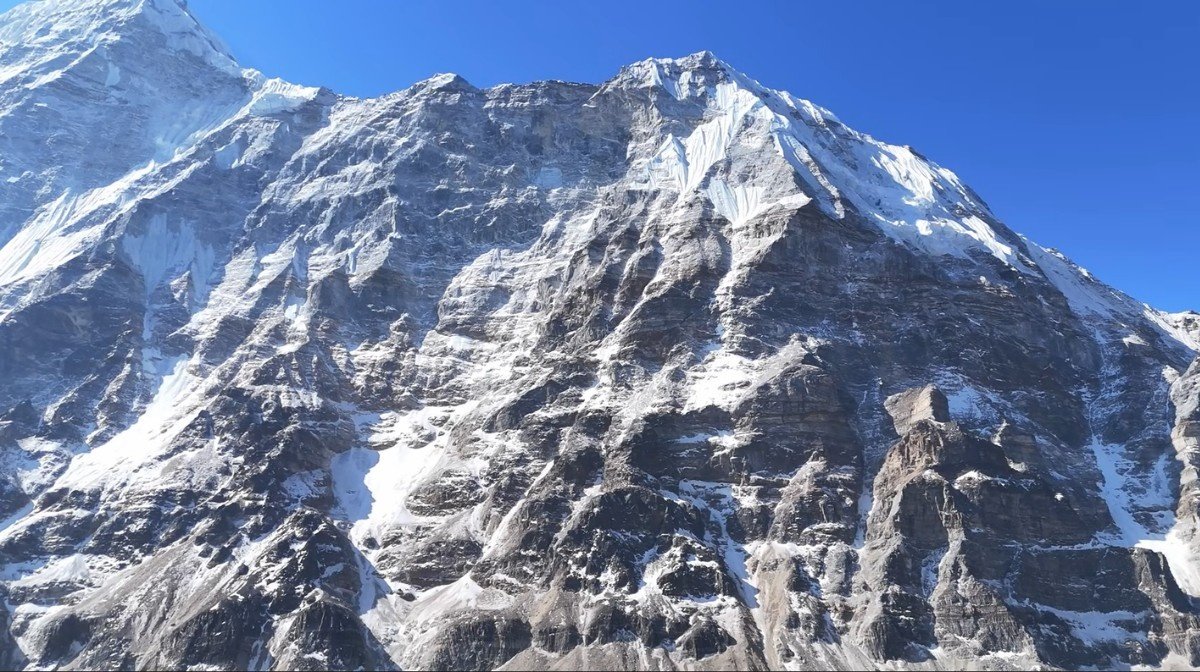
It suits people who are already comfortable with long treks and who do not expect every evening to offer the same facilities found in Namche Bazaar or the main Annapurna corridor.
The mental side matters too. Remote trekking often feels slower, and progress can be influenced by transport, weather and local conditions well before the highest point is reached.
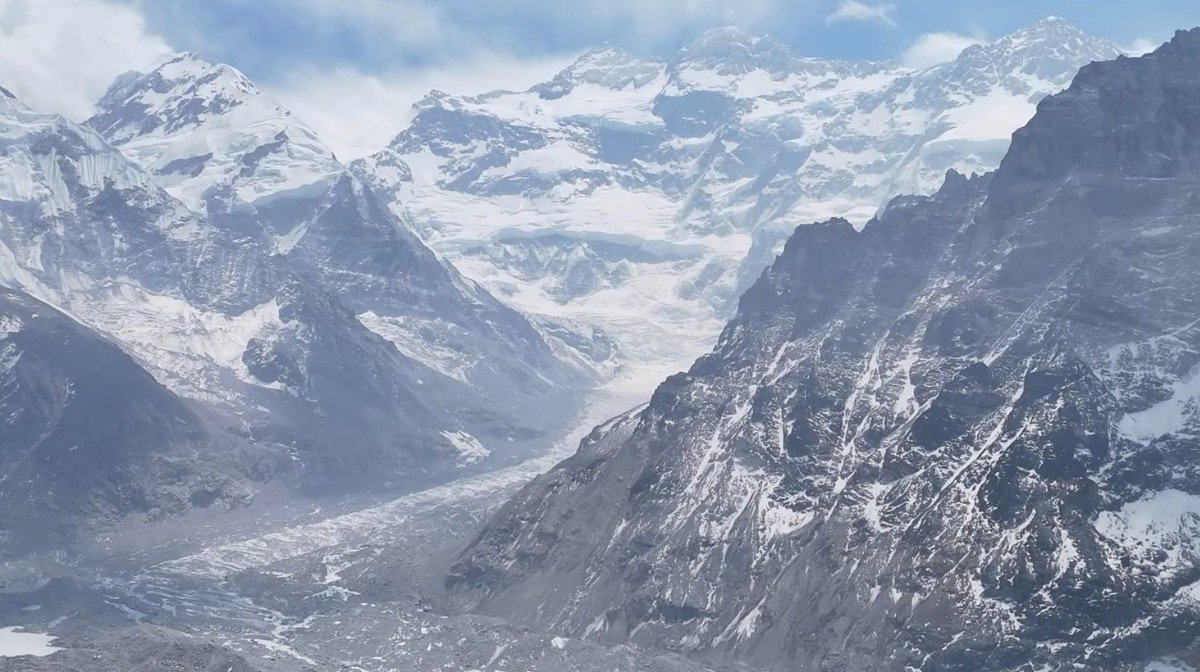
Trekkers interested in the full circuit should look carefully at how the northern and southern sides are connected rather than treating the individual base-camp journeys as the same itinerary.
Discuss a Full Kanchenjunga Circuit
4. Manaslu Circuit Trek: Remote Valleys and Larkya La
Manaslu Circuit sits in a useful middle ground on this list. It is remote enough to feel very different from Nepal’s busiest trekking routes, yet it still follows a defined circuit with teahouse accommodation through much of the journey.
The trek begins lower in the Budhi Gandaki valley and gradually changes as the route climbs. Forested sections and cultivated slopes give way to increasingly rugged terrain and villages where Tibetan cultural influence becomes more visible.
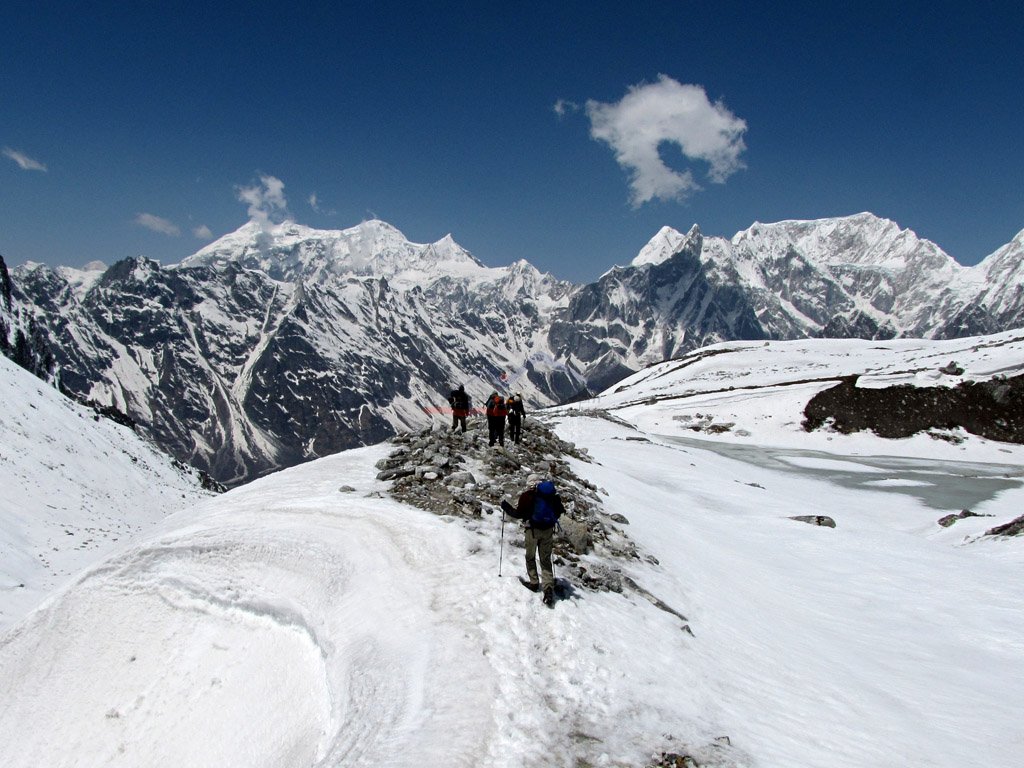
The defining physical challenge is Larkya La at approximately 5,106 metres. The pass itself is only one stage, but the difficulty comes from everything leading towards it: gradual elevation gain, cold mornings, remote upper settlements and the need to arrive at the crossing with enough energy left.
This is also a restricted trekking region, which adds another layer of planning. Permits, guiding arrangements and the itinerary need to be organised properly before entering the route.

For a fit trekker moving up from more conventional teahouse journeys, Manaslu can be a strong next step. It introduces remoteness and a major pass without requiring the expedition-style camping structure associated with Dhaulagiri.
It is still not a trek to rush. The strongest person in a group does not set the acclimatisation rate for everyone else, and saving a day by compressing the upper itinerary can turn an enjoyable circuit into a much harder experience than necessary.
5. Annapurna Circuit Trek: Endurance and Thorong La
The Annapurna Circuit remains one of Nepal’s classic long-distance treks because the character of the trail changes so dramatically from beginning to end. Lower river valleys and cultivated hillsides gradually transition towards the drier mountain landscapes around Manang before the route climbs to Thorong La.
Thorong La reaches approximately 5,416 metres and is the obvious high point of the circuit. Yet experienced trekkers should think about the route as more than a single pass day.

Its difficulty lies in the accumulation of walking, elevation gain and the need to preserve energy across a journey that keeps changing underfoot.
Manang plays an important role in acclimatisation. By the time the route moves towards Yak Kharka, Thorong Phedi or High Camp, the trekker should already have spent enough time adapting rather than simply feeling fit.
Crossing Thorong La normally means starting early and climbing through cold high-altitude terrain before descending a considerable distance towards Muktinath. The downhill section can be as tiring on the legs as the ascent is on the lungs.
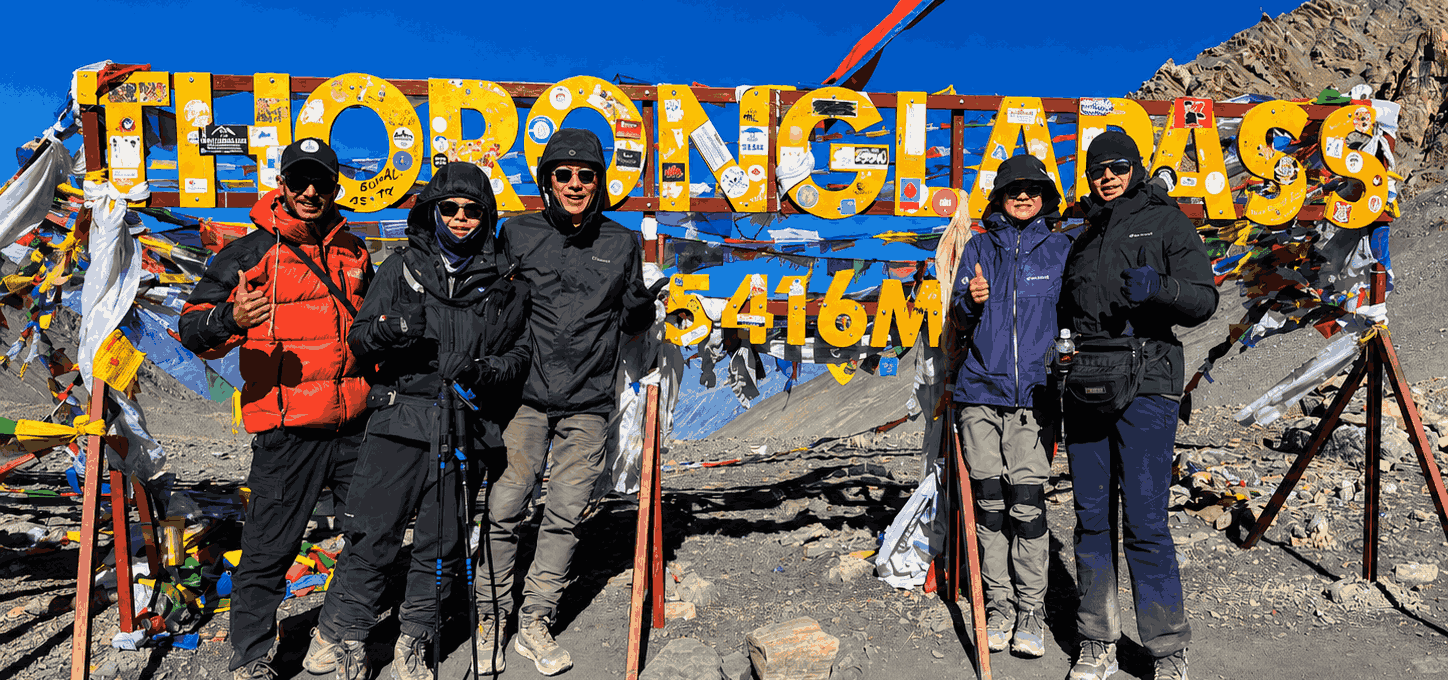
The Annapurna Circuit belongs on an advanced trekking list because it rewards consistency.
It does not necessarily contain the same remote logistics as Dhaulagiri or the repeated pass crossings of the Everest Three Passes, but a trekker who arrives underprepared can still find several consecutive days very demanding.
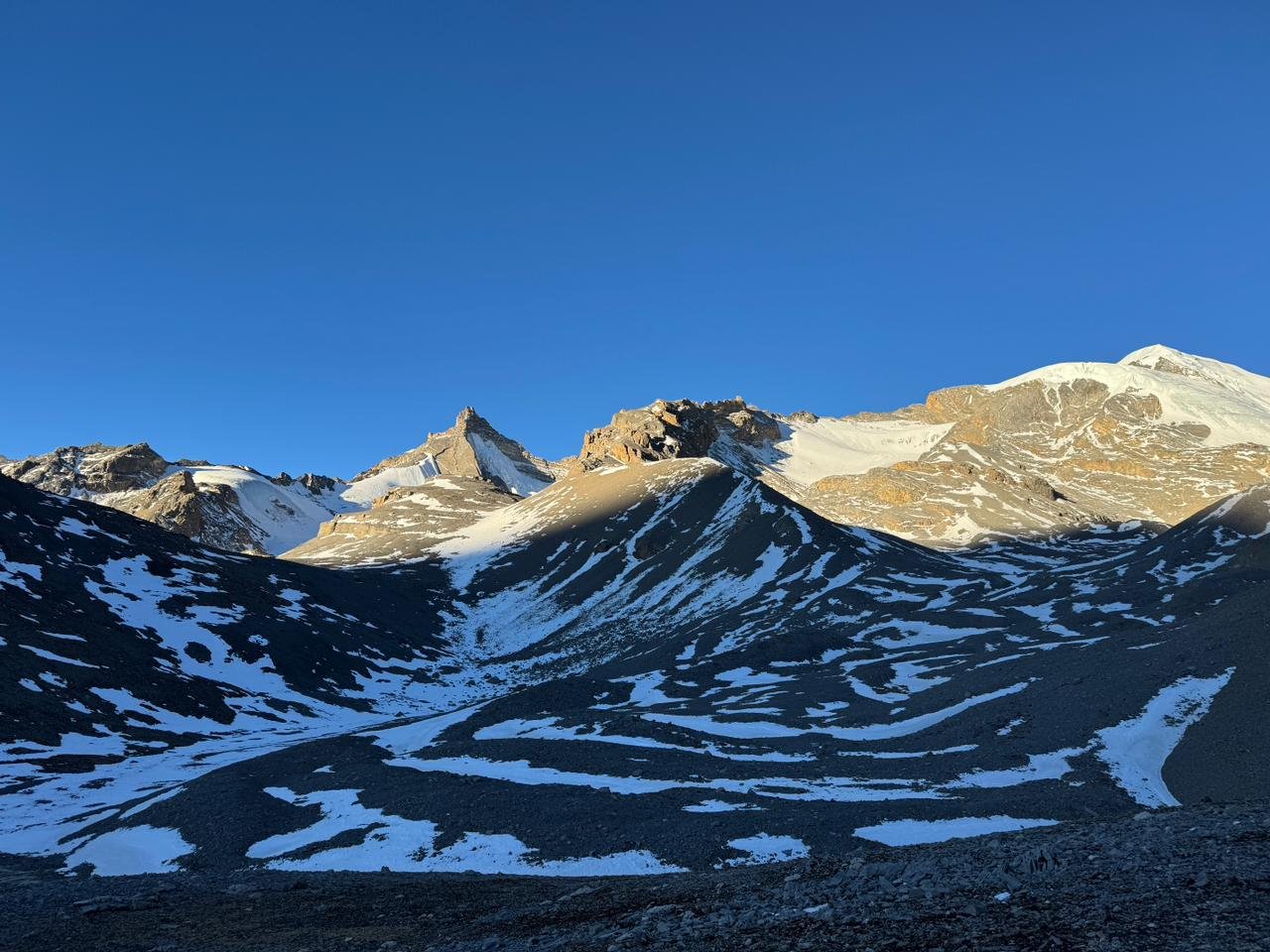
Different versions of the circuit use different combinations of walking and road transport, so it is worth checking exactly how much of the traditional route is included before comparing itineraries.
6. Gokyo Lakes Trek: High-Altitude Lakes and Gokyo Ri
Gokyo Lakes gives experienced trekkers a different reason to enter the Everest region. Instead of making Everest Base Camp the central objective, the trail continues towards a series of glacial lakes beneath the surrounding peaks and the huge Ngozumpa Glacier.
The route remains a high-altitude trek. Gokyo village sits well above the elevations encountered during the early Khumbu stages, and the optional climb of Gokyo Ri reaches roughly 5,357 metres.
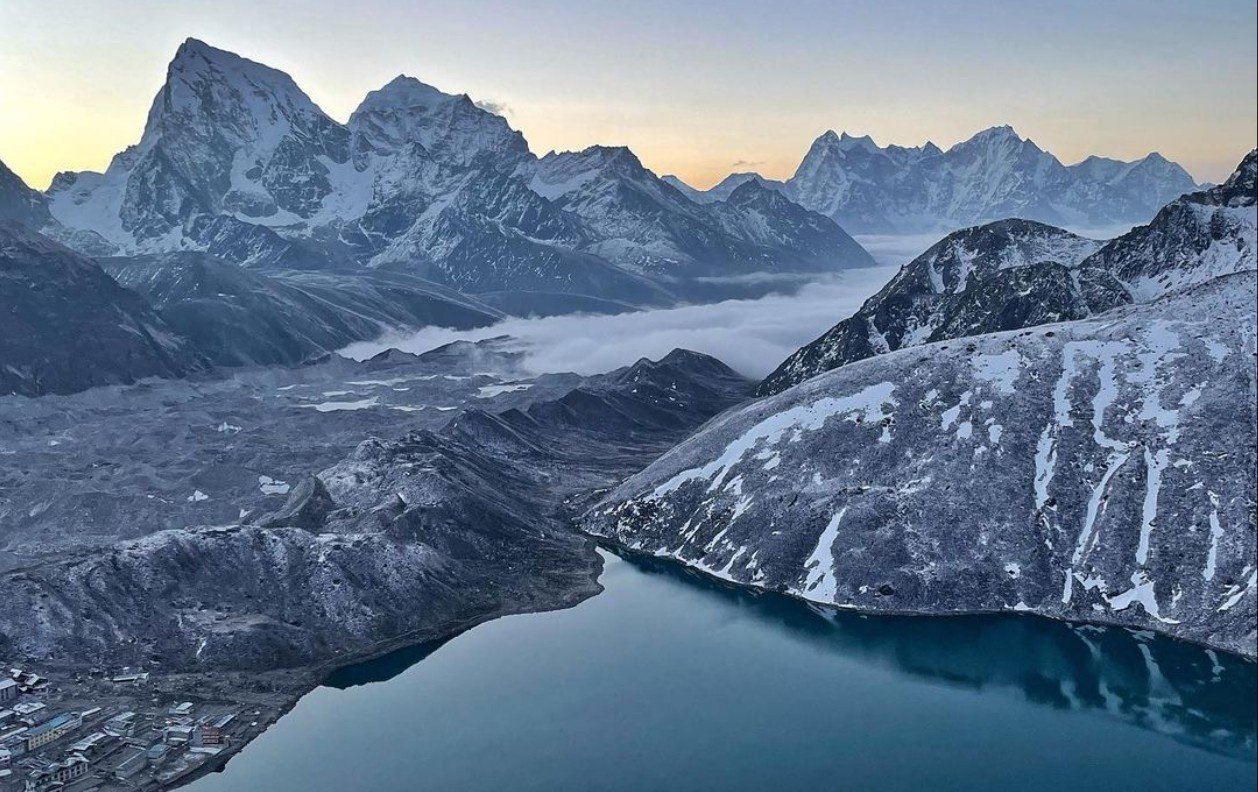
That ascent is one reason Gokyo belongs on this list. The distance may not look intimidating on paper, but climbing steeply from an already high sleeping elevation makes the effort feel very different from a similar ascent lower in the mountains.
The trek is well suited to people who want Everest-region scenery without following the standard base-camp route. Lakes, glacial terrain and broad mountain panoramas give the upper valley its own identity.
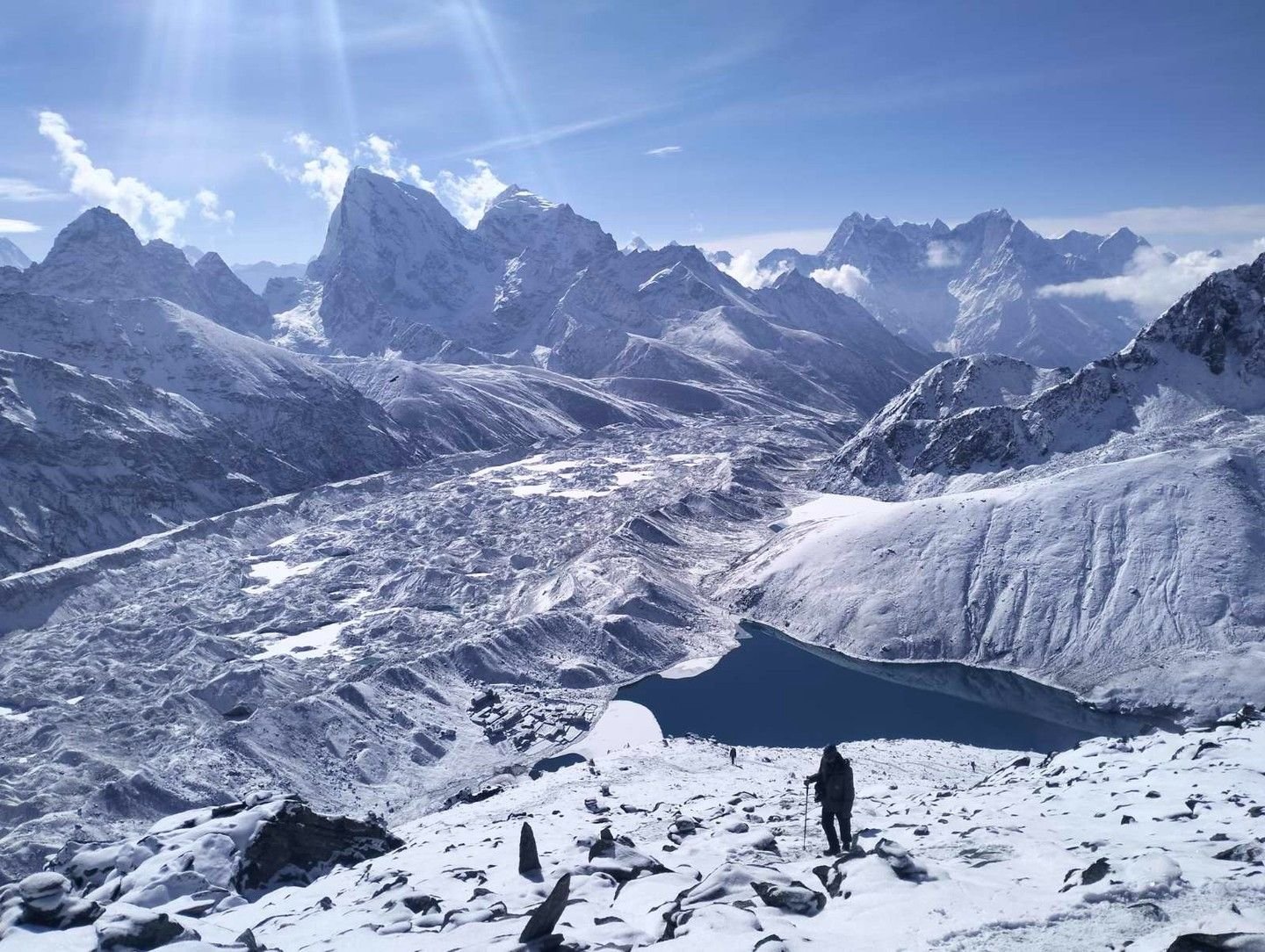
It should not, however, be sold as an easy alternative to Everest Base Camp. The body still has to adapt to altitude, and cold or poor weather can make the upper stages considerably harder.
Experienced trekkers wanting even more can connect Gokyo with Cho La and the Everest Base Camp side, but that becomes a different challenge from the standard Gokyo Lakes journey.
7. Everest Base Camp Trek: Sustained Walking at High Altitude
Everest Base Camp is famous enough that experienced hikers sometimes underestimate it. The standard route does not normally require technical climbing, yet that does not make two weeks of trekking through the Khumbu an easy holiday.
The difficulty develops gradually. Early stages from Lukla move through villages and river valleys towards Namche Bazaar. After Namche, elevation becomes a much bigger part of the experience. Tengboche, Dingboche and Lobuche progressively move the trekker into colder, thinner air.
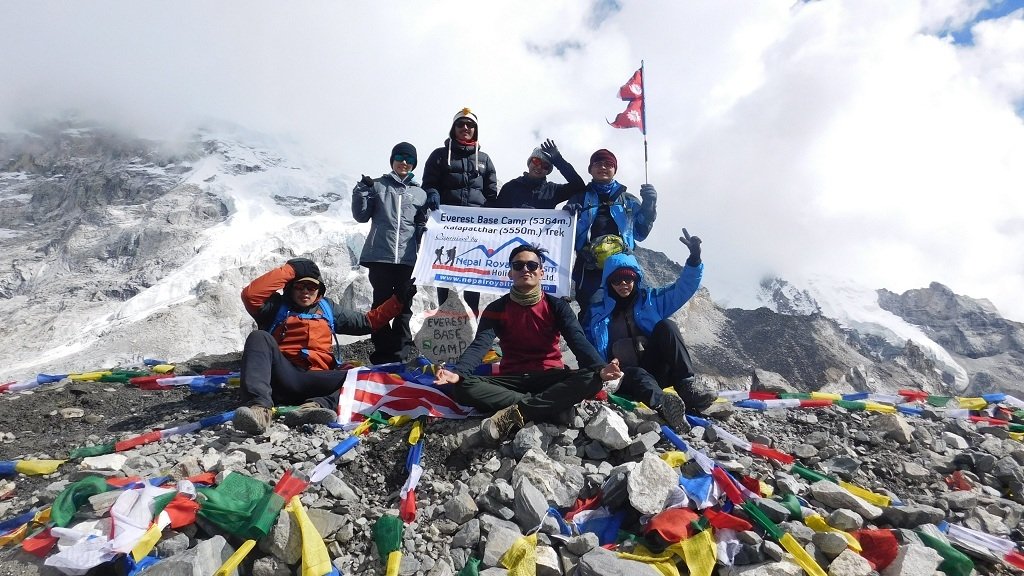
By the time the route reaches Everest Base Camp and the Kala Patthar section, the body has already completed several days of walking. This is why recovery matters. A trekker may feel excellent during the first half of the journey and still become tired after repeated nights at altitude.
For experienced trekkers, Everest Base Camp can therefore be understood as an endurance and acclimatisation challenge rather than a technical one.
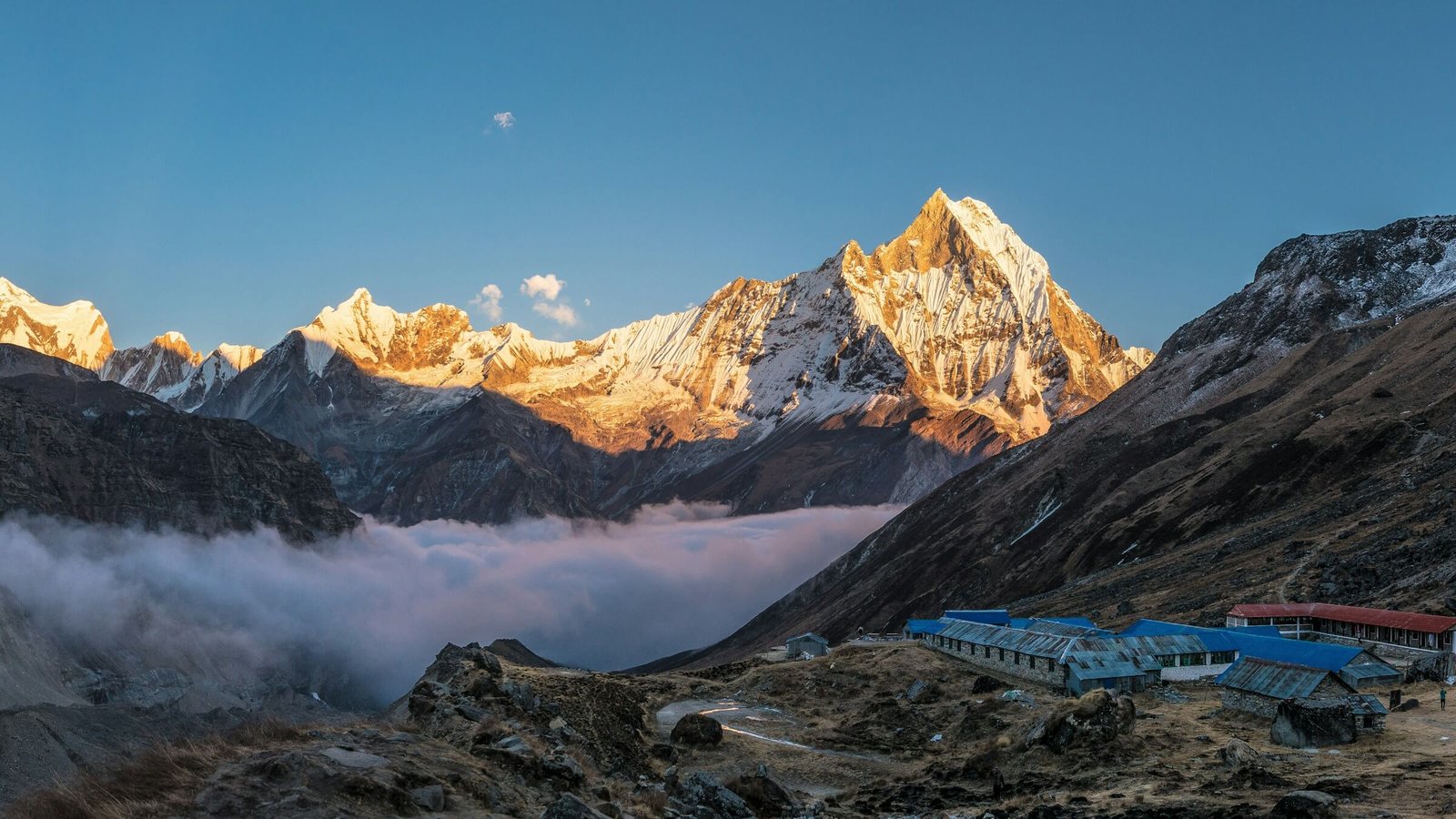
It is also useful as a benchmark. Someone who has already completed EBC comfortably may have a better idea of how they respond before considering Three High Passes or a more remote route.
The trek should still be respected on its own terms. Being able to run fast at sea level does not tell you how you will sleep at 4,900 metres. The smarter approach is to keep a controlled pace, use acclimatisation days properly and take symptoms seriously.
8. Nar Phu Valley Trek: Remote Villages and Kang La
Nar Phu Valley gives the Annapurna region a much more remote character. The trail branches away from the main circuit into the restricted valleys of Nar and Phu, where traditional settlements, monasteries and high mountain terrain create a very different experience from the busier trail through Manang.
The trek is demanding for both physical and logistical reasons. The route enters a restricted area, services are more limited, and the trail gains substantial elevation before crossing Kang La.

The cultural side is a major part of the journey. Phu and Nar are not simply overnight stops on the way to a pass. Their stone-built settlements, Buddhist traditions and isolated locations are part of what makes the trek worthwhile.
Physically, Kang La becomes the major test. The approach requires enough acclimatisation and energy for a long mountain day where wind, snow or visibility can change the difficulty quickly.

Some longer versions continue into the wider Annapurna Circuit and towards Thorong La. In that case, trekkers are not finished with major altitude once Kang La is behind them.
This makes Nar Phu especially suitable for people who want remote culture as much as physical challenge. If your only interest is reaching the highest possible point, another route may satisfy you more.
If you want demanding trekking through places that feel culturally and geographically distinct, Nar Phu is one of the strongest options on this list.
9. Makalu Base Camp Trek: Wilderness in the Barun Valley
Makalu Base Camp is worth considering when your definition of a challenging trek includes isolation as well as altitude. Located in eastern Nepal, the route approaches Makalu through the Barun Valley and passes through landscapes far removed from the country’s busiest trekking corridors.
The journey begins lower in forested terrain before climbing into increasingly rugged mountain country. The changes in elevation and vegetation are part of the experience, but they also mean the trekker needs to adapt to very different walking conditions over the course of the route.

Makalu Base Camp itself sits at roughly 4,870 metres, but the route should not be judged only by that figure. Remote access, fewer services, long days and limited flexibility can make a route below 5,000 metres more complicated than a better-supported trek reaching higher.
This is where experience matters. Trekking in a remote region requires confidence when a day does not go exactly as planned. Weather may change, transport can be disrupted and emergency assistance may take longer to organise.

Accommodation and food availability should also be confirmed for the intended itinerary. Depending on how the route is structured, additional support may be needed compared with Nepal’s more established teahouse corridors.
A suitable Makalu Base Camp trekking arrangement should therefore be confirmed directly rather than assumed from another Makalu or mountaineering product.
Enquire About Makalu Base Camp
10. Annapurna Circuit with Tilicho Lake: Two High-Altitude Objectives
The Annapurna Circuit with Tilicho Lake takes a familiar Himalayan circuit and adds another demanding high-altitude objective before Thorong La. For experienced trekkers, that combination creates a fuller Annapurna journey rather than simply adding a scenic side trip.
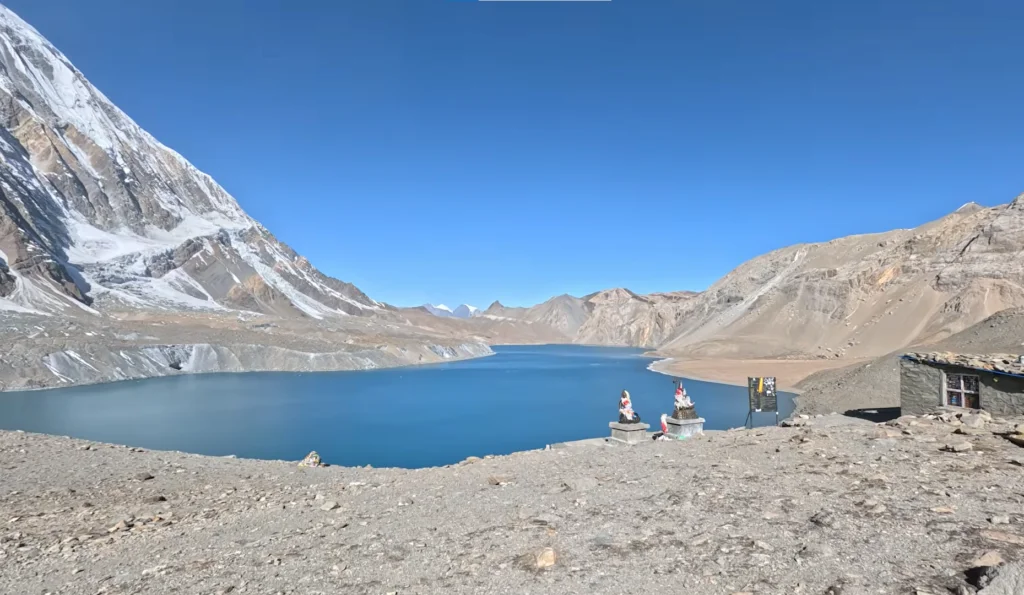
Tilicho Lake lies at approximately 4,919 metres. Reaching it means leaving the main circuit around the Manang side and entering a harsher landscape of rocky slopes and exposed high-altitude terrain.
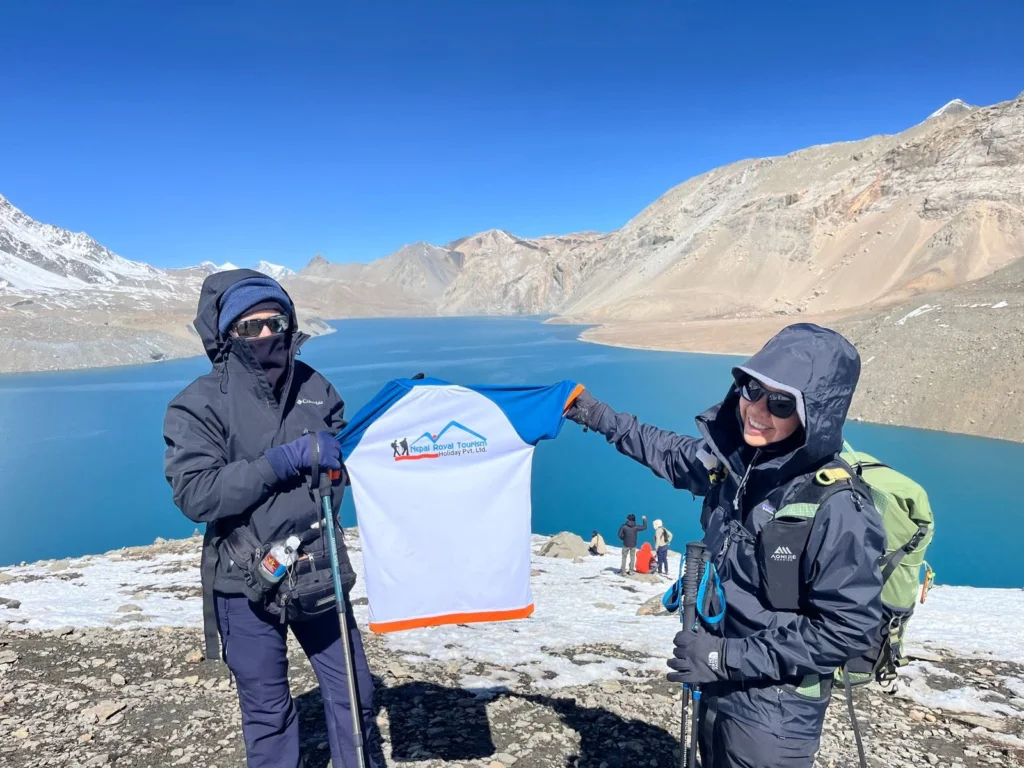
The lake itself is a major destination, but the important point is what comes afterwards. On the combined route, the journey returns towards the circuit and continues towards Thorong La at approximately 5,416 metres.
That means the trekker must manage energy across two separate high-altitude highlights. A successful Tilicho day does not mean the hardest work is finished. Recovery and acclimatisation remain important before the pass.
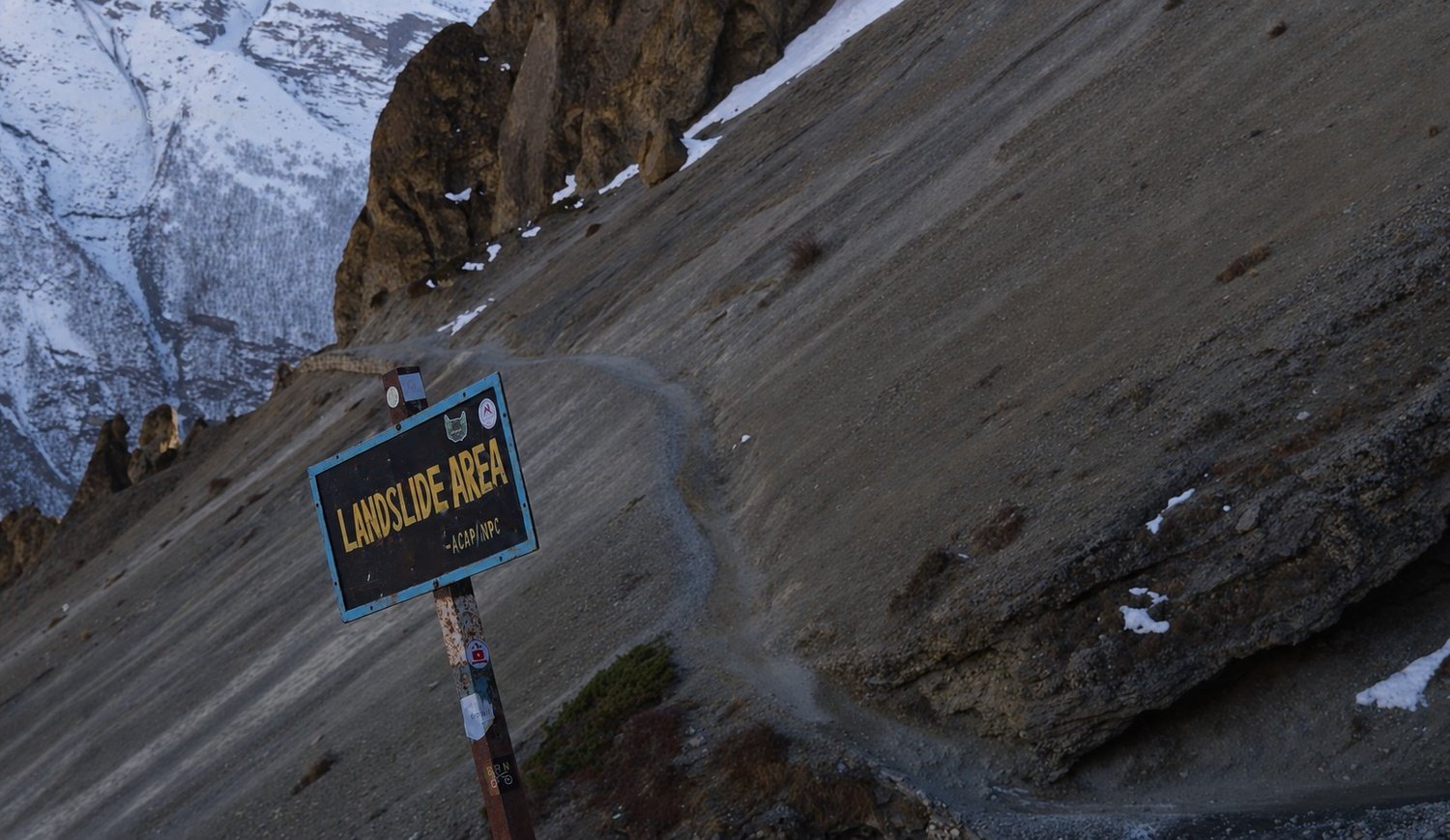
For someone who already intends to trek the Annapurna Circuit, this version is particularly attractive if mountain lakes and additional time in the Manang area appeal to you. It makes the itinerary more varied and increases the sense of progression before Thorong La.
It is also a reminder not to compress an itinerary simply because two destinations are geographically close. High-altitude travel is governed by how the body adapts, not by how quickly a strong person believes they can walk between points.
View Annapurna Circuit with Tilicho Lake
Which Type of Challenge Are You Actually Looking For?
Once every route on a list is described as challenging, the word stops being very useful. A better way to choose is to identify the type of difficulty you actually enjoy.
| What You Want | Routes to Compare | What Will Test You |
|---|---|---|
| Repeated high passes | Everest Three High Passes | Recovery between crossings, altitude, snow and long mountain days. |
| Remote camping | Dhaulagiri Circuit | Limited infrastructure, camps, logistics and high passes. |
| Long wilderness journey | Kanchenjunga Circuit, Makalu Base Camp | Distance, remoteness and fewer opportunities to change plans easily. |
| High-pass teahouse circuit | Manaslu Circuit, Annapurna Circuit | Sustained walking and one major high crossing. |
| High lakes and viewpoints | Gokyo Lakes, Annapurna Circuit with Tilicho | Steep high-altitude ascents and recovery between major objectives. |
| Remote culture plus altitude | Nar Phu Valley, Manaslu | Restricted-area logistics, remote settlements and mountain passes. |
| Classic altitude endurance | Everest Base Camp | Repeated days at elevation and the discipline to acclimatise properly. |
Do not choose a trek because one altitude number looks more impressive than another. The harder journey is often the one that exposes your personal weakness: repeated steep descents, poor recovery, cold camps, lack of sleep, altitude or simply the mental effort of continuing for another week.
Are You Actually Ready for One of These Treks?
Being ready for a challenging trek means more than being able to complete one hard day hike. The real question is whether you can repeat that effort, recover overnight and continue when the next day begins before you feel completely fresh.
For these routes, training should include consecutive walking days whenever possible. Long uphill hikes are useful, but a weekend where you walk strongly on Saturday and still move comfortably on Sunday tells you more about trekking readiness than one isolated fitness test.
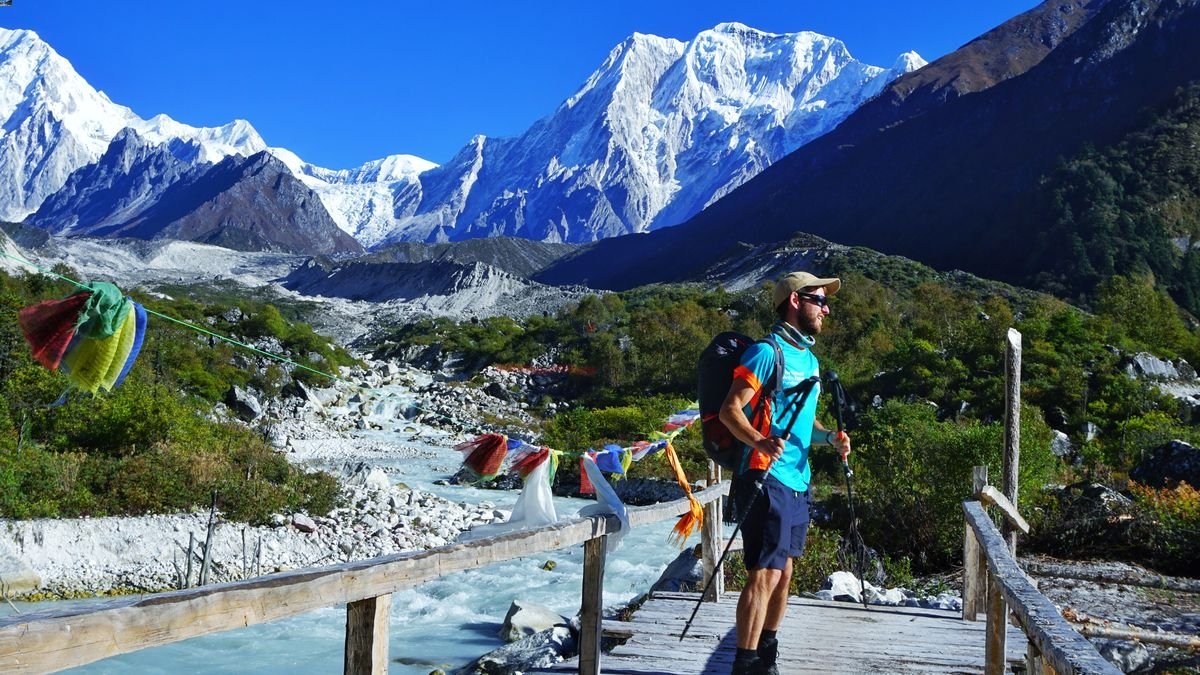
Descending strength matters too. High-pass days often involve a long climb followed by several hours of downhill movement. Strong lungs do not protect knees and quadriceps from repeated steep descents.
Training should also resemble the activity itself. Hiking on uneven terrain, climbing sustained hills and carrying the daypack you intend to use are more directly relevant than relying entirely on gym machines.
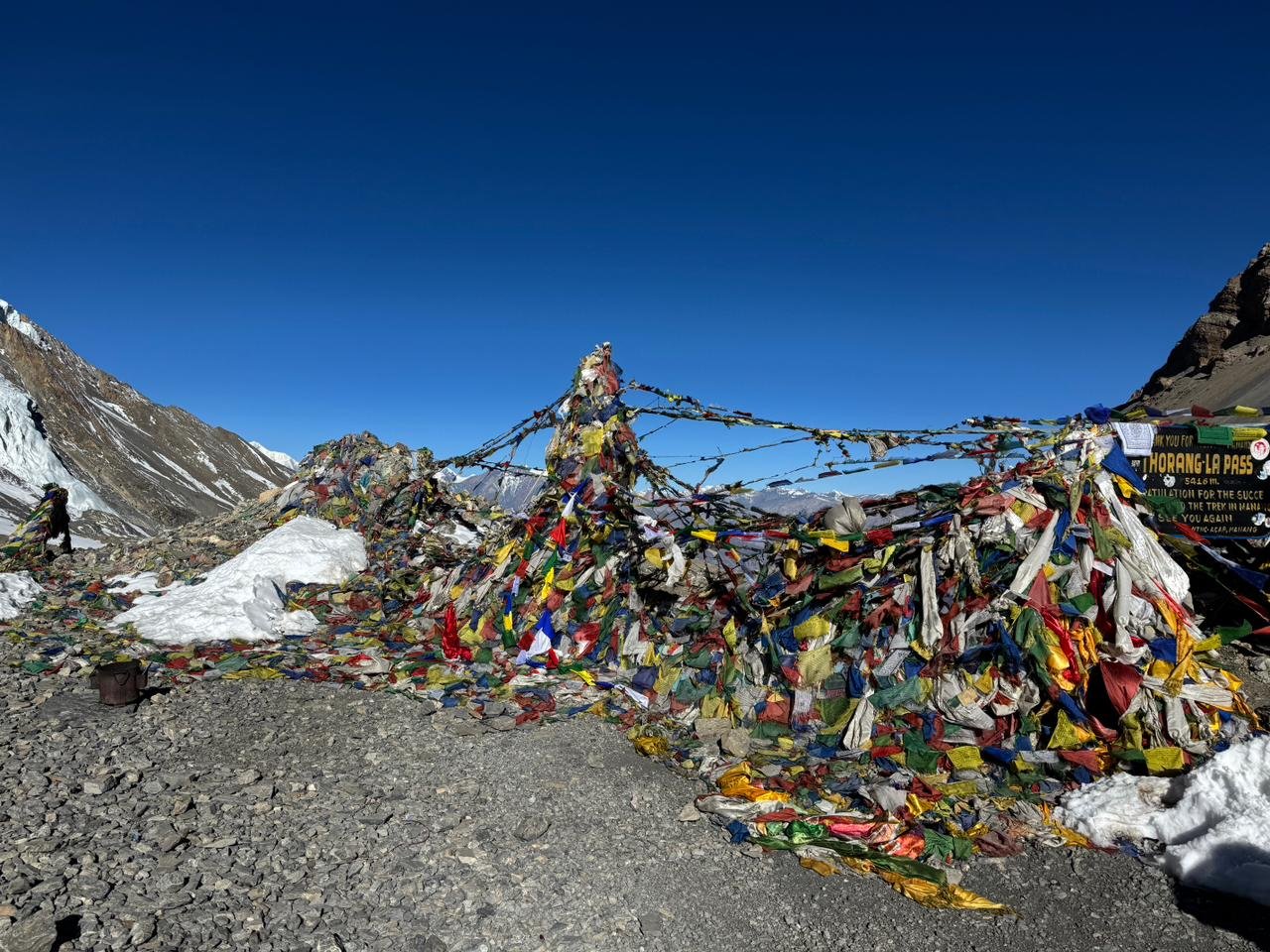
Previous trekking experience is particularly valuable because it teaches things that are difficult to learn through fitness alone: how much you actually eat after six hours of walking, whether you sleep well at altitude, how your feet react after a week in boots and how effectively you manage your pace when surrounded by faster people.
None of this creates a guarantee. It simply means you arrive with fewer unknowns.
Fit Does Not Automatically Mean Acclimatised
A strong cardiovascular system can help you walk efficiently, but it does not let you bypass the body’s need to adjust to reduced oxygen at altitude. High-altitude experience and a sensible itinerary still matter.
Altitude Changes the Meaning of a Hard Day
At low elevation, a hard day is often defined by distance or ascent. In the Himalayas, sleeping altitude can completely change how that same effort feels.
A five-hour walk above 4,500 metres may feel more tiring than a much longer day lower down. Appetite can decrease. Sleep can become lighter. Recovery slows.
A trekker who normally bounces back overnight may wake feeling as though the previous day’s work is still sitting in the legs.
This is why experienced trekkers often move more conservatively than very fit newcomers. They know that the goal is not to win one day. It is to remain strong enough for the next several days.
Symptoms such as persistent headache, nausea, dizziness, unusual weakness or worsening breathlessness should never become a competition within the group. Continuing upward simply because the strongest person feels fine can be dangerous.
A sensible itinerary creates time for acclimatisation, but rest days do not make altitude illness impossible. Trekkers still need to communicate honestly about how they feel and be willing to stop ascending or descend when circumstances require it.
Remote Routes Demand More Than Strong Legs
Dhaulagiri, Kanchenjunga and Makalu illustrate another form of difficulty: logistical distance.
On a well-developed trail, a damaged piece of equipment, change of accommodation or transport problem may be inconvenient but manageable. In a remote valley, the same issue can have a larger effect because alternatives are limited.
This is why remote trekking should be planned around the entire support system rather than only the walking route. Accommodation or camps, food, staff, communications, transport and emergency procedures all deserve attention.
The psychological side is important too. Some trekkers love the simplicity of being several days from the nearest road. Others discover that they miss the flexibility and comfort of established trekking towns. Neither reaction makes someone stronger or weaker; it simply means different routes suit different personalities.
If you are moving from Everest or Annapurna towards a more isolated circuit, ask yourself whether it is the physical challenge you want or the remoteness itself. On Dhaulagiri or Kanchenjunga, you are often choosing both.
Season and Weather Matter More on High-Pass Routes
Spring and autumn are widely used trekking periods across many of the routes on this list, but challenging treks should not be planned by reading a generic seasonal calendar and assuming every pass will behave the same way.
A lower valley may be dry and comfortable while a pass remains covered in snow. A clear morning in Namche does not tell you what conditions will be like on Cho La several days later. Similarly, the weather in Pokhara is not a useful substitute for conditions around Tilicho Lake or Thorong La.
Winter increases the likelihood of severe cold, snow and difficult high-pass conditions. Monsoon weather can affect lower trails, road access and domestic flights even when parts of a higher route receive less rainfall.
For advanced trekking, the useful question is not simply “Which season is best?” It is “What conditions are affecting this specific route and its highest sections during my dates?”
Permits, Guides, Insurance and Emergency Planning
Several routes on this list require more planning than an unrestricted teahouse trek. Manaslu, Nar Phu and Kanchenjunga involve restricted-area arrangements, while other itineraries require conservation-area, national-park or route-specific documentation.
The exact requirements should be confirmed for the itinerary being booked rather than copied from another trek. A permit valid for one region does not automatically cover an extension into another controlled area.
Insurance is equally important for advanced routes. The policy needs to match the intended altitude and activity. A policy suitable for an ordinary holiday may exclude high-altitude trekking or emergency evacuation above a certain elevation.
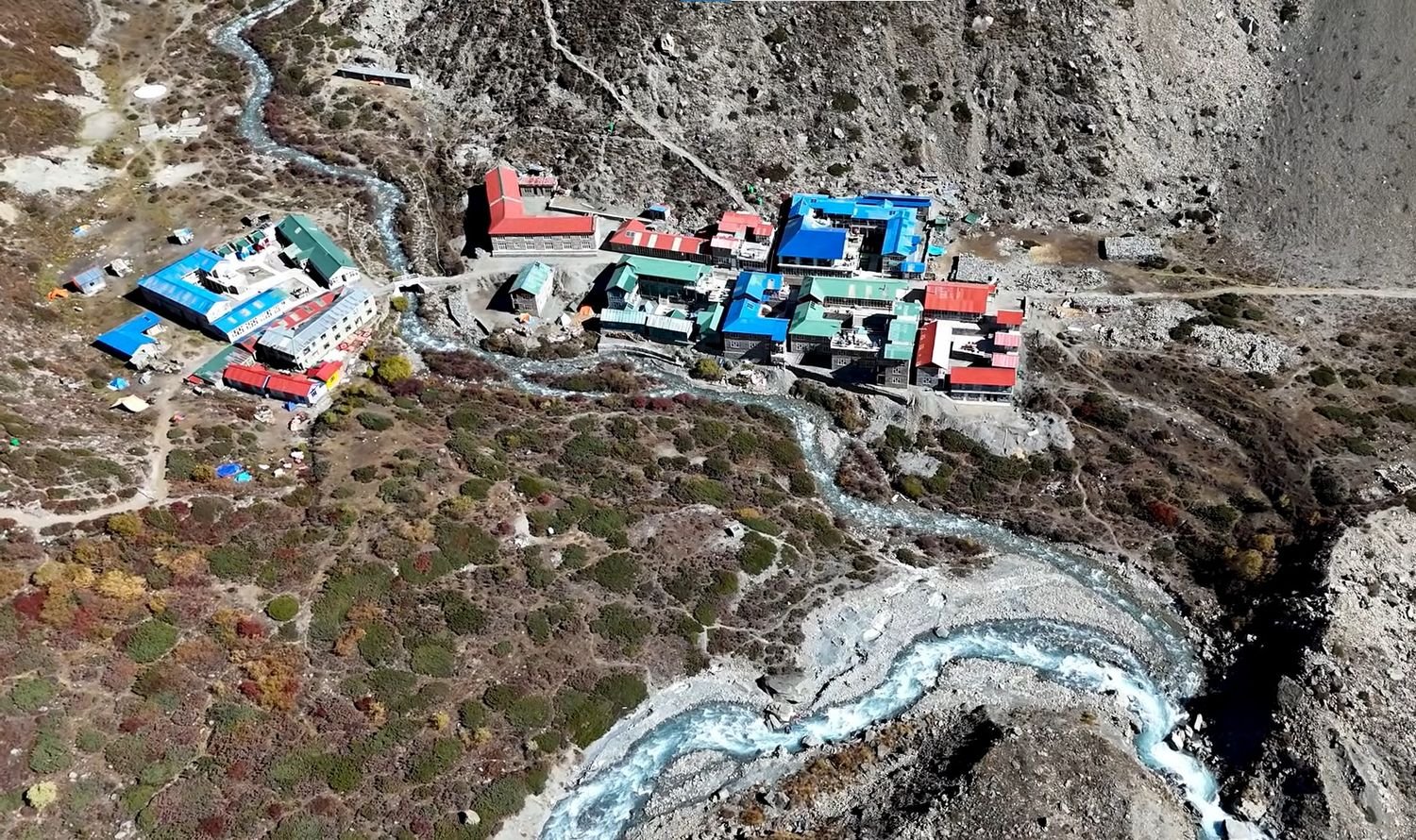
Remote-route planning should also include the possibility that evacuation is not immediate. Weather can delay aircraft, terrain can prevent a direct pickup and communication may be more limited than on popular routes.
The responsible plan is therefore not one that promises every scheduled pass will be crossed. It is one that allows a guide and trekker to delay, reroute or turn around when mountain conditions no longer justify continuing.
Experienced Trekking Also Means Knowing When Not to Push
Challenging trekking can easily become competitive. Someone moves faster. Someone has been higher before. Someone wants to prove they can reach the pass even though they slept badly and have had a headache since the previous evening.
None of those things improve the mountain.
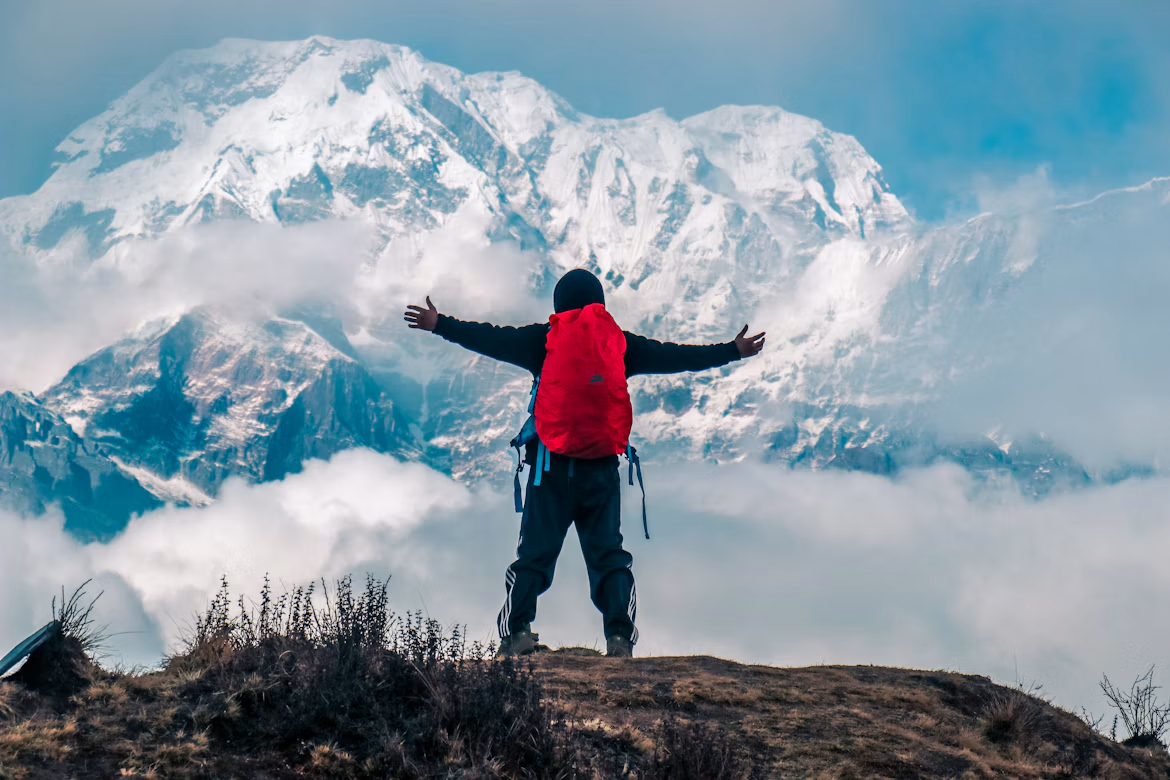
Experience should make a trekker better at judgement, not simply better at suffering. Saving energy, eating when appetite is low, keeping warm before becoming cold and admitting that a planned stage no longer makes sense are all parts of advanced trekking.
The same applies to group travel. The strongest walker should not automatically dictate the pace. High-altitude trekking works better when people protect enough energy to remain consistent rather than repeatedly separating the group through unnecessary bursts of speed.
A summit, pass or base camp is only one point in the itinerary. You still have to descend afterwards.
Choosing Your Next Challenging Trek in Nepal
There is no single hardest trek on this list because the routes test different qualities. Everest Three High Passes rewards strong recovery between major crossings. Dhaulagiri asks you to accept expedition-style remoteness.
Kanchenjunga demands time. Manaslu and Annapurna revolve around major pass days, while Gokyo and Tilicho combine altitude with high mountain objectives.
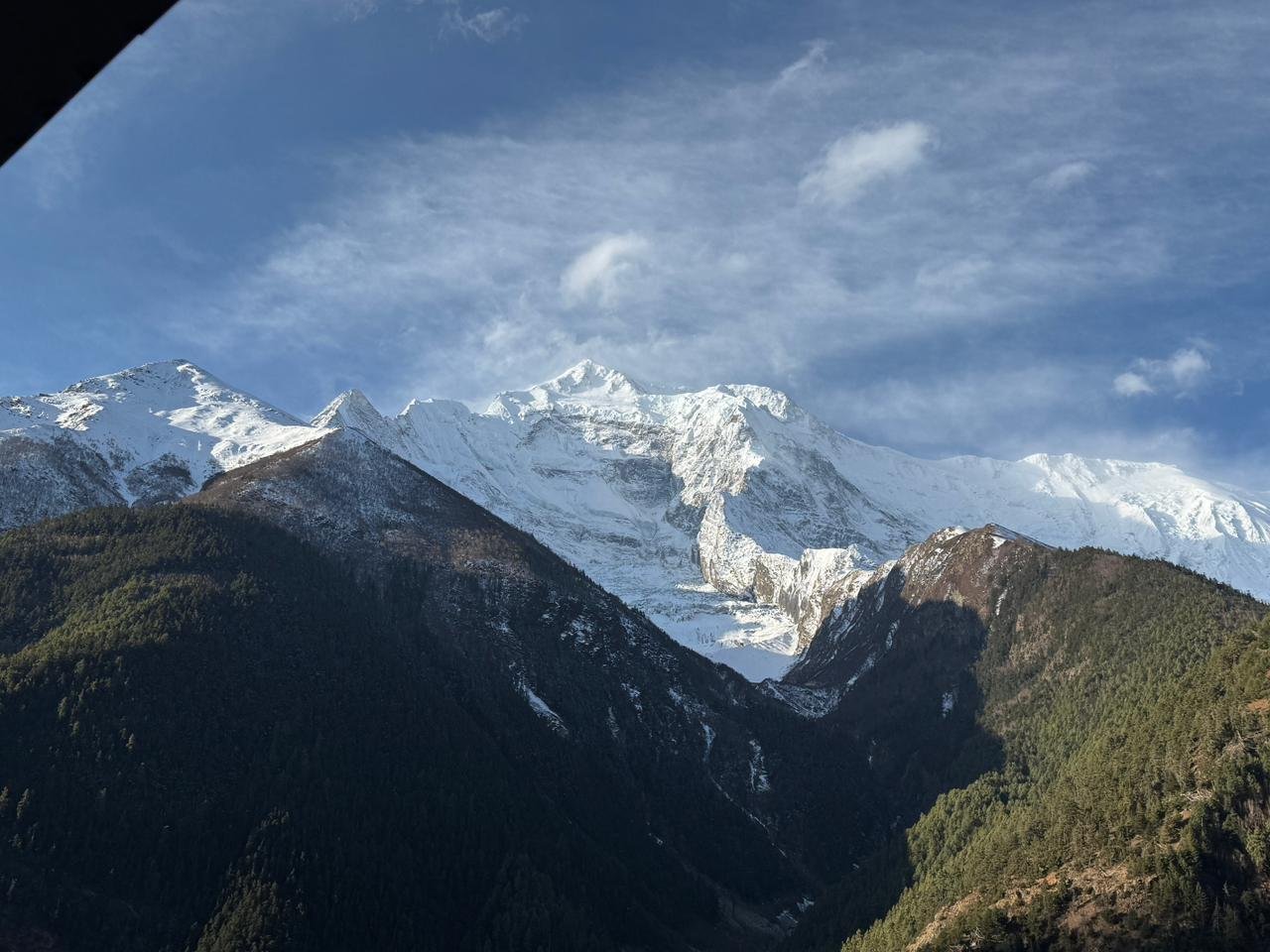
Everest Base Camp remains an excellent sustained high-altitude journey, particularly for trekkers building experience before moving towards more complex routes. Nar Phu adds cultural remoteness and restricted valleys, while Makalu provides a wilderness-style alternative in eastern Nepal.
For Dhaulagiri Circuit, Makalu Base Camp or a full Kanchenjunga Circuit, current arrangements should be discussed directly rather than assuming every route follows a fixed standard departure.

The most useful question is not simply “Which is the hardest trek?” Think about what you have done before, how many consecutive days you have walked, the highest elevation you have slept at, whether you enjoy remote accommodation and how much time you can realistically give the journey.
That gives you a much better starting point for choosing a challenge that actually fits your experience.
Ready for Your Next Himalayan Challenge?
Share your previous trekking experience, highest altitude reached, travel dates and available days with Nepal Royal Tourism Holiday. We can help you compare routes that fit the kind of challenge you are looking for.