


Best Nepal Trekking Agency for Himalayan Treks, Peak Climbing and Expeditions | Nepal Royal Tourism Holiday
Choosing a trekking agency in Nepal is about much more than finding someone who can book a hotel and provide a guide.
Once a Himalayan journey moves beyond the planning stage, dozens of practical details begin to matter: the route, walking schedule, permits, transport, accommodation, porter arrangements, acclimatisation, weather, trail access and the experience level of the people joining the trip.
Nepal Royal Tourism Holiday Pvt. Ltd. is a Kathmandu-based trekking and adventure company helping travellers organise Himalayan treks, private journeys, group trips, peak climbing adventures and selected mountaineering expeditions in Nepal.
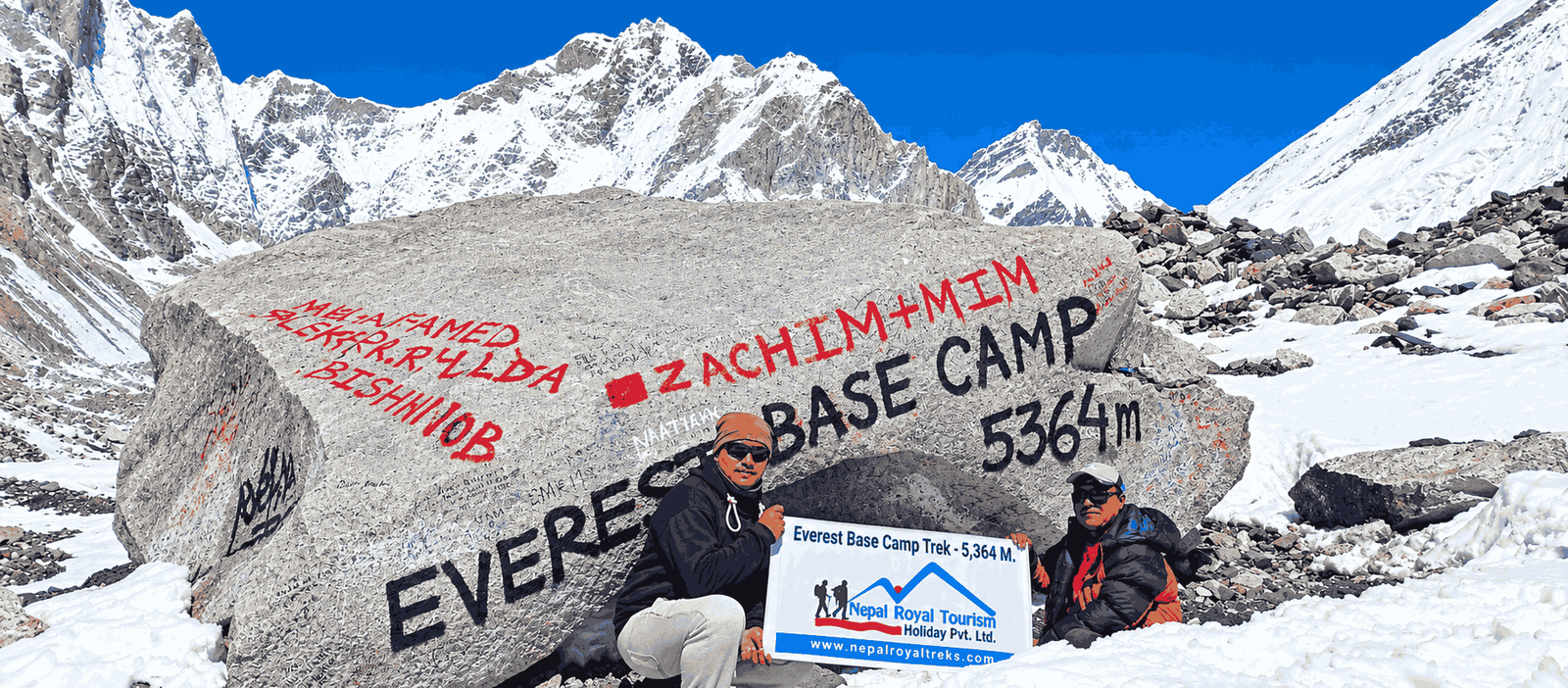
Some travellers contact us knowing exactly what they want. They may already have Everest Base Camp, Manaslu, Tilicho Lake or Island Peak in mind. Others arrive with a much broader idea.
They may have twelve days in Nepal, want mountain scenery, prefer a quieter trail or be interested in trying their first climbing peak after completing several previous treks.
Both starting points are perfectly reasonable. You do not need to understand every trekking region, permit rule or trail connection before speaking with a trekking company.
A useful first conversation is often simply about your available time, previous experience, travel dates and what you would like to experience in the mountains.
Planning a Trek in Nepal?
Tell us your travel dates, available days, group size and the kind of Himalayan experience you are looking for. We can discuss the routes and trip styles that make sense for your plans.
Nepal Royal Tourism Holiday as Your Trekking Agency in Nepal
Nepal Royal Tourism Holiday operates from Kathmandu and works with travellers planning mountain journeys in different parts of Nepal. Our role begins well before you step onto the trail.
A trekking itinerary may look straightforward when it is written as a list of overnight stops, but every route has its own practical considerations. An Everest trip may depend on mountain-flight schedules.

A Manaslu itinerary involves restricted-area planning. A shorter Annapurna trek requires different logistics from a long circuit. Peak climbing adds climbing permits, technical equipment and specialised support that an ordinary teahouse trek does not need.
That is why we prefer to begin with the traveller rather than automatically recommend the same package to everyone.
A first-time trekker with nine days and a person who has already crossed several 5,000-metre passes may both want to visit Nepal, but they probably should not receive the same recommendation.
The same applies to a family, a university group, two friends planning a private trek and an experienced climber preparing for a Himalayan summit.
Nepal Royal Tourism Holiday can help you compare practical options, review an itinerary, understand the services involved and organise the Nepal-side logistics for the trip that is eventually confirmed.
The website nepalroyaltreks.com is where travellers can browse our published itineraries, trekking information and climbing programmes. The company operating those journeys is Nepal Royal Tourism Holiday Pvt. Ltd.
What Does a Nepal Trekking Agency Actually Do?
The visible part of a trek is the trail. The less visible part is everything required to place a traveller on that trail with an itinerary, guide, accommodation plan, transport and the necessary arrangements already considered.
That work changes considerably depending on the destination and the type of adventure being organised.
Route and Itinerary Planning
The first job is deciding whether the route actually fits the traveller. This means considering the total number of days, daily walking stages, highest elevation, acclimatisation needs, trail access and any important side trips.
It is easy to choose a trek because of a photograph or famous destination name. It is more useful to understand what happens between the first and final day.
For example, two trips of similar total length can involve very different levels of physical effort. One may remain at moderate elevation with longer walking days, while another may involve shorter distances but substantially greater altitude.
Guides and Support Staff
Guiding is not simply about knowing which direction the trail goes. A trekking guide helps coordinate daily movement, communicates locally, works with lodges and transport providers, explains the route and responds when weather, health or trail conditions affect the original plan.

Depending on the itinerary and group, porter support or additional staff may also be arranged. A climbing trip requires a different level of mountain support from an ordinary trek, while an expedition may involve a larger team working around camps, equipment and high-altitude logistics.
Permits and Documentation
Nepal does not have one single trekking permit covering every mountain region. National parks, conservation areas, restricted regions and climbing objectives have different requirements.
Part of the agency’s work is identifying which permits apply to the confirmed itinerary and organising those that need to be processed through the appropriate trekking or climbing arrangements.
Transport and Trail Access
The trek does not necessarily begin when an international traveller lands in Kathmandu. There may still be a domestic flight, private vehicle, road journey or combination of transport before the first walking day.

Conditions on Nepal’s mountain roads and domestic flight routes can also affect timing, so transport should be treated as part of itinerary planning rather than an afterthought.
Accommodation and Daily Logistics
Most established trekking routes use teahouses or mountain lodges, although standards vary between regions and elevations. More remote treks, peak climbs and expeditions may involve different arrangements.
A trekking agency helps coordinate the accommodation structure built into the itinerary and explains what level of comfort travellers should realistically expect in different parts of the journey.
The Trail Is Only One Part of the Trip
A good trekking plan connects the walking route with transport, permits, accommodation, staffing, acclimatisation and the traveller’s available time. Those details are what turn an interesting destination into a workable itinerary.
Why Work Directly With a Nepal-Based Trekking Agency?
Booking directly with a company based in Nepal does not automatically mean that every trip is cheaper, easier or better than every other way of travelling. What it does provide is a direct conversation with a team organising the Nepal side of your trip.
That becomes useful when you have questions which cannot be answered properly by a short package summary.
You may want to know whether an itinerary is realistic for someone with your experience, whether an extra acclimatisation day can be added, what kind of accommodation is available, how a restricted-area permit is arranged, whether a private group can begin on a particular date or what happens if domestic transport is disrupted.
Working directly with a local trekking agency also gives you a point of contact before you arrive in Nepal and while the trip is taking place. It allows route, staffing and logistical questions to be discussed with the company responsible for arranging them.
For Nepal Royal Tourism Holiday, this also means being realistic when a traveller’s first idea is not the best fit. Sometimes the better advice is not to make the itinerary harder or longer.
It may be to choose a different route, add a day, move the dates or reconsider a climbing objective until the necessary experience has been gained.
Trekking Across Nepal With Nepal Royal Tourism Holiday
Nepal’s trekking regions are different enough that choosing a region can be more useful than staring at dozens of individual package names. Each area has its own access, landscapes, culture and style of trekking.
Everest Region
The Everest region is the obvious starting point for travellers attracted by the world’s highest mountains. The classic Everest Base Camp route combines Sherpa settlements, monasteries, high mountain valleys and the famous destination below Everest itself.
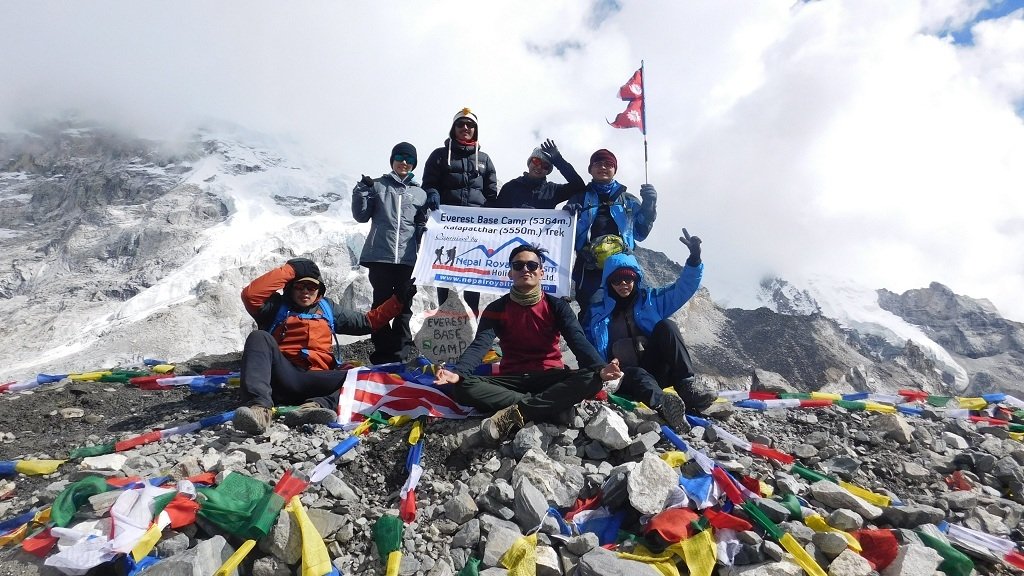
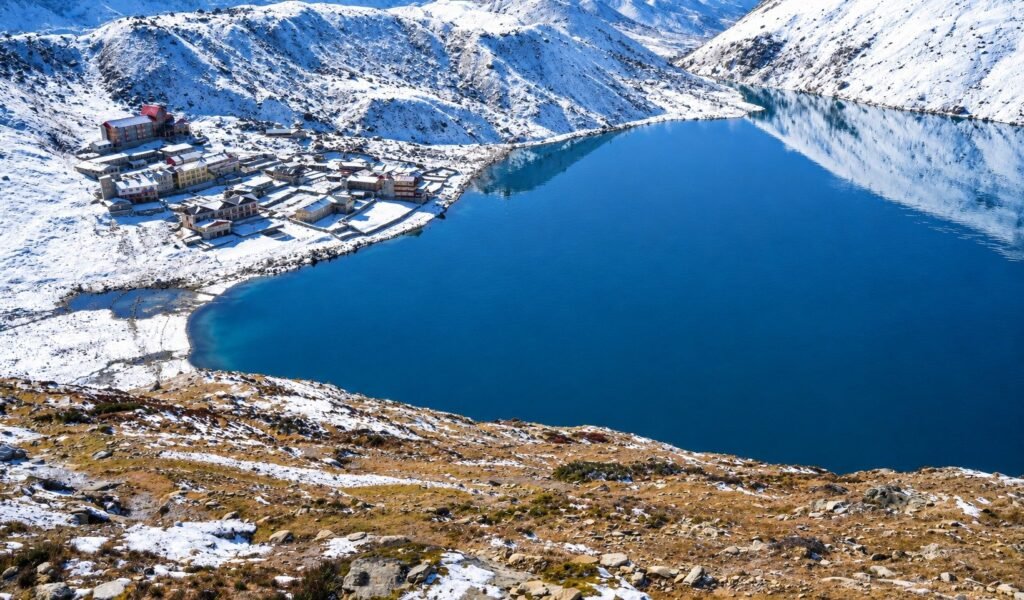
Everest Base Camp is not the only option. Gokyo Lakes provides a different high-altitude journey centred on glacial lakes and Gokyo Ri, while more demanding itineraries can link valleys through high passes.
Annapurna Region
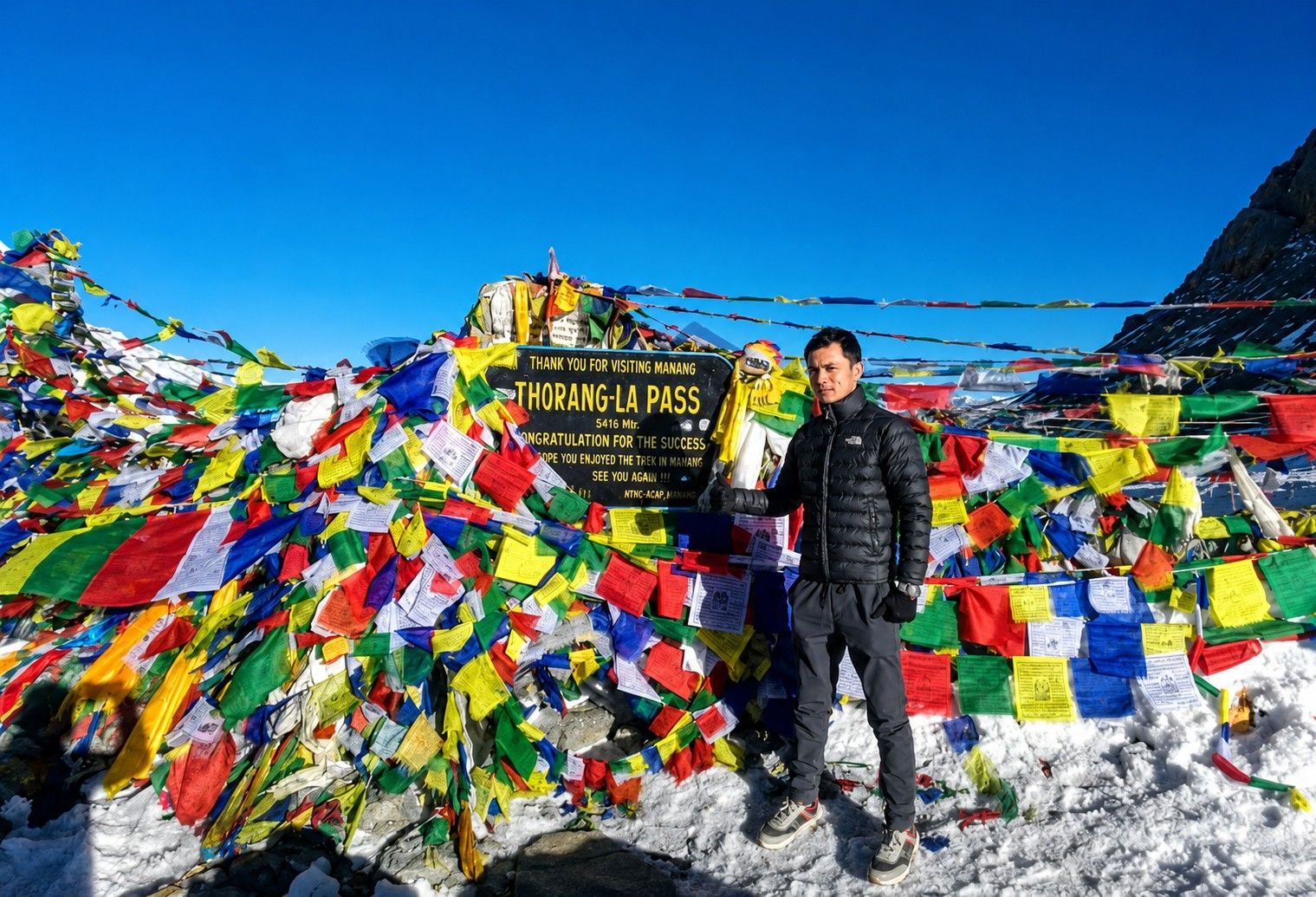
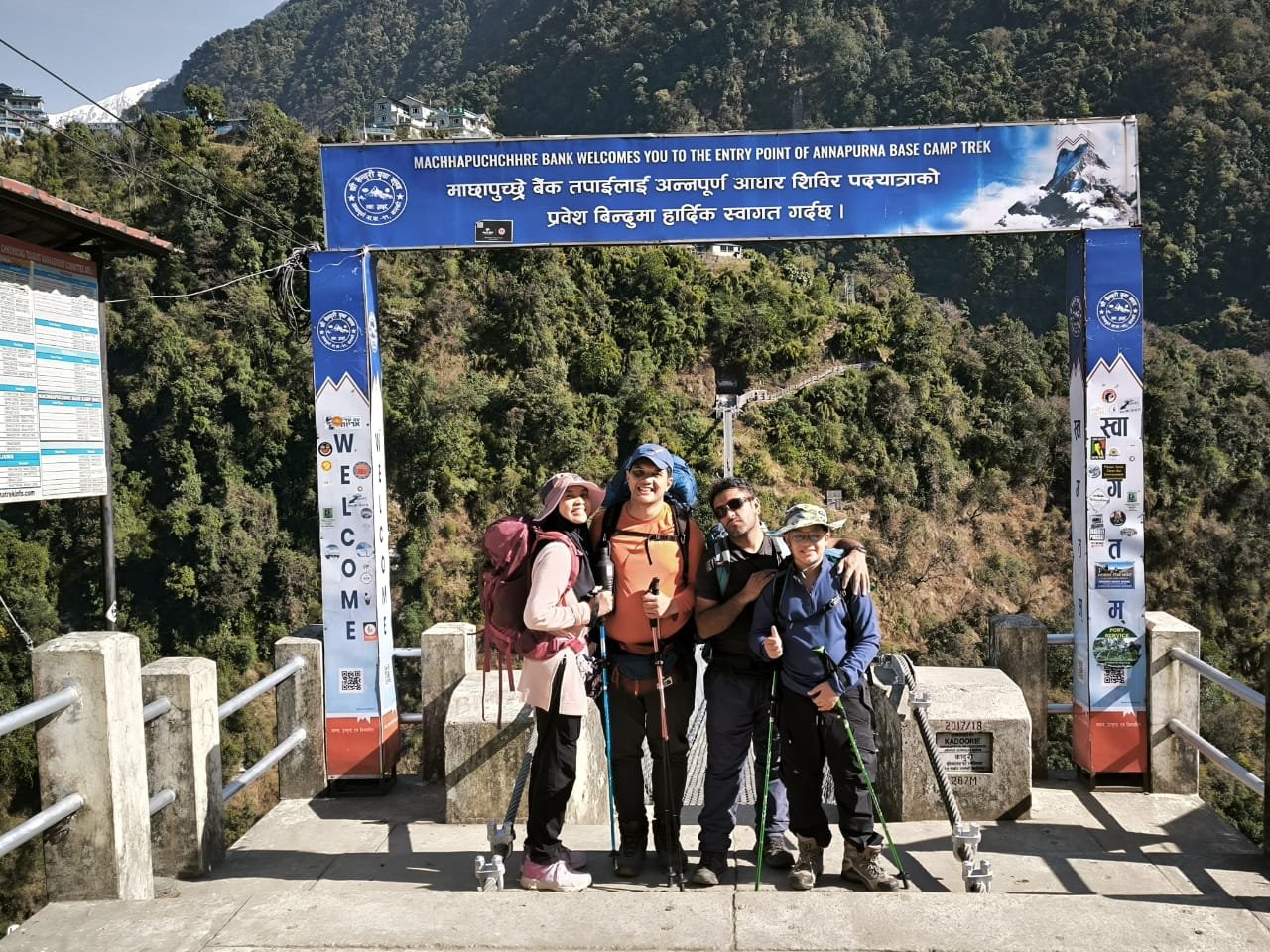
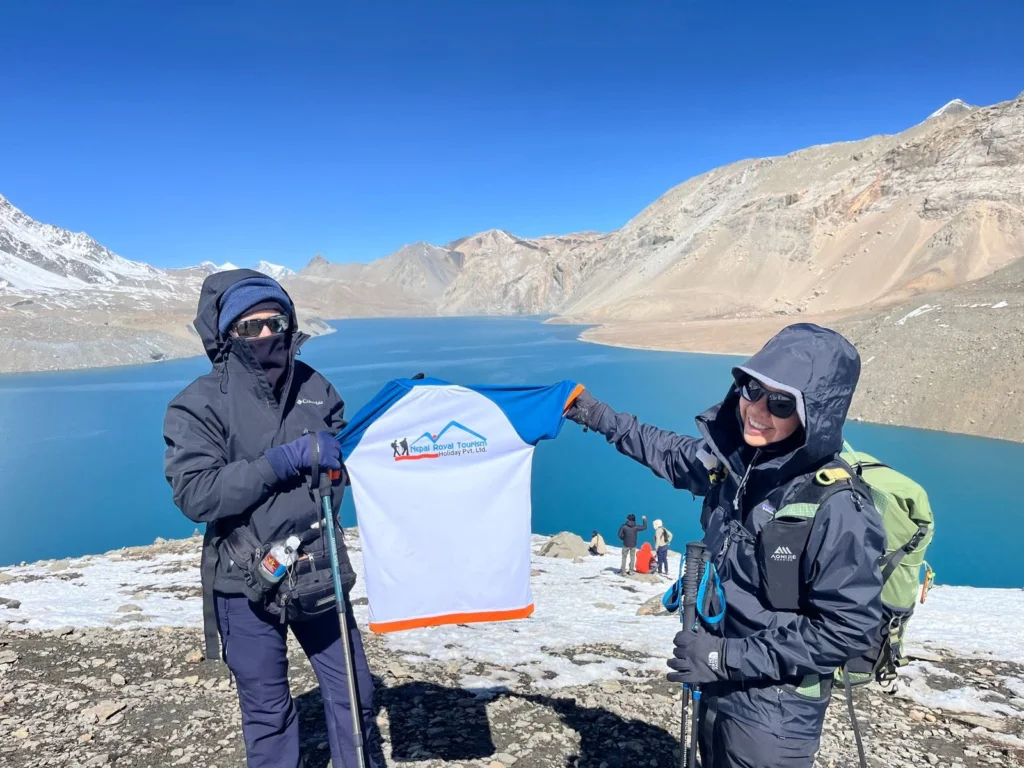
Annapurna offers one of the widest ranges of trekking styles in Nepal. A traveller can spend several days walking through lower mountain villages or undertake a much longer journey towards Manang, Tilicho Lake and Thorong La.
Annapurna Base Camp gives the trip a clear mountain destination inside the sanctuary. Mardi Himal follows a more compact ridge route. Ghorepani Poon Hill is suitable when time is limited, while the Annapurna Circuit with Tilicho suits travellers seeking substantially more altitude and variety.
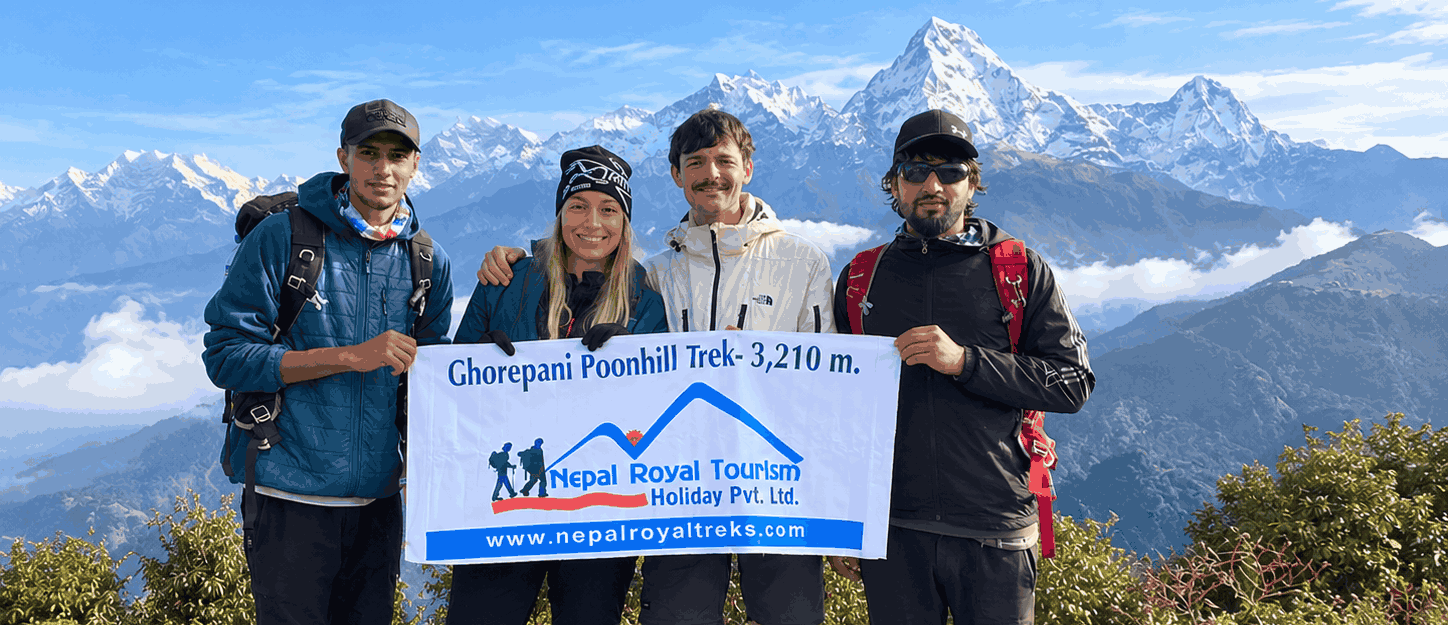
This range also makes Annapurna useful for private groups because the itinerary can be selected according to the group’s available time rather than forcing everyone into one standard route.
View Annapurna Circuit with Tilicho
Langtang Region
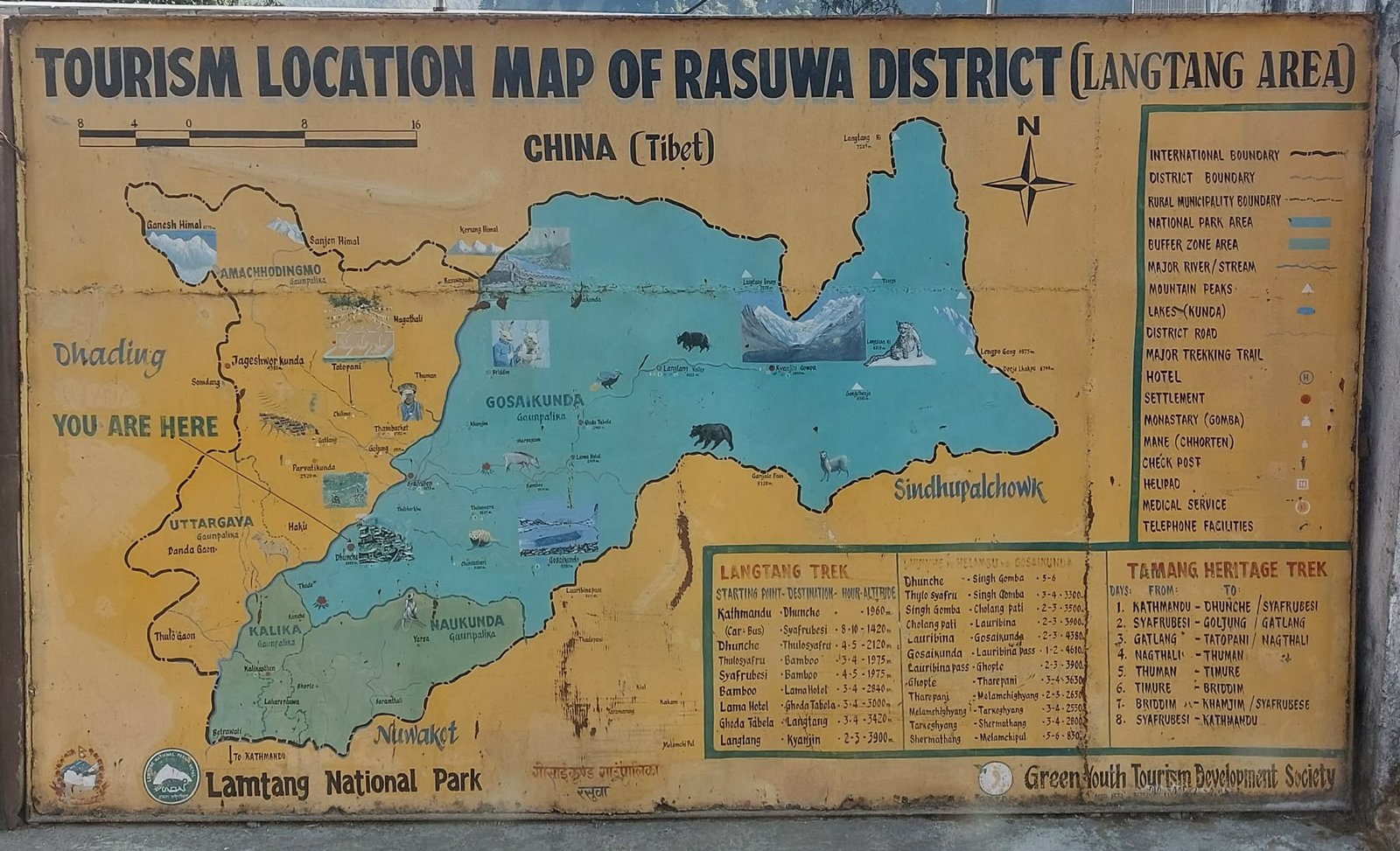
Langtang combines mountain scenery, Tamang culture, forest trails and the upper valley around Kyanjin Gompa. It is often considered by travellers who want a significant Himalayan trek without committing to one of Nepal’s longest itineraries.
Optional viewpoints can increase both the elevation and physical demands, so the standard valley journey and the harder side trips should be considered separately when deciding what suits you.
Manaslu and Other Remote Regions
Manaslu appeals to travellers who want a longer and more remote circuit with traditional settlements and a major high pass. The route culminates in the crossing of Larkya La and requires more permit planning than an ordinary unrestricted trek.
Upper Mustang provides an entirely different experience through arid trans-Himalayan landscapes and culturally significant settlements such as Lo Manthang. Nar Phu takes travellers into remote valleys on the Annapurna side, while Kanchenjunga offers a long wilderness-style journey in eastern Nepal.

These regions are particularly important examples of why the agency matters. Restricted-area journeys cannot be treated exactly like spontaneous short hikes. Permits, approved arrangements, route planning and enough time for the journey need to be addressed before departure.
Tell Us the Experience You Want, Not Only a Package Name
You do not have to contact a trekking agency with a finished itinerary. In many cases, explaining the experience you want gives us more useful information than simply naming a route you discovered while researching Nepal.
“I have twelve days and want Everest views.”
“We are four friends and want a private Annapurna trek.”
“I have already trekked to Everest Base Camp and want something quieter.”
“I want a remote trek but cannot decide between Manaslu and Kanchenjunga.”
“I have trekked above 5,000 metres and want to try my first climbing peak.”
Those statements tell us about your priorities.
From there, we can discuss the difference between routes rather than simply sending a list of packages. Someone seeking a short social trek should not be directed towards the same journey as someone actively searching for a three-week remote adventure.
The same principle applies to comfort. Some travellers are perfectly happy with simple mountain teahouses. Others want upgraded city hotels where available or a private itinerary built around particular travel preferences.
There is no reason to hide those preferences. The earlier we understand them, the easier it becomes to discuss a suitable journey.
Trekking, Peak Climbing and Expeditions Are Different Types of Mountain Travel
One of the most important distinctions on this page is between an ordinary trek, a trekking-peak climb and a mountaineering expedition. They all take place in the Himalayas, but they should not be treated as different versions of the same product.
| Type of Trip | Main Objective | Typical Requirements | Examples |
|---|---|---|---|
| Himalayan trekking | Walking a mountain route and reaching a base camp, valley, pass or viewpoint. | Trekking fitness, suitable clothing, route-specific permits and acclimatisation where required. | Everest Base Camp, Manaslu Circuit, Langtang Valley. |
| Peak climbing | Combining a trekking approach with a climbing summit attempt. | Climbing guide, technical equipment, climbing permit, altitude preparation and relevant skills or instruction. | Island Peak, Mera Peak, Lobuche Peak, Yala Peak. |
| Mountaineering expedition | A larger or more technical high-altitude mountaineering objective. | Specialised leadership, expedition permits, camps, equipment, support staff, weather planning and more extensive logistics. | Mountain-specific expedition objectives organised according to experience and confirmed logistics. |
The distinction matters because an experienced trekker is not automatically an experienced climber.
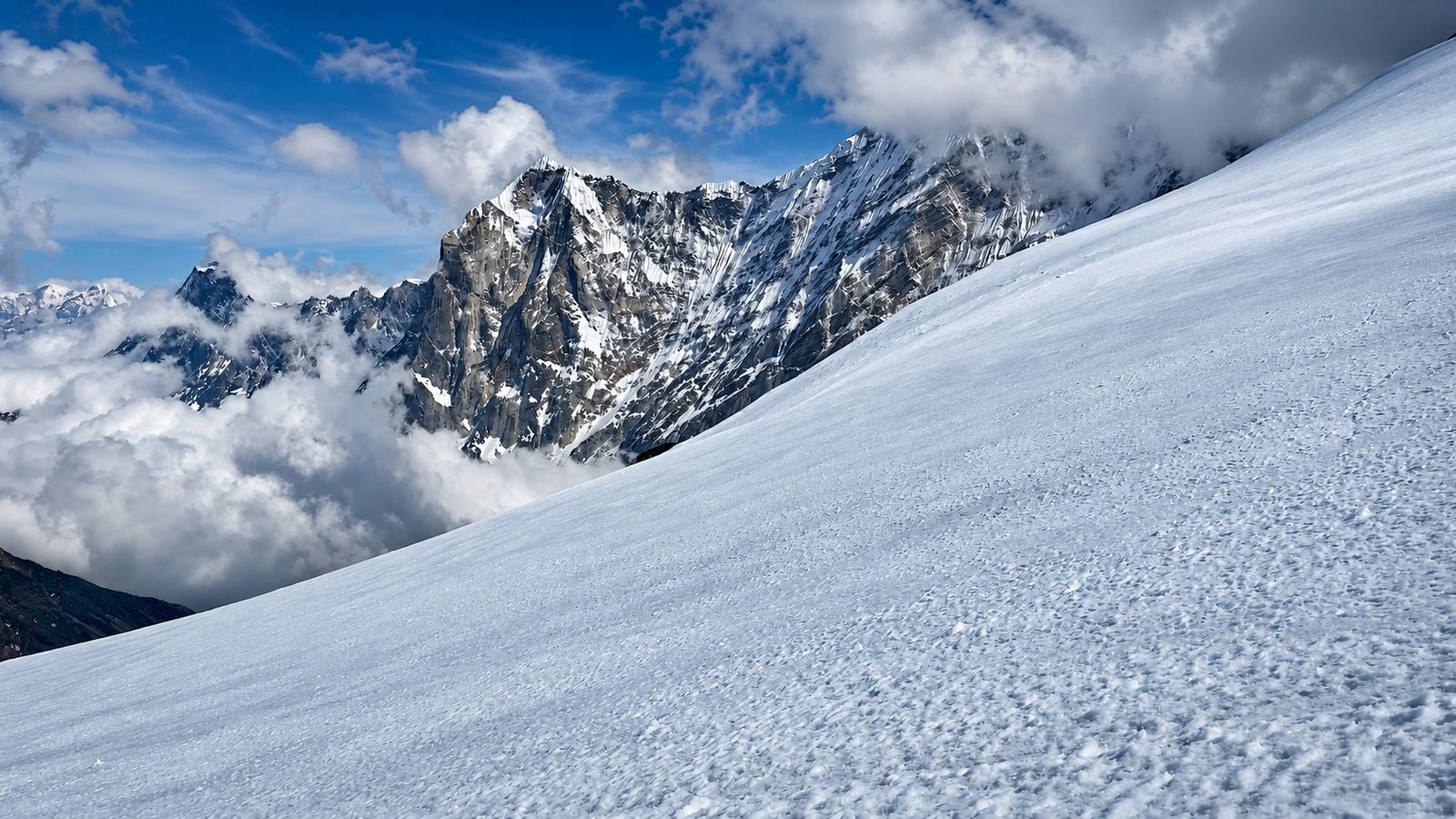
Walking successfully above 5,000 metres can be useful background, but climbing may introduce glacier travel, rope systems, crampons, ice axes, harnesses, exposure and additional technical judgement.
Likewise, completing a trekking peak does not automatically prepare someone for every expedition. Each progression should be considered according to the mountain and the climber’s actual experience.
Peak Climbing in Nepal With Nepal Royal Tourism Holiday
Peak climbing is one of the natural next steps for trekkers who want to move beyond walking routes and experience a Himalayan summit under appropriate guidance.
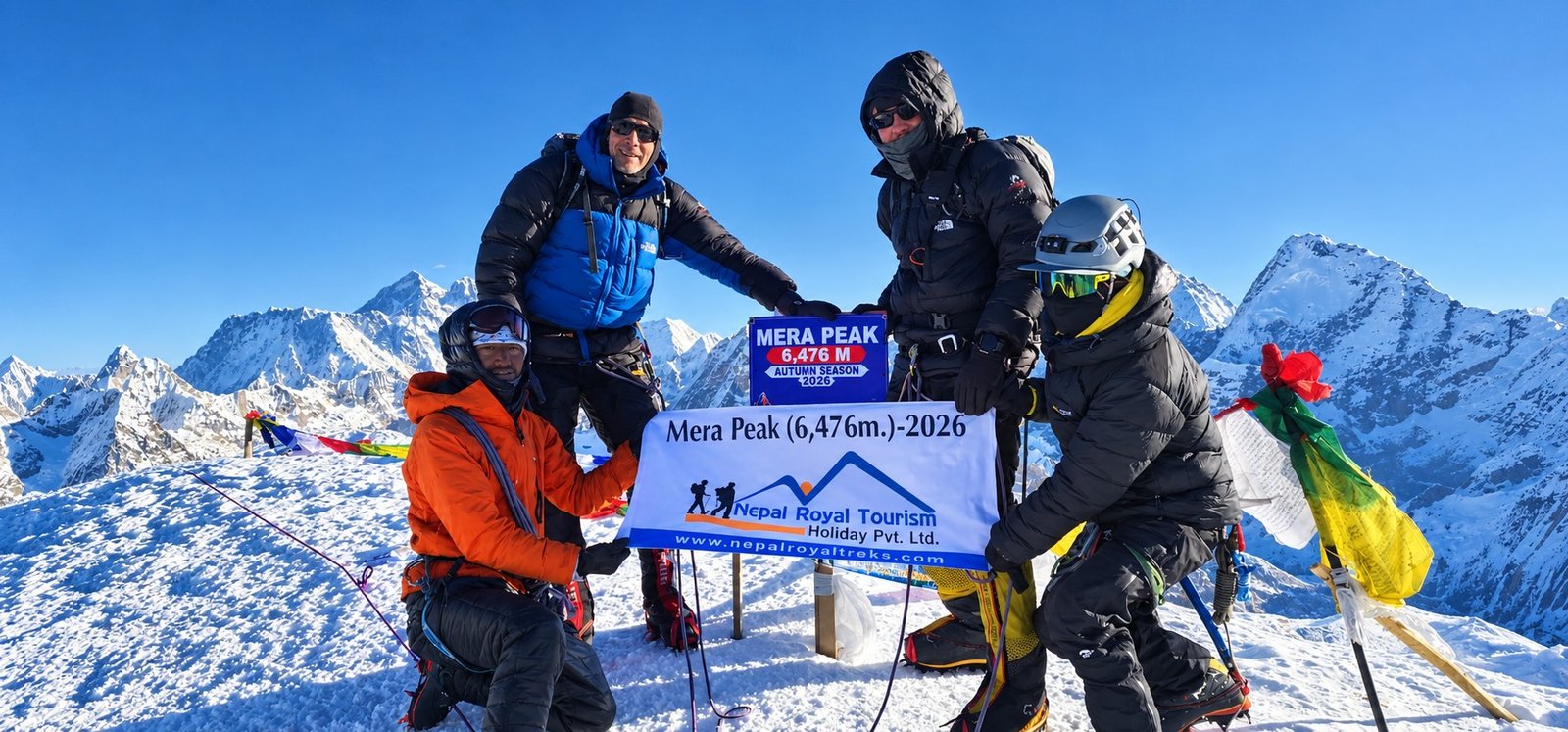
Nepal Royal Tourism Holiday publishes several climbing itineraries, including Island Peak, Mera Peak, Lobuche Peak, Paldor Peak and Yala Peak. Each has a different approach, elevation, setting and technical character.
Island Peak
Island Peak is located in the Everest region and is often considered by trekkers who want to combine the Khumbu experience with a climbing objective. The summit attempt requires more than normal trekking fitness and introduces climbing equipment and technical movement.
Mera Peak
Mera Peak provides a high-altitude summit objective with a more remote approach. The itinerary requires strong acclimatisation and preparation for glacier travel and a summit day at considerable elevation.
Lobuche Peak
Lobuche is another Everest-region climbing option and is generally suited to travellers looking for a more demanding objective than an ordinary trek.
Yala Peak and Paldor Peak
Travellers looking outside the Everest region can consider climbing options such as Yala Peak in the Langtang area or Paldor Peak in the Ganesh Himal region. These journeys have their own logistics and should be compared on more than summit elevation alone.
When enquiring about a peak, tell us what you have already done. Previous high-altitude trekking, experience using crampons or ropes, glacier travel and comfort with exposed terrain all help us understand what kind of climbing discussion is appropriate.
Interested in Your First Himalayan Summit?
Send us the peaks you are considering and a short description of your trekking or climbing background. We can discuss suitable published itineraries and what preparation they involve.
Mountaineering Expeditions in Nepal
An expedition represents a separate level of mountain planning. The objective may require a long approach, expedition permits, base-camp services, climbing staff, equipment movement, camp systems, communication, route preparation and a larger weather window.
For this reason, Nepal Royal Tourism Holiday approaches expedition enquiries differently from ordinary trekking bookings.

The first conversation should identify the mountain, proposed route, season, group size, climbing background and level of support required. Only after those details are understood can realistic arrangements be discussed.
The expedition programmes published on our website include mountain objectives that require more advanced preparation than an ordinary trekking peak.
A larger mountaineering objective should never be treated as though it were simply a fixed sightseeing departure. Route conditions, permits, high-altitude support, weather and the team’s experience all affect what can be arranged.
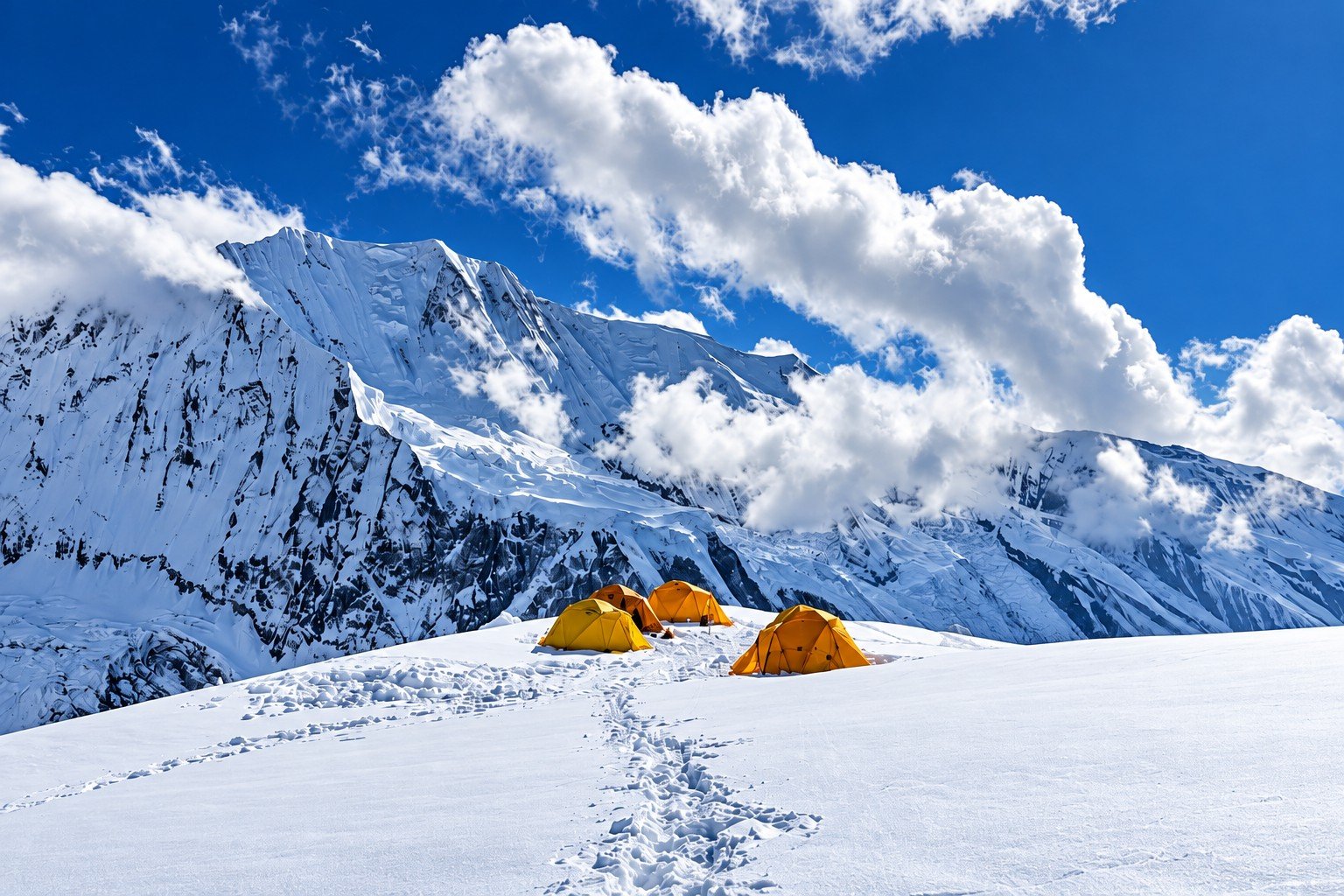
A summit can never be guaranteed. Turning around because conditions are unsafe is part of mountaineering judgement, not a failure of the itinerary.
If you are contacting us about an expedition, the most useful information to send is your previous climbing experience, highest altitude reached, mountains already climbed, intended objective, preferred season and team size.
Planning Beyond a Trekking Peak?
Contact us with the mountain and climbing objective you have in mind. Expedition planning is discussed according to the mountain, route, experience and confirmed logistical requirements.
Private Treks, Group Trips and Custom Himalayan Journeys
Not everyone wants to travel in the same way. Some people arrive with their own friends or family, some travel alone and want to ask about group possibilities, and others want an itinerary adjusted around a particular schedule.
| Trip Style | How It Works | Useful For |
|---|---|---|
| Private Trek | The trip is arranged around your own travelling party and agreed departure plan. | Couples, friends, families and small groups wanting their own trip. |
| Group Departure | Travellers may join a suitable confirmed departure where one is available. | Solo travellers and people who enjoy trekking with others. |
| Custom Itinerary | A standard route is adjusted or a suitable plan is discussed around your requirements. | Travellers with specific dates, extensions, interests or pacing requirements. |
Custom does not mean that every part of a mountain itinerary can be changed without consequence. High-altitude ascent rates, restricted-area rules, lodge availability, transport schedules and climbing permits still create practical limits.
The purpose of customisation is to create a trip that better fits the traveller while remaining realistic for the route.
What Happens Before You Arrive in Nepal?
A well-organised trek starts before the traveller reaches Kathmandu.
Once a trip is being discussed, the first step is confirming exactly what has been requested. That may sound obvious, but misunderstandings often begin when people assume two similarly named itineraries include the same route, accommodation or services.
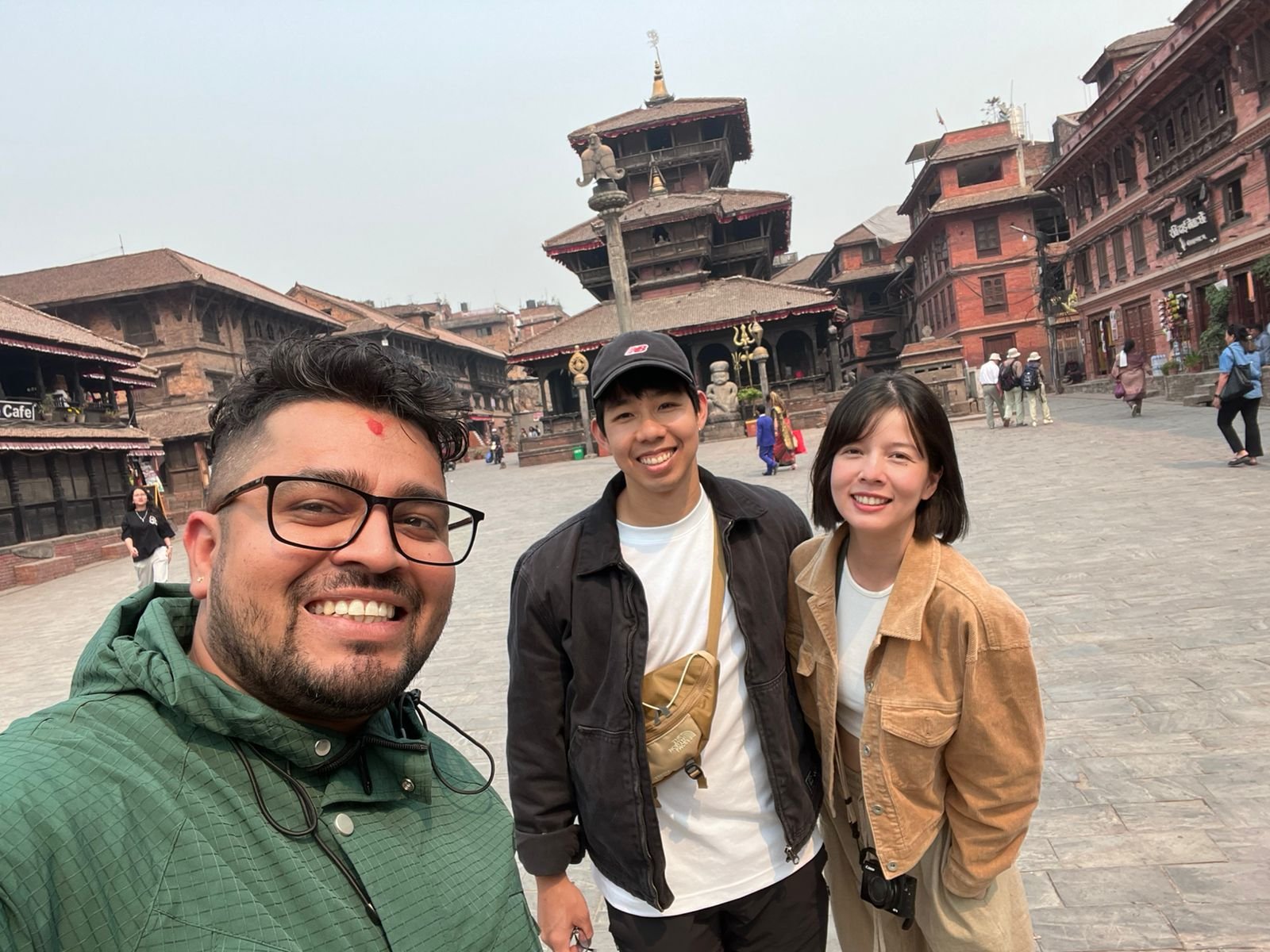
Before arrival, the planning process may involve reviewing your dates, confirming the itinerary, checking documentation required for permits, arranging staff, coordinating booked accommodation, planning trailhead transport and reviewing domestic flight requirements where they apply.
This is also when travellers should ask the questions they may otherwise save until the last minute.
What happens if a Lukla flight is delayed? How much luggage can a porter carry under the agreed arrangements? Is a private room available throughout the route? Which meals are included? What kind of insurance is required? Is technical climbing equipment provided? What happens if an international flight arrives later than expected?
The answers can differ between packages, which is exactly why these questions should be discussed before the trek begins.

For a climbing trip or expedition, the pre-arrival conversation becomes even more important because technical equipment, travel insurance, previous experience and permit documentation may need additional attention.
What Happens Once the Trek Begins?
Once you are on the trail, the itinerary becomes a working plan rather than simply a piece of text on a website.
Your guide coordinates the day’s walking, communicates with local lodges and helps manage the practical rhythm of the journey. The team also has to respond to what is actually happening around you rather than blindly following a timetable.

A group may be walking more slowly than expected. Snow may affect a high pass. A domestic flight may be delayed. Someone may need additional rest. A road transfer may take longer than it did when the itinerary was first prepared.
Not every change is an emergency. Mountain travel simply contains variables that do not exist in an ordinary city holiday.
The guide’s role includes helping the group understand those circumstances and communicating with the Kathmandu side of the operation when logistical changes need to be considered.
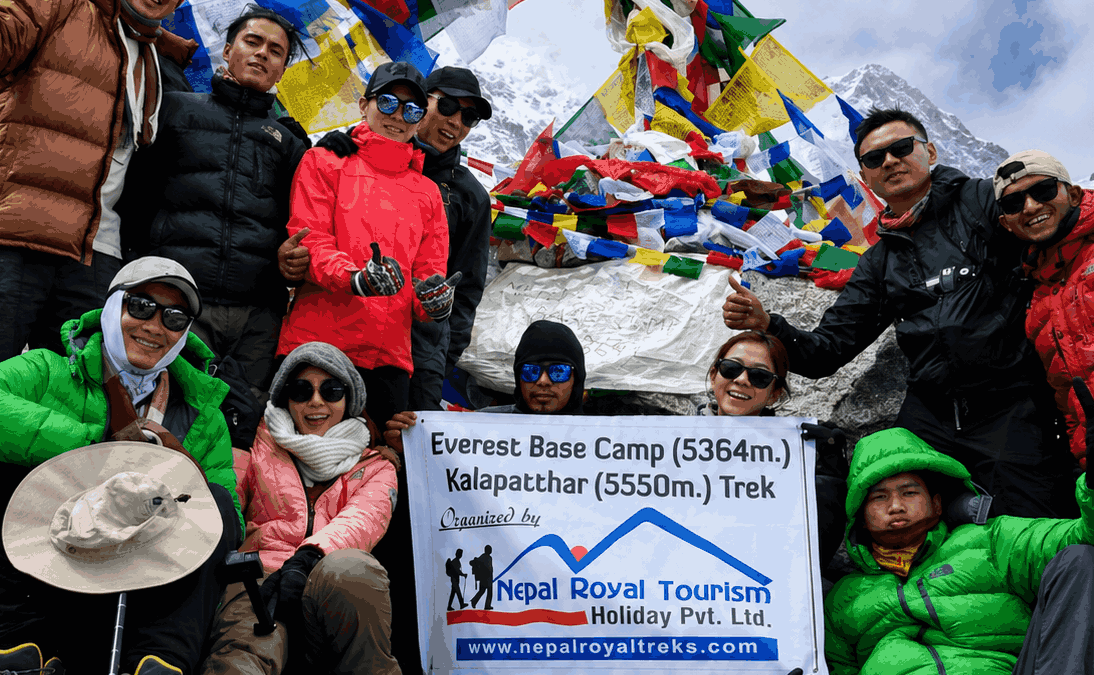
For private trips, there may be more room to discuss certain changes within the limits of the route. For group departures, decisions also need to consider the other participants and the agreed itinerary.
The priority should remain a workable journey rather than forcing the mountains to follow the original schedule at any cost.
Permits, Restricted Areas and Local Guide Arrangements
Permit requirements in Nepal depend on where you are going. Some routes involve national park or conservation-area entry, while other regions require restricted-area permits and additional formalities.
Manaslu, Upper Mustang, Nar Phu and Kanchenjunga are examples of destinations where the permit structure is more involved than on an ordinary unrestricted route.

Peak climbing introduces another set of requirements because the climbing objective itself may require a climbing permit and appropriate guide and equipment arrangements.
Rather than memorising every permit before contacting us, the practical approach is to decide on the route first. Once the itinerary is confirmed, the permits that apply to that route can be identified and organised accordingly.
Altitude, Weather and Realistic Himalayan Planning
This page does not need another long packing list or month-by-month weather table. Those subjects deserve detailed guidance elsewhere. What matters here is understanding how altitude and weather affect the way a trekking agency plans a trip.
High-altitude itineraries need sensible progression rather than an attempt to reach the highest point as quickly as possible. Fitness helps with walking, but it does not guarantee that someone will acclimatise without problems.
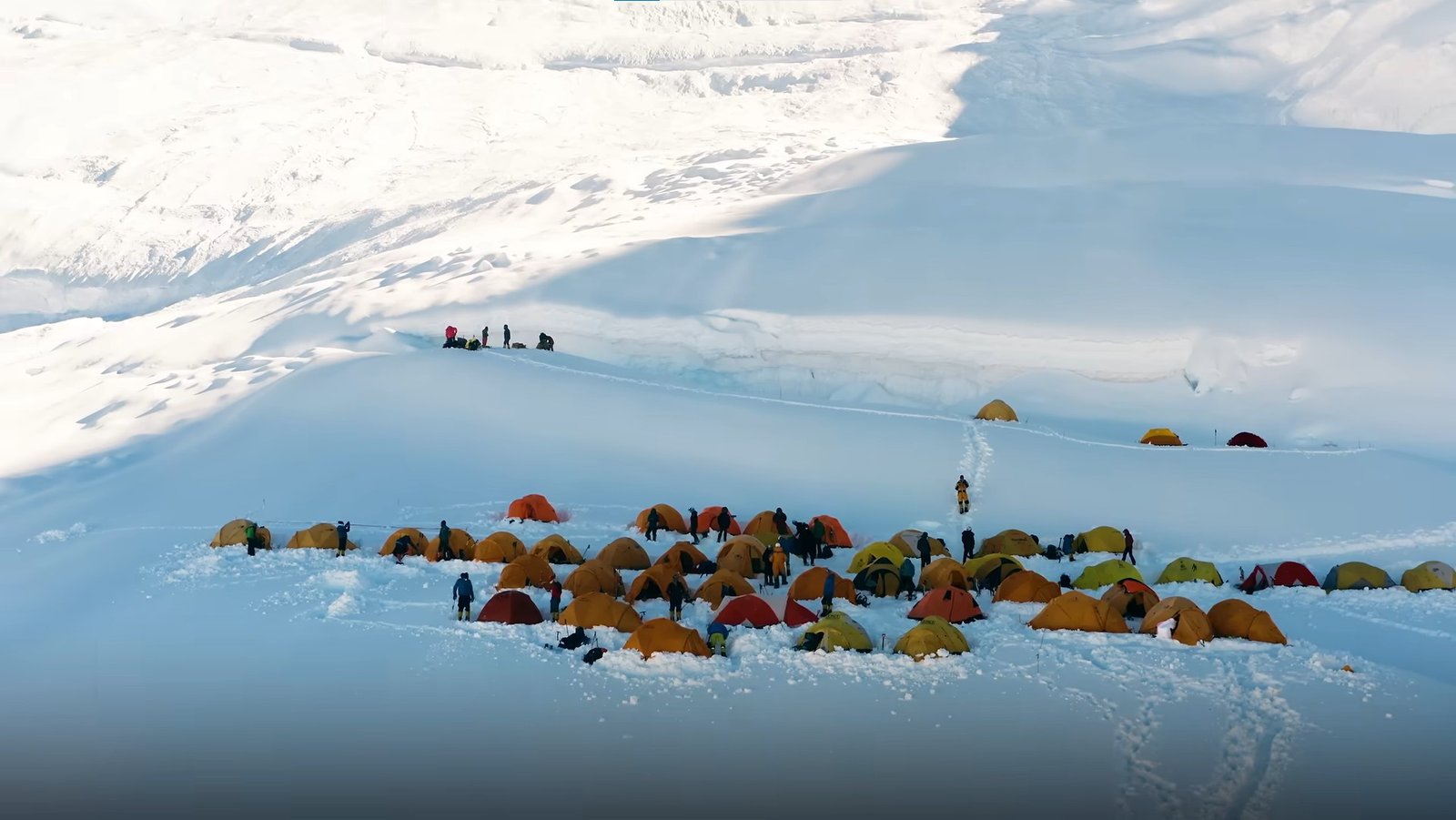
The itinerary therefore has to consider how quickly elevation is gained, where rest or acclimatisation days are placed and what the group should do if someone develops concerning symptoms.
Weather introduces another variable. Spring and autumn are popular for many classic routes, but no season can guarantee clear skies or an open mountain pass on a particular day. Winter adds serious cold and snow to high routes, while monsoon conditions can affect rainfall, roads and trail access across much of Nepal.
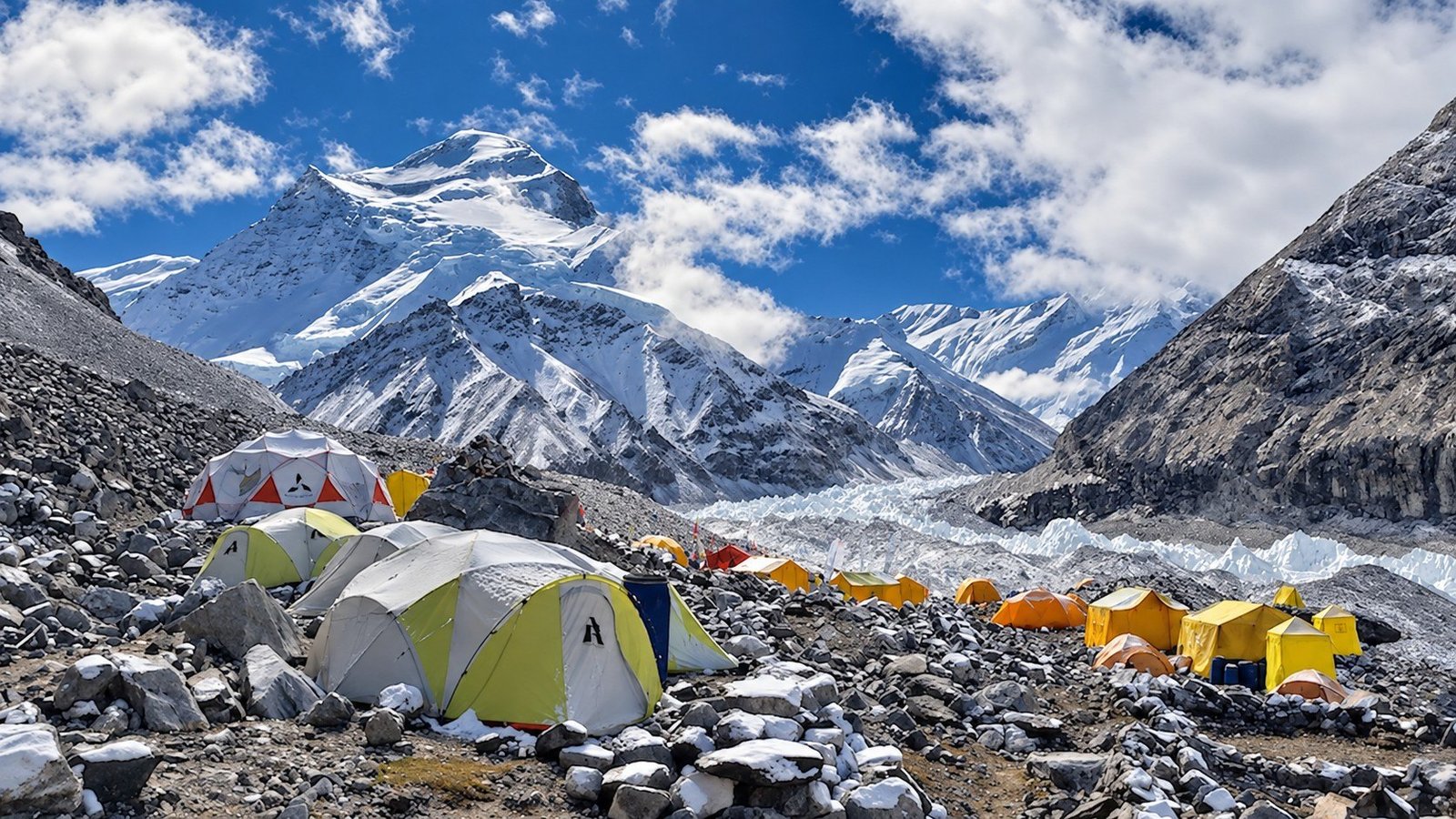
Some regions behave differently. Upper Mustang, for example, sits in a rain-shadow area and can be considered at times when monsoon rain makes other trekking areas less attractive.
The useful question is therefore not simply, “What is the best month for Nepal?” It is, “What conditions should I expect on this particular route during my travel dates?”
What Does Your Trekking Package Actually Cover?
Two trekking packages with the same destination name can have different prices because they may not include the same services.
Depending on the itinerary, your Nepal Royal Tourism Holiday package may include guiding, porter support, permits, accommodation, meals, domestic transport, flights or other arrangements stated on the individual trip page.
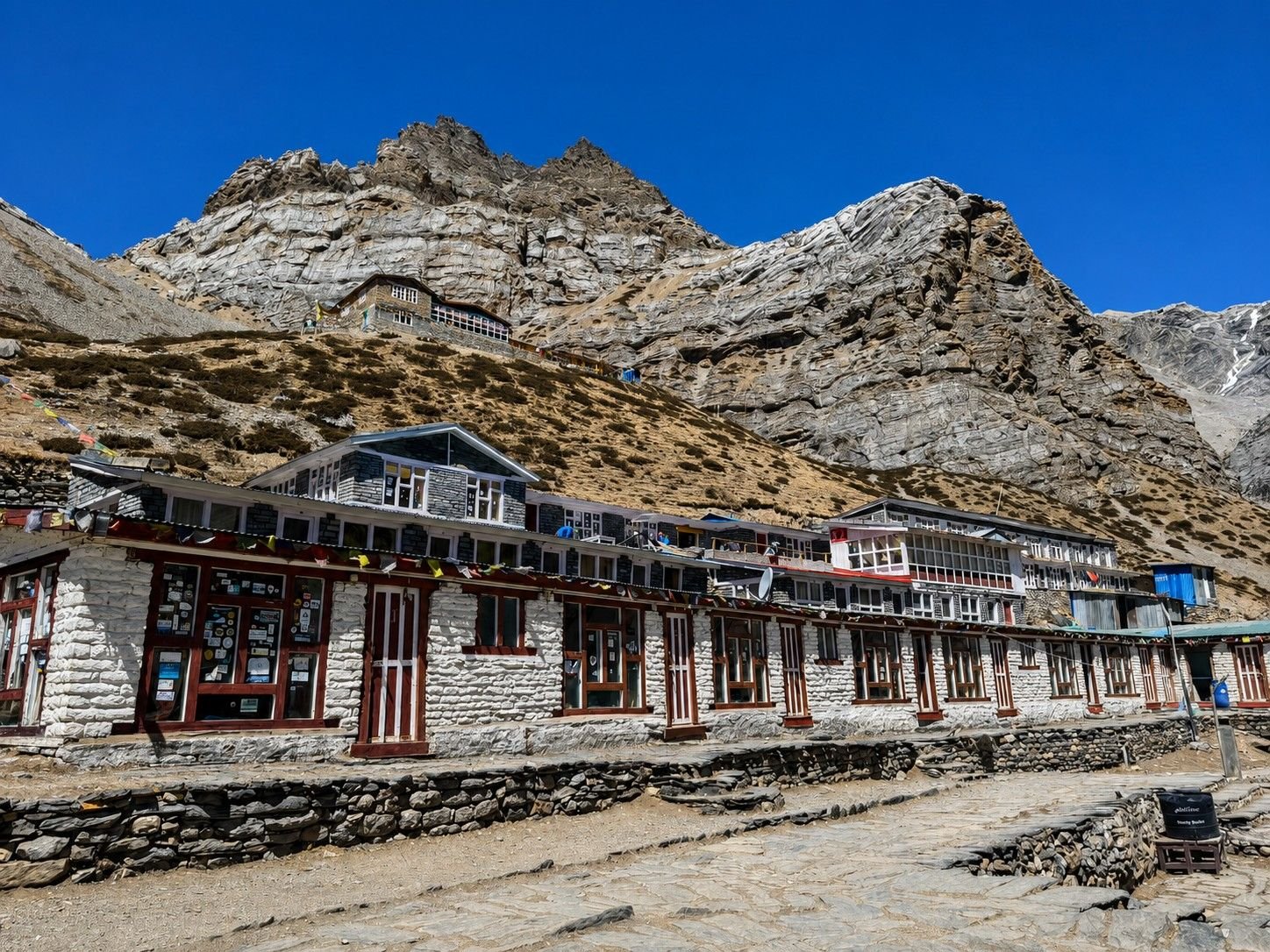
Other expenses may remain your responsibility. These can include international flights, visa costs, travel insurance, personal purchases, drinks, tips, additional accommodation caused by delays or services that are not listed in the package.
Climbing and expedition programmes may add another layer of equipment, camp services, technical support or climbing logistics.
Compare Packages by What They Include, Not Only by Price
Before booking, read the written inclusions and exclusions for the exact trip you are considering. A lower headline price is not automatically better value if the service structure is different.
If anything on a package page is unclear, ask for clarification before payment rather than assuming a service is included because another company or another itinerary provides it.
How to Choose the Right Trekking Agency in Nepal
Whether you eventually book with Nepal Royal Tourism Holiday or compare several companies, there are practical things worth checking before choosing a trekking agency.
| What to Check | Why It Matters |
|---|---|
| The Actual Itinerary | Look beyond the trek name and review the daily walking stages, maximum elevation and acclimatisation time. |
| Package Inclusions | Accommodation, meals, permits, flights, transport, porter support and equipment arrangements should be clearly understood. |
| Who Supports the Trip | A standard trekking guide, climbing guide and expedition team do not perform identical roles. |
| Payment and Cancellation Terms | Mountain travel can involve significant costs, so financial conditions should be understood before payment. |
| Insurance Requirements | High-altitude trekking, peak climbing and expeditions may require different levels of insurance coverage. |
| Communication | Clear answers before booking are a useful indication of how effectively practical questions are handled. |
A good agency relationship begins with realistic information rather than promises that every trip will go perfectly regardless of weather, health or mountain conditions.
How to Start Planning With Nepal Royal Tourism Holiday
You do not need to prepare a complicated enquiry before speaking with us. A few practical details are enough to begin understanding which type of Himalayan journey may suit your plans.
| What to Share | Why It Helps Us Plan Your Trip |
|---|---|
| Your Travel Dates | Knowing when you expect to arrive helps us consider the season, route conditions and practical availability for your intended journey. |
| Available Days | Your total time in Nepal helps us avoid recommending an itinerary that is too long or unnecessarily rushed. |
| Number of Travellers | Group size affects guiding, porter arrangements, transport, accommodation and whether you are planning a private or group-style journey. |
| Preferred Region or Mountain | You can name a specific trek such as Everest Base Camp or simply tell us the type of scenery or experience you want. |
| Previous Experience | Previous hiking, high-altitude trekking or climbing experience helps us discuss an appropriate level of difficulty and preparation. |
| Private or Group Travel | Tell us whether you are travelling with your own group or would like to ask about a suitable group departure where available. |
| Special Requirements | Accommodation preferences, pacing concerns, extensions or other important requirements are easier to consider when we know about them early. |
You do not need to have every detail decided. Once we understand these basics, we can start comparing suitable routes and discuss the next step.
From First Enquiry to Trek Preparation
| Planning Stage | What Happens |
|---|---|
| Step 1: Discuss the Goal | Tell us the destination or type of experience you have in mind. If you are undecided, share what attracts you to Nepal, your travel dates and how much time you have available. |
| Step 2: Review the Itinerary | Compare the route, daily stages, maximum altitude, acclimatisation days, accommodation and transport arrangements instead of looking only at the headline trip duration. |
| Step 3: Confirm Services and Price | Review the written inclusions, exclusions, payment conditions, required documentation, permit arrangements and any costs that remain your responsibility. |
| Step 4: Prepare for Nepal | Once the trip is confirmed, prepare according to the route you actually booked. A Poon Hill trek, Everest Base Camp journey and Mera Peak climb require different levels of preparation. |
You Do Not Need to Know the Perfect Route Before Contacting Us
If you know your dates, approximate number of days and the type of experience you want, that is already enough information to begin a useful conversation.
A Trekking Agency Should Help You Choose, Not Just Sell You the Hardest Trip
One of the easiest mistakes in Himalayan travel is assuming that a higher, longer or more technical trip is automatically a better adventure. That is not how Nepal works.
A shorter trail with the right scenery, villages and mountain views can be more enjoyable for one traveller than a three-week remote itinerary. Another person may feel the opposite and specifically want isolated valleys, basic facilities and demanding high-altitude days.
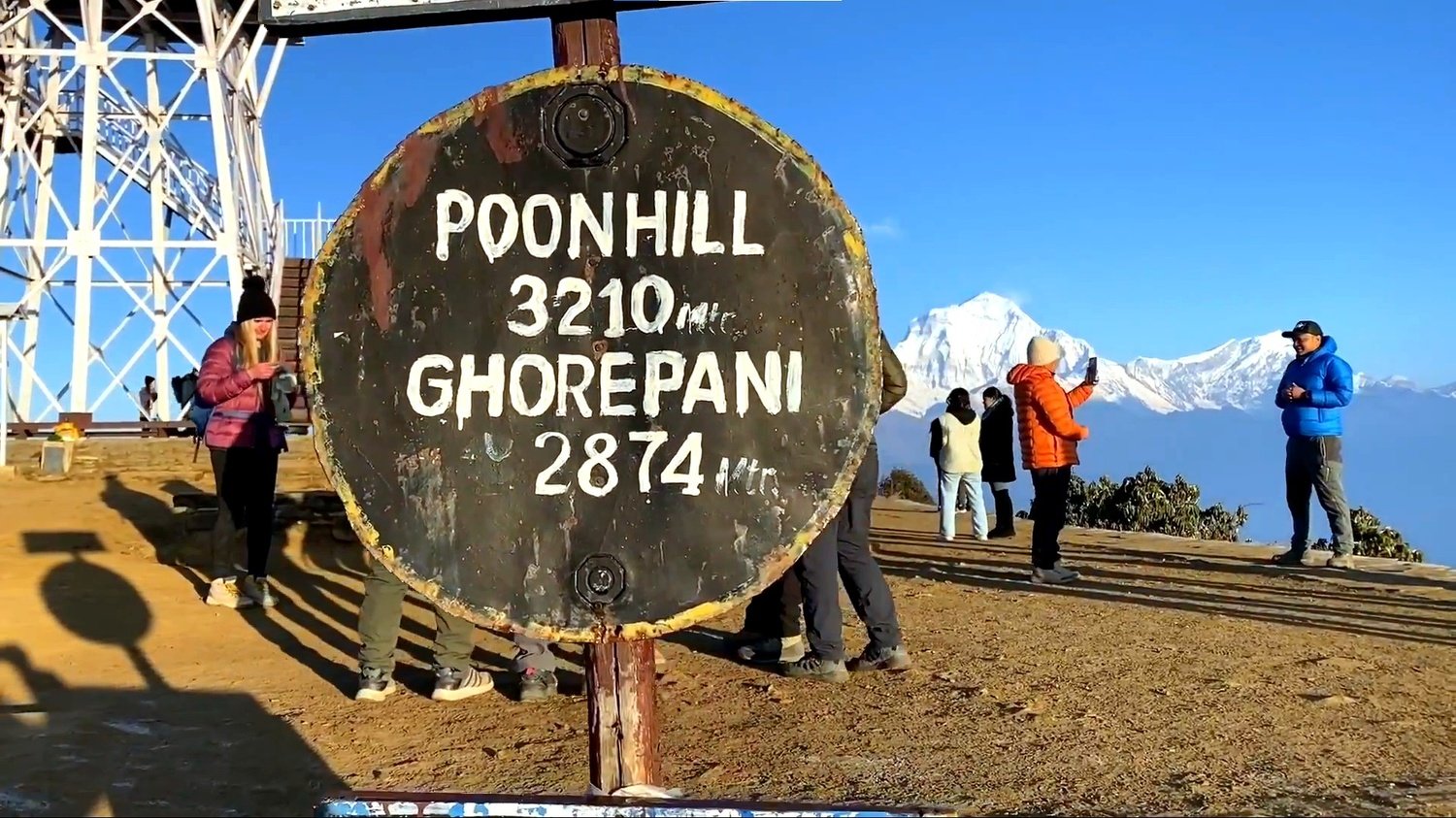
The job of a trekking agency is not to push every visitor towards the biggest package available. It is to understand what the traveller is trying to do and recommend or build something realistic around that goal.
That becomes even more important when peak climbing and expeditions enter the conversation. Ambition is useful in the mountains, but it needs to be matched with preparation, experience and enough time to approach the objective sensibly.
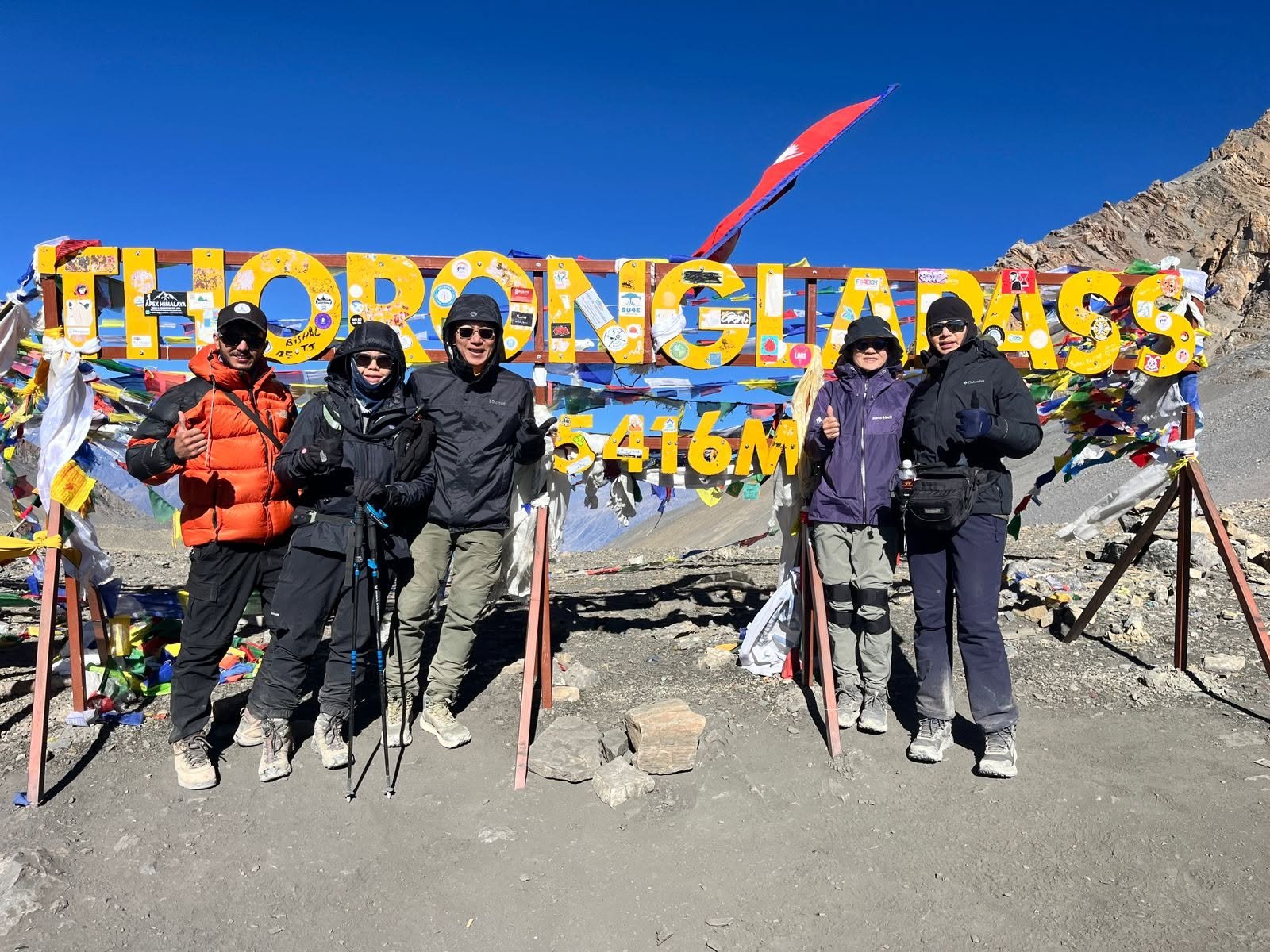
Sometimes the right recommendation is Everest Base Camp. Sometimes it is Langtang, Poon Hill, Tilicho Lake, Manaslu or a completely different route.
A traveller who has only a week in Nepal should not feel that a shorter trek is somehow less worthwhile because another visitor is spending three weeks in the mountains.
The same applies to climbing. Reaching a trekking peak should be approached as its own objective rather than as something added to an itinerary simply because there are a few extra days available.
Plan Your Himalayan Journey With Nepal Royal Tourism Holiday
Nepal offers far more than one famous trekking route. You can walk through Sherpa settlements in the Everest region, enter the Annapurna Sanctuary, cross Thorong La, explore Langtang Valley, circle Manaslu, travel through the dry landscapes of Upper Mustang or spend weeks moving towards the remote mountains of eastern Nepal.
Each journey gives you a different version of the Himalayas. Some routes are heavily focused on high mountains. Others combine trekking with villages, monasteries and cultural landscapes.

Some can be completed within a relatively compact holiday, while others require enough time to settle into a longer mountain journey.
And when trekking is no longer enough, Nepal also offers a progression into climbing. Island Peak, Mera Peak, Lobuche, Yala and other objectives introduce a different level of preparation, while mountaineering expeditions demand an even larger logistical and technical commitment.
Nepal Royal Tourism Holiday can help you explore those options from our base in Kathmandu. You can arrive with a specific itinerary in mind or simply tell us the kind of experience you are looking for.

We will not pretend that every route suits every person, that every climbing objective can be guaranteed or that weather and altitude can be controlled. What we can do is help you understand the journey, organise the confirmed arrangements and prepare for the trip you actually choose.
If you are deciding between trekking regions, planning a private group, considering your first Himalayan climbing peak or discussing a larger expedition objective, contact Nepal Royal Tourism Holiday with your dates and experience.
Ready to Start Planning Your Nepal Trek?
Send Nepal Royal Tourism Holiday your dates, available days, number of travellers and the trek or mountain you have in mind. We can help you understand the suitable options and next steps.