


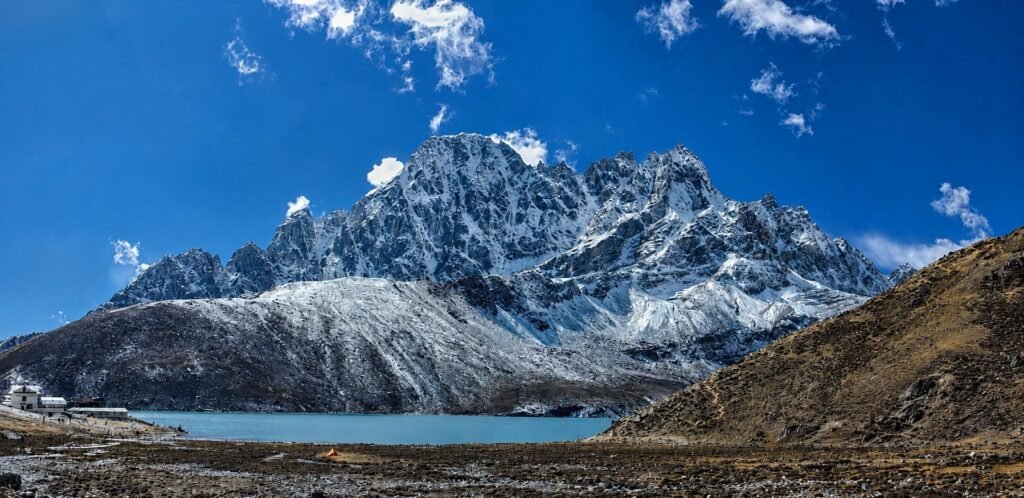
From Everest to Lumbini: Your Ultimate Nepal Travel Guide for 2027
Nepal is a country where an extraordinary variety of landscapes, cultures, religions and experiences exist within a surprisingly small area.
A single journey can take you from the medieval streets and temples of Kathmandu to the lakeside atmosphere of Pokhara, from the forests and wildlife of Chitwan to the foothills of the Annapurna range, and eventually to the sacred birthplace of Lord Buddha in Lumbini.

For travellers planning their first visit in 2027, this variety can also make Nepal difficult to plan. There are world-famous trekking routes, ancient heritage cities, national parks, peaceful hill towns, high-altitude lakes, Buddhist pilgrimage sites and remote Himalayan valleys, all offering something completely different.
This guide brings those experiences together in one journey. Instead of focusing only on trekking, it looks at Nepal as a complete travel destination and explains where to go, what to see, when to visit and how to combine the country’s major highlights into a memorable holiday.

Whether you have a few days for Kathmandu and Pokhara or several weeks for a journey from the Himalayas to the Terai, Nepal Royal Tourism Holiday can help organise the transportation, accommodation, guided tours and trekking arrangements required for your trip.
What Makes Nepal Special?
Nepal’s greatest strength is its geographical and cultural diversity. The country stretches from the subtropical plains of the Terai to the highest mountains on Earth, creating enormous changes in scenery, climate and wildlife over relatively short distances.
The Himalayan north attracts trekkers and mountaineers, but the lower regions offer equally important experiences. The Kathmandu Valley contains centuries-old temples, palaces and traditional neighbourhoods.

Pokhara combines lakes, caves, waterfalls and mountain views. Chitwan provides opportunities to experience forests, wetlands and wildlife, while Lumbini offers a completely different journey centred around Buddhist heritage and pilgrimage.
That variety means a trip to Nepal does not have to be built around one activity. You can combine sightseeing, trekking, wildlife, culture, adventure, spirituality and relaxation in the same holiday.
Nepal Travel at a Glance
| Destination | Region | Main Experience | Ideal Stay | Action |
|---|---|---|---|---|
| Kathmandu Valley | Central Nepal | Heritage, temples, culture and city life | 2–3 Days | View Destination |
| Pokhara | Gandaki | Lakes, caves, waterfalls and Himalayan views | 2–4 Days | View Destination |
| Everest Region | Khumbu | Himalayan trekking and Sherpa culture | 7–18+ Days | View Trek |
| Annapurna Region | Gandaki | Trekking, villages, forests and high mountains | 4–18+ Days | View Trek |
| Chitwan National Park | Terai | Wildlife safari, jungle, rivers and Tharu culture | 2–4 Days | View Trip |
| Lumbini | Terai | Buddhist pilgrimage, monasteries and heritage | 1–2 Days | Inquire Destination |
Planning Your First Trip to Nepal
The easiest way to plan Nepal is to divide the country into experiences rather than trying to visit everything at once. Most first-time travellers begin in Kathmandu because it is the main international arrival point and provides an immediate introduction to Nepal’s history and culture.
From Kathmandu, many travellers continue to Pokhara for mountain scenery and a more relaxed lakeside atmosphere.

From there, the journey can branch into the Annapurna region, while Chitwan provides a natural contrast with its forests and wildlife in the southern plains.
Lumbini can then be added as a cultural and spiritual destination, particularly for travellers interested in Buddhism or the history of South Asia.

Travellers with more time can extend the journey toward Everest, Manaslu, Langtang, Mustang, Kanchenjunga or another Himalayan region. The important thing is to leave enough time to enjoy each destination instead of trying to move from one place to another every day.
A Classic Nepal Journey for 2027
| Stage | Destination | What to Experience | Suggested Time |
|---|---|---|---|
| 1 | Kathmandu | UNESCO heritage sites, temples, markets and local food | 2–3 Days |
| 2 | Pokhara | Phewa Lake, Sarangkot, caves, waterfalls and mountain scenery | 2–3 Days |
| 3 | Annapurna or Everest | Himalayan trekking and mountain villages | 5–18+ Days |
| 4 | Chitwan | Jungle safari, wildlife, birdwatching and Tharu culture | 2–4 Days |
| 5 | Lumbini | Maya Devi Temple, monasteries and Buddhist heritage | 1–2 Days |
Kathmandu: Where Your Nepal Journey Begins
Kathmandu is far more than a starting point for a trek. The capital is the historical and cultural centre of Nepal, and its ancient squares, temples, monasteries and neighbourhoods provide a strong introduction to the country before you head toward the mountains.
The Kathmandu Valley contains several UNESCO World Heritage cultural sites, including Kathmandu Durbar Square, Swayambhunath, Pashupatinath and Boudhanath. Each provides a different perspective on the religious and architectural traditions that have shaped Nepal.

Kathmandu Durbar Square is closely connected with the old royal city, while Swayambhunath sits above the valley and provides wide views across the capital.
Pashupatinath remains one of the most important Hindu pilgrimage complexes in South Asia, while Boudhanath is one of the most recognisable centres of Tibetan Buddhist culture in Nepal.

Beyond the major monuments, Kathmandu is also about everyday life. Thamel is filled with restaurants, trekking shops, cafés and hotels, while quieter neighbourhoods reveal courtyards, local temples and traditional architecture.
For a first visit, spending at least two full days in the valley provides enough time to experience the major heritage sites without turning the beginning of the trip into a rushed sightseeing schedule.
Pokhara: Nepal’s Gateway to the Himalayas
Pokhara is where Nepal’s mountains, lakes and adventure culture come together. For many travellers, the city becomes the natural transition between the cultural intensity of Kathmandu and the Himalayan trekking routes that begin farther north.
The setting is exceptional. Phewa Lake sits below the Annapurna range, with Machhapuchhre dominating the skyline from many viewpoints around the valley. On exceptionally clear days, Dhaulagiri and Manaslu can also appear beyond the surrounding mountains.

Phewa Lake, the World Peace Pagoda, Davis Falls, Gupteshwar Cave, the Seti River and the city’s surrounding lakes are among Pokhara’s major attractions.
One of Pokhara’s greatest strengths is variety. A traveller can spend the morning boating on Phewa Lake, visit a waterfall or cave in the afternoon, watch the sunset from a hilltop viewpoint and still have time to enjoy the restaurants and cafés around Lakeside.
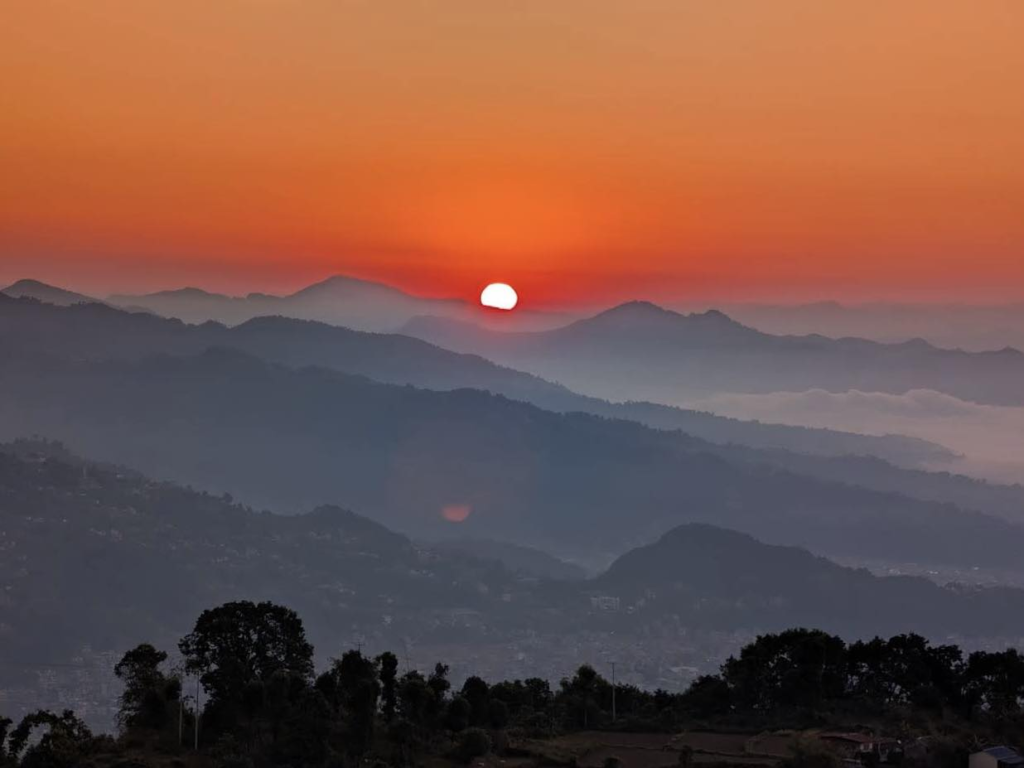
For adventure travellers, Pokhara is also the starting point for many of Nepal’s most popular trekking routes. Ghorepani Poon Hill, Annapurna Base Camp, Mardi Himal, Khopra Danda and several other journeys can be reached from the wider Pokhara region.
| Pokhara Experience | Why Visit | Ideal For |
|---|---|---|
| Phewa Lake | Boating, lakeside walks and views of the Annapurna range | Everyone |
| Sarangkot | Sunrise, sunset and panoramic Himalayan views | Photographers |
| World Peace Pagoda | Hilltop views across Phewa Lake and the surrounding mountains | Culture and nature lovers |
| Adventure Activities | Paragliding, hiking, boating, mountain biking and other outdoor experiences | Adventure travellers |
Chitwan National Park: From the Himalayas to the Jungle
One of the biggest surprises for first-time visitors to Nepal is how quickly the landscape changes after leaving the mountains. Chitwan National Park provides a completely different experience from Everest or Annapurna, taking travellers into subtropical forests, grasslands, rivers and wetlands in the Terai.
The park is a UNESCO Natural World Heritage Site and covers 932 square kilometres. 56 mammal species, 49 species of amphibians and reptiles and 525 bird species can be seen within the park, including the greater one-horned rhinoceros and Royal Bengal tiger.

Wildlife viewing is the main attraction, but Chitwan is much more than a safari. Travellers can combine jeep drives with nature walks, canoe trips and cultural experiences with local Tharu communities.
The rivers and wetlands are particularly interesting for birdwatchers, while canoe journeys can provide opportunities to observe crocodiles and waterbirds close to the riverbanks.

The best general period for wildlife travel is October to March, when temperatures are more comfortable. April to June can become very hot, while July to September is the rainy period.
Nepal Royal Tourism Holiday offers a dedicated Chitwan jungle safari itinerary, making it easy to add wildlife to a Himalayan-focused holiday.
Lumbini: The Spiritual Destination of Nepal
Lumbini provides a completely different experience from Nepal’s mountain destinations. Located in the Terai plains of Rupandehi, Lumbini is recognised as the birthplace of Siddhartha Gautama, who became known as the Buddha, and is one of the world’s most important Buddhist pilgrimage destinations.
The Sacred Garden is centred on the Maya Devi Temple and the Ashoka Pillar, while the wider complex contains monasteries and temples built by Buddhist communities from different countries. Lumbini is also a UNESCO World Heritage Site.

The monastery zone is particularly interesting because visitors can see very different architectural interpretations of Buddhism from countries including China, Japan, Myanmar, Thailand, Korea and Sri Lanka.
The Japan Peace Stupa is another prominent landmark within the wider Lumbini complex.

A visit does not have to end at the Sacred Garden. Travellers interested in Buddhist history can continue to archaeological locations associated with the life of the Buddha, including Tilaurakot, Kudan and other sites around the wider Buddhist circuit.
Winter is particularly pleasant for visiting Lumbini. It is the best season for the site, while the subtropical climate makes the summer months considerably hotter.
Kathmandu, Pokhara, Chitwan and Lumbini Together
One of the best things about a Nepal holiday is that these four destinations complement one another rather than competing for the same experience.
| Destination | Experience | What Makes It Different | Suggested Stay |
|---|---|---|---|
| Kathmandu | History and culture | Ancient temples, stupas, palaces and living urban culture | 2–3 Days |
| Pokhara | Lakes and mountains | Phewa Lake, waterfalls, viewpoints and Annapurna scenery | 2–4 Days |
| Chitwan | Wildlife and nature | Rhinos, forests, wetlands, birds and Tharu culture | 2–3 Days |
| Lumbini | Spirituality and heritage | Maya Devi Temple, Sacred Garden and international monasteries | 1–2 Days |
Choosing a Nepal Trip Based on Your Interests
Not every traveller needs the same Nepal itinerary. Someone visiting for the first time may want to see the major cultural and natural highlights, while an experienced trekker may prefer to spend most of the trip in the Himalayas.
For culture and heritage, Kathmandu and Lumbini provide the strongest combination. For mountain scenery without a long expedition, Pokhara and short Annapurna treks are excellent choices.
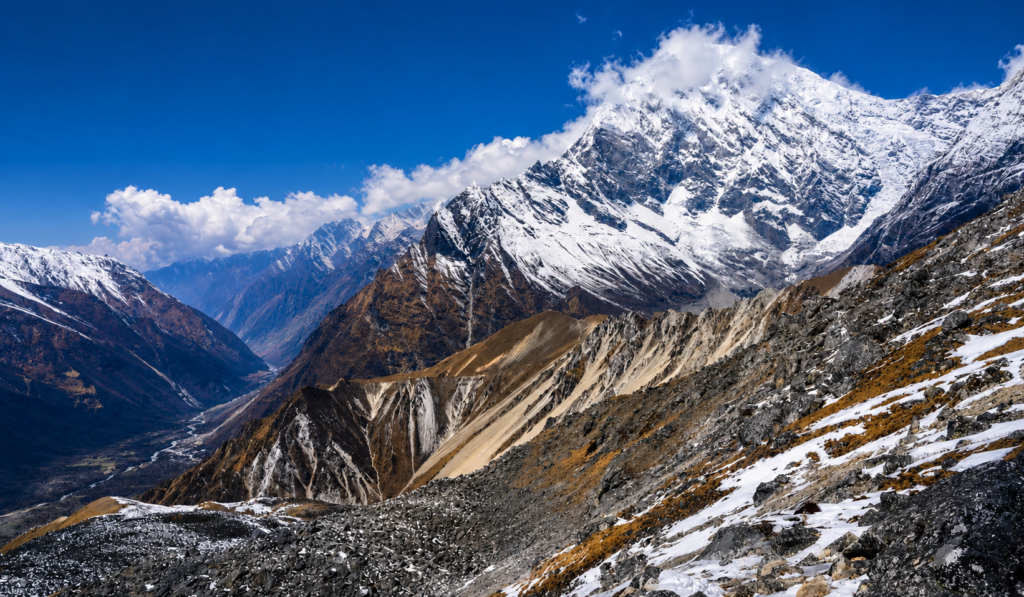
Travellers who want wildlife should add Chitwan, while those looking for a major Himalayan adventure can dedicate a larger part of the journey to Everest, Annapurna, Manaslu or another trekking region.
The advantage of using an experienced local trekking company is that these experiences can be combined rather than planned as completely separate holidays.
Everest: The Himalayan Experience Nepal Is Famous For
No first-time Nepal travel guide would be complete without the Everest region. Mount Everest has become the country’s most recognisable natural symbol, but the experience of travelling through the Khumbu is about much more than standing beneath the world’s highest mountain.
The journey passes through Sherpa villages, Buddhist monasteries, suspension bridges, forests and high alpine valleys before reaching the glacier-covered landscape surrounding Everest Base Camp.
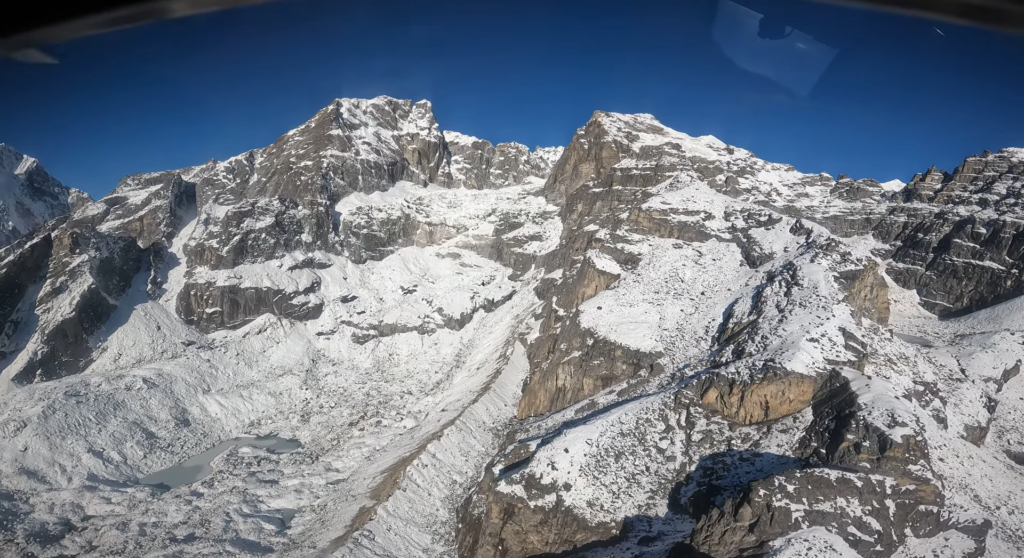
Namche Bazaar is one of the major stops along the route. Built on a steep mountain amphitheatre, the town acts as both a trading centre and an acclimatisation point for trekkers heading deeper into the Khumbu.
Tengboche adds another cultural dimension with its famous monastery and sweeping mountain views.
As the trail climbs higher, the vegetation becomes increasingly sparse and the landscape changes into rocky alpine terrain. Ama Dablam, Lhotse, Nuptse, Pumori and Everest gradually dominate the skyline.
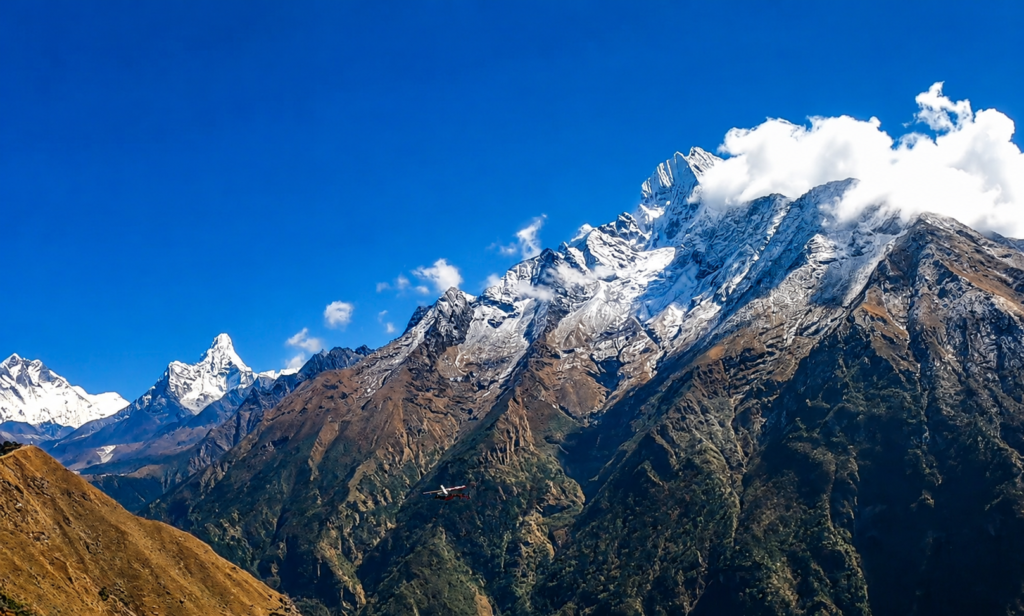
For travellers with enough time and preparation, Everest Base Camp remains one of Nepal’s defining experiences. For those with less time, shorter journeys around the lower Khumbu and viewpoints such as Pikey Peak provide alternative ways to experience the Everest landscape.
Everest Region Trekking Options
| Everest Trek | Duration | Highest Point | Main Experience | Difficulty | Action |
|---|---|---|---|---|---|
| Everest View Trek | 9 Days | 3,880 m | Namche Bazaar, Tengboche, Sherpa villages and panoramic Everest views | Moderate | View Trek |
| Everest Base Camp Trek | Around 14–16 Days | 5,545 m at Kala Patthar | Everest Base Camp, Kala Patthar, Khumbu Glacier and Sherpa culture | Challenging | View Trek |
| Gokyo Lakes Trek | 14 Days | 5,357 m | Gokyo Lakes, Gokyo Ri, Ngozumpa Glacier and Cho Oyu views | Slightly Hard | View Trek |
| Everest Chola Pass Trek | 17 Days | 5,550 m | Everest Base Camp, Gokyo Valley and Cho La Pass | Challenging | View Trek |
| Everest Three High Passes Trek | 18 Days | 5,545 m | Kongma La, Cho La, Renjo La, Gokyo Lakes and Everest Base Camp | Challenging | View Trek |
| Jiri to Everest Base Camp Trek | 19 Days | 5,545 m | Classic Jiri approach, quieter lower trails, Sherpa villages and Everest Base Camp | Moderate | View Trek |
| Mera Peak Climbing | Custom / Expedition | 6,476 m | Remote Hinku Valley, glacier travel and panoramic high-altitude summit experience | Challenging | View Peak Climbing |
| Island Peak Climbing | Custom / Expedition | 6,189 m | Chhukung Valley, glacier climbing and close views of Lhotse, Ama Dablam and Everest | Challenging | View Peak Climb |
| Lobuche East Peak Climbing | 17 Days | 6,119 m | Everest Base Camp, Kala Patthar, Khumbu Glacier and technical peak climbing | Very Challenging | View Peak Climbing |
Annapurna: The Most Diverse Trekking Region in Nepal
If Everest represents the highest point of Nepal, Annapurna represents the country’s incredible variety.
Within the broader Annapurna region, travellers can move through subtropical valleys, rhododendron forests, Gurung villages, alpine landscapes, high mountain passes and dry trans-Himalayan valleys.
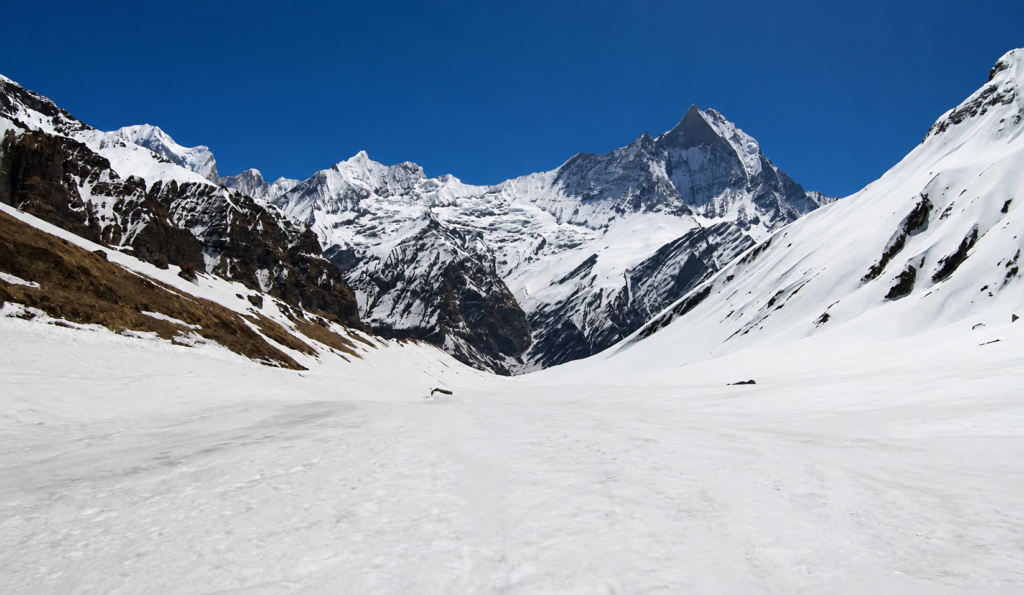
That diversity is one reason Annapurna works so well for different types of travellers. Short treks such as Ghorepani Poon Hill provide spectacular mountain views within a few days, while Annapurna Base Camp takes trekkers deep into a dramatic mountain sanctuary.
The Annapurna Circuit offers a much broader journey across several ecological and cultural zones.
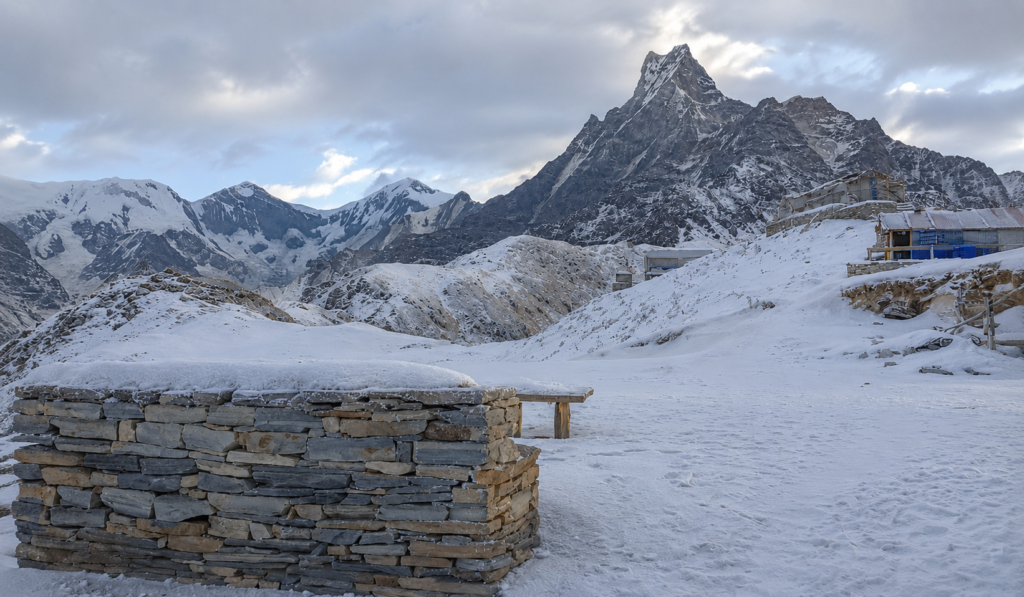
Travellers with more time can add destinations such as Tilicho Lake, Nar Phu Valley or Khopra Danda to create a more specialised adventure.
| Annapurna Experience | Approx. Duration | Main Attraction | Action |
|---|---|---|---|
| Ghorepani Poon Hill | 4–5 Days | Rhododendron forests and Himalayan sunrise | View Trek |
| Annapurna Base Camp | 7–12 Days | Mountain sanctuary surrounded by Himalayan peaks | View Trek |
| Annapurna Circuit | 14–18 Days | Thorong La, Manang, Mustang and changing landscapes | View Trek |
| Mardi Himal | 5–8 Days | Forest trails and close Machhapuchhre views | View Trek |
| Khopa Danda and Khayer Lake | 12 Days | Quiet ridge, Annapurna views and sacred alpine lake | View Trek |
Manaslu: A Quieter Himalayan Alternative
The Manaslu region offers one of the strongest alternatives for travellers who want a full Himalayan trekking experience without following the busiest routes of Everest or Annapurna.
The Manaslu Circuit follows the Budhi Gandaki valley through forests, waterfalls, suspension bridges and traditional villages before entering the high mountain environment around Samagaon and Samdo.
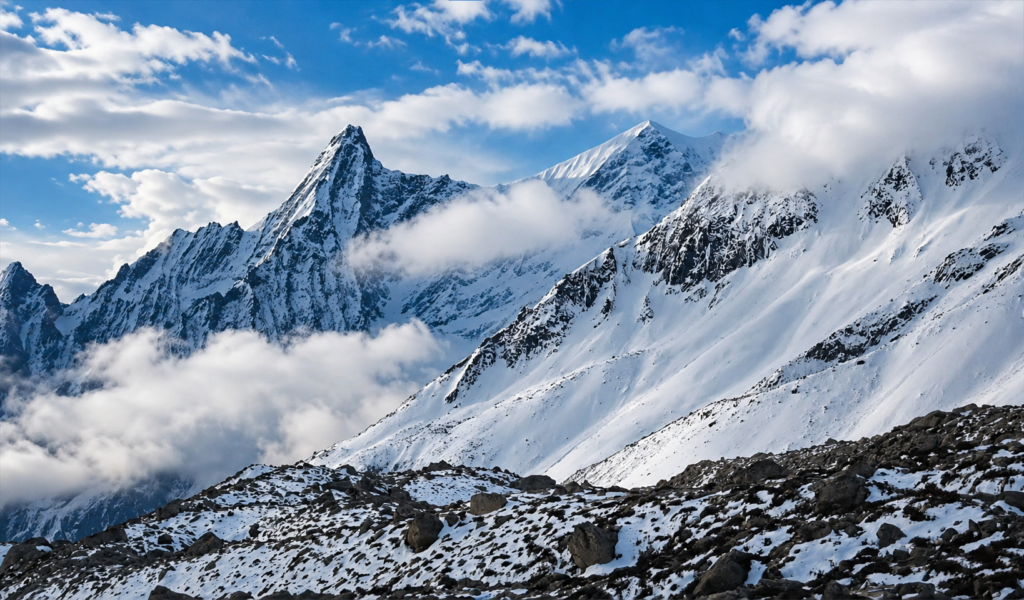
Mount Manaslu gradually becomes more prominent as the route climbs. The dramatic transition from lush lower valleys to the Tibetan-influenced villages of the upper region is one of the trek’s defining characteristics.
The crossing of Larkya La Pass at approximately 5,106 metres represents the high point of the standard circuit. From there, the trail descends toward the Marsyangdi Valley.
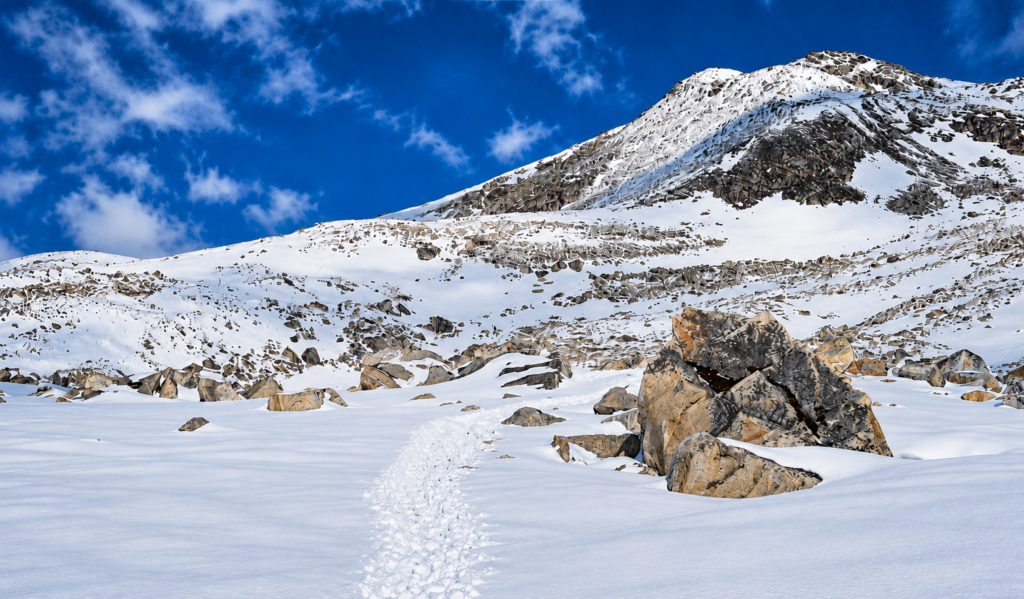
Manaslu is also an important cultural journey. The lower region has strong Gurung influences, while the upper valleys retain deep Tibetan Buddhist traditions. Because part of the route lies within a restricted area, the required permits and guided trekking arrangements must be organised before departure.
Langtang: Himalayan Scenery Close to Kathmandu
Langtang is an excellent choice for travellers who want a genuine mountain trek without travelling as far into the country as Everest or Kanchenjunga.
The valley can be reached relatively quickly from Kathmandu and provides forests, mountain villages, Buddhist monasteries, waterfalls and high alpine scenery.
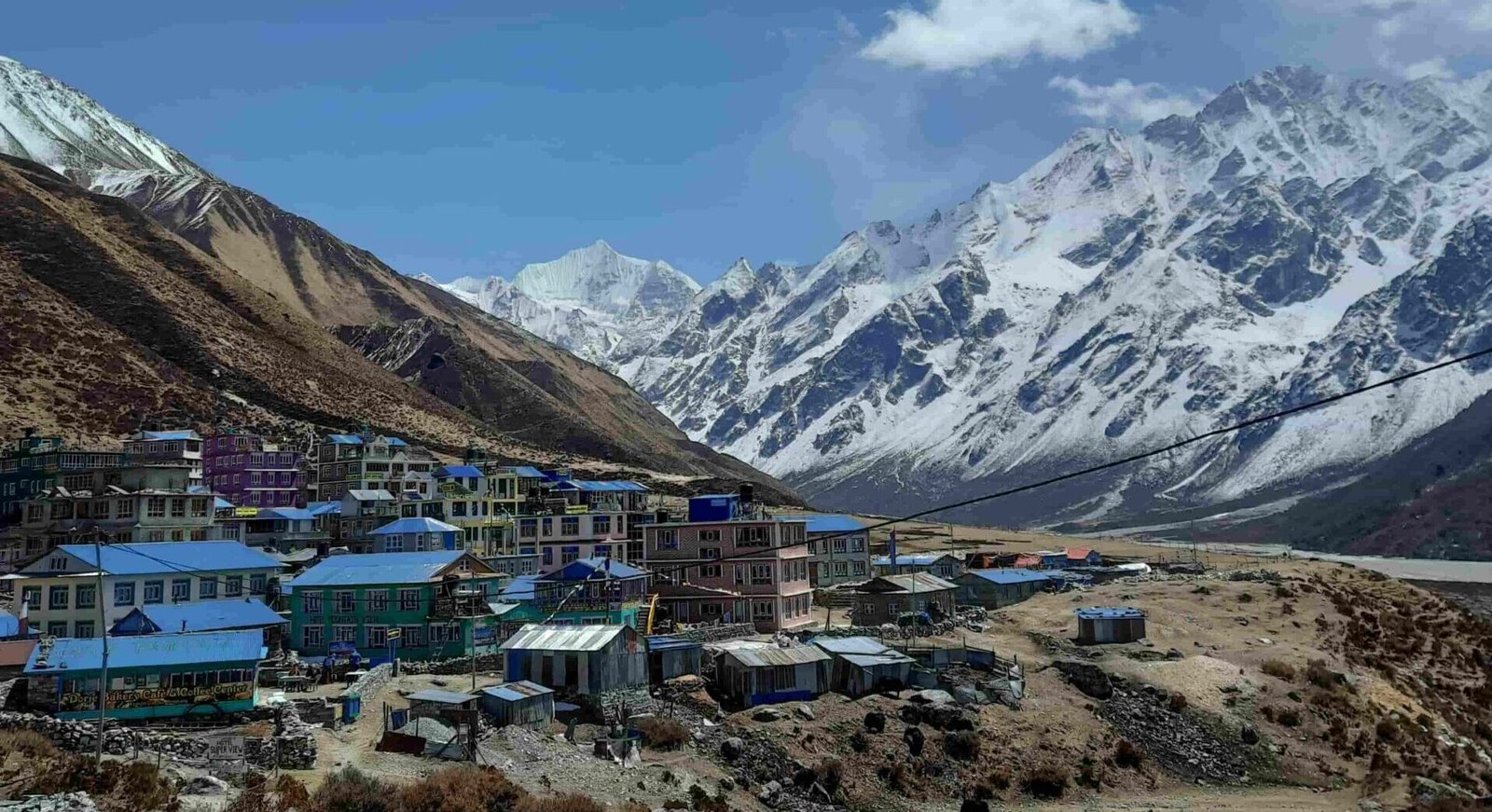
The lower trail passes through forests and settlements influenced strongly by Tamang culture. As the journey progresses toward Kyanjin Gompa, the landscape opens into a broad Himalayan valley surrounded by snow-covered mountains.
Langtang Lirung is one of the dominant peaks in the region, while the upper valley also provides opportunities for additional day hikes and viewpoints.
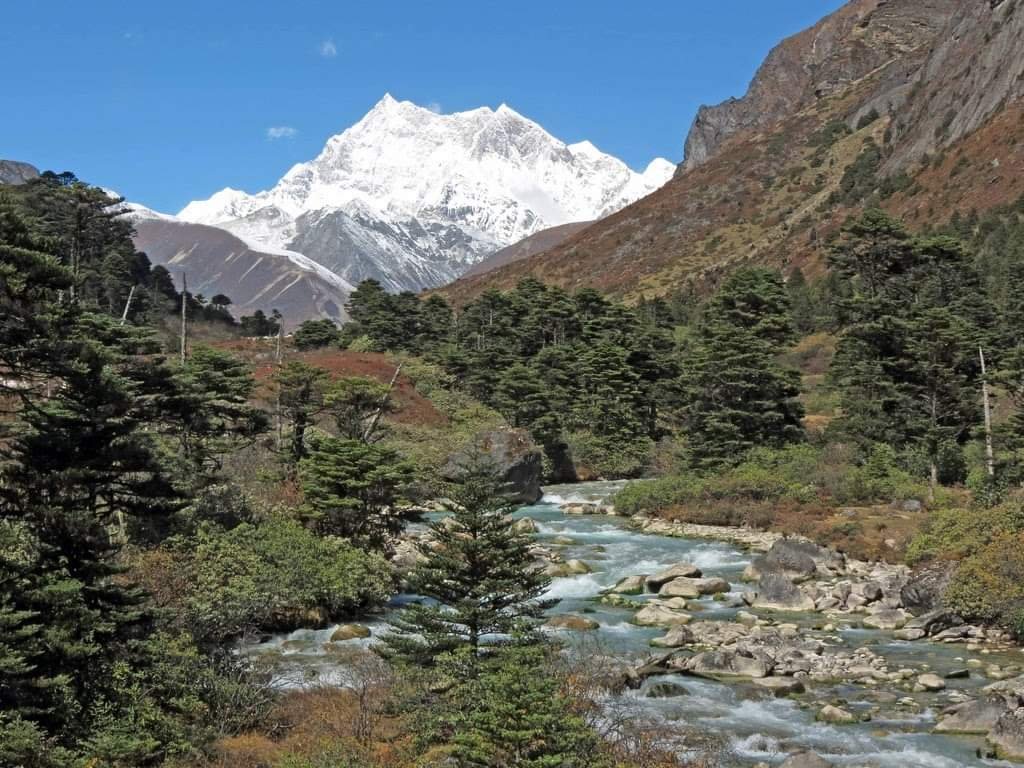
The route is particularly suitable for travellers who want to experience both nature and culture within a relatively compact itinerary.
Bandipur: A Peaceful Stop Between Kathmandu and Pokhara
Bandipur is ideal for travellers who want to slow down between Nepal’s larger destinations. The old hill town is known for its preserved Newari architecture, pedestrian-friendly centre and panoramic position above the surrounding valleys.
It is also an excellent place to experience Nepal’s middle-hill landscape without committing to a multi-day high-altitude trek.
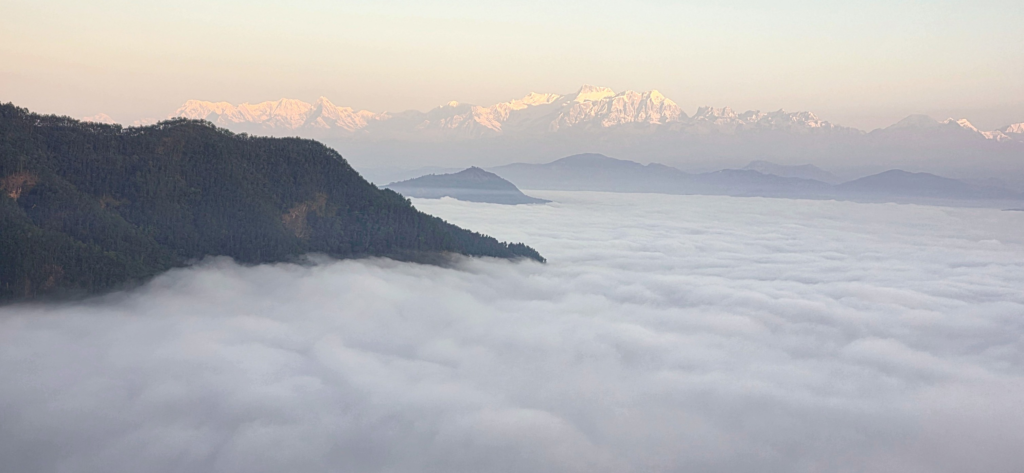
Short walks around the surrounding ridges reveal terraced fields, forests and rural communities. On clear days, the Himalayan horizon appears beyond the hills, providing a scenic backdrop to the historic town.
Bandipur works especially well as a stop between Kathmandu and Pokhara. Instead of treating the journey between the two cities as merely transportation, travellers can turn it into another destination.
Nagarkot and the Kathmandu Valley Hills
Nagarkot is another convenient choice for travellers who have limited time but still want to leave Kathmandu’s urban environment for a quieter hill setting.

The hill station is particularly known for sunrise and sunset views. When atmospheric conditions are favourable, sections of the Himalayan range can appear across the horizon while the surrounding landscape reveals forests, terraced hillsides and rural settlements.
Nagarkot can be combined with Changu Narayan and short walks through the surrounding countryside, making it a useful addition to a Kathmandu itinerary.
Rara Lake: A Different Side of Nepal
Travellers who have already experienced the more accessible parts of Nepal may want to go much farther west. Rara Lake provides one of the country’s most memorable wilderness experiences, surrounded by forests and mountains far from the main tourist centres.
The journey takes significantly longer than a visit to Pokhara or Chitwan, but the remote setting is part of what makes Rara special. The lake’s clear waters, surrounding forest and quieter trails create a very different atmosphere from the busier trekking regions.
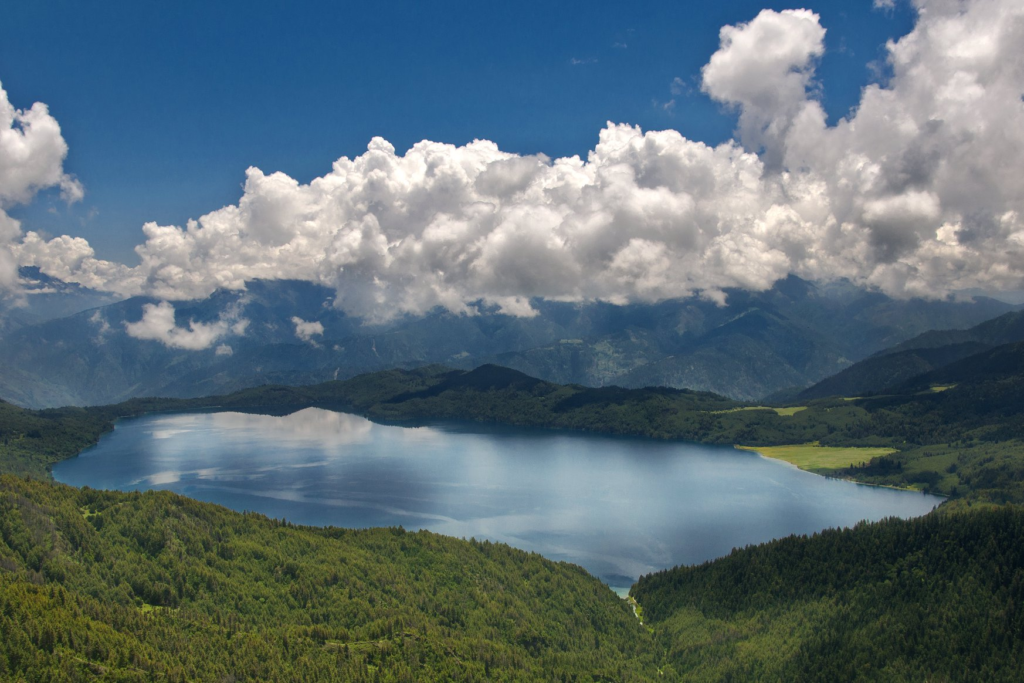
Rara is especially attractive to travellers who enjoy photography, nature and peaceful landscapes rather than crowded viewpoints.
Nepal Royal Tourism Holiday currently offers a dedicated Rara Lake Trek, allowing travellers to experience this remote region with organised logistics and local trekking support.
Upper Mustang: The Ancient Kingdom Beyond the Mountains
Upper Mustang is one of the most distinctive destinations in Nepal because its landscape looks almost nothing like the green valleys found farther south.
The region is shaped by dry cliffs, deep canyons, exposed rock formations and high mountain valleys, while ancient villages and monasteries remain scattered across the terrain.
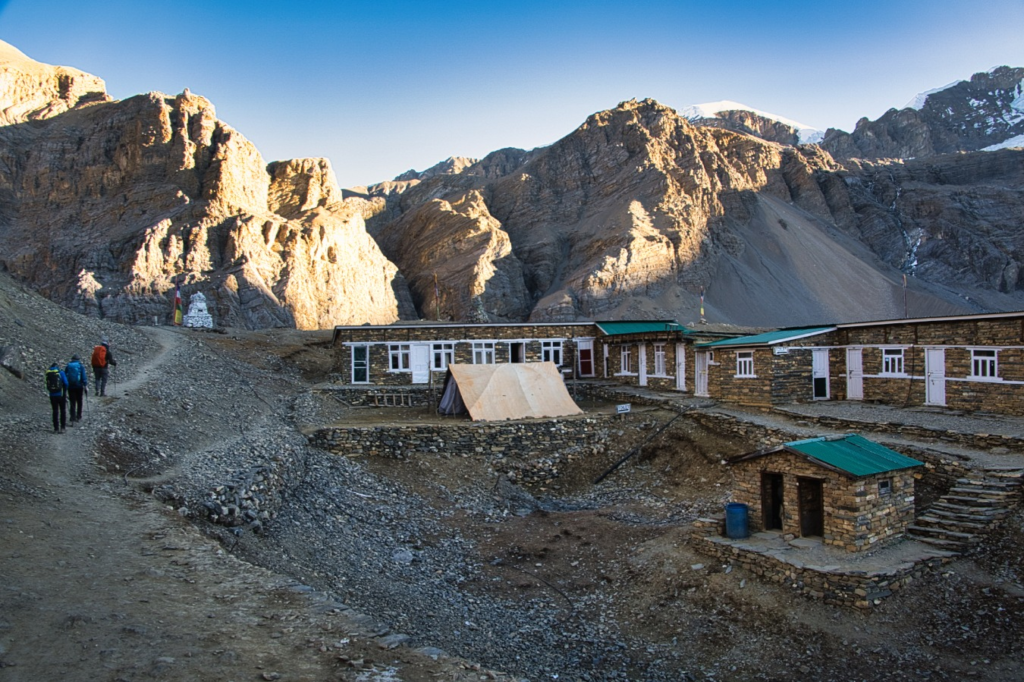
The journey toward Lo Manthang introduces travellers to the former Kingdom of Lo, where traditional Tibetan-influenced architecture and centuries-old Buddhist culture remain an important part of daily life.
Another reason Upper Mustang stands out is its archaeological landscape. Cave systems, old monasteries, fortified settlements and rock-cut dwellings provide glimpses into a much older Himalayan world.
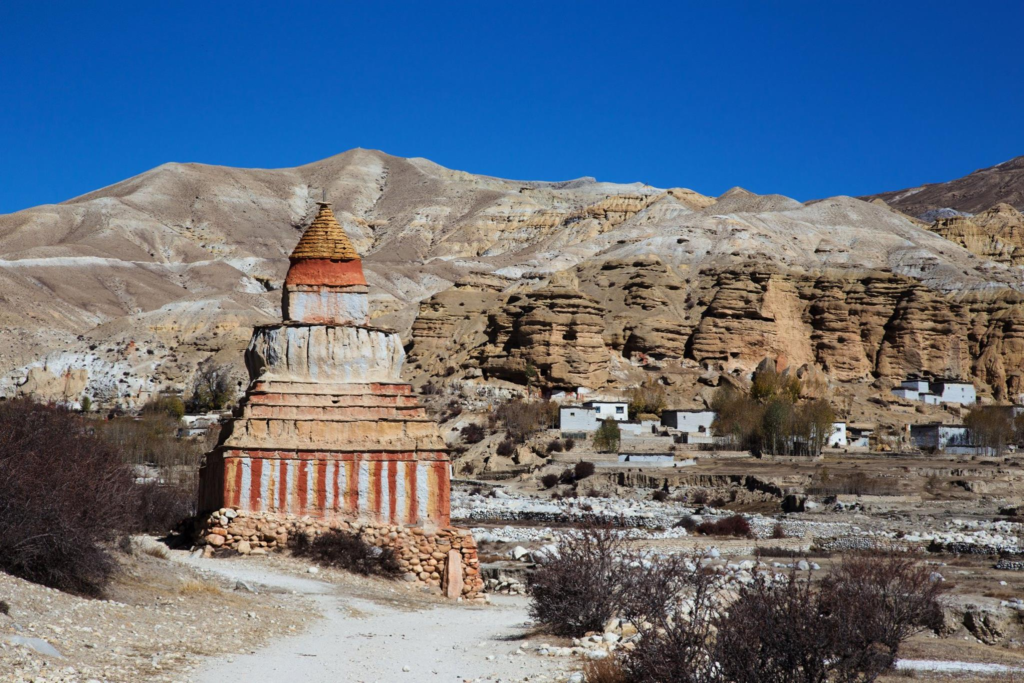
The region is particularly interesting during summer because it sits in the rain shadow of the Annapurna and Dhaulagiri ranges. Autumn and spring are also excellent seasons for travellers who want clearer skies and comfortable trekking conditions.
Nar Phu Valley: Villages Hidden Behind the Annapurna Range
Nar Phu Valley is one of the strongest choices for travellers who want to experience a more isolated side of the Annapurna region.
The route leaves the main Annapurna trekking corridor and enters a landscape of narrow gorges, barren cliffs, alpine valleys and traditional stone-built villages.
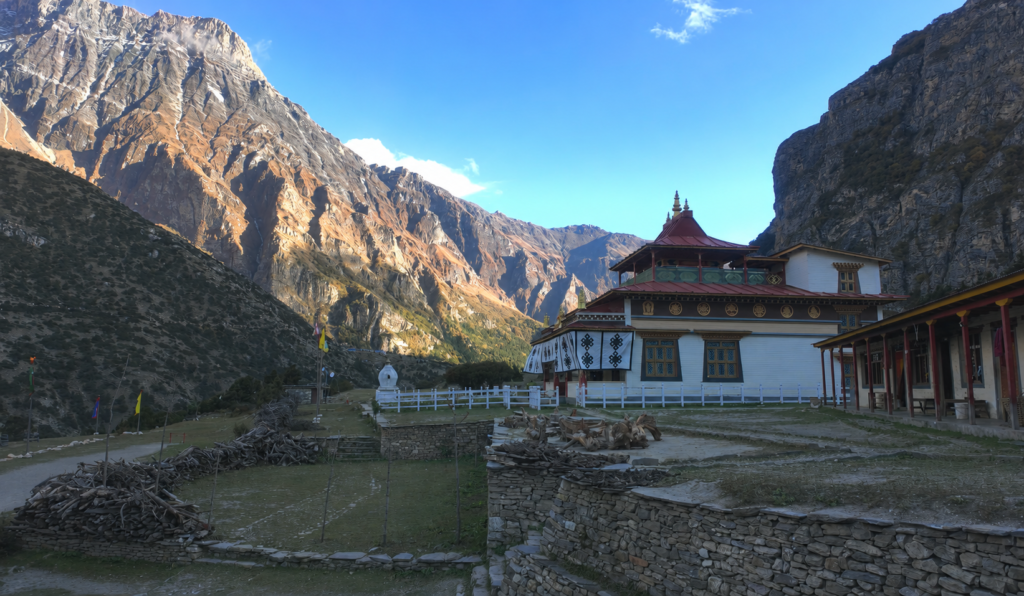
The villages of Nar and Phu are the heart of the journey. Their isolated location has helped preserve a distinctive Himalayan culture, while ancient monasteries and traditional houses give the valley a character completely different from the more developed sections of the Annapurna Circuit.
The scenery becomes increasingly dramatic as the route climbs toward Kang La Pass. From the higher sections, the surrounding mountains and deep valleys create a spectacular panorama.
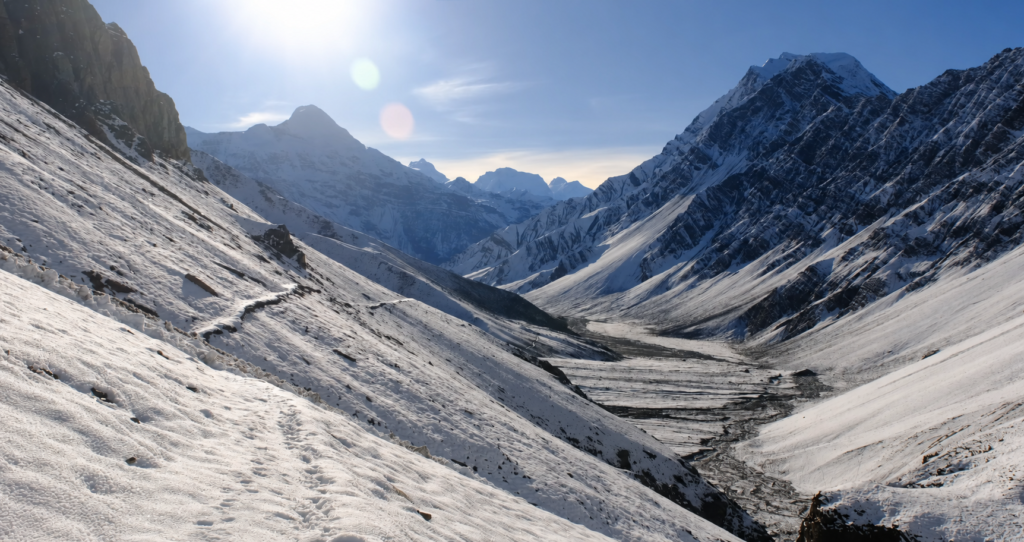
Nar Phu is also a good example of how a hidden destination can be combined with a famous trekking route. Travellers can connect the valley with the Annapurna Circuit and experience both the quieter northern wilderness and the classic Himalayan trail.
Best Nepal Destinations by Travel Style
| Travel Style | Suggested Combination | Why It Works |
|---|---|---|
| Culture and Nature | Kathmandu + Bandipur + Pokhara | Combines heritage, traditional hill life, lakes and mountain scenery. |
| Short Adventure | Kathmandu + Pikey Peak + Pokhara | Combines a quieter Himalayan trek with Nepal’s most popular mountain city. |
| Annapurna Explorer | Pokhara + Mohare Danda + Khopra Danda | Multiple quieter mountain routes without leaving the Annapurna region. |
| Remote Himalayan Journey | Kathmandu + Upper Mustang or Nar Phu Valley | A powerful combination of city heritage and trans-Himalayan culture. |
| Wildlife and Wilderness | Pokhara + Rara Lake + Chitwan | Combines Himalayan lakes, remote wilderness and Terai wildlife. |
Planning Your Nepal Trip by Season
Nepal can be visited throughout the year, but the best destination depends heavily on the season. The mountains, hills and Terai experience noticeably different conditions, so choosing the right route at the right time can make a major difference to the overall experience.
| Season | Best Places | Best Experiences | Overall |
|---|---|---|---|
| Spring
March to May |
Pokhara, Annapurna, Everest, Langtang, Manaslu | Trekking, rhododendron forests, mountain views and outdoor activities | Excellent |
| Summer
June to August |
Upper Mustang, selected Dolpo routes and lower-elevation cultural destinations | Rain-shadow trekking, cultural tours and selected nature experiences | Route Dependent |
| Autumn
September to November |
Everest, Annapurna, Manaslu, Langtang, Mustang, Pokhara | Clear mountain views, trekking, sightseeing and photography | Excellent |
| Winter
December to February |
Kathmandu, Pokhara, Chitwan, Lumbini and lower hill destinations | Culture, wildlife, short hikes, scenic views and heritage | Very Good |
Best Nepal Itineraries for Different Travel Styles
There is no single itinerary that works for everyone. A first-time visitor with ten days may prefer to focus on Kathmandu, Pokhara and Chitwan, while a traveller with three weeks can add a Himalayan trek or a longer cultural journey.
| Trip Length | Suggested Journey | Best For |
|---|---|---|
| 7 Days | Kathmandu + Pokhara | First-time visitors, sightseeing and mountain views |
| 10–12 Days | Kathmandu + Pokhara + Chitwan + Lumbini | Culture, nature, wildlife and pilgrimage |
| 14–16 Days | Kathmandu + Pokhara + Annapurna or Everest | Travellers wanting a major Himalayan experience |
| 18–21 Days | Kathmandu + major trek + Chitwan or Lumbini | Adventure-focused travellers with extra time |
What to Know Before Travelling to Nepal in 2027
Planning a Nepal holiday is easier when the itinerary is built around the actual travel conditions of each region. A city tour, jungle safari and high-altitude trek are very different experiences, and each requires different clothing, transportation and preparation.
Travellers heading into the Himalayas should allow enough time for acclimatisation when the itinerary reaches higher elevations. The pace should be based on the route rather than simply trying to complete the trek as quickly as possible.

Domestic flights can also be affected by mountain weather, particularly on routes involving smaller Himalayan airports. Keeping some flexibility in the itinerary is therefore sensible when travelling to remote trekking regions.
For lower-elevation sightseeing, the main consideration is usually the season. Kathmandu, Pokhara, Chitwan and Lumbini can be approached much more flexibly than a high-altitude trek, but temperatures and rainfall still vary considerably throughout the year.
Practical Nepal Travel Checklist
| Before You Travel | Why It Matters |
|---|---|
| Check Passport and Visa Requirements | Make sure your travel documents meet the current entry requirements before departure. |
| Choose the Right Travel Season | Weather varies dramatically between the Himalayas, hills and Terai. |
| Arrange Travel Insurance | Important for trekking, outdoor activities and unexpected travel disruptions. |
| Prepare Appropriate Clothing | Packing requirements change significantly with altitude and season. |
| Allow Extra Travel Time | Weather can occasionally affect roads and domestic flights. |
| Confirm Trekking Permits | Some trekking regions require permits or specific arrangements before entry. |
Why Explore Nepal with Nepal Royal Tourism Holiday?
Planning a multi-region Nepal holiday can involve several different types of travel at once. A single itinerary may include hotels in Kathmandu, road or air transportation to Pokhara, a trekking guide and permits, a jungle safari in Chitwan and cultural sightseeing in Lumbini.

Nepal Royal Tourism Holiday brings these elements together so travellers can focus on the experience instead of managing every individual arrangement themselves.
| Service | What It Includes |
|---|---|
| Trekking Arrangements | Guides, permits, accommodation and trekking logistics for your selected route. |
| Transportation | Airport transfers, road transport, tourist vehicles and domestic travel arrangements where required. |
| City and Cultural Tours | Sightseeing arrangements across Kathmandu, Pokhara and other destinations. |
| Wildlife Experiences | Jungle safari and nature-based arrangements in destinations such as Chitwan. |
| Custom Holidays | Flexible itineraries combining trekking, sightseeing, wildlife and cultural destinations. |
Nepal is much more than a destination for people who want to stand beneath Mount Everest. The mountains are an extraordinary part of the country, but they are only one piece of a much larger travel experience.
You can begin among the temples and historic streets of Kathmandu, relax beside Phewa Lake in Pokhara, walk into the Annapurna or Everest mountains, descend into the forests of Chitwan and finish among the monasteries and sacred landscapes of Lumbini.
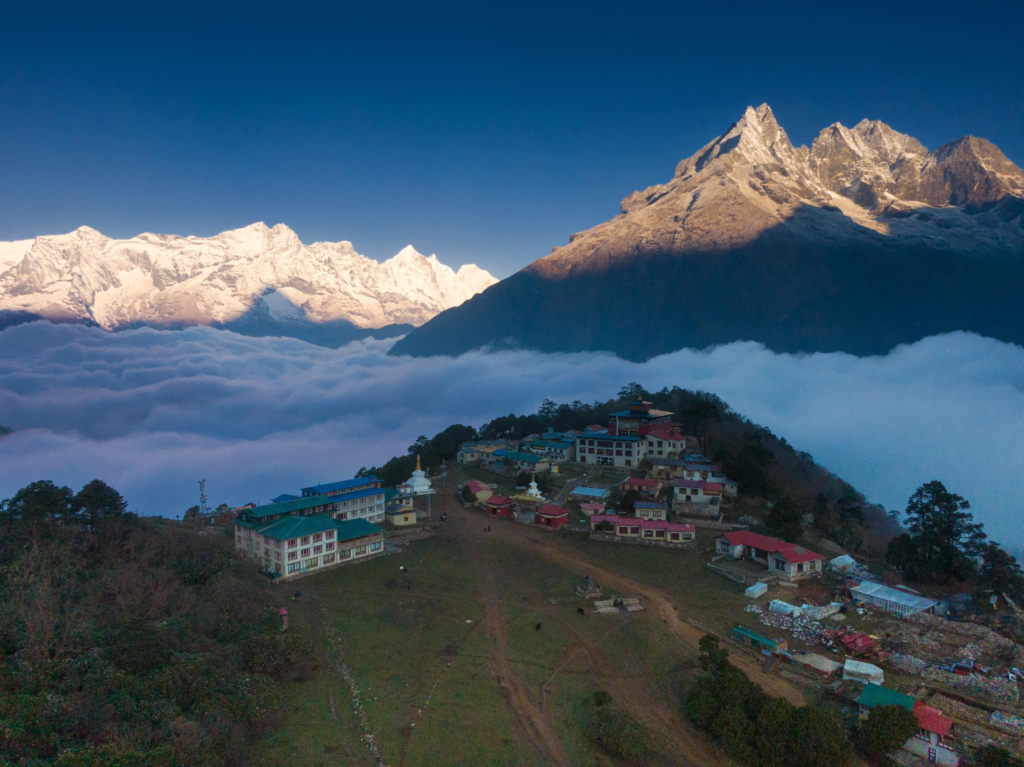
For travellers with more time, the country opens even further. Manaslu and Langtang provide different Himalayan experiences, Upper Mustang introduces the dry landscapes of the trans-Himalayan region, Rara offers remote wilderness and destinations such as Bandipur provide a slower look at Nepal’s hills and villages.
The best trip for 2027 is therefore the one that matches your interests and available time. You do not need to see everything. A well-balanced journey with enough time in each destination will usually create a much richer experience than trying to collect as many places as possible.
Frequently Asked Questions About Travelling in Nepal
How many days do I need for a first trip to Nepal?
Around 10 to 14 days gives you enough time to combine Kathmandu, Pokhara, Chitwan and another major experience. Travellers with two or three weeks can add a longer Himalayan trek.
What are the best places to visit in Nepal for first-time travellers?
Kathmandu, Pokhara, Chitwan and Lumbini provide a strong first introduction because they cover heritage, mountain scenery, wildlife and Buddhist culture. Travellers with more time can add Everest or Annapurna.
Can I visit Nepal without trekking?
Yes. Kathmandu, Pokhara, Chitwan, Bandipur and Lumbini can all be explored without a long Himalayan trek.
Which season is best for Nepal?
Spring and autumn are generally the most versatile seasons for trekking and mountain travel. Winter works particularly well for lower elevations, wildlife and cultural sightseeing, while summer is more selective because of the monsoon.
Can I combine Everest with Chitwan?
Yes. Combining a Himalayan trek with a Chitwan wildlife stay creates one of the strongest contrasts in a Nepal itinerary, taking you from high alpine terrain to subtropical forest.
Is Lumbini worth visiting?
Yes, especially for travellers interested in Buddhism, history, architecture and pilgrimage. The Maya Devi Temple, Sacred Garden and international monasteries make it very different from Nepal’s mountain destinations.
Which trek is best for a shorter Himalayan experience?
Ghorepani Poon Hill, Everest View Trek and selected Mardi Himal itineraries are good choices for travellers who want mountain scenery without undertaking one of Nepal’s longest expeditions.
Which trek is best for experienced trekkers?
Everest Three Passes, Manaslu, Kanchenjunga, Dhaulagiri, Nar Phu and other high-altitude routes offer more demanding experiences for travellers with appropriate preparation.