

-
 Duration
9 Days
-
 Difficulty
Moderate
-
 Max Elevation
4,100m
-
 Group Size
1 to 10 People Person
-
 Accommodation
Teahouse/Lodge
-
 Start/End
Kathmandu Airport/Kathmandu
-
 Destination
Sindupalchowk
-
 Best Season
Aug - Nov and Feb - May
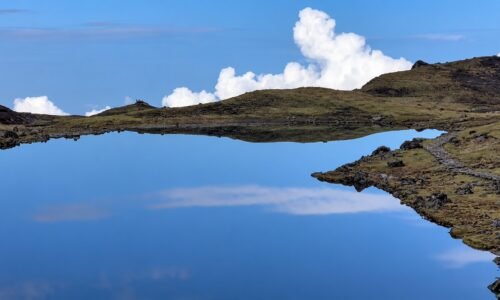
The Panch Pokhari Trek takes you into the beautiful hills of Sindhupalchok, northeast of Kathmandu, where five sacred alpine lakes lie in a peaceful mountain basin beneath the Jugal Himal region.
Panch Pokhari, meaning five lakes, this remarkable destination combines natural beauty, religious significance and an adventurous trekking experience away from Nepal’s busiest trails.
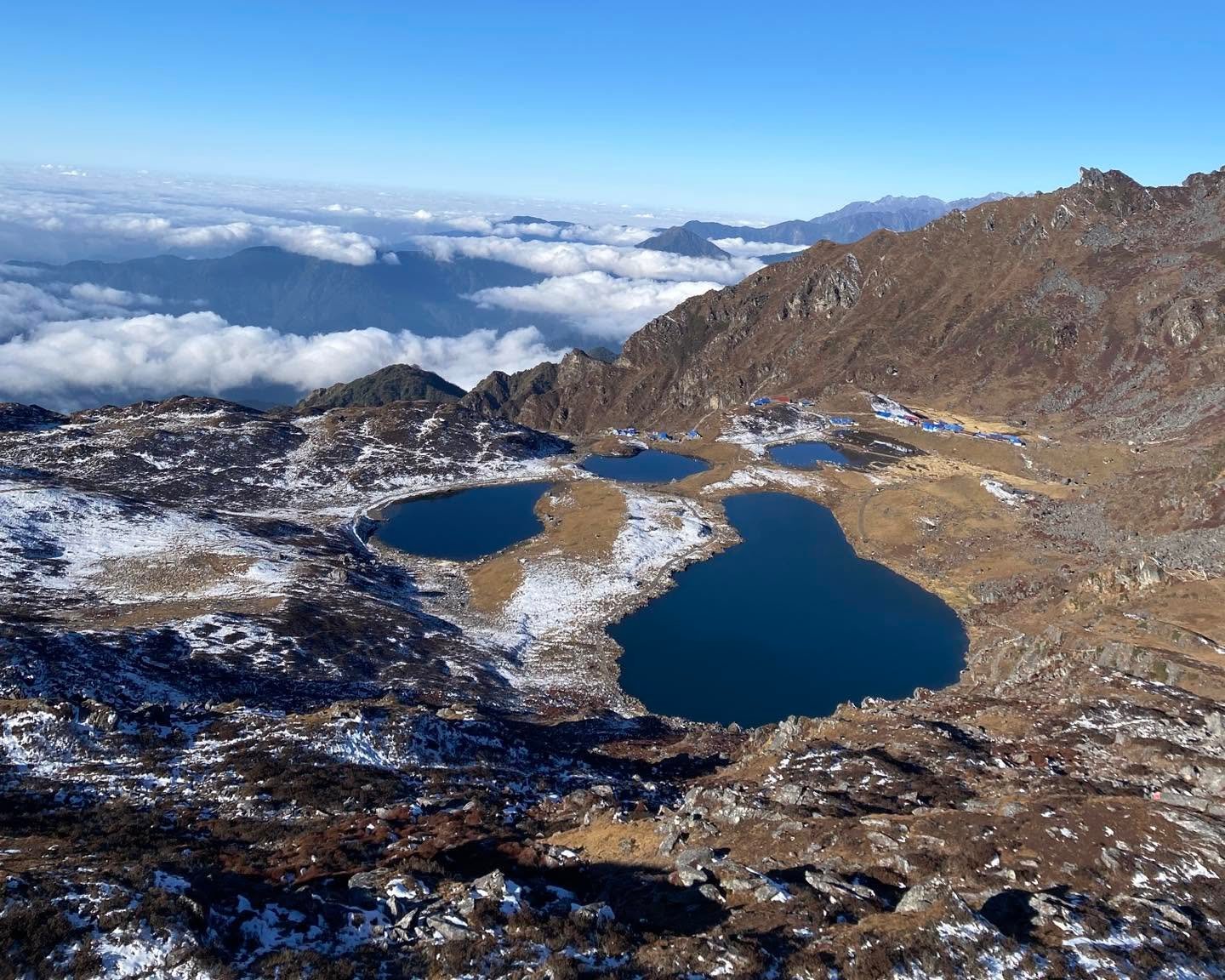
Situated at around 4,100 metres above sea level, Panch Pokhari attracts both pilgrims and trekkers who wish to explore a less-commercialised part of the Nepalese Himalayas.
Unlike the popular trekking corridors of Everest and Annapurna, Panch Pokhari introduces visitors to quieter mountain paths, rural communities, forested hillsides and open alpine landscapes.
The journey begins with a scenic drive from Kathmandu towards Melamchi, Bhotang and Chhimti before ascending through green hills, woodland and seasonal grazing areas.
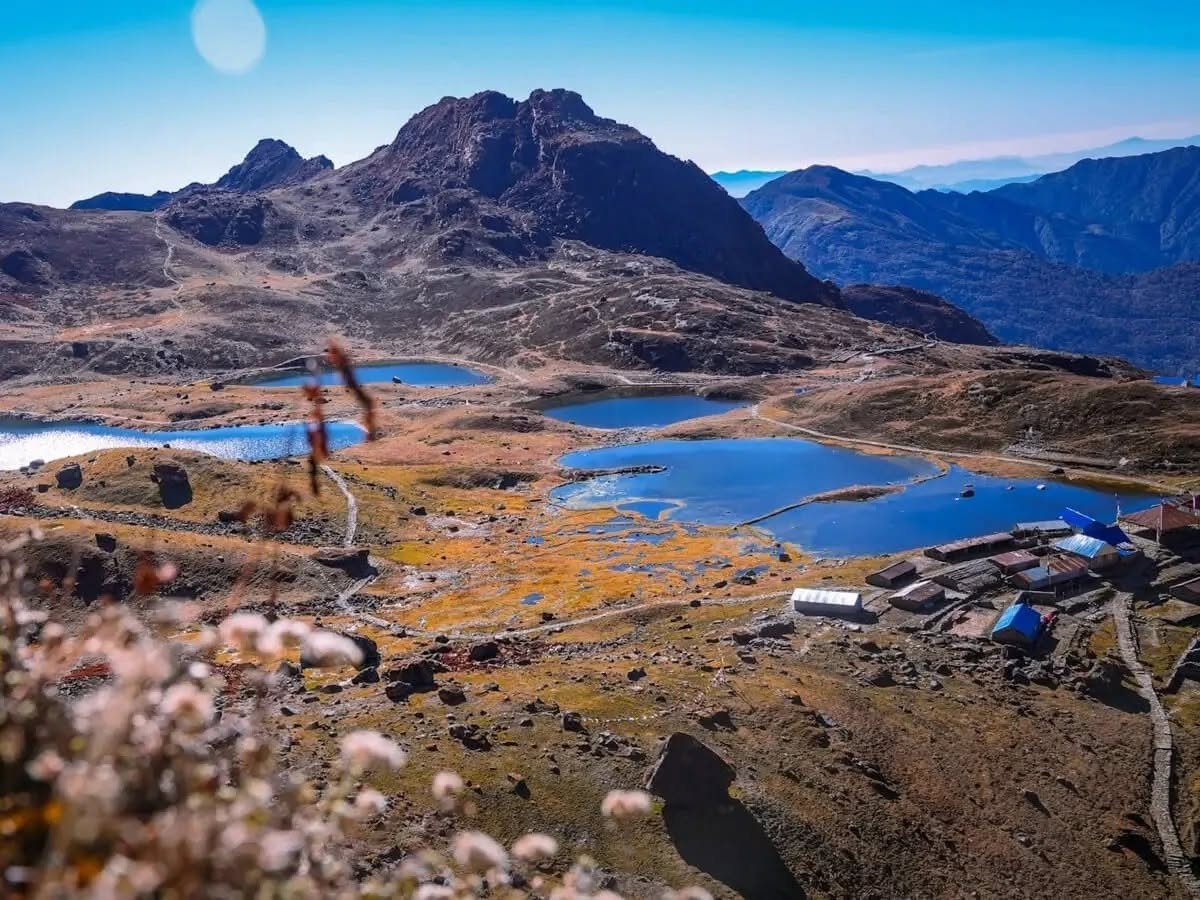
As the trail gains elevation, the landscape gradually changes, revealing rocky ridges, high mountain valleys and beautiful views towards the surrounding Himalayan ranges.
Our Panch Pokhari Trek itinerary includes arrival and departure in Kathmandu, with seven days dedicated to transportation, trekking and exploring the sacred lakes.
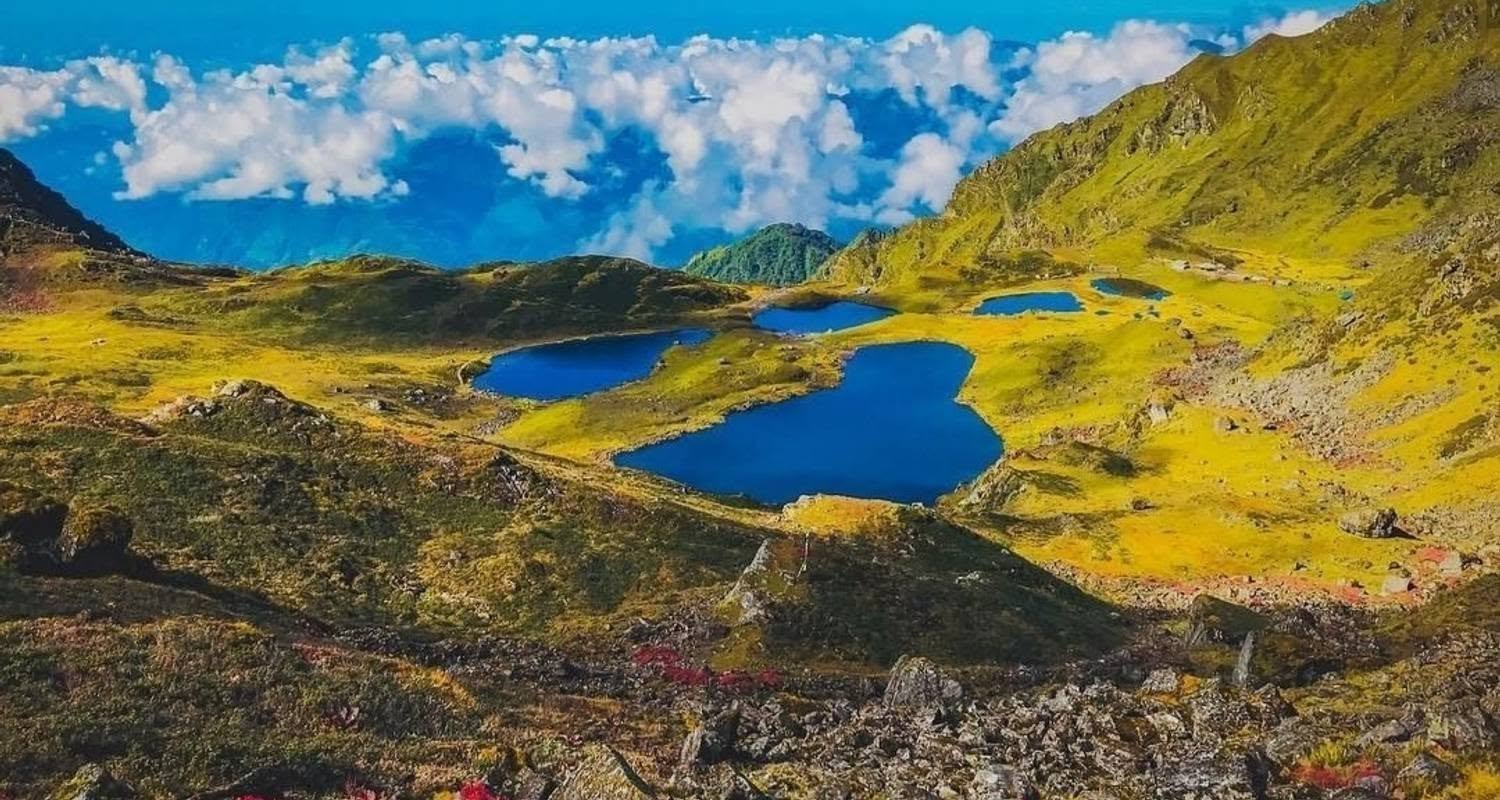
The route follows Chhimti, Tupi Danda, Tangu Kharka and Nosyampati before reaching Panch Pokhari. This provides a more gradual approach than faster itineraries and gives trekkers additional time to appreciate the mountain environment.
The journey concludes by descending through the same general trekking corridor and returning to Kathmandu.
Panch Pokhari Trek Information and Details
| Trip Information | Details |
|---|---|
| Trip Name | Panch Pokhari Trek – 9 Days |
| Duration | 9 Days / 8 Nights, including arrival and departure |
| Destination | Panch Pokhari, Sindhupalchok, Nepal |
| Maximum Altitude | Optional Panch Pokhari Viewpoint (around 4,250 m) |
| Sacred Lakes Elevation | Around 4,100 m |
| Difficulty | Moderate |
| Trekking Region | Sindhupalchok / Jugal Himal Area |
| Starting and Ending Point | Kathmandu, Nepal |
| Main Trekking Route | Chhimti – Tupi Danda – Tangu Kharka – Nosyampati – Panch Pokhari |
| Accommodation | Kathmandu hotel, basic mountain shelters and camping where required |
| Best Trekking Seasons | Spring (March–May) and Autumn (September–November) |
| Major Attractions | Five sacred lakes, Janai Purnima pilgrimage, Himalayan views, forests and local culture |
What Makes the Panch Pokhari Trek Special?
The Panch Pokhari Trek offers an appealing combination of natural beauty, religious heritage and Himalayan adventure.
While many treks in Nepal focus on reaching a famous base camp or crossing a mountain pass, Panch Pokhari introduces trekkers to a destination valued as much for its spiritual significance as for its spectacular scenery.
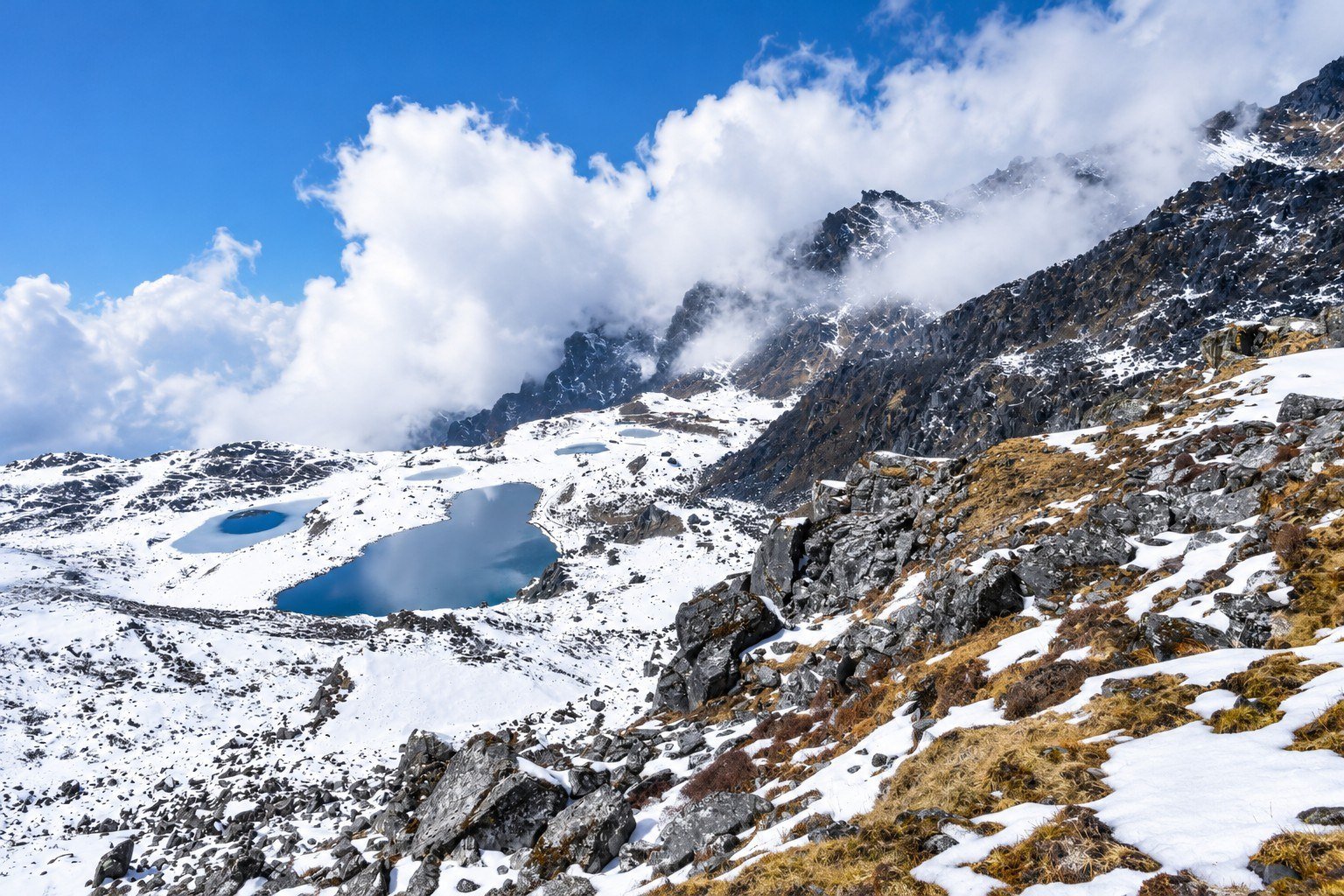
The five lakes, surrounded by open mountain slopes and rocky highlands, create a remarkable setting that rewards the effort required to reach them.
One of the greatest attractions of this trek is its relatively peaceful environment. Compared with the busier Everest and Annapurna regions, Panch Pokhari receives fewer international trekkers.
Walking through the hills of Sindhupalchok provides opportunities to appreciate forest landscapes, village life, mountain agriculture and the quieter surroundings of rural Nepal.
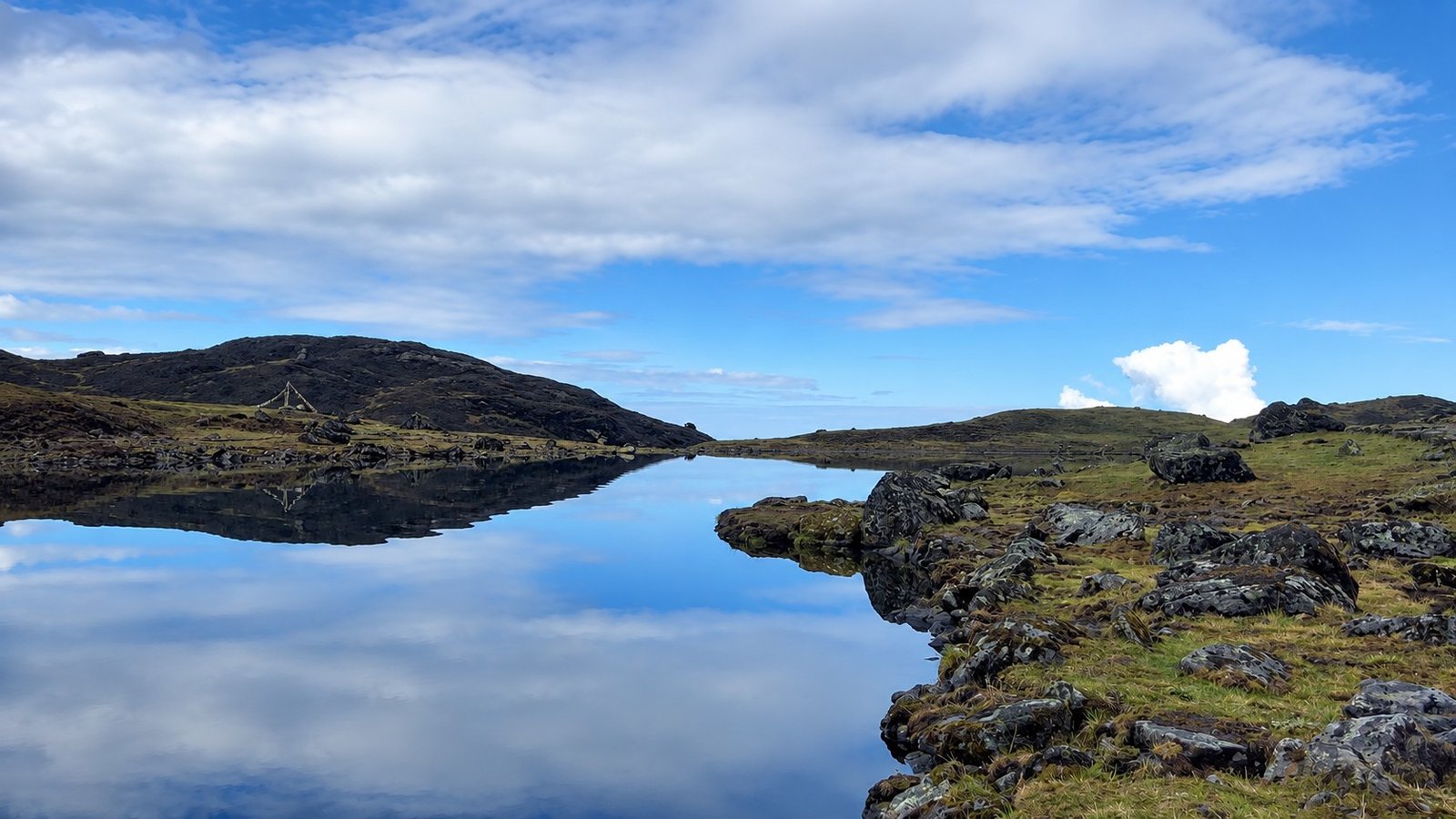
The limited development of the upper route also gives the adventure a more remote and traditional character. Another reason to choose Panch Pokhari is the diversity of experiences within a relatively short itinerary.
Over nine days, travellers can explore religious landmarks, observe local traditions, enjoy changing mountain scenery and reach a beautiful alpine lake basin above 4,000 metres.
For visitors with limited time who still want a rewarding Himalayan trekking adventure, Panch Pokhari provides an alternative to Nepal’s more heavily visited destinations.
The Five Sacred Lakes and Their Religious Significance
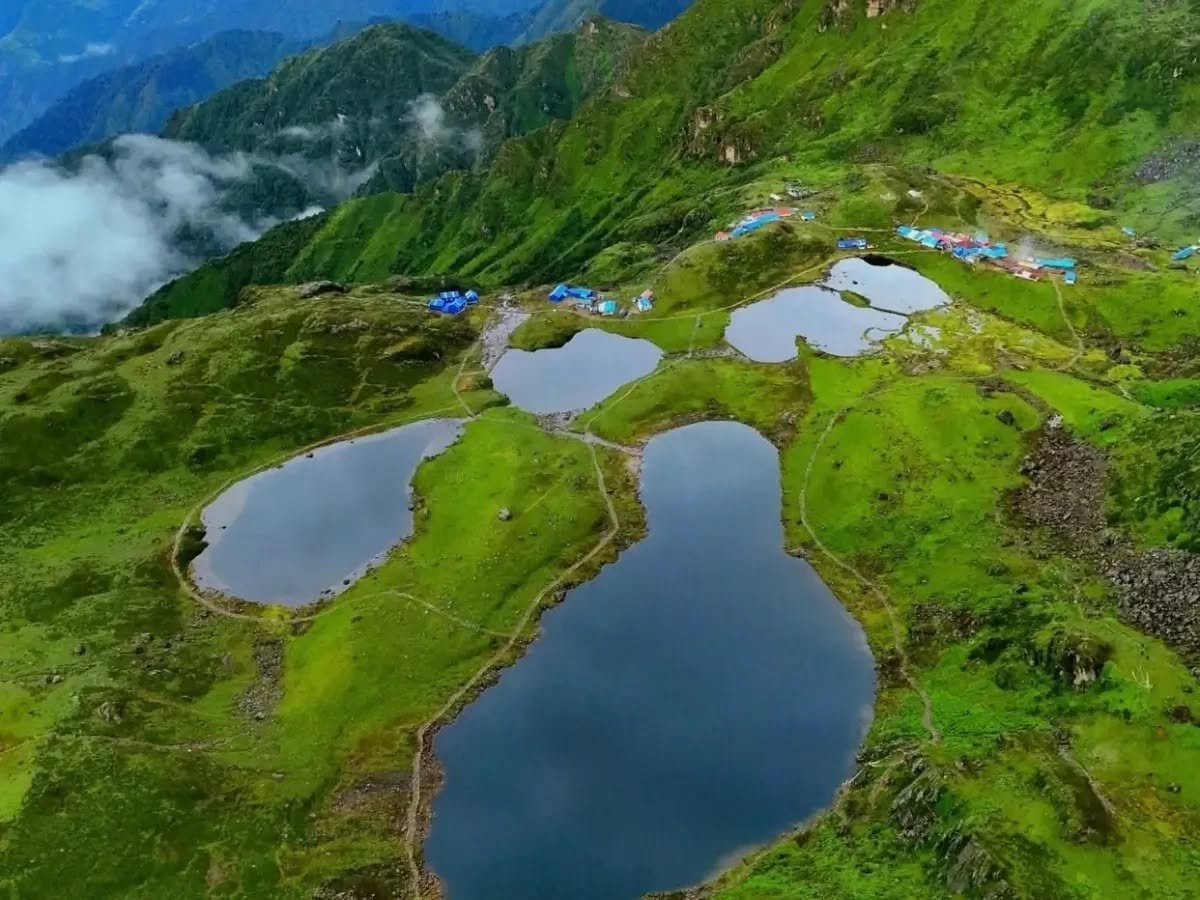
The name Panch Pokhari refers to five naturally formed lakes situated close to one another in a high-altitude Himalayan basin.
These lakes are considered sacred in Hindu tradition and attract pilgrims who undertake the journey to offer prayers, perform religious rituals and seek spiritual blessings.
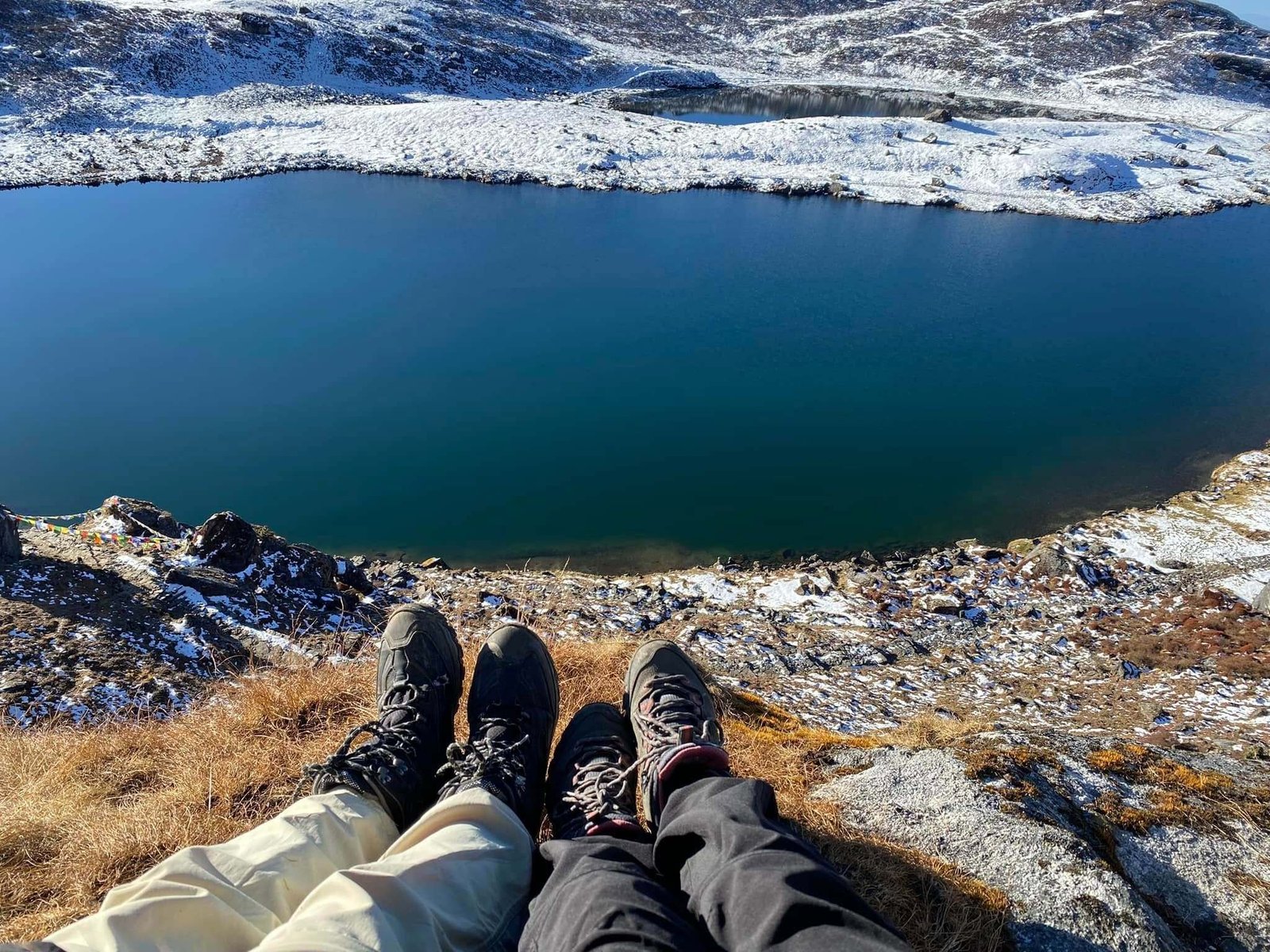
The surrounding environment, with its mountain ridges, quiet waters and open skies, adds to the destination’s spiritual atmosphere.
The most important pilgrimage period is Janai Purnima, a Hindu festival observed on the full moon, generally during July or August. During this occasion, pilgrims travel to Panch Pokhari to worship and participate in traditional bathing rituals.
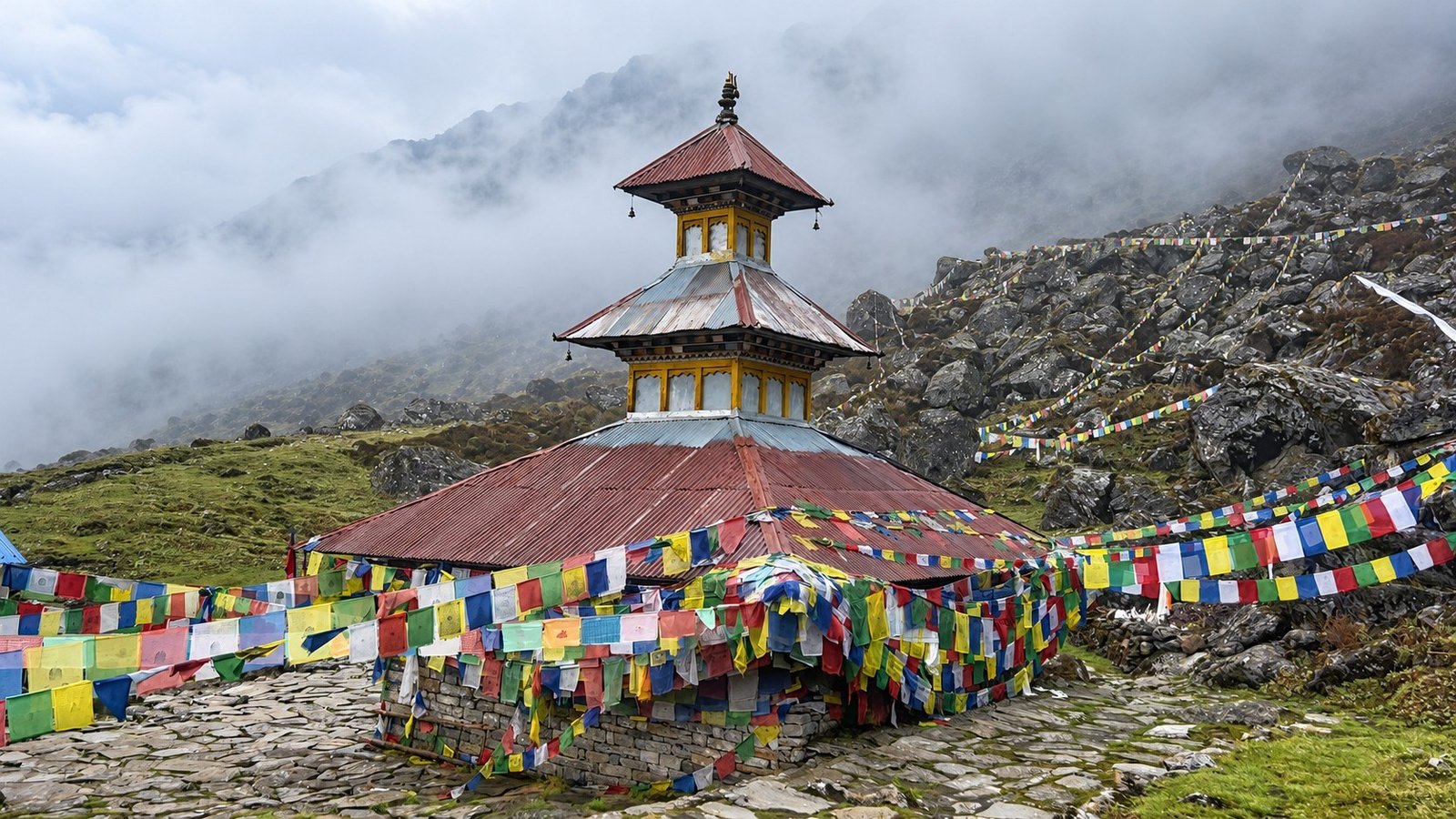
The lakes and nearby religious sites become gathering places for devotees, creating a cultural experience that differs considerably from an ordinary trekking journey.
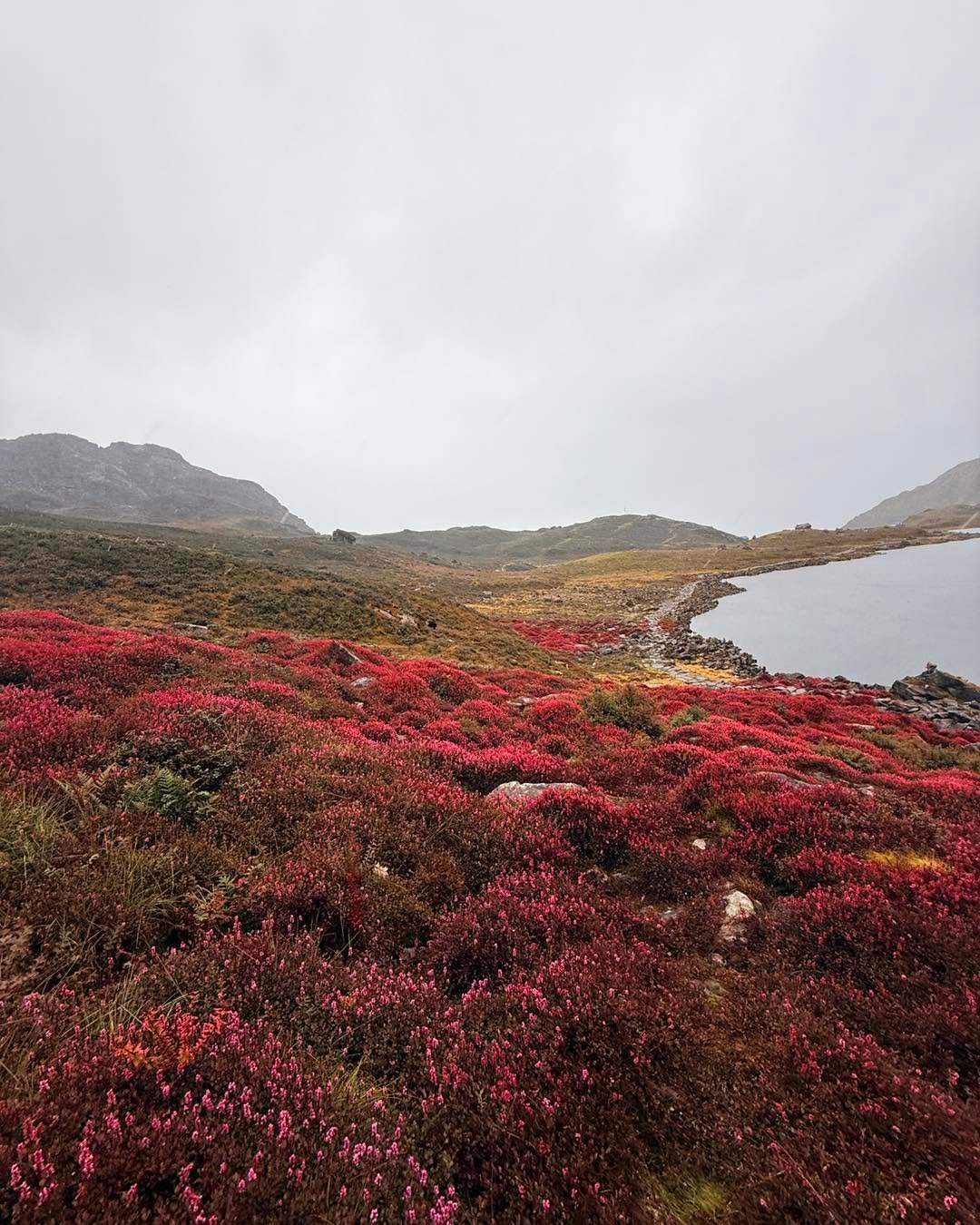
Outside the festival period, Panch Pokhari is generally much quieter. Travellers can experience the lakes in a peaceful environment, surrounded by open mountain terrain and the changing colours of the Himalayan landscape.
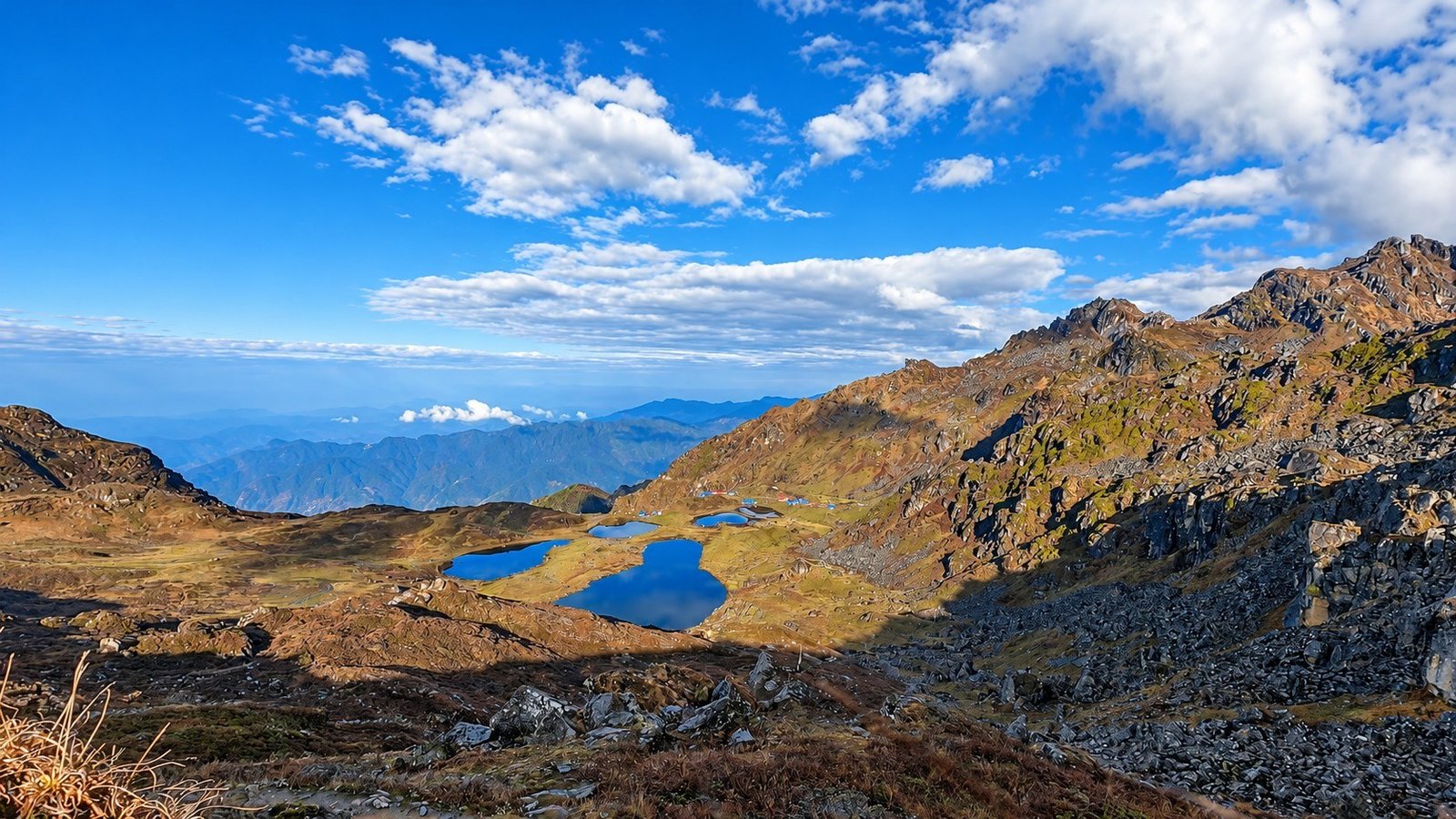
The absence of large permanent settlements around the lakes helps preserve their remote character, although accommodation and visitor facilities remain limited.
Visitors should approach the pilgrimage area with respect for local customs and beliefs. Following guidance around shrines, avoiding litter and keeping the lake environment clean are important parts of responsible travel.
Panch Pokhari is not simply a scenic attraction; it is a place with enduring spiritual importance to the communities who visit it.
Panch Pokhari Trek Route: Kathmandu to the Sacred Lakes
The journey begins in Kathmandu with a scenic drive towards Sindhupalchok. Travelling through the Melamchi area and towards Bhotang, the road passes hillside settlements, agricultural landscapes and river valleys.
The final approach towards Chhimti may involve rough mountain roads, and travel time depends on road conditions and the type of vehicle used.
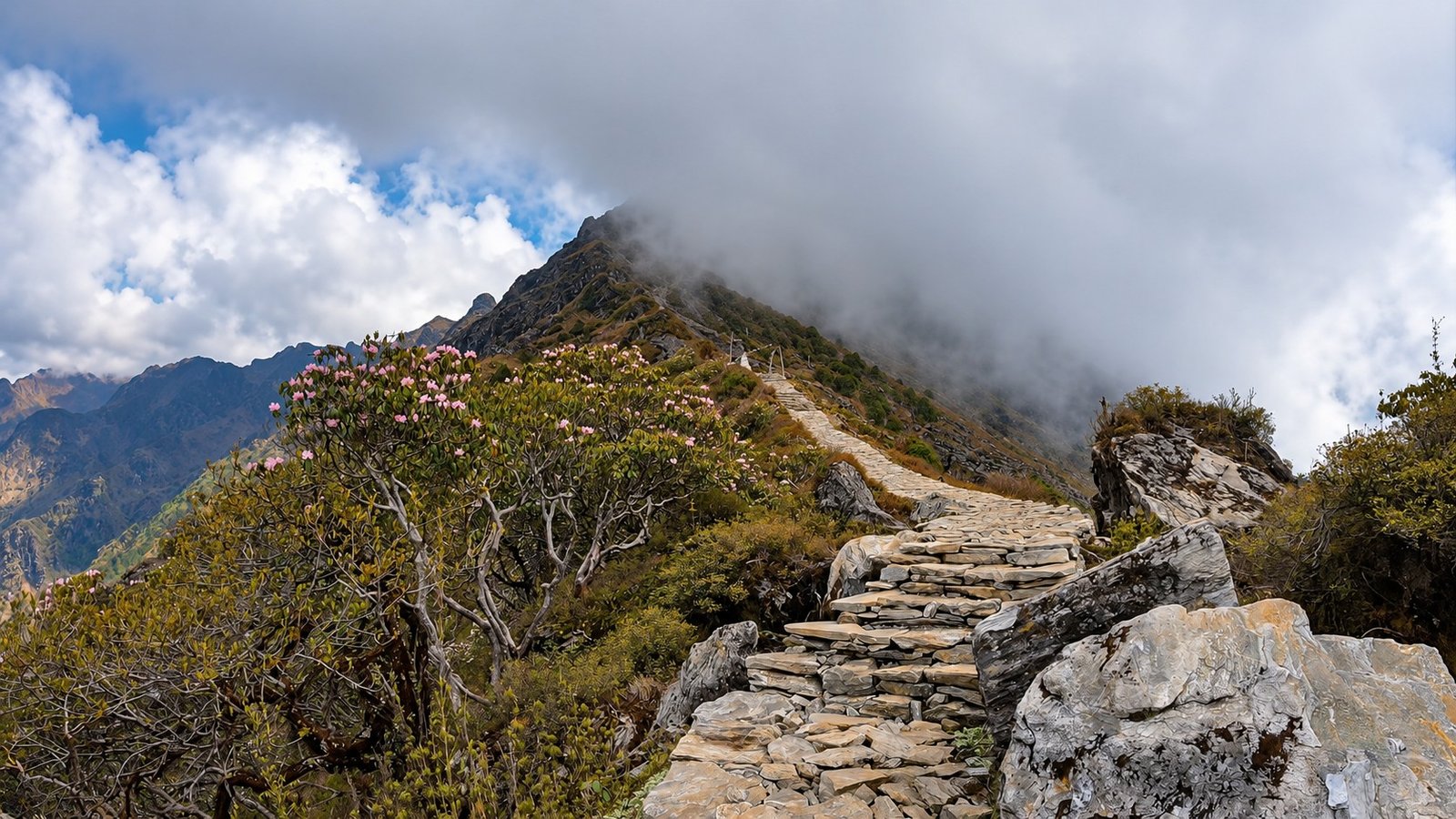
From the Chhimti trailhead, the walk ascends towards Tupi Danda (2,320 m), introducing trekkers to forest paths, hillside trails and rural surroundings.
The next stage continues towards Tangu Kharka (2,880 m), an intermediate stopping point before entering the higher mountain environment.
Beyond this section, the vegetation becomes thinner and the route climbs towards Nosyampati (3,650 m), an important location on the approach to Panch Pokhari.
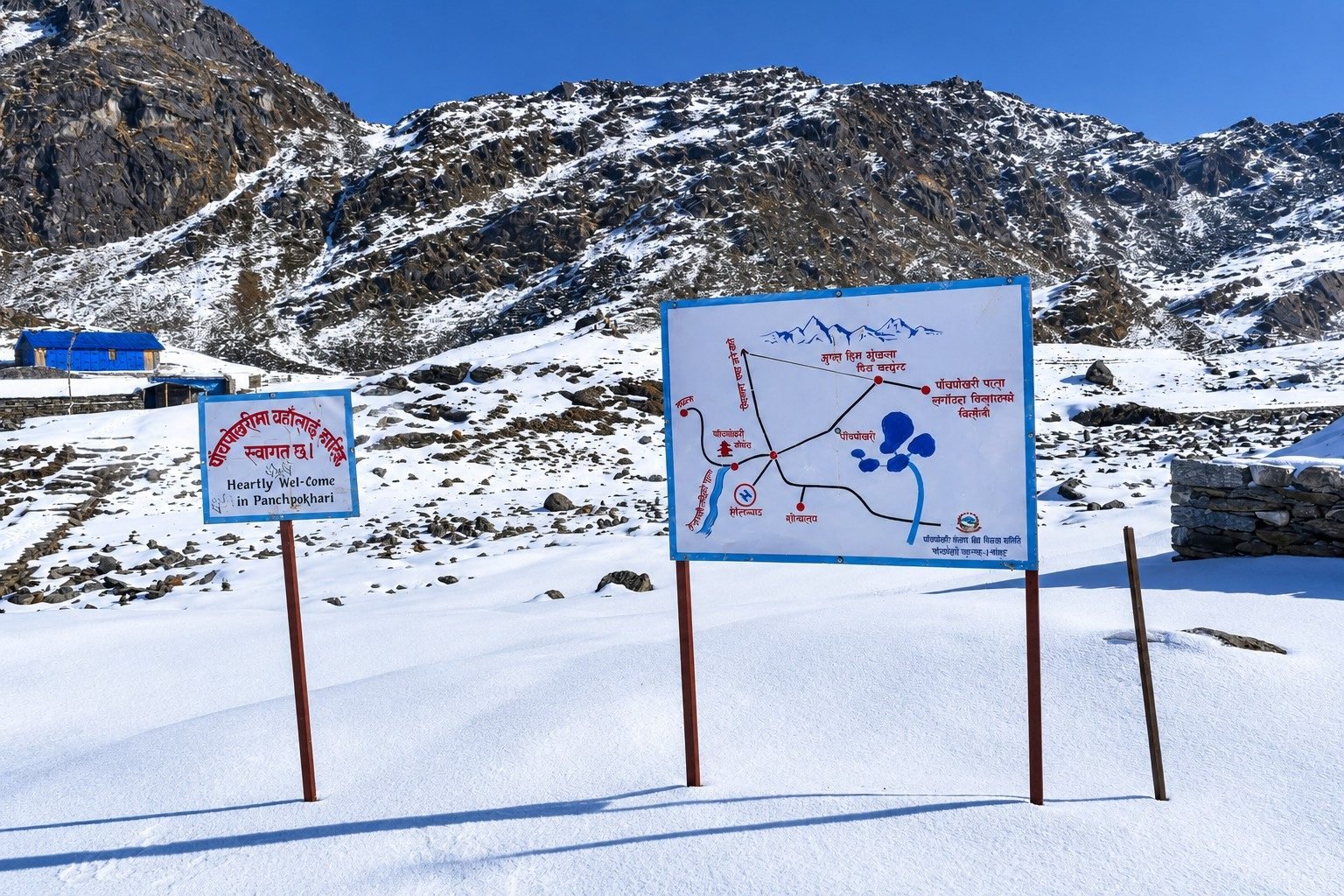
From Nosyampati, the trail enters increasingly open alpine surroundings, eventually reaching the five sacred lakes at around 4,100 metres.
The itinerary allows an overnight stay near Panch Pokhari, followed by an optional early-morning viewpoint hike for those who are comfortable with the conditions.
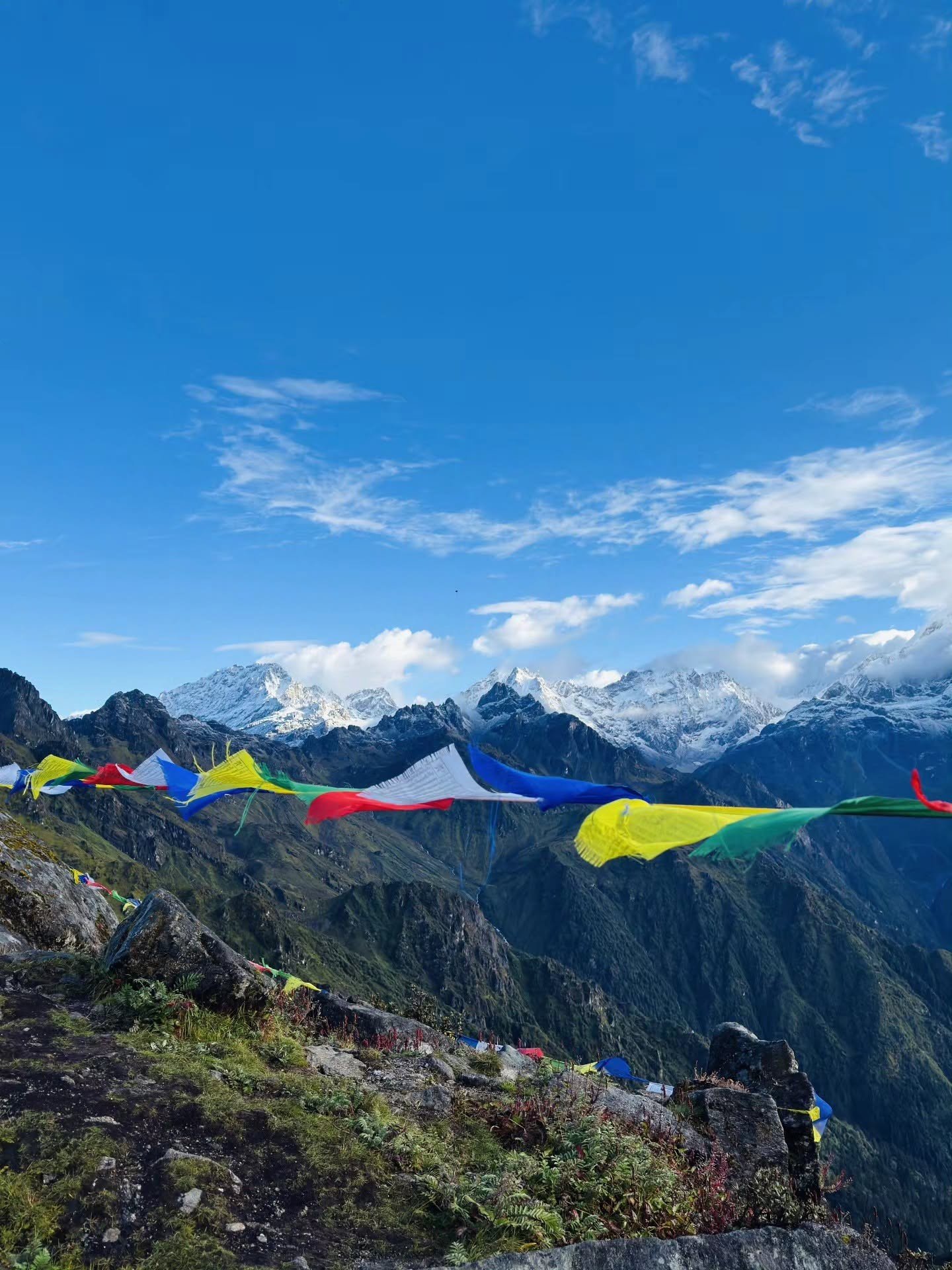
On clear days, trekkers may enjoy views towards Jugal Himal, Dorje Lakpa and parts of the wider Langtang Himalayan landscape.
The surrounding ridges also provide a sense of the mountain geography extending towards the Rolwaling area. Weather and visibility affect which peaks can be seen, particularly during cloudy or unsettled conditions.
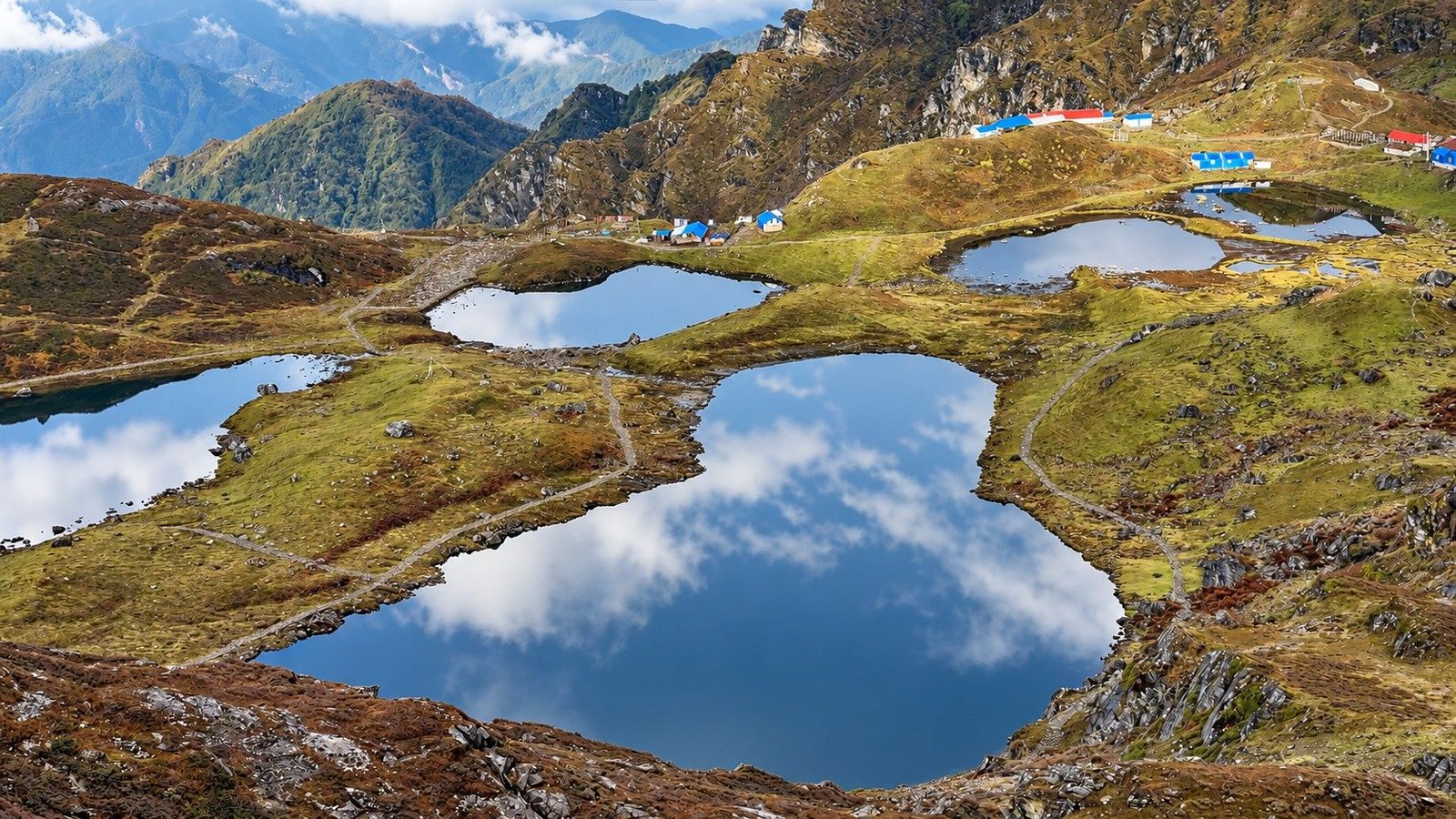
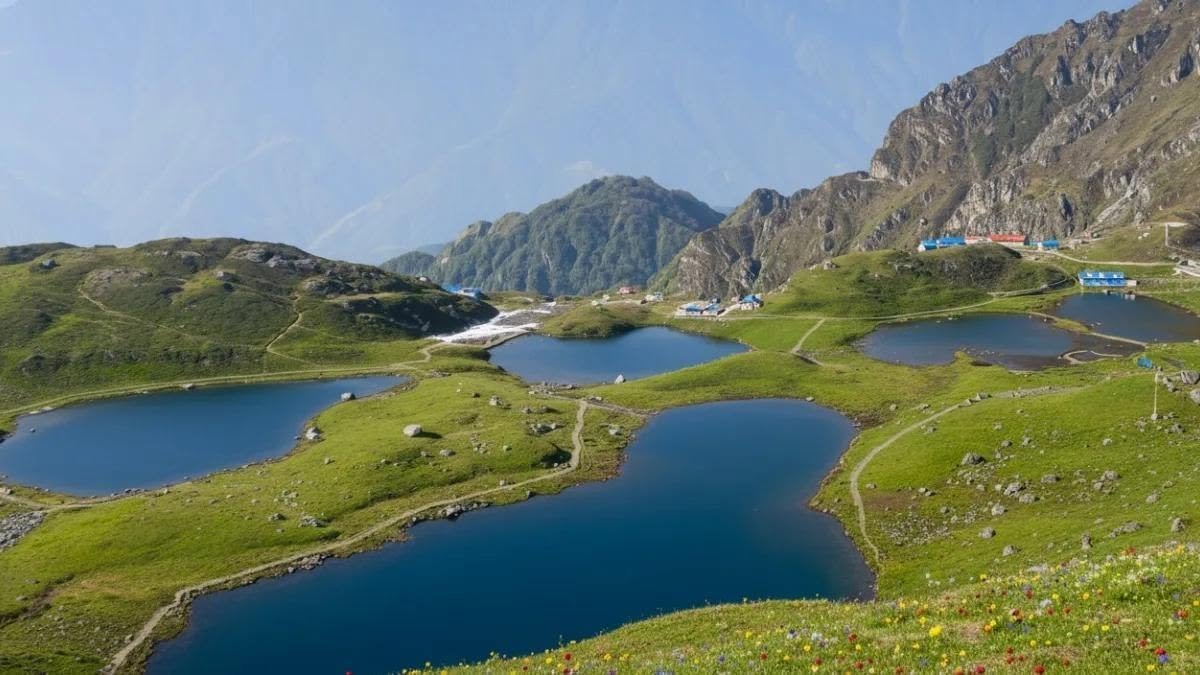
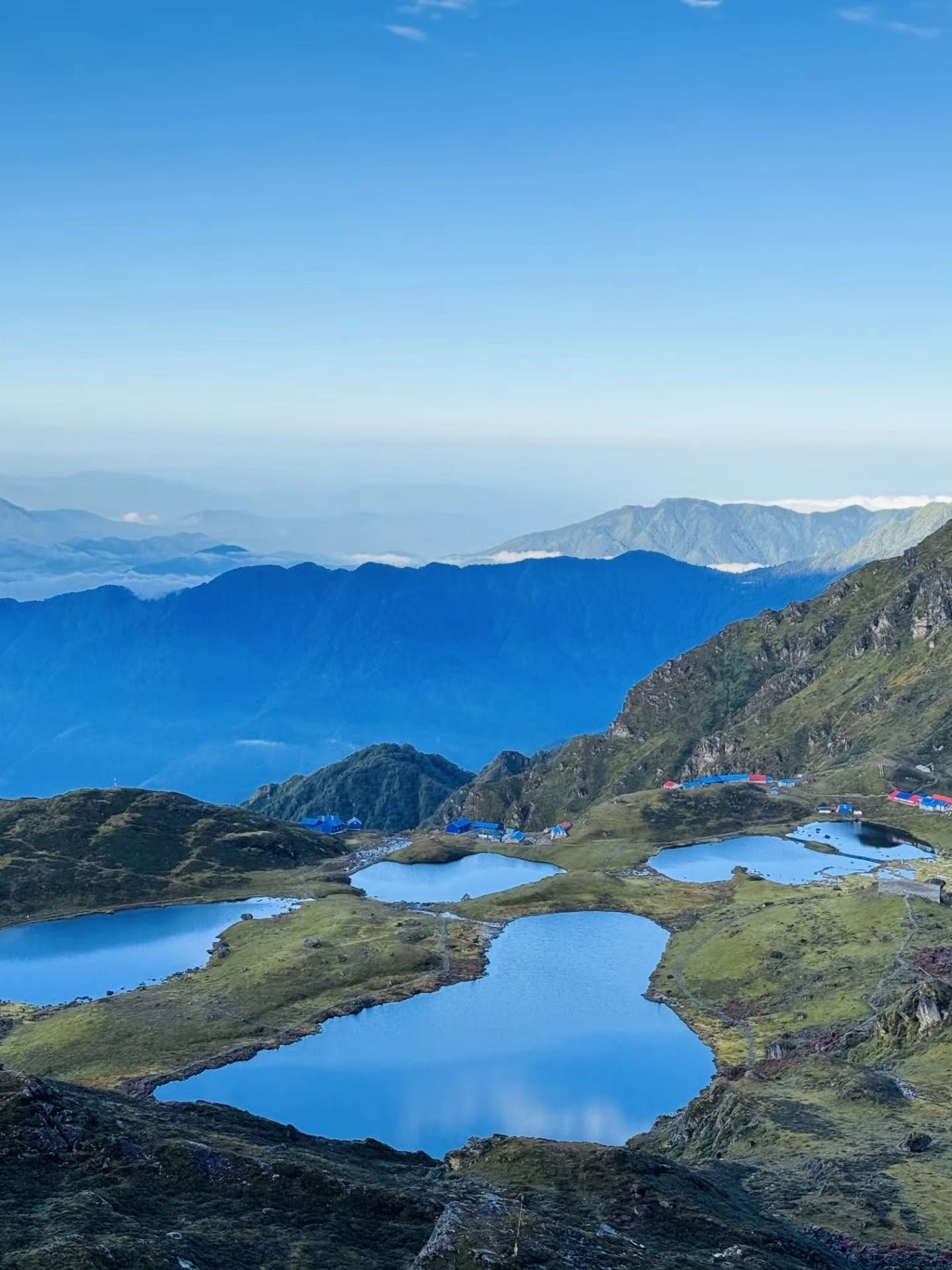
The final approach to Panch Pokhari is especially memorable. After days of walking through forests and mountain ridges, the sacred lakes appear in a broad alpine basin surrounded by high hills and rugged terrain.
The contrast between the still water and the surrounding mountain landscape makes this one of the most distinctive natural destinations in Sindhupalchok.
The return journey descends through Nosyampati and Tupi Danda before reaching Chhimti and driving back to Kathmandu.
Local Culture and Communities of Sindhupalchok
The Panch Pokhari trekking region is located within Sindhupalchok, a district known for its diverse communities, rural settlements and cultural traditions.
The broader region includes Tamang, Brahmin, Chhetri, Newar and other communities whose daily lives are influenced by agriculture, mountain geography and local religious practices.
Travelling through the lower hills offers glimpses of traditional village life, terraced farmland, local houses and mountain communities.
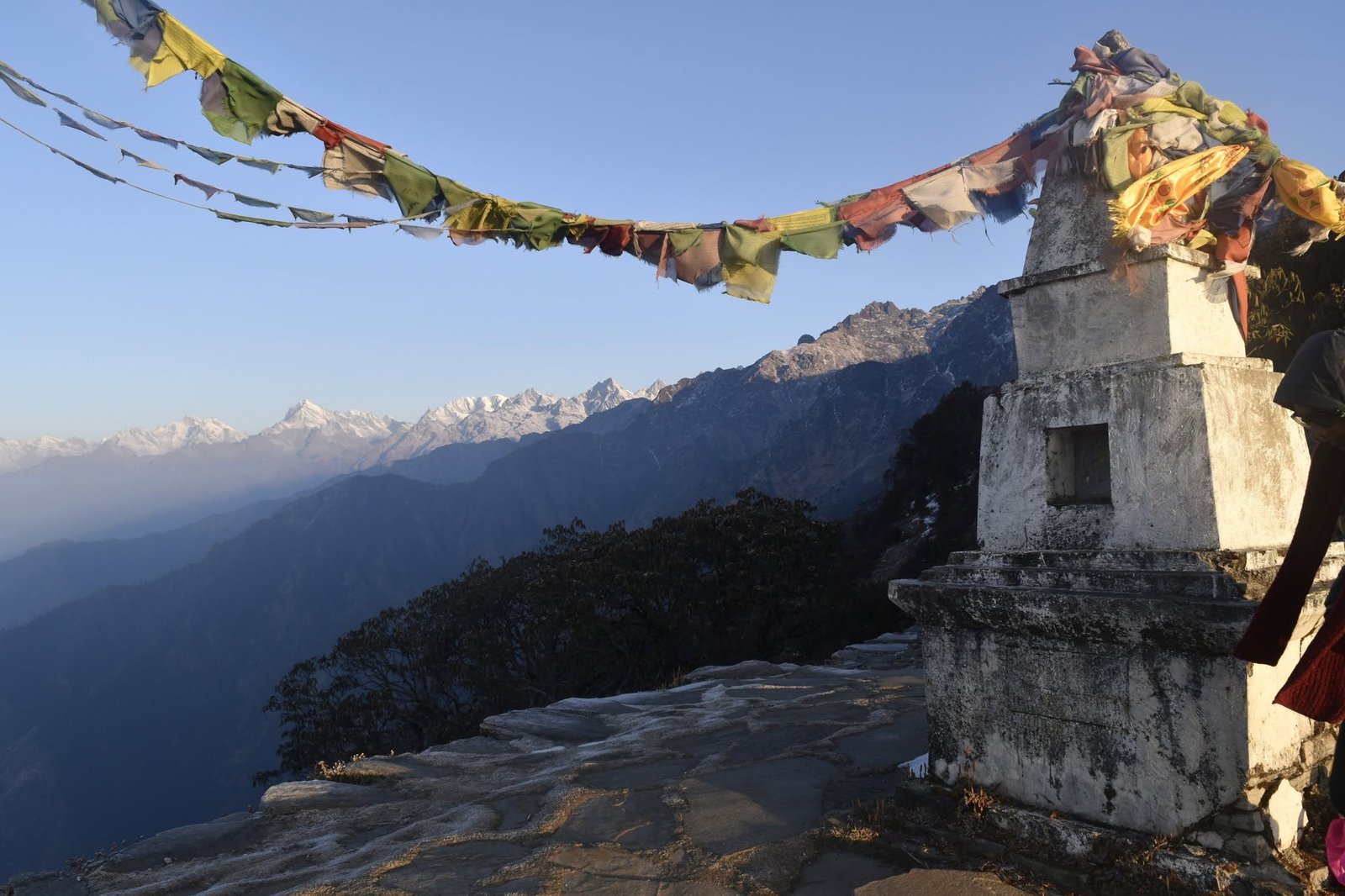
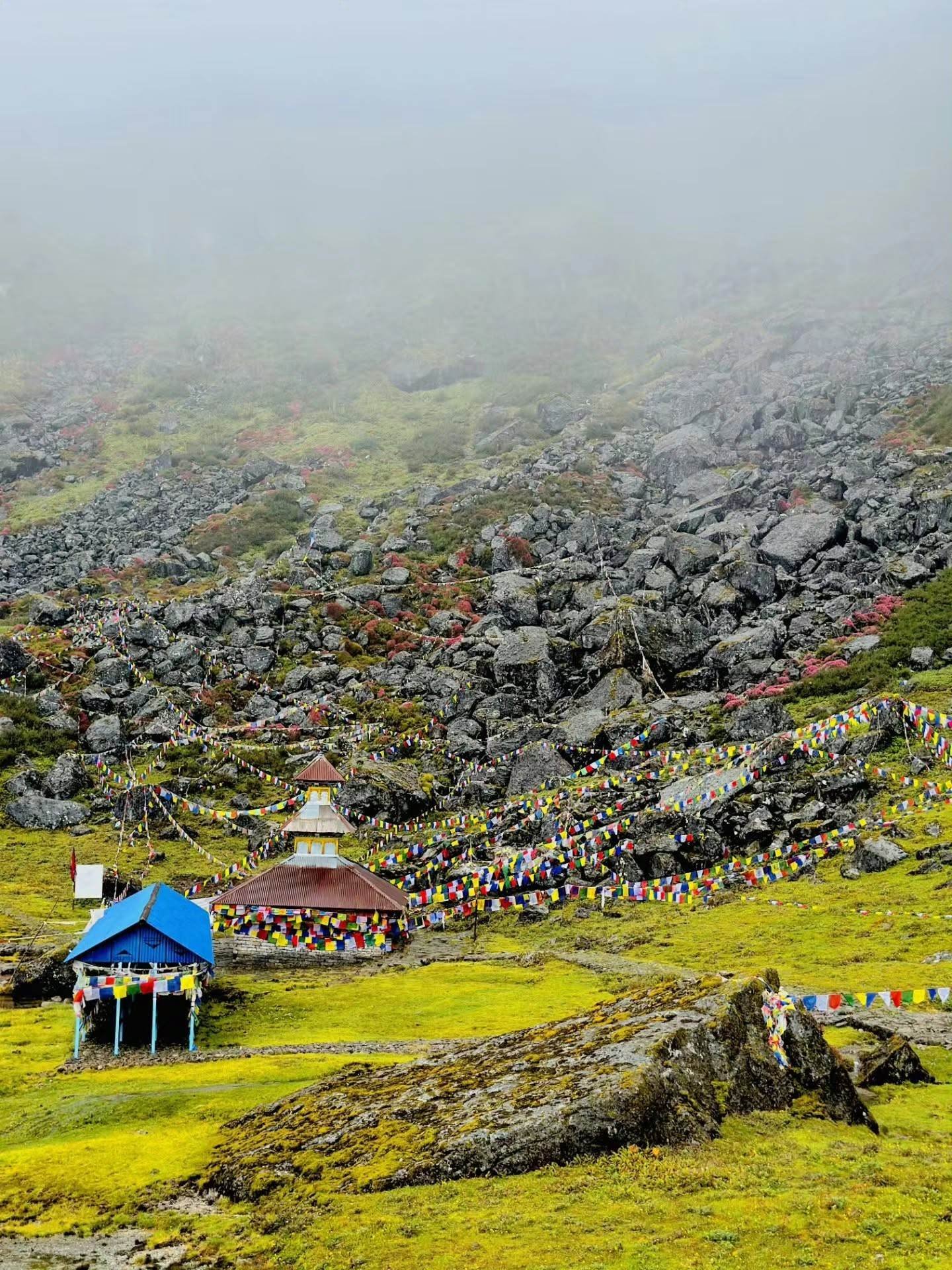
Onn the route and settlements visited, trekkers will encounter prayer flags, small shrines and religious landmarks that reflect the coexistence of Hindu and Buddhist traditions across the region.
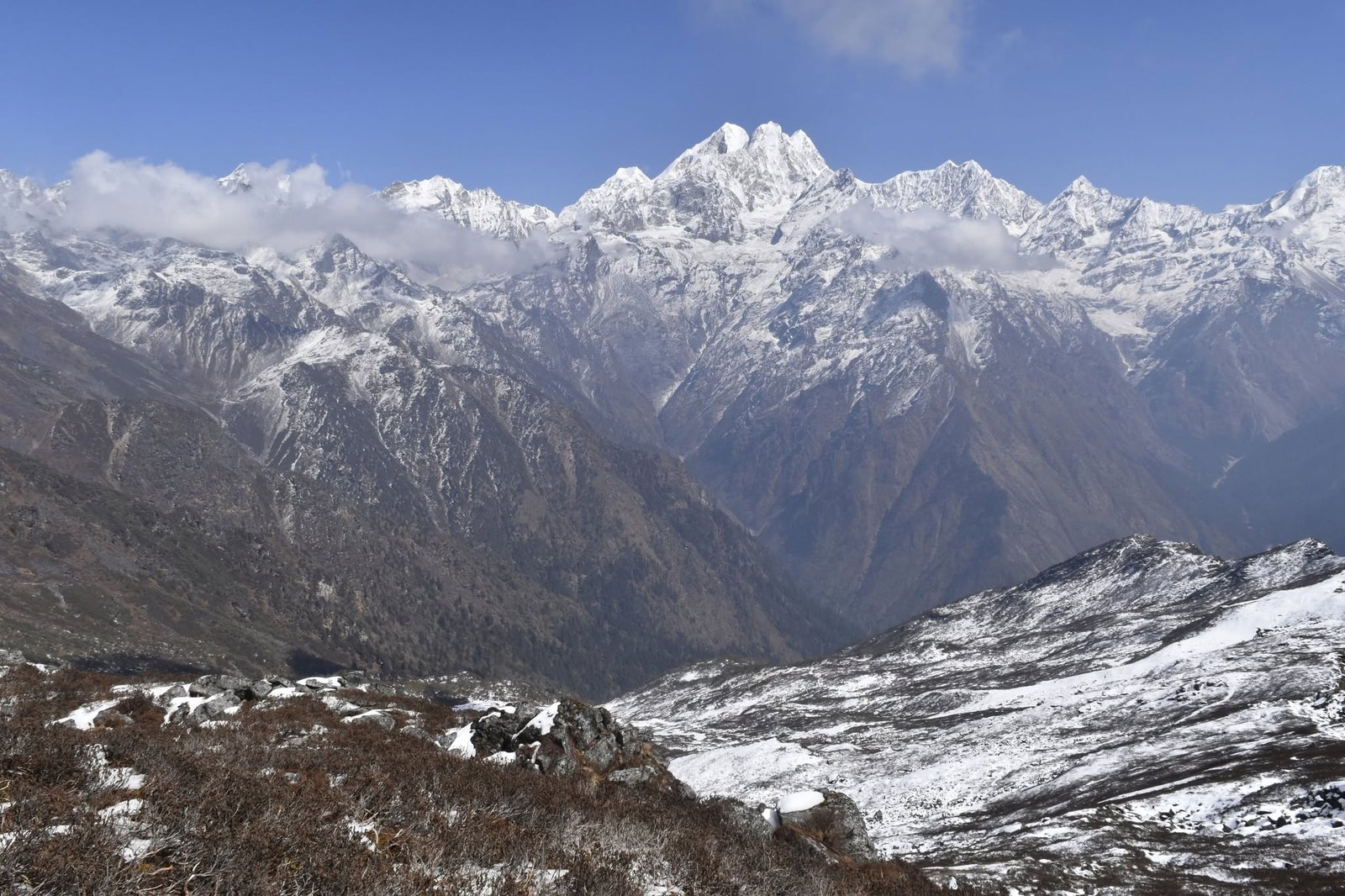
For visitors interested in culture, Panch Pokhari offers an opportunity to appreciate the relationship between local communities and their mountain environment.
The religious significance of the lakes, together with the traditional lifestyles of surrounding settlements, makes the trek culturally meaningful as well as visually rewarding.
How Difficult Is the Panch Pokhari Trek?
The Panch Pokhari Trek is graded Moderate. Although the route does not normally require technical mountaineering skills, trekkers must be prepared for steep ascents, uneven mountain paths, changing weather and prolonged walking at higher elevations.
The trek reaches approximately 4,100 metres, making altitude an important consideration even for experienced hikers.
Walking conditions vary throughout the journey. Lower sections may involve forest trails, stone steps and occasional muddy paths, while higher elevations feature rocky slopes, exposed ridges and uneven ground.
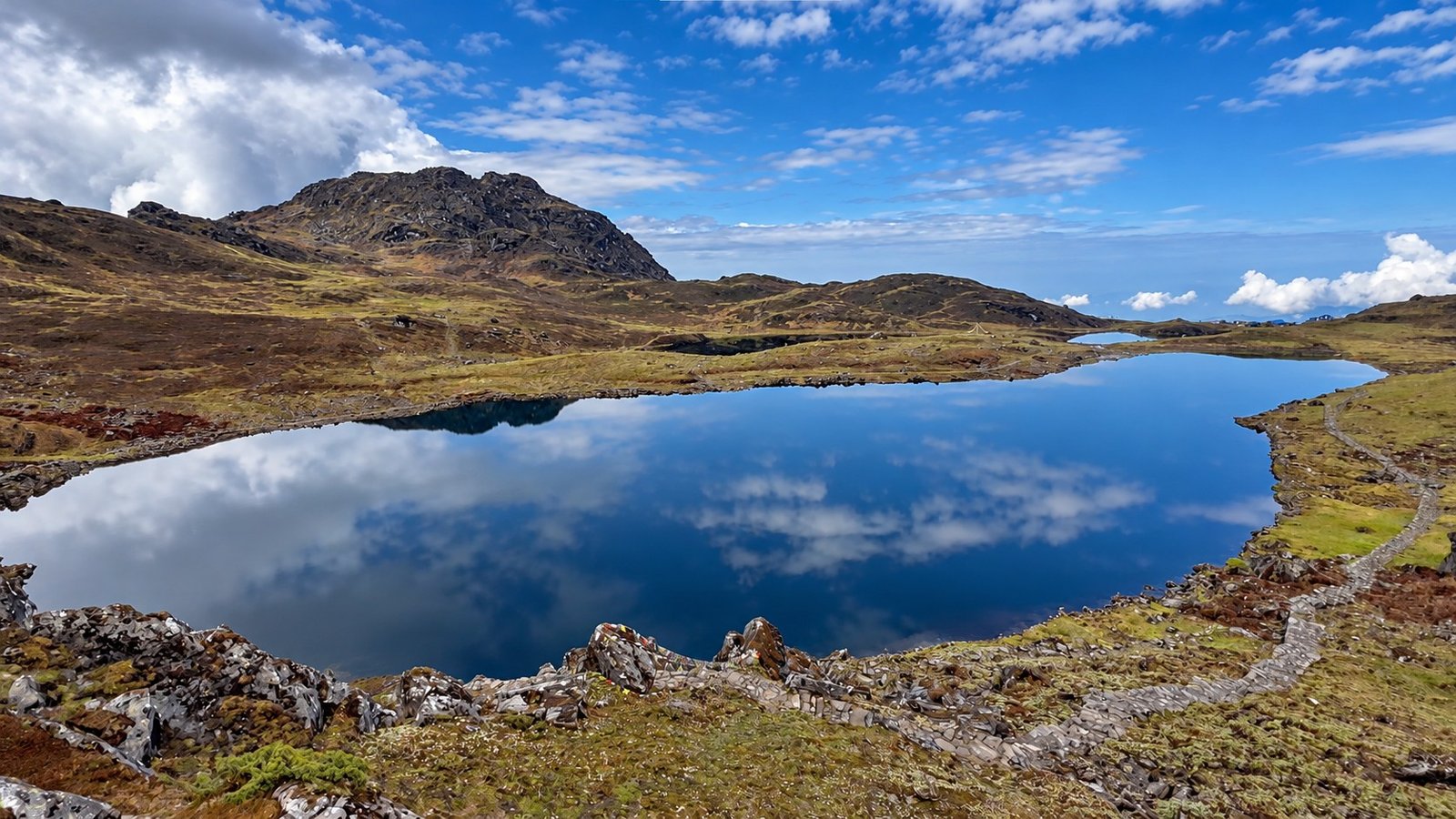
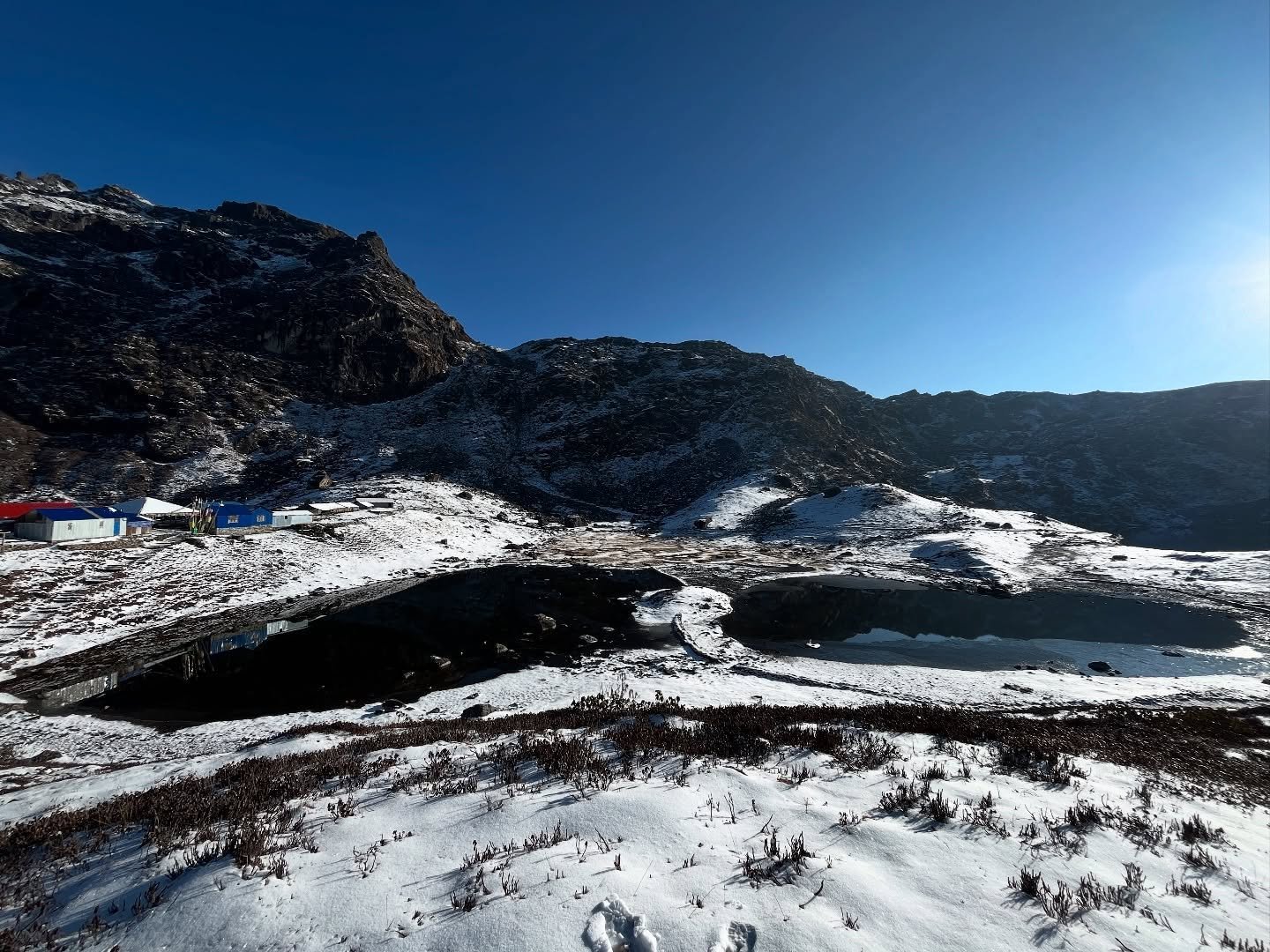
Snow, rain or frost can make sections more difficult, particularly during the colder months and around the upper lake basin.
The route is suitable for physically active travellers who are comfortable walking for several hours a day and can manage successive uphill and downhill stages.
Previous hiking experience is beneficial, especially on steep terrain. Regular cardiovascular exercise, hill walking and basic leg-strength training before the trip will help improve endurance and make the experience more enjoyable.
Trekking Difficulty and Fitness Requirements
| Trail Factor | What to Expect | Preparation |
|---|---|---|
| Walking Duration | Several hours of trekking on most walking days | Regular hiking and endurance training |
| Terrain | Forest trails, rocky paths, uphill slopes and long descents | Comfortable trekking boots and trekking poles |
| Altitude | Overnight stays above 3,000 m and visits above 4,000 m | Gradual pacing and altitude awareness |
| Weather | Cold mornings, changing visibility, wind and possible precipitation | Warm layers and waterproof clothing |
| Accommodation | Basic mountain shelters and possible camping | Preparedness for simple remote conditions |
Best Time for the Panch Pokhari Trek
The most favourable periods for trekking to Panch Pokhari are generally spring (March to May) and autumn (September to November).
Both seasons provide opportunities for pleasant walking conditions and Himalayan scenery, although weather at higher elevations remains unpredictable throughout the year.
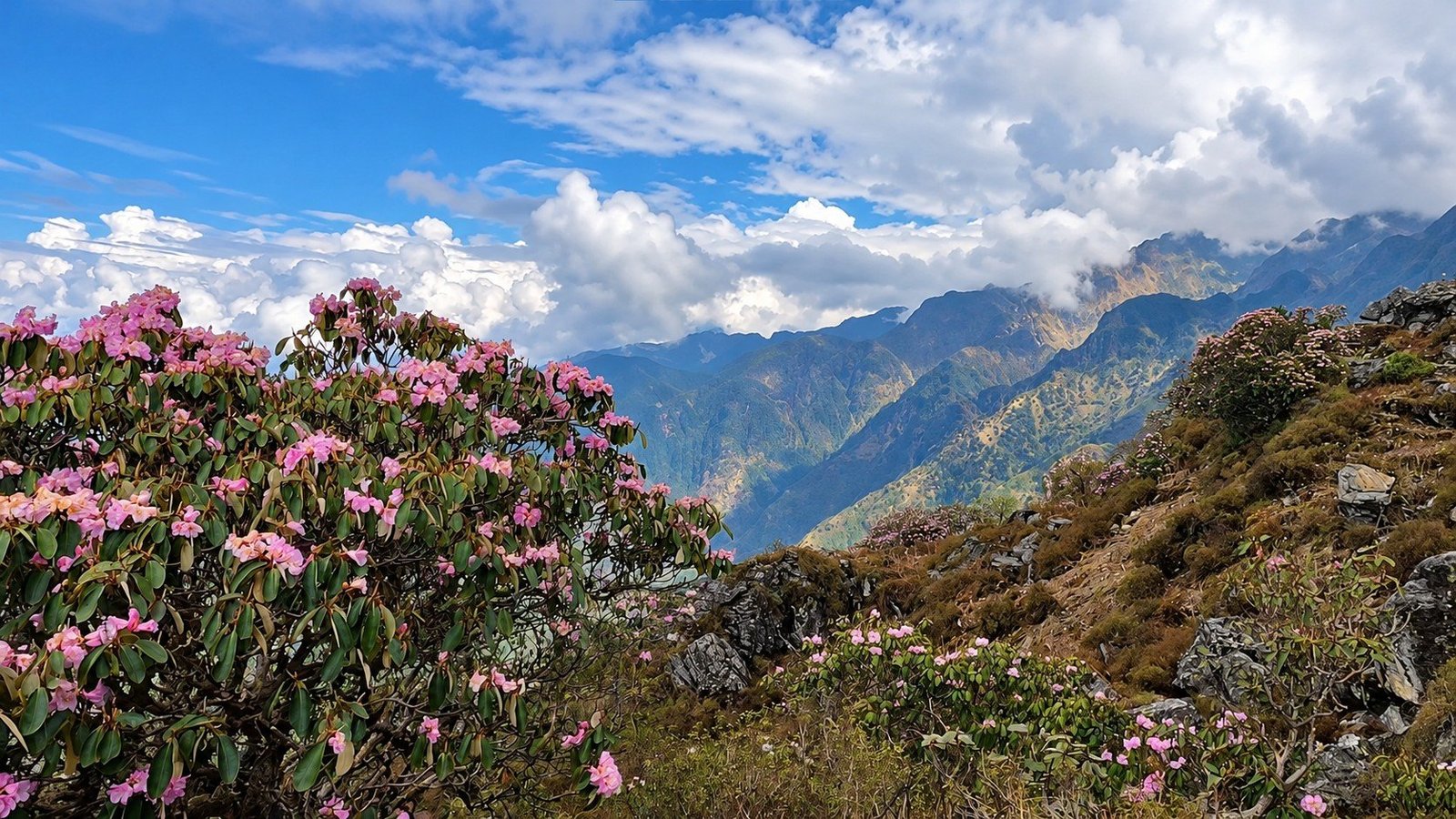
During spring, the lower hills become greener, seasonal flowers appear and the forest sections can be particularly attractive. Autumn usually brings clearer skies after the monsoon and excellent opportunities for mountain photography.
Winter conditions are colder, with possible snow and icy trails near the upper lakes, while the summer monsoon brings rain, slippery paths and an increased risk of road disruption.
Panch Pokhari Trek Seasonal Guide
| Season | Weather and Scenery | Trekking Conditions |
|---|---|---|
| Spring (March–May) | Green hillsides, flowering plants and relatively mild daytime weather | Good trekking season, although colder conditions remain possible at higher elevations |
| Summer / Monsoon (June–August) | Rainfall, cloudy skies and lush mountain vegetation | Slippery trails and possible road disruption; includes the Janai Purnima pilgrimage period |
| Autumn (September–November) | Often clearer mountain views, crisp air and comfortable daytime temperatures | One of the preferred seasons, with colder nights towards November |
| Winter (December–February) | Very cold nights, possible snowfall and icy sections | More demanding and not generally recommended without suitable preparation |
Accommodation and Meals During the Panch Pokhari Trek
Accommodation along the Panch Pokhari route is more basic than in Nepal’s established teahouse trekking regions.
The journey begins and ends with hotel accommodation in Kathmandu, while the trekking stages involve simple local lodges, seasonal shelters or camping arrangements depending on the specific location and departure season.
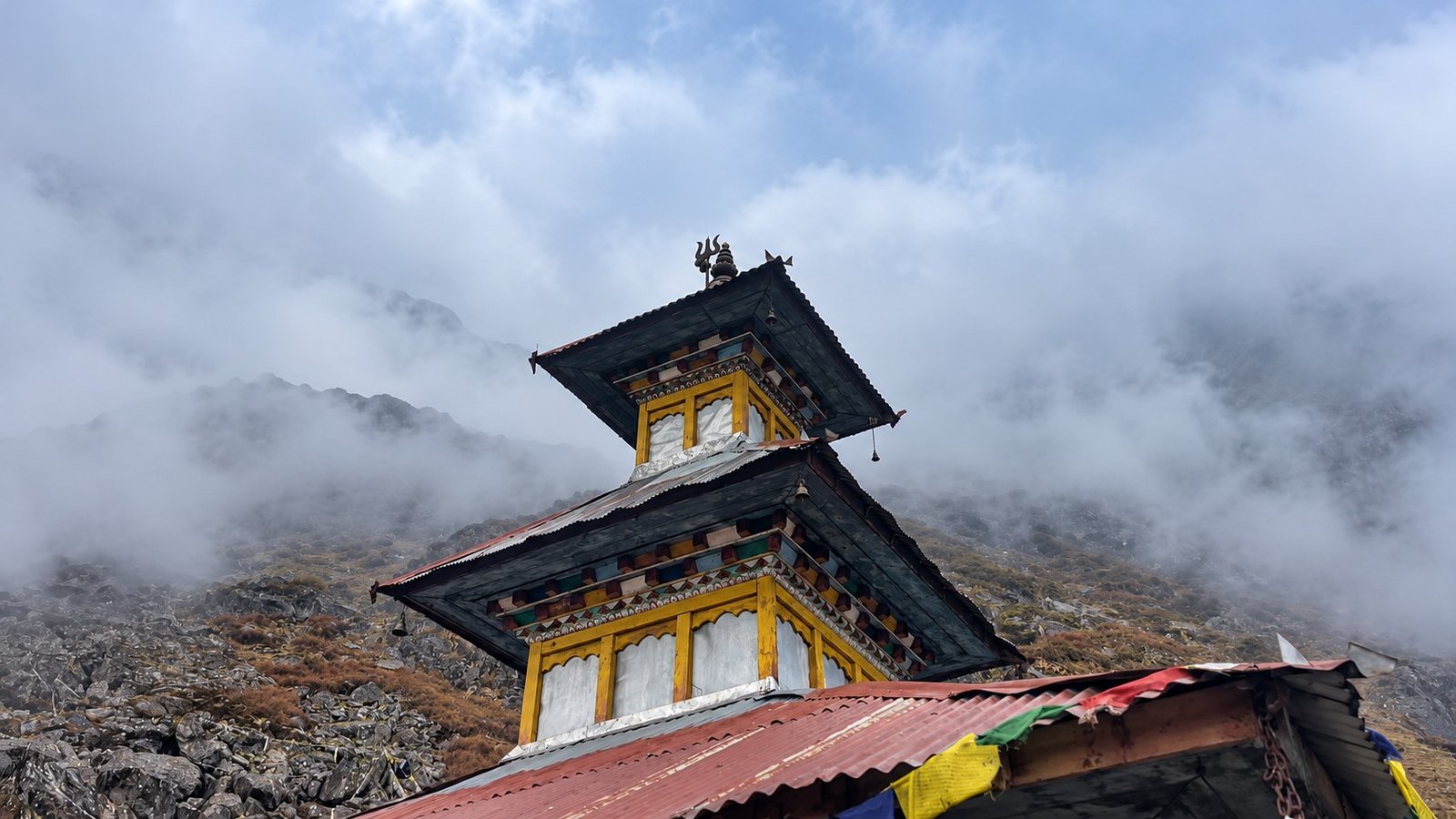
Facilities in the upper sections can be particularly limited. Locations such as Tangu Kharka, Nosyampati and Panch Pokhari should not automatically be treated as full-service teahouse settlements.
Availability of accommodation, food and shelter needs to be checked before departure, and the trekking arrangements may include supported camping where permanent facilities are unavailable.
Accommodation Along the Route
| Location | Accommodation | Facilities |
|---|---|---|
| Kathmandu | Hotel accommodation | Comfortable rooms and standard facilities |
| Tupi Danda | Simple local lodge or suitable shelter | Basic mountain accommodation |
| Tangu Kharka | Pre-arranged shelter or camping | Overnight availability must be confirmed |
| Nosyampati | Basic trail lodge or shelter, where available | Limited facilities and colder nights |
| Panch Pokhari | Seasonal shelter or organised camping | Basic facilities with limited services |
Meals during the trekking days are generally simple, nutritious and designed to provide energy for walking. Depending on the facilities and supplies available, common choices may include dal bhat, vegetable curries, rice, lentils, potatoes, noodles, soups, chapati and basic breakfast dishes.
As the trail gains altitude and moves farther from permanent settlements, food choices become more limited.
Trekkers are encouraged to carry personal snacks, energy bars and a reusable water bottle with a suitable purification system. Drinking untreated water from streams or lakes is not recommended.
Trekking Permits and Travel Arrangements
Visitors undertaking the Panch Pokhari Trek should carry a valid passport and arrange the trekking documentation applicable to their route and nationality.
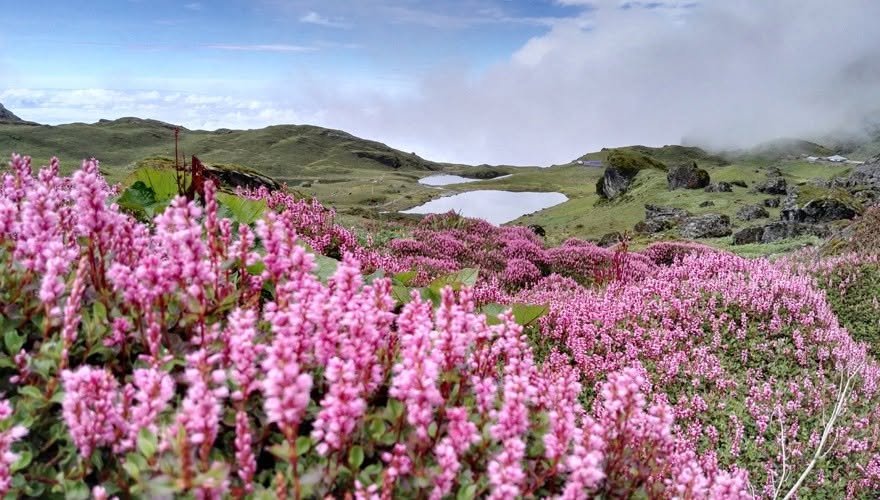
Nepal’s Panch Pokhari requirement includes Langtang National Park Entry Permit, as the trail falls on this area and TIMS card which can be arranged in Kathmandu itself.
Nepal Royal Tourism Holiday can assist with applicable trekking arrangements, guide services, transportation and accommodation planning.
Essential Packing List for the Panch Pokhari Trek
Packing appropriately for Panch Pokhari is important because the trek passes through different climatic zones. Lower elevations can be relatively warm during the day, while the upper route becomes colder, especially in the mornings and evenings.
| Equipment | Purpose |
|---|---|
| Warm Jacket and Thermal Layers | Protection against cold temperatures at higher elevations |
| Waterproof Jacket and Rain Cover | Protection against rain, wind and changing mountain weather |
| Trekking Boots and Poles | Comfort and stability on rough, steep and uneven trails |
| Season-Appropriate Sleeping Bag | Warmth during cold nights in basic shelters or tents |
| Headlamp and Power Bank | Early starts and limited electricity in remote locations |
| Water Bottles and Purification System | Safe drinking water during trekking days |
| Sunglasses, Sunscreen and Sunhat | Protection against strong ultraviolet exposure |
| Personal First-Aid Kit and Snacks | Personal medical needs and additional energy during long walks |
Responsible Trekking and Environmental Conservation
The natural and religious importance of Panch Pokhari makes responsible trekking especially valuable. Visitors should minimise plastic waste, avoid disturbing wildlife, respect religious sites and carry non-biodegradable rubbish back to suitable disposal points.
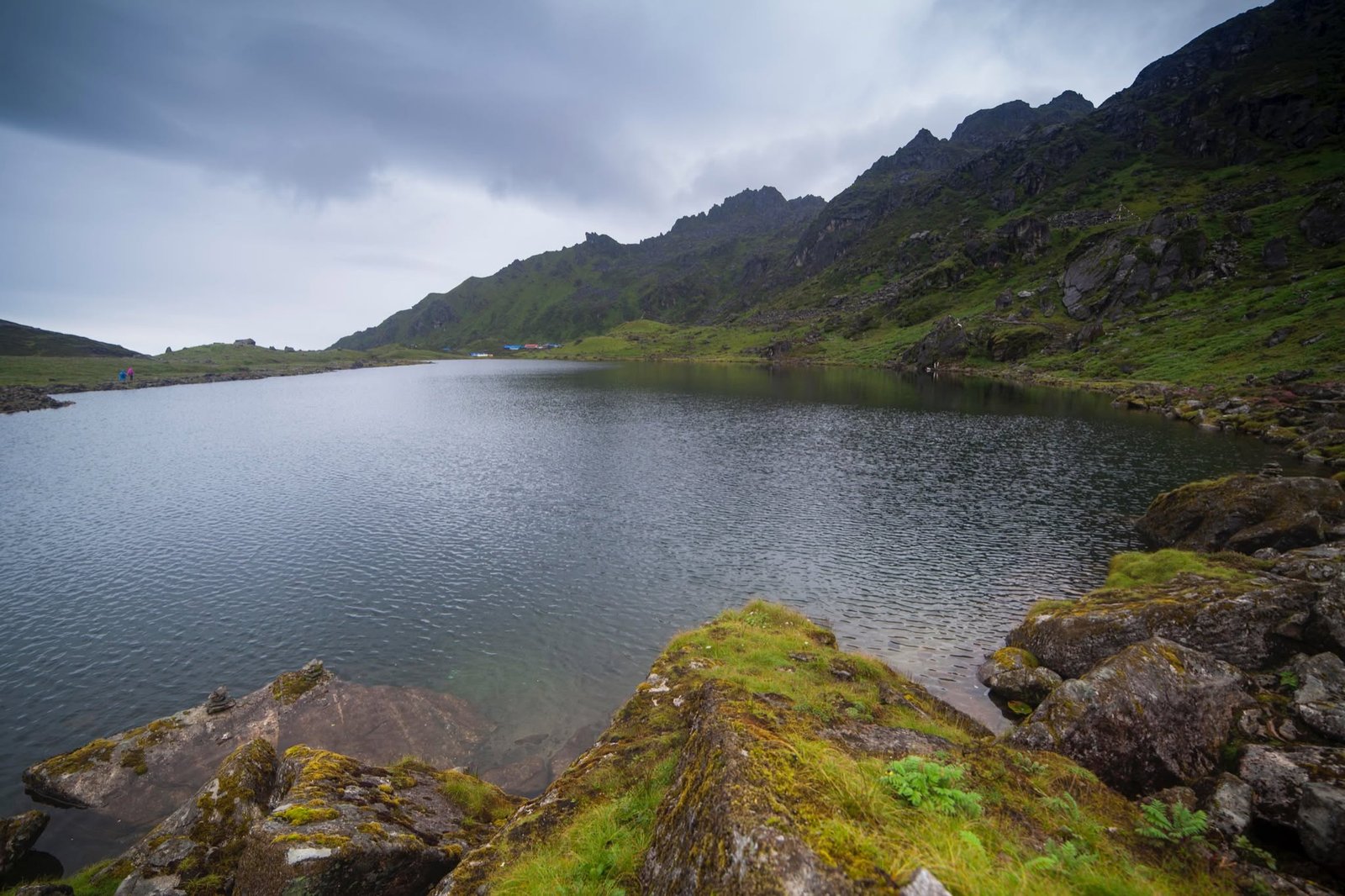
The lakes themselves should remain free from soap, detergents and other pollutants.
Supporting local accommodation providers, guides, porters and communities also contributes to more sustainable tourism in Sindhupalchok. Travelling respectfully helps preserve both the mountain environment and the cultural heritage that make Panch Pokhari special.
Plan Your Panch Pokhari Trek with Nepal Royal Tourism Holiday
Discover the five sacred lakes of Sindhupalchok on our 9-day Panch Pokhari Trek. Experience a remarkable combination of Himalayan landscapes, traditional village surroundings and sacred pilgrimage sites.
Whether you are planning a private adventure, travelling with friends or looking for a guided trek away from Nepal’s busier routes, Nepal Royal Tourism Holiday can help you organise suitable transportation, accommodation and trekking support.
Contact our team with your preferred dates and group size to discuss the latest trail conditions and available trekking arrangements.
Trip Highlights
- Discover the five sacred alpine lakes of Panch Pokhari (4,100 m), one of Nepal's remarkable Hindu pilgrimage destinations
- Experience the spiritual significance of Janai Purnima, when pilgrims gather at Panch Pokhari for traditional prayers and sacred bathing rituals
- Enjoy spectacular Himalayan scenery featuring Jugal Himal, Dorje Lakpa and the surrounding mountain ranges on clear days
- Follow the scenic trekking route through Chhimti, Tupi Danda, Tangu Kharka and Nosyampati towards the sacred lakes
- Take an optional early-morning hike to Panch Pokhari Viewpoint (around 4,250 m) for panoramic views of the five lakes and surrounding mountains
- Experience the traditional culture and rural lifestyle of Sindhupalchok's local communities along the lower trekking route
- Enjoy a quieter Himalayan adventure away from the busy trekking trails of the Everest and Annapurna regions
- Experience the beauty of sunrise, peaceful mountain surroundings and the sacred lake basin, with opportunities for memorable landscape photography
- Complete a rewarding 9-day Panch Pokhari Trek, combining Himalayan scenery, cultural heritage, spiritual significance and high-altitude adventure
Panch Pokhari Trek – 9 Days ~ Itinerary
Day 1
Arrival in Kathmandu
- Maximum Altitude: Kathmandu (1,350 m)
- Overnight Altitude: Kathmandu (1,350 m)
- Meals: Not Included
- Accommodation: Three Star Hotel in Kathmandu
Welcome to Nepal! Your 9-day Panch Pokhari Trek begins with your arrival at Tribhuvan International Airport in Kathmandu. Upon completing the immigration formalities and collecting your luggage, you will meet our representative from Nepal Royal Tourism Holiday, who will welcome you and arrange your transfer to the hotel. The drive introduces you to Kathmandu, a lively city where ancient temples, traditional neighbourhoods and modern life exist side by side.
After checking into your hotel, you will have time to relax and recover from your journey. Depending on your arrival time, you may explore the nearby streets, visit local cafés or enjoy the atmosphere of Thamel, Kathmandu’s popular tourist district. If you arrive early, you can also spend some time discovering the city’s cultural attractions independently.
Later, our trekking representative will provide a briefing about the upcoming Panch Pokhari adventure. You will discuss the trekking route, transportation arrangements, daily walking conditions, accommodation and essential equipment. This is also an opportunity to ask questions and make any necessary last-minute preparations before heading towards Sindhupalchok.
Spend the evening at your leisure and prepare for an early departure the following morning. Overnight at your hotel in Kathmandu.
Day 2
Drive from Kathmandu to Chhimti and Trek to Tupi Danda
- Maximum Altitude: Tupi Danda (2,320 m)
- Overnight Altitude: Tupi Danda (2,320 m)
- Driving Duration: 5–7 Hours
- Driving Distance: 70–95 km
- Trekking Duration: 3–4 Hours
- Meals: Breakfast, Lunch and Dinner
- Accommodation: Basic Lodge at Tupi Danda
After an early breakfast in Kathmandu, we begin our journey towards Sindhupalchok, travelling through the hills northeast of the Kathmandu Valley. The drive follows the route towards Melamchi before continuing through the countryside towards Bhotang and Chhimti, our starting point for the Panch Pokhari Trek. Along the way, we pass terraced farmland, river valleys, traditional settlements and forested hillsides, offering our first impressions of rural Nepal.
The road gradually becomes narrower and rougher as we approach the mountain settlements. Depending on recent weather and road conditions, the final section may require additional time. Upon reaching Chhimti (1,850 m), we meet the trekking support team, make our final preparations and begin the uphill walk towards Tupi Danda.
The trail climbs through green hillsides and forested sections, with occasional open areas offering beautiful views of the surrounding valleys. Passing through the Deurali area, we continue along the ascending mountain path. This first walking day introduces us to the terrain of Sindhupalchok without immediately entering the higher alpine environment. We maintain a comfortable pace, taking short breaks when needed.
After several hours of trekking, we arrive at Tupi Danda (2,320 m), where we settle into our basic accommodation. Enjoy a warm evening meal and some well-deserved rest while surrounded by the peaceful mountain atmosphere. Overnight at Tupi Danda.
Day 3
Trek from Tupi Danda to Tangu Kharka
- Maximum Altitude: Tangu Kharka (2,880 m)
- Overnight Altitude: Tangu Kharka (2,880 m)
- Trekking Duration: 3–5 Hours
- Trekking Distance: 3–4 km
- Meals: Breakfast, Lunch and Dinner
- Accommodation: Basic Lodge at Tangu Kharka
We begin the third day of our Panch Pokhari Trek with breakfast at Tupi Danda, surrounded by the fresh mountain air and forested hills of Sindhupalchok. Today’s destination is Tangu Kharka (2,880 m), an intermediate stopping point on our approach towards the higher sections of the trek. This stage allows us to gain elevation progressively rather than rushing directly towards Nosyampati.
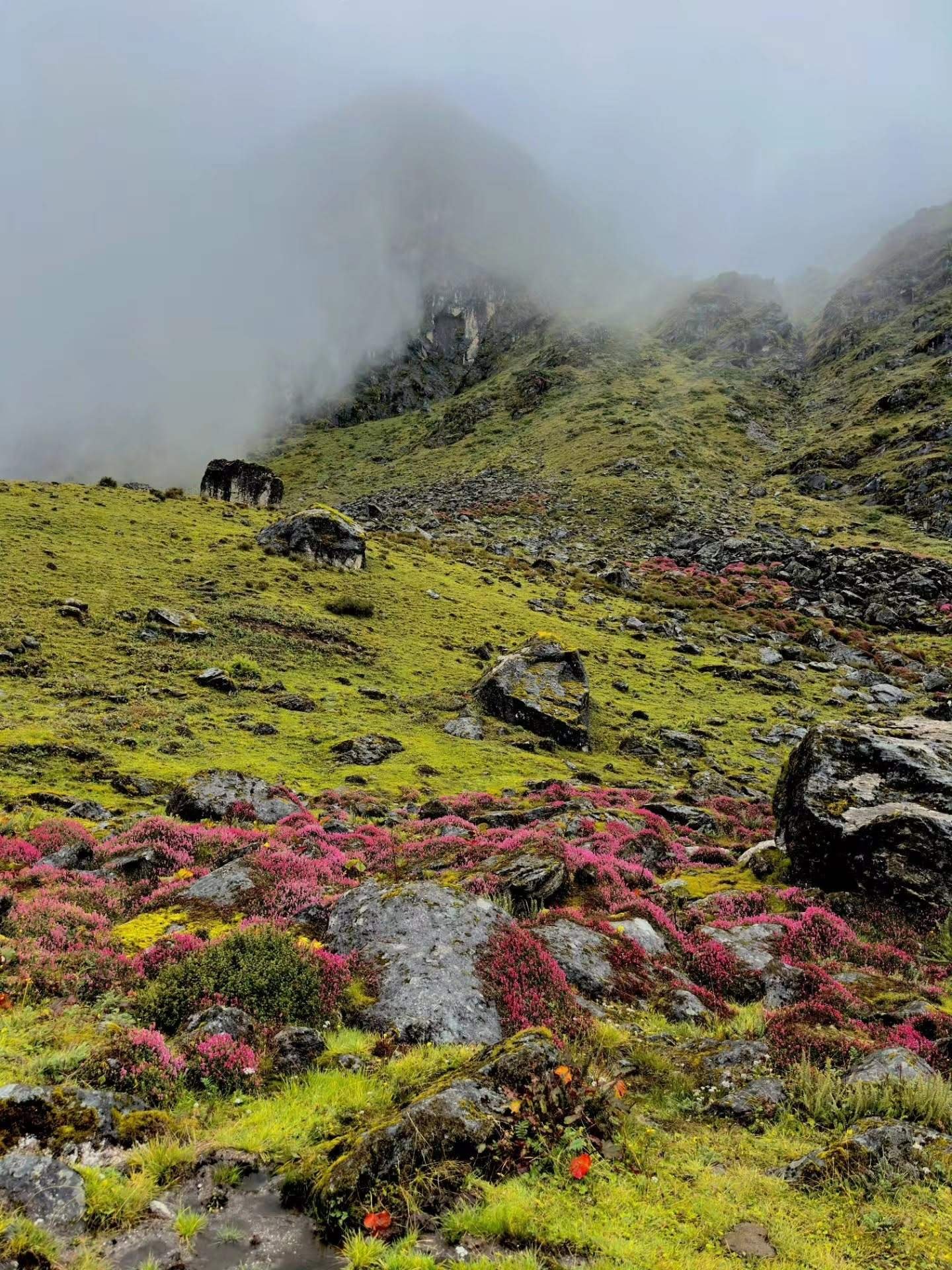
Leaving Tupi Danda behind, the trail climbs through woodland and along quiet hillside paths. Depending on the season, the forests may display colourful rhododendron blossoms, while the surrounding hillsides are covered with lush green vegetation. As we gain altitude, the landscape begins to change, with stretches of open ground appearing between the wooded sections.
The ascent requires steady effort, particularly where the trail becomes steeper or uneven. We take regular breaks and maintain a manageable walking pace while enjoying the peaceful environment. With fewer trekkers than on Nepal’s more established trekking routes, this part of the journey offers a sense of solitude and a closer connection with the natural surroundings.
Upon reaching Tangu Kharka, we settle into our pre-arranged overnight accommodation or camping arrangements. The surroundings are simpler and more remote than the lower villages, making this a good opportunity to experience the quieter side of Himalayan trekking. Enjoy dinner, rest and prepare for the climb towards Nosyampati the following day.
Day 4
Trek from Tangu Kharka to Nosyampati
- Maximum Altitude: Nosyampati (3,650 m)
- Overnight Altitude: Nosyampati (3,650 m)
- Trekking Duration: 4–6 Hours
- Trekking Distance: 3–4 km
- Meals: Breakfast, Lunch and Dinner
- Accommodation: Basic Mountain Lodge at Nosyampati
Today’s trek takes us deeper into the higher mountain landscapes of Sindhupalchok as we continue from Tangu Kharka towards Nosyampati (3,650 m). After breakfast, we begin a steady ascent through increasingly rugged terrain, leaving much of the dense forest behind as we approach the alpine environment.
The trail passes through a mixture of open mountain slopes, rocky sections and highland vegetation. As we gain elevation, beautiful views of the surrounding valleys begin to emerge, while distant Himalayan peaks may become visible when the skies are clear. The natural scenery changes noticeably throughout the day, revealing a wilder and more exposed landscape than the lower trekking stages.
Climbing from 2,880 metres to 3,650 metres involves a substantial increase in sleeping altitude, so we walk conservatively and pay close attention to how everyone is feeling. Regular breaks, proper hydration and a comfortable pace are important. Our guide will monitor the group’s condition, and any concerning altitude symptoms must be reported immediately rather than ignored.
After reaching Nosyampati, we settle into our basic mountain accommodation. This is one of the important stopping points before the final approach to Panch Pokhari. We spend the remainder of the afternoon resting, enjoying the surrounding mountain views and preparing for the journey to the five sacred lakes the following morning. Overnight at Nosyampati.
Day 5
Trek from Nosyampati to Panch Pokhari
- Maximum Altitude: Panch Pokhari (4,100 m)
- Overnight Altitude: Panch Pokhari (4,100 m)
- Trekking Duration: 4–5 Hours
- Trekking Distance: 4–5 km
- Meals: Breakfast, Lunch and Dinner
- Accommodation: Seasonal Mountain Shelter or Organised Camping near Panch Pokhari
Today is one of the most anticipated days of our Panch Pokhari Trek as we finally make our way towards the five sacred Himalayan lakes. After an early breakfast at Nosyampati, we begin climbing through open alpine terrain, surrounded by rugged hillsides and the beautiful mountain scenery of Sindhupalchok. With the forests now largely behind us, the landscape becomes increasingly rocky and exposed, creating a distinctive high-altitude atmosphere.
The trail gradually ascends towards the Lauribina section, where steep mountain paths and uneven stone steps demand careful footing. We maintain a steady pace, taking occasional breaks to appreciate the surrounding landscape and adjust to the thinner mountain air. On clear days, the higher ridges provide wonderful views towards the Jugal Himal region and neighbouring Himalayan peaks.
After several hours of walking, we reach Panch Pokhari (4,100 m), where five beautiful alpine lakes rest within a sacred mountain basin. The first sight of the lakes is a rewarding moment after days of climbing through the hills. Their calm waters, surrounded by rocky slopes and open skies, create a peaceful setting that holds deep religious significance for Hindu pilgrims. Every year during Janai Purnima, devotees gather here to offer prayers and participate in traditional religious ceremonies.
Once we arrive, we have time to explore the lake surroundings, visit the nearby religious shrines and admire the remarkable natural scenery. The afternoon is best spent moving slowly, resting and enjoying the atmosphere without unnecessary exertion at this altitude.
Day 6
Hike to Panch Pokhari Viewpoint and Descend to Nosyampati
- Maximum Altitude: Panch Pokhari Viewpoint (4,250 m)
- Overnight Altitude: Nosyampati (3,650 m)
- Trekking Duration: 5–6 Hours, Including Optional Viewpoint Hike
- Trekking Distance: 6–7 km, including the optional viewpoint hike
- Meals: Breakfast, Lunch and Dinner
- Accommodation: Basic Mountain Lodge or Shelter at Nosyampati
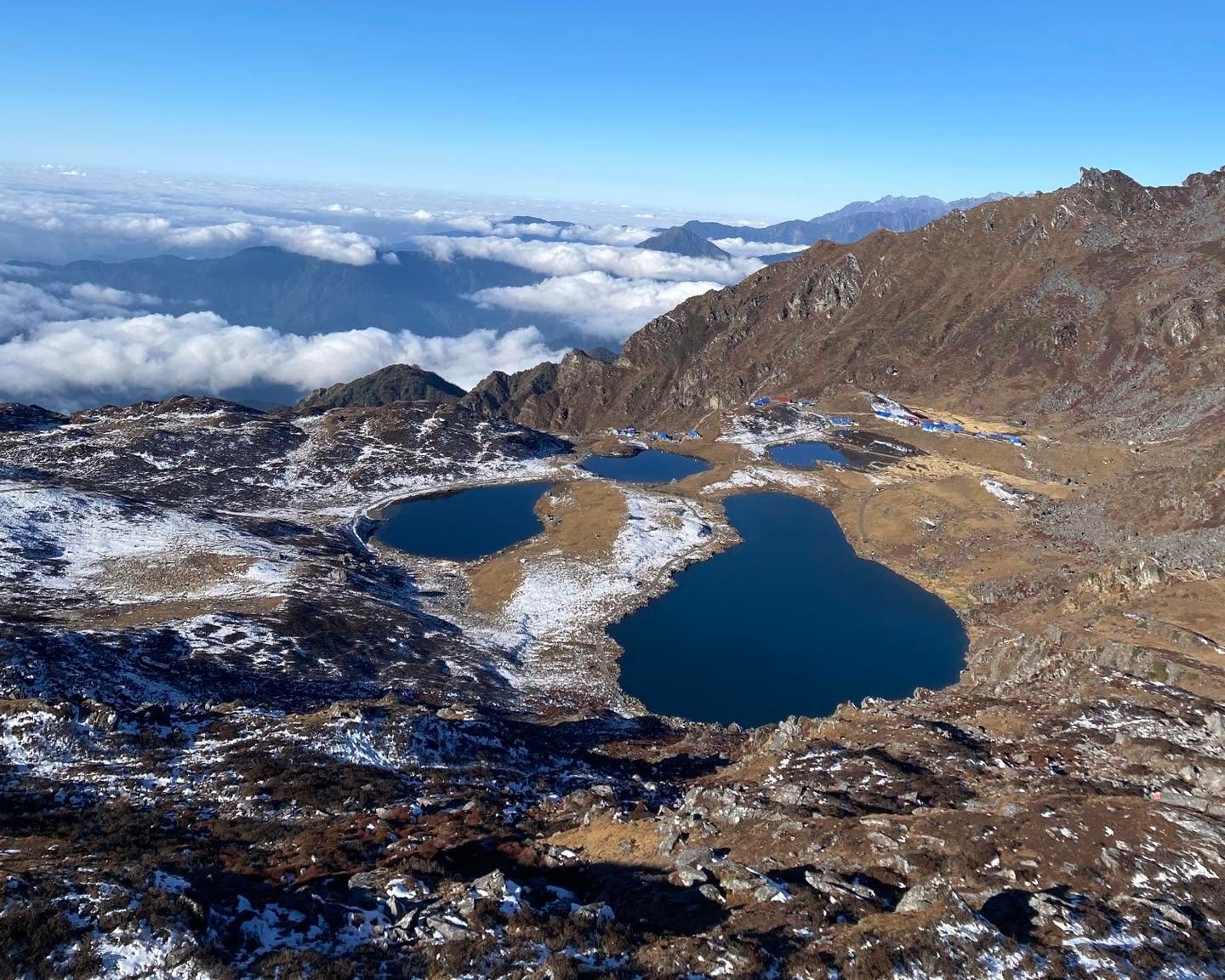
We begin the morning at Panch Pokhari with an opportunity to experience one of the most beautiful moments of the entire trek. Weather and physical conditions permitting, we set out before sunrise for an optional hike to the Panch Pokhari Viewpoint (4,250 m). The short but uphill walk leads towards an elevated ridge overlooking the sacred lake basin, where the five lakes can be admired together against the surrounding mountain landscape.
As the early morning sunlight begins to illuminate the hills, the scenery takes on a remarkable character. The lakes, rocky ridges and distant Himalayan peaks create a memorable panorama, particularly on clear mornings. The viewpoint offers excellent opportunities for photography and a final appreciation of the natural beauty of Panch Pokhari. Those who prefer not to ascend can remain near the lakes and enjoy the peaceful surroundings instead.
After returning from the viewpoint, we have breakfast and begin our descent towards Nosyampati. The return trail follows the familiar mountain landscape, passing through the Lauribina section and descending over rocky paths and open slopes. Although descending is generally less demanding on the lungs than climbing, the steep sections require concentration, especially where loose stones or wet surfaces make the trail slippery.
As we gradually lose elevation, the air becomes thicker and the surrounding vegetation begins to reappear. We take breaks along the way before reaching Nosyampati (3,650 m), where we settle into our accommodation. The evening provides an opportunity to rest after exploring the sacred lakes and reflect on one of the most rewarding experiences of the journey. Overnight at Nosyampati.
Day 7
Trek from Nosyampati to Tupi Danda via Tangu Kharka
- Maximum Altitude: Nosyampati (3,650 m)
- Overnight Altitude: Tupi Danda (2,320 m)
- Trekking Duration: 5–7 Hours
- Trekking Distance: 7–8 km
- Meals: Breakfast, Lunch and Dinner
- Accommodation: Basic Lodge at Tupi Danda
After breakfast at Nosyampati, we begin a long descent towards Tupi Danda, retracing the mountain trails that led us towards the sacred lakes. Having completed our visit to Panch Pokhari, today’s journey offers a different perspective of the surrounding landscape as we gradually leave the exposed alpine terrain and return to the greener hills of Sindhupalchok.
The route descends through open mountain slopes, rocky trails and sections of woodland. Passing through the Tangu Kharka area, we take time to rest and enjoy the scenery before continuing towards the lower forested sections. The changing vegetation becomes more noticeable as we lose altitude, with trees, hillside greenery and sheltered valleys gradually replacing the rugged highland terrain.
Although most of today’s route is downhill, the considerable elevation loss can be demanding on the knees and leg muscles. Trekking poles are particularly useful, and we maintain a controlled walking pace rather than rushing through steep sections. Along the way, we enjoy occasional views of the surrounding hills and valleys, with opportunities to appreciate the peaceful natural environment one final time.
By the afternoon, we arrive at Tupi Danda (2,320 m), where we return to the simpler comforts of the lower mountain accommodation. After several nights at higher elevations, the relatively warmer surroundings provide a welcome change. Enjoy a freshly prepared dinner and a relaxing evening with the trekking team as we prepare for our final walking day. Overnight at Tupi Danda.
Day 8
Trek from Tupi Danda to Chhimti and Drive to Kathmandu
- Maximum Altitude: Tupi Danda (2,320 m)
- Overnight Altitude: Kathmandu (1,350 m)
- Trekking Duration: 2–3 Hours
- Trekking Distance: 5–6 km
- Driving Duration: 5–7 Hours
- Driving Distance: 70–95 km
- Meals: Breakfast and Lunch
- Accommodation: Three Star Hotel in Kathmandu
Today marks the final trekking day of our Panch Pokhari adventure. After breakfast at Tupi Danda, we begin descending towards Chhimti, following the familiar hillside trail through forested sections and rural surroundings. The walk offers a final opportunity to appreciate the beautiful landscape of Sindhupalchok, with green hills, mountain streams and terraced farmland appearing as we approach the lower elevations.
The trail passes through the Deurali area before continuing downhill towards Chhimti (1,850 m), where our trekking journey comes to an end. After several rewarding days in the mountains, reaching the roadhead is a satisfying moment. We meet our arranged vehicle and prepare for the return drive to Kathmandu.
The drive follows the mountain roads through Bhotang and the Melamchi area before continuing towards the Kathmandu Valley. Along the way, we pass traditional settlements, agricultural fields, river valleys and scenic countryside. Road conditions and traffic may affect the overall journey time, particularly along the rougher sections of the route.
Upon arriving in Kathmandu, our representative will transfer you to your hotel, where you can enjoy a comfortable shower and some well-deserved relaxation. The evening is free for exploring Thamel, shopping for souvenirs or enjoying a farewell dinner at a restaurant of your choice. After completing the Panch Pokhari Trek, you can look back on a memorable journey through sacred lakes, peaceful mountain trails and the remarkable cultural landscapes of Nepal. Overnight in Kathmandu.
Day 9
Final Departure from Kathmandu
- Maximum Altitude: Kathmandu (1,350 m)
- Meals: Breakfast
Today marks the conclusion of your 9-day Panch Pokhari Trek with Nepal Royal Tourism Holiday. After breakfast at the hotel, you will have some free time depending on your international flight schedule. If your departure is later in the day, you may enjoy a final walk through the nearby streets, purchase souvenirs or simply relax before your onward journey.
Our representative will arrange your transfer to Tribhuvan International Airport, ensuring that you arrive with sufficient time for check-in and departure formalities. As you leave Kathmandu, you will take with you memories of the five sacred lakes, the beautiful landscapes of Sindhupalchok, the traditional mountain communities and the rewarding experience of trekking through one of Nepal’s quieter Himalayan regions.
Thank you for choosing Nepal Royal Tourism Holiday for your Panch Pokhari adventure. We hope your journey through the sacred lakes and mountain trails of Nepal has been memorable, and we look forward to welcoming you again for another Himalayan experience.
Trip Cost Includes/Excludes
Cost Includes
- Airport pickup and drop-off by private tourist vehicle in Kathmandu
- Two nights of hotel accommodation in Kathmandu on a twin-sharing basis with breakfast
- Ground transportation from Kathmandu to Chhimti and return by suitable vehicle
- All applicable trekking permits, required documentation and local entry fees
- Experienced, government-licensed English-speaking trekking guide throughout the trek
- Porter assistance for carrying trekking luggage within the agreed weight allowance
- Basic lodge and teahouse shelter accommodation along the trekking route
- Tented accommodation and essential camping arrangements where suitable mountain shelters are unavailable
- Breakfast, lunch and dinner during the trekking days
- Trekking guide and porter salaries, meals, accommodation, transportation, insurance and necessary equipment
- Basic shared camping equipment, including tents and sleeping arrangements where camping is necessary
- Basic first-aid kit carried by the trekking guide
- Emergency assistance and rescue coordination during the trek
- All applicable government taxes and company service charges
- Nepal Royal Tourism Holiday branded T-shirt as a souvenir of your Himalayan adventure
- Trek completion certificate from Nepal Royal Tourism Holiday upon successful completion of the journey
Cost Excludes
- International airfare to and from Nepal
- Nepal entry visa fees
- Lunch, dinner and personal food expenses in Kathmandu
- Dinner in Kathmandu on Day 8
- Personal travel insurance covering high-altitude trekking, medical treatment and emergency helicopter evacuation
- Emergency rescue, helicopter evacuation, hospitalisation and medical expenses
- Personal trekking equipment, including trekking boots, warm clothing, sleeping bag and trekking poles
- Personal expenses such as laundry, telephone calls, Wi-Fi, hot showers and battery charging
- Alcoholic beverages, soft drinks, bottled water, specialty coffee and additional snacks
- Extra meals, accommodation or transportation beyond the scheduled itinerary
- Optional sightseeing, activities and services not mentioned in the itinerary
- Tips and gratuities for trekking guides, porters and drivers
- Any other expenses or services not specifically mentioned in the Cost Includes section
Trip Photo/Video Gallery
Frequently Asked Questions
Our Panch Pokhari Trek takes 9 days, including arrival and final departure in Kathmandu, with seven days dedicated to transportation, trekking and exploring the sacred lakes
Panch Pokhari is located in Sindhupalchok district, northeast of Kathmandu, in the Jugal Himal region of Nepal
The sacred lakes lie at around 4,100 m, while the optional Panch Pokhari Viewpoint hike reaches around 4,250 m
The trek is graded Moderate, involving steep uphill trails, uneven mountain terrain and walking above 4,000 m
Spring (March–May) and autumn (September–November) are generally the best seasons for trekking, offering more favourable weather and mountain views
Panch Pokhari consists of five sacred lakes revered by Hindu pilgrims, particularly during Janai Purnima, when devotees gather for prayers and traditional bathing rituals
Physically fit beginners with hiking experience can complete the trek with proper preparation and guidance, although the altitude and demanding sections require caution
Accommodation includes hotels in Kathmandu and basic mountain shelters along the trail, with camping arrangements where suitable lodges are unavailable
Breakfast, lunch and dinner are included during the main trekking days, with breakfast and lunch on the return-to-Kathmandu day and hotel breakfasts in Kathmandu
Most trekking days involve around 3–7 hours of walking, depending on the trail conditions, elevation changes and daily destination
Yes, our itinerary includes an optional early-morning hike to the Panch Pokhari Viewpoint for panoramic views of the five lakes and surrounding mountains, depending on weather and physical conditions
You may also like

Menu
