


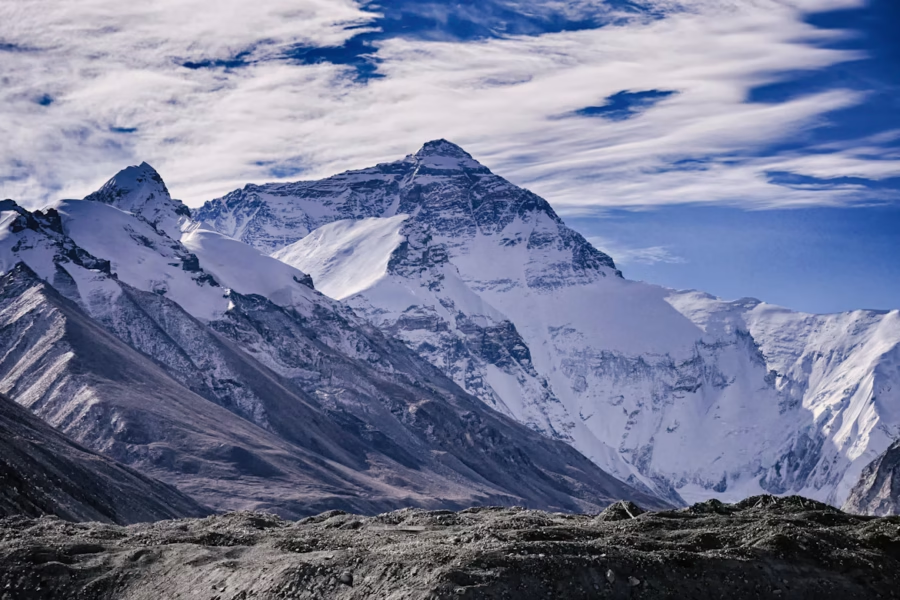
Everest Trekking Season: Best Time for EBC, Gokyo Lakes, Three Passes and More
Trekking in the Everest region is about much more than reaching Everest Base Camp. The trails pass through Sherpa villages, pine and rhododendron forests, Buddhist monasteries, suspension bridges, glacial valleys and some of the highest mountain terrain on Earth.
The experience also changes dramatically with the season. Spring brings warmer days, flowering lower forests and the atmosphere of Everest’s climbing season.

Autumn is famous for crisp post-monsoon views. Winter can reward prepared trekkers with quieter trails, while the summer monsoon brings more cloud, rain and transport disruption.
For most travellers, March to May and late September to November are the best Everest trekking seasons. October and early November are especially strong for clear mountain views, while April is one of the most attractive spring months.

But there is no single “best” month for every route. Everest View is a very different trip from the Three High Passes, and Gokyo Lakes has different priorities from the classic Everest Base Camp trail.
The best time depends on your route, altitude, experience, preferred scenery and tolerance for cold or crowds.
Quick Answer: When Is the Best Everest Trekking Season?
Best overall months: October and November, with March and April also excellent for many classic Everest routes.
Best for spring scenery: March to May, especially April for a balance of warmer days and clear high-mountain trekking.
Best for clear post-monsoon views: October to early November.
Best for quieter trails: December to February on suitable routes, with much colder conditions.
Most challenging period for a standard Everest trek: June to August, when monsoon cloud, rain and flight disruption are more common.
Everest Trekking Seasons and Best Months
Most popular Everest itineraries begin in or around Lukla and climb gradually through the Dudh Koshi Valley towards Namche Bazaar, Tengboche, Dingboche, Gokyo, Lobuche and the upper Khumbu.
Conditions change quickly with elevation, so a warm afternoon in Namche does not tell you what the wind, snow or temperature will be like at Kala Patthar or on Cho La.
| Season | Months | What It Means for Everest Trekkers |
|---|---|---|
| Spring | March–May | Warming days, flowering lower forests and strong conditions for many classic treks. High trails remain cold, and late-spring cloud or storms can occur. |
| Summer / Monsoon | June–August, often into September | More cloud, rain on lower approaches, slippery trails and a greater chance of flight disruption. Mountain views are less reliable. |
| Autumn | Late September–November | The strongest all-round period for many routes, especially October and early November. Clearer air follows the monsoon, but popular trails can be busy. |
| Winter | December–February | Quiet trails and crisp views on clear days, but freezing nights, snow and ice can affect higher trails and passes. |
Spring Everest Trekking Season: March, April and May
Spring is one of the two main seasons for trekking in the Everest region. The lower trail begins to warm after winter, forest sections show more colour and the high mountains remain heavily snow-covered.
The contrast between green valleys and white peaks is one of the reasons spring feels so distinctive.

March can still feel wintry above Namche Bazaar. Fresh snow is possible and high passes may need extra caution. April usually provides a stronger balance of comfortable daytime walking, flowering lower forests and established trekking conditions.
May can still be excellent, but lower elevations become warmer and pre-monsoon cloud or thunderstorms become more relevant later in the month.

Spring also overlaps with the main Everest climbing season. Expedition teams travel through the Khumbu, and the base camp area can feel much more active than it does at other times of year.
Trekking to Everest Base Camp is still a trekking journey rather than a mountaineering expedition, but the seasonal atmosphere can be memorable.
Best Everest Treks for Spring
| Trek | Best Spring Window | Why It Works | Action |
|---|---|---|---|
| Everest View Trek | March–May | A shorter Khumbu journey with Sherpa villages, monasteries and mountain views without going as high as EBC. | Inquire Now |
| Everest Base Camp Trek | March–May | The classic spring journey through Namche, Tengboche, Dingboche and the upper Khumbu to EBC and Kala Patthar. | Inquire Now |
| Gokyo Lakes Trek | March–May | Turquoise lakes, the Ngozumpa Glacier and Gokyo Ri create a quieter alternative to the standard EBC route. | Inquire Now |
| Everest Cho La Pass Trek | Stable spring conditions | Combines Gokyo, Cho La and the Everest Base Camp side of the Khumbu. Snow and ice conditions matter greatly on the pass. | Inquire Now |
| Everest Three High Passes | Stable spring conditions | A demanding circuit over Kongma La, Cho La and Renjo La for experienced high-altitude trekkers. | Inquire Now |
Autumn Everest Trekking Season: Late September, October and November
Autumn is the strongest all-round season for many Everest treks. Once the monsoon withdraws, the air often becomes clearer, the valleys remain green and the mountains can look especially sharp in the morning light.
Late September can be excellent when the monsoon has finished, but the exact timing changes from year to year.

October is the classic peak month. Trails and teahouses are busy, yet the combination of clear views, established services and comparatively stable conditions makes it extremely popular.
November remains one of the best months too. Early November can be particularly rewarding, while the second half of the month feels progressively colder. Higher routes and exposed passes need more attention to snow, ice and wind as winter approaches.
Best Everest Treks for Autumn
| Trek | Best Autumn Window | Main Reason to Choose It | Action |
|---|---|---|---|
| Everest Base Camp | Late Sep–Nov | The classic Khumbu route with a strong chance of crisp mountain views after the monsoon. | Inquire Now |
| Gokyo Lakes | Oct–Nov | Excellent for lake scenery and panoramic views from Gokyo Ri when the air is clear. | Inquire Now |
| Everest Three High Passes | Oct–early Nov | A broad high-altitude circuit when the passes are in suitable condition. | Inquire Now |
| Everest View Trek | Late Sep–Nov | A shorter introduction to the Khumbu for travellers who do not want to spend many days above 4,000 m. | Inquire Now |
| Mani Rimdu Festival Trek | Festival period in autumn | Combines Everest-region trekking with one of the Khumbu’s best-known Buddhist festival experiences. Exact festival dates vary each year. | Inquire Now |
Everest Trekking Season Month by Month
If your holiday dates are fixed, this table is more useful than simply hearing “spring and autumn.” It shows how the Everest region typically changes through the year and which kind of route may make sense.
| Month | Typical Conditions | Everest Trekking Advice |
|---|---|---|
| January | Very cold nights, possible snow and ice, often clear mornings. | Better for prepared trekkers and shorter or lower routes such as Everest View or Pikey Peak than for ambitious high-pass plans. |
| February | Still wintry at altitude, but lower valleys begin to feel slightly milder. | Possible with good equipment and flexibility. High trails may still hold snow. |
| March | Spring begins; lower forests start to bloom while high terrain remains cold. | Good for EBC, Gokyo and Everest View. High passes depend on current snow and ice. |
| April | One of the strongest spring months with warmer days and active trekking trails. | Excellent for EBC, Gokyo and, when conditions permit, Cho La and Three Passes. |
| May | Warmer lower valleys and more late-spring cloud or afternoon storms. | Still suitable for classic spring treks. Early starts and weather awareness become more important later in the month. |
| June | Monsoon influence increases, especially on lower approaches and around flight operations. | Not the first choice if clear Everest views are your priority. |
| July | Cloud, rain, slippery trail sections and more travel disruption. | Possible, but usually less attractive for a first Everest trek. Consider whether another Nepal region better suits your dates. |
| August | Monsoon conditions often continue. | Plan only with realistic expectations about visibility, flights and trail conditions. |
| September | Transition from monsoon to autumn. Early month can still be wet. | Late September can be excellent if the monsoon has withdrawn. |
| October | Often clear, dry and busy with comfortable daytime trekking at moderate elevations. | One of the best months for EBC, Gokyo, Cho La and Three Passes when high crossings are safe. |
| November | Clearer skies often continue while temperatures fall. | Excellent for classic routes; prepare for colder nights and later-season snow on exposed terrain. |
| December | Winter begins with colder nights, quieter trails and possible snow. | Shorter or lower routes can work well; high-pass itineraries need careful assessment. |
Can You Trek in the Everest Region in Winter?
Yes. Winter is not automatically a bad Everest season. On clear days, the air can be crisp and the trails much quieter than in October or April. For some trekkers, that peaceful atmosphere is exactly the attraction.
The trade-off is cold. At higher elevations, nights can be extremely cold, snow may remain on shaded trail sections and icy conditions can make steep descents more difficult. Teahouse availability can also be more limited on quieter or higher routes.

Everest View and Pikey Peak are more practical winter choices for travellers who want an Everest-region experience without committing to the highest passes. Everest Base Camp can also be trekked in winter by properly prepared groups, but the equipment, pacing and flexibility need to match the conditions.
Winter does not mean “easy because it is quiet”
Fewer trekkers can make the trail peaceful, but snow, ice, wind and very cold nights can make a winter trek more demanding than the same route in October or April.
What About the Monsoon Season?
June, July and August are generally the least reliable months for a standard Everest trek if your main goal is uninterrupted mountain views. Rain affects the lower valleys more strongly than the highest sections, but cloud and poor visibility can influence the whole journey.
The bigger practical problem is often transport. Lukla flights depend heavily on visibility, and monsoon weather can create delays or cancellations. Wet trails, landslides on road approaches and slippery stone sections can also complicate the journey.

That does not make trekking impossible. It simply means the Everest region is usually not the first recommendation for a traveller whose only available dates fall in July or August.
If Everest itself is essential, build in flexibility. If your goal is simply a Himalayan trek, a rain-shadow destination elsewhere in Nepal may make more sense.
Which Everest Trek Should You Choose?
The Everest region has much more variety than one standard route to base camp. You can choose a shorter introduction, a lake-focused trek, a demanding high-pass circuit, a longer traditional approach or a cultural trip timed around Mani Rimdu.
| Everest Trek | Duration | Level | Best For | Main Season | Action |
|---|---|---|---|---|---|
| Everest Base Camp Trek | 14 days | Challenging | Classic EBC, Kala Patthar and the main Khumbu trail. | Mar–May / Sep–Nov | Inquire Now |
| Gokyo Lakes Trek | 14 days | Slightly hard | Glacial lakes, Ngozumpa Glacier and Gokyo Ri. | Mar–May / Sep–Nov | Inquire Now |
| Gokyo Valley Trek | 10 days | Moderate | A shorter Gokyo-focused itinerary for lake and mountain scenery. | Spring / Autumn | Inquire Now |
| Everest Cho La Pass Trek | 17 days | Challenging | Gokyo, Cho La and the Everest Base Camp side in one journey. | Stable Spring / Autumn | Inquire Now |
| Everest Three High Passes | 18 days | Challenging / strenuous | Kongma La, Cho La, Renjo La, Gokyo and EBC. | Stable Spring / Autumn | Inquire Now |
| Everest View Trek | 9 days | Moderate | Shorter Khumbu experience, Sherpa villages and viewpoints. | Spring / Autumn | Inquire Now |
| Jiri to Everest Base Camp | 19 days | Long-distance | A longer approach through lower Solukhumbu before joining the high Khumbu. | Spring / Autumn | Inquire Now |
| Pikey Peak Trek | 9 days | Moderate | Quieter lower Solukhumbu trails and broad Himalayan panoramas. | Spring / Autumn; selected winter dates | Inquire Now |
| Mani Rimdu Festival Trek | 12 days | Cultural trek | Everest-region trekking timed around the Mani Rimdu festival period. | Autumn festival dates | Inquire Now |
| Luxury Everest Helicopter Trek | 6 days | Short / comfort-focused | A shorter Everest-region itinerary combining trekking with helicopter transport. | Clear-weather periods | Inquire Now |
The Gokyo Lakes and Gokyo Valley trips share the same broad destination but differ in length and itinerary. The Cho La and Three Passes routes are much more demanding because the high crossings add snow, ice, exposure and longer days. Pikey Peak is different again: it explores lower Solukhumbu rather than following the standard Lukla-to-EBC line.
Which Everest Trek Fits Your Travel Style?
| Your Priority | Best Fit | Why |
|---|---|---|
| Classic first Everest journey | Everest Base Camp | The famous route, Sherpa settlements, EBC and Kala Patthar. |
| Shorter introduction | Everest View | Less time at extreme altitude while still experiencing the main lower-Khumbu trail. |
| Lakes and wide panoramas | Gokyo Lakes | Glacial lakes, Ngozumpa Glacier and the viewpoint from Gokyo Ri. |
| EBC + Gokyo + one major pass | Everest Cho La Pass | A demanding link between two of the region’s most famous areas. |
| Most complete high-pass circuit | Three High Passes | Three major passes, EBC and Gokyo in one long circuit. |
| Traditional longer approach | Jiri to EBC | More time in lower Solukhumbu before joining the high Khumbu. |
| Quieter lower Everest region | Pikey Peak | Lower altitude, village trails and broad mountain views without the standard EBC itinerary. |
| Culture and festival experience | Mani Rimdu Festival Trek | Combines the mountain journey with a major Buddhist festival in the Khumbu. |
Documents and Permits for Everest Region Treks
Many classic Everest routes share the same main protected-area and local entry arrangements, but not every itinerary is identical. A standard Lukla–Namche–Everest Base Camp or Gokyo trek is different from a Jiri approach or a lower-Solukhumbu trip such as Pikey Peak.
| Document / Permit | What to Know |
|---|---|
| Passport and Nepal entry permission | Carry a valid passport and the appropriate Nepal visa or entry permission. Keep a secure copy of your passport details separately. |
| Sagarmatha National Park entry permit | Required for routes entering Sagarmatha National Park. Current published fees are NPR 3,000 for foreign nationals and NPR 1,500 for SAARC nationals. Fees can change. |
| Khumbu Pasang Lhamu Rural Municipality Trek-Card | The local municipality operates its own Trek-Card system. Current published fees are NPR 3,000 for most foreign visitors and NPR 2,000 for SAARC countries and China, with passport details required. |
| TIMS / guide requirement | Current trekking rules list several Everest routes, including EBC, Gokyo, Cho La, Three Passes and Everest View, under guide and TIMS provisions. Because the Khumbu also has its local Trek-Card system, confirm the exact current requirement for your itinerary before departure. |
| Travel insurance | Not an entry permit, but strongly recommended. Check that your policy covers the maximum altitude of your trek and emergency evacuation where applicable. |
| Jiri / alternative approach permits | Longer overland approaches can pass through different protected areas before reaching the Khumbu. Confirm whether additional permits such as Gaurishankar Conservation Area entry apply to the exact itinerary. |
The safest approach is to have the applicable permits and trekking requirements checked against your exact route before departure rather than assuming every Everest itinerary uses identical paperwork.
Lukla Flights and Why Buffer Days Are Important
Most classic Everest treks begin with a flight to Lukla. The flight itself is short, but mountain weather and visibility have a major influence on operations. Delays and cancellations can happen in any season.
Spring and autumn bring high demand, while monsoon cloud and winter weather can create different kinds of disruption. Depending on seasonal flight arrangements, departures may operate from Kathmandu or involve an overland transfer to Ramechhap before flying to Lukla.

Where your schedule allows, keep one or two flexible days around the overall trip, especially before an international flight home. A buffer cannot guarantee that a cancelled flight will operate the next day, but it gives you much more room to handle a delay without immediately missing an onward connection.
Do not book your international flight too tightly after Lukla
Returning from the mountains and flying internationally on the same tight schedule can create unnecessary stress. A little flexibility at the end of the trek is one of the simplest ways to make an Everest itinerary more resilient.
Altitude and Acclimatisation on Everest Treks
High altitude is one of the main challenges of the Everest region. Fitness helps you walk more comfortably, but it does not make you immune to altitude illness.
The standard Everest Base Camp route, Gokyo Ri, Cho La and the Three High Passes all take trekkers into very high terrain. A good itinerary therefore includes gradual ascent and acclimatisation rather than treating rest days as wasted time.
| Situation | What to Do |
|---|---|
| Mild altitude symptoms | Headache, nausea, dizziness, reduced appetite or unusual fatigue should be taken seriously. Stop ascending and tell your guide or companions. |
| Symptoms getting worse | Do not continue upward hoping the problem will disappear. Descent may be necessary. |
| Severe symptoms | Severe breathlessness at rest, confusion or difficulty walking normally require urgent help and descent. |
| Prevention | Ascend gradually, follow the acclimatisation plan, stay hydrated, eat regularly and avoid removing rest days simply to shorten the itinerary. |
What to Pack for an Everest Trek
Packing depends on the season and route. A March trek, a late-November Everest Base Camp departure and an October Three Passes circuit do not need exactly the same setup.
Layering is the most practical approach because temperatures can change dramatically between a sunny climb and a cold evening at altitude.
| Equipment | Why It Matters |
|---|---|
| Base layers and trekking shirts | Help manage sweat and allow easy layering as temperatures change. |
| Fleece and insulated jacket | Important for cold mornings, evenings and exposed higher sections. |
| Waterproof and windproof shell | Useful for rain, snow and strong wind even during the main trekking seasons. |
| Broken-in trekking boots | Provide support and traction on rough stone, moraine and steep trail sections. |
| Warm hat, gloves and socks | Especially important for early starts, winter departures and viewpoints above 5,000 m. |
| Sun protection | Sunglasses, sunscreen, lip balm and a sun hat remain essential at altitude. |
| Headlamp and power bank | Useful for early starts, viewpoints and charging devices where electricity is limited. |
| Water bottles and treatment | Help you manage safe drinking water throughout the trek. |
| Documents, cash and personal medicine | Keep your permit documents, insurance details, local cash and essential medication accessible. |
High-pass routes may need additional traction or cold-weather equipment depending on current snow and ice. Ask what is actually required for the conditions rather than buying technical gear automatically.
Accommodation and Food in the Everest Region
Most standard Everest trekking itineraries use teahouses or mountain lodges. Lower settlements such as Lukla and Namche can offer a wide range of accommodation, while facilities become simpler as you climb higher.

Rooms are usually straightforward, and bathrooms, hot showers, Wi-Fi and device charging vary from lodge to lodge. Some services cost extra. During busy April and October periods, popular stops can fill more quickly, so advance arrangements become more useful.
Typical menus include dal bhat, noodles, soups, rice dishes, potatoes, eggs, porridge and simple breakfasts. Food choices often become more limited and more expensive with altitude because supplies are transported up the valley.
Want to Go Beyond Trekking?
The Everest region also includes climbing trips such as Island Peak, Mera Peak and Lobuche East. These are not ordinary trekking routes. They can involve glacier travel, crampons, ropes, climbing equipment and a different level of technical preparation.
These trips are best kept separate from a standard trekking comparison. But trekkers with previous experience who want to progress from trekking into Himalayan peak climbing can ask about suitable options and the additional training, permits and equipment involved.
Short on time?
A one-day Everest helicopter tour is a separate alternative for travellers who want aerial Himalayan views without completing a multi-day trek. It should be treated as a different experience rather than a substitute for walking through the villages and valleys of the Khumbu.
Frequently Asked Questions About Everest Trekking Season
Which month is best for Everest Base Camp?
October and November are excellent for many trekkers because post-monsoon visibility is often strong. March and April are also excellent spring choices. The right month depends on whether you prefer spring scenery, autumn clarity, fewer people or warmer daytime conditions.
Is April or October better for Everest trekking?
Both are among the best months. April brings spring colour and the atmosphere of Everest’s climbing season, while October is famous for clearer post-monsoon views. October is usually busier.
Can beginners trek to Everest Base Camp?
Yes, a fit and well-prepared first-time Himalayan trekker can complete Everest Base Camp with a realistic itinerary and proper acclimatisation. It is still a challenging high-altitude trek, not an easy walking holiday. Everest View is a better introduction for travellers who want a shorter and lower route.
Is Gokyo better than Everest Base Camp?
Neither is simply better. Everest Base Camp gives the classic base-camp journey and Kala Patthar, while Gokyo focuses on glacial lakes, the Ngozumpa Glacier and Gokyo Ri. Choose the scenery and route style you prefer.
Can you trek to Everest Base Camp in December or January?
Yes, but expect freezing nights, possible snow and quieter trail services. Winter requires better cold-weather preparation and more flexibility than the main spring and autumn seasons.
When is the best time for the Everest Three Passes Trek?
Stable periods in spring and autumn are the main windows, commonly April to May and October to early November. The actual condition of Kongma La, Cho La and Renjo La matters more than the calendar alone.
Do all Everest treks need the same permits?
No. Many classic Khumbu routes share Sagarmatha National Park and local Khumbu entry arrangements, but alternative approaches and lower-Solukhumbu routes can differ. Confirm the exact paperwork for the itinerary you are booking.
How many buffer days should I keep for Lukla flights?
One or two flexible days are useful where your schedule allows, especially before an international departure. Weather disruptions can happen in any season, so the aim is to give yourself room rather than guarantee a specific backup flight.
Which Everest trek is best if I have limited time?
Everest View is the clearest shorter trekking option among the main Khumbu routes. Pikey Peak is another good choice if you prefer lower Solukhumbu and a quieter approach. The Luxury Everest Helicopter Trek is a separate short-format option for travellers prioritising time and comfort.
Choosing the Right Everest Trekking Season
For most travellers, spring and autumn remain the strongest Everest trekking seasons. March to May brings the colour and energy of spring, while late September to November delivers the classic post-monsoon trekking window.
October may be the easiest all-round recommendation for a first Everest trek, but that does not automatically make it the best choice for everybody.
A traveller who wants fewer people may prefer March or November. Someone interested in the climbing-season atmosphere may prefer April or May, while a traveller focused on Mani Rimdu needs to plan around the festival rather than simply choosing a generic autumn date.
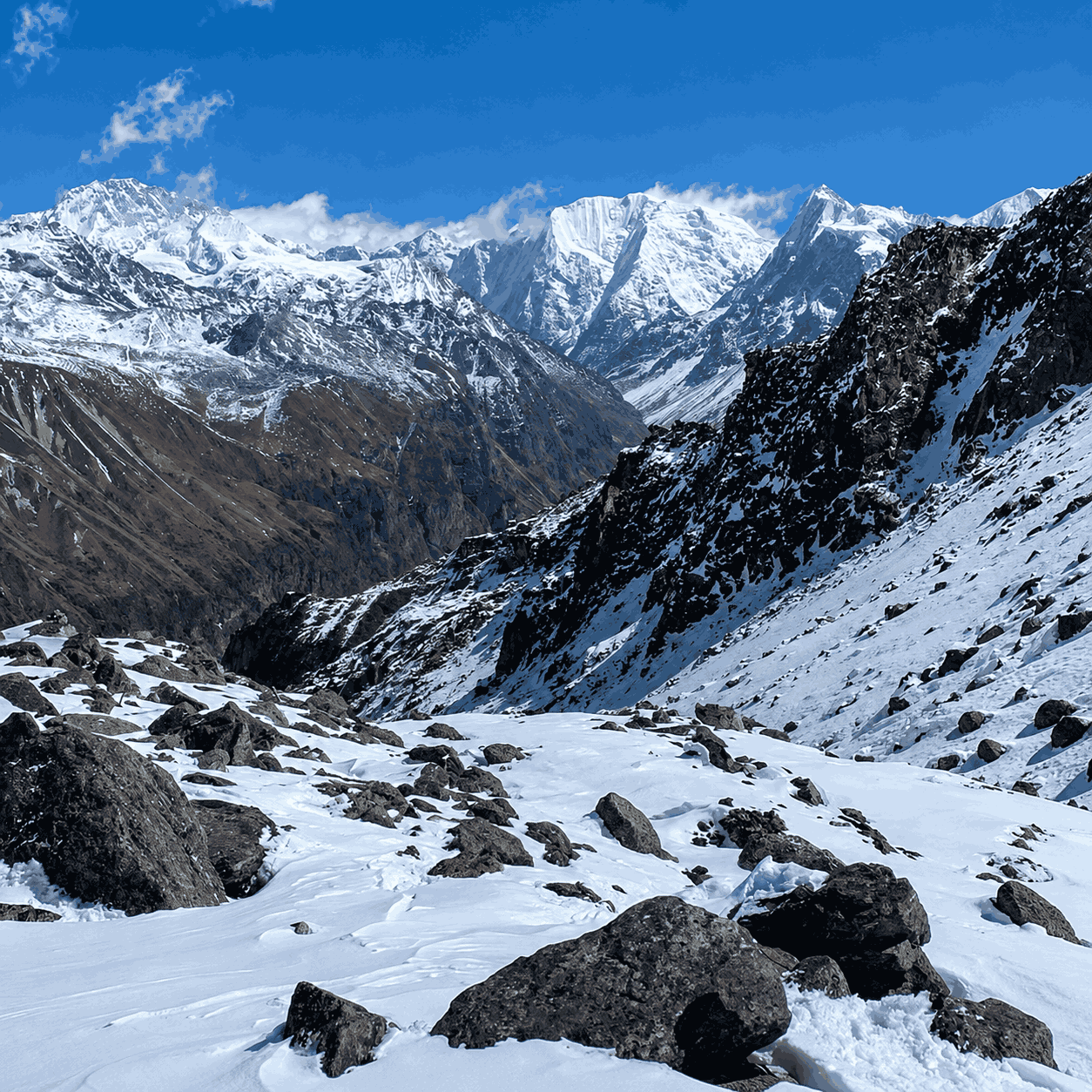
The same idea applies to the route. Everest Base Camp is the classic choice, Gokyo offers a different landscape, Cho La connects two famous parts of the Khumbu, and Three Passes is a much bigger high-altitude undertaking. Everest View and Pikey Peak make more sense when time, altitude or trekking experience is limited.
Choose the season and the trek together. That combination matters far more than chasing one supposedly perfect month.
Ready to Plan Your Everest Trek?
Tell us when you plan to travel, how many days you have and whether you want Everest Base Camp, Gokyo, a high-pass circuit, a shorter view trek or a quieter Solukhumbu journey. We can help you match the route to the season and your experience.