


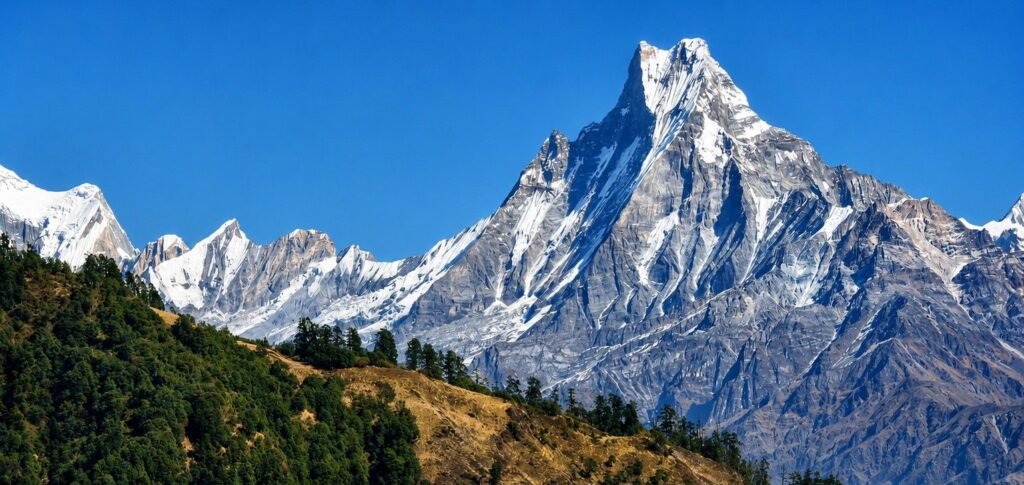
Top Hidden Gems in Nepal You Need to Explore in 2027
Nepal is famous for Everest, the Annapurna Circuit, and the classic Himalayan trekking routes, but some of the country’s most memorable experiences are found away from the busiest trails.
Beyond the famous destinations are quiet valleys, remote lakes, traditional villages, high ridges, protected wilderness areas, and trekking routes where the journey itself still feels like an exploration.
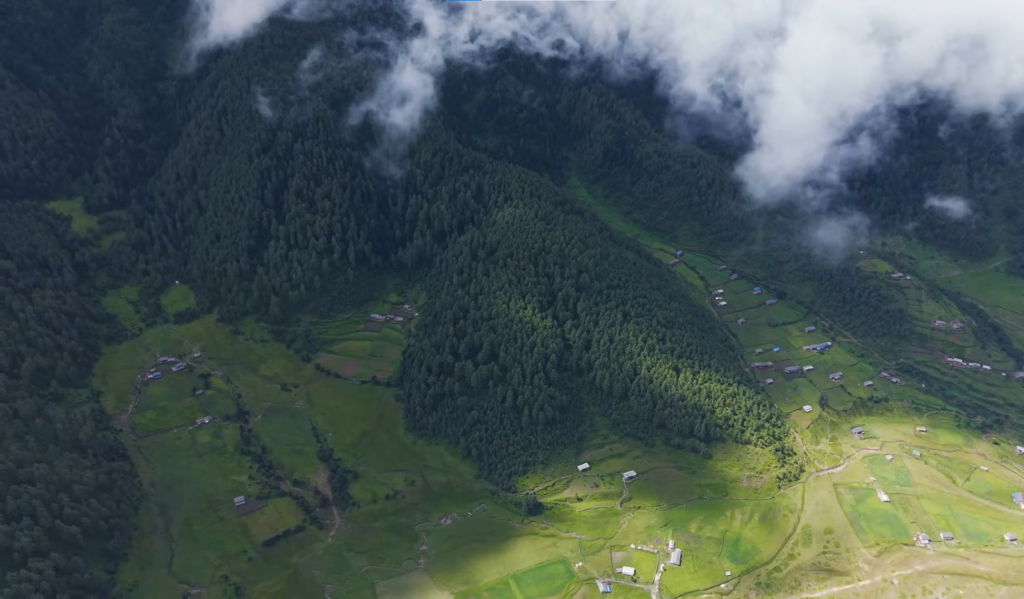
These are the places where travellers can spend a morning walking through a rhododendron forest, an afternoon talking with people in a mountain village, and an evening watching the sun disappear behind a Himalayan range without the crowds found on Nepal’s most established trails.
For 2027, hidden-gem travel in Nepal is becoming even more interesting because travellers have more choices than simply following the country’s traditional trekking routes.
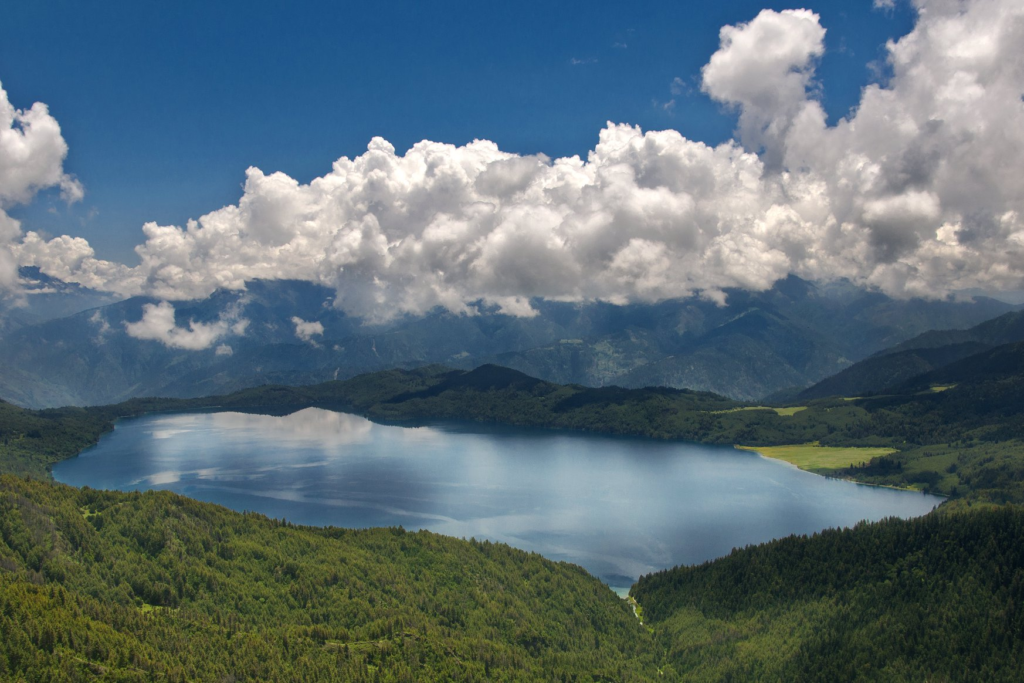
Some destinations are genuine wilderness journeys such as Rara and Dhorpatan, some offer exceptional alternatives to famous treks such as Mohare Danda and Khopra Danda, while others provide cultural experiences through places such as Tsum Valley, Bandipur and Ilam.
Some can be booked directly with Nepal Royal Tourism Holiday, while others can be arranged as customised journeys depending on your preferred dates, group size and itinerary.
What Makes a Destination a Hidden Gem in Nepal?
There is no official government list of “hidden gems” in Nepal. The term simply describes destinations that receive substantially less mainstream tourist attention than places such as Everest Base Camp, Annapurna Base Camp or Pokhara.
A destination can feel hidden for different reasons. It may be geographically remote, have limited accommodation, sit outside the traditional tourist circuit, require a longer journey to reach, or simply receive fewer international visitors despite having exceptional scenery and culture.

For this guide, the focus is on destinations that offer something distinctive rather than simply places that are technically unknown.
A few, such as Upper Mustang and Rara Lake, are becoming better known but still provide a considerably different experience from Nepal’s busiest routes.
Top Hidden Gems in Nepal at a Glance
| Destination | Region | Approx. High Point | Why It Stands Out | Action |
|---|---|---|---|---|
| Tsum Valley | Manaslu | Approx. 3,700 m | Sacred valley, ancient monasteries and traditional Tibetan-influenced villages | View Trek |
| Mohare Danda | Annapurna | 3,300 m | Quiet ridgeline, community lodges and Annapurna-Dhaulagiri panoramas | View Trek |
| Khopra Danda and Khayer Lake | Annapurna | 4,688 m | Quiet ridge, sacred alpine lake and expansive mountain panorama | View Trek |
| Rara Lake | Karnali | Around 3,000 m | Remote lake, forests, wildlife and quiet wilderness | View Trek |
| Pikey Peak | Lower Everest | 4,065 m | Wide Himalayan panorama with fewer trekkers | View Trek |
| Upper Mustang | Mustang | Around 4,000 m+ | Ancient Kingdom of Lo, caves, cliffs and high desert landscapes | View Trek |
| Dhorpatan | Western Nepal | Varies by route | Alpine meadows, forests, wildlife and remote Magar communities | Inquire Destination |
| Ilam | Eastern Nepal | Hill country | Tea gardens, misty hills, forests and eastern Himalayan culture | Inquire Destination |
| Bandipur | Tanahun | Hill town | Traditional Newari architecture, village landscapes and mountain views | Inquire Destination |
| Tinjure Milke Jaljale | Eastern Hills | High-hill region | Rhododendron forests, mountain views and remote hill landscapes | Inquire Destination |
| Sailung | Dolakha / Ramechhap | High-hill region | Rolling hilltops, sunrise views, grasslands and local culture | Inquire Destination |
Why Explore Nepal’s Hidden Gems in 2027?
Nepal’s famous trekking routes deserve their reputation, but they are only one part of the country. Beyond the major trails are destinations where the landscape changes more slowly, village life remains central to the experience, and travellers can spend more time enjoying the surroundings instead of following a crowded itinerary.
Some hidden gems are about solitude. Rara Lake, for example, is far removed from Nepal’s busiest trekking corridors and sits within an extraordinary protected landscape. Rara is Nepal’s deepest lake and highlights its juniper forests, mountain scenery and rich wildlife.

Others are about culture. Tsum Valley combines remote Himalayan scenery with monasteries, traditional villages and a distinct Tibetan-influenced heritage. It has also been repeatedly identified by travel publications as one of Nepal’s most distinctive lesser-known destinations.
And some hidden gems are simply alternatives to better-known routes. Mohare Danda offers a quieter ridge experience in the Annapurna region, while Khopra Danda and Khayer Lake combine a high mountain panorama with a route that feels more secluded than the classic Poon Hill corridor.
The Best Hidden Gems Are Not Always the Most Remote
A hidden gem does not necessarily have to require a month-long expedition. Some of Nepal’s most rewarding lesser-known destinations can be reached in a few days and combine nature with culture, local food and village life.
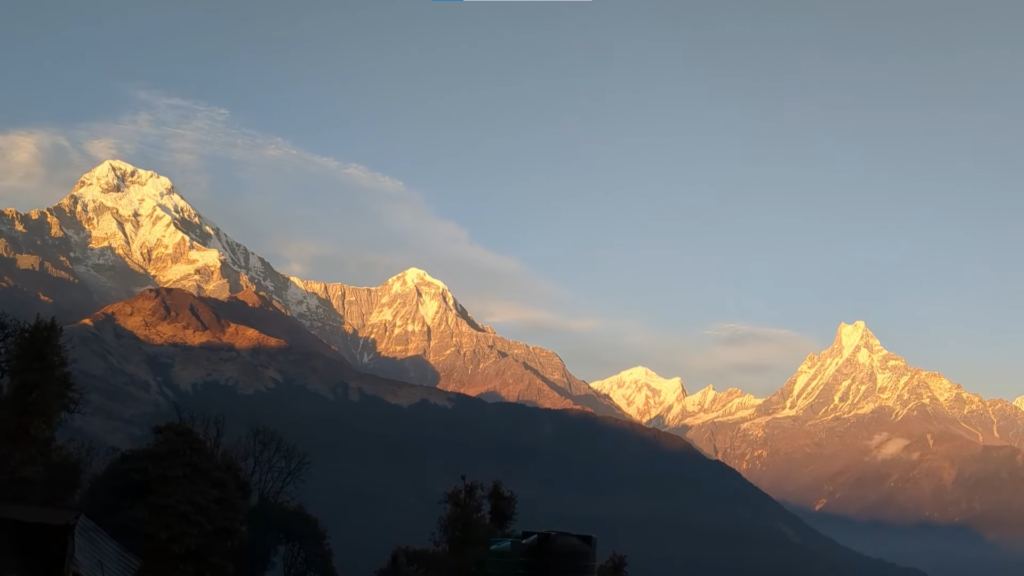
That is why we have included both serious trekking destinations and easier hill-country escapes. The goal is not simply to find the place with the fewest tourists, but to find destinations that offer something genuinely memorable for travellers who want to experience a less conventional side of Nepal.
Dhorpatan Hunting Reserve and the Hidden Western Hills
Dhorpatan is one of the most unusual nature destinations in Nepal and remains far less visited than the country’s major trekking regions.
Located in the western hills, the area combines forests, alpine meadows, mountain valleys and traditional settlements with a sense of wilderness that is increasingly difficult to find elsewhere.
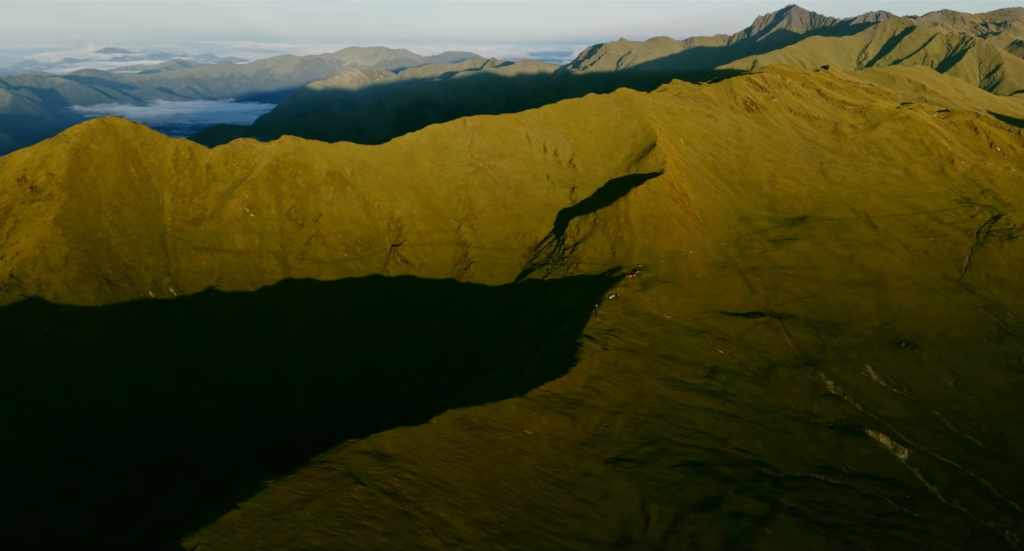
The landscape changes noticeably with elevation. Lower sections are surrounded by forests and agricultural villages, while higher areas open into broad grasslands and mountain ridges.
The region is also known for its wildlife and is home to animals such as Himalayan tahr, blue sheep and other highland species.
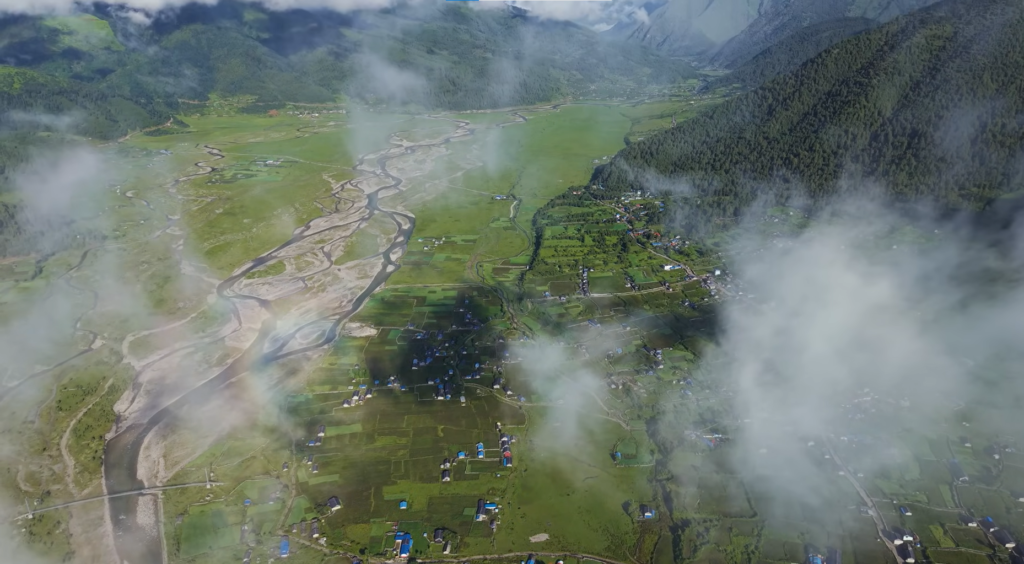
For travellers interested in photography and quieter mountain environments, Dhorpatan offers a very different experience from the established trails of Annapurna or Everest.
The route can also be combined with local cultural experiences, making it suitable for travellers who want nature without the infrastructure and crowds of a major trekking corridor.
Ilam and the Eastern Tea Hills
Ilam offers a completely different interpretation of Nepal’s natural beauty. Rather than dramatic high-altitude trekking, the eastern hill district is known for rolling green landscapes, tea plantations, forests, mist-covered ridges and peaceful rural communities.
The tea gardens are the main attraction, particularly when morning mist settles over the hills and the landscape takes on a soft green appearance.

Travellers can walk between tea estates, visit local communities and explore viewpoints overlooking the surrounding eastern hills.
Ilam is particularly attractive for travellers who want nature combined with a slower cultural experience. The region also provides an interesting contrast with Nepal’s Himalayan trekking destinations and can be included in a broader eastern Nepal journey.
Bandipur and the Mid-Hill Landscape
Bandipur is best known for its beautifully preserved Newari architecture, but the surrounding natural landscape is another reason to visit.
The hill town sits on a ridge overlooking valleys and forests, with Himalayan views available from several viewpoints when conditions are clear.
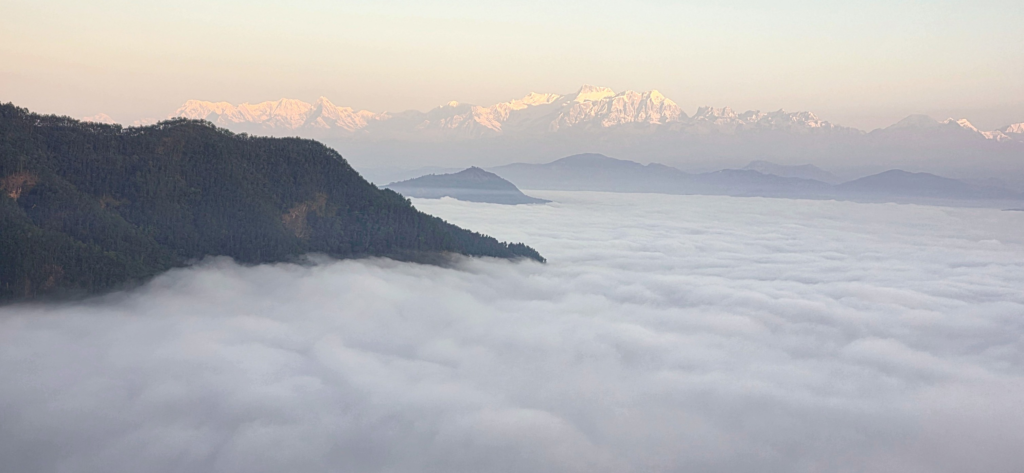
The nearby hills provide opportunities for short walks through villages, forests and terraced farmland. Rather than spending several days on a demanding trek, travellers can combine Bandipur with other destinations and experience Nepal’s middle-hill environment at a relaxed pace.
The combination of architecture, countryside and mountain views makes Bandipur particularly attractive for travellers who want to experience the cultural landscape of Nepal as well as its natural environment.
Tinjure Milke Jaljale
Tinjure Milke Jaljale is one of eastern Nepal’s most interesting high-hill landscapes and is particularly well known for its extensive rhododendron forests.
The area stretches across the eastern hills and provides long-distance mountain views together with a remarkably peaceful trekking environment.
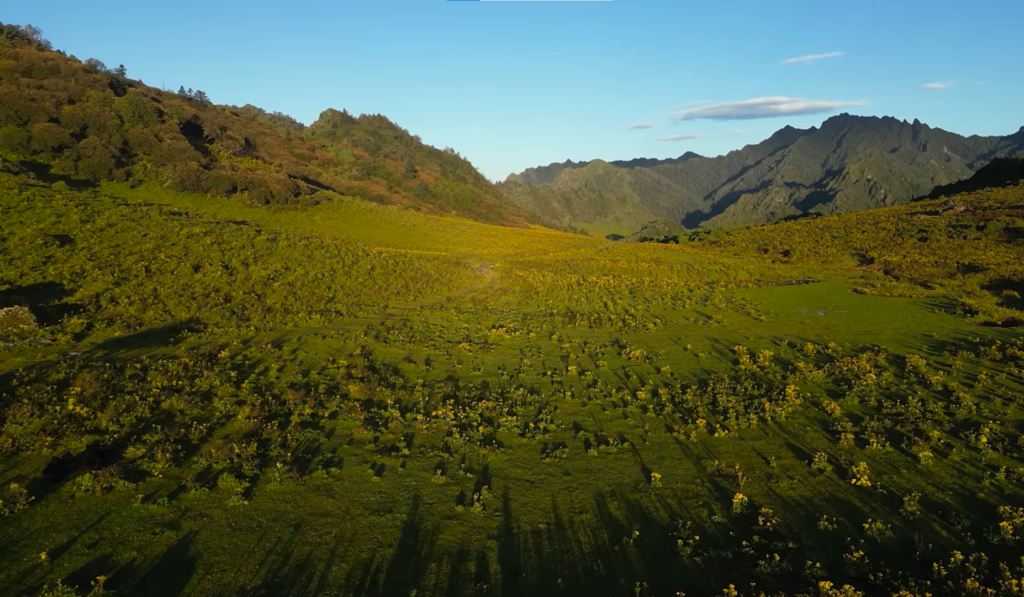
Spring is the standout season here because the rhododendrons create a colourful forest landscape. The route also passes through traditional villages, cultivated hills and open ridges where the surrounding mountains can be seen on clear days.
For nature lovers who enjoy forests more than high-altitude glaciers, Tinjure Milke Jaljale is an excellent alternative to Nepal’s more famous trekking destinations.
Sailung
Sailung is a peaceful high-hill destination in central Nepal known for its broad grass-covered ridges, sunrise views and traditional communities.
The landscape is notably different from the steep valleys and dramatic cliffs found on Nepal’s major Himalayan routes.

The rolling landscape makes Sailung especially appealing for travellers who want open mountain scenery without undertaking a very technical or high-altitude expedition.
On clear days, the surrounding Himalayan range can be visible from the high ridges, while the villages below provide an opportunity to experience local culture and rural life away from the main tourist centres.
Khopra Danda and Khayer Lake
Khopra Danda is one of the best examples of a hidden destination that offers spectacular scenery without the same level of traffic as Nepal’s most established trekking routes.
The trail climbs through forests and traditional settlements before reaching the high Khopra Ridge, where the panorama opens toward the Annapurna and Dhaulagiri ranges.
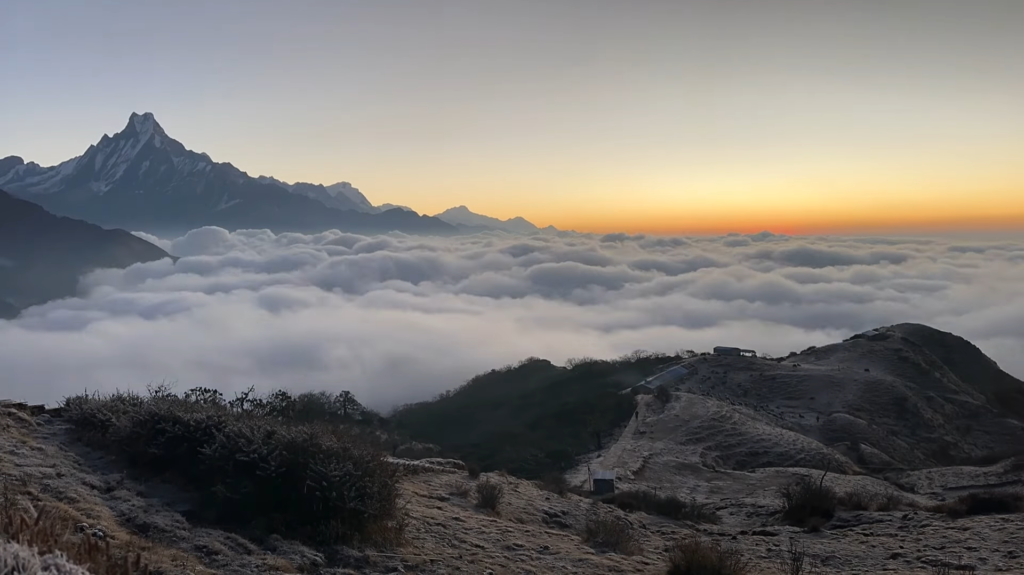
The journey can be extended toward Khayer Lake, a sacred high-altitude lake surrounded by a dramatic alpine landscape.
The route is considerably more demanding than a short Poon Hill trek, but the quieter trails and mountain views make it particularly attractive to experienced trekkers who want something different.
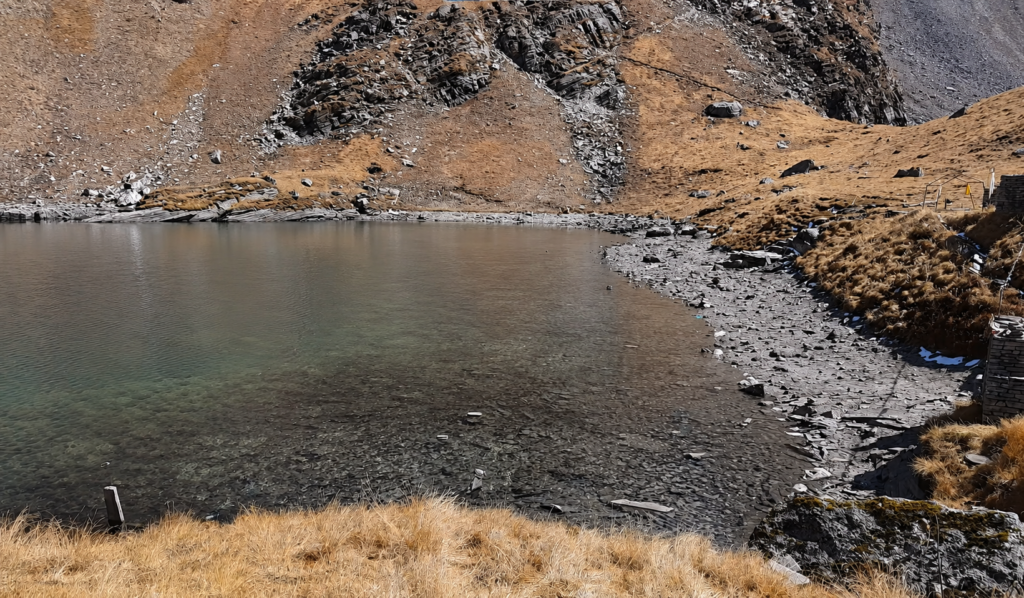
We currently offers a 12-day Khopra Danda Trek with Khayer Lake, making this one of the strongest hidden-gem options for travellers who want an actual package rather than a fully customised expedition.
Pikey Peak
Pikey Peak is an excellent hidden alternative for travellers who want broad Himalayan views without following the classic Everest Base Camp route. The trek passes through Sherpa communities, forests, monasteries and open ridges before reaching Pikey Peak.
The summit provides an exceptionally wide mountain panorama on clear mornings. Everest, Makalu and several other major Himalayan peaks can be seen depending on weather and visibility.
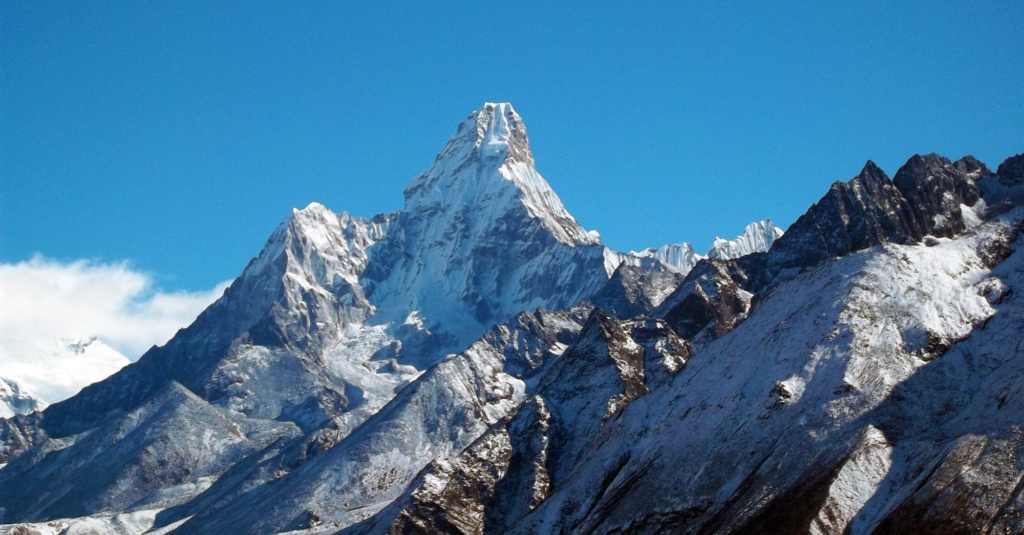
One of the main attractions is the relatively quiet atmosphere. Compared with the main Khumbu trekking corridor, the Pikey route offers a much more peaceful journey through the lower Everest region.
We offers a 9-day Pikey Peak Trek, making it another excellent destination if you want an Everest region trek that is comparitively easy and less-crowded.
Hidden Gems Compared
| Destination | Main Appeal | Best Season | Difficulty | Best For |
|---|---|---|---|---|
| Tsum Valley | Culture and hidden valley | Spring, Autumn | Moderate | Culture lovers |
| Mohare Danda | Mountain views and community trails | Spring, Autumn | Moderate | First-time trekkers |
| Khopra Danda | Mountain panorama and Khayer Lake | Spring, Autumn | Moderate to Hard | Experienced trekkers |
| Rara Lake | Lake and wilderness | Spring, Autumn | Moderate | Nature lovers |
| Pikey Peak | Wide Himalayan panorama | Spring, Autumn | Moderate | Photographers |
| Upper Mustang | High desert and ancient culture | Spring, Summer, Autumn | Moderate | Culture and photography |
| Dhorpatan | Wildlife and wilderness | Spring, Autumn | Moderate | Nature photographers |
| Ilam | Tea gardens and hills | Year-round with seasonal variation | Easy | Relaxed travellers |
Tinjure Milke Jaljale: Nepal’s Rhododendron Wilderness
Tinjure Milke Jaljale is one of eastern Nepal’s most interesting lesser-known nature destinations and one of the best choices for travellers who enjoy forests, mountain ridges and seasonal flowers more than busy high-altitude trekking routes.
The region stretches across parts of Taplejung, Tehrathum and Sankhuwasabha and is particularly famous for its rhododendron forests. Tinjure Danda reaches around 3,066 metres, with extensive rhododendron diversity and views toward the surroes.

Spring is the obvious highlight, when the forests become filled with colour and the landscape feels completely different from the dry-season appearance of the high Himalayas.
The trail also passes through quiet hill settlements and viewpoints, making it an excellent choice for travellers searching for a slower and more natural experience.

On clear days, the eastern Himalayan panorama can include views toward Kanchenjunga and other major peaks. The combination of forest, open ridges, small lakes and traditional communities makes Tinjure Milke Jaljale particularly appealing for photographers and nature-focused travellers.
Ilam and Mai Pokhari
Ilam is one of the best hidden-gem destinations for travellers who want to experience Nepal’s green eastern hills without committing to a demanding Himalayan trek.
Tea gardens cover the slopes around Ilam, while forests, small streams, viewpoints and traditional settlements create a relaxed landscape that feels very different from the country’s high mountain regions.
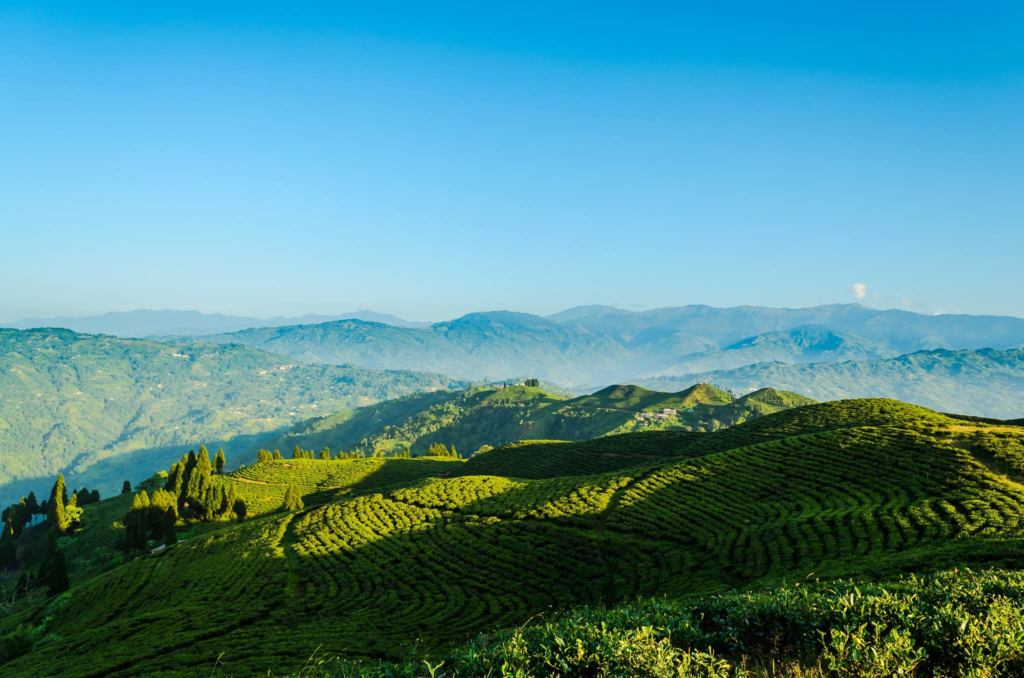
Ilam is a tea gardens, full of forests, best for short walking routes and is a major cultural attractions. Mai Pokhari, a sacred nine-cornered lake at approximately 2,121 metres, is surrounded by forests containing fir, juniper, birch, pine and medicinal plants. The area also supports wildlife and a variety of bird species.
The tea gardens around Kanyam and Fikkal are another major attraction. Travellers can walk among the plantations, visit viewpoints, learn about local tea production and enjoy the cooler hill climate.
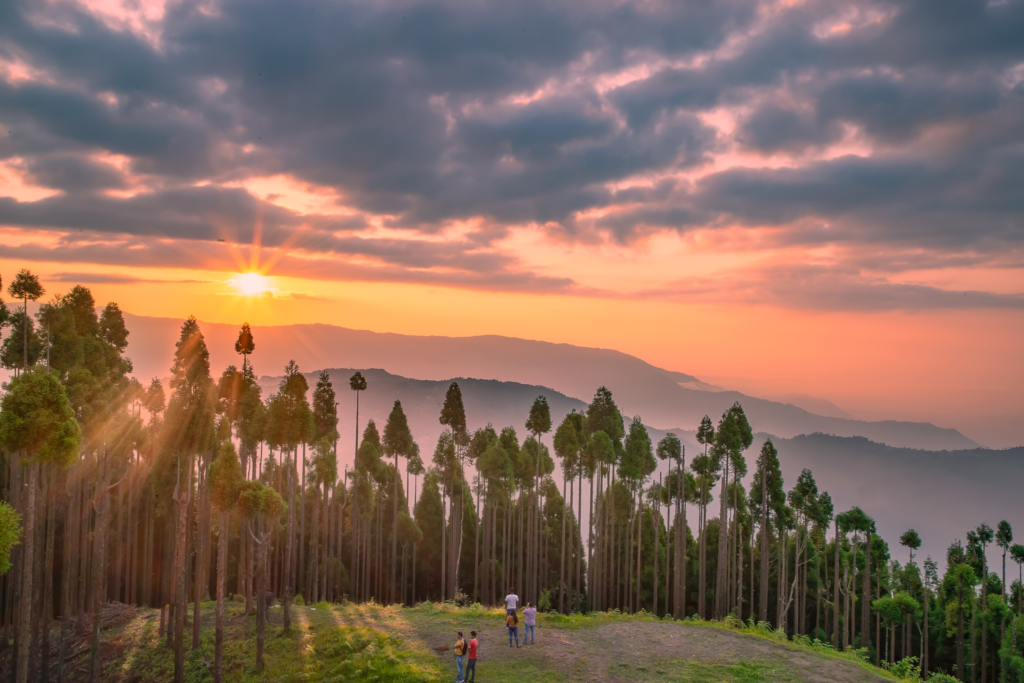
Ilam is particularly attractive during spring and autumn. Spring brings fresh greenery and pleasant conditions, while autumn can provide clearer views and comfortable walking temperatures.
For travellers who want a nature destination without a high-altitude expedition, Ilam is an excellent addition to a Nepal itinerary.
Dhorpatan: A Genuine Wild-West Nepal Experience
Dhorpatan deserves a place among Nepal’s hidden gems because it offers something that is increasingly difficult to find on the country’s major trekking routes: genuine wilderness combined with living mountain communities.
Dhorpatan Hunting Reserve is Nepal’s only hunting reserve and covers a huge area across Baglung, Myagdi and Rukum.
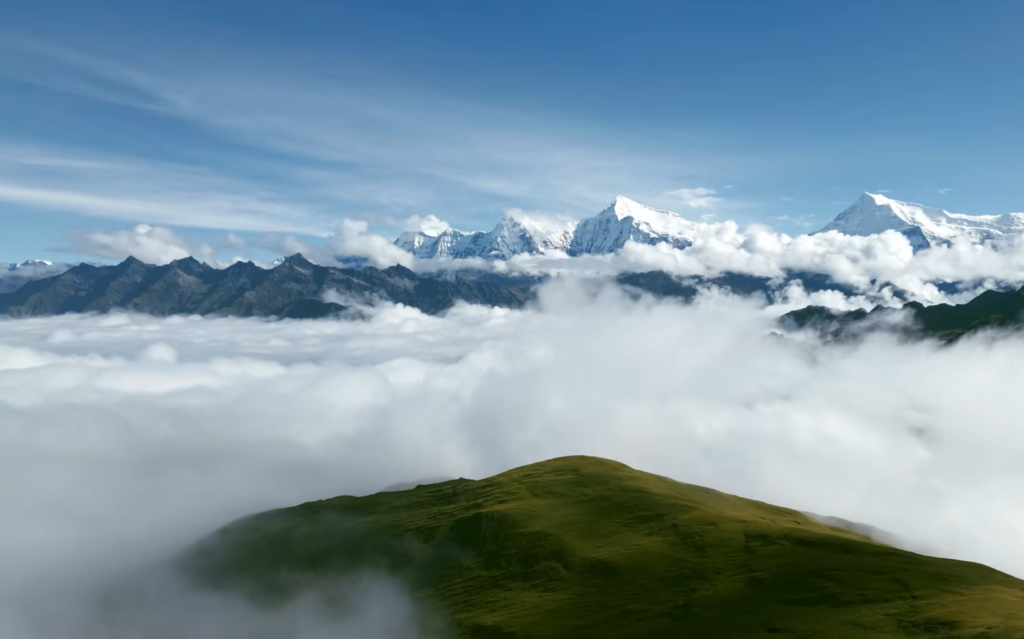
The protected landscape ranges from forested valleys to open alpine grasslands and high mountain terrain beneath peaks including Putha Hiunchuli, Churen Himal and Gurja Himal.
The approach to Dhorpatan is itself part of the attraction. The trail moves through terraced farmland, river gorges and Magar and Gurung communities before climbing through rhododendron and oak forests toward Jaljala Ridge.
Eventually, the landscape opens into the broad alpine meadows of the Dhorpatan valley.
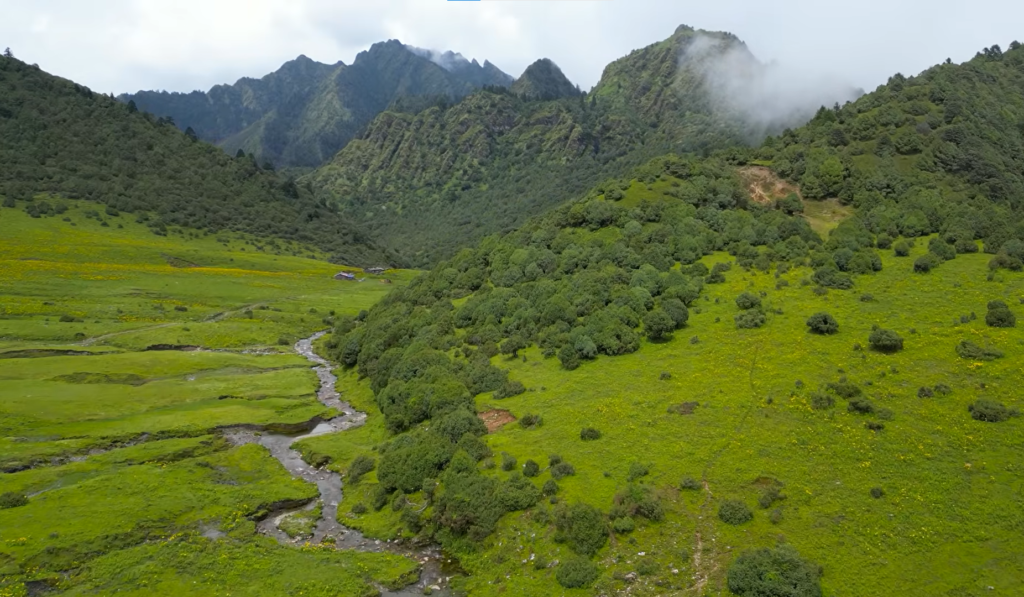
The reserve also has an unusual cultural history. A Tibetan refugee community has lived in the Dhorpatan area for generations, alongside local Magar and Gurung communities, while the Bonpo Monastery provides another distinctive cultural element to the valley.
This is not a polished resort destination. That is precisely why it belongs in a hidden-gems guide. Accommodation and infrastructure become increasingly basic as the trek enters the reserve, and several stages require camping.
Bandipur: Nature, Culture and Mountain Views
Bandipur is one of Nepal’s best choices for travellers who want to combine natural scenery with traditional architecture and a slower pace of travel.
The historic hill town sits along a ridge overlooking the surrounding valleys, with forested hills, terraced farmland and Himalayan views creating the landscape around the old settlement. The town’s preserved Newari architecture adds another dimension to the experience.
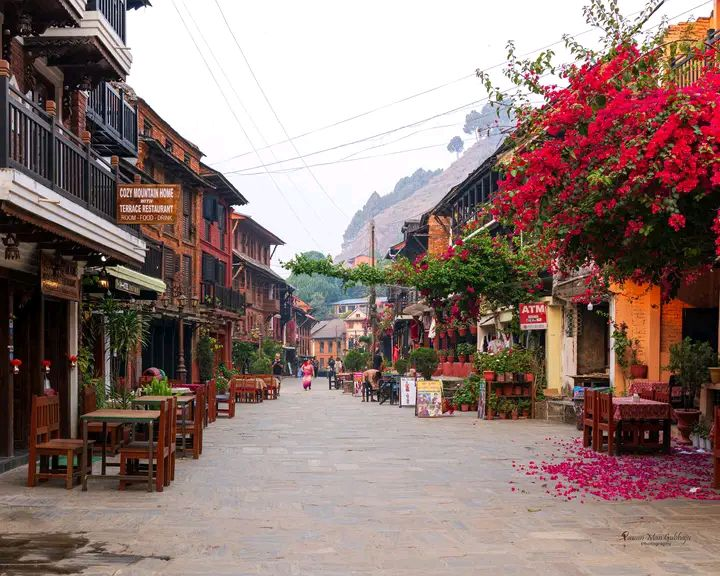
Bandipur is particularly useful for travellers who do not want a demanding multi-day trek. Short walks around the surrounding hills can be combined with cultural exploration, sunrise viewpoints and village experiences.
Autumn and spring generally provide the most comfortable conditions for outdoor exploration, while winter mornings can also be excellent for mountain photography when the skies are clear.
Sailung: Rolling Hills Instead of Crowded Trails
Sailung offers a very different Himalayan experience. Instead of enormous glaciers and steep mountain valleys, the landscape is dominated by broad grassy ridges, rolling hills and open viewpoints.
The destination is particularly attractive for sunrise and sunset photography. On clear days, the higher ridges provide wide Himalayan views while the lower landscape reveals rural settlements, forests and agricultural land.

Sailung is a good option for travellers who want to experience Nepal’s middle-hill environment without undertaking a long expedition. Its relatively gentle landscape also makes it suitable for shorter nature-focused journeys.
Hidden Gems for Different Types of Travellers
| Traveller Type | Recommended Hidden Gems | Why |
|---|---|---|
| First-Time Trekkers | Mohare Danda, Sailung, Bandipur | Shorter journeys with comfortable landscapes and easier logistics |
| Culture Lovers | Tsum Valley, Upper Mustang, Bandipur | Ancient traditions, monasteries, architecture and distinctive local communities |
| Nature Photographers | Khopra Danda, Rara Lake, Tinjure Milke Jaljale | Strong combinations of mountains, lakes, forests and seasonal landscapes |
| Serious Trekkers | Dhaulagiri, Upper Dolpo, Kanchenjunga | Remote terrain, long trekking days and limited infrastructure |
| Wildlife and Wilderness Lovers | Dhorpatan, Rara Lake, Lower Dolpo | Protected landscapes, forests, wildlife and comparatively low visitor numbers |
Rara Lake: Nepal’s Quiet Blue Wilderness
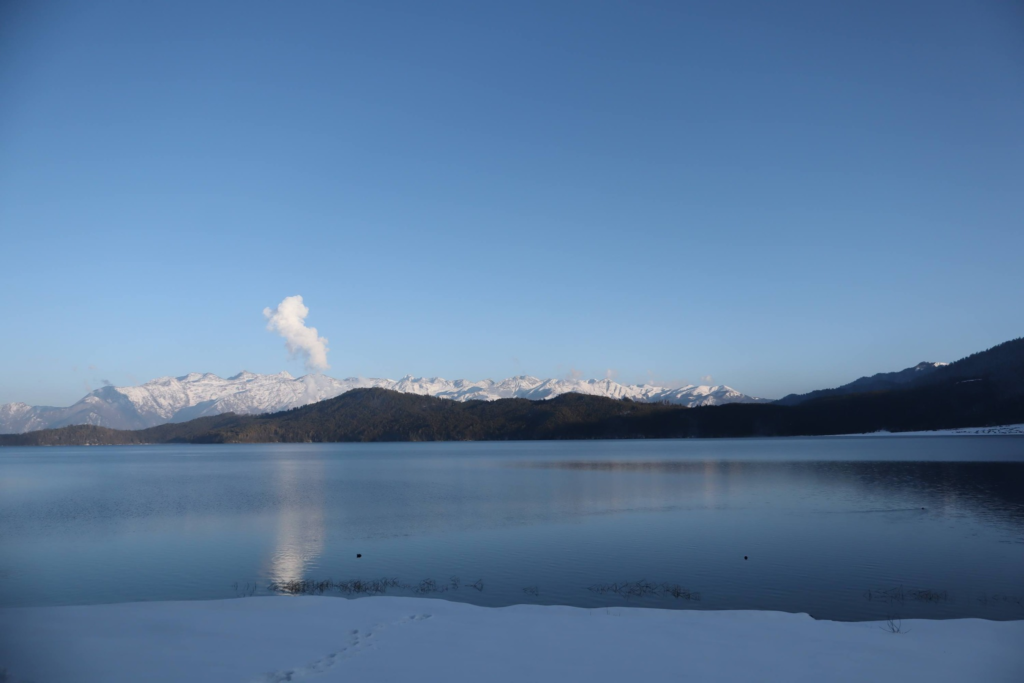
Rara Lake is one of the strongest choices in Nepal for travellers who want a destination that feels genuinely removed from the country’s main tourist corridors. Located in the remote Karnali region, Rara sits inside Rara National Park and is surrounded by forested hills and mountain landscapes.
The lake is the centrepiece of the journey, but the surrounding environment is equally important. Forests cover much of the landscape, while the trails around the lake provide changing views of the water, hills and distant mountains.

Rara is especially attractive to photographers because the colour and appearance of the lake can change with weather and light.
Early mornings are often particularly peaceful, while the surrounding forests provide opportunities for birdwatching and wildlife observation.
The journey to Rara requires more travel time than destinations around Kathmandu or Pokhara, which is one of the reasons it still feels relatively untouched. For travellers who value solitude and wilderness over convenience, that extra effort is part of the experience.
Upper Mustang: A Hidden World in the Himalayas
Upper Mustang is no longer completely unknown, but it still belongs on a hidden-gems list because the experience is so different from the rest of Nepal. The region looks more like a high Himalayan desert than the green mountain landscape most visitors associate with Nepal.
Deep canyons, exposed cliffs, eroded rock formations and barren mountain slopes surround traditional villages and ancient monasteries. The journey toward Lo Manthang reveals a landscape shaped by wind, water and centuries of life along old Himalayan trade routes.
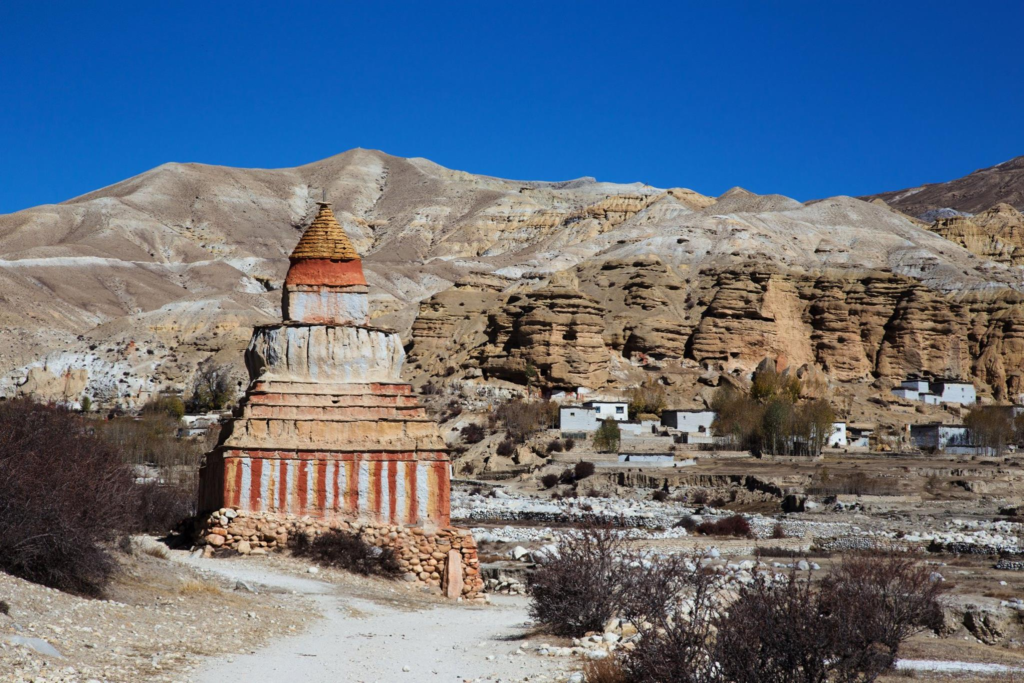
Ancient cave systems are another distinctive feature of the region. Carved into cliffs above the valleys, these caves form part of Mustang’s archaeological and cultural landscape.
The combination of geology and culture makes Upper Mustang particularly valuable for travellers who want more than mountain views. The landscape itself tells the story of a region that developed differently from the wetter southern side of the Himalayas.
Tsum Valley: Nepal’s Hidden Valley of Culture and Nature
Tsum Valley is one of the best hidden-gem choices for travellers who want to combine mountain scenery with a strong cultural experience. Located in the northern part of the Manaslu region, the valley remained relatively isolated for generations.
The journey passes through forests, steep river valleys and traditional settlements before reaching higher villages influenced strongly by Tibetan Buddhism. Ancient monasteries, mani walls, chortens and prayer flags appear throughout the route.
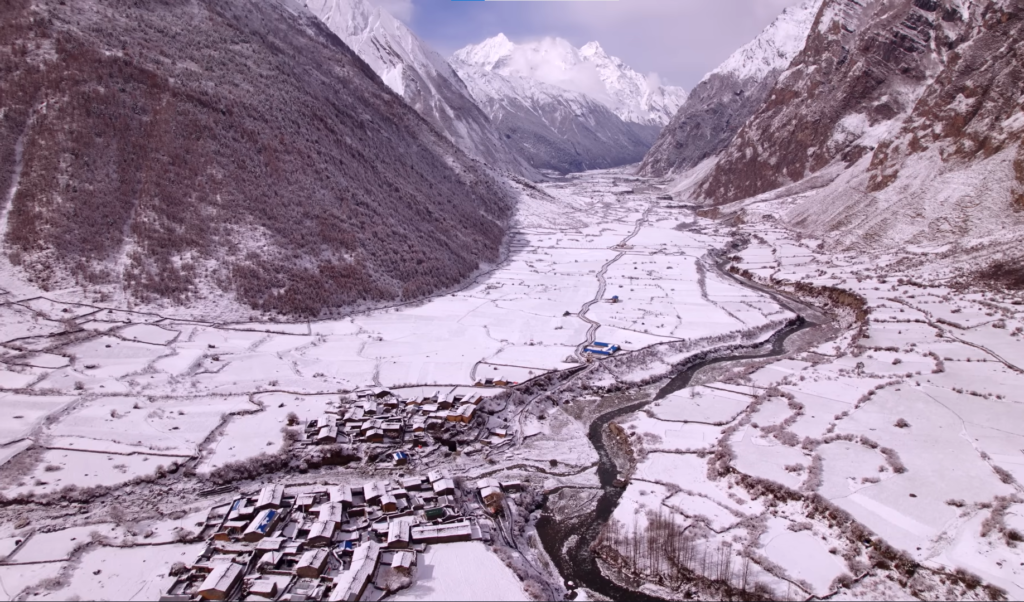
Mu Gompa is one of the major attractions at the upper end of the valley, while the villages themselves provide an opportunity to see traditional Himalayan architecture and farming practices.
Unlike some of Nepal’s high-altitude wilderness routes, Tsum Valley is not solely about reaching a high summit or pass. Much of the enjoyment comes from walking slowly through the valley and experiencing the relationship between the landscape, villages and monasteries.
Mohare Danda: A Quieter Alternative in the Annapurna Region
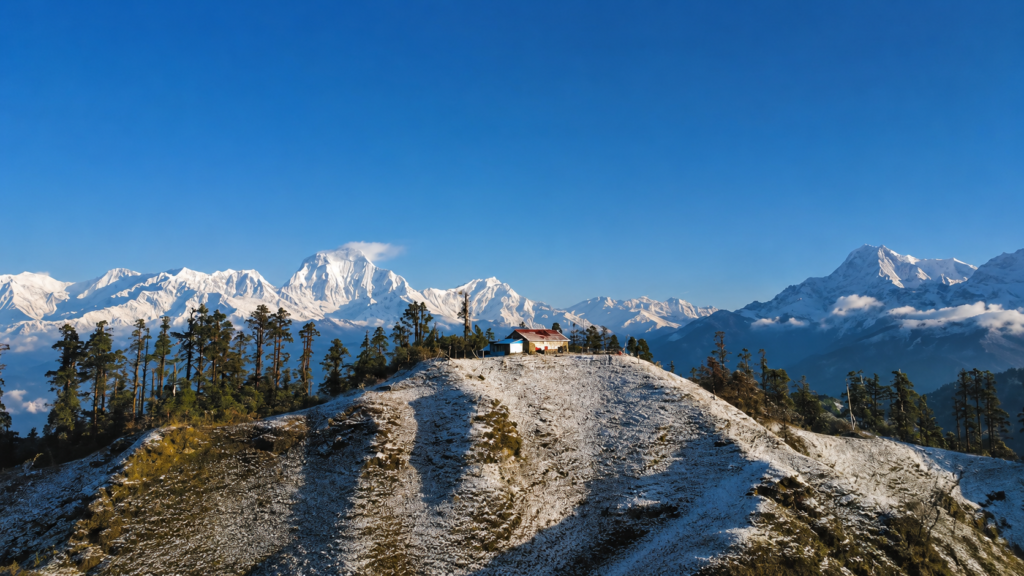
Mohare Danda is one of the best examples of a destination that remains relatively quiet despite being located close to one of Nepal’s most famous trekking regions.
The route follows community-based trails through forests, villages and mountain ridges before reaching Mohare Danda. From the ridge, trekkers can enjoy broad views toward the Annapurna and Dhaulagiri ranges.
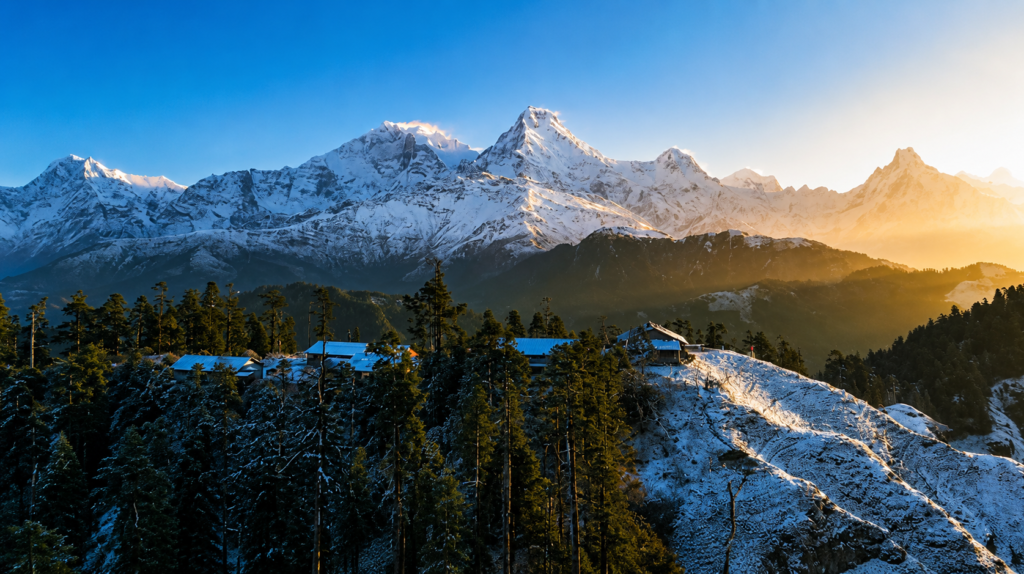
One of the main attractions is the sense of community. Instead of relying entirely on large trekking lodges, the route has developed around smaller community accommodations and local tourism initiatives.
The landscape is particularly beautiful in spring, when forests become greener and rhododendrons begin to flower. Autumn is another strong season because clearer skies can produce excellent Himalayan views.
For travellers who want a quieter alternative to the busiest sections of the Annapurna region without sacrificing mountain scenery, Mohare Danda is an excellent choice.
Khopra Danda and Khayer Lake
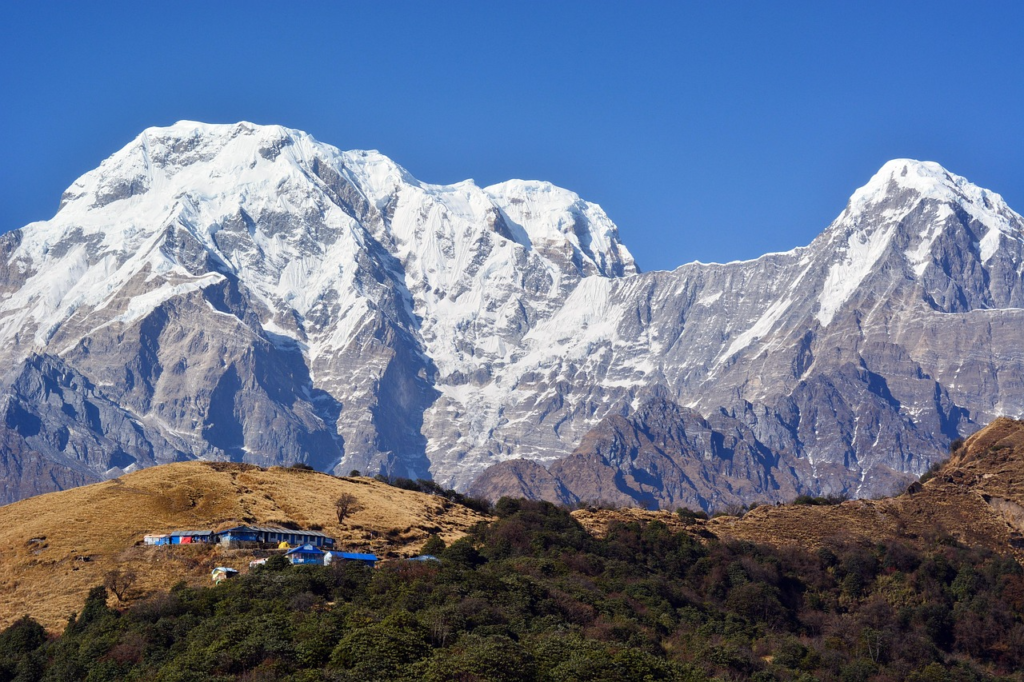
Khopra Danda takes the hidden-trail concept a step further by combining a quiet mountain ridge with a high-altitude lake. The route begins among forests and traditional villages before climbing toward Khopra Ridge.
From the ridge, the view opens toward enormous sections of the Annapurna and Dhaulagiri ranges. The landscape feels much more open than the forested sections below, with high mountain walls dominating the horizon.
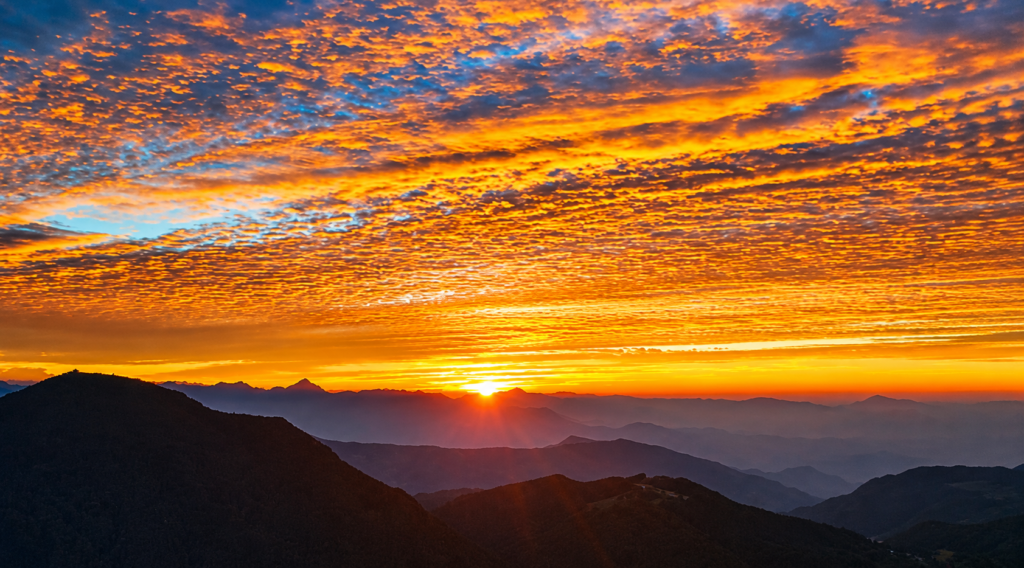
The journey can be extended toward Khayer Lake, a sacred alpine lake located much higher in the mountains.
Reaching the lake requires a long day and significantly more effort than the main Khopra route, but the scenery provides a memorable reward for experienced trekkers.
Pikey Peak: One of Nepal’s Best Quiet Mountain Viewpoints
Pikey Peak has become increasingly popular among travellers looking for an alternative to the traditional Everest Base Camp route, but it still offers a considerably quieter atmosphere than the main Khumbu trekking corridor.
The trail travels through forests, Sherpa settlements, monasteries and open mountain ridges before reaching the summit area. On clear mornings, the panoramic view can stretch across a large section of the Himalayan range.
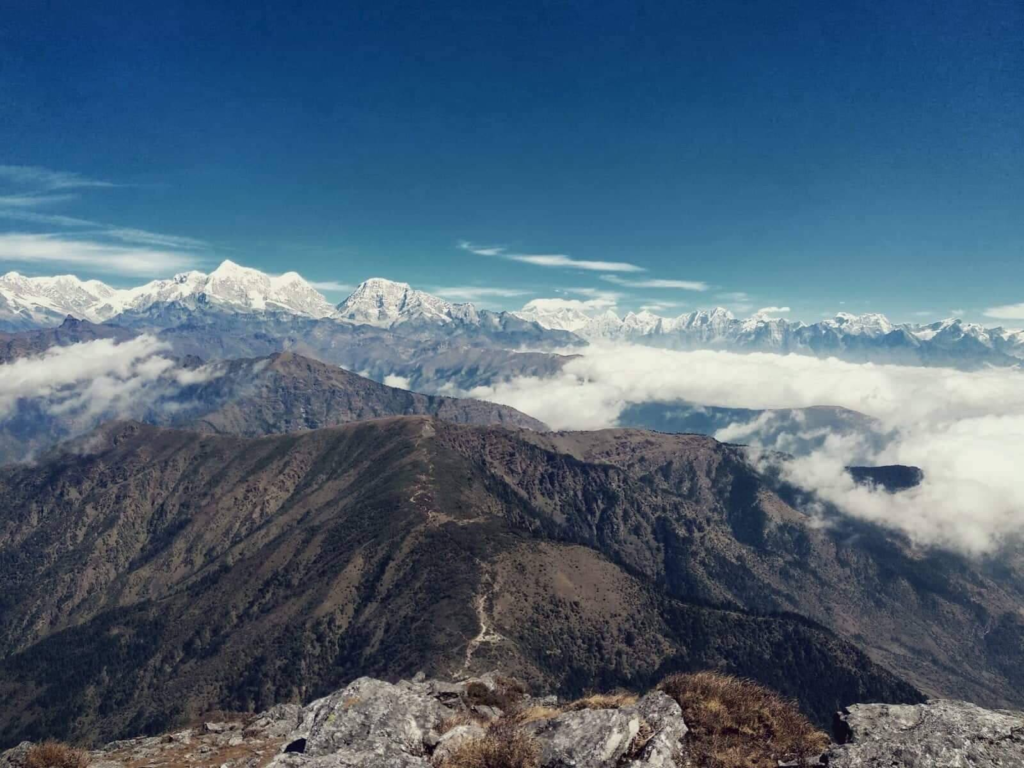
Everest, Makalu and several other major peaks can be visible from the higher sections depending on weather and atmospheric conditions. The sunrise and sunset views are particularly attractive because the ridge provides a wide, open perspective.
The route also provides a cultural experience through Sherpa villages and monasteries that receive far fewer visitors than the famous settlements on the Everest Base Camp trail.
Which Hidden Gem Should You Choose?
| If Your Priority Is… | Best Choice | Why |
|---|---|---|
| Authentic Himalayan Culture | Tsum Valley | Monasteries, traditional villages and Tibetan-influenced culture |
| Quiet Mountain Views | Mohare Danda | Community trails and broad Annapurna-Dhaulagiri panoramas |
| High-Altitude Lake | Khopra Danda and Khayer Lake | Mountain ridge combined with a sacred alpine lake |
| Remote Wilderness | Rara Lake | Remote western landscape, forests and a spectacular lake |
| High-Desert Landscape | Upper Mustang | Caves, cliffs, dry valleys and ancient settlements |
| Mountain Photography | Pikey Peak | Wide Himalayan panorama and quieter trails |
When Is the Best Time to Visit Nepal’s Hidden Gems?
The best season depends entirely on the type of hidden gem you choose. Nepal’s lower hills, middle mountains and trans-Himalayan valleys experience very different conditions throughout the year, so there is no single month that works equally well for every destination.
Spring and autumn are generally the most versatile seasons for trekking. Spring brings flowering forests and fresh vegetation, while autumn usually provides clearer mountain views after the monsoon.
Summer is better suited to rain-shadow destinations such as Upper Mustang and parts of Dolpo, while winter is particularly good for lower-altitude destinations and short mountain-view journeys.
| Season | Best Hidden Gems | Main Attraction | Overall Suitability |
|---|---|---|---|
| Spring March to May |
Tinjure Milke Jaljale, Mohare Danda, Khopra Danda, Tsum Valley, Pikey Peak | Rhododendrons, green forests and clear mountain scenery | Excellent |
| Summer / Monsoon June to August |
Upper Mustang, Upper Dolpo, Lower Dolpo | Rain-shadow landscapes and remote wilderness | Best for Selected Regions |
| Autumn September to November |
Tsum Valley, Rara, Pikey Peak, Mohare Danda, Khopra Danda, Upper Mustang | Clear skies, dry trails and mountain visibility | Excellent |
| Winter December to February |
Bandipur, Ilam, Sailung, lower Annapurna and selected lower-altitude routes | Peaceful trails, crisp mornings and comfortable lower elevations | Good for Lower Routes |
Hidden Gems for First-Time Trekkers
Not every hidden gem requires extensive trekking experience. Some lesser-known destinations are ideal for travellers who want to move away from the major tourist centres without immediately committing to a high-altitude expedition.
Mohare Danda is one of the strongest choices because it provides mountain views, community lodges and a quieter route while remaining significantly more accessible than remote wilderness treks.
Bandipur is even easier because travellers can combine its natural surroundings with a cultural visit without spending several days at high altitude.
Ilam is another gentle option. The tea gardens, forests and hill scenery create an immersive nature experience without the long walking days associated with Himalayan trekking.
For travellers wanting a slightly more active experience, Pikey Peak offers a stronger mountain adventure while remaining far less crowded than the classic Everest Base Camp trail.
Hidden Gems for Experienced Trekkers
Travellers with previous high-altitude trekking experience can go considerably deeper into Nepal’s less-developed regions.
Dhaulagiri Circuit, Upper Dolpo and Kanchenjunga involve longer trekking periods, more remote terrain and significantly more demanding logistics. These routes can include high passes, glaciers, camping and extended periods away from developed settlements.
Tsum Valley and Nar Phu Valley sit somewhere in between. They combine remote landscapes and cultural immersion with more established trekking infrastructure than some of the country’s true wilderness expeditions.
| Experience Level | Recommended Hidden Gems | Typical Challenge |
|---|---|---|
| Beginner | Bandipur, Ilam, Sailung, Mohare Danda | Short walks, changing weather and moderate daily walking |
| Intermediate | Pikey Peak, Tsum Valley, Rara Lake, Khopra Danda | Longer walking days and increasing altitude |
| Experienced | Nar Phu, Upper Mustang, Lower Dolpo | Higher altitude, remote terrain and more complicated logistics |
| Expedition Level | Upper Dolpo, Dhaulagiri, Kanchenjunga | Remote wilderness, high passes, camping and limited infrastructure |
Why Hidden-Gem Treks Are Worth the Extra Effort
The biggest advantage of choosing a lesser-known destination is not simply avoiding crowds. The experience often feels more connected to the landscape and the people who live there.
On Nepal’s most famous trails, trekking infrastructure has developed rapidly. That makes travel easier, but it can also make the journey feel more commercial. Hidden destinations often retain smaller lodges, locally run accommodation, traditional farming practices and slower village life.
There is also a greater sense of discovery. Walking into a remote valley and seeing the landscape gradually unfold creates a completely different feeling from arriving at a famous viewpoint surrounded by hundreds of other visitors.
For photographers, hidden gems can be especially rewarding because the landscapes often remain visually pristine. For cultural travellers, the slower pace allows more meaningful interaction with local communities.
And for experienced trekkers, remote routes provide the challenge and wilderness that originally made Himalayan trekking so appealing.
Responsible Travel in Nepal’s Hidden Destinations
Many hidden gems are more environmentally and culturally sensitive than established tourist centres. A smaller visitor footprint does not mean there are no impacts, particularly when tourism suddenly grows around a previously quiet community.
| Responsible Travel Practice | Why It Matters |
|---|---|
| Carry Reusable Water Bottles | Reduces plastic waste in remote villages and mountain environments. |
| Respect Local Customs | Many destinations retain strong religious and cultural traditions. |
| Use Local Accommodation | Helps tourism income reach mountain communities directly. |
| Stay on Established Trails | Protects vegetation and reduces unnecessary erosion. |
| Take Waste Back | Remote regions have limited waste-management infrastructure. |
| Follow Guide and Park Rules | Supports conservation and keeps visitors safe in unfamiliar terrain. |
Plan Your Hidden-Gem Adventure with Nepal Royal Tourism Holiday
Discovering Nepal beyond the famous trekking routes can completely change the way you experience the country.
Instead of following only the well-known paths, you can spend time in peaceful valleys, traditional villages, remote mountain landscapes and natural environments that still feel genuinely connected to local life.
Nepal Royal Tourism Holiday can organise both established trekking packages and customised journeys to lesser-known destinations.
Whether you want the community trails of Mohare Danda, the hidden culture of Tsum Valley, the wilderness of Rara Lake, the ancient landscapes of Upper Mustang or a completely customised adventure, our team can help with permits, transportation, accommodation, guides and itinerary planning.
Frequently Asked Questions
What are the best hidden gems in Nepal for 2027?
Tsum Valley, Mohare Danda, Khopra Danda, Rara Lake, Pikey Peak, Upper Mustang, Dhorpatan, Ilam and Tinjure Milke Jaljale are among the most interesting lesser-known destinations for travellers looking beyond Nepal’s busiest tourist routes.
Which hidden gem is best for first-time trekkers?
Mohare Danda is a strong option for first-time trekkers who want a quieter Himalayan route, while Bandipur and Ilam are suitable for travellers who prefer shorter walks and lower elevations.
Which hidden gem is best for experienced trekkers?
Upper Dolpo, Dhaulagiri and Kanchenjunga are better suited to experienced trekkers because of their remoteness, longer itineraries and demanding terrain.
Which hidden gem is best during the monsoon?
Upper Mustang and Upper Dolpo are particularly interesting choices because they lie in Himalayan rain-shadow areas and can offer considerably drier conditions than many southern trekking regions.
Which hidden gem is best for mountain photography?
Pikey Peak, Khopra Danda, Mohare Danda and Rara Lake all offer strong photographic opportunities, although each provides a very different type of landscape.
Are hidden-gem treks more difficult?
Not necessarily. Some are very accessible, such as Bandipur and Ilam, while others, including Upper Dolpo and Dhaulagiri, are considerably more demanding than the mainstream trekking routes.
Do hidden-gem treks require guides?
Guide requirements depend on the specific destination and current government regulations. Restricted areas such as Upper Mustang, Tsum Valley and Nar Phu require the applicable permits and authorised trekking arrangements.