


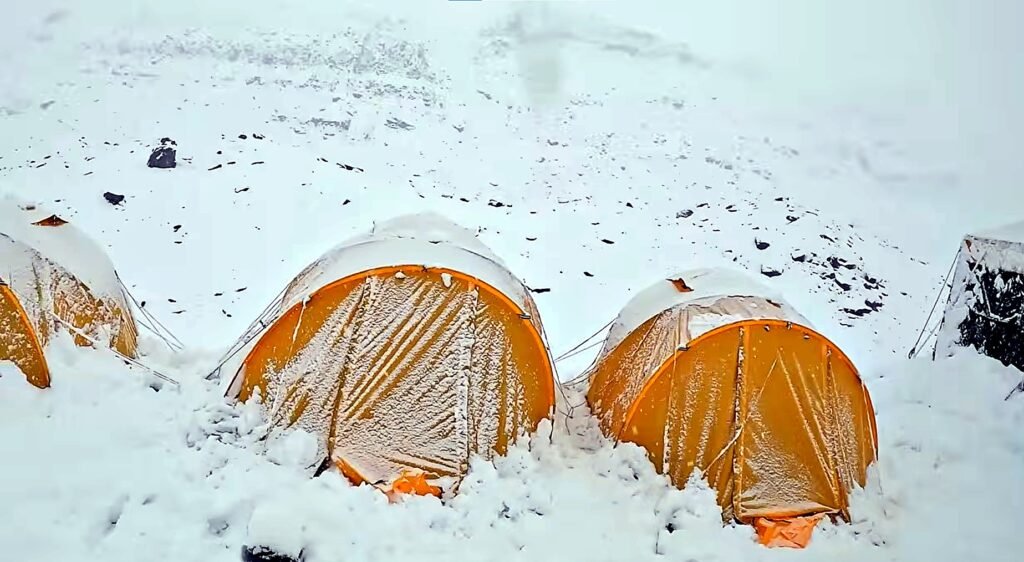
Acclimatization in Nepal Trekking: Why Rest Days Matter for Treks, Peak Climbing and Expeditions
When planning a trek in Nepal, most travellers pay attention to the mountains they will see, the distance they will walk, the highest altitude they will reach and the number of days required to complete the journey. However, there is another important part of a Himalayan itinerary that deserves just as much attention: acclimatization.
You may notice that popular trekking routes such as Everest Base Camp, Annapurna Circuit and Manaslu Circuit include dedicated acclimatization days. These days are not simply added to make the itinerary longer.

They give the human body time to respond to the decreasing availability of oxygen at higher elevations, helping trekkers adjust before continuing towards more demanding sections of the trail.
The importance becomes even greater when travelling above 5,000 metres, attempting trekking peaks such as Mera Peak or joining a high-altitude mountaineering expedition.
At these elevations, even ordinary physical activities can feel considerably harder, and ascending too quickly can increase the risk of altitude-related illness.
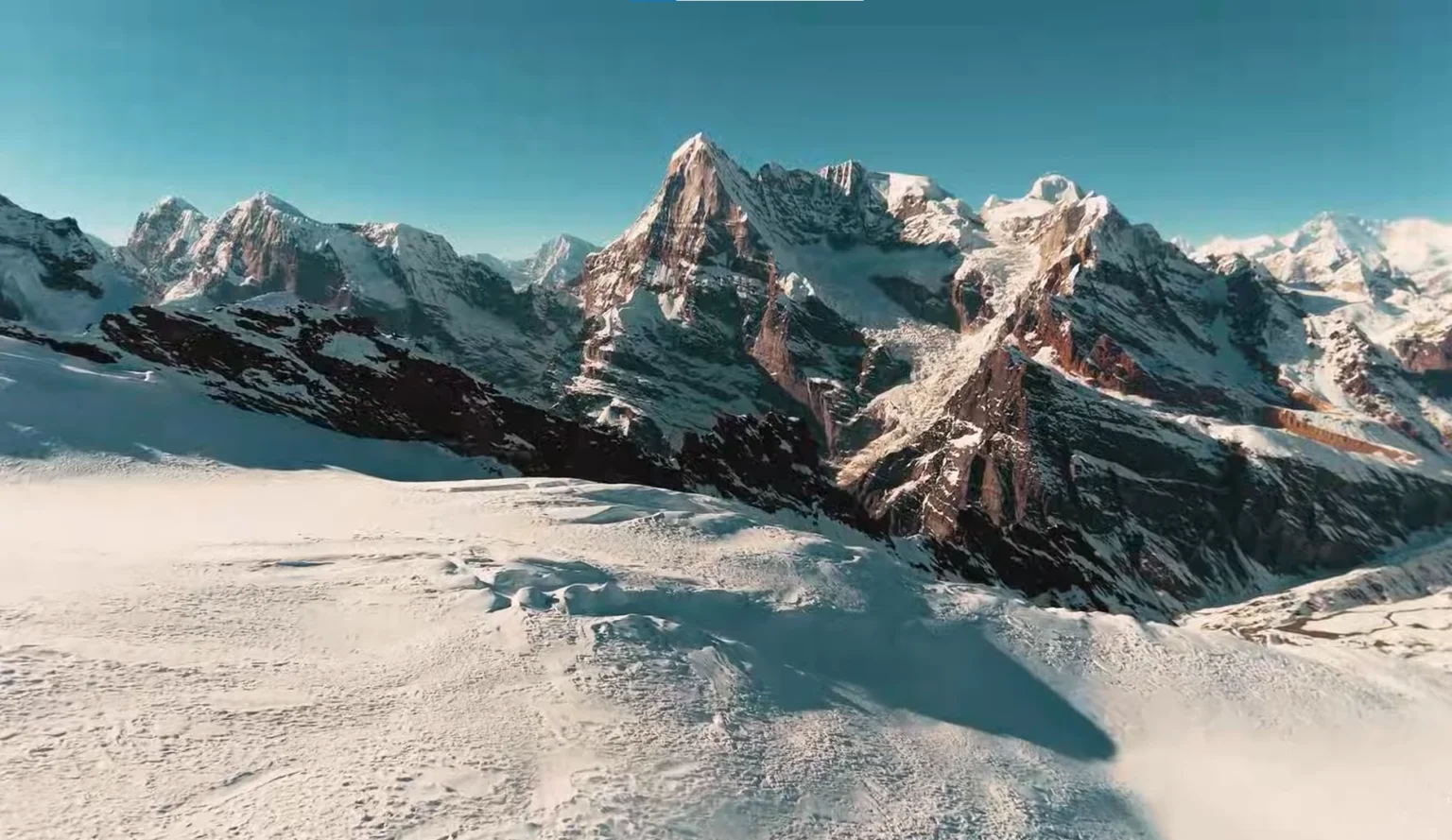
But what actually happens inside your body during acclimatization? Why do trekkers spend extra nights in places such as Namche Bazaar, Manang and Samagaon? What is the difference between an acclimatization day on a trekking route and the climbing rotations used during an 8,000-metre expedition?
This guide explains why acclimatization matters, how the body adjusts to high altitude and how properly planned trekking and climbing itineraries in Nepal allow time for this process.
Important to remember: Acclimatization reduces the risk of altitude illness, but it does not guarantee that someone will avoid acute mountain sickness, high-altitude pulmonary edema or high-altitude cerebral edema. Altitude affects people differently, regardless of fitness or previous trekking experience.
What Is Acclimatization in High-Altitude Trekking?
Acclimatization is the process through which the human body gradually adjusts to the reduced oxygen availability experienced at higher elevations.
As you climb higher into the Himalayas, atmospheric pressure decreases. The percentage of oxygen in the atmosphere remains approximately the same, but the pressure that helps oxygen move from the lungs into the bloodstream becomes lower. As a result, your body receives less oxygen with each breath than it would at sea level.
This condition is known as hypoxia, and it is one of the main challenges of travelling at high altitude.

At lower elevations, the body can perform everyday activities without much difficulty. However, when you reach 3,000 or 4,000 metres, walking uphill, carrying a backpack or even climbing a staircase may feel more demanding.
You may notice faster breathing, a higher heart rate and the need to stop more frequently during a climb.
Your body responds to this reduced oxygen availability through several physiological adjustments. Breathing becomes deeper and more frequent, helping the lungs take in more oxygen.

Over the following days, the kidneys adjust the body’s acid-base balance to support continued increased breathing. Other longer-term changes, including increased red blood cell production, develop over a longer period.
These adjustments take time. They do not happen immediately after arriving at a mountain village or reaching a particular altitude.
That is why a gradual ascent is so important in Nepal. Instead of moving to a higher sleeping elevation every single day, a well-planned itinerary includes suitable stops that allow the body to adapt before proceeding further into the mountains.
Why Are Acclimatization Days Necessary During Nepal Treks?
Many Himalayan treks involve several consecutive days of walking, with sleeping elevations increasing as the route progresses. Without enough time to adjust, the body may struggle to cope with the reduced oxygen availability.
An acclimatization day helps slow the overall ascent and provides time for recovery. It is particularly important before entering sections where the trail climbs above 4,000 or 5,000 metres, because continuing upwards without proper adjustment can put trekkers at greater risk.
Reducing the Risk of Acute Mountain Sickness
Acute Mountain Sickness (AMS) is one of the most common altitude-related problems experienced by people travelling to high elevations without sufficient acclimatization.
Symptoms may include headaches, nausea, dizziness, fatigue, loss of appetite and difficulty sleeping. These symptoms can appear after ascending to higher elevations, particularly when the sleeping altitude increases too quickly.
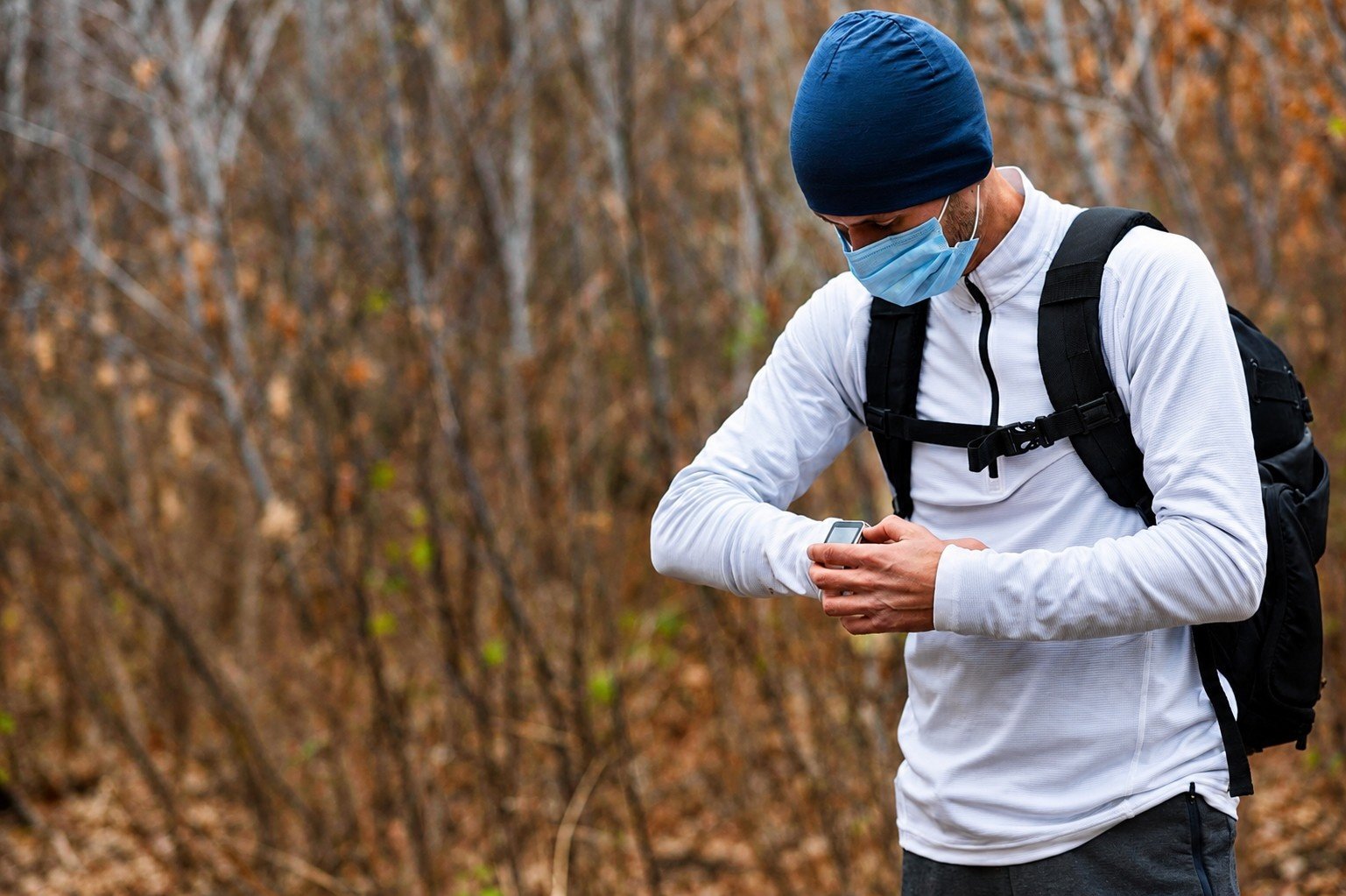
A gradual ascent gives the body additional time to adjust and helps reduce the likelihood of developing altitude illness. However, even trekkers following a carefully planned itinerary can experience symptoms, so monitoring your condition remains important throughout the journey.
Preparing the Body for Higher Elevations
Climbing from 3,000 metres to 4,000 metres is not the same experience as walking at sea level. The reduced oxygen availability can affect endurance, breathing, sleep and the body’s ability to recover after physical activity.
Acclimatization days provide additional time for these changes to develop. This becomes particularly useful before crossing high mountain passes such as Thorong La, Larkya La and Kang La, or approaching destinations such as Everest Base Camp and Mera High Camp.

Rather than forcing the body to adapt while continuing to climb higher every day, a properly designed itinerary introduces higher elevations progressively.
Improving Comfort, Recovery and Sleep
Altitude can affect sleep, appetite and general comfort. Some trekkers experience disturbed sleep or feel unusually tired even after a relatively short walking day.
Spending additional time at an appropriate elevation allows the body to continue adjusting while providing an opportunity to recover from the previous stages of the trek. It can also make the next walking day more manageable.

However, acclimatization does not mean that exercise performance returns to sea-level levels. High-altitude walking remains physically demanding, and even well-acclimatized trekkers should expect to move more slowly at extreme elevations.
Preparing for High Mountain Passes and Summit Attempts
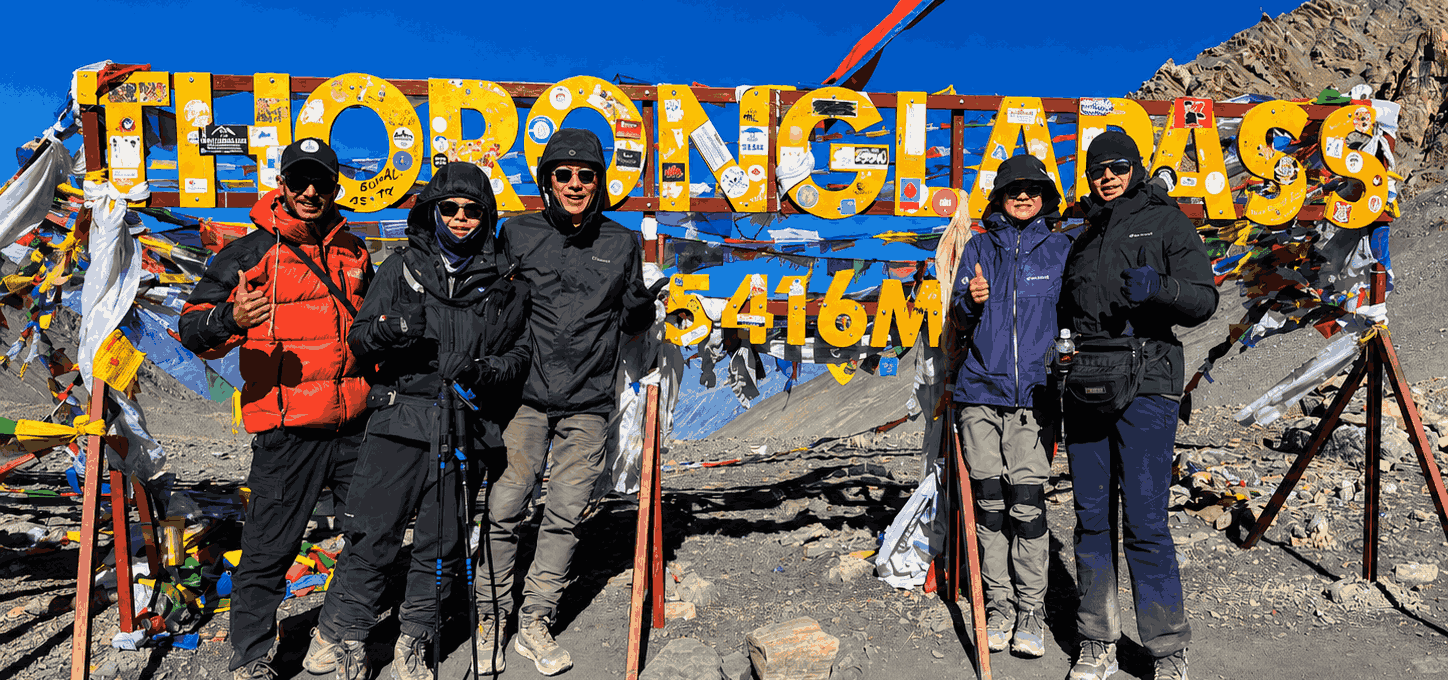
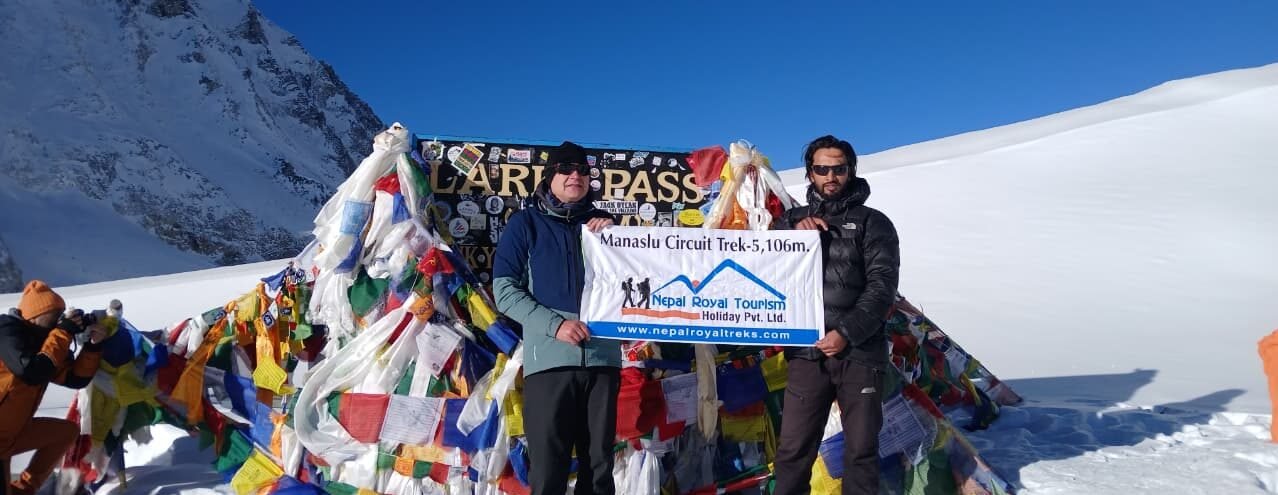
Many of Nepal’s most rewarding trekking routes involve crossings above 5,000 metres. Examples include Thorong La at 5,416 metres, Larkya La at approximately 5,106 metres and Kang La at approximately 5,322 metres.
These crossings often require an early start and several hours of continuous movement in cold, exposed conditions.
If trekkers have not allowed enough time for altitude adjustment during the earlier stages, the final crossing can become considerably more difficult.
Acclimatization is also essential before attempting trekking peaks and larger mountain expeditions. Reaching a high camp or summit requires more than physical fitness.
The body must have enough time to adapt to the altitude, while the climbing team must plan its movements according to weather, terrain and individual condition.
When Should You Include Acclimatization Days?
There is no single altitude at which every trekker suddenly needs an acclimatization day. The risk depends on several factors, including previous altitude exposure, sleeping elevation, the speed of ascent and individual susceptibility.
However, established high-altitude medical guidance provides useful planning principles.
The Centers for Disease Control and Prevention (CDC) and Wilderness Medical Society recommend gradual ascent.

As a general guideline, once above 3,000 metres, sleeping elevation should not increase by more than approximately 500 metres per day. An additional acclimatization day is recommended every three to four days of ascent, with further time allowed for larger cumulative gains.
These are general guidelines rather than a formula that makes every itinerary safe. Terrain, available accommodation and route conditions may require adjustments. Some trekkers also need a slower ascent than the general recommendation.
| General Guideline | What It Means for Trekkers |
|---|---|
| Above 3,000 m | Pay particular attention to the increase in sleeping elevation and allow the body time to adapt. |
| Up to 500 m per day | As a general planning guideline, avoid increasing sleeping elevation by more than approximately 500 metres per day once above 3,000 metres. |
| Every 3–4 days | Include a day without increasing sleeping elevation to slow the overall ascent and support acclimatization. |
| Every additional 1,000 m | Consider an additional acclimatization night as sleeping elevation increases. |
One important detail is that these recommendations refer mainly to sleeping altitude, not simply the highest point reached during a daytime walk.
A trekker may hike to a higher viewpoint during the day and return to sleep at the same lower elevation.
This is the principle commonly described as climb high, sleep low. It is useful when applied appropriately, but the higher walk should remain controlled and suitable for the individual’s condition.
Important Acclimatization Stops on Major Nepal Treks
One of the easiest ways to understand acclimatization is to look at actual trekking itineraries. Several popular routes in Nepal include dedicated stops where trekkers spend additional time before continuing towards higher elevations.
Everest Base Camp Trek: Namche Bazaar and Dingboche
Namche Bazaar: Approximately 3,440 metres
Dingboche: Approximately 4,410 metres
The Everest Base Camp Trek is one of the best examples of why acclimatization days are included in a Himalayan itinerary. After arriving in the Khumbu region, trekkers gradually climb through villages such as Phakding before reaching Namche Bazaar.
Namche is an important first acclimatization stop. Instead of immediately continuing towards Tengboche and higher settlements, trekkers spend an additional day in the Sherpa town.

A gentle excursion towards the Everest View Hotel or nearby viewpoints can provide additional altitude exposure before returning to Namche for the night.
Another important stop is Dingboche, located at approximately 4,410 metres. Here, the itinerary includes another acclimatization day before proceeding towards Lobuche and Everest Base Camp.

Trekkers may take a controlled hike towards Chhukung Valley or the Nangkar Tshang viewpoint, depending on their condition and the guide’s assessment. The objective is to gain some daytime altitude without unnecessarily increasing the sleeping elevation.
These two stops help break up the ascent before reaching the higher sections of the Everest Base Camp route. They are not optional sightseeing days that can simply be removed to shorten the trek without considering the consequences.
Explore the Everest Base Camp Trek
Our itinerary includes dedicated acclimatization days at Namche Bazaar and Dingboche before continuing towards Everest Base Camp and Kala Patthar.
Annapurna Circuit Trek: Manang
Manang: Approximately 3,540 metres
Thorong La Pass: 5,416 metres
Manang is the main planned acclimatization stop on the Annapurna Circuit. By the time trekkers reach this village, they have already travelled through several lower settlements and gradually gained altitude along the Marsyangdi Valley.
The village provides an opportunity to rest, explore the surrounding landscape and prepare for the higher section towards Yak Kharka, Thorong Phedi and Thorong La Pass.

During the acclimatization day, trekkers can enjoy a relaxed walk around Manang, visit nearby viewpoints, explore the village or make a suitable excursion towards Gangapurna Lake. More demanding walks, such as Ice Lake, should only be considered when appropriate for the individual’s condition and the guide’s advice.
The important point is to avoid treating the day as another compulsory long trek. Its main purpose is to allow the body to adjust while keeping the sleeping elevation at approximately 3,540 metres.
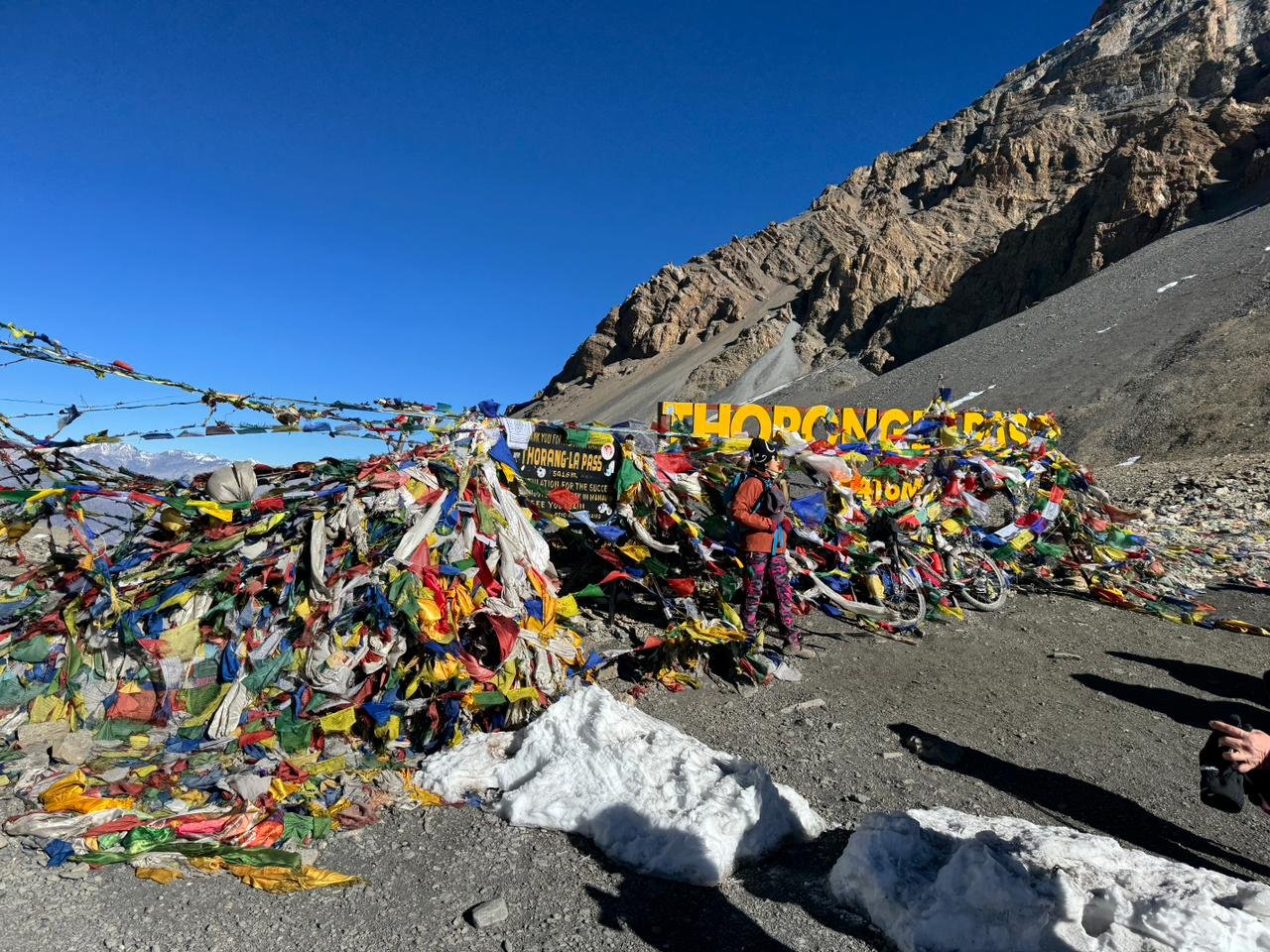
After Manang, the route continues towards higher settlements before the demanding crossing of Thorong La at 5,416 metres. The additional time at Manang is therefore an important part of the overall ascent strategy.
Explore Annapurna Circuit Trek
Manaslu Circuit Trek: Samagaon
Samagaon: Approximately 3,530 metres
Larkya La Pass: Approximately 5,106 metres
Samagaon is one of the most important stops on the Manaslu Circuit Trek. Located beneath the impressive Manaslu massif, this mountain settlement provides an ideal place to spend additional time before progressing towards Samdo and the higher sections of the route.
Our Circuit itinerary includes a dedicated acclimatization day at Samagaon. Trekkers can explore the village, visit nearby cultural sites or take a suitable excursion towards the surrounding viewpoints and glacial landscape.

Depending on individual condition and the guide’s assessment, a gentle walk towards Birendra Tal, Pungyen Gompa or a nearby viewpoint may be suitable. The group then returns to Samagaon to sleep at approximately the same elevation.
This approach is particularly useful because the route continues towards increasingly high settlements before reaching the Larkya La crossing. Instead of rushing directly into the higher section, the itinerary allows time for adaptation and recovery.

Samagaon is also a good example of how an acclimatization day can offer more than physical preparation. Trekkers have time to understand local mountain culture, explore traditional settlements and appreciate the surroundings without the pressure of moving to another village.
Kanchenjunga Circuit Trek: Khambachen
Khambachen: Approximately 4,145 metres
Further high-altitude destination: Lhonak, approximately 4,792 metres
The Kanchenjunga Circuit is another useful example because the journey gradually enters a remote high-altitude environment as trekkers move through Ghunsa, Khambachen and Lhonak.
Khambachen is an important acclimatization point before proceeding towards the higher northern valley. Your itinerary includes a dedicated rest and acclimatization day here, allowing trekkers to remain at approximately 4,145 metres while exploring the surrounding area at a suitable pace.
This section deserves particular attention because the trail becomes more exposed and remote as it approaches the northern base camp region. Accommodation and facilities are more basic than on popular trekking routes, and the weather can change considerably.
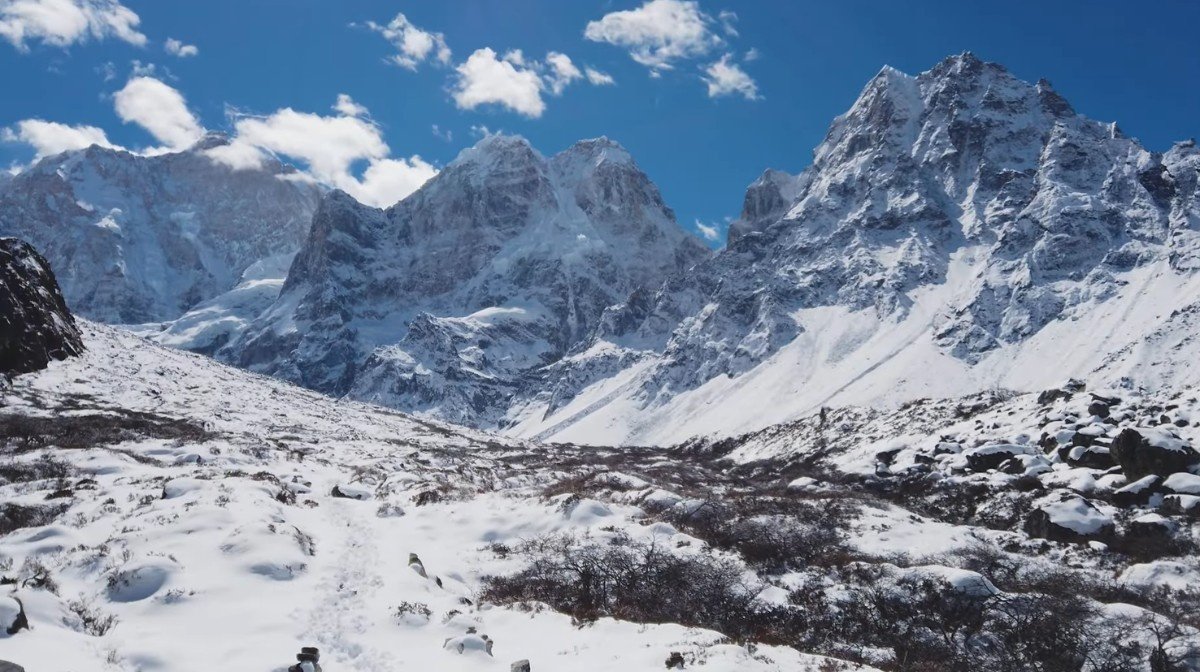
A gradual approach is therefore important. The acclimatization stop at Khambachen gives the group additional time before continuing towards Lhonak and the higher viewpoints of Kanchenjunga.
Explore Kanchenjunga Circuit Trek
Acclimatization During Peak Climbing in Nepal
Acclimatization becomes even more important when moving from ordinary trekking into mountaineering. Trekking peaks in Nepal may reach elevations above 6,000 metres, where the availability of oxygen is significantly lower than at the lower villages along the approach route.
Unlike a standard high-altitude trek, peak climbing involves additional challenges such as glacier travel, technical equipment, fixed ropes, colder conditions and longer periods of physical exertion.
Climbers therefore need to prepare their bodies for both the altitude and the climbing activity itself. A properly designed itinerary should provide a gradual approach, time for acclimatization and appropriate training before the summit attempt.
Mera Peak: Acclimatization and Training at Khare
Khare: Approximately 4,950 metres
Mera Peak summit: 6,476 metres
Mera Peak provides an excellent example of how acclimatization and technical preparation work together during a trekking peak expedition.
After gradually ascending through the Hinku Valley, climbers reach Khare at approximately 4,950 metres. This is an important staging point before moving towards Mera High Camp and eventually attempting the 6,476-metre summit.
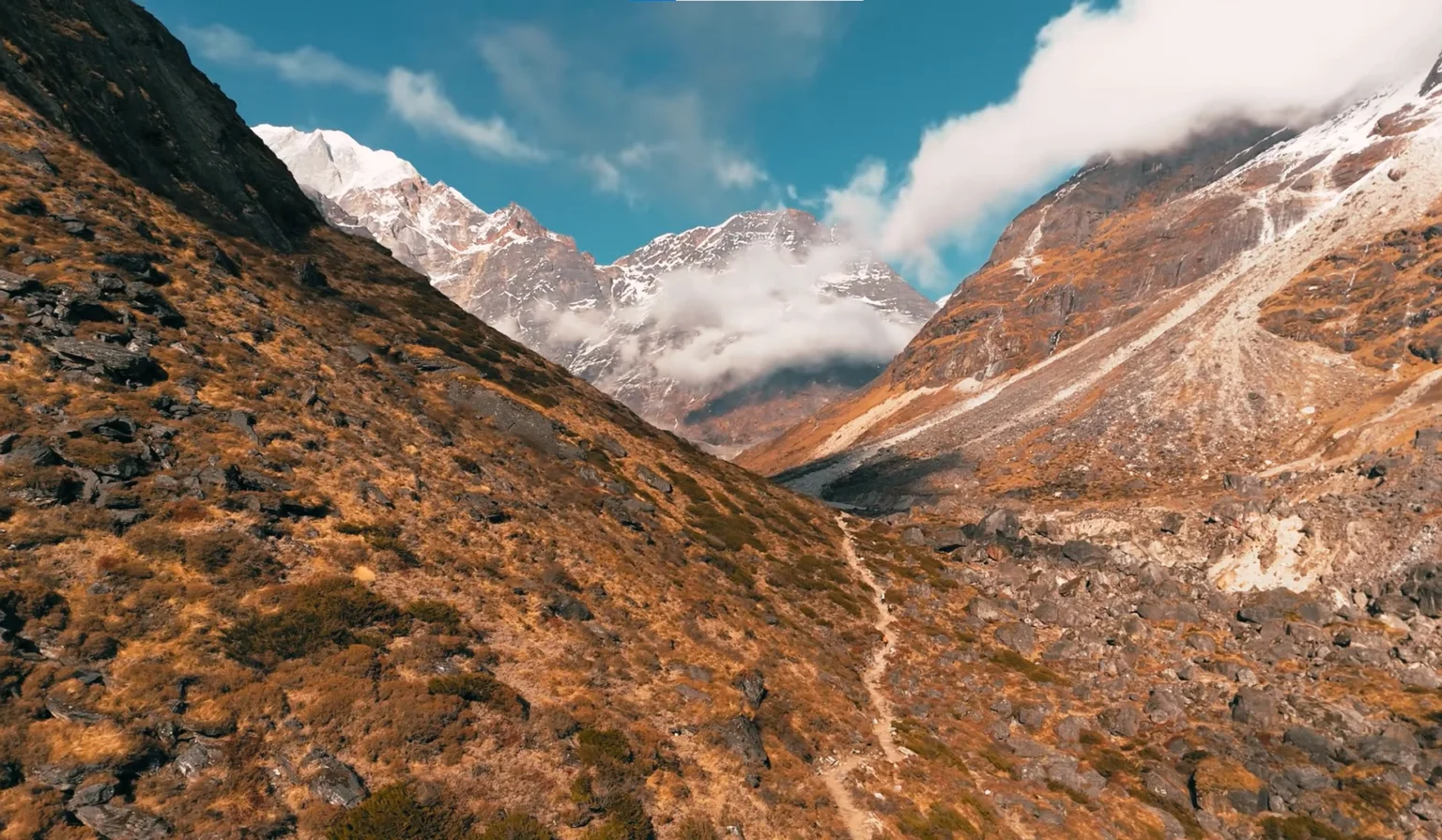
The itinerary includes an acclimatization and climbing training day at Khare. This provides time for the body to adjust while climbers prepare for the more demanding sections ahead.
The training component is also important. Under the supervision of the climbing guide, participants can review the use of equipment such as crampons, ice axes, harnesses and fixed-rope systems. The team can also check equipment and prepare for glacier travel.
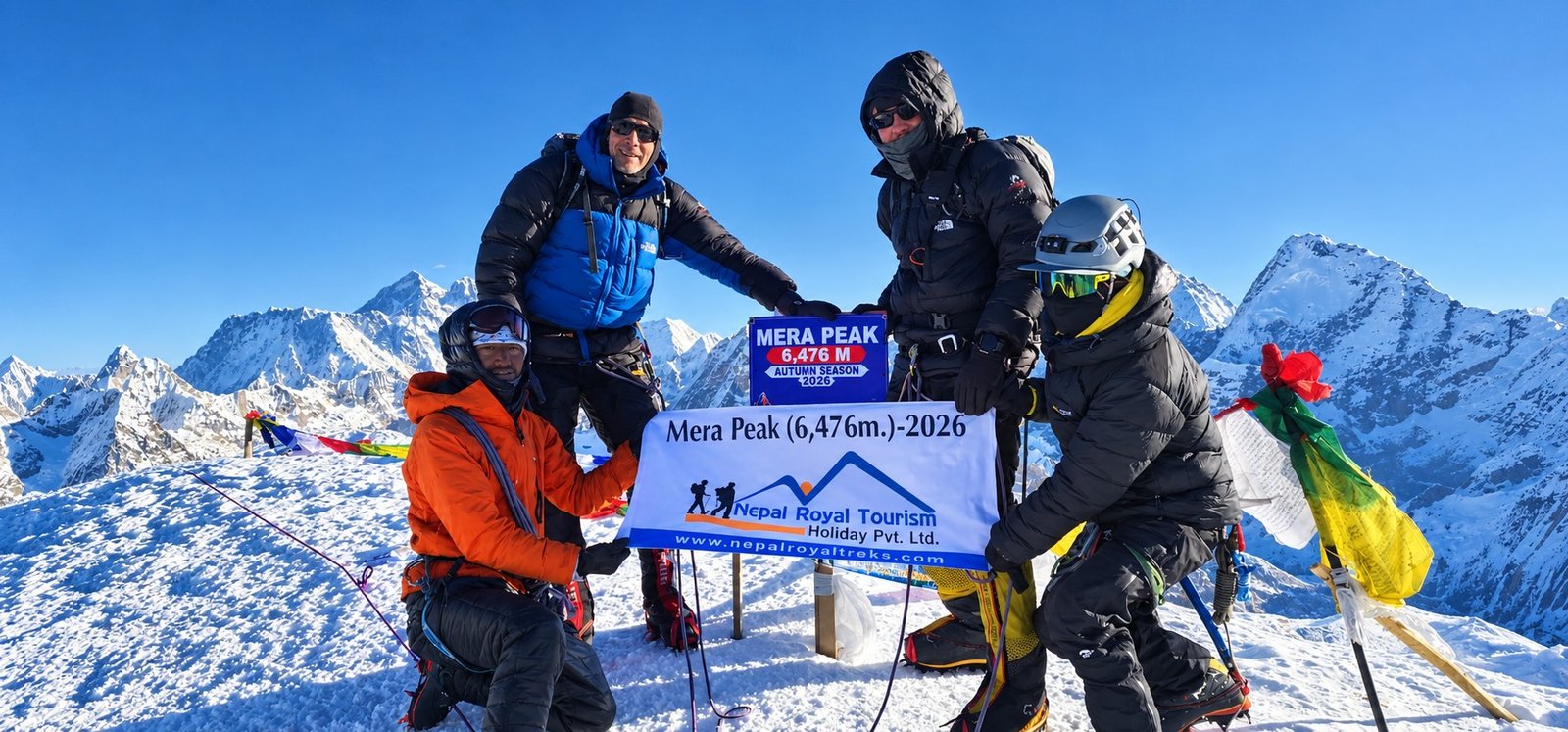
Climbers should understand that one acclimatization day at Khare does not automatically make someone ready for the summit. The earlier approach, previous altitude experience, individual condition and further high-altitude preparation all contribute to the overall plan.
The reserve day included in the itinerary also provides flexibility in case weather or mountain conditions affect the planned summit schedule.
Take Your Himalayan Experience Further with Mera Peak
Our 17-day Mera Peak Climbing itinerary includes a gradual approach, acclimatization and climbing training at Khare before the summit attempt at 6,476 metres.
Acclimatization During High-Altitude Expeditions
For mountain expeditions, acclimatization involves considerably more than spending one additional night in a village or at Base Camp. Climbers attempting 7,000-metre and 8,000-metre mountains must gradually prepare for elevations that are far beyond the normal trekking environment.
Expedition teams commonly use a system of climbing rotations. Climbers move from Base Camp towards higher camps, gain additional altitude exposure and then descend to lower elevations for recovery. These rotations are repeated according to the mountain, route conditions, team condition and expedition leader’s plan.
The objective is to introduce the body to progressively higher elevations while allowing sufficient recovery between climbing periods.
Manaslu Expedition: Initial Acclimatization at Samagaon
On a Manaslu Expedition, the approach towards Base Camp already plays an important role in gradual altitude exposure. One of the key stops is Samagaon at approximately 3,530 metres.
The expedition itinerary includes an acclimatization day at Samagaon, with a suitable hike towards higher viewpoints or nearby areas depending on conditions. The team returns to sleep at the lower village altitude.

After the approach to Base Camp, acclimatization continues through the climbing programme. Higher camps are used progressively, and climbers return to lower elevations between rotations for recovery.
This is why an 8,000-metre expedition needs a much longer schedule than an ordinary trekking holiday. The team must account for the approach, acclimatization, camp rotations, weather windows, summit preparation and possible delays.
Makalu Expedition: Repeated Rotations Above Base Camp
Makalu is another example of why acclimatization is essential during serious Himalayan mountaineering. Rising to 8,463 metres, the mountain presents an extremely demanding combination of altitude, technical terrain and prolonged exposure to harsh mountain conditions.
On the Makalu Expedition, the approach through the Makalu-Barun region provides the initial stages of altitude adjustment. After reaching Base Camp at approximately 4,870 metres, the team begins preparing for the higher mountain through progressive climbing rotations.

These rotations may introduce climbers to Advanced Base Camp, Camp I and Camp II before returning to lower camps or Base Camp for recovery. Later rotations can extend towards the upper mountain according to the expedition plan and conditions.
Each rotation provides additional exposure to higher elevations while giving climbers an opportunity to practise movement on the route, become familiar with the terrain and assess their physical condition.
For an expedition of this nature, acclimatization is not a single activity that can be completed in one day. It is an ongoing process throughout the approach and climbing phases.
What Should You Actually Do on an Acclimatization Day?
An acclimatization day does not necessarily mean staying inside a teahouse and doing absolutely nothing. In many trekking itineraries, a gentle excursion to a higher viewpoint is included, followed by a return to the same lower sleeping elevation.
This approach provides additional exposure to altitude without requiring the group to move its overnight accommodation higher on the same day.
Depending on the route and individual condition, an acclimatization day may include:
- Taking a short and controlled walk to a nearby viewpoint or higher settlement.
- Exploring the village, monasteries, lakes or surrounding landscape.
- Returning to the same accommodation rather than increasing sleeping altitude.
- Eating regular meals, drinking fluids according to thirst and taking sufficient rest.
- Informing the guide about any headache, nausea, unusual fatigue or other symptoms.
- Preparing equipment and clothing for the following trekking or climbing stage.
The activity should be adjusted to the trekker’s condition. A demanding side hike is not automatically better than a relaxed day. Someone who is feeling unwell should not be encouraged to climb higher simply because an excursion appears in the itinerary.
On a peak climbing or expedition itinerary, the day may also involve equipment checks, technical training, route preparation and discussions with the climbing team. The main priority remains safe adaptation and recovery rather than covering additional distance.
What Happens If You Develop Symptoms at High Altitude?
Even with a carefully planned itinerary, altitude illness can affect trekkers and climbers. Acclimatization reduces risk, but it does not provide complete protection.
Common early symptoms of acute mountain sickness include headache, nausea, dizziness, loss of appetite, unusual tiredness and difficulty sleeping. These symptoms should never be ignored or hidden from the guide.

If symptoms develop, the trekker should stop ascending and inform the guide immediately. Continuing higher while unwell can make the condition worse. The guide should assess the situation and arrange appropriate medical advice or descent when necessary.
More serious conditions include high-altitude pulmonary edema (HAPE) and high-altitude cerebral edema (HACE). Breathlessness while resting, worsening respiratory symptoms, confusion, unusual behaviour or difficulty walking straight are medical emergencies.
Immediate descent and urgent medical assistance are required. Oxygen and evacuation may also be needed depending on the situation.

A trekker with altitude illness should not be left alone, and the group should never prioritise reaching a pass or summit over someone’s safety.
For a more detailed explanation of altitude illness, warning signs, prevention and emergency response, read our dedicated guide:
Read Our Altitude Sickness Guide
How Nepal Royal Tourism Holiday Plans Acclimatization
At Nepal Royal Tourism Holiday, acclimatization is an important consideration when designing high-altitude trekking and climbing itineraries. The number and location of acclimatization stops depend on the route, total duration, sleeping elevations and the physical demands of the journey.
Our Everest Base Camp itinerary includes acclimatization days at Namche Bazaar and Dingboche. The Annapurna Circuit includes time at Manang, while the Manaslu Circuit provides a dedicated stop at Samagaon.
Our Kanchenjunga Circuit also includes an acclimatization day at Khambachen before continuing towards the higher northern valley.
For peak climbing, the preparation becomes more specialised. Our Mera Peak itinerary includes acclimatization and climbing training at Khare before the summit section.
For larger expeditions such as Manaslu and Makalu, the approach and climbing plans provide additional time for progressive altitude exposure and recovery through climbing rotations.

We also understand that every traveller responds to altitude differently. A person who has previously completed a high-altitude trek may still experience altitude-related symptoms on another journey. Physical fitness is valuable, but it cannot replace proper acclimatization or careful monitoring.

That is why we encourage travellers to discuss their previous trekking experience, health concerns, available time and preferred route before confirming a high-altitude journey.
A realistic itinerary should allow enough time for gradual ascent and appropriate contingency arrangements rather than rushing towards the highest point.
Planning a High-Altitude Trek or Climb in Nepal?
From Everest Base Camp and Manaslu Circuit to Mera Peak and high-altitude expeditions, Nepal Royal Tourism Holiday can help you explore suitable itineraries with appropriate acclimatization and preparation.