


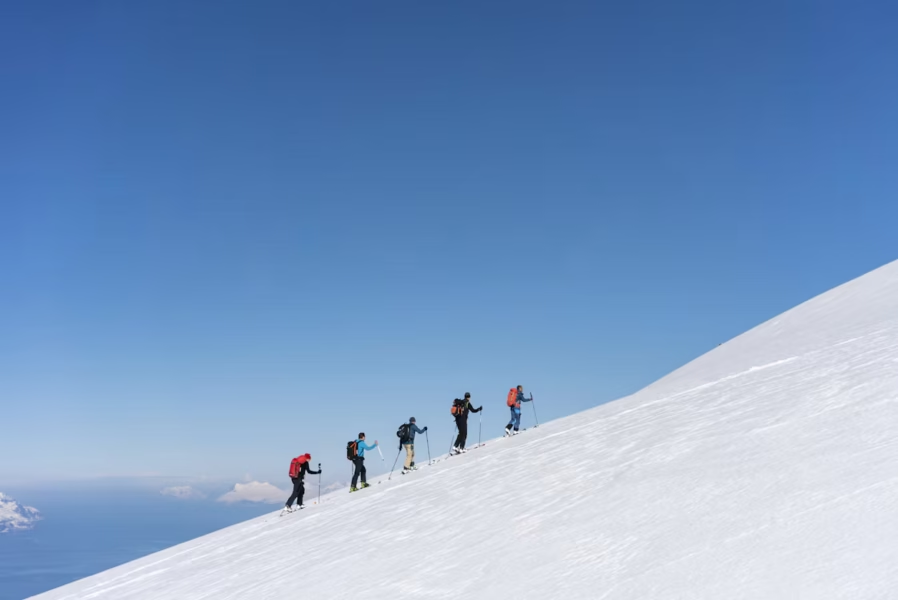
Technical Treks in Nepal with Glacier Crossings and High Altitude Passes
Some of Nepal’s hardest treks are difficult because they are long, remote, high and physically exhausting. Others become difficult for a completely different reason: the terrain itself may require glacier travel, crampons, ropes, harnesses or other mountaineering-related skills.
A trekker who can walk for eight or nine hours at 5,000 metres may be extremely fit and experienced, yet still have little practical experience moving across steep snow, travelling over a glacier or clipping into a fixed rope.
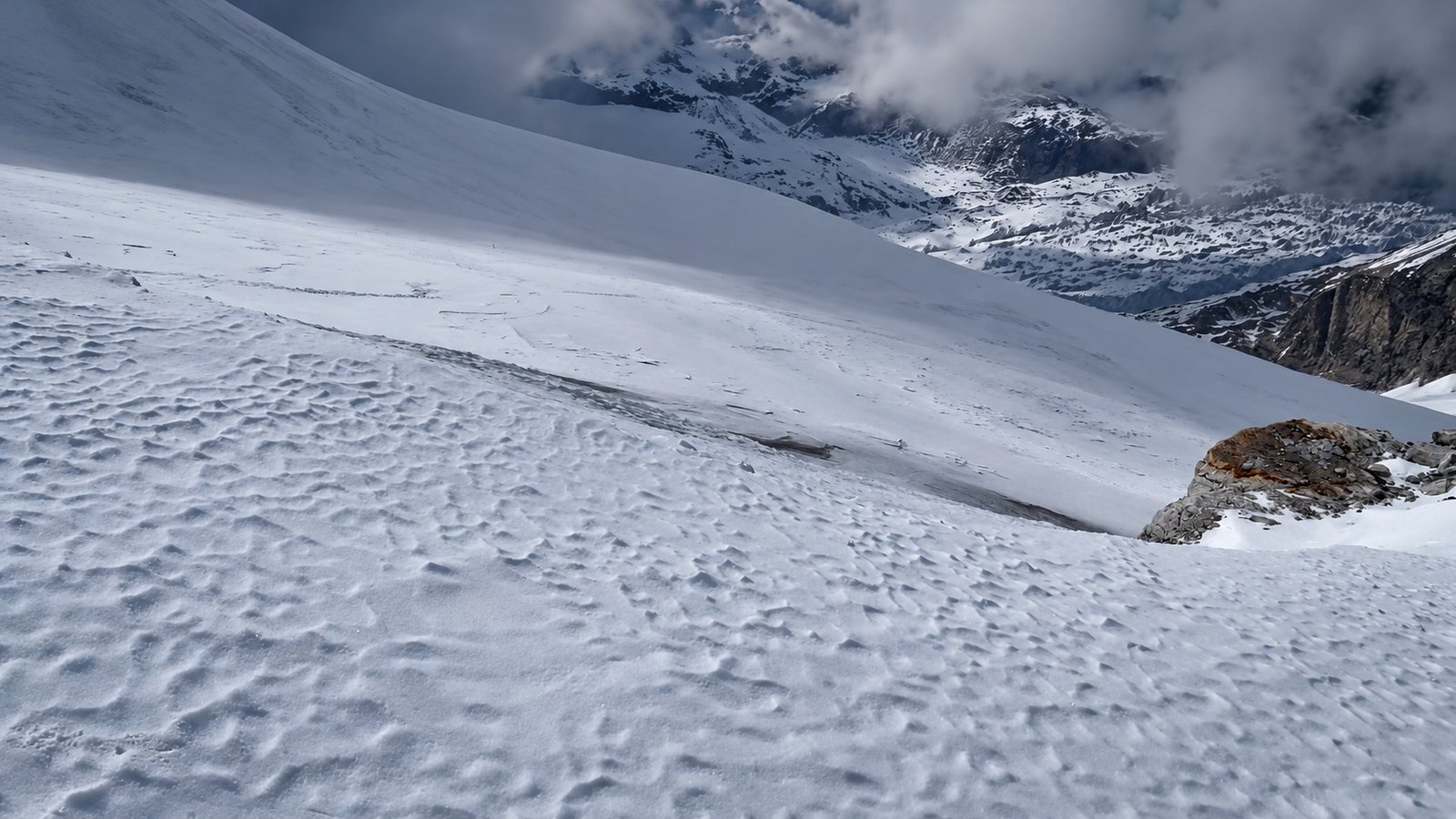
Physical endurance and technical mountain skills overlap, but they are not the same thing.
That is why not every difficult high-altitude route in Nepal should automatically be described as a technical trek. Everest Base Camp, the Annapurna Circuit, Manaslu Circuit and other established Himalayan journeys can be physically demanding because of altitude, long walking days and changing weather.
Their difficulty does not necessarily come from the need to use specialist climbing equipment.
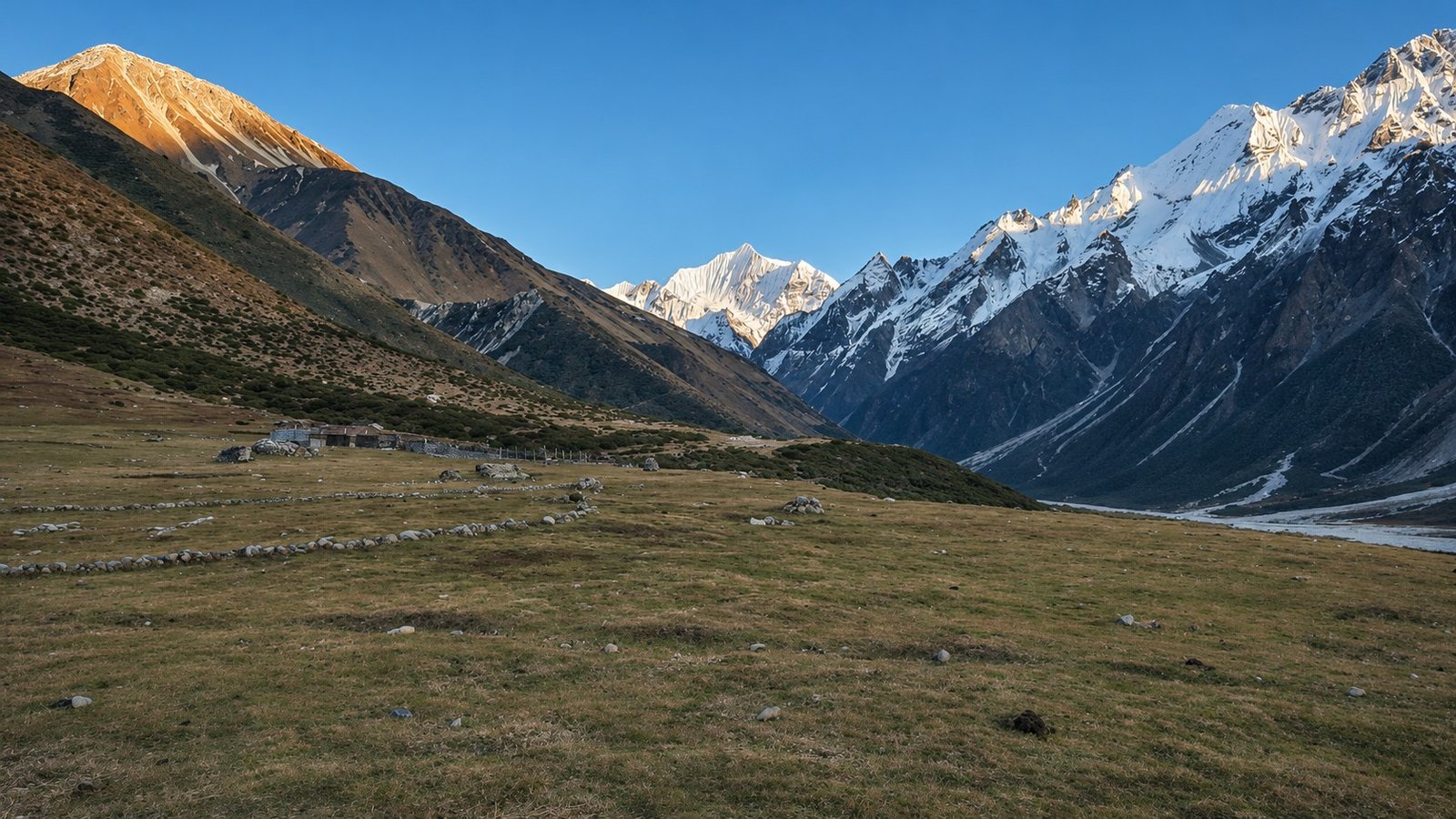
Technical trekking begins to move beyond ordinary mountain walking. Depending on the route and current conditions, trekkers may encounter glaciers, steep snow, exposed ice, crevasses, fixed ropes and rope-assisted descents.
The four routes in this guide are deliberately not presented as routes of equal difficulty. One of the most important things to understand about technical mountain travel is that requirements can change with the snow, glacier, weather and route conditions encountered during a particular departure.
Technical Does Not Simply Mean Hard
A strenuous trek mainly tests endurance, fitness and the ability to manage altitude over several days. A technical trek may additionally involve glacier travel, steep snow or ice, crampons, harnesses, fixed ropes or other mountain-travel skills. Some routes combine both types of difficulty.
If you are mainly interested in long, high and physically demanding Himalayan journeys that do not normally require technical mountaineering skills, read our separate guide to 10 Challenging Himalayan Routes for Fit and Experienced Trekkers.
What Actually Makes a Trek Technical?
The word technical is often used too loosely in trekking descriptions.
A route does not become technical simply because it crosses 5,000 metres. It does not automatically become technical because there is snow on the trail, because the walking day is eight hours long or because the itinerary is rated strenuous.
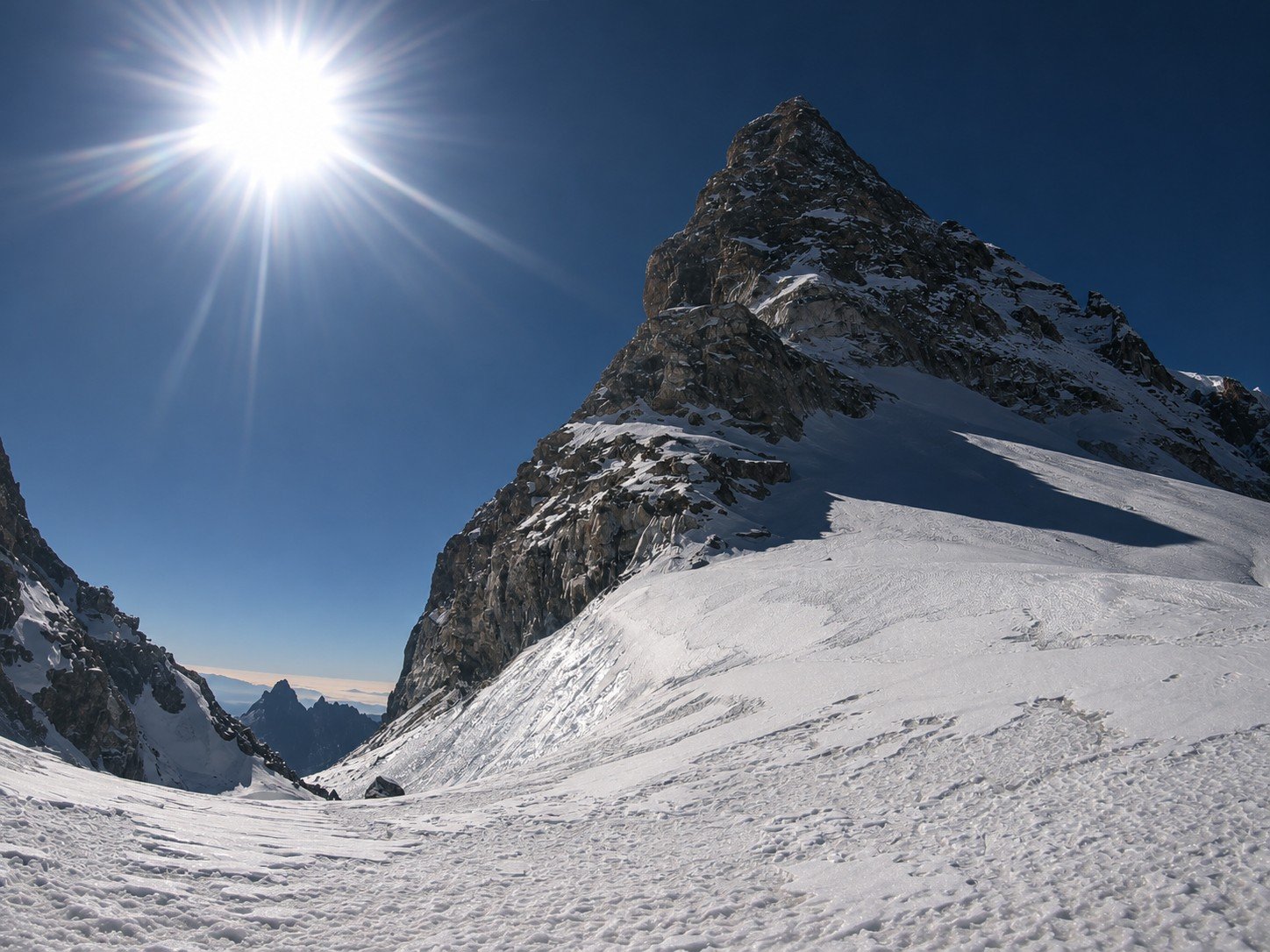
The more useful question is whether travelling through the terrain requires specific skills or equipment beyond normal trekking.
A conventional Himalayan pass may involve a long ascent on rocky trails, loose scree or snow-covered ground. A more technical crossing can involve glacier travel, steep snow or hard ice, fixed-line protection or a rope-assisted descent.
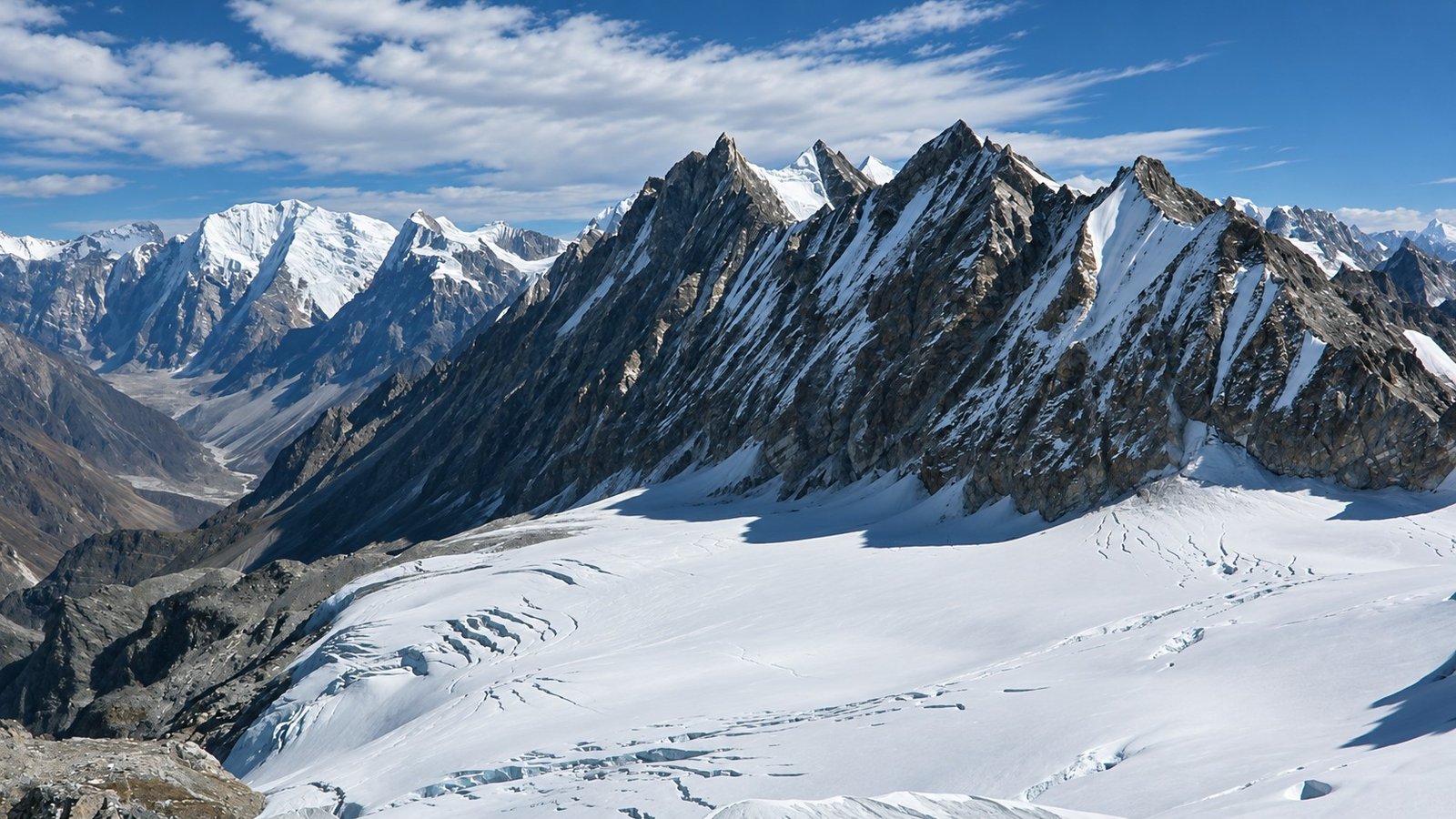
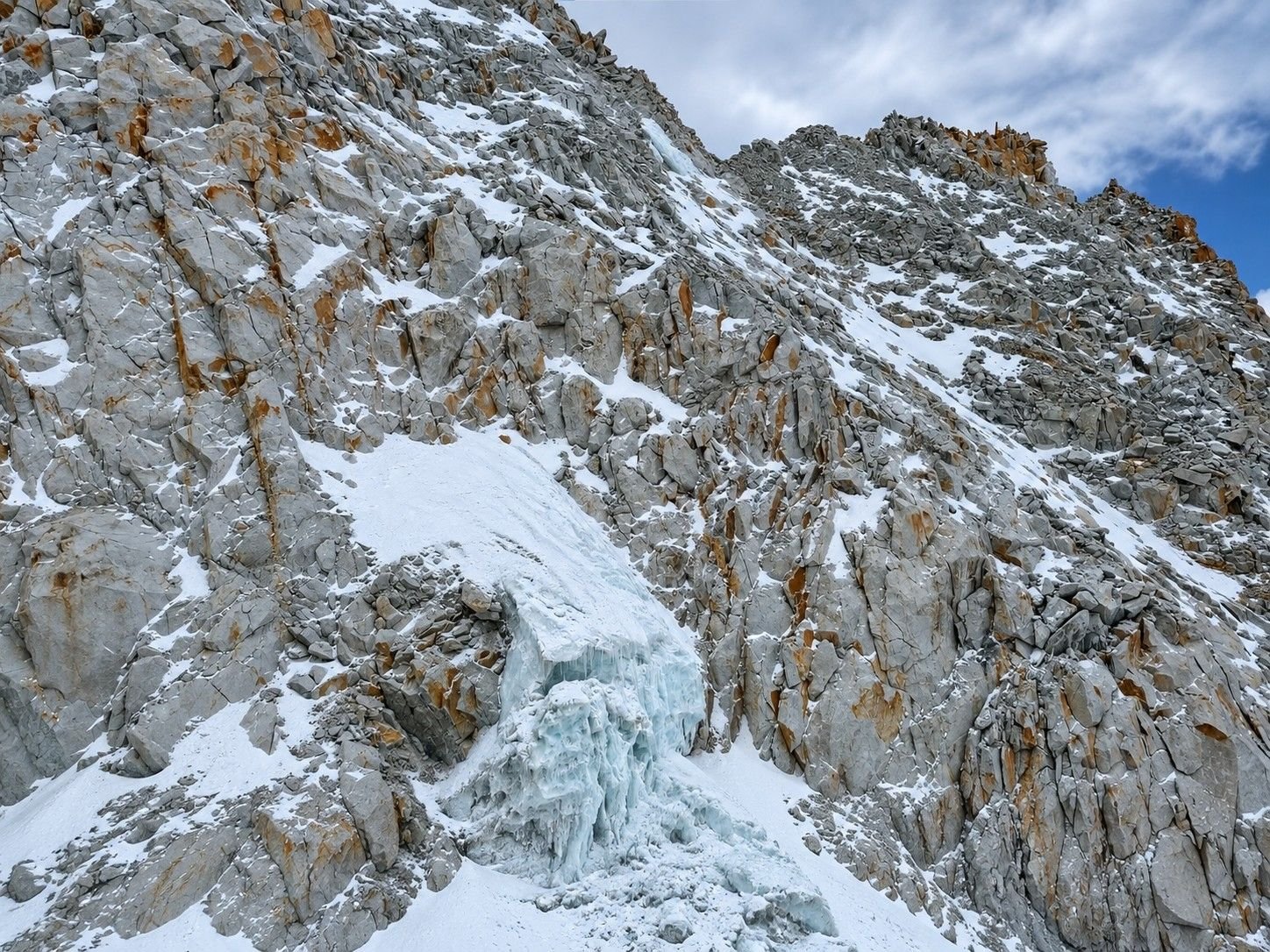
Conditions are also extremely important. Fresh snowfall can change a route that was previously straightforward. Hard ice may appear where another group encountered soft snow. Crevasses can change, glaciers move and visibility can completely alter the safety of a crossing.
That means the technical requirements written in an itinerary should never be treated as permanently fixed.
| Feature | Strenuous Trekking | Technical Trekking |
|---|---|---|
| Main Challenge | Long walking days, steep ascents, altitude, remoteness and recovery over consecutive days. | Terrain may additionally require specific movement skills and technical equipment. |
| Typical Terrain | Established mountain trails, rocky paths, scree and conventional high passes. | Glaciers, steep snow, exposed ice, crevasses and rope-protected sections. |
| Equipment | Trekking boots, poles, appropriate clothing and standard high-altitude trekking equipment. | May additionally involve crampons, ice axe, harness, helmet, ropes, ascenders or descending equipment. |
| Previous Experience | Multi-day trekking experience, altitude awareness and strong fitness. | May require practical experience with crampons, snow, ice and rope systems depending on the route. |
| Guide Support | Experienced trekking guide and suitable local support. | A team with relevant technical mountain experience and equipment appropriate for the crossing. |
The difference becomes important when choosing your next objective.
Completing Everest Base Camp or the Annapurna Circuit can provide valuable experience with altitude, pacing and consecutive trekking days. It does not automatically teach someone how to walk efficiently in crampons or move safely on a fixed rope.
Four Technical Mountain Routes in Nepal
These four routes show a useful progression in technical mountain travel.
Ganja La can introduce technical elements over a relatively short but exposed crossing. Tilman Pass moves deeper into remote glaciated terrain.
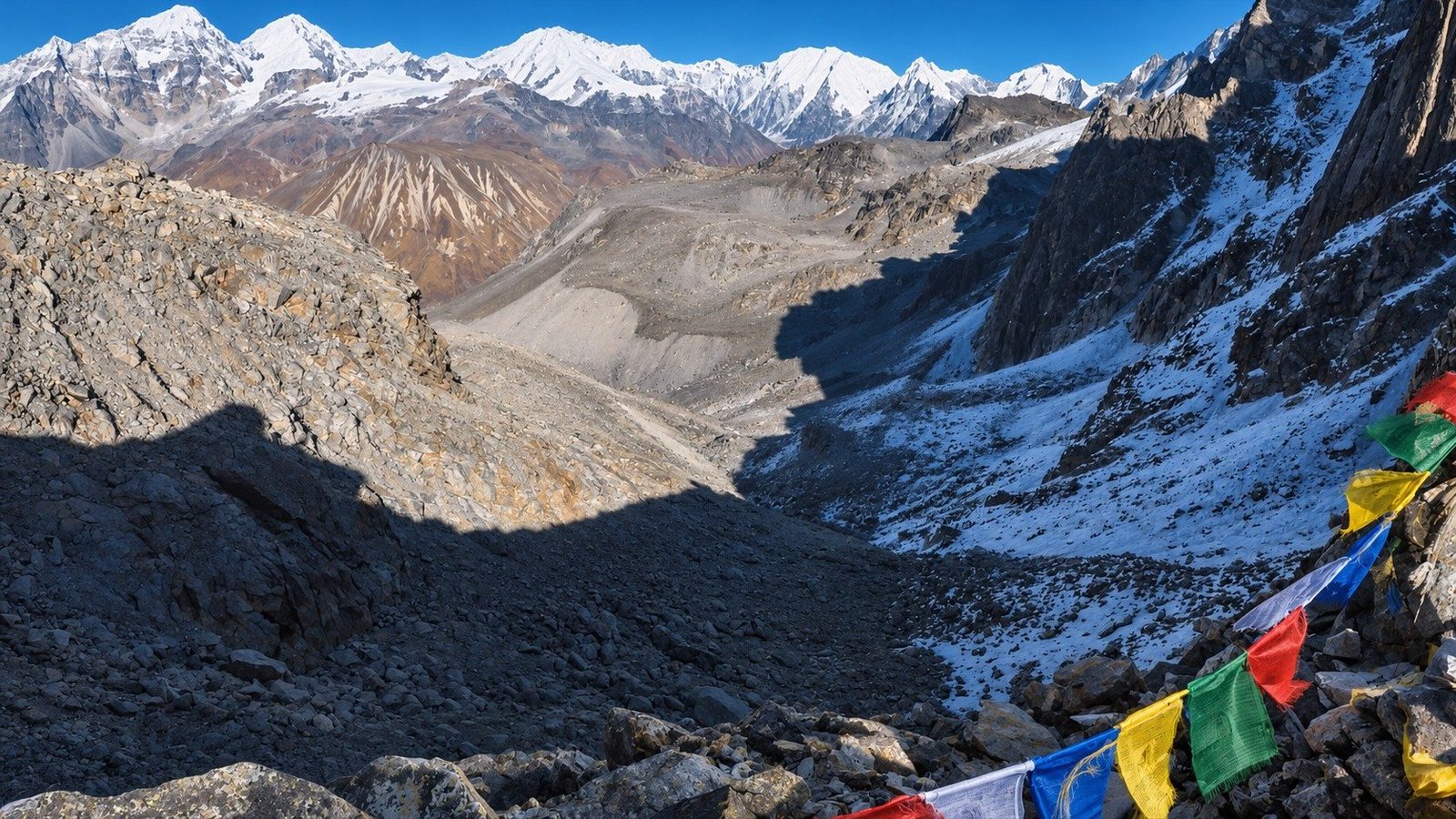
Tashi Lapcha becomes a serious high-altitude connection between Rolwaling and Khumbu. The Sherpani Col, West Col and Amphu Lapcha traverse then moves firmly into specialist expedition-style territory.
The technical character described below is therefore a planning reference, not a permanent grade. Snow, glacier and weather conditions must always be considered for the actual departure.
Ganja La Pass Trek
| Region | Langtang and Helambu |
| Highest Point | Approximately 5,130 metres |
| Technical Character | Condition-dependent crossing with steep and potentially rope-protected terrain |
Ganja La is a useful first example because it demonstrates that a route does not need to resemble a climbing expedition from beginning to end in order to include genuinely technical terrain.
The normal approach begins through the Langtang Valley, following the established trekking route towards Kyanjin Gompa before leaving the main teahouse corridor.
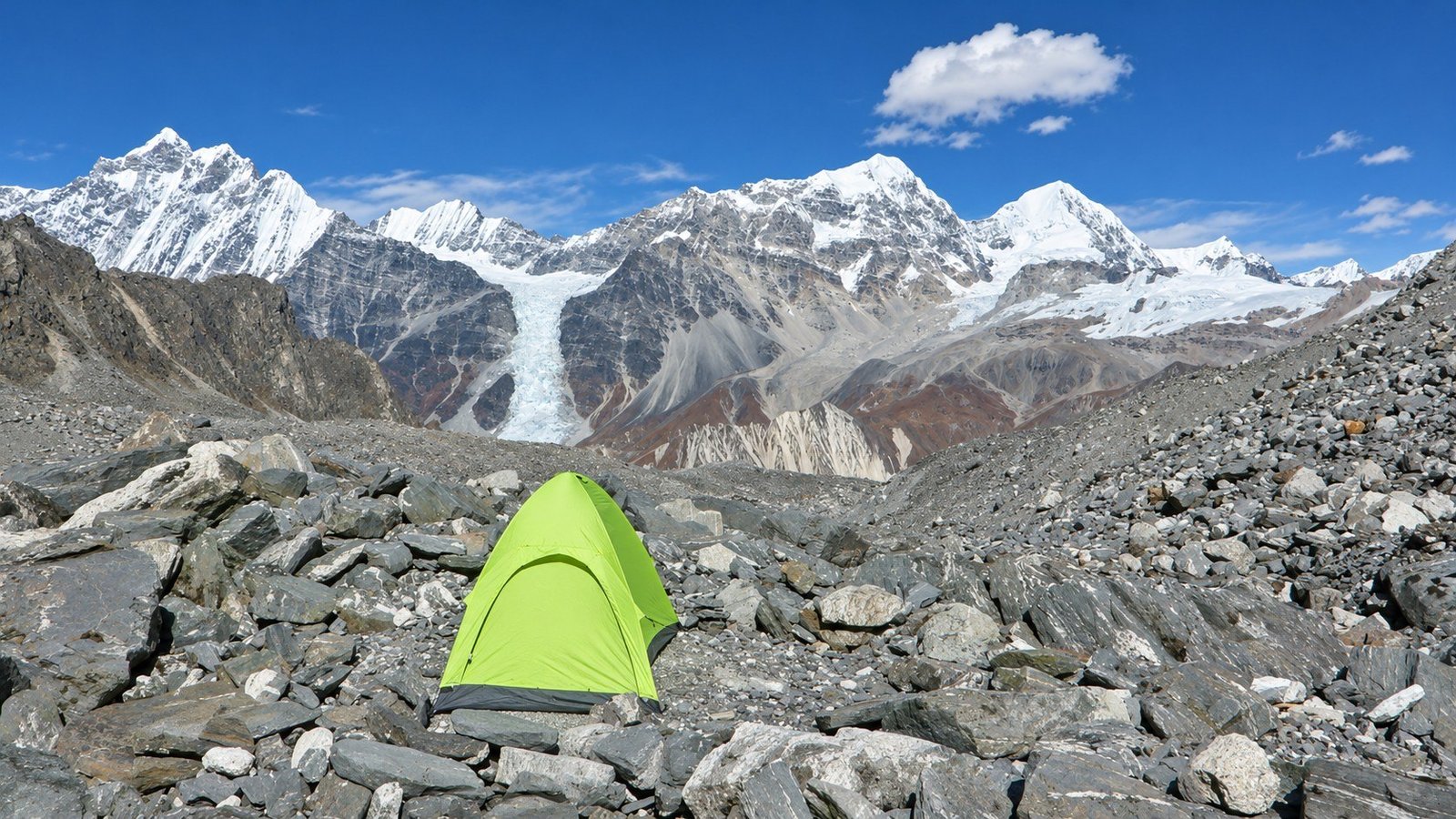
Beyond the developed valley route, the landscape becomes increasingly remote and exposed. The crossing towards Helambu enters high mountain terrain where snow, loose scree, steep slopes and changing surface conditions can make progress considerably more serious than an ordinary trekking pass.
Depending on conditions, the technical team may use crampons, harnesses or fixed rope protection on the steeper section. The important words are depending on conditions.
Ganja La should not be described as though every metre involves climbing equipment. At the same time, it should not be treated like a guaranteed walk-up pass that can be crossed regardless of snow and weather.
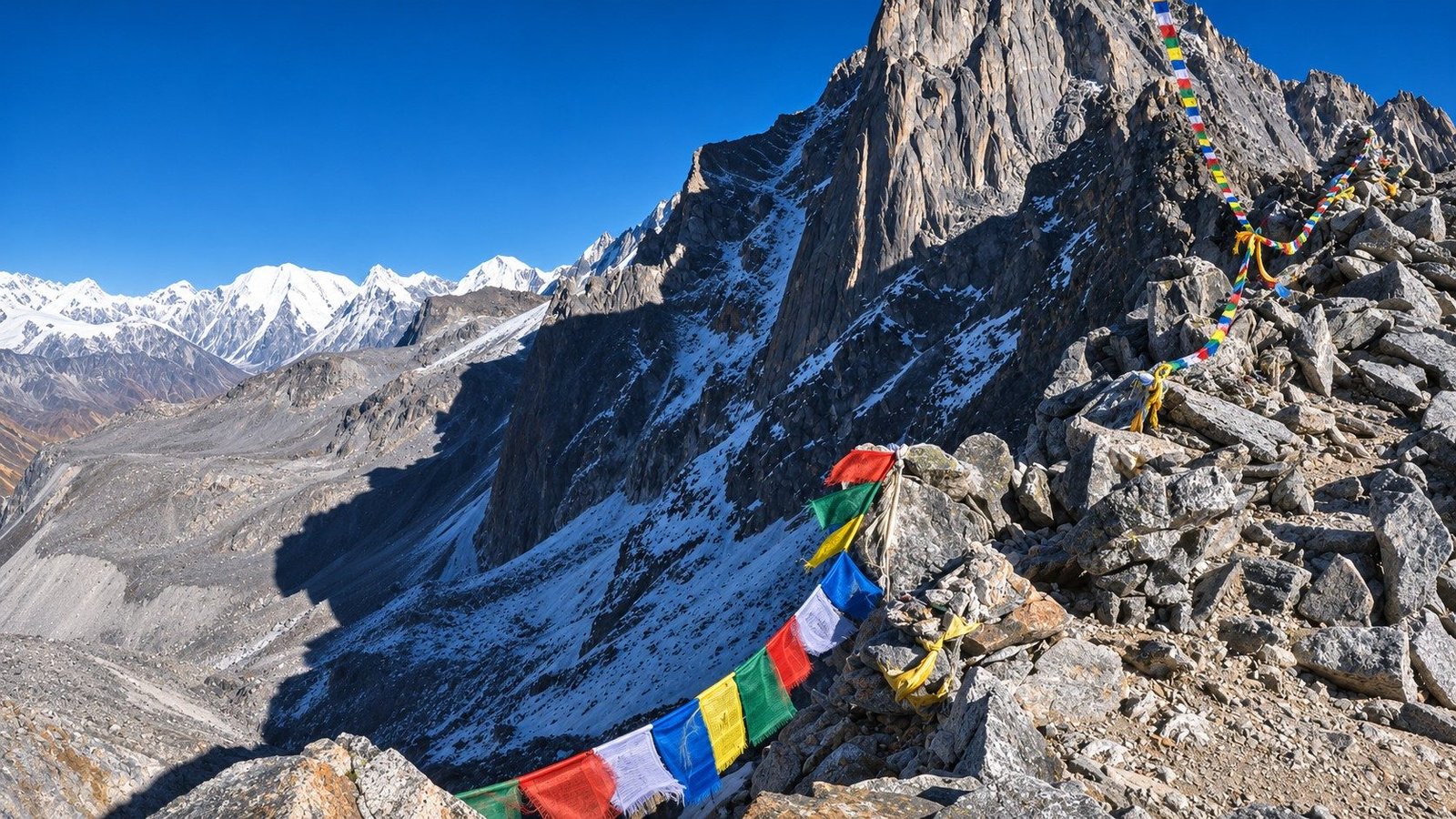
The larger challenge also includes remoteness. Beyond the main Langtang settlements, facilities become limited and camping may be necessary around the crossing.
That means a relatively short technical obstacle can sit inside a much larger wilderness journey. Good fitness, previous altitude experience and confidence on loose or steep terrain are important.
The equipment and technical support required should be confirmed according to the expected route conditions rather than following an old itinerary.
Why Ganja La Belongs Here
Its technical section may be shorter than on the later routes in this guide, but Ganja La shows how even one exposed, icy or rope-protected section can change the experience required for an otherwise recognisable Himalayan trek.
Tilman Pass Trek
| Region | Langtang and Panch Pokhari |
| Highest Point | Approximately 5,350 metres |
| Technical Character | Remote glacier crossing with condition-dependent crampon and rope use |
Tilman Pass takes the technical idea several steps farther. The route connects the Langtang side of the mountains with the Panch Pokhari region and moves well beyond the normal teahouse corridor before reaching the pass.
The upper approach passes through increasingly rugged terrain, including moraine, glacier environments and exposed high-altitude camps where permanent facilities become limited.
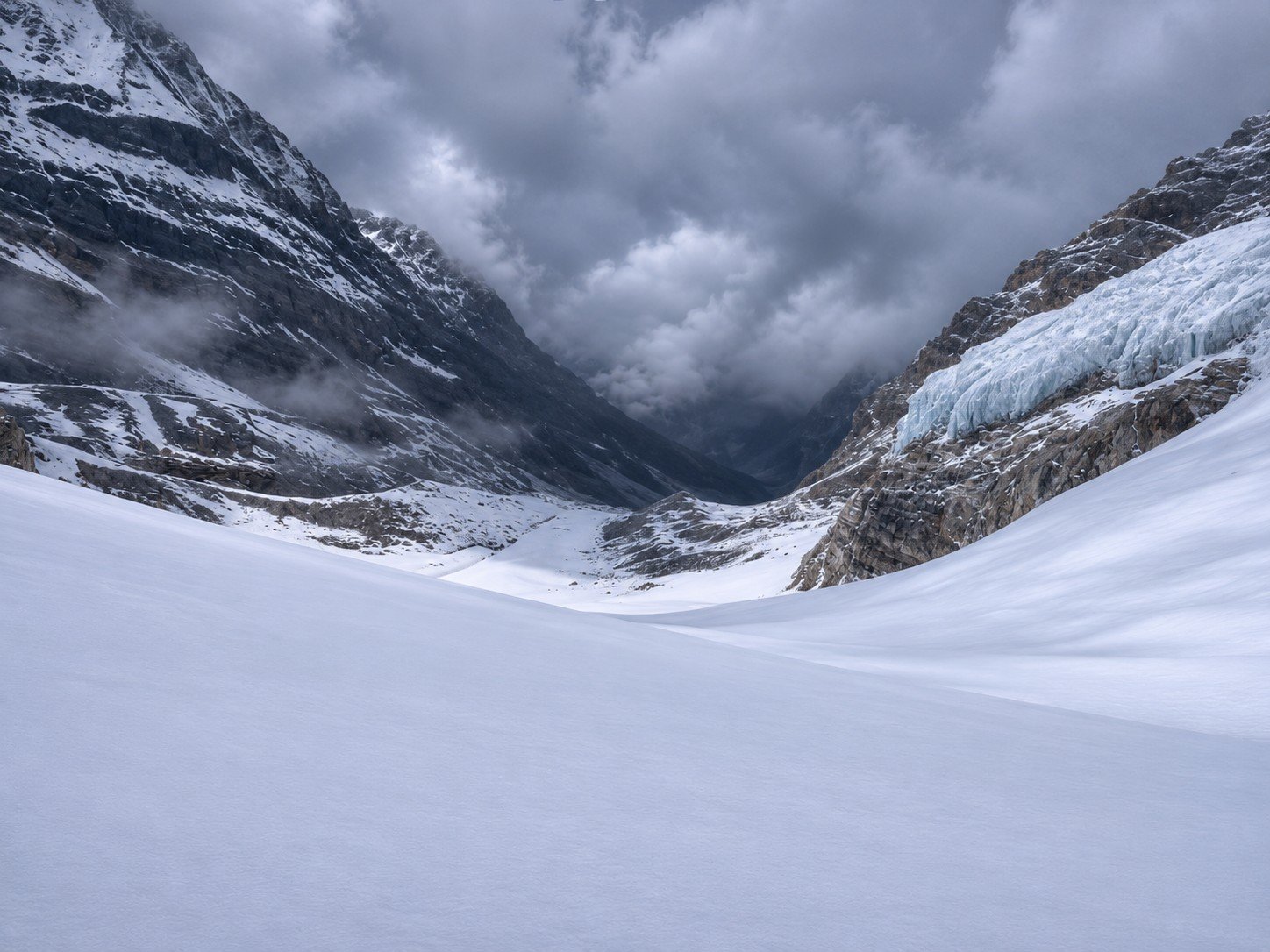
Camping is therefore not just an occasional alternative. It becomes part of the character of the journey.
The crossing itself can involve glaciated terrain, steep snow and sections where crampons and rope protection may be appropriate.
Glacier conditions are particularly important. Crevasses can change, fresh snow can hide the surface and warmer or colder periods can alter how the route is approached.
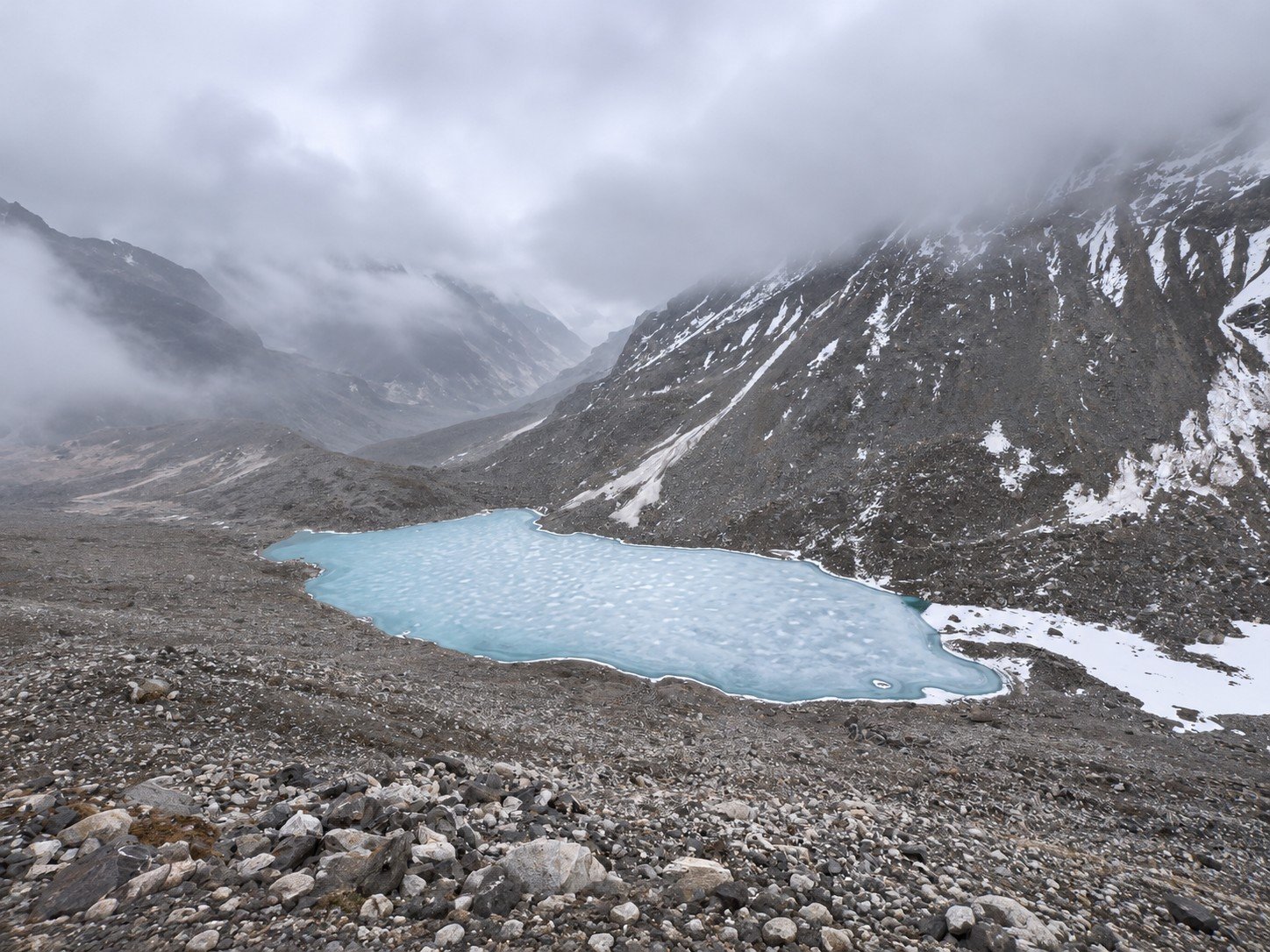
One season may require more extensive rope protection than another. A different year may offer a different snow line or crossing strategy.
Tilman also increases the logistical commitment. Upper camps are isolated, communication can become limited and there are fewer opportunities to change the itinerary quickly once the team has entered the remote section.
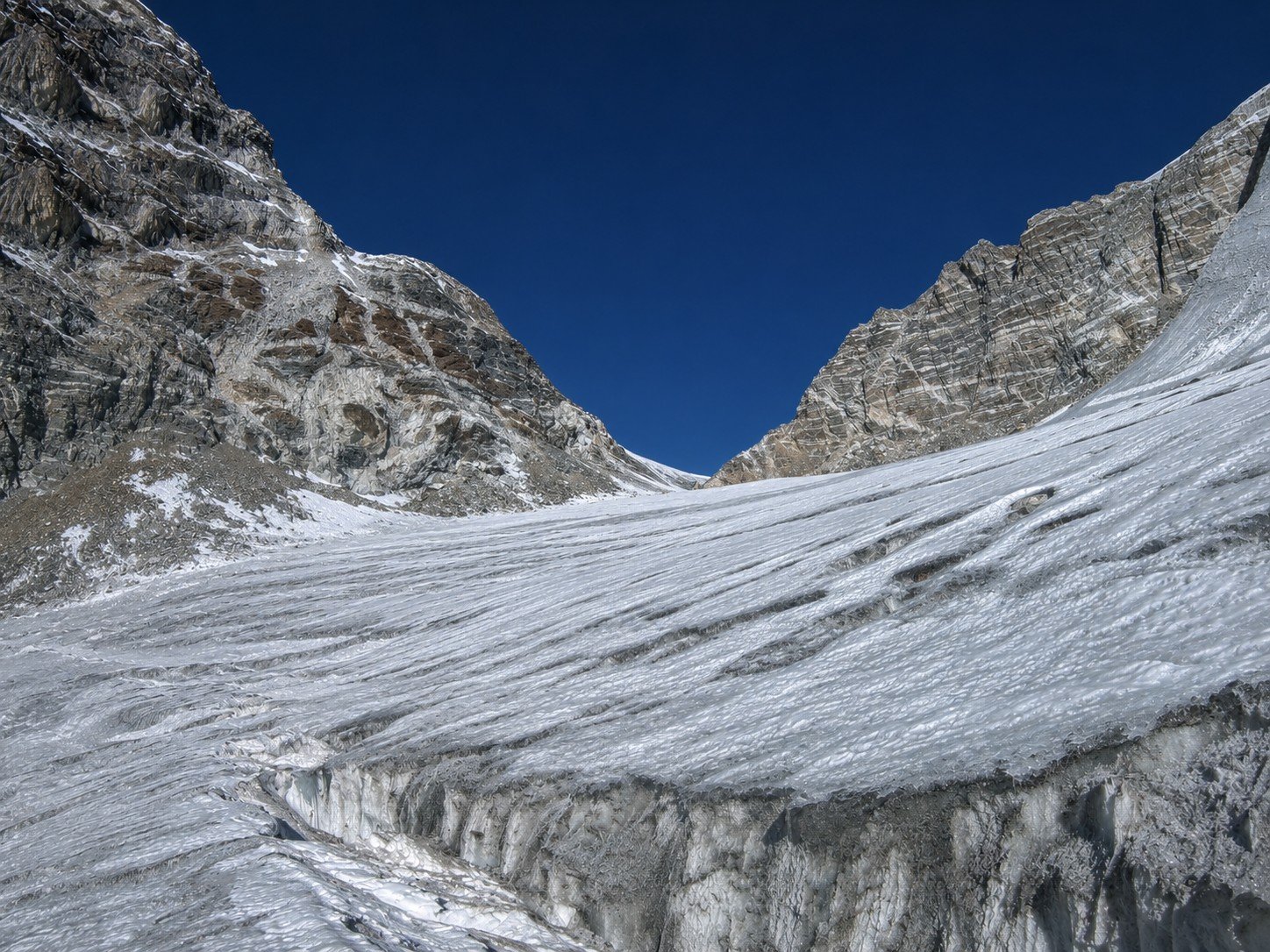
Previous high-altitude trekking and remote camping experience are therefore useful alongside technical mountain skills.
A trekker considering Tilman should be comfortable not only with snow and glacier terrain but also with cold camps, basic facilities and the slower daily rhythm of an expedition-style journey.
This is no longer simply a difficult extension of a conventional Langtang trek. The upper route deserves to be treated as its own serious mountain objective.
Rolwaling Valley via Tashi Lapcha Pass
| Region | Rolwaling and Khumbu |
| Highest Point | Tashi Lapcha Pass, approximately 5,755 metres |
| Technical Character | Serious glaciated high-altitude crossing |
Tashi Lapcha is one of the clearest examples of the difference between a demanding trek and a technical mountain crossing.
The journey travels through the remote Rolwaling Valley before crossing the high mountain barrier into the Khumbu region.
Lower sections pass through settlements and recognisable trekking terrain, but the character changes considerably as the route approaches the glacier system below the pass.
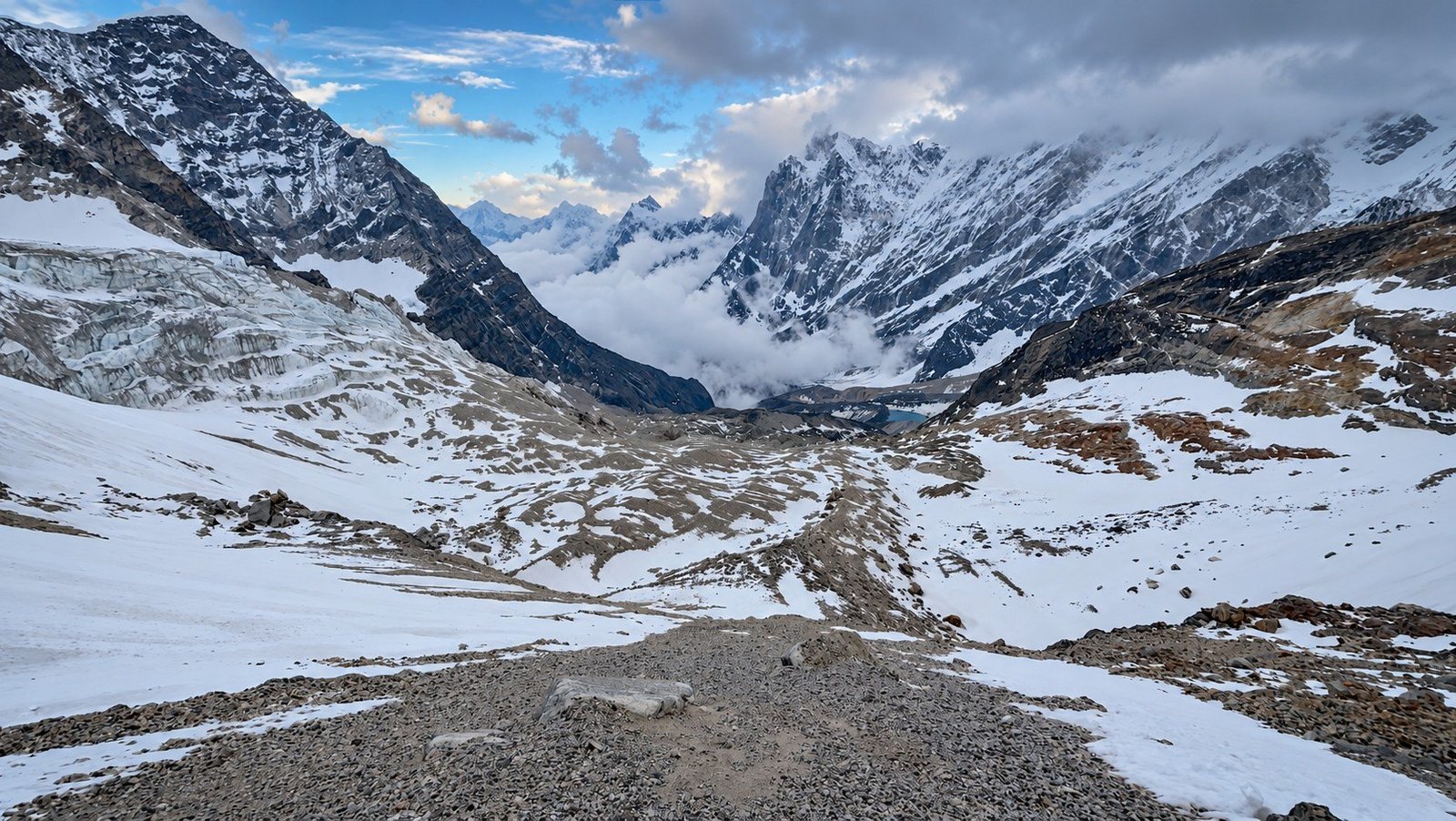
Trekkers move through moraine, glacier terrain, snow and steeper mountain ground before reaching Tashi Lapcha at approximately 5,755 metres.
Depending on current conditions, the technical team may require crampons, an ice axe, climbing harness, helmet and fixed-rope protection for parts of the crossing.
Rope-assisted ascent or descent may be necessary where terrain becomes too steep or exposed for normal trekking movement. This is also where previous practical experience becomes much more important.
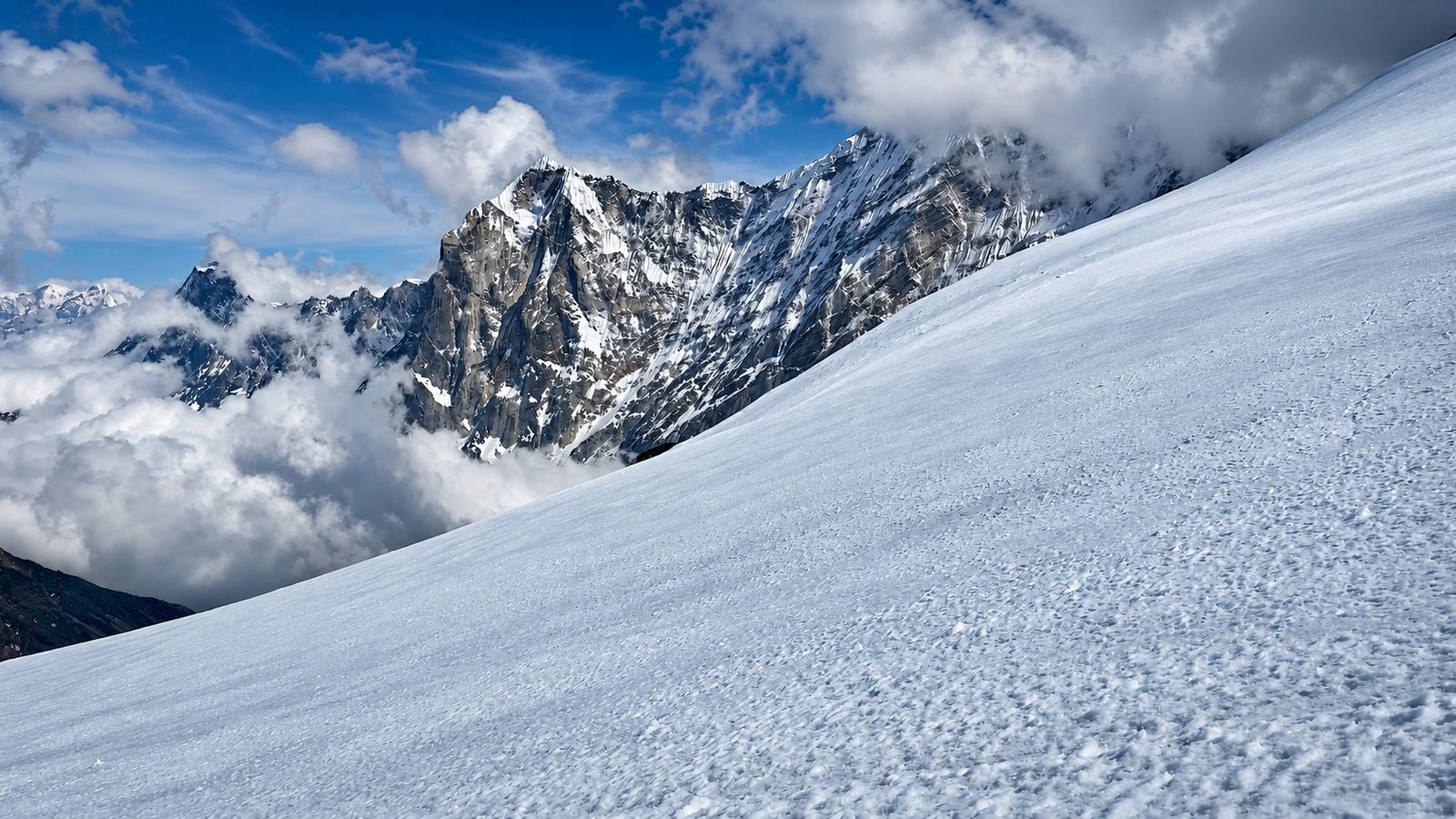
A trekker should not assume that buying crampons and a harness in Kathmandu suddenly makes them ready for Tashi Lapcha. Technical equipment only becomes useful when it is compatible, correctly fitted and used by someone who understands how to move with it.
The approach through Rolwaling provides valuable acclimatisation, but altitude still adds another layer to the difficulty.
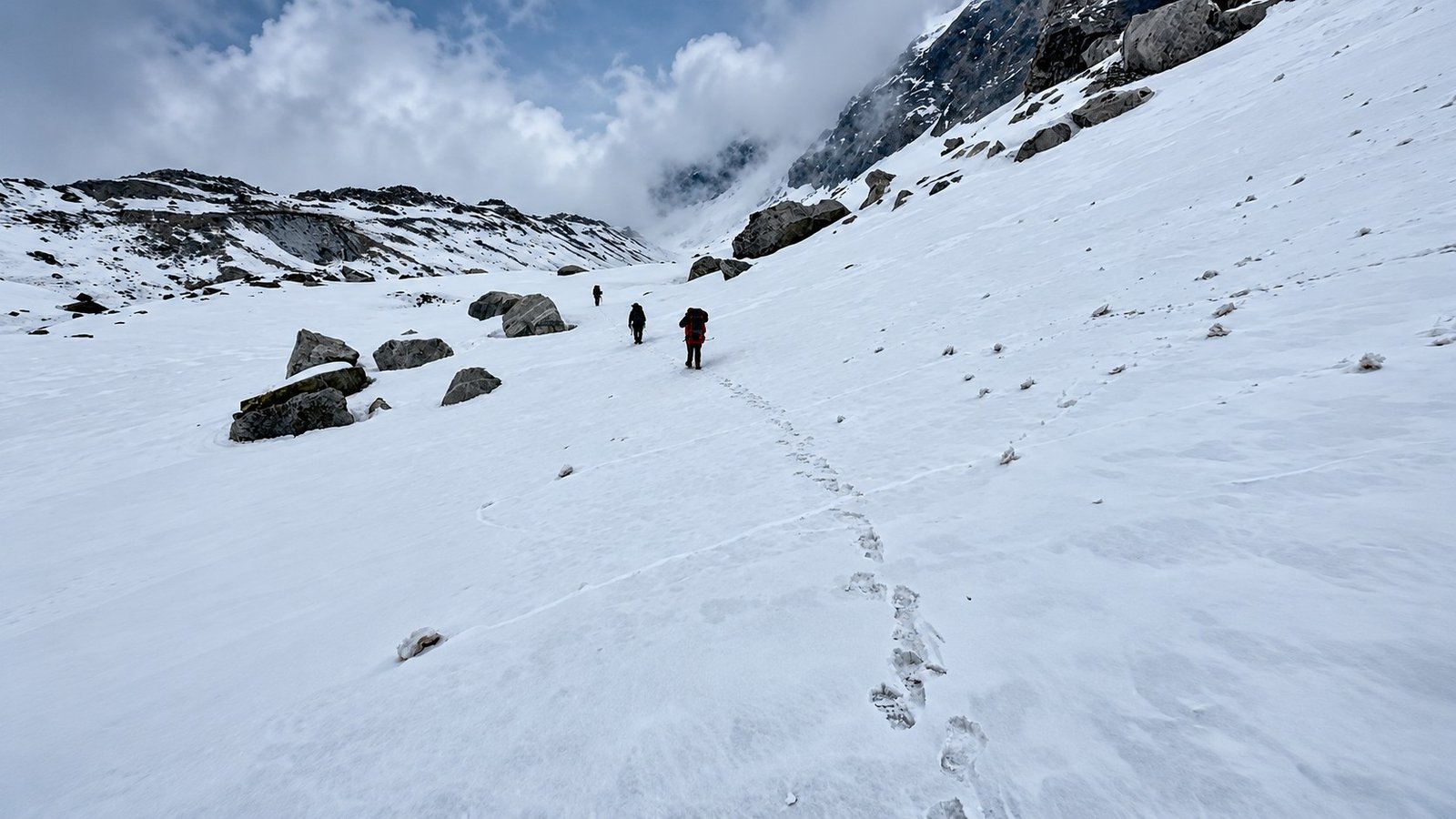
Everything happens more slowly around 5,500 metres. Putting on equipment, crossing uneven terrain, responding to instructions and concentrating for long periods all become more tiring when the air is thin.
The crossing is also highly dependent on conditions. Fresh snowfall, exposed ice, strong winds, poor visibility or unstable snow can completely change the decision about whether the pass should be attempted.
The route should never be crossed simply because the printed itinerary says that today is pass day. A responsible technical team must be willing to wait, change the line, alter the itinerary or turn around.
Sherpani Col, West Col and Amphu Lapcha Traverse
| Region | Makalu and Everest |
| Major Crossings | Sherpani Col around 6,180 m, West Col around 6,140 m and Amphu Lapcha around 5,845 m |
| Technical Character | Specialist expedition-style traverse involving multiple glaciated crossings |
Sherpani Col, West Col and Amphu Lapcha sit in a completely different category from ordinary high-pass trekking. The journey connects the Makalu region with the high Hongu basin and eventually the Khumbu through a series of serious glaciated crossings.
The approach through the Barun Valley and Makalu Base Camp is already a demanding high-altitude journey.
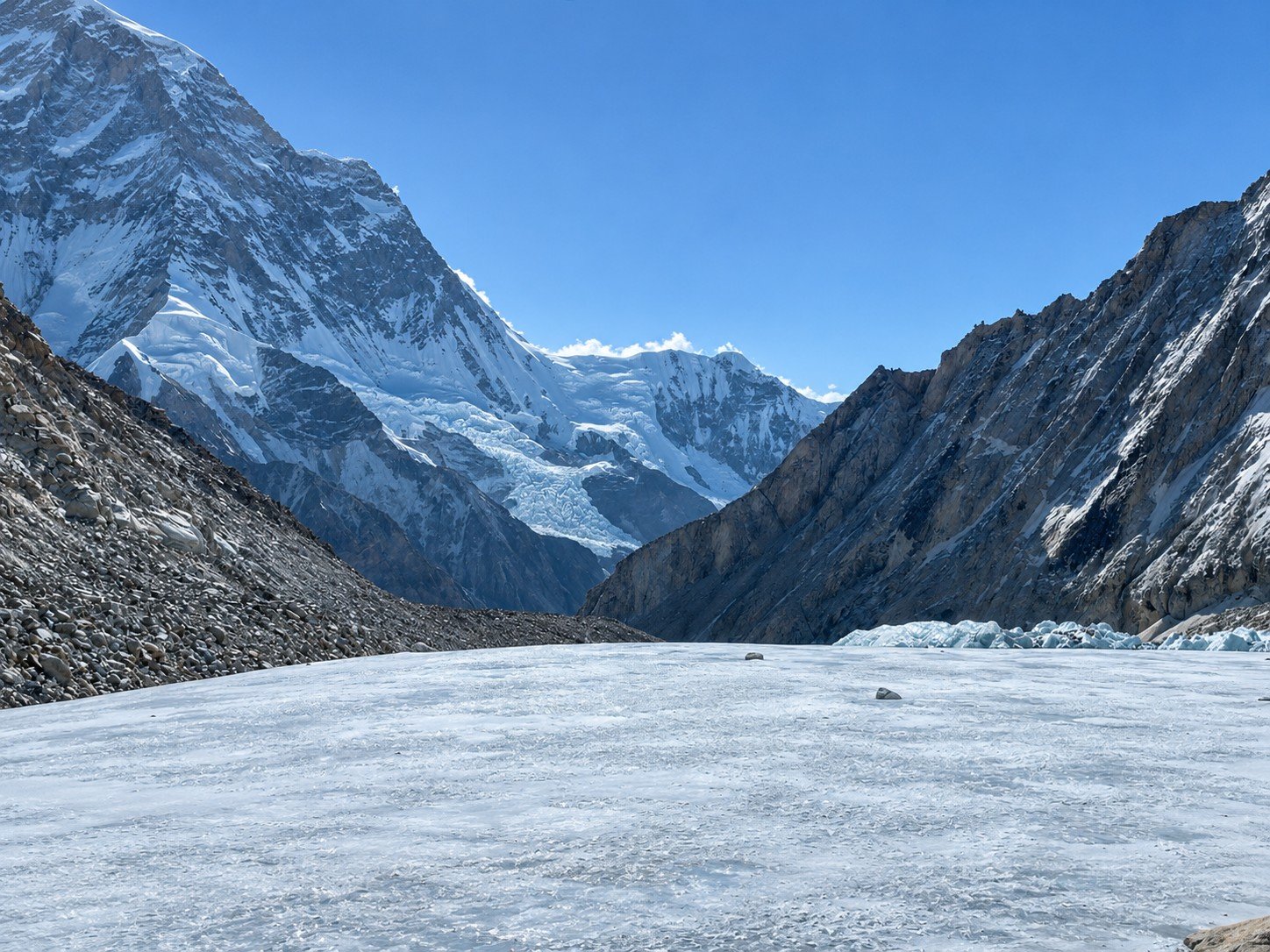
Beyond Makalu Base Camp, however, the route leaves normal trekking infrastructure behind and moves into expedition-style mountain terrain.
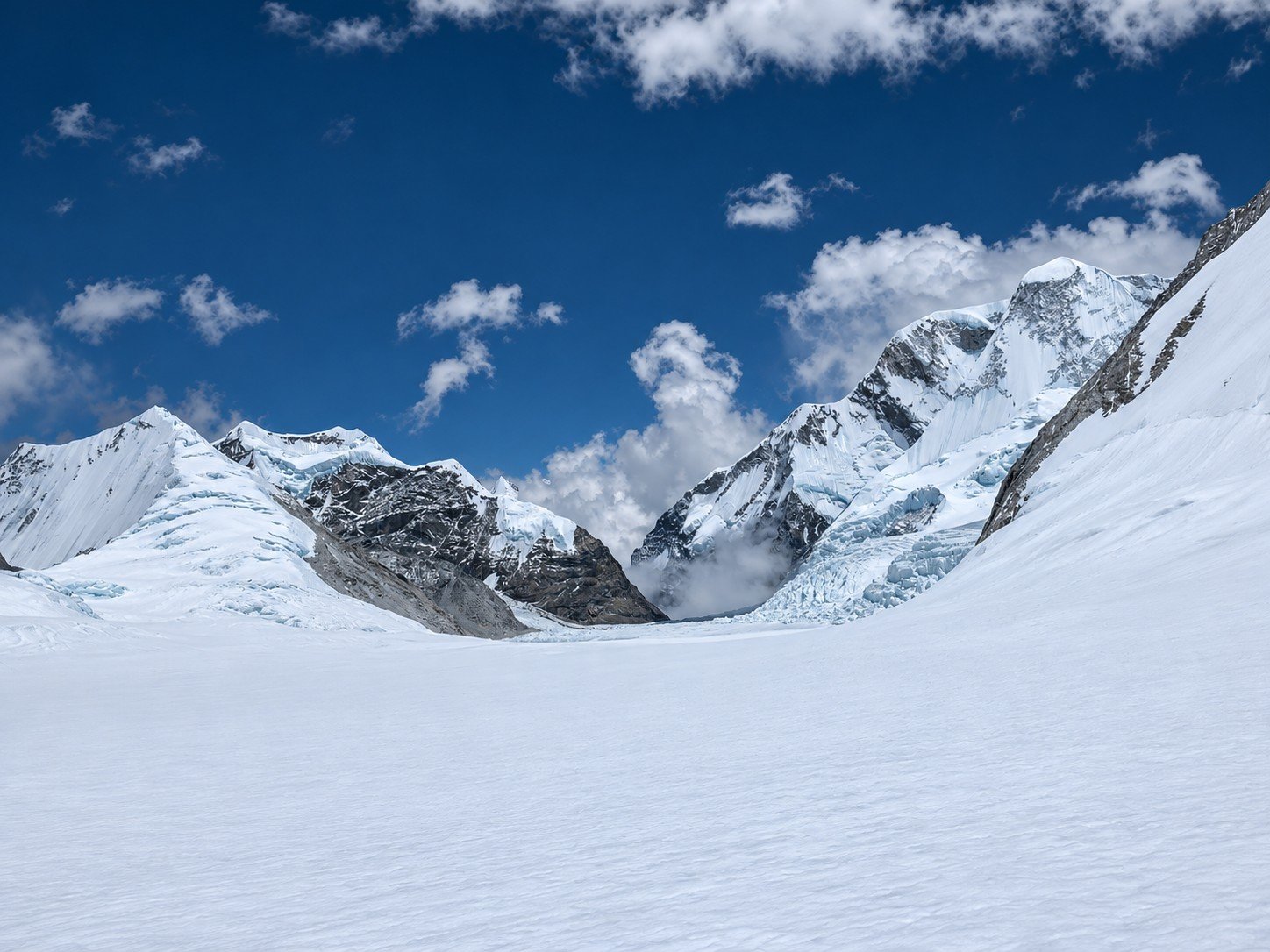
Sherpani Col and West Col involve high glacier travel above 6,000 metres. Amphu Lapcha adds another major technical crossing before the route eventually reaches the Chhukung side of the Khumbu.
The terrain can involve steep snow and ice, crevassed glaciers, fixed lines and abseiling. Trekkers may need crampons, ice axes, harnesses, helmets, ascenders and descending equipment as part of the system established by the technical guide team.
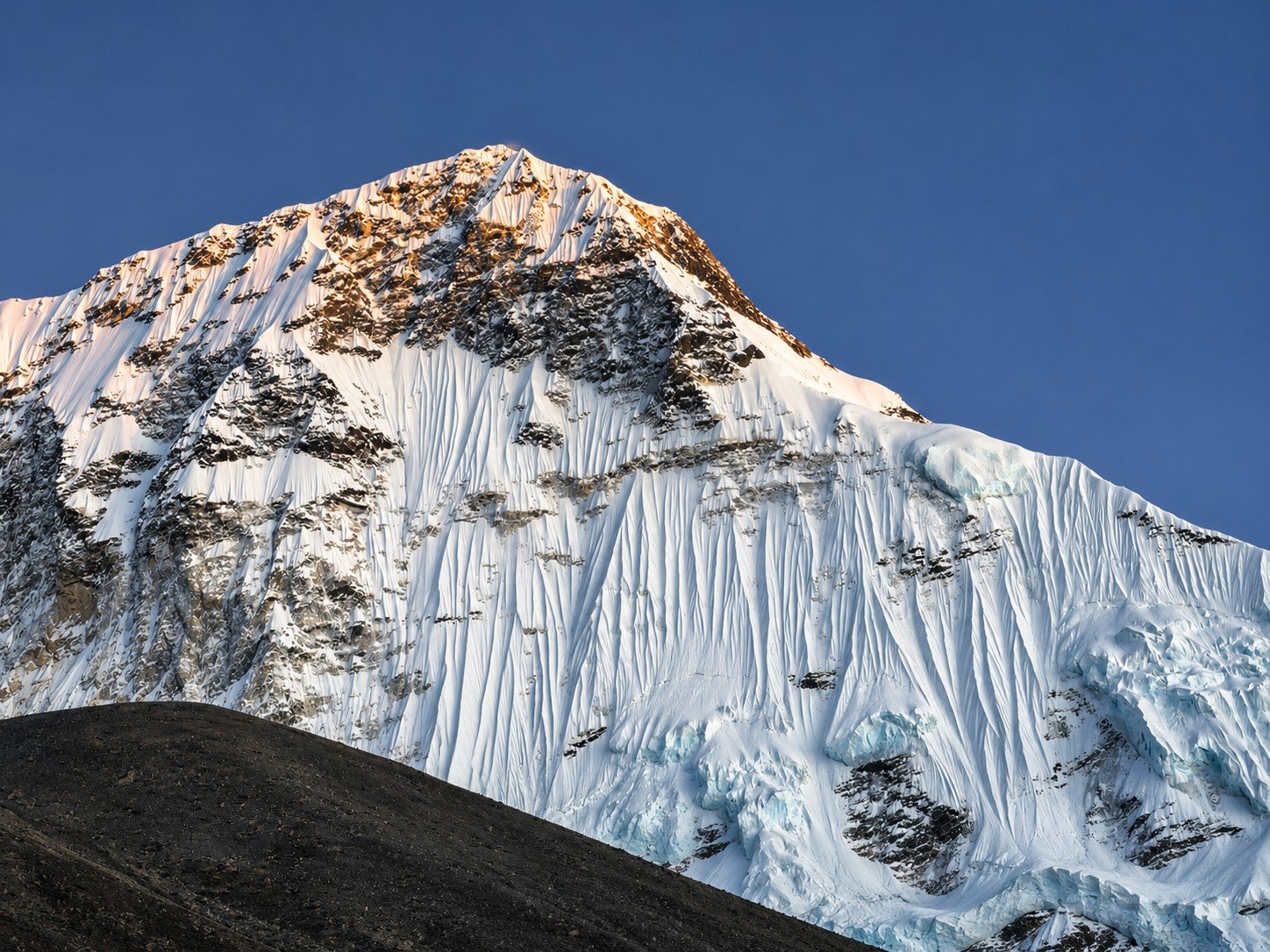
This is where the word trek can become slightly misleading if someone imagines an ordinary hiking holiday.
Participants should already have practical familiarity with the relevant equipment. Previous experience using crampons, moving on fixed ropes and descending on a rope system is far more appropriate preparation than simply completing several conventional high-altitude treks.
Camping is another major part of the commitment. Several nights may be spent above 5,000 metres in exposed terrain where there are no teahouses, limited communication and no convenient road access.
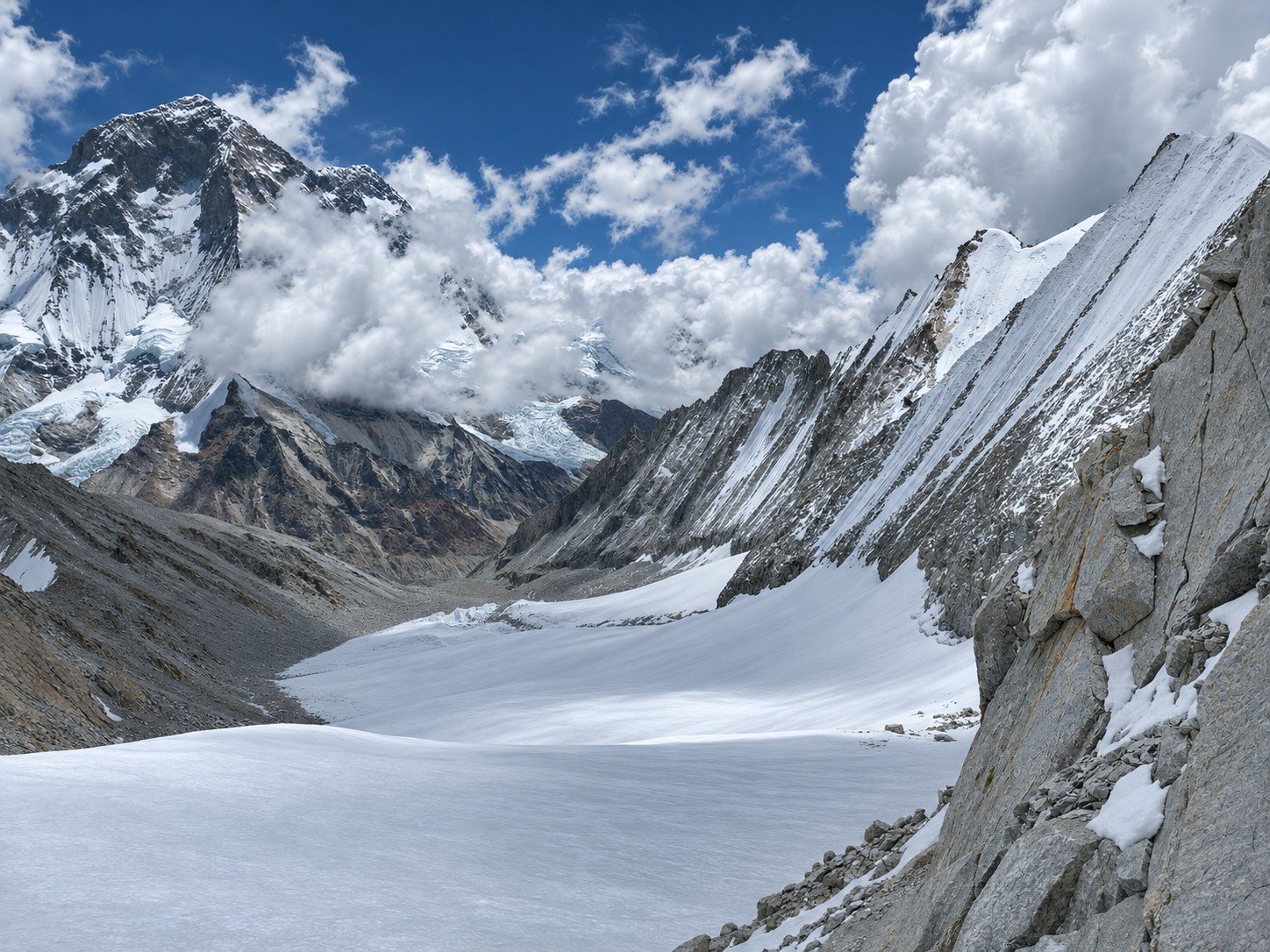
That changes the consequences of weather, illness and fatigue. If conditions deteriorate deep inside the traverse, the team cannot simply return to a nearby lodge and reconsider over tea.
The guide and climbing support team therefore become central to the journey. Route preparation, rope systems, camp logistics, weather interpretation, group condition and turnaround decisions all matter.
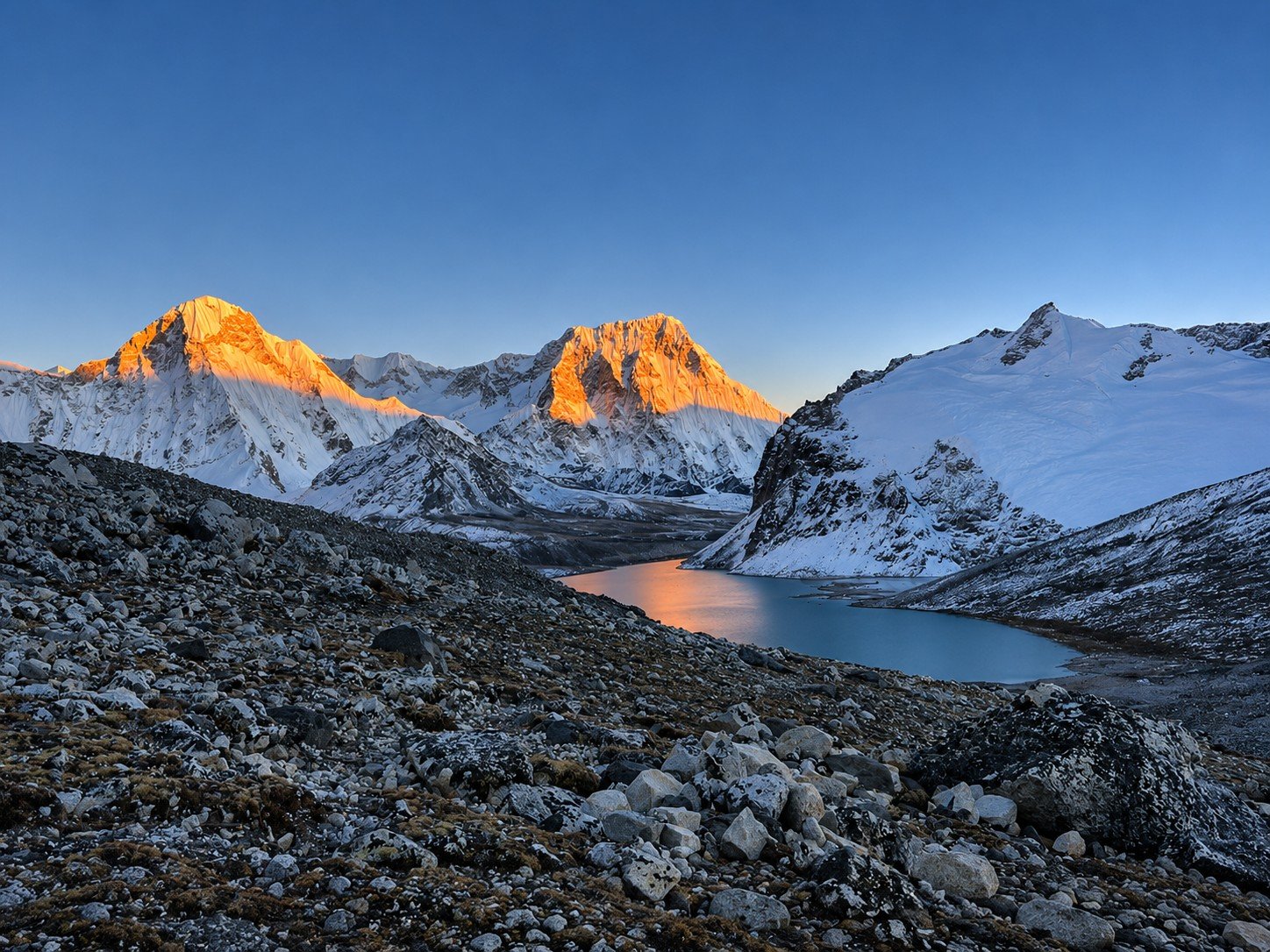
Sherpani Col is not automatically the next trek to attempt simply because someone has completed Everest Base Camp or the Three Passes.
It is a specialist mountain objective that deserves specialist preparation.
This Is Not the Place to Learn Everything for the First Time
A technical guide can brief you, check equipment and help manage difficult terrain. That is very different from arriving with no practical crampon or rope experience and expecting a short demonstration at 5,500 metres to replace proper preparation.
Comparing the Four Technical Routes
These routes should not be compared only by altitude.
Sherpani Col is higher than Ganja La, but elevation alone does not explain the difference between them.
The more useful comparison is the terrain involved, how long the team remains in remote technical ground and what previous experience is expected.
| Route | Highest Point | Technical Character | Experience to Consider |
|---|---|---|---|
| Ganja La Pass | Approx. 5,130 m | Condition-dependent snow, scree and potentially rope-protected terrain. | Strong trekking background and preparation for the equipment required by current conditions. |
| Tilman Pass | Approx. 5,350 m | Remote glacier terrain, crampons and possible rope protection. | Previous high-altitude and remote camping experience plus relevant snow and glacier preparation. |
| Tashi Lapcha | Approx. 5,755 m | Glaciated high-pass crossing with steep snow, ice and rope-assisted sections depending on conditions. | Strong altitude background and practical familiarity with crampons, snow and rope systems. |
| Sherpani Col Traverse | Approx. 6,180 m | Multiple glaciated passes, fixed ropes, abseils and crevasse travel. | Previous crampon, fixed-line and rope-descending experience with strong expedition-style mountain experience. |
Technical Equipment Does Not Make a Trekker Technical
Seeing a packing list containing crampons, ice axes and harnesses can make technical trekking sound like a shopping problem. It is not.
Owning the equipment is the easy part. Knowing how to use it safely, efficiently and without exhausting yourself at altitude is the important part.
Crampons and Suitable Mountaineering Boots
Crampons provide traction on snow and ice, but they need to be compatible with the boots being used.
Walking naturally while wearing crampons also takes practice. Catching one crampon point on a trouser leg, gaiter or the opposite boot can cause a fall.

The route team should confirm the appropriate boot and crampon system before departure rather than leaving compatibility to guesswork.
Ice Axe
An ice axe can provide support and form part of movement or safety techniques on snow. Simply attaching one to your backpack does not make you safer.
Where a route requires an ice axe, the trekker should understand its basic use before entering serious terrain.
Harness and Helmet
A harness allows a trekker to connect to a rope system when protection is required. A helmet can provide protection from certain falling-object and impact hazards in exposed mountain terrain.

Both can become important during technical crossings, but their use depends on the actual route arrangement established by the guide team.
Fixed Ropes, Ascenders and Descending Equipment
Some technical passes involve fixed ropes on steep or exposed sections. An ascender may be used while moving upward on an established rope, while suitable descending equipment may be used for controlled descents.
These systems must be selected and managed by experienced mountain professionals.
Glacier Travel Equipment
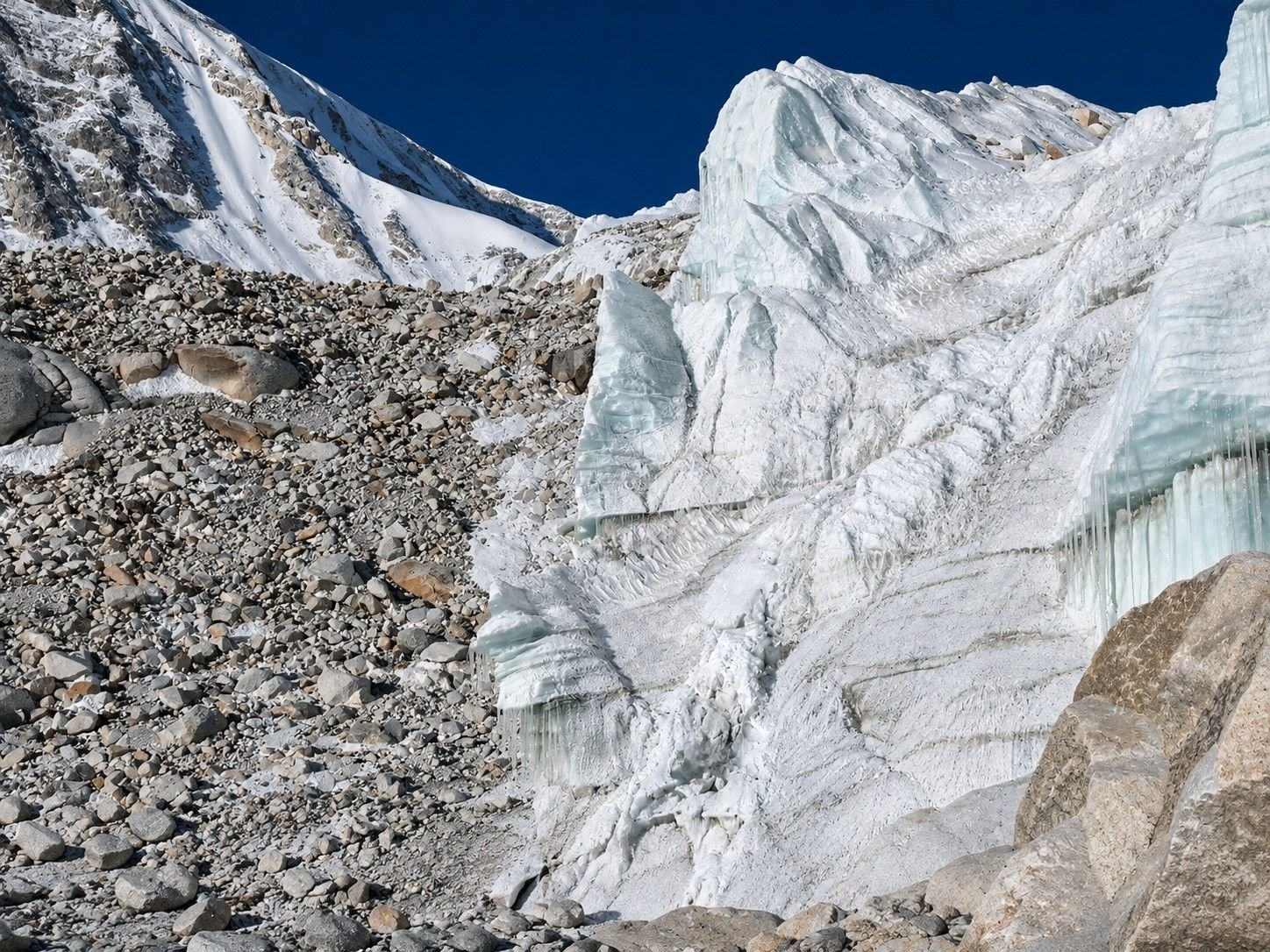
Glaciers deserve particular respect because not every hazard is visible.
Crevasses may be obvious or hidden beneath snow, and a glacier that looked straightforward in somebody else’s photograph may be very different when your group arrives.

The technical team decides how the group should move based on current conditions. There is no universal rope arrangement that applies to every glacier and every route.
Equipment Reminder
Do not buy or rent technical equipment solely because you saw it on another trekker’s packing list. The equipment must match your route, boots, conditions and the system being used by the responsible technical team.
What Experience Should You Have Before a Technical Trek?
There is no single qualification that makes someone ready for every technical trekking route in Nepal. Ganja La and the Sherpani Col traverse clearly do not require identical preparation.
But several areas of experience become increasingly important as the terrain becomes more serious.
Previous High Altitude Trekking
Before adding technical terrain, it helps to already understand how your body behaves during several consecutive days at altitude. You should understand pacing, hydration, recovery and the importance of recognising when you are not adapting normally.

That experience does not teach glacier skills, but it removes one major unknown from an already complicated mountain environment.
Practical Snow and Ice Experience
If a route is expected to require crampons, ropes or an ice axe, practical familiarity matters much more than simply reading about the equipment.
A short briefing can refresh an existing skill. It should not be expected to create experience immediately before the most serious day of the trek.
Comfort with Remote Camping
Technical routes often spend more time away from permanent teahouses. That means colder nights, tents, more basic washing facilities, limited charging and less comfortable routines.

None of those things is technically difficult by itself, but they contribute to fatigue. Someone who is already exhausted by several nights of remote camping may have less concentration available when the difficult terrain begins.
Fitness Still Matters
Calling a route technical does not make physical conditioning less important. Walking in heavier boots, carrying additional equipment and moving slowly on a glacier can make relatively short distances surprisingly tiring.

At 5,500 or 6,000 metres, even apparently simple tasks take more energy. The strongest technical skills in the group are not particularly useful if the trekker reaches the critical crossing completely exhausted.
Why the Guide Team Matters More on Technical Terrain
On an ordinary trekking route, a guide helps manage navigation, accommodation, local arrangements, pacing and the overall itinerary. Technical terrain adds another responsibility: interpreting the mountain itself.
Snow condition, glacier condition, recent weather, visibility, wind, rockfall, crevasses and the physical condition of the group can all affect whether a route is appropriate to cross.
The team may need to choose a suitable line, install or inspect protection, manage rope systems and decide whether the group should continue. That final decision is particularly important.
A technical guide who turns around because conditions are unsafe has not failed to complete the itinerary. They have done their job. The mountain does not care that a pass was scheduled for Day 12.
The Printed Itinerary Is a Plan, Not a Promise
On a technical route, weather or terrain can force a delay, a different line or a complete turnaround. Anyone choosing this kind of journey should be mentally prepared for the possibility that the safest decision may not be the most satisfying one.
Weather Can Change the Technical Difficulty of the Same Route
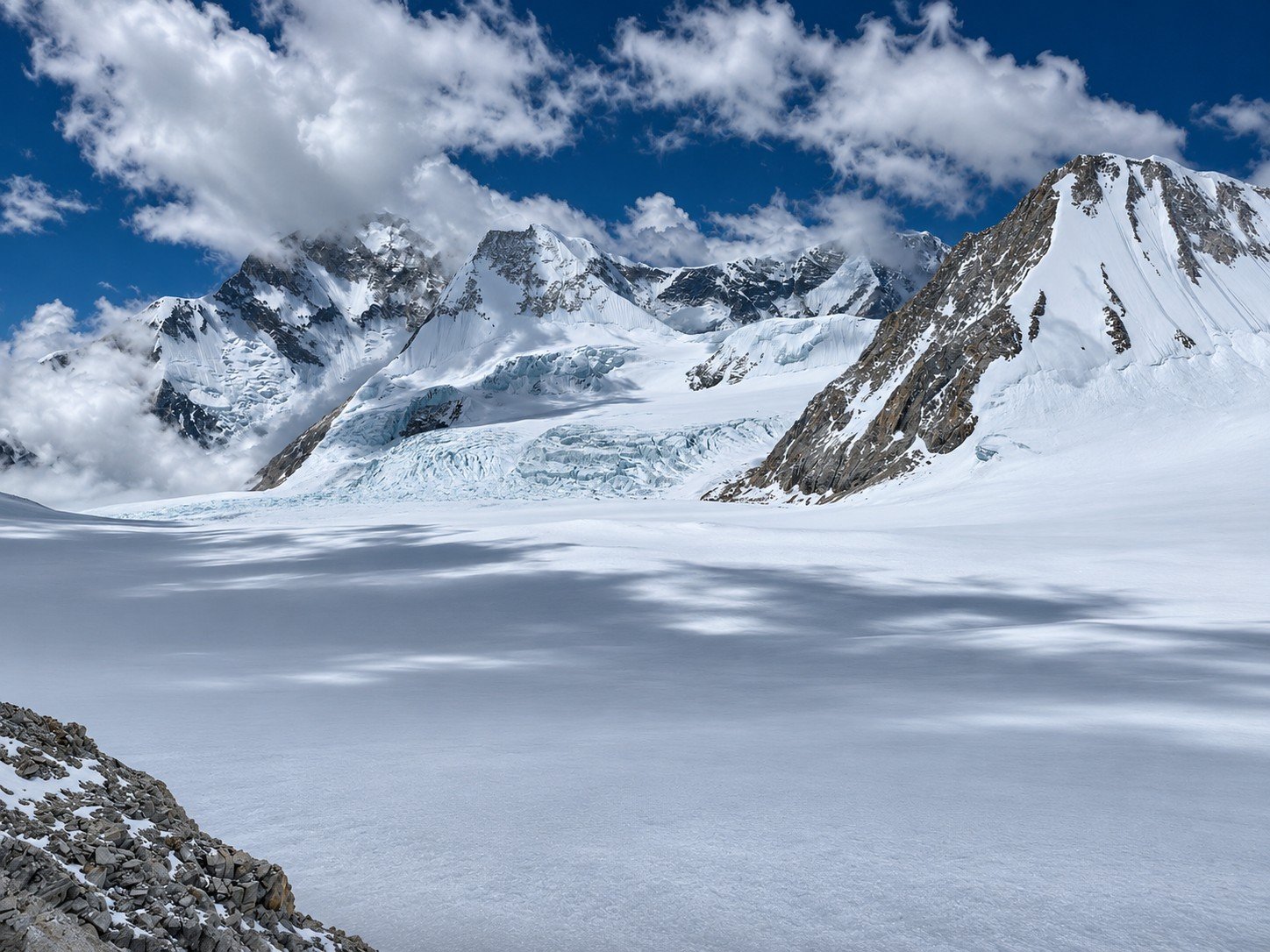
Technical difficulty is not permanently attached to a mountain pass. One season may provide supportive snow on a slope. Another may expose harder ice.
Fresh snow can hide the surface beneath it. Warmer periods can affect glacier conditions. Heavy snowfall may create completely different hazards from those encountered by a group only a few weeks earlier.
This is also why equipment lists can appear inconsistent between different route descriptions.
It does not necessarily mean that one itinerary is wrong. Different guide teams may have experienced the pass under different conditions or may use different protection systems.
Spring and autumn are commonly used for many high-altitude mountain crossings in Nepal, but even the main seasons contain periods of poor weather.
The useful question is therefore not only, “What is the best month?” It is also, “What are the actual conditions on the route now?”
Who Should Not Choose a Technical Trek Yet?
There is nothing wrong with deciding that a technical route should come later. If your mountain background consists mainly of short, lower-altitude hiking, build a stronger trekking foundation first.
If you have completed one or two high-altitude treks but have never worn crampons, used a harness or moved on snow and ice, choose a route or training progression that gives you time to develop those skills.
And if the main reason you want a technical trek is simply that an ordinary trek no longer sounds impressive enough, that is probably the wrong motivation.
Technical equipment does not make the journey more prestigious. It simply reflects the terrain. Nepal has plenty of extremely demanding, remote and beautiful Himalayan treks that do not require specialist glacier or rope skills.
Choosing one of those can be a much better progression than jumping directly into an objective that exceeds your experience.
Choosing the Right Technical Trek in Nepal
These four routes demonstrate just how broad the phrase technical trekking can be. Ganja La shows how a relatively short technical section can change the preparation required for an otherwise recognisable Himalayan trek.
Tilman Pass introduces more sustained wilderness, glacier terrain and remote camping, while Tashi Lapcha combines serious glacier travel with a high-altitude crossing between Rolwaling and the Khumbu.
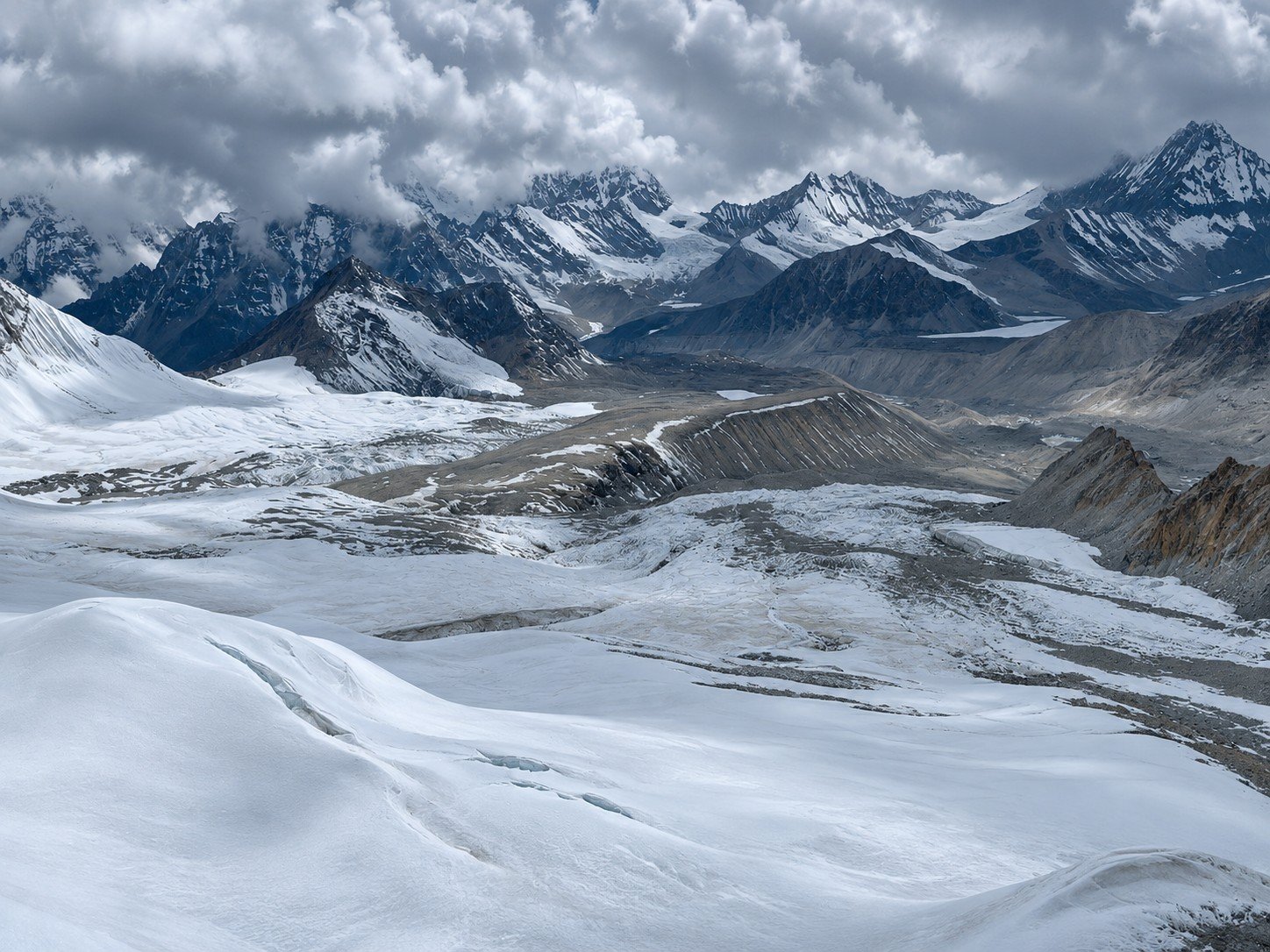
On the other hand, Sherpani Col, West Col and Amphu Lapcha then move firmly into specialist expedition territory, where repeated glacier crossings, fixed ropes and high camps require a much deeper level of preparation.
The best progression is therefore not necessarily to move from the lowest pass to the highest. Look instead at the skills you already have and the skills your next objective actually requires.
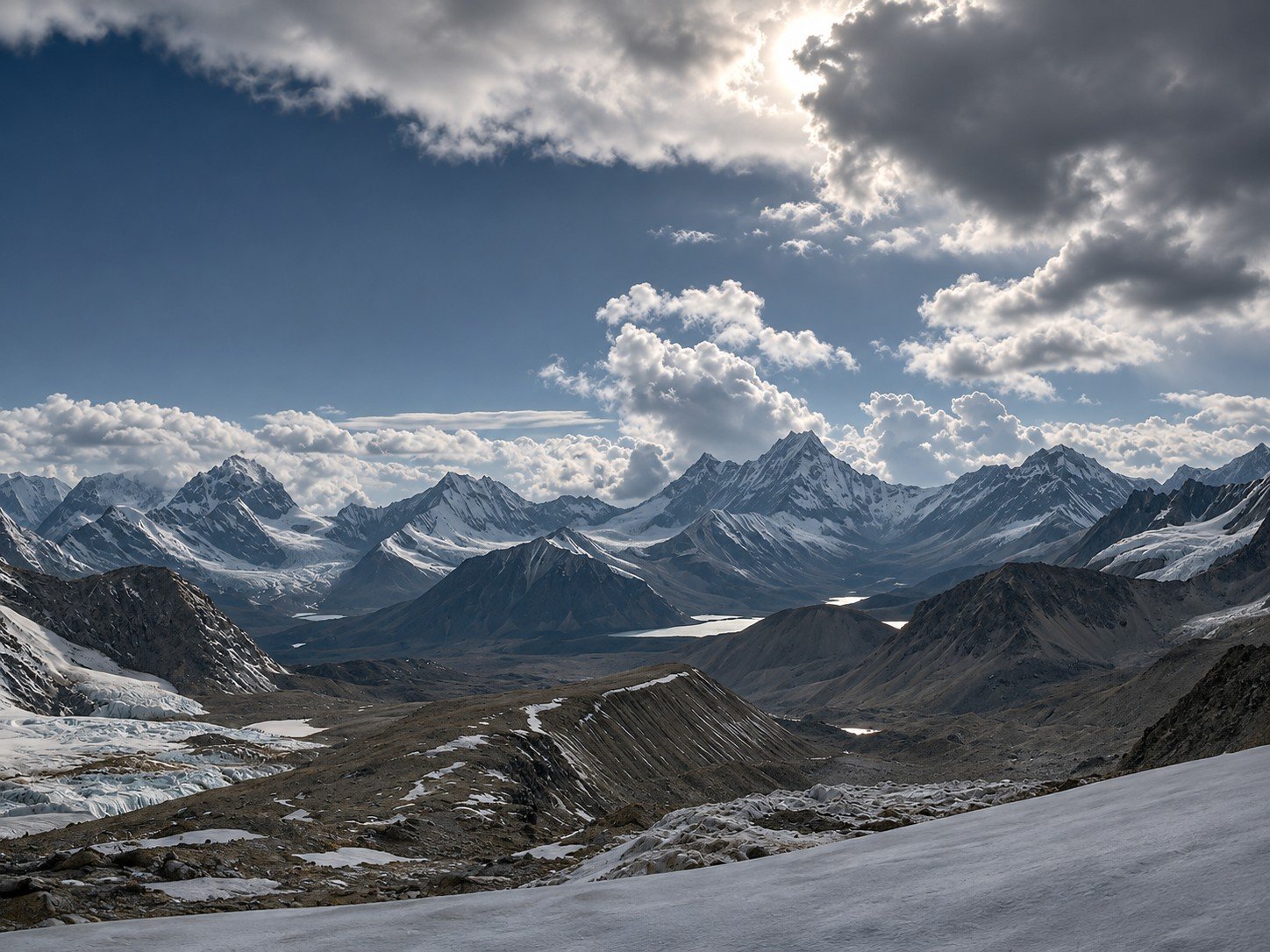
A physically strong trekker may still need technical training and a technically experienced mountaineer may still need more high-altitude trekking experience.
Someone comfortable with both may still need to develop the patience and resilience required for several nights of remote camping. Technical trekking rewards judgement far more than bravado.
The goal is not simply to reach a high point while wearing crampons. It is to move through serious mountain terrain with enough preparation, experience and support to make good decisions throughout the journey.
Considering a Technical Trek in Nepal?
Share your previous high-altitude trekking experience, technical mountain background, preferred route and travel dates with Nepal Royal Tourism Holiday. For specialist routes without a published package, we can discuss whether suitable arrangements can be made for your experience and objective.
Route information note: Elevations and technical requirements in this guide are planning references. Snow, glacier, access and weather conditions can change. The equipment, route status and crossing arrangements for a particular departure should be confirmed with the responsible technical guide team before the trek.